
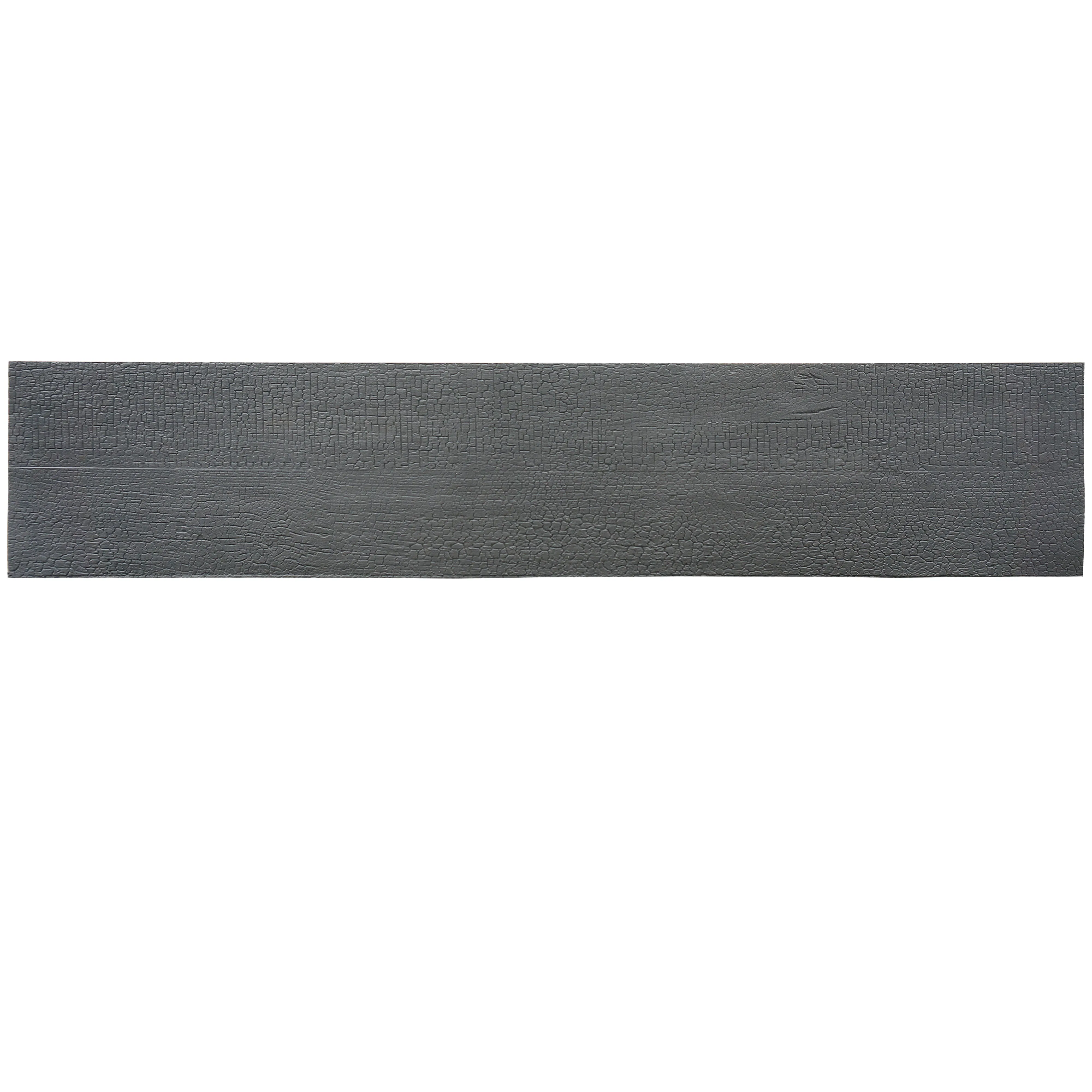
Walk into a space cladded in charcoal burnt wood board, and you'll notice it immediately—the way light catches its deeply textured surface, the subtle scent of charred timber that feels both ancient and new. It's not just a material; it's a storyteller, carrying the warmth of fire and the resilience of wood in every grain. In a world where sleek minimalism once reigned supreme, there's a quiet revolution happening: we're falling back in love with materials that ground us—and charcoal burnt wood board is stepping into that spotlight.
Let's start with the basics: charcoal burnt wood board, also known as shou sugi ban (a nod to its Japanese roots), is wood that's been treated with controlled burning to enhance its durability and aesthetic appeal. Traditionally, this process involved torching the wood's surface to create a protective char layer, which naturally resists rot, insects, and weathering. Today, modern manufacturers have refined the technique—using precise heat levels and finishing with natural oils or sealants—to create boards that retain that signature charred texture while offering consistent quality and versatility.
The result? A material with depth. Run your hand over it, and you'll feel the ridges and valleys left by the flame—some areas smooth from careful sanding, others rough with intact char. Its color palette ranges from deep, almost-black ebony to warm amber, depending on the wood species and burning intensity. It's this duality—raw yet refined—that makes it so captivating for designers.
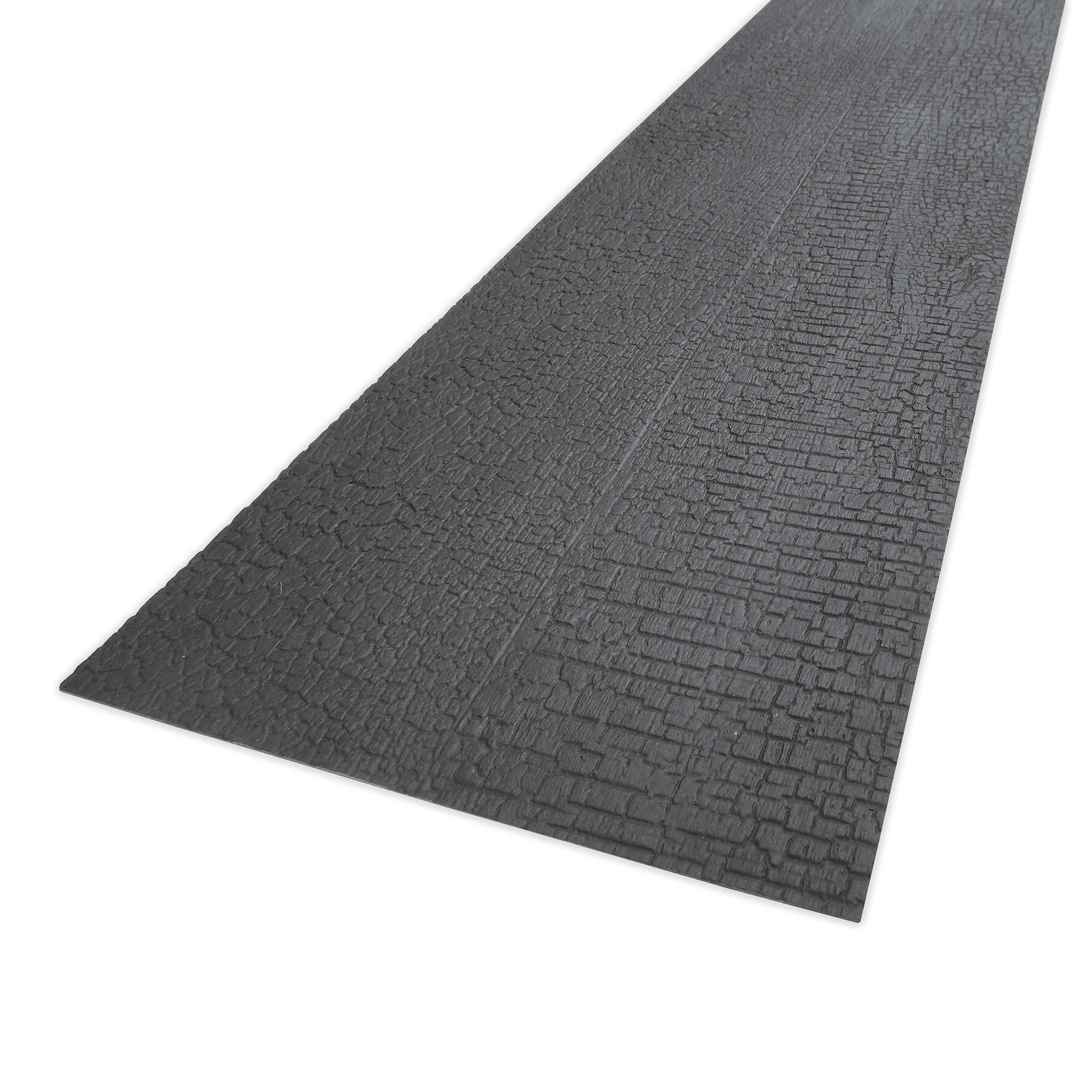
If you've flipped through design magazines or scrolled through Pinterest lately, you've probably noticed a pattern: spaces are getting softer, more tactile, and unapologetically *real*. After years of staring at screens and craving connection, designers and homeowners alike are reaching for materials that engage the senses. Charcoal burnt wood board fits this bill perfectly. It's not just a visual element; it's something you can feel, smell, and even hear (the subtle crunch of char when you tap it). It adds layers of texture that flat, glossy surfaces simply can't match.
Interior designers are using it for accent walls in living rooms, adding depth without overwhelming the space. Architects are cladding exteriors with it, letting buildings age gracefully as the wood weathers into a silvery patina. Even furniture designers are incorporating it into tables and cabinets, turning everyday pieces into conversation starters. It's versatile, too—equally at home in a cozy cabin, a sleek urban loft, or a high-end restaurant.
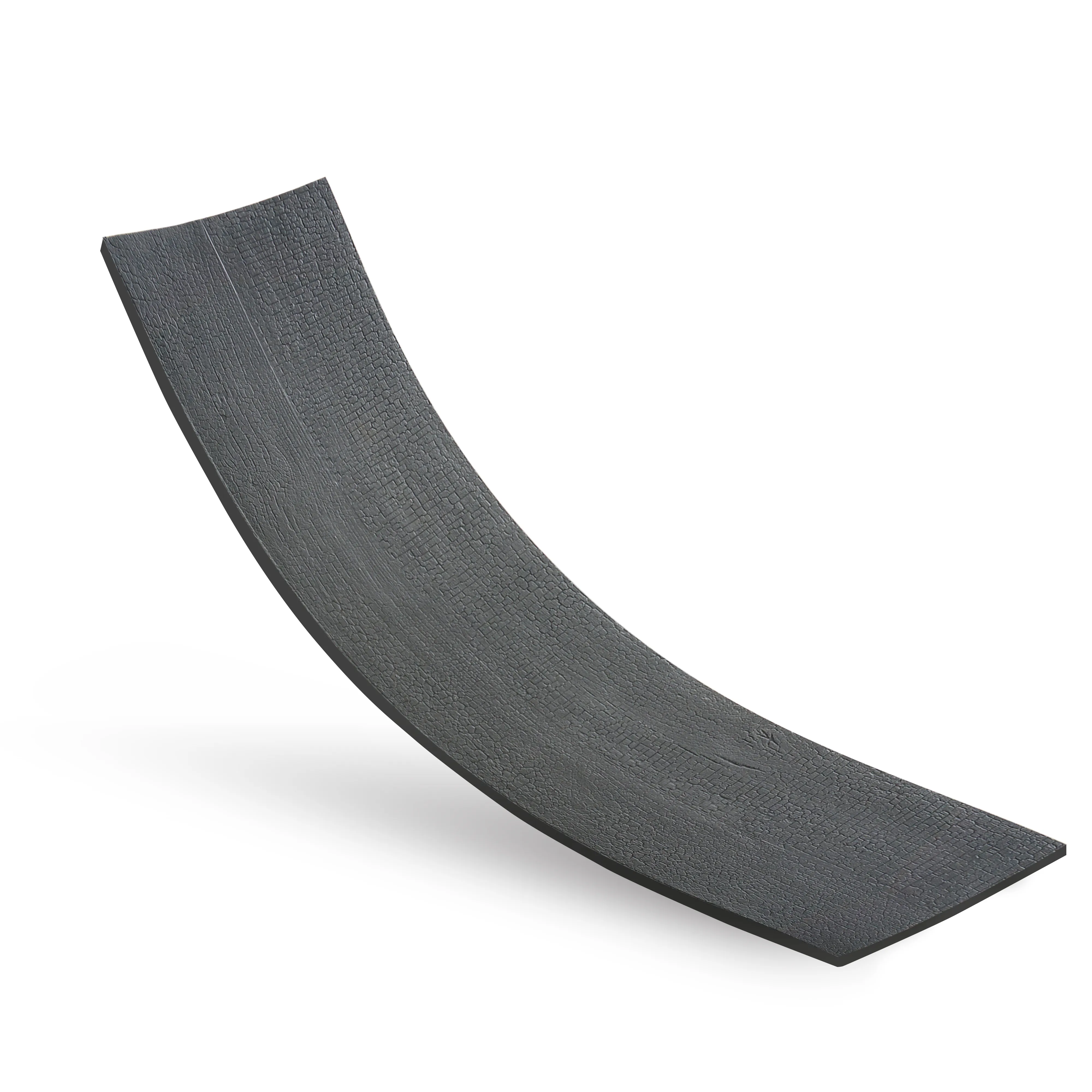
What's really pushing charcoal burnt wood board into the future is how it's evolving beyond standalone use. Designers are now pairing it with other materials to create dynamic, multi-layered spaces—and the results are (jīngyàn, or stunning, for those who appreciate a little Mandarin flair). Take wood concrete board, for example—a hybrid material that blends wood fibers with concrete to create a surface that's both strong and surprisingly warm. When used alongside charcoal burnt wood, it's a match made in design heaven.
Imagine a kitchen where charcoal burnt wood panels line the walls, their dark texture contrasting with wood concrete board countertops. The charred wood adds rustic charm, while the wood concrete brings industrial edge—creating a space that feels both cozy and contemporary. It's this kind of material synergy that's breaking down old design rules: no longer are we limited to "farmhouse" or "minimalist"; we can blend, contrast, and layer to tell richer stories.
Or consider pairing charcoal burnt wood with weaving (khaki)—a soft, fabric-like material with a nubby texture. In a bedroom, for instance, a charcoal burnt wood headboard could be upholstered with weaving (khaki) fabric, the rough-hewn wood frame peeking through the weave. The combination feels like a hug for the senses: the charred texture adds earthiness, while the fabric brings warmth, creating a space that's both grounding and inviting.
| Material | Texture Profile | Sustainability Highlight | Best For |
|---|---|---|---|
| Charcoal Burnt Wood Board | Deeply grooved, charred surface with smooth-sanded accents; warm, earthy tones. | Often made with reclaimed wood; natural char layer reduces need for chemical preservatives. | Accent walls, exterior cladding, furniture, focal points. |
| Wood Concrete Board | Dense, slightly gritty surface with subtle wood grain; cool to the touch. | Uses recycled wood fibers and low-carbon concrete; durable, long lifespan reduces replacement needs. | Countertops, flooring, outdoor patios, high-traffic areas. |
| Rough Granite Stone (Medium Grey) | Speckled, crystalline surface with natural pits and veins; cool, hard texture. | Naturally occurring, minimal processing; heat-resistant and long-lasting. | Fireplaces, backsplashes, outdoor kitchens, industrial-chic interiors. |
Let's talk about the elephant in the room (or the tree in the forest, if you will): sustainability. These days, no material makes it to the top of design boards without checking the eco-friendly box—and charcoal burnt wood board is no exception. The good news? It's got some serious green cred.
First, many manufacturers are sourcing reclaimed wood for their boards. Think old barn beams, fallen trees, or wood scraps that would otherwise end up in landfills. By giving this wood a second life, they're reducing the demand for new timber and keeping carbon sequestered in the material (trees absorb CO2 as they grow, and reclaimed wood locks that carbon in). Second, the burning process itself is low-impact: no harsh chemicals, just heat and time. The char layer acts as a natural preservative, so there's no need for toxic treatments that off-gas or leach into the environment. And finally, when finished with plant-based oils or water-based sealants, charcoal burnt wood board becomes a low-VOC (volatile organic compound) option—great for indoor air quality.
Compare that to synthetic cladding materials, which often rely on fossil fuels in production and release harmful chemicals over time. Charcoal burnt wood board isn't just a pretty face; it's a responsible choice for designers and homeowners who want to create spaces that look good *and* do good.
You might not associate a centuries-old technique with cutting-edge tech, but charcoal burnt wood board is getting a digital upgrade—and it's opening up a world of possibilities. Enter the MCM 3D printing series, a game-changer for custom design. MCM (Modified Composite Material) 3D printing allows manufacturers to create complex shapes, patterns, and textures by layering materials—including charcoal burnt wood fibers mixed with resins or binders. Suddenly, we're not limited to flat panels; we can have curved walls, geometric screens, or even 3D-printed furniture with integrated charcoal burnt wood elements.
Digital design tools are also making it easier to incorporate charcoal burnt wood into projects. With 3D modeling software, designers can visualize how the material will interact with light, other textures (like travertine (starry blue), with its subtle blue-gray veins), and even sound. Want to see how a charcoal burnt wood accent wall will look at sunset? Render it. Curious if it pairs well with rough granite stone (medium grey) in a bathroom? Mock it up. This tech isn't replacing the material's organic charm; it's enhancing it, making it more accessible and adaptable than ever.
Let's get concrete (pun intended) with some examples. Take the Wildwood restaurant in Seattle, which opened last year. The design team wanted to channel the Pacific Northwest's lush forests and misty coasts. They cladded the main dining room walls with charcoal burnt wood board, choosing a lighter burn to let the wood's natural grain peek through. To contrast, they used travertine (starry blue) for the flooring—a stone with swirled blue-gray patterns that mimic the region's rivers. The effect? Diners feel like they're eating in a forest clearing, with the charred wood wrapping around them and the travertine underfoot evoking cool, smooth river stones. It's immersive, memorable, and—wait for it—Instagram-worthy (because in 2024, that's half the battle).
Then there's the Holloway Residence in Boulder, Colorado. The homeowners wanted an outdoor living space that could withstand harsh winters and hot summers—without sacrificing style. They opted for charcoal burnt wood board for the patio ceiling, paired with wood concrete board for the floors. The wood concrete handles foot traffic and weather like a champ, while the charcoal burnt wood adds warmth and texture overhead. "We love how it ages," says homeowner Mia Holloway. "Each year, the wood gets a little more silver, and the concrete develops this subtle patina. It feels like the space is growing with us."
So, where does charcoal burnt wood board go from here? If current trends are any indication, the future is less about "trend" and more about "timeless staple." Here's what we're predicting:
At the end of the day, charcoal burnt wood board isn't just a material—it's a feeling. It's the comfort of a crackling fire, the awe of a forest at dawn, the satisfaction of touching something real in a digital world. It blends tradition and innovation, sustainability and style, warmth and edge. And in a design landscape that's always chasing the next big thing, that kind of versatility is golden.
So whether you're designing a restaurant, building a home, or just dreaming up your next renovation, consider charcoal burnt wood board. It's not just about trends—it's about creating spaces that tell stories, evoke emotion, and stand the test of time. And really, isn't that what good design is all about?
Recommend Products












