

Walk down any street, and buildings whisper stories. Some shout with bold colors, others murmur with subtle textures—but all of them rely on one critical element to tell their tale: cladding. It's more than just a "skin" for walls; it's the first impression, the emotional trigger, the silent narrator of a structure's identity. In a world where architecture is increasingly tasked with balancing beauty, durability, and sustainability, the search for cladding that does it all has never been more urgent. Enter COLORIA, a brand redefining what's possible with its MCM (Modified Composite Material) innovations—and at the heart of this revolution lies Fine Line Stone (White) , a product that doesn't just cover buildings, but elevates them into experiences.
But Fine Line Stone (White) isn't alone. It's part of a broader ecosystem of MCM solutions, including the versatile MCM flexible stone and the grand-scale MCM big slab board series , each designed to solve unique design challenges while pushing the boundaries of what cladding can be. Let's dive into how COLORIA is shaping the future of architecture, one panel at a time.
Cladding has come a long way from its humble beginnings. Once little more than a protective layer—think rough-hewn stone or utilitarian brick—it was designed to shield buildings from the elements, not necessarily to inspire. But as architecture evolved into an art form, cladding followed. Natural stone became a status symbol, with marble and granite gracing the facades of grand hotels and corporate towers. Yet, for all their beauty, these materials came with trade-offs: weight that strained structural integrity, fragility that limited design flexibility, and costs that put them out of reach for many projects.
Then came engineered materials: vinyl, fiber cement, aluminum. They offered lighter weight and lower costs, but often sacrificed the depth and authenticity of natural stone. Architects and designers found themselves caught in a loop: choose beauty or practicality, but rarely both. "We'd spend hours poring over samples, trying to find something that felt 'alive' but wouldn't require reinforcing the entire building," recalls James Chen, a senior designer at a global architecture firm. "It was like trying to fit a square peg into a round hole—until MCM changed the game."
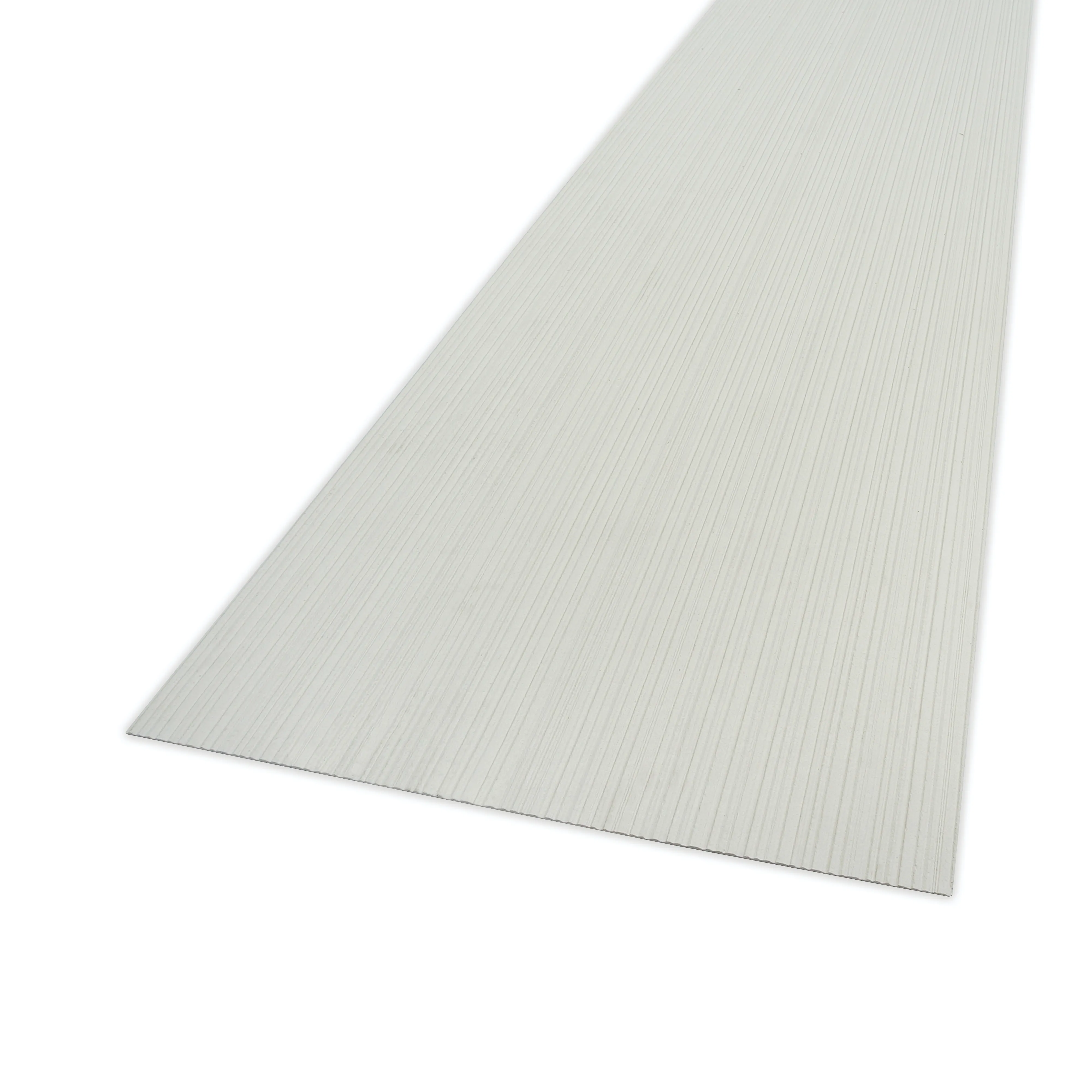
So, what exactly is MCM? At its core, MCM is a hybrid material: a blend of natural minerals (like stone powder or clay) and high-performance polymers, engineered to mimic the look and texture of natural materials—stone, wood, metal—while shedding their limitations. The result? Panels that are lightweight (up to 70% lighter than natural stone), flexible (able to bend around curves and angles), and durable (resistant to UV rays, moisture, and impact). But MCM's real magic? It doesn't just imitate nature—it elevates it, allowing for precision and consistency that natural materials can't match.
For COLORIA, MCM isn't just a material; it's a philosophy. "We believe cladding should adapt to the designer's vision, not the other way around," says Elena Rodriguez, COLORIA's head of product innovation. "Natural stone has beauty, but it's unforgiving. With MCM, we're giving architects a blank canvas—one that's strong enough to withstand the elements, light enough to work on any structure, and beautiful enough to make people stop and stare."
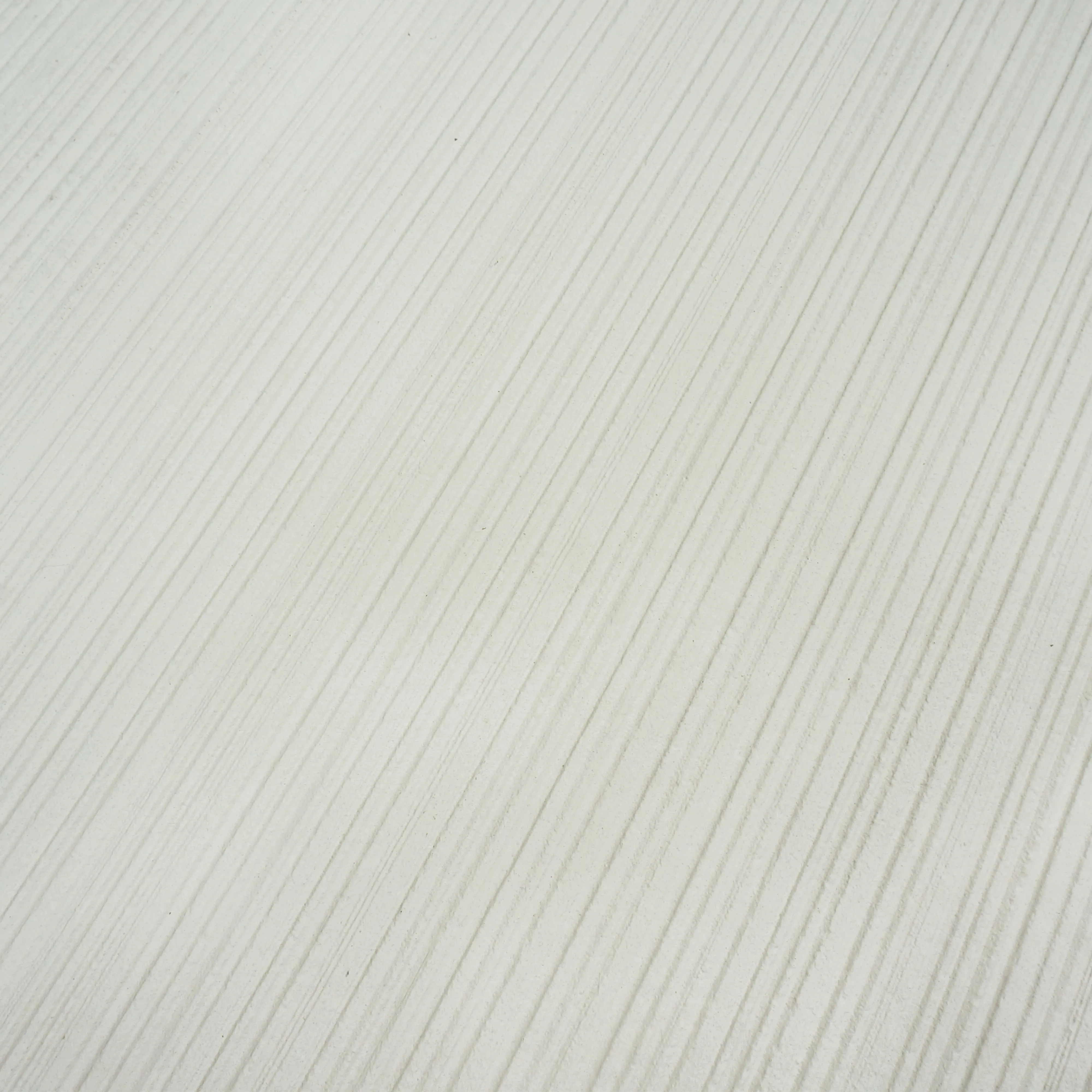
If MCM is the canvas, then Fine Line Stone (White) is the masterpiece. At first glance, its name says it all: a crisp, clean white base intersected by delicate, (hair-thin) lines that dance across the surface. But look closer, and you'll realize it's not just "white cladding"—it's a study in contrast, light, and texture.
The "fine lines" aren't printed; they're engineered into the material itself, created through a proprietary process that layers and compresses natural mineral particles to mimic the veining of premium marble. The result is a panel that feels alive : in morning light, the lines soften, casting subtle shadows that make the surface feel warm and inviting; at dusk, they deepen, adding drama and depth. It's a chameleon of a material, adapting to its environment while maintaining a timeless elegance.
But beauty is just the start. Fine Line Stone (White) checks every practical box, too. At just 4-6mm thick and weighing a mere 8-10kg per square meter, it's light enough to be installed on everything from low-rise homes to high-rise towers without requiring extra structural support. Its flexibility means it can wrap around curved walls, archways, or even custom geometries—think the sweeping facade of a boutique hotel or the organic curves of a cultural center—something that would crack or warp traditional stone. And with a lifespan of over 50 years (thanks to its resistance to fading, chipping, and moisture), it's a choice that pays dividends for decades.
Take the example of the Azure Hotel in Lisbon, a 12-story boutique property that opened in 2024. The design team wanted a facade that felt "serene but not sterile," says lead architect Sofia Mendes. "We considered marble, but the weight was a problem, and we needed to curve the lobby walls. Fine Line Stone (White) solved both. The lines add just enough texture to keep it from feeling flat, and the white makes the building glow at night. Guests often comment on how 'calm' the exterior feels—it's like a breath of fresh air in a busy city."
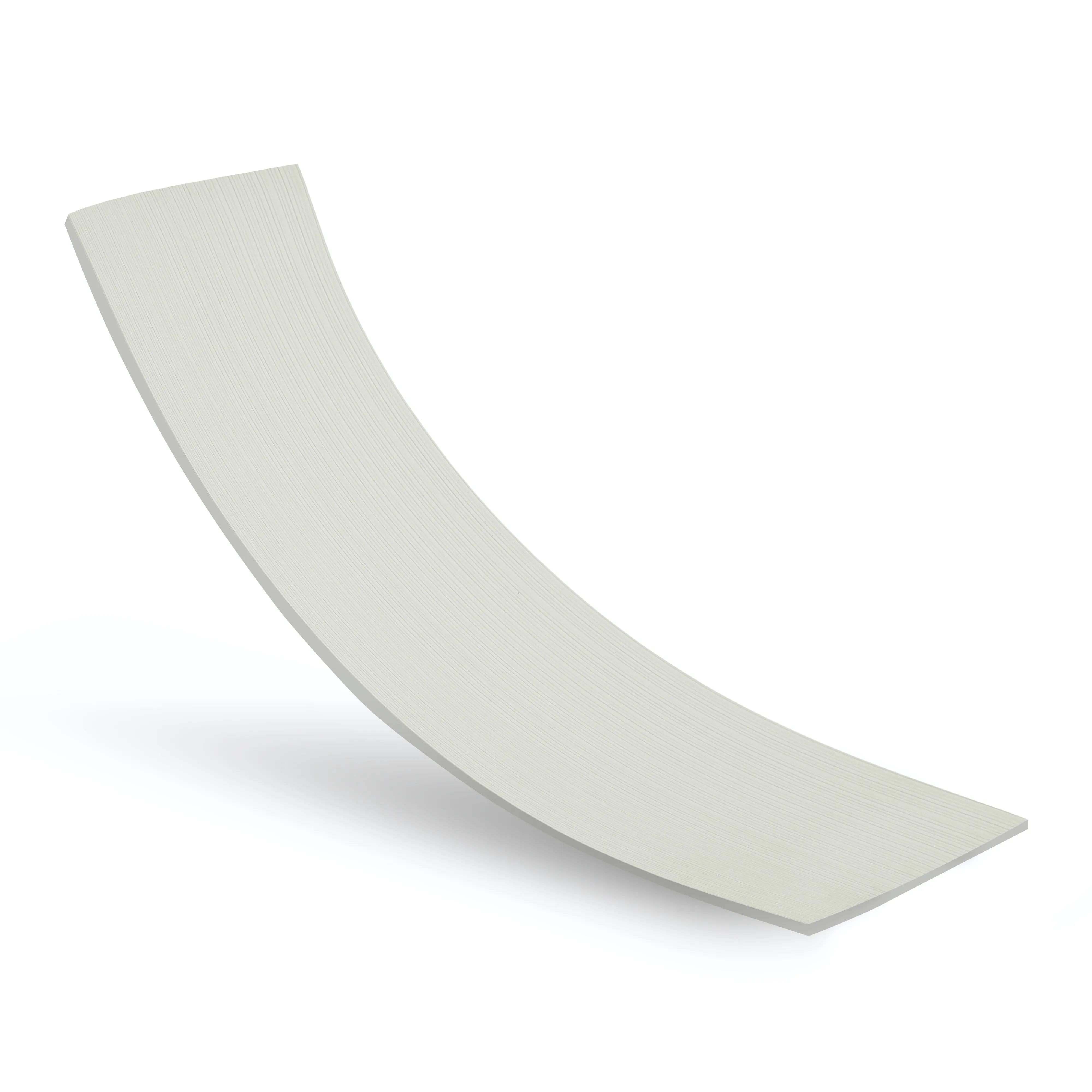
While Fine Line Stone (White) steals the spotlight, COLORIA's MCM lineup is a family of problem-solvers, each designed to complement the others. Let's meet two key players:
Imagine a cladding that can hug a spiral staircase, wrap around a rounded (column), or even cover a dome. That's MCM flexible stone in action. With a thickness of just 3-4mm and a flexibility that allows it to bend up to 90 degrees without cracking, it's the answer to architects' prayers for curved surfaces. Unlike rigid panels, which require complex (and costly) cutting to fit angles, flexible stone is applied like a "skin," conforming to the structure's shape with minimal waste.
"We used MCM flexible stone on the interior of a yoga studio in Copenhagen," says designer Lars Jensen. "The client wanted the walls to feel organic, like they were embracing the space. Traditional stone would have been impossible—too heavy, too brittle. Flexible stone let us create those soft curves, and the texture (we chose a travertine-inspired finish) adds warmth that makes the studio feel like a retreat."
For projects that demand scale—think the facade of a corporate headquarters or the lobby of a convention center—size matters. The MCM big slab board series delivers with panels up to 3 meters in length and 1.5 meters in width, minimizing visible seams and creating a seamless, monolithic look that exudes grandeur. "Traditional large-format stone slabs are heavy and prone to breakage during installation," explains Rodriguez. "Our big slabs are lightweight enough to be handled by two people, and their uniformity means you can cover a wall with just a few panels—no more mismatched veining or inconsistent color."
A recent project in Dubai's Design District used the big slab series in a warm travertine (beige) finish, creating a lobby wall that stretches 20 meters across. "The client wanted the space to feel like a 'canyon of light,'" says architect Ahmed Khalid. "The big slabs let us achieve that uninterrupted flow, and the travertine beige adds a softness that balances the modern, angular architecture. It's become the focal point of the building—people take photos there every day."
| Product | Thickness | Weight (per sqm) | Design Flexibility | Ideal Applications |
|---|---|---|---|---|
| Fine Line Stone (White) | 4-6mm | 8-10kg | Flat & gently curved surfaces; minimalist, high-end designs | Hotel facades, boutique retail, luxury residences |
| MCM Flexible Stone | 3-4mm | 6-8kg | Sharp curves, spirals, custom geometries | Interior accent walls, rounded columns, artistic installations |
| MCM Big Slab Board Series | 5-7mm | 10-12kg | Large, seamless surfaces; minimal seams | Corporate lobbies, convention centers, high-rise facades |
In an era where "green building" is no longer a trend but a mandate, COLORIA's MCM innovations shine. Unlike natural stone, which requires extensive quarrying (a process that disrupts ecosystems and generates massive waste), MCM uses recycled mineral byproducts from other industries, reducing its environmental footprint. The manufacturing process itself is low-energy, with 90% of water used in production recycled and reused.
But sustainability isn't just about production—it's about longevity. "A building's carbon footprint isn't just from construction; it's from maintenance and replacement, too," says Rodriguez. "Our MCM panels last 50+ years with minimal upkeep—no sealing, no polishing, just an occasional wash with soap and water. Compare that to natural stone, which often needs resealing every 3-5 years, or vinyl, which might need replacement in 15-20 years. Over time, MCM is not just better for the planet; it's better for the budget."
The versatility of COLORIA's MCM lineup means it's at home in just about any project. Here are a few examples of how architects and designers are putting these innovations to work:
Cladding has always been about more than just covering walls. It's about telling stories, evoking emotions, and creating spaces that matter. With Fine Line Stone (White) , MCM flexible stone , and the MCM big slab board series , COLORIA isn't just keeping up with the future of architecture—it's leading it. By blending the best of nature and engineering, these innovations are giving designers the tools to build structures that are as kind to the planet as they are stunning to behold.
So the next time you walk down a street and pause to admire a building, take a closer look at its skin. Chances are, it's not just stone or brick—it's MCM, working silently to turn walls into wonders. And in that moment, you'll realize: the future of cladding isn't just about materials. It's about possibilities.
Recommend Products












