
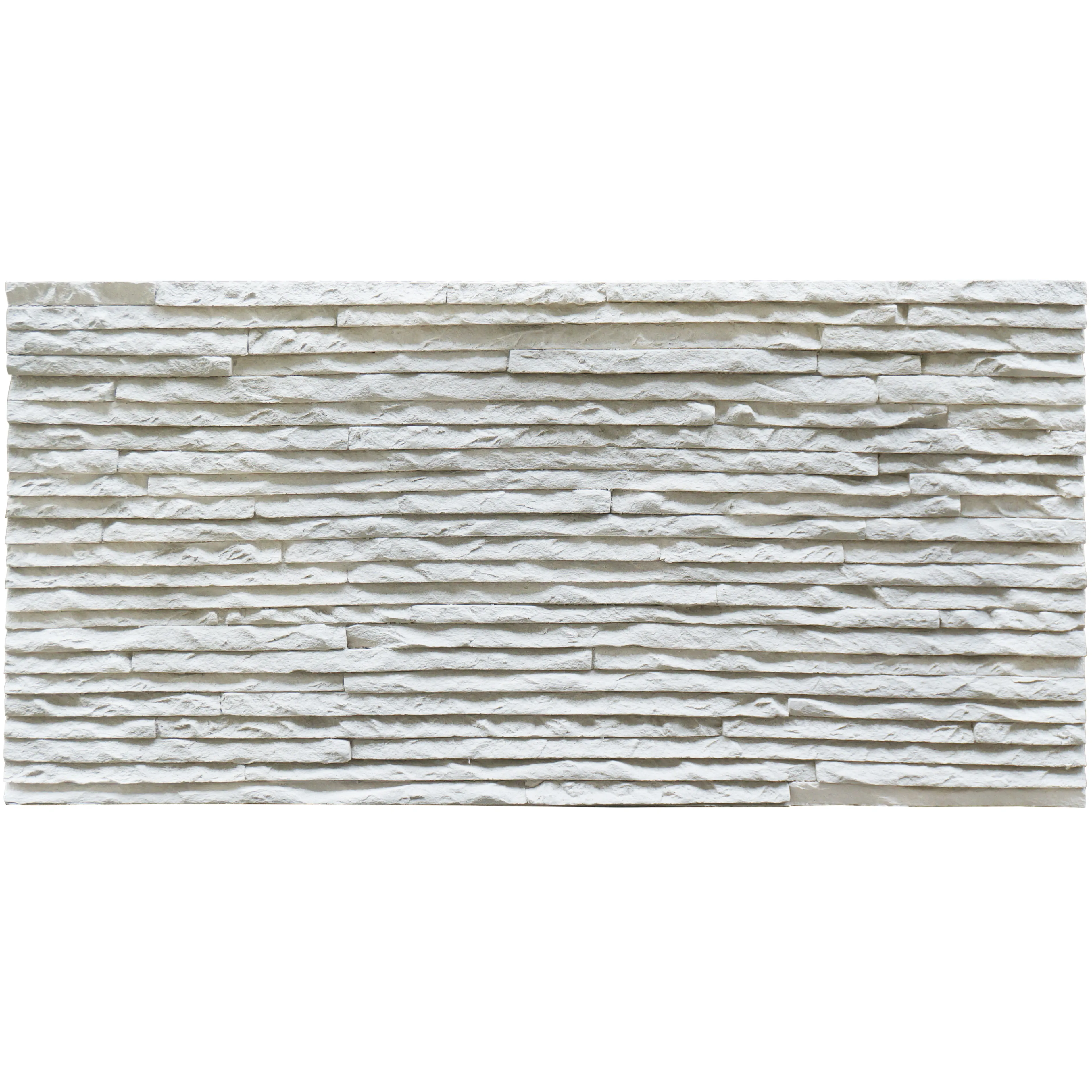
Exploring how Modern Composite Material (MCM) is redefining architectural aesthetics, one innovative panel at a time.
Walk down any city street, and you'll notice it—the skin of our buildings. It's not just a protective layer; it's a storyteller. The texture of a café wall that makes you want to step inside, the sleek facade of an office building that exudes confidence, the warm glow of a home's exterior that feels like a hug from afar. Cladding is the silent language of architecture, and in recent years, a revolution has been quietly unfolding: the rise of Modern Composite Material, or MCM.
Traditional cladding materials—heavy stone, brittle tile, high-maintenance wood—have long dictated the rules of design. They limited creativity, drove up costs, and often fell short on durability. But MCM? It's changing the game. Lightweight yet tough, flexible yet resilient, MCM panels are reimagining what's possible for architects, designers, and homeowners alike. And at the heart of this revolution lies a material that balances timeless charm with cutting-edge innovation: Muretto Stone (Beige) .
In this article, we'll dive into the world of MCM technology, explore why Muretto Stone (Beige) has become a favorite among design professionals, and take a closer look at other groundbreaking MCM series—from the celestial allure of the Lunar Peak collection to the industrial chic of Foamed Aluminium Alloy Boards. Whether you're designing a cozy home, a bustling commercial space, or a landmark public building, these materials aren't just about covering walls—they're about creating experiences.
To understand the buzz around MCM, let's start with the basics. Modern Composite Material is exactly what it sounds like: a blend of natural minerals, resins, and fibers engineered to mimic the look and feel of traditional materials—without the drawbacks. Think of it as nature and science shaking hands. The result? Panels that weigh up to 80% less than natural stone, resist fading, moisture, and impact, and can be shaped, curved, or cut into virtually any size—including the expansive MCM big slab board series that's transforming large-scale projects.
But MCM's magic isn't just in its physical properties. It's in its versatility. Unlike marble or granite, which are quarried and limited by nature's whims, MCM panels are crafted with precision. This means consistent color, texture, and quality—no more worrying about mismatched tiles or unpredictable veining. And for the eco-conscious designer? Many MCM products are made with recycled materials and require less energy to produce than traditional stone, making them a greener choice for the planet.
So why has MCM caught on so quickly? Simple: it solves problems. A restaurant owner in a historic district can now clad their exterior in a material that looks like aged stone but weighs so little it won't damage the building's structure. A homeowner in a coastal area can choose a panel that resists saltwater corrosion without sacrificing style. An architect designing a skyscraper can use large-format MCM slabs to create seamless, striking facades that would be impossible with heavy brick or concrete. MCM doesn't just follow trends—it creates them.
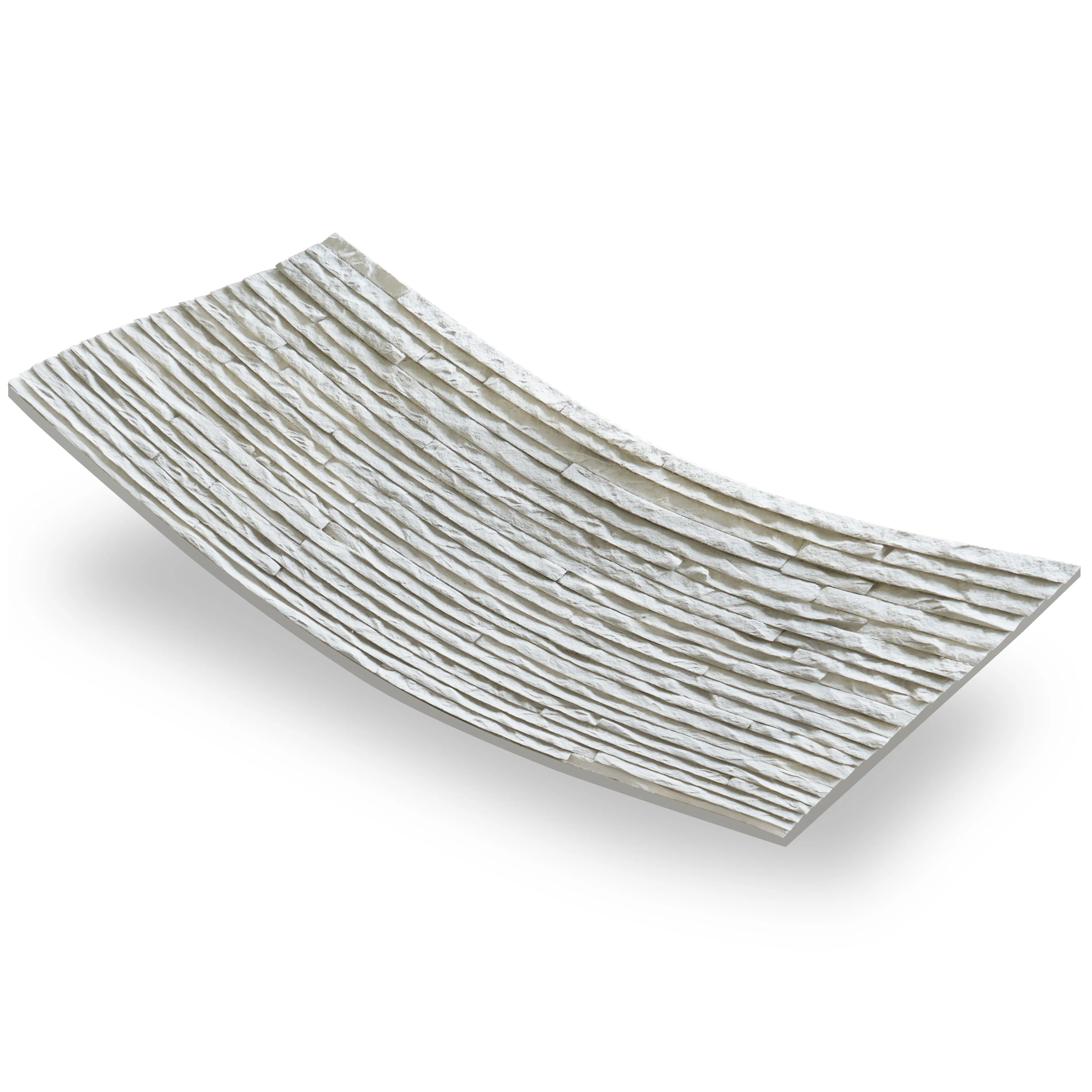
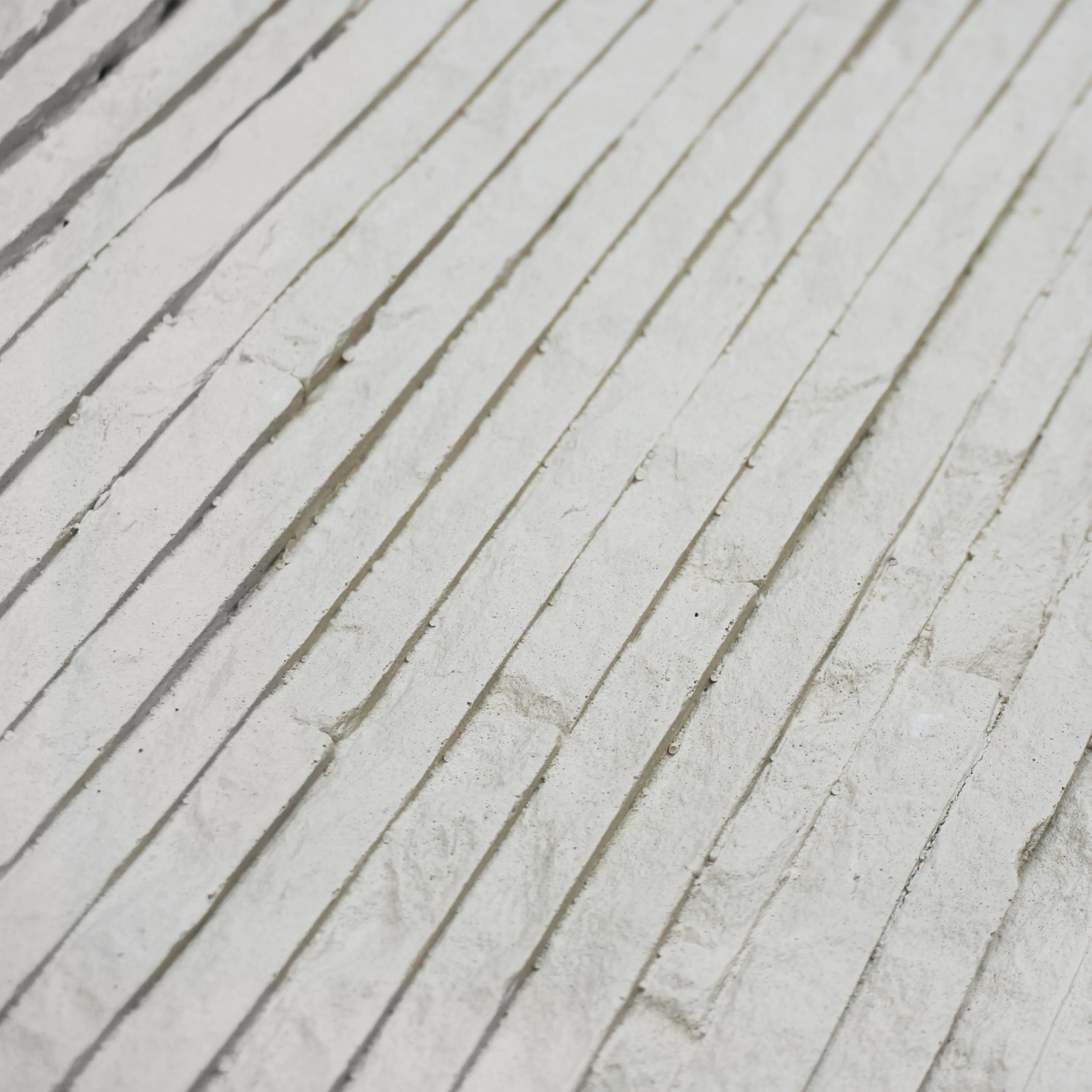
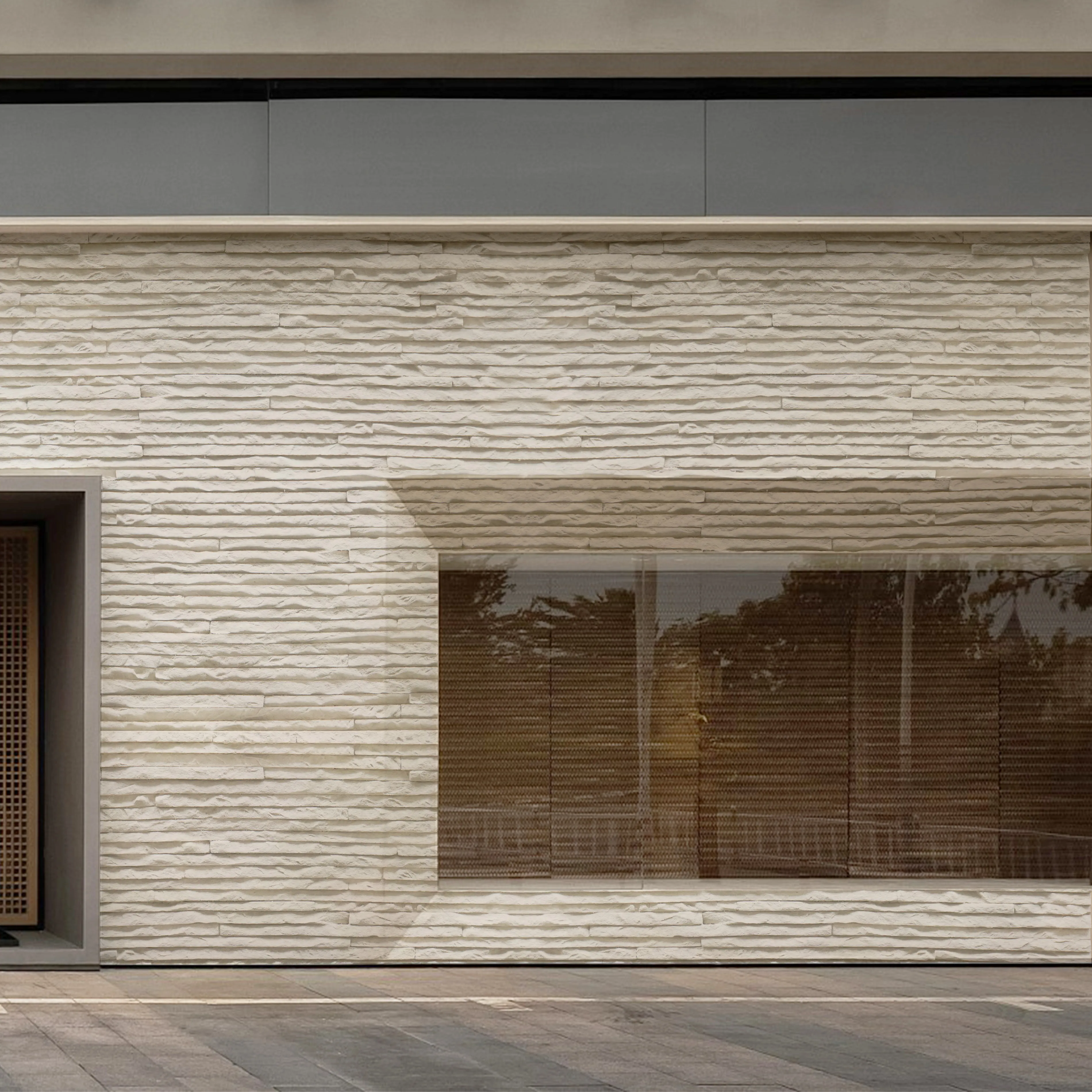
Among the vast array of MCM offerings, Muretto Stone (Beige) stands out as a true chameleon. Its soft, earthy tone—reminiscent of sun-baked clay or weathered sandstone—isn't just a color; it's a mood. Warm without being overwhelming, neutral without feeling bland, Muretto Beige has a way of making spaces feel both grounded and inviting. It's the kind of material that works as well in a minimalist living room as it does in a rustic café, as fitting for a modern office lobby as it is for a heritage building restoration.
But what really sets Muretto Stone (Beige) apart is its texture. Run your hand over it, and you'll feel the subtle, organic patterns—tiny indentations, gentle ridges—that mimic the look of hand-laid stone. It's a texture that tells a story, evoking the charm of old-world craftsmanship without the hassle of traditional masonry. And because it's an MCM panel, it's lightweight enough to install on virtually any surface, flexible enough to follow curved walls, and durable enough to withstand rain, wind, and UV rays for decades.
Take, for example, a small bistro in the heart of a city. Picture its exterior: Muretto Stone (Beige) panels cladding the lower half of the walls, paired with large windows and a wooden awning. The beige tone softens the building's edges, making it feel approachable, while the texture adds depth, catching the light as the sun moves across the sky. Inside, the same panels line the backsplash behind the bar, tying the interior to the exterior and creating a cohesive, welcoming vibe. Patrons don't just notice the walls—they feel them. They feel the warmth, the history, the sense of place that Muretto Beige brings.
Designers love Muretto Stone (Beige) for its versatility, too. It pairs effortlessly with other materials: the cool metallic sheen of Foamed Aluminium Alloy, the rich grains of Wood Grain Board, or the bold hues of the Travertine (Starry) series. Whether used as a primary cladding or as an accent, it has a way of elevating a space without stealing the spotlight. It's the ultimate team player—quietly supporting the overall design while adding its own unique character.
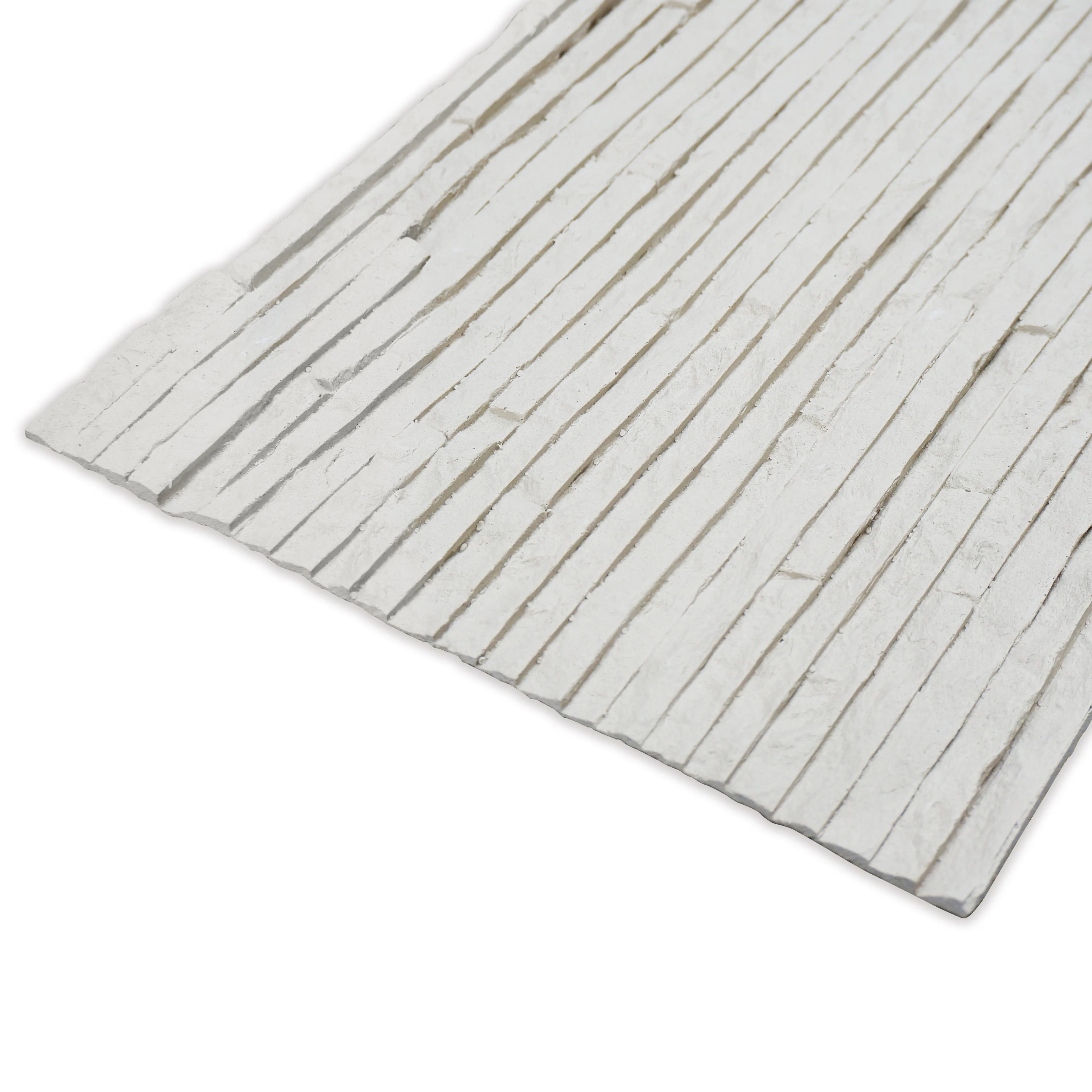
Muretto Stone (Beige) may be a standout, but the world of MCM is full of equally impressive innovations. Let's take a tour of some of the most exciting series that are pushing the boundaries of design.
If Muretto Stone (Beige) is about warmth and tradition, the Lunar Peak series is about drama and modernity. Available in three striking shades— Lunar Peak Silvery , Lunar Peak Golden , and Lunar Peak Black —these panels draw inspiration from the moon's surface: cratered, textured, and utterly otherworldly.
Lunar Peak Silvery, with its cool, metallic sheen and subtle gray undertones, feels futuristic yet grounded. Imagine it cladding the exterior of a tech startup's headquarters: a sleek, angular building where the silvery panels reflect the sky by day and glow under LED lights by night. It's a material that says innovation, forward-thinking, and boldness.
Lunar Peak Golden, on the other hand, adds a touch of luxury. Its warm, amber hue shimmers in the sunlight, making it perfect for high-end retail spaces or boutique hotels. Pair it with dark glass and polished concrete floors, and you've got a design that feels opulent without being gaudy.
And Lunar Peak Black? It's the epitome of sophistication. Deep, rich, and slightly textured, it adds depth and contrast to any space. Use it as an accent wall in a modern home, or clad an entire facade for a bold, monochromatic look. It's a color that commands attention—but in the best way possible.
For those who crave the edgy, urban vibe of industrial design, Foamed Aluminium Alloy Boards are a game-changer. Available in vintage silver , vintage gold , and classic gold , these panels blend the raw, utilitarian appeal of metal with the polished finish of high-end design.
Foamed Aluminium Alloy is lightweight, strong, and inherently resistant to corrosion—making it ideal for both interior and exterior use. Its unique foam structure gives it a subtle, porous texture that catches light in unexpected ways, adding a dynamic element to walls and facades. The vintage silver finish, with its slightly weathered look, evokes the charm of old factories and warehouses, while the vintage gold adds a touch of retro glamour.
Imagine a co-working space in a converted industrial building. The walls are clad in Foamed Aluminium Alloy (vintage silver) panels, paired with exposed brick and concrete floors. The silver tone complements the raw materials, while the texture adds visual interest, breaking up the monotony of large, open spaces. It's a design that feels modern and industrial, yet inviting—a place where creativity thrives.
When it comes to making a statement, size matters—and the MCM Big Slab Board Series delivers. These oversized panels, often measuring up to 1200x2400mm, eliminate the need for unsightly grout lines, creating a seamless, monolithic look that's perfect for large-scale projects. Whether used on the facade of a skyscraper, the interior of a convention center, or the walls of a luxury hotel, big slab boards turn ordinary surfaces into works of art.
What's impressive about these slabs is their versatility. They can mimic the look of natural stone, concrete, or even wood, but with the added benefits of MCM: lightweight installation, consistent color, and exceptional durability. For example, a museum's grand entrance hall, clad in MCM Big Slab Boards designed to look like polished marble, makes a bold first impression—clean, elegant, and timeless. The lack of seams draws the eye upward, highlighting the space's height and grandeur, while the MCM material ensures the panels stay looking pristine for years to come.
| Series Name | Key Colors & Finishes | Texture & Vibe | Ideal Applications |
|---|---|---|---|
| Muretto Stone (Beige) | Soft beige, earthy tone | Organic, hand-laid stone texture; warm, inviting, timeless | Residential exteriors, cafes, heritage restorations, living rooms |
| Lunar Peak | Silvery, Golden, Black | Celestial, crater-like texture; modern, dramatic, sophisticated | Tech offices, luxury hotels, accent walls, high-end retail |
| Foamed Aluminium Alloy | Vintage Silver, Vintage Gold, Gold | Porous, industrial texture; retro, edgy, urban | Co-working spaces, lofts, industrial-style restaurants, facades |
| MCM Big Slab | Varies (stone, concrete, metal looks) | Seamless, large-scale; bold, modern, monolithic | Skyscrapers, convention centers, museum entrances, grand lobbies |
In today's world, design isn't just about looks—it's about responsibility. And MCM technology shines here, too. Traditional cladding materials often come with a heavy environmental footprint: quarrying stone disrupts ecosystems, firing clay tiles consumes energy, and transporting heavy materials increases carbon emissions. MCM, by contrast, is engineered to be eco-friendly.
Many MCM panels are made with recycled materials, and their lightweight nature reduces transportation costs and energy use. They're also highly durable, meaning less frequent replacement and less waste over time. Take Fair-Faced Concrete MCM panels, for example—they mimic the look of raw concrete but with a fraction of the weight and environmental impact. Or Wood Grain Board , which captures the beauty of wood without cutting down trees.
Even better, MCM panels are often 100% recyclable at the end of their lifespan, closing the loop on sustainability. For architects and designers committed to green building practices—whether pursuing LEED certification or simply wanting to reduce their projects' carbon footprints—MCM is more than a choice; it's a statement. It says, "We care about the planet, and we don't have to sacrifice beauty to do so."
Cladding has always been about more than covering walls. It's about creating spaces that make us feel something—comfort, inspiration, awe. With MCM technology, that emotional connection is stronger than ever. Materials like Muretto Stone (Beige) remind us of the beauty in simplicity, while the Lunar Peak series challenges us to dream bigger, and Foamed Aluminium Alloy encourages us to embrace the past while building the future.
As MCM continues to evolve, we can expect even more innovation: new textures, bolder colors, smarter materials that adapt to their environment (think self-cleaning panels or energy-efficient cladding). But no matter how advanced the technology gets, the core of good design will always be human. It will always be about creating spaces that reflect who we are, how we live, and what we value.
So the next time you walk down a street, take a moment to look at the buildings around you. Notice the cladding. Feel the textures. Let yourself be drawn into the stories they tell. And remember: behind every great space is a great material—one that balances innovation with emotion, function with beauty, and tradition with progress. In the world of MCM, the future of cladding isn't just bright—it's human.
Recommend Products












