
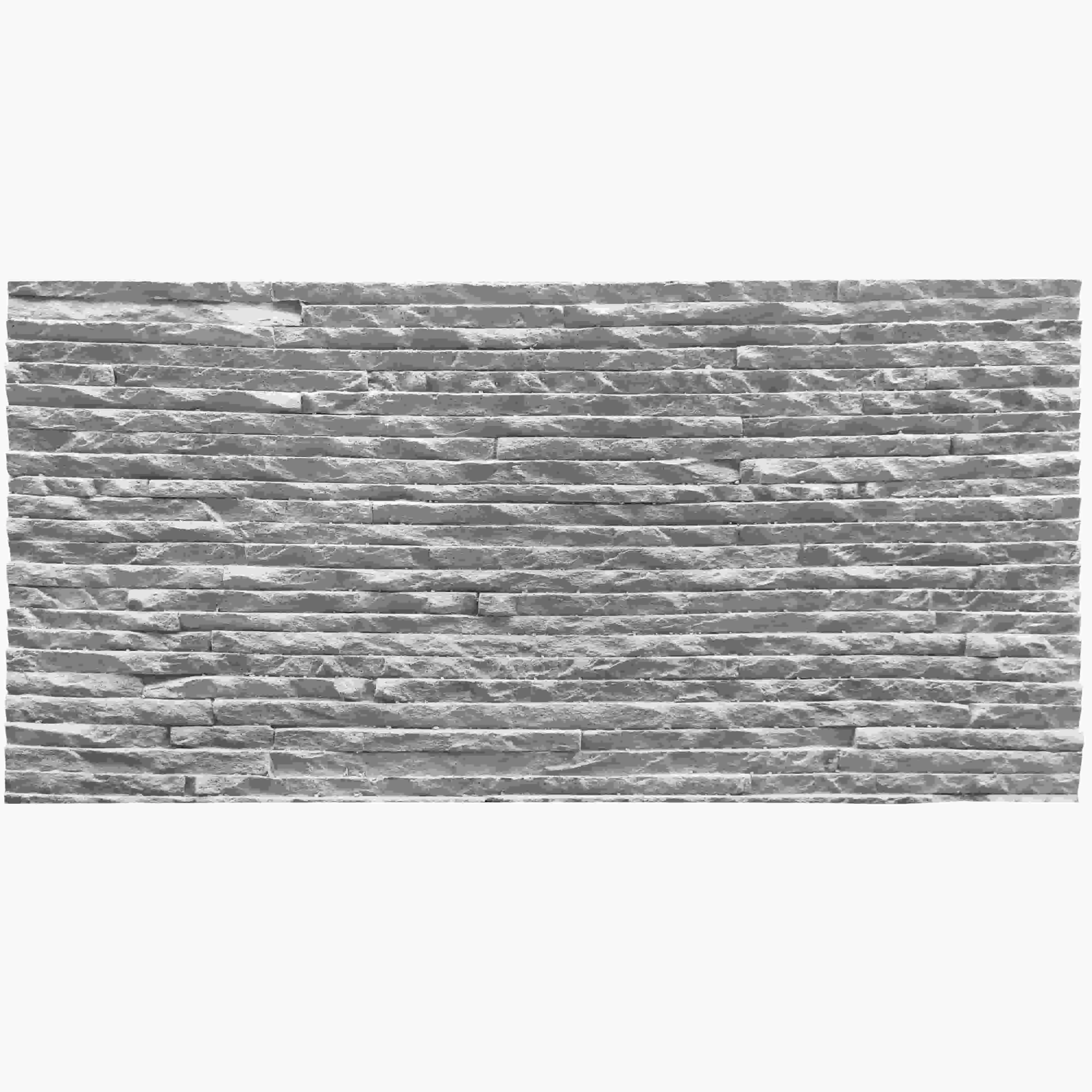
Walk through any modern city, and you'll notice a quiet revolution unfolding across building facades. Gone are the days when cladding was merely a protective layer—today, it's a canvas for architectural storytelling, a bridge between functionality and art. At the heart of this revolution lies MCM (Modified Composite Material) , a category of cladding solutions that's redefining what buildings can feel like, look like, and stand for. And among the stars of the MCM universe, one product shines brighter than most: Muretto Stone (Light Grey) . In this article, we'll explore why this unassuming yet versatile material is not just a trend, but the future of cladding—and how it's leading the MCM market forward, hand in hand with innovations like MCM flexible stone , MCM big slab board series , and MCM 3D printing series .
To understand why Muretto Stone (Light Grey) matters, let's rewind. For decades, architects and builders relied on traditional cladding materials: natural stone, brick, concrete. These materials had their merits—natural stone exudes timeless elegance; brick offers warmth; concrete speaks to industrial minimalism. But they came with steep trade-offs. Natural stone, for example, is stunning but heavy . A single slab can weigh 20-30 kg per square meter, requiring reinforced structural support and driving up construction costs. Brick, while durable, limits design flexibility—curved walls or intricate patterns often meant complex, labor-intensive work. And concrete? It's strong, but its monolithic look can feel cold, and it's prone to cracking over time in harsh climates.
Then came the demand for more: more sustainability, more creativity, more efficiency. Builders wanted materials that could mimic the beauty of natural stone without the environmental toll of quarrying. Architects craved flexibility to design curved facades, 3D textures, and seamless surfaces. Homeowners and developers sought durability that could withstand extreme weather—from desert heat to coastal humidity—without constant maintenance. Traditional materials couldn't keep up. That's where MCM stepped in.
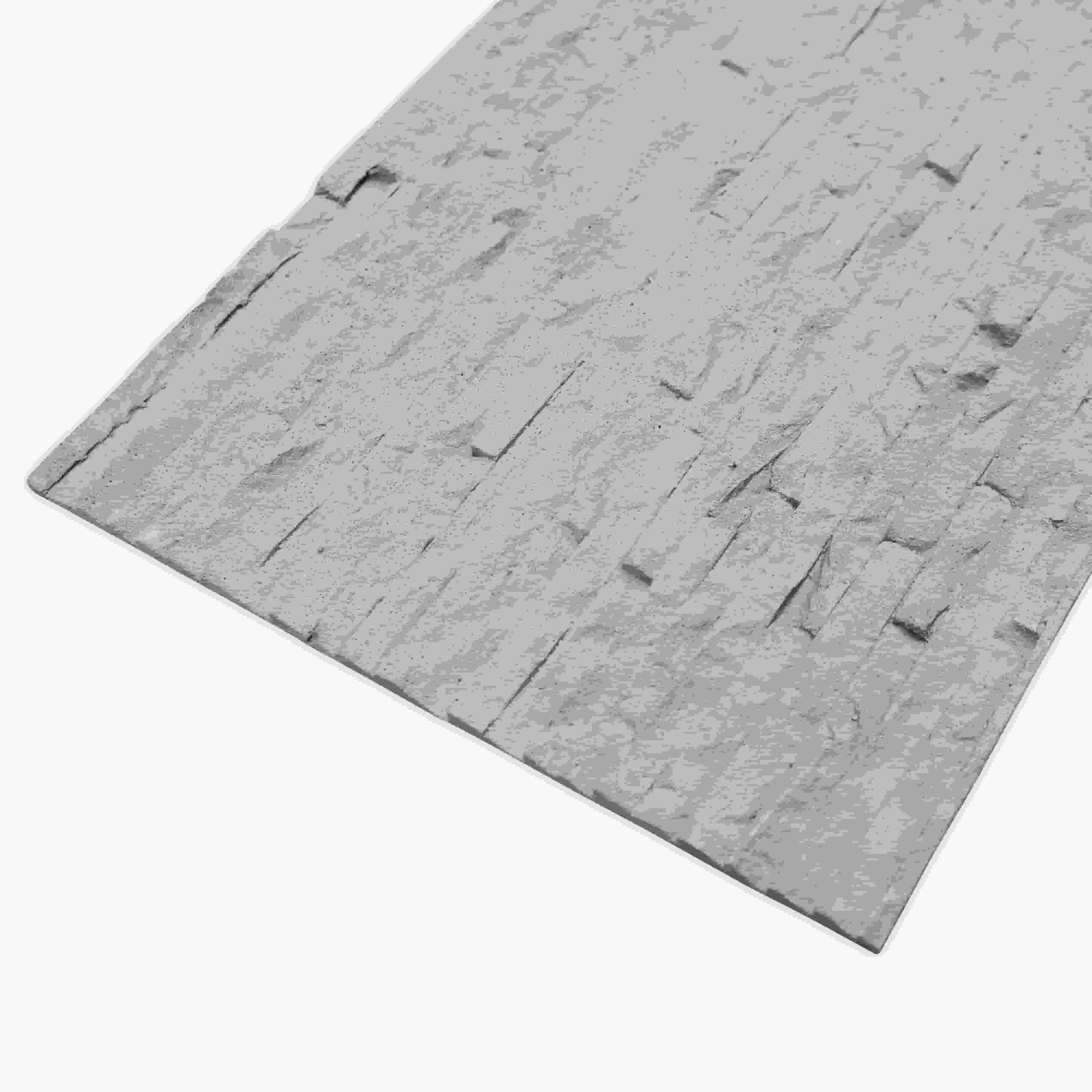
MCM, or Modified Composite Material, is a blend of natural minerals (like stone powder, sand) and high-performance polymers. This fusion creates a material that's lightweight (typically 4-6 kg per square meter), durable (resistant to fire, water, and UV rays), and moldable (easily shaped into custom designs). But MCM isn't just one product—it's a family of solutions, each tailored to specific needs. There's MCM flexible stone for curved walls and organic shapes, MCM big slab board series for expansive, seamless surfaces, and even MCM 3D printing series that lets designers 3D-print intricate textures, from geometric patterns to nature-inspired motifs like pine bark or wave panels. And at the center of this family is Muretto Stone (Light Grey)—a material that embodies all of MCM's strengths while adding a versatility that makes it a favorite among architects worldwide.
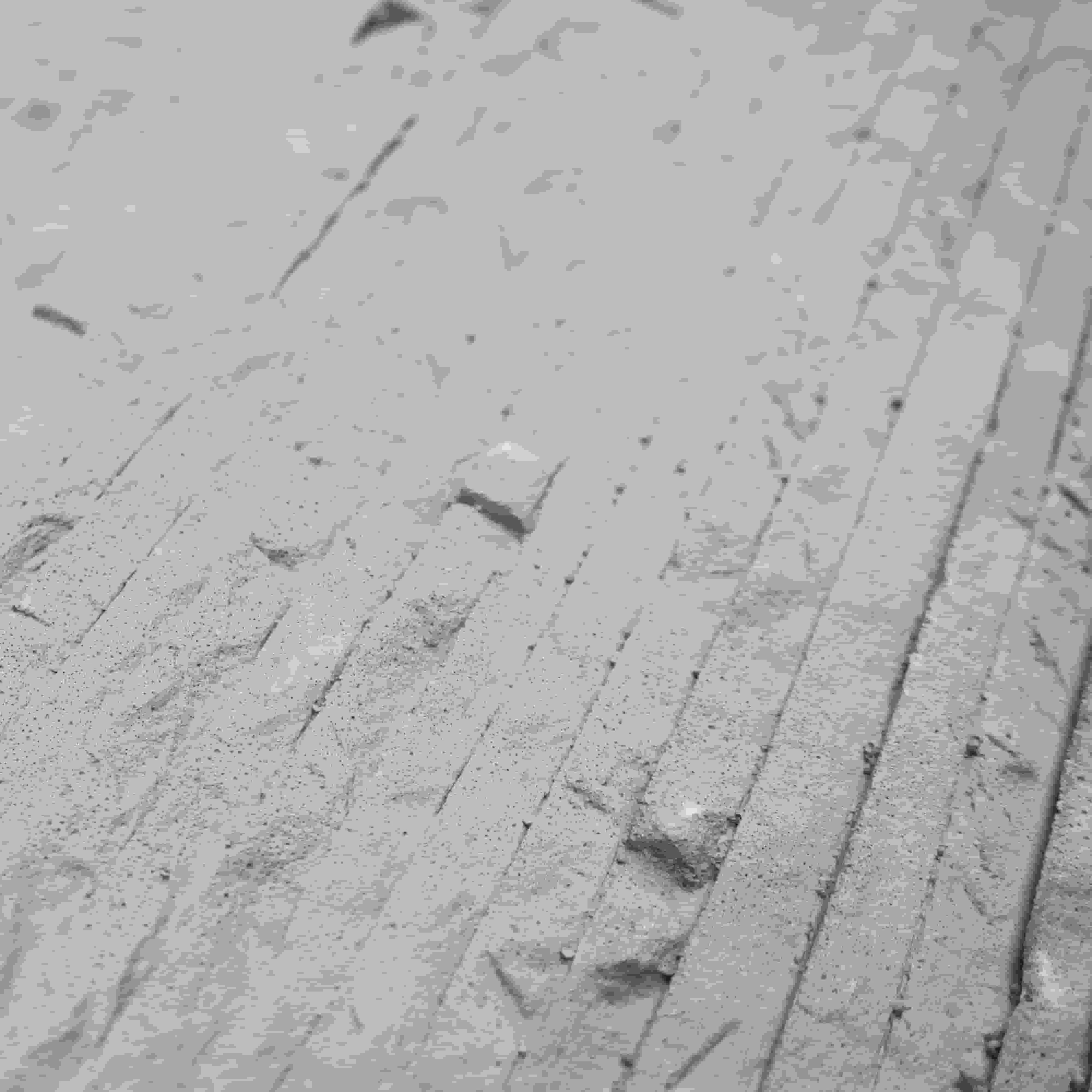
At first glance, Muretto Stone (Light Grey) might seem understated. Its soft, light grey hue isn't as bold as a rust-red travertine or as striking as a golden lunar peak. But that's exactly its superpower: versatility . Light grey is the chameleon of colors—it complements warm woods, sleek metals, and vibrant accents alike. Whether paired with floor-to-ceiling glass in a modern office or with terracotta tiles in a Mediterranean-style villa, Muretto Stone (Light Grey) enhances the space without overpowering it. "It's the ultimate team player," says Maria Gonzalez, an interior designer specializing in commercial spaces. "I used it in a tech startup's headquarters last year, and it worked with everything—from the exposed concrete ceilings to the oakwood furniture. Clients love it because it doesn't date the design."
Looks aside, Muretto Stone (Light Grey) delivers where it counts: performance. Let's break down its key benefits:
Lightweight, Strong, and Easy to Install : Weighing just 5 kg per square meter, Muretto Stone (Light Grey) eliminates the need for heavy structural support. This cuts down on construction time (installers can cover larger areas faster) and reduces labor costs. Unlike natural stone, which often requires cranes and specialized lifting equipment, Muretto panels can be carried by hand and installed with simple tools. In fact, a team of two can install up to 100 square meters in a day—compared to 20-30 square meters with traditional stone.
Built to Last : Muretto Stone (Light Grey) isn't just lightweight—it's tough. Testing shows it can withstand temperatures from -40°C to 80°C, making it suitable for both arctic and desert climates. It's also fire-resistant (rating up to A2, the highest for non-combustible materials) and water-repellent, preventing mold growth and water damage. UV resistance ensures the color won't fade, even after years of direct sunlight—critical for coastal buildings where salt and sun can degrade lesser materials.
Sustainability at Its Core : In an era where "green building" is no longer optional, Muretto Stone (Light Grey) shines. Its production uses recycled stone powder (leftover from natural stone processing) and low-VOC (volatile organic compound) polymers, reducing waste and air pollution. The lightweight design also lowers transportation emissions—trucks can carry 5x more MCM panels than natural stone slabs, cutting fuel use. Plus, MCM is 100% recyclable at the end of its lifespan, aligning with circular economy goals.
Muretto Stone (Light Grey) isn't just a theoretical success—it's transforming real buildings, across industries. Let's look at a few examples:
To truly see Muretto's advantage, let's compare it head-to-head with traditional materials like natural travertine, brick, and even fair-faced concrete (a popular minimalist choice). The table below breaks down key factors architects and builders care about most:
| Material | Weight (kg/m²) | Installation Time (per 100m²) | Durability (Lifespan) | Aesthetic Versatility | Sustainability |
|---|---|---|---|---|---|
| Muretto Stone (Light Grey) | 4-6 | 1-2 days | 50+ years | High (custom textures, colors, shapes) | High (recycled materials, low emissions) |
| Natural Travertine | 20-30 | 5-7 days | 30-40 years (with sealing every 2-3 years) | Medium (limited to natural patterns) | Low (quarrying, high transportation emissions) |
| Brick | 15-20 | 3-4 days | 50+ years (prone to mortar cracks) | Low (mostly flat, rectangular shapes) | Medium (recyclable, but high firing emissions) |
| Fair-Faced Concrete | 22-25 | 4-6 days (requires formwork) | 40-50 years (prone to staining, cracking) | Low (limited to smooth or textured finishes) | Medium (high cement production emissions) |
The data speaks for itself: Muretto Stone (Light Grey) is lighter, faster to install, more durable, and more sustainable than traditional options. Its aesthetic versatility—paired with MCM's other innovations—makes it a no-brainer for forward-thinking projects.
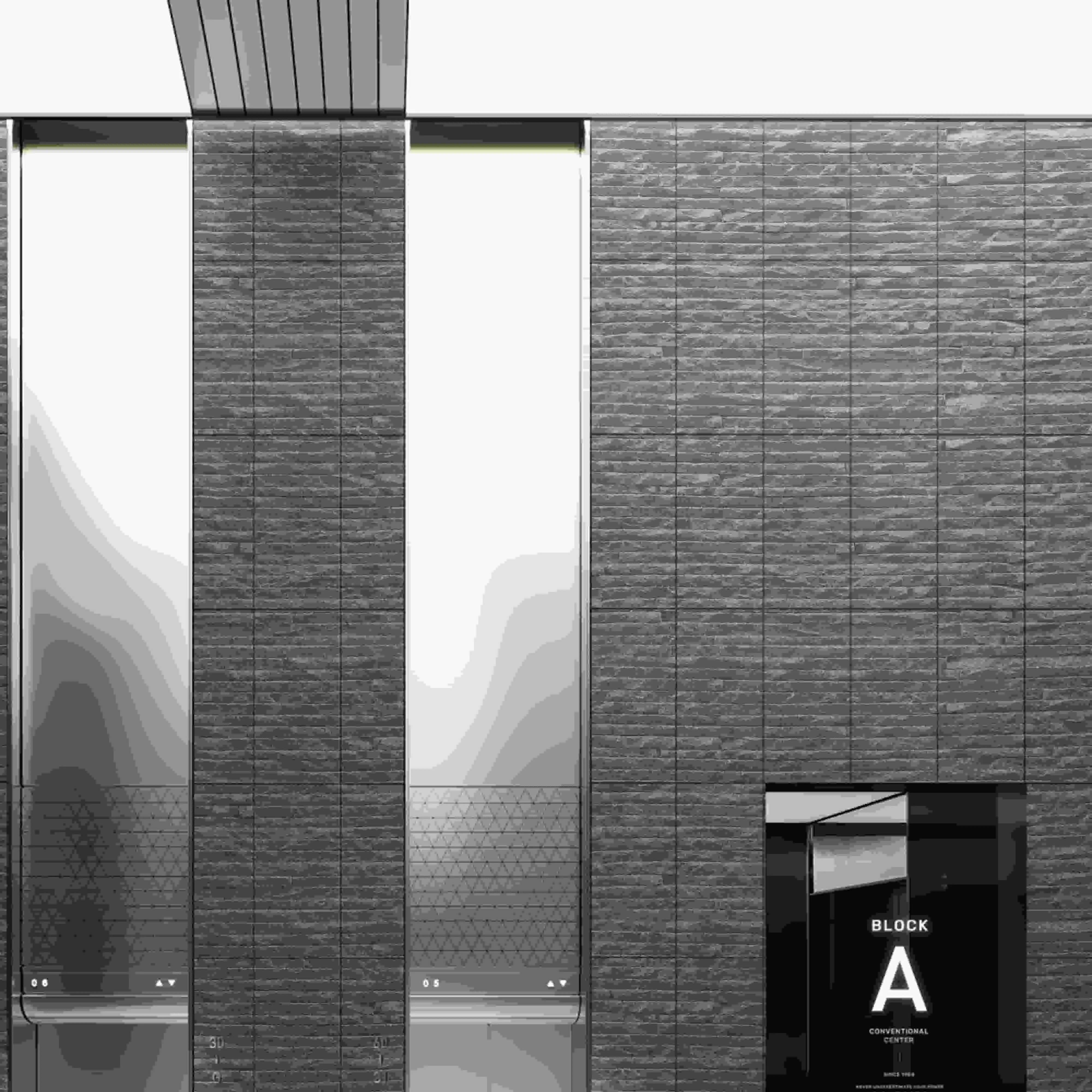
Muretto Stone (Light Grey) leads the MCM market, but it doesn't work alone. The category's strength lies in its ecosystem of products, each solving unique design challenges. Let's explore a few key players:
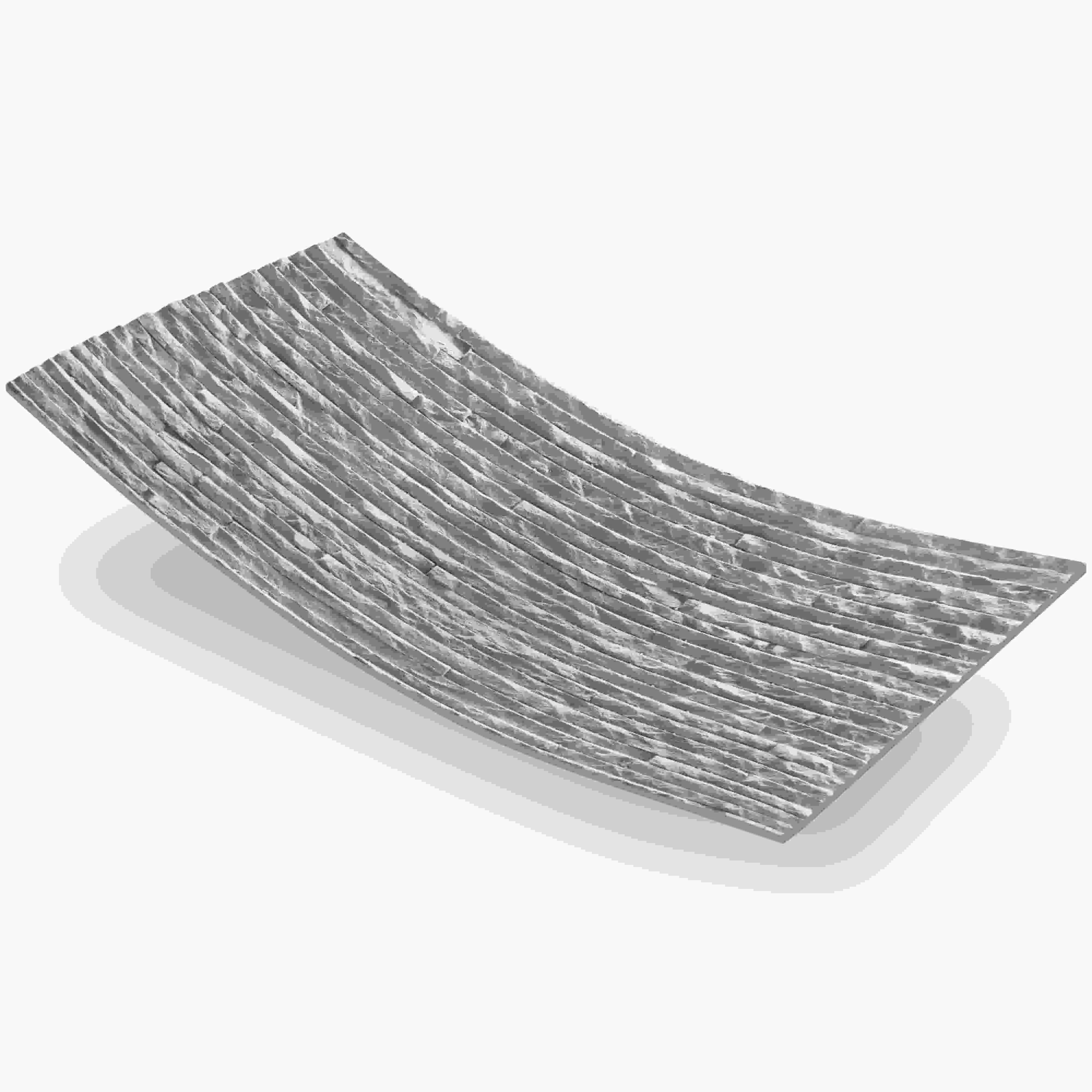
Curved walls, rounded columns, and organic shapes have long been the holy grail of architectural design—but traditional cladding materials, rigid and heavy, made them nearly impossible. Enter MCM flexible stone . This thin, bendable variant of MCM can wrap around curves with a minimum radius of 30 cm, opening up a world of possibilities. Imagine a museum with a facade that flows like a wave, or a hotel lobby with a cylindrical accent wall—all made possible by flexible stone. "We used MCM flexible stone for a yoga studio's interior wall, which curves like a river," says designer Mia Patel. "The material hugged the shape perfectly, and the texture—soft, like weathered stone—created the calm, earthy vibe we wanted."
For projects that demand grand, uninterrupted surfaces—think airport terminals, convention centers, or luxury retail stores— MCM big slab board series is a game-changer. These slabs come in sizes up to 1200x2400mm (4x8 feet), reducing the number of seams by up to 70% compared to standard cladding panels. Fewer seams mean a cleaner, more modern look, and faster installation (since there are fewer pieces to align). In Singapore's "Marina Bay Mall Extension," the big slab series was used for a 50-meter-long feature wall, creating the illusion of a single, continuous stone surface. "Clients often think seamless means expensive or high-maintenance," says project manager James Tan. "But with MCM big slabs, it's affordable and durable—no grout lines to clean, no uneven edges to fix."
The future of cladding is custom, and MCM 3D printing series is leading the charge. Using 3D printing technology, MCM manufacturers can create panels with intricate textures—from geometric patterns that catch light to organic motifs inspired by nature (think wave panel or pine bark board ). Architects can upload custom designs, and the 3D printer brings them to life—no expensive molds required. "We 3D-printed a facade for a tech startup in Berlin that looks like a digital circuit board," says industrial designer Henrik Weber. "The texture is so precise, you can run your hand over it and feel the 'circuits.' MCM made it possible to merge tech and design in a way that natural stone never could."
In 2025, sustainability isn't a "nice-to-have"—it's a requirement. Governments worldwide are tightening regulations on carbon emissions, and developers are prioritizing green certifications like LEED (Leadership in Energy and Environmental Design) and BREEAM (Building Research Establishment Environmental Assessment Method). MCM, including Muretto Stone (Light Grey), aligns with these goals in ways traditional materials can't.
Consider production: MCM uses up to 60% recycled materials, including stone powder from natural stone quarries (which would otherwise end up in landfills) and post-consumer plastic polymers. Its manufacturing process requires 70% less energy than firing brick or cutting natural stone, and emits 50% fewer CO2 emissions. Even transportation is greener—since MCM is lightweight, a single truck can carry 10,000 square meters of panels, compared to 2,000 square meters of natural stone, reducing fuel use and emissions.
Installation also plays a role. MCM's lightweight design means buildings require less steel reinforcement, cutting down on the carbon footprint of structural materials. And because it's easy to install, projects finish faster—reducing on-site energy use (like power for tools and machinery) and labor hours. For example, a 10,000-square-meter commercial project using MCM can finish cladding in 4 weeks, compared to 8 weeks with natural stone—saving 50% on construction time and related emissions.
With so many MCM products available, why does Muretto Stone (Light Grey) stand out as a leader? It comes down to three factors: versatility , timelessness , and innovation .
Versatility : Light grey is the ultimate neutral. It pairs with warm tones (wood, terracotta) for a cozy, rustic feel; with cool tones (glass, steel) for a modern, industrial look; and with bold accents (red, blue) for a playful, contemporary vibe. Whether a project calls for classic elegance (like a boutique hotel) or cutting-edge minimalism (like a tech campus), Muretto Stone (Light Grey) fits.
Timelessness : Trends come and go—neon colors, overly textured facades, bold patterns—but light grey endures. It doesn't date a building, ensuring long-term appeal and value. "Clients often worry about their building looking 'old' in 10 years," says real estate developer Anna Liu. "Muretto Stone (Light Grey) solves that. It's classic, like a well-tailored suit—always in style."
Innovation : Muretto Stone (Light Grey) isn't static. Manufacturers are constantly refining its texture (adding subtle veining, matte finishes) and performance (enhancing fire resistance, adding self-cleaning coatings that repel dirt). It's also compatible with other MCM innovations—you can pair it with 3D-printed accents for texture, or use big slabs for seamless walls, creating a cohesive design language.
As we look ahead, MCM is poised to dominate the cladding market—and Muretto Stone (Light Grey) will be at the forefront. Here's why:
Architects Are Demanding More : The rise of parametric architecture (designs driven by algorithms) requires materials that can keep up with complex shapes and custom textures. MCM's flexibility—especially with 3D printing and flexible stone—makes it the go-to choice for pushing creative boundaries.
Sustainability Will Drive Decisions : With net-zero carbon goals becoming law in many countries, developers will prioritize materials with low embodied carbon. MCM's recycled content, energy-efficient production, and long lifespan make it a clear winner over traditional materials.
Homeowners Want Beauty Without the Hassle : More than ever, homeowners are choosing low-maintenance materials that look great year-round. Muretto Stone (Light Grey) requires no sealing, no polishing, and minimal cleaning—perfect for busy families and rental properties.
Cladding has come a long way from heavy stone slabs and rigid brick walls. Today, it's a tool for creativity, sustainability, and efficiency—and MCM is leading the charge. Among MCM's diverse offerings, Muretto Stone (Light Grey) stands out as a leader, thanks to its unbeatable combination of versatility, durability, and timeless appeal. It's not just a material for today's buildings—it's a foundation for the future, where architecture is lighter, greener, and more expressive than ever.
Whether paired with MCM flexible stone for curved facades, MCM big slab board series for seamless walls, or MCM 3D printing series for custom textures, Muretto Stone (Light Grey) is more than a cladding solution—it's a partner in building the cities of tomorrow. And as the MCM market continues to grow, one thing is clear: the future of cladding is bright, durable, and yes—beautifully light grey.
Recommend Products












