
Close your eyes for a moment and picture the city of the future. What do you see? Gleaming towers that touch the clouds, homes that blend seamlessly with nature, and public spaces that inspire awe. Now, what are these structures made of? For centuries, the answer has been stone, concrete, and steel. But these titans of tradition, while strong, come with heavy burdens—both literally and environmentally. A quiet revolution is underway, a shift in the very DNA of our buildings. This revolution is powered by material science, and at its forefront is COLORIA GROUP, a company not just creating building materials, but redefining the canvas upon which architects paint our future.
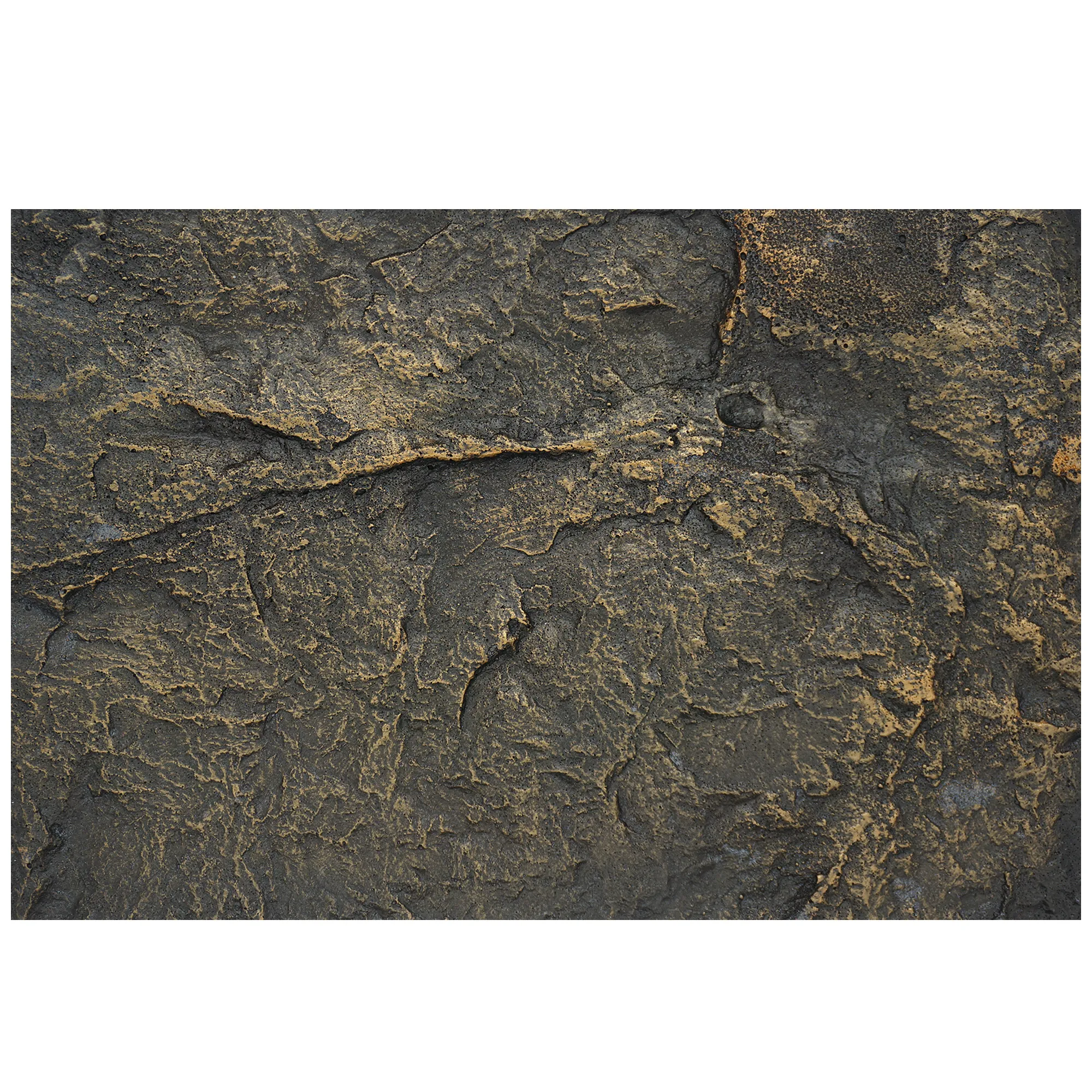
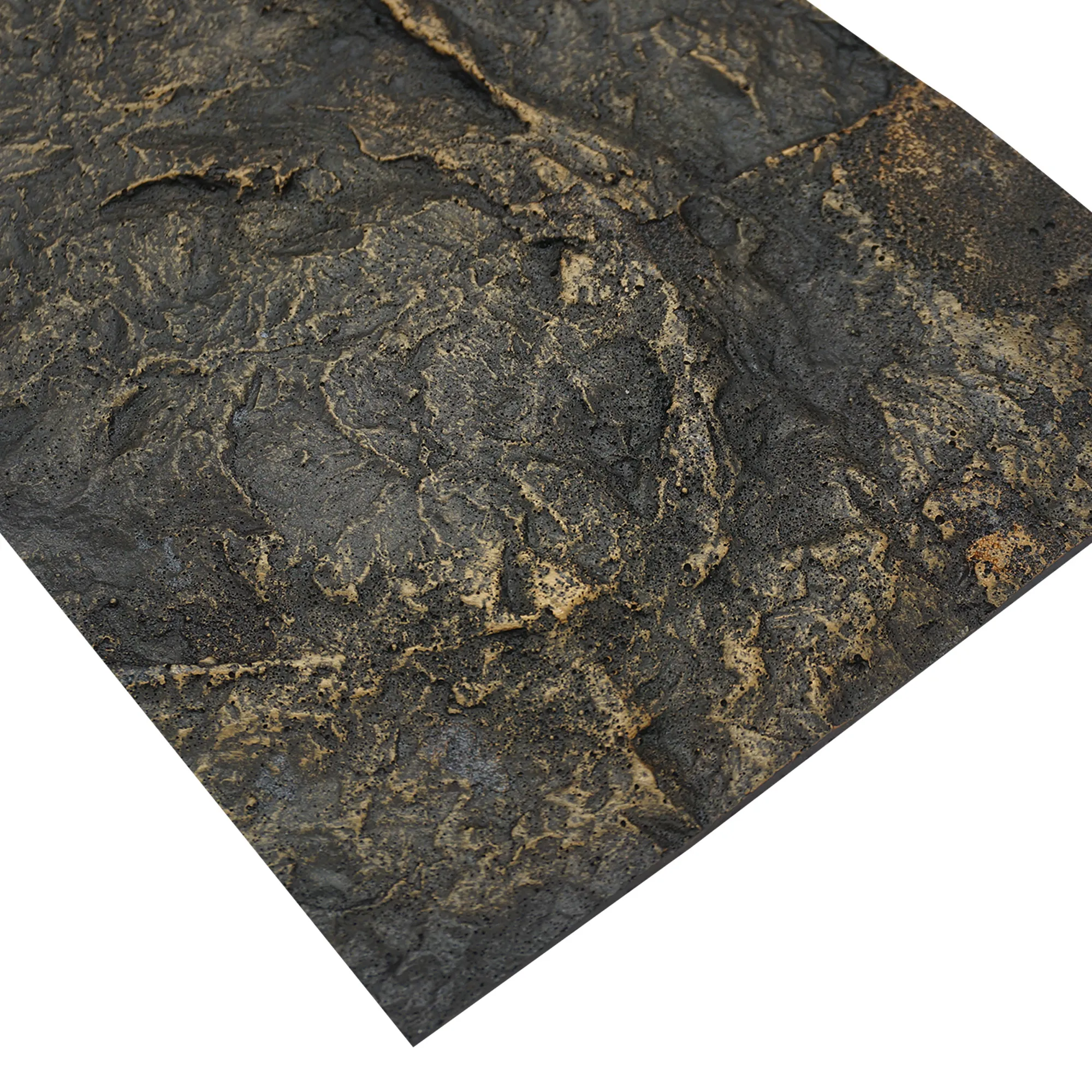
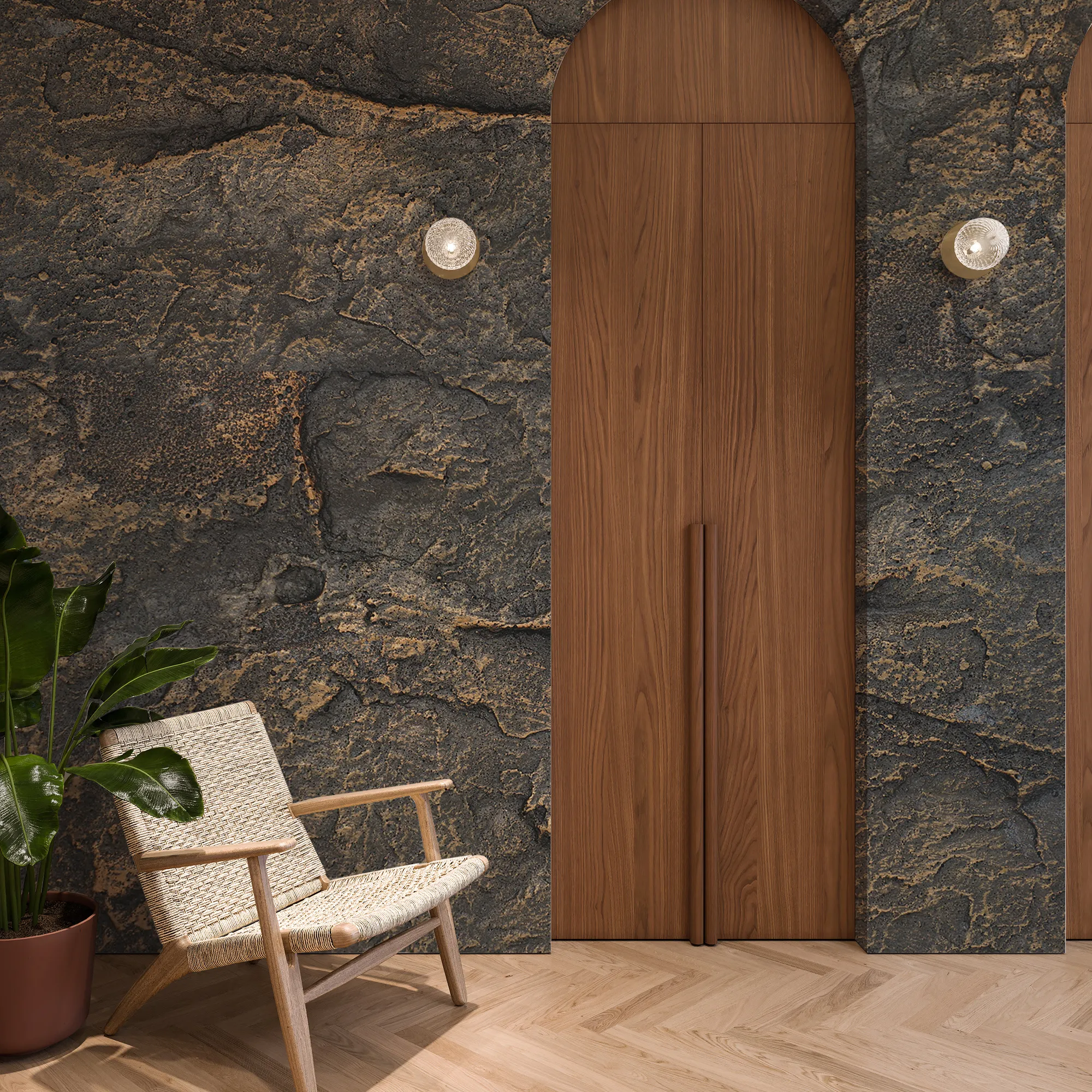
Let's start not with abstract concepts, but with something tangible, something you can almost feel just by its name: the Boulder Slab in Vintage Gold. It sounds like something unearthed from an ancient king's tomb, a slice of a mountain veined with precious metal. And in a way, it is. But it's also so much more. This isn't a slab of stone hewn from a quarry, trucked hundreds of miles, and painstakingly cut. This is the future, crafted with intention.
The Boulder Slab (Vintage Gold) is a masterpiece born from MCM technology. MCM stands for Modified Cementitious Material. That might sound a bit technical, but the concept is beautifully simple. Imagine taking natural ingredients—soil, sand, and mineral powders—and using smart science to reform them. You're not just creating a synthetic copy; you're creating an evolution. You're taking the soul of the earth and giving it superpowers.
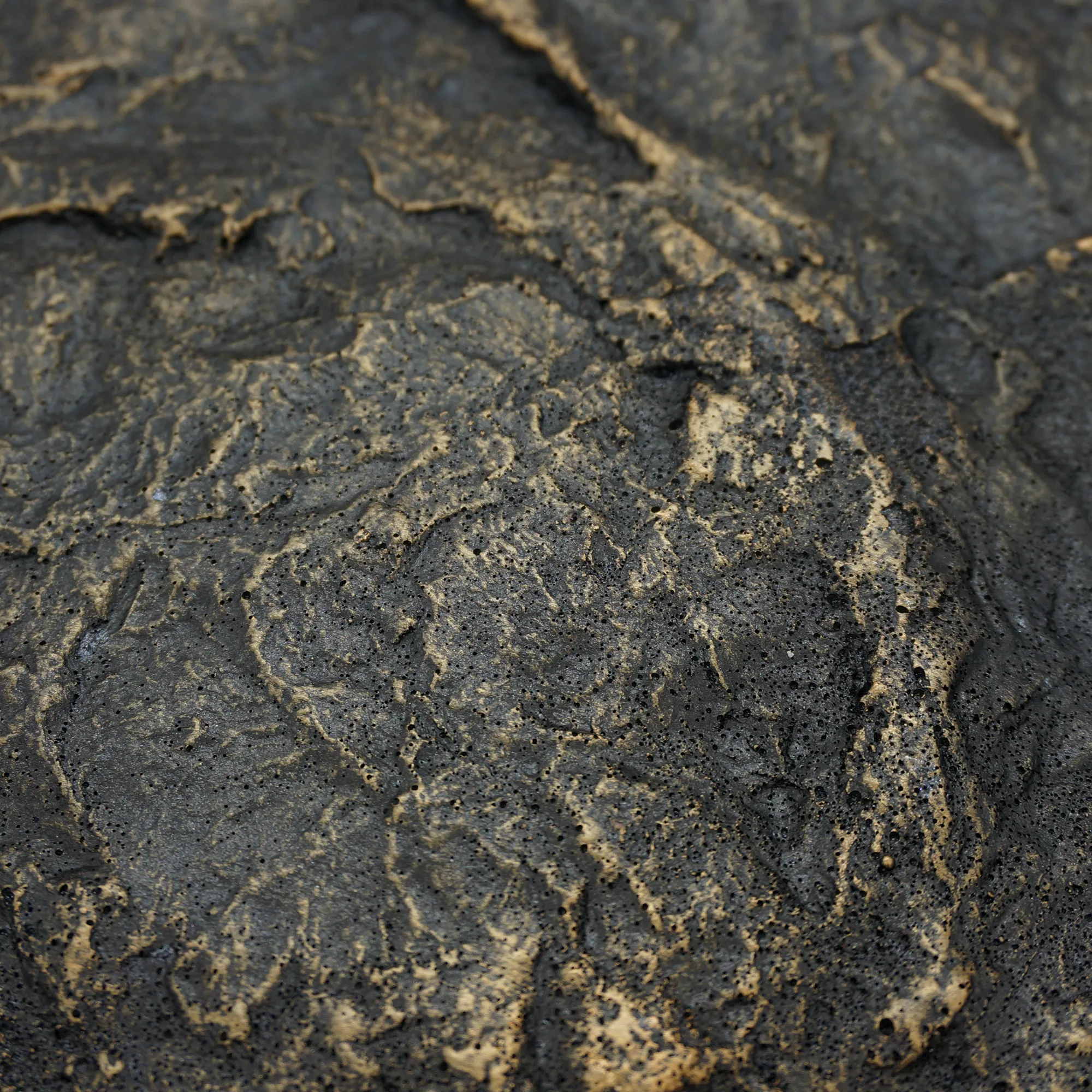
When you look at the Boulder Slab, the first thing that strikes you is its beauty. The deep, rich texture evokes the ruggedness of natural rock, while the delicate veins of 'vintage gold' shimmer and shift as they catch the light. It has a story. It has character. Unlike quarried stone, where you're at the mercy of whatever the mountain gives you, MCM allows for an incredible level of artistic control. The "Vintage Gold" isn't a random occurrence; it's a deliberate design, ensuring that a vast façade can have a consistent, yet naturally varied, appearance. Architects no longer have to compromise their vision based on the unpredictable availability of a specific stone vein. With MCM, the vision dictates the material, not the other way around.
Here's where the "superpowers" really come into play. A traditional slab of granite or marble of the same size is incredibly heavy. This weight dictates everything about a building's design: it requires stronger foundations, more robust structural steel, and immense effort to transport and install. Now, consider the Boulder Slab. It's shockingly lightweight. We're talking about a fraction of the weight of its natural counterpart.
What does this mean in the real world? It means buildings can be designed with more grace and less brute force. It means renovating an old building's façade doesn't require massive structural reinforcement. It means installation crews can work faster, more safely, and with less heavy machinery. This reduction in weight cascades through the entire construction process, saving time, money, and—critically—reducing the project's overall carbon footprint. It's a paradigm shift from a heavy, cumbersome process to a light, agile one.
The Boulder Slab is an incredible product, but it's just one star in a brilliant constellation. It serves as a perfect introduction to the broader philosophy of COLORIA GROUP. The company isn't just a manufacturer; it positions itself as a one-stop solution provider for the architectural world. This means they've thought about every possible need, every design challenge, and have developed a family of MCM products to meet them. It's about providing a complete toolbox, not just a single hammer. Let's explore this revolutionary product family.
For architects dreaming of vast, uninterrupted surfaces, the MCM Big Slab Board Series is a game-changer. Traditional design is often constrained by the size of the materials. Ceramic tiles create a grid of grout lines. Even large stone panels have visible joints that can disrupt the visual flow. The MCM Big Slab Board Series shatters these limitations. These boards come in huge formats, allowing designers to create monolithic, seamless façades and interior walls.
Imagine the lobby of a skyscraper or the exterior of a modern museum clad in a material that appears to be a single, continuous piece of stone stretching dozens of meters. The effect is one of pure, minimalist elegance and grandeur. This series eliminates the visual noise of joints, allowing the texture and color of the material itself to become the sole focus. It's the ultimate expression of "less is more," creating a powerful architectural statement through simplicity and scale.
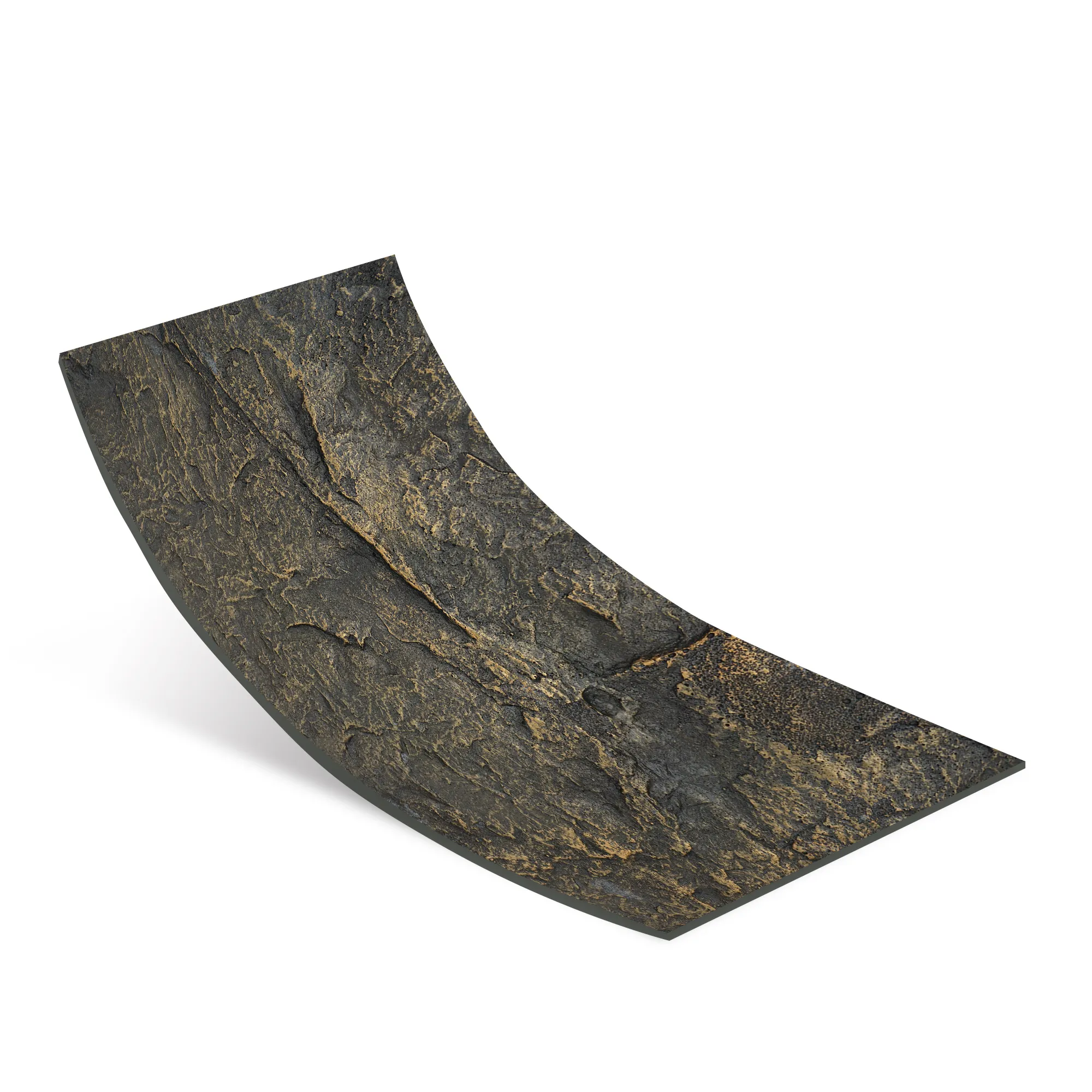
Now, prepare to have your idea of "stone" completely upended. We think of stone as the definition of rigidity. It's hard, it's unyielding, it breaks before it bends. But what if it could bend? That's the magic of MCM Flexible Stone . This is arguably one of the most revolutionary building materials to emerge in decades. It looks, feels, and weathers like real stone, but you can wrap it around a curved column, apply it to an undulating wall, or even use it on complex, organic architectural forms.
Think about the possibilities this unlocks. A reception desk that flows like a river of marble. An entire building façade that has soft, rounded corners instead of sharp angles. Interior pillars wrapped seamlessly in the texture of slate or travertine. Before MCM Flexible Stone , achieving such designs required either impossibly expensive custom-cut stone or using fake-looking laminates that lacked authenticity. Now, architects have the freedom to design with curves and fluidity, using a material that has the timeless soul and durability of stone. It's not just a new product; it's a new design language.
If the Big Slab series is about scale and the Flexible Stone is about form, then the 3D printing series is about ultimate individuality. This is where material science meets the digital age. Traditional manufacturing relies on molds, which means patterns and textures are repetitive. The MCM 3D printing series breaks free from this constraint entirely.
Using advanced 3D printing technology, COLORIA GROUP can create surfaces with any pattern, texture, or relief imaginable. An architect can design a custom texture that mimics the bark of a local tree species. A corporation can have its logo subtly embossed into the wall panels of its headquarters. An artist can translate a digital design into a large-scale, tactile mural that becomes part of the building itself. This technology moves beyond simple cladding and into the realm of integrated architectural art. It allows every project to have a unique fingerprint, a bespoke identity that cannot be replicated. It's mass customization on an architectural scale.
All this innovation in aesthetics and form is incredible, but for builders, developers, and property owners, the practical questions are just as important: Is it hard to install? How does it perform over time? Is it a sound investment? This is where the "magic" of MCM technology proves to be deeply practical. The benefits extend far beyond the drawing board and into the construction site and the building's long-term lifecycle.
Let's put this into perspective. Below is a comparison that highlights the stark differences between MCM products and their traditional counterparts.
| Feature | COLORIA GROUP MCM Products (e.g., Boulder Slab) | Traditional Natural Stone (e.g., Granite, Marble) | Conventional Ceramic/Porcelain Tiles |
|---|---|---|---|
| Weight | Extremely lightweight (approx. 4-8 kg/m²). Reduces structural load and transport costs. | Very heavy (approx. 50-80 kg/m²). Requires significant structural support and heavy machinery. | Moderately heavy (approx. 15-25 kg/m²). Can be cumbersome in large formats. |
| Installation | Fast and simple. Can be cut on-site with basic tools. Adheres directly to substrate. Less labor intensive. | Slow and complex. Requires specialized cutting, heavy lifting equipment, and mechanical fixing systems. | Moderately complex. Requires wet cutting, precise grout lines, and can be time-consuming. |
| Flexibility & Form | Can be flexible (Flexible Stone series) to wrap around curves and columns. High impact resistance. | Completely rigid and brittle. Prone to cracking and chipping during transport and installation. Cannot be used on curved surfaces. | Rigid and brittle. Cutting for complex shapes is difficult and results in waste. |
| Customization | Virtually limitless. Custom colors, textures, and 3D printed patterns are possible. Large formats available. | Limited to what is available from the quarry. Inconsistent veining. Custom shapes are extremely expensive. | Limited to manufacturer's catalog. Repetitive patterns. Grout lines dictate the overall look. |
| Safety | Class A fire-rated. Lightweight nature reduces risk of falling panels and injury during installation. | Fire-resistant, but extreme weight poses a significant risk if fixings fail. | Fire-resistant, but can shatter on impact. |
| Environmental Impact | Low carbon footprint. Made from natural recycled components. Low energy production. Less transportation fuel. | High environmental impact. Destructive quarrying, high water and energy consumption for cutting, heavy transportation emissions. | High energy consumption due to high-temperature firing in kilns. |
Let's walk through a hypothetical renovation of a 10-story office building's facade. With traditional stone, the project would involve noisy, disruptive work for months. Scaffolding would be laden with heavy panels, and a crane might be needed to lift them into place. The risk of a panel breaking is ever-present, leading to costly delays.
Now, imagine the same project with an MCM product like the Boulder Slab. The materials arrive on site in compact crates, easily moved by a small crew. The installers can carry several panels at once. On the scaffolding, they can cut a panel to fit perfectly around a window using a simple utility knife or hand saw. They apply a specialized adhesive to the back and press it firmly onto the prepared substrate. There's no dust from grinding, no risk of heavy slabs falling, and the process is orders of magnitude faster. What took months can now take weeks. The disruption to the building's occupants is minimal, and the project is completed on time and on budget.
A product is only as good as the company and the philosophy behind it. COLORIA GROUP's vision extends far beyond its impressive catalog. With a business that spans the globe, including a strong presence in demanding climates like Saudi Arabia, the company has cultivated a deep understanding of what modern construction requires. It's not just about looking good; it's about performing under pressure, whether that pressure is the scorching desert sun, a freezing winter, or the urgent global need for more sustainable practices.
This commitment to sustainability is not a marketing afterthought; it's woven into the fabric of MCM technology. The manufacturing process uses significantly less energy than quarrying stone or firing ceramics. It utilizes recycled and natural materials, turning common earth into uncommon beauty. By being lightweight, it drastically cuts down on transportation emissions. In an era where "green building" is moving from a buzzword to a baseline requirement, COLORIA GROUP is already providing the tools to build a better, more responsible world. Their role as a one-stop solution provider also means they guide clients through the process, helping them choose the most effective and eco-conscious options for their specific needs.
The future of construction won't be defined by a single breakthrough but by a holistic shift in thinking. It requires us to be smarter, more efficient, more creative, and more responsible. It demands materials that can do more with less.
The Boulder Slab (Vintage Gold) is more than just a beautiful wall covering. It's a symbol of this shift. It represents the fusion of nature's beauty with human ingenuity. It embodies the idea that we can create structures that are both awe-inspiring and gentle on our planet. Through its comprehensive family of MCM innovations—from the grand MCM Big Slab Board Series to the revolutionary MCM Flexible Stone and the bespoke 3D printing series —COLORIA GROUP is not just participating in the future of construction; it is actively building it. They are providing the very building materials that will allow the next generation of architects, designers, and builders to create a world that is more beautiful, more resilient, and more inspiring than the one we inhabit today. The future is not just coming; it is being clad, wrapped, and printed into existence.
Recommend Products












