
Redefining how we build, one innovative material at a time
Let's start with a familiar scene: an architect staring at blueprints, frustration creasing their brow. They're designing a boutique hotel—something that feels both timeless and modern. The client wants stone walls that evoke old-world charm, but the budget can't handle the weight of natural granite. The structural engineer is already shaking their head at the idea of reinforcing floors to support traditional masonry. Sound familiar? For decades, this has been the dance of construction: balancing aesthetics, practicality, and cost. But what if there was a material that didn't force that choice?
Enter MCM technology—short for Modified Composite Material—a category of building materials that's quietly rewriting the rules. Lightweight yet durable, flexible yet strong, MCM products are changing how architects, builders, and even homeowners approach design. And at the forefront of this revolution? Materials like Crossare Mushroom Stone043, a texture-rich innovation that's turning heads in projects from cozy cafes to sprawling commercial complexes. Let's dive into how MCM is reshaping the future of construction, and why Crossare Mushroom Stone043 is more than just a material—it's a design philosophy.
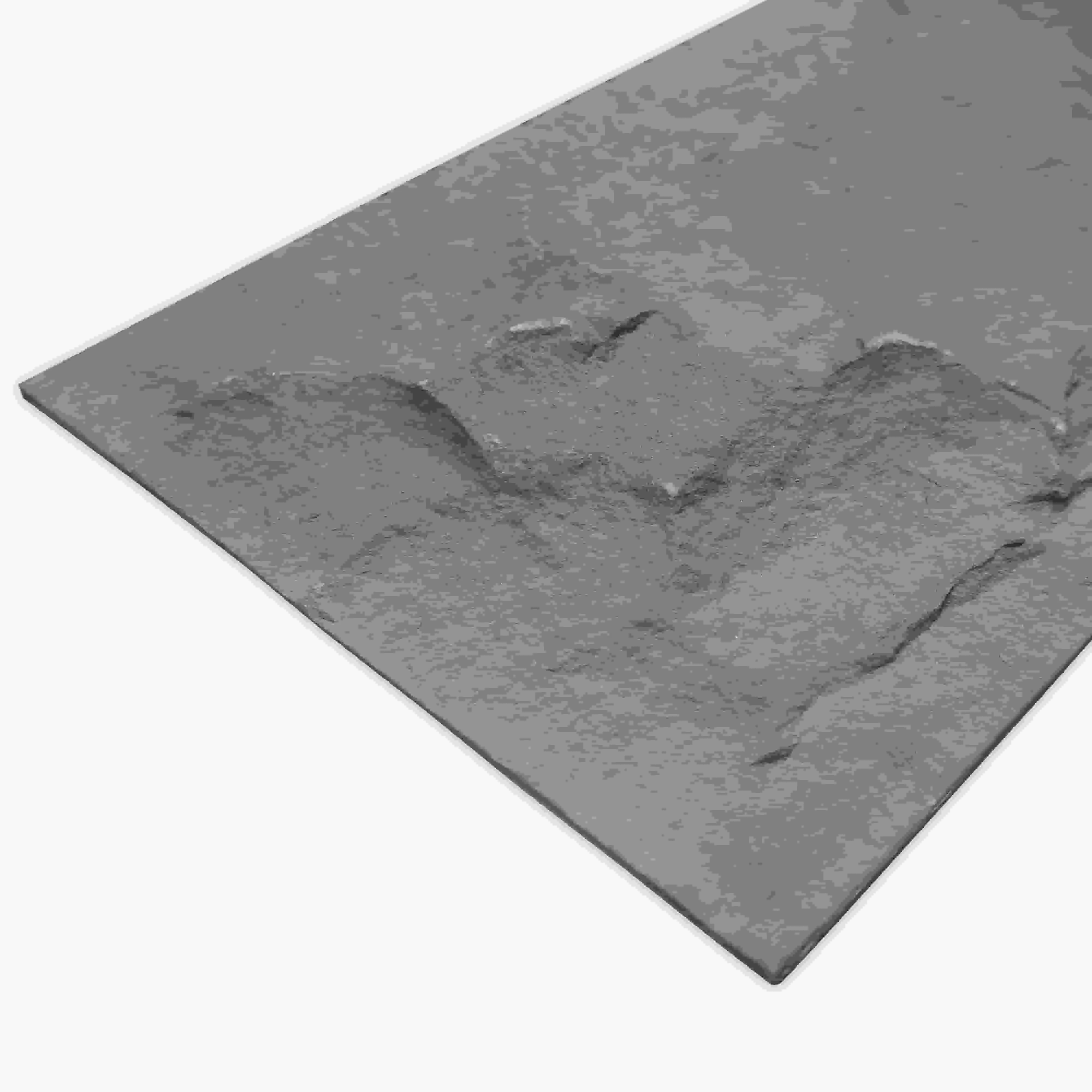
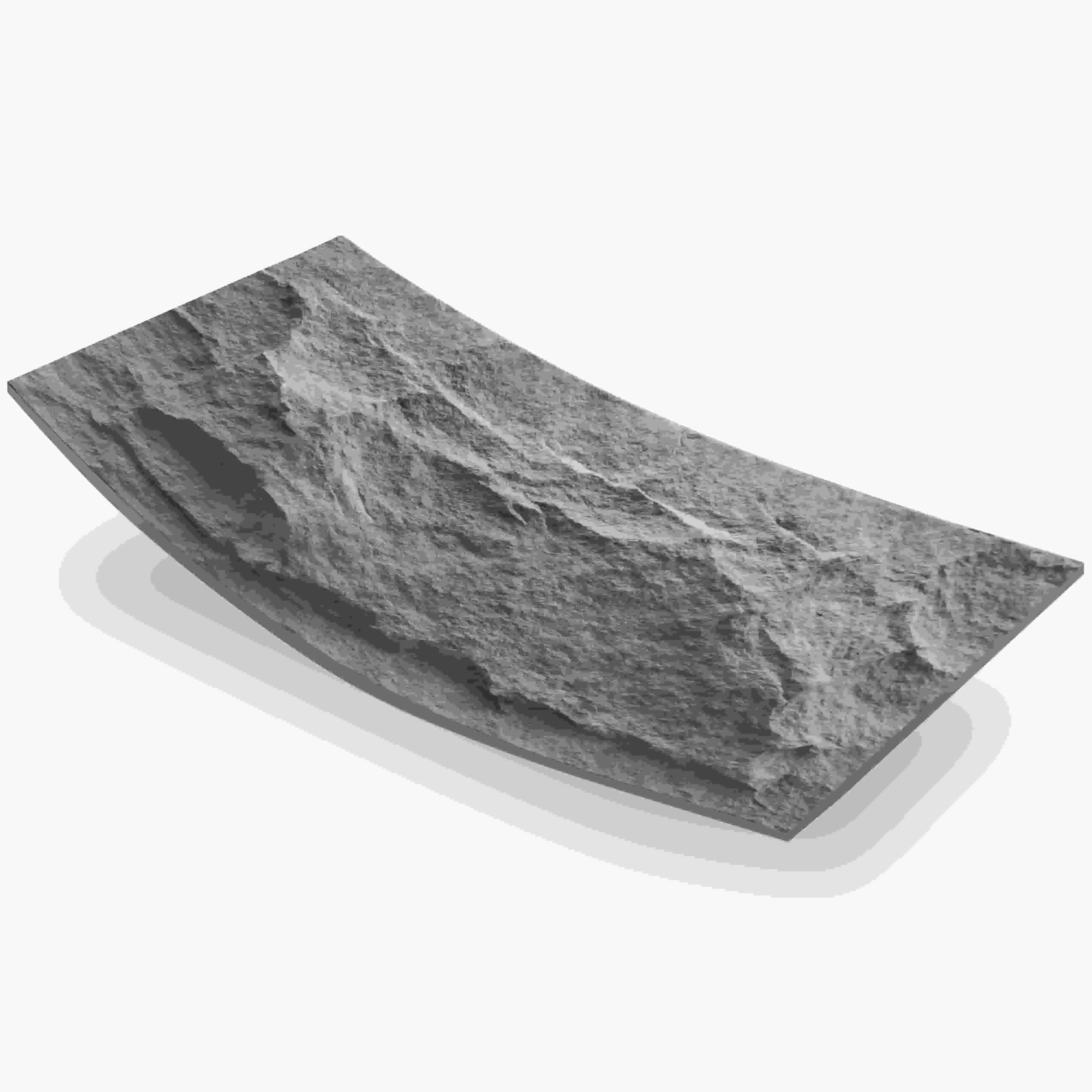
At its core, MCM technology is about reimagining what a "building material" can be. Traditional options—think natural stone, brick, or concrete—come with trade-offs: stone is beautiful but heavy, brick is sturdy but inflexible, concrete is versatile but lacks warmth. MCM flips the script by combining polymers, mineral aggregates, and reinforcing fibers into a composite that borrows the best traits of each component. The result? A material that's up to 70% lighter than natural stone, flexible enough to curve around architectural details, and durable enough to withstand harsh weather, all while mimicking the look and texture of premium materials.
But MCM isn't just about solving problems—it's about unlocking possibilities. For builders, it means faster installation (those lightweight panels cut labor time dramatically). For architects, it means finally saying "yes" to that curved facade or textured accent wall they've been sketching. For homeowners, it means high-end aesthetics without the high-end price tag. And for the planet? Reduced transportation emissions (thanks to lighter materials) and less waste (MCM production generates far fewer byproducts than mining natural stone). It's a win-win-win scenario that's long overdue.
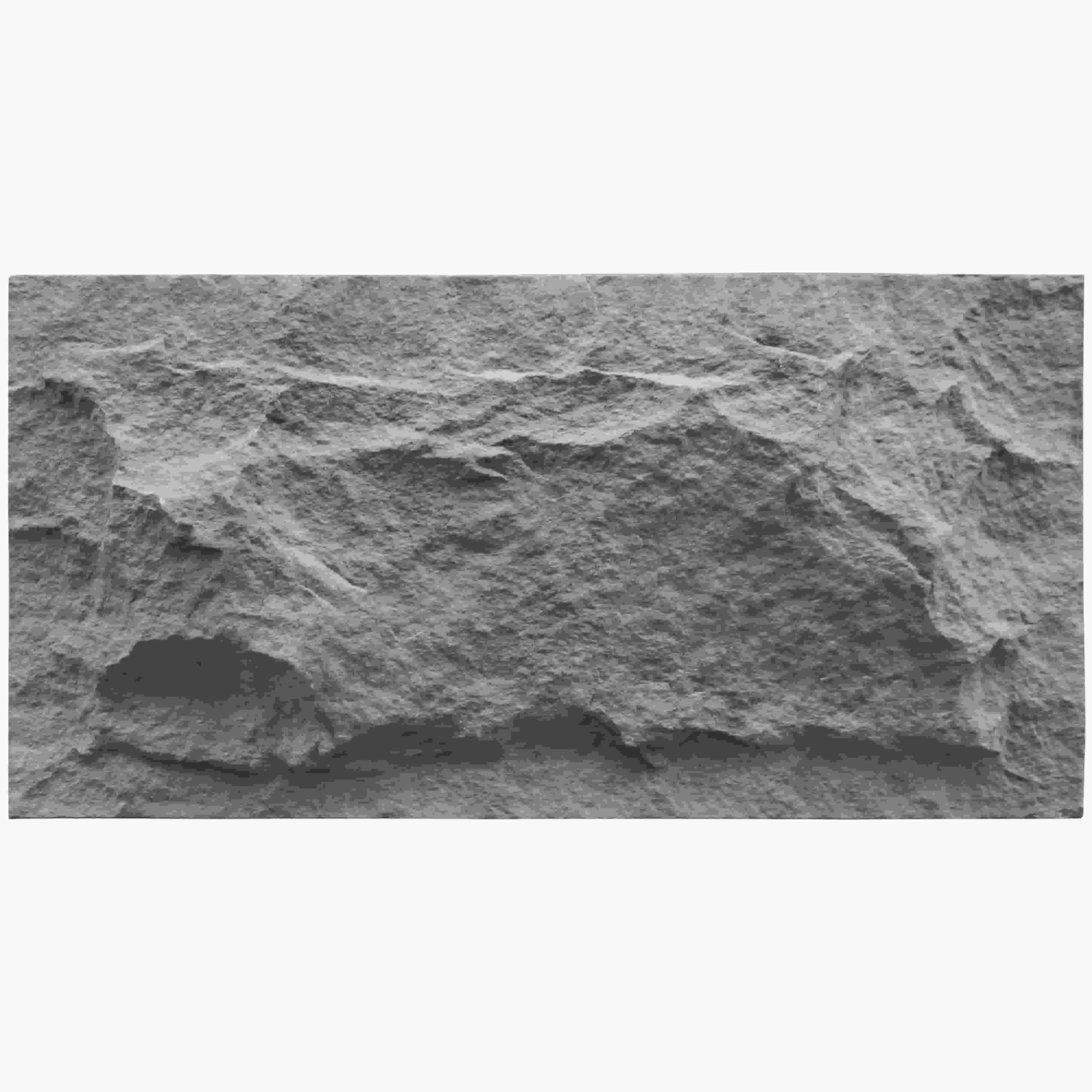
If MCM technology is the engine driving construction innovation, Crossare Mushroom Stone043 is its most charismatic spokesperson. Walk your hand across a panel, and you'll immediately feel why: its surface is a tactile marvel, with undulating, mushroom-like protrusions that mimic the look of stone weathered by centuries of rain and wind. It's rustic, it's organic, and it's surprisingly versatile—equally at home on a mountain cabin's exterior as it is on a downtown restaurant's accent wall.
Take the example of The Hearth, a small café in Portland that underwent a renovation last year. Owner Mia Chen wanted to create a space that felt "like a cozy cabin in the city," but her budget was tight, and the building's old wooden frame couldn't support heavy stone. Enter Crossare Mushroom Stone043. "I saw a sample and fell in love with the texture," Mia recalls. "It looked exactly like the river rock I grew up with, but the installer said we could put it up in a day—no structural changes needed." The result? A warm, inviting interior that customers rave about, with walls that feel "alive" with texture. And here's the kicker: Mia saved 30% on material and labor costs compared to natural stone. "It wasn't just a budget decision," she says. "It was a creative one. The stone tells a story, and now my café does too."
What makes Crossare Mushroom Stone043 truly special is its attention to detail. Unlike some imitative materials that feel flat or plastic-like, its texture is deeply dimensional—you can run your fingers over the "gills" of the mushroom-shaped protrusions and feel the variation, just like you would in nature. It's available in earthy tones (think warm grays, soft beiges, and rich terracottas) that complement both modern and traditional designs, and its flexibility means it can be cut to fit even the trickiest corners. For architects like Raj Patel, who designed a boutique hotel in Boulder using Crossare, it's a game-changer. "We wanted the exterior to blend with the Rocky Mountain landscape, but we couldn't use real stone on the upper floors—it would have added too much weight," he explains. "Crossare let us extend that natural aesthetic all the way to the roofline. Guests walk up and say, 'I can't believe this isn't real stone.' That's the magic of it."
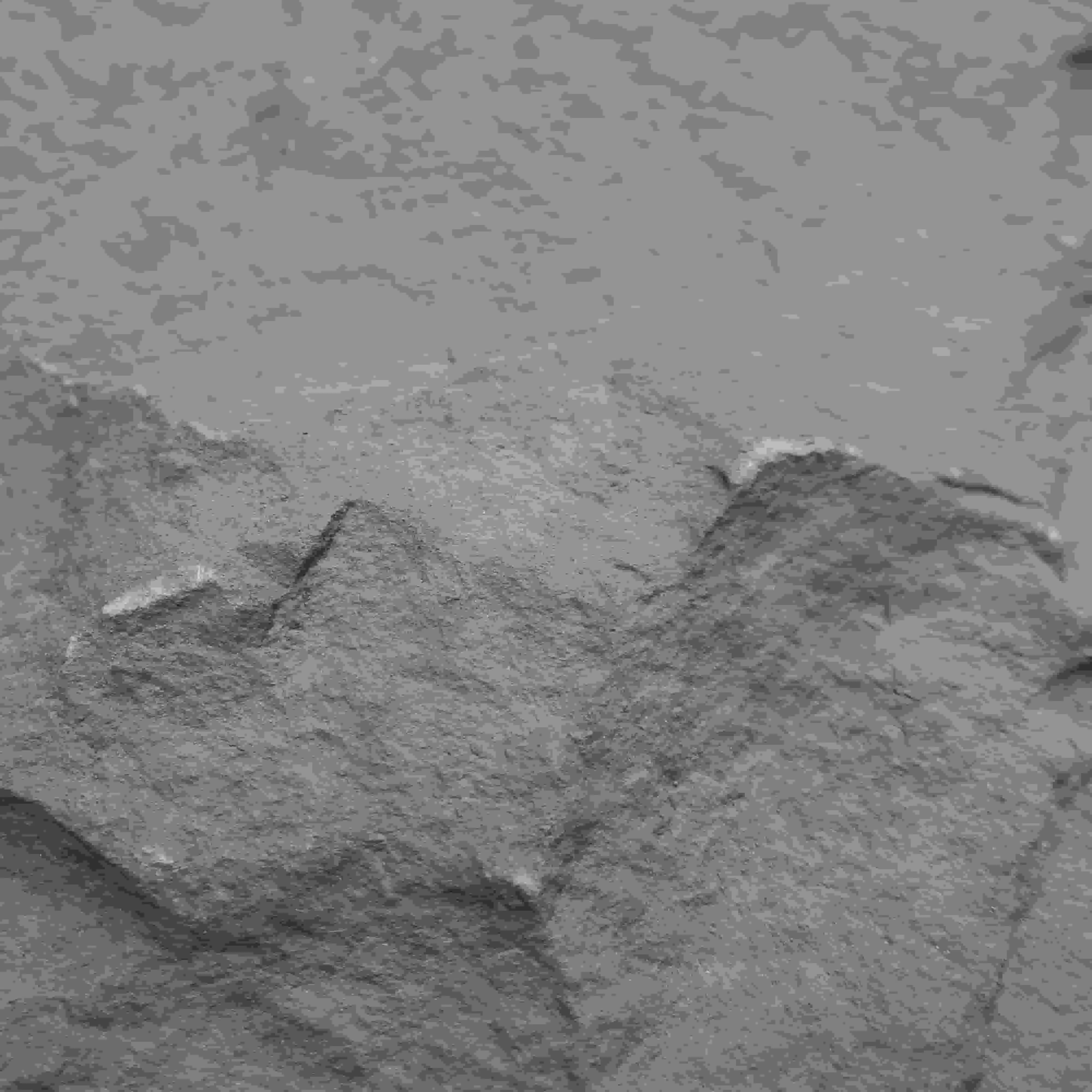
While Crossare Mushroom Stone043 excels in texture, MCM's innovation doesn't stop there. Take the MCM Big Slab Board Series, a line of extra-large panels (some as big as 1200x2400mm) that are redefining how we think about walls and facades. Imagine a commercial lobby with walls that stretch from floor to ceiling in a single, unbroken slab—no grout lines, no seams, just a smooth, continuous surface that feels both grand and intimate. That's the promise of big slab MCM, and it's quickly becoming a favorite in projects where "wow factor" matters.
Consider the recent renovation of the Skyline Mall in Chicago. The design team wanted to modernize the space without losing its industrial heritage. They chose MCM Big Slab boards in a deep charcoal finish, installing them across the main atrium's walls. "Traditional stone slabs that size would have required cranes and a small army of installers," says project manager Elena Rodriguez. "These MCM panels? We had two guys installing them with basic tools, and they were done in three days instead of two weeks. The result? A space that feels sleek and expansive, but with the warmth of natural stone. Shoppers keep stopping to touch the walls—they can't believe it's not real concrete."
The benefits of big slab MCM go beyond aesthetics. Fewer seams mean fewer places for moisture to seep in, improving durability. The lightweight nature reduces structural load, making it ideal for retrofits where reinforcing isn't an option. And because the panels are factory-finished, there's no need for on-site painting or sealing, cutting down on construction time and mess. It's a solution that's as practical as it is beautiful—a hallmark of MCM technology.
Not all MCM innovations lean into rustic charm. Some, like Lunar Peak Silvery, are all about modern elegance. Picture a high-end restaurant's ceiling, clad in panels that shimmer like moonlight on water. That's Lunar Peak Silvery—a metallic-finish MCM material that adds a touch of celestial drama to interiors and exteriors alike. Its secret? A unique blend of mineral pigments and reflective particles that catch light in unexpected ways, shifting from soft silver to pale blue depending on the angle.
Designer Sofia Lee used Lunar Peak Silvery in her recent project, a rooftop bar in Miami called "Stellar." "The client wanted the space to feel like you're drinking under the stars, even on cloudy nights," she says. "We installed Lunar Peak panels on the ceiling, paired with indirect LED lighting. Now, when the lights hit the panels, the whole room glows—like a sky full of stars. It's become the most Instagrammed spot in the city, and it's all thanks to that material."
What's striking about Lunar Peak Silvery is its versatility. It works in sleek, modern spaces, of course, but it also complements more traditional designs—think a historic library with updated lighting, where Lunar Peak panels add a subtle shimmer to wooden bookshelves. It's a reminder that MCM technology isn't just about solving practical problems; it's about evoking emotion through design.
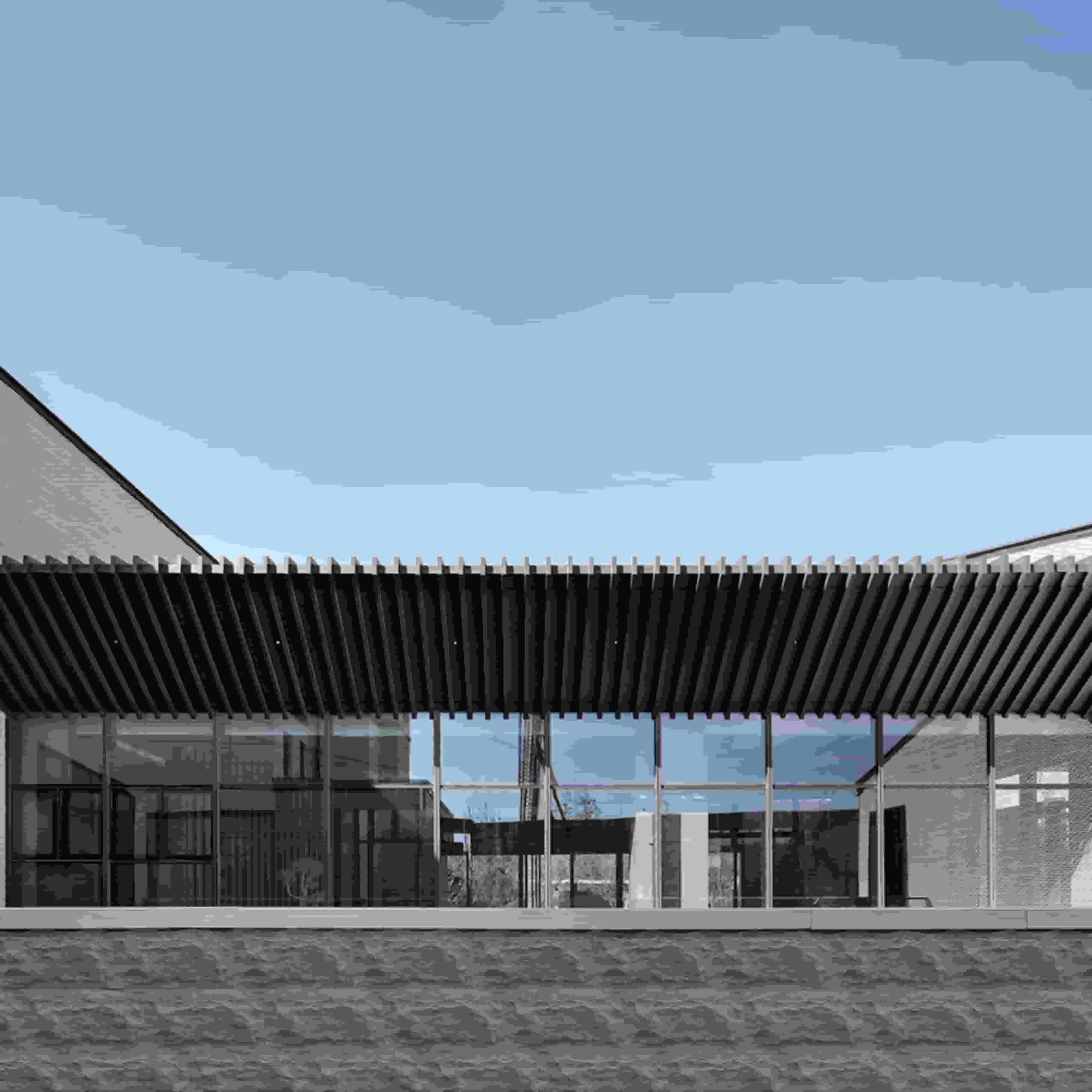
If Lunar Peak Silvery is about light and ambiance, Foamed Aluminium Alloy Board (Vintage Silver) is about edge and sustainability. This material takes recycled aluminum, processes it into a lightweight, foam-like structure, and finishes it with a vintage silver coating that feels both industrial and refined. It's the perfect choice for projects that want to make a bold statement while keeping their environmental footprint small.
Take the "Green Hub" office complex in Seattle, a LEED Platinum-certified building that prides itself on eco-friendly design. Its exterior facade features Foamed Aluminium Alloy Board (Vintage Silver) panels, chosen for their durability, energy efficiency, and recycled content. "Aluminum is one of the most recyclable materials on the planet, and this board takes that a step further by using 80% post-consumer recycled aluminum," explains sustainability consultant James Wilson. "Plus, the foam structure acts as natural insulation, reducing the building's heating and cooling costs by 15%. It's a material that looks good and does good—exactly what modern construction needs."
Beyond sustainability, Foamed Aluminium Alloy Board (Vintage Silver) offers unique design flexibility. It can be perforated for acoustic control, bent into curves for dynamic facades, or left flat for a minimalist look. It's become a favorite for tech offices, art galleries, and even boutique retail spaces that want to stand out from the crowd. As James puts it: "Why choose between style and sustainability when you don't have to?"
Curious how MCM materials like Crossare Mushroom Stone043, MCM Big Slab, and Lunar Peak Silvery compare to traditional options? Let's break it down with a side-by-side look at key factors that matter to builders, architects, and budget holders:
| Material | Weight (kg/m²) | Installation Time (per 100m²) | Durability (Expected Lifespan) | Sustainability (Recycled Content) |
|---|---|---|---|---|
| Natural Granite | 25-30 | 3-4 days | 50-100 years | 0% |
| Traditional Brick | 18-22 | 2-3 days | 100+ years | 5-10% |
| Crossare Mushroom Stone043 (MCM) | 4-5 | 0.5-1 day | 30-50 years | 30-40% |
| MCM Big Slab Board Series | 3-4 | 0.3-0.7 days | 30-50 years | 30-40% |
| Lunar Peak Silvery (MCM) | 3-5 | 0.5-1 day | 30-50 years | 25-35% |
The numbers speak for themselves: MCM materials are dramatically lighter, faster to install, and more sustainable than traditional options, with lifespans that rival most natural materials. For projects where time is money (and when isn't it?), that 0.5-day installation window for Crossare Mushroom Stone043 versus 3-4 days for natural granite is a game-changer. And with 30-40% recycled content, MCM aligns with the growing demand for eco-conscious building practices.
So, where does construction go from here? If MCM technology is any indication, the future is about customization, sustainability, and seamless integration. Imagine MCM panels with built-in solar cells, turning facades into energy generators. Or materials that change color based on temperature, reducing the need for air conditioning. Sound like science fiction? Think again—researchers are already testing these concepts, and early prototypes are promising.
For homeowners, this could mean more control over their spaces than ever before. Want a kitchen backsplash that looks like marble but won't stain? MCM has you covered. Dream of a backyard patio with the texture of river rock but light enough to install yourself? Crossare Mushroom Stone043 makes it possible. And for commercial builders, the possibilities are even more exciting: think skyscrapers wrapped in lightweight, energy-efficient MCM facades that reduce operational costs for decades.
But perhaps the most thrilling part is how MCM technology is democratizing design. No longer is "high-end" aesthetics reserved for mega-budgets. A small business owner can now afford the same textured walls as a luxury hotel. A first-time homebuyer can choose materials that reflect their personality without breaking the bank. In a world where so much feels out of our control, MCM is giving people the power to shape spaces that feel uniquely theirs.
As we wrap up, let's circle back to that architect we met earlier—the one staring at blueprints, frustrated by the limitations of traditional materials. Today, they're smiling. They've specified Crossare Mushroom Stone043 for the hotel's lobby walls, MCM Big Slab for the conference rooms, and Lunar Peak Silvery for the rooftop bar. The structural engineer is on board, the budget is intact, and the client is thrilled with the renderings. That's the power of MCM technology: it doesn't just build buildings—it builds possibilities.
Crossare Mushroom Stone043 isn't just a material. It's a symbol of a construction industry that's finally catching up to the needs of modern designers and builders. It's proof that we don't have to choose between beauty and practicality, tradition and innovation. And as more materials like it hit the market—materials that are lightweight, durable, sustainable, and full of character—the future of construction looks less like a series of compromises and more like a canvas waiting to be painted.
So the next time you walk into a building and pause, struck by its walls or facade, take a closer look. Chances are, you're not just looking at stone or concrete—you're looking at the future. And it's made of MCM.
Recommend Products












