
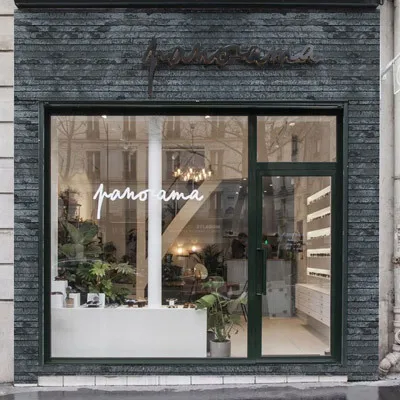
Construction has always been a story of evolution—from mud bricks and thatched roofs to steel skyscrapers and glass facades. But today, we're entering a new chapter: the era of smart buildings. These structures aren't just about shelter; they're living, breathing systems that adapt to human needs, conserve energy, and blend seamlessly with their environments. At the heart of this transformation? Materials that do more than just hold up walls. Enter Muretto Stone—a name that's quickly becoming synonymous with the intersection of tradition, innovation, and the future of building design.
Muretto Stone isn't just a brand; it's a curator of textures, colors, and possibilities. From the earthy warmth of rammed earth to the sleek modernity of foamed aluminium alloy, its product lines read like a palette for architects and designers eager to redefine what buildings can be. In this article, we'll explore how Muretto Stone is shaping smart buildings—how its materials aren't just aesthetic choices, but functional, sustainable solutions that align with the demands of tomorrow's cities. We'll dive into standout collections like the Lunar Peak series, the starry allure of travertine, and the eco-conscious innovation of rammed earth boards, showing how each plays a unique role in crafting spaces that are as intelligent as they are beautiful.
Smart buildings are no longer a sci-fi concept. They're here, and they're changing everything. Imagine a office that adjusts lighting based on natural sunlight, a home that regulates temperature using AI, or a hospital that uses sensor-embedded walls to monitor air quality—all while reducing energy consumption by 30% or more. But for these systems to work, the materials they're built with need to keep up. Traditional concrete and steel, while strong, often lack the versatility, sustainability, and aesthetic depth that modern smart buildings demand.
Today's architects and developers are looking for materials that check three boxes: functionality, sustainability, and design flexibility. They need surfaces that can integrate with IoT sensors without sacrificing style. They want options that reduce carbon footprints—think recycled content, low-VOC emissions, and energy-efficient production. And above all, they crave uniqueness—materials that turn a generic lobby into a memorable space, or a bland facade into a landmark. This is where Muretto Stone steps in, with a lineup that seems almost tailor-made for the smart building revolution.
Muretto Stone's magic lies in its ability to honor the past while embracing the future. Many of its materials draw inspiration from natural stone—travertine, granite, limestone—materials that have been used for centuries for their durability and beauty. But Muretto takes it a step further: using advanced manufacturing techniques like 3D printing and foaming technology to enhance these classics, making them lighter, stronger, and more adaptable to modern needs.
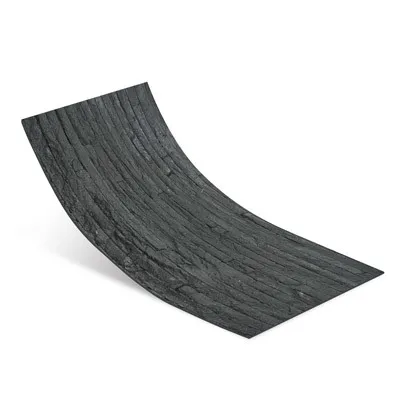
Take, for example, its mcm flexible stone line. Traditional stone is heavy and rigid, making it hard to install on curved surfaces or high-rise exteriors. Muretto's flexible stone, however, is thin, lightweight, and bendable—perfect for wrapping around columns, accent walls, or even furniture. It retains the natural texture of stone but adds a level of versatility that's a game-changer for smart buildings, where custom shapes and integrated tech (like hidden wiring or sensors) are often required.
Then there's the focus on sustainability. Many of Muretto's products, like its rammed earth board series, use locally sourced, natural materials. Rammed earth has been used for millennia, but Muretto's version is reinforced with eco-friendly binders, making it more durable than traditional rammed earth while still boasting a low carbon footprint. It's a material that tells a story—of connection to the land—while fitting seamlessly into green building certifications like LEED or BREEAM.
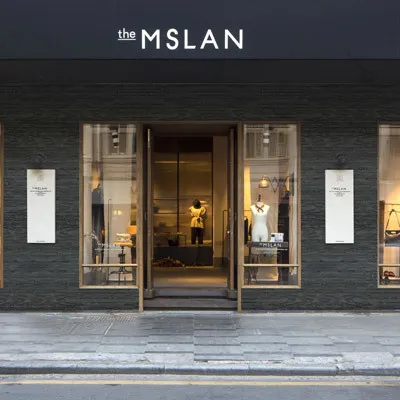
Muretto Stone's product range is vast, but a few lines stand out for their ability to elevate smart buildings. Let's take a closer look at some of the most innovative:
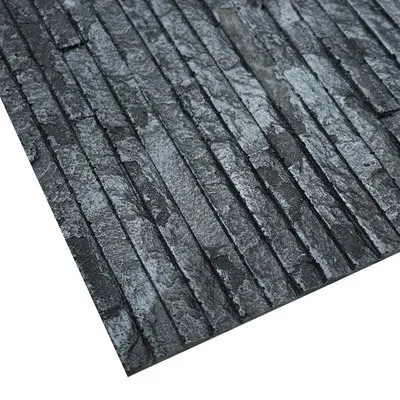
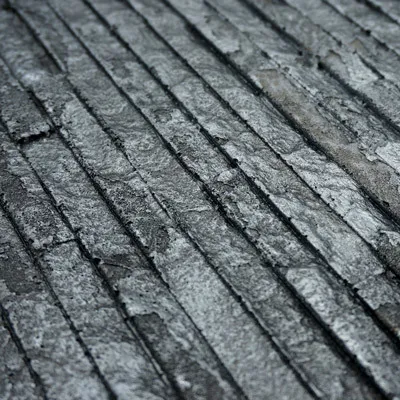
The Lunar Peak collection— lunar peak silvery , lunar peak golden , and lunar peak black —is a masterclass in understated luxury. These materials mimic the texture of quarried stone but with a sleek, contemporary finish that works in everything from high-end hotels to tech startups. The silvery variant, with its cool, metallic sheen, pairs beautifully with glass and steel facades, reflecting light to reduce heat absorption (a key feature for energy-efficient smart buildings). The golden hue adds warmth to interior spaces, while the black offers a bold, dramatic contrast—ideal for accent walls or statement pieces in lobbies.
What makes Lunar Peak smart? Its durability. Scratch-resistant and weatherproof, it's perfect for high-traffic areas like office lobbies or retail spaces, where maintenance costs can eat into a building's efficiency budget. Plus, its uniform texture makes it easy to install embedded sensors—think motion detectors or temperature monitors—without disrupting the visual flow.
Travertine has long been a favorite in architecture for its porous, organic texture. Muretto's travertine (starry green) takes that classic beauty and adds a celestial twist: tiny, iridescent flecks that catch the light, giving the stone a "starry" effect. It's a material that turns a plain wall into a conversation piece—exactly what modern smart buildings need to create memorable, Instagram-worthy spaces that attract tenants and visitors alike.
But it's not just about looks. Travertine is naturally breathable, which helps regulate humidity in indoor spaces—a boon for smart buildings focused on occupant comfort. Muretto's version is also treated with a water-resistant sealant, making it suitable for both indoor and outdoor use. Imagine a smart home's outdoor patio, lined with starry green travertine, where embedded lighting (another smart feature) highlights the stone's sparkle at night. It's beauty and functionality in one.
For buildings that want a sleek, industrial vibe, Muretto's foamed aluminium alloy board series—available in vintage silver , vintage gold , and gold —is a standout. Foamed aluminium is lighter than traditional aluminium but just as strong, thanks to its cellular structure. This makes it ideal for large facades or high-rise buildings, where weight reduction can lower construction costs and improve safety.
But its smart building credentials go further. Aluminium is a great conductor of heat, but the foamed structure adds insulation, helping buildings retain temperature and reduce energy use. The vintage finishes—with their slightly weathered, artisanal look—add warmth to an otherwise cold material, making it perfect for spaces like co-working offices or boutique hotels that want to blend industrial edge with comfort. Plus, aluminium is 100% recyclable, aligning with the circular economy goals of many smart building projects.
In a world where "sustainable" is more than a buzzword, rammed earth board has emerged as a darling of green building. Muretto's take on this ancient material—available in shades like white , middle , matcha green , and even gradient colors—combines the best of old and new. Traditional rammed earth is made by compressing soil, but Muretto's boards are reinforced with natural fibers and eco-friendly binders, making them more resistant to moisture and wear.
Rammed earth's porous texture isn't just for show; it helps regulate indoor air quality by absorbing and releasing moisture, reducing the need for dehumidifiers (a plus for smart buildings focused on energy efficiency). The gradient color options—like gradient b or gradient c —add a modern, artistic touch, making the boards suitable for feature walls in spaces like museums or cultural centers. It's a material that feels grounded, connected to the earth, while still fitting into the high-tech world of smart buildings.
| Product Line | Key Features | Smart Building Application | Sustainability Highlight |
|---|---|---|---|
| Lunar Peak Series | Sleek, metallic finish; scratch-resistant | Facades, accent walls, sensor integration | Low-VOC production; recyclable materials |
| Travertine (Starry Green) | Iridescent flecks; breathable texture | Indoor/outdoor accent walls, humidity regulation | Naturally sourced stone; water-based sealant |
| Foamed Aluminium Alloy Boards | Lightweight; insulating; vintage finishes | Large facades, heat regulation | 100% recyclable aluminium; energy-efficient production |
| Rammed Earth Boards | Natural texture; gradient colors; moisture-absorbent | Feature walls, air quality regulation | Locally sourced materials; low carbon footprint |
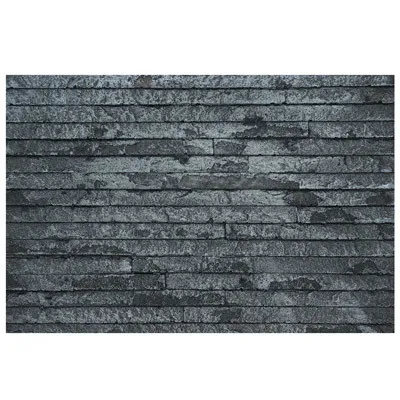
Smart buildings aren't just about technology—they're about responsibility. As cities grow, the construction industry is under pressure to reduce its environmental impact, and materials play a huge role in that. Muretto Stone understands this, and it's woven sustainability into the fabric of its products.
Take, for example, its fair-faced concrete and polish concrete lines. Concrete is the most widely used material in construction, but traditional concrete production is carbon-intensive. Muretto's versions use recycled aggregates and low-carbon cement, cutting emissions without sacrificing strength. They also require minimal maintenance—no need for paint or sealants, which reduces long-term waste. It's a small change that adds up to big environmental wins for smart buildings aiming to be net-zero.
Then there's the focus on local sourcing. Many of Muretto's raw materials are sourced from regional suppliers, reducing transportation emissions. The gobi panel , inspired by the textures of the Gobi Desert, uses locally quarried stone from arid regions, supporting local economies while minimizing carbon footprints. It's a reminder that sustainability isn't just about the product itself, but the entire lifecycle—from extraction to installation.
So, what's next for Muretto Stone and the smart buildings it helps create? The possibilities are exciting. One trend to watch is the integration of "smart materials" that can respond to their environment. Imagine mcm 3d printing series panels that change color based on temperature, or lunar peak stone that emits light when sensors detect motion. Muretto's 3D printing capabilities make this kind of customization possible—printing intricate patterns or even embedded channels for wiring directly into the material.
Another area is biophilic design—the idea that connecting people to nature improves well-being. Muretto's natural materials, like bamboo mat board or wood grain board , already support this, but future iterations could see even more integration with living systems. Think walls made of travertine (starry blue) that host vertical gardens, or stream limestone that channels rainwater into sustainable irrigation systems. It's a way to make smart buildings not just intelligent, but also deeply connected to the natural world.
And let's not forget about circularity. As the construction industry moves toward a "take-make-recycle" model, Muretto's focus on recyclable materials (like aluminium) and durable designs (like its boulder slab series) will become even more critical. Imagine a building that, at the end of its life, can be disassembled, and its Muretto materials recycled into new panels—no waste, no landfill. That's the future of construction, and Muretto is already paving the way.
Muretto Stone isn't just selling materials—it's selling a vision. A vision of buildings that are as kind to the planet as they are to the people who use them. Buildings that blend cutting-edge technology with the timeless beauty of natural materials. Buildings that tell stories—of craftsmanship, of sustainability, of innovation.
From the starry sparkle of travertine (starry green) to the industrial chic of foamed aluminium alloy board (vintage silver) , from the earthy warmth of rammed earth board to the sleek versatility of lunar peak series—Muretto's products are more than just parts of a building. They're the building blocks of a smarter, more beautiful future. And as smart buildings continue to evolve, one thing is clear: Muretto Stone will be right there, leading the way.
Recommend Products












