
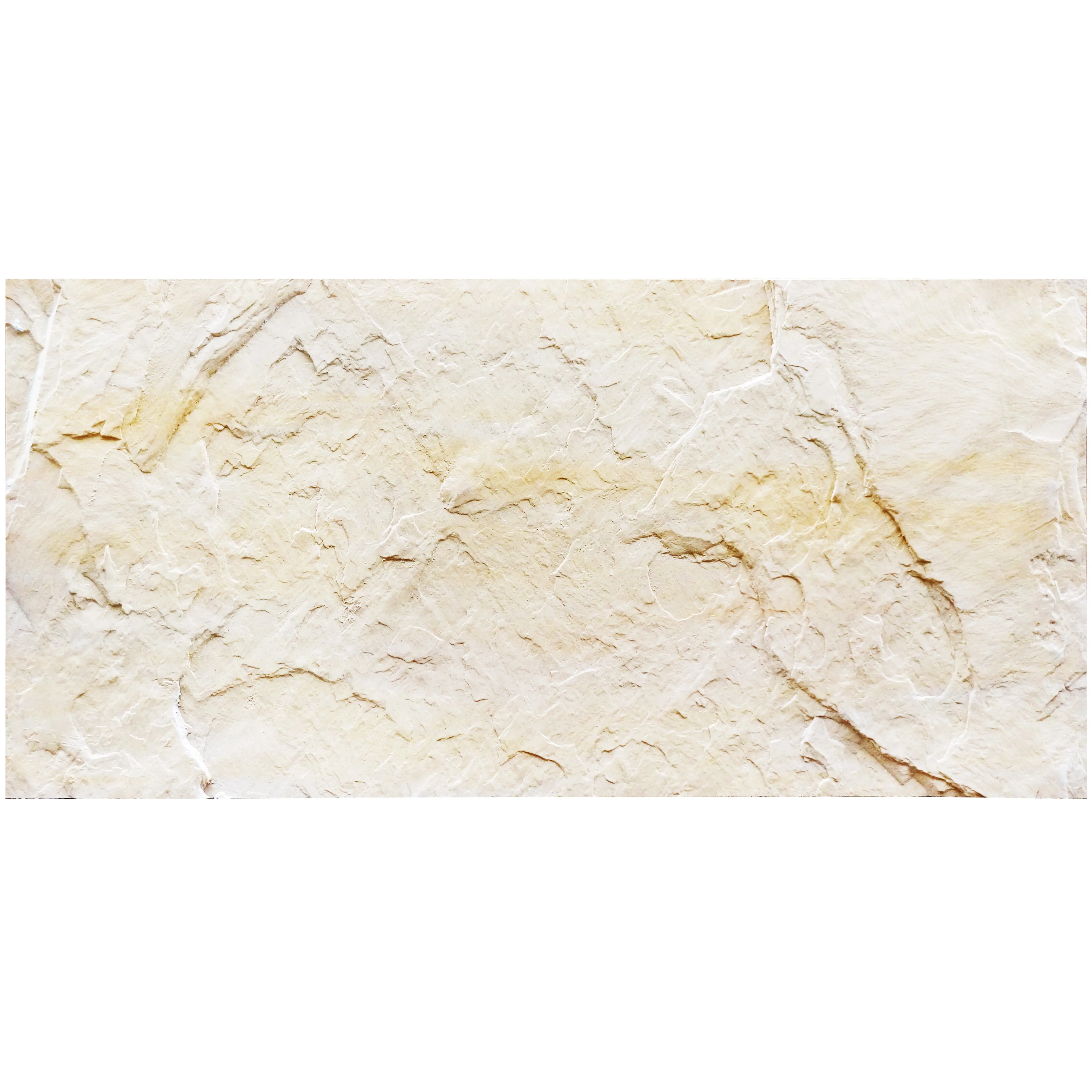
Walk into any modern city today, and you'll notice something different about the buildings rising on the skyline. They're not just structures—they're stories. Stories of sustainability, innovation, and human-centric design. For decades, construction has been stuck in a cycle of "good enough": materials that lasted, but lacked soul; designs that functioned, but felt cold. But in recent years, a quiet revolution has been unfolding. Builders, architects, and designers are no longer just building walls—they're crafting experiences. And at the heart of this revolution? Materials that bridge the gap between durability, beauty, and purpose. Enter Slate Sunnye, a material that's not just changing how we build, but how we live in the spaces we create.
Think about the last time you walked into an older building. Maybe it was a government office with drab concrete walls, or a shopping mall where the paint was peeling off the fake wood panels. Those spaces didn't just look tired—they felt tired. They were built with materials chosen for cost or convenience, not for how they'd make people feel. Concrete was heavy and inflexible; wood warped over time; stone was beautiful but impossible to scale. And let's not forget sustainability. Traditional materials often came with a hidden cost: high carbon footprints, wasteful production processes, and short lifespans that meant constant repairs (and more waste).
Then there's the rise of "smart buildings." Today's structures need to do more than keep the rain out. They need to regulate temperature, conserve energy, and even interact with the people inside them. But how do you build a wall that's both a canvas for art and a sensor for humidity? How do you create a facade that looks like it was carved by nature, but weighs so little it can be installed in days? For years, these questions felt impossible to answer. Until materials like Slate Sunnye, MCM flexible stone, and 3D art concrete board started to redefine the rules.
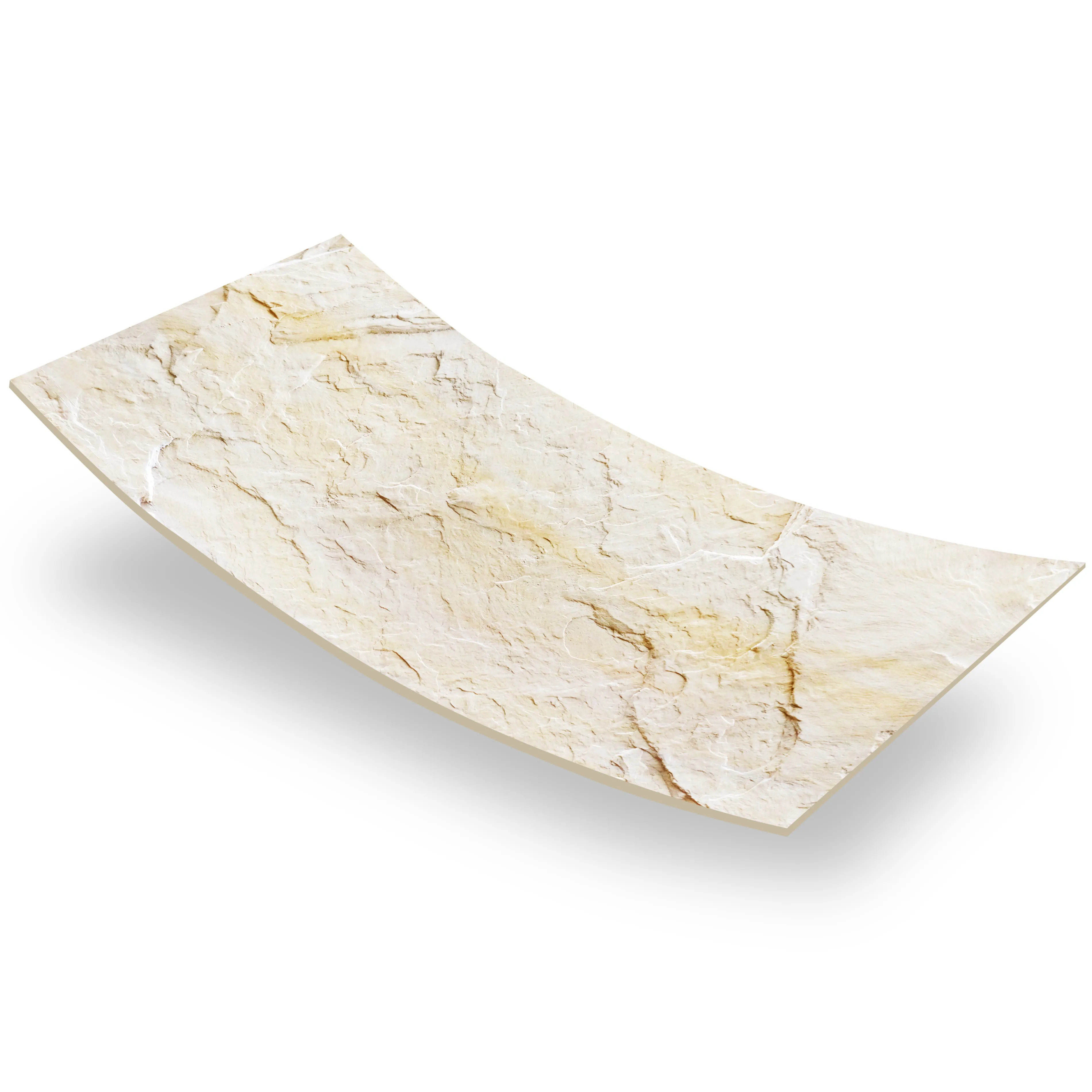
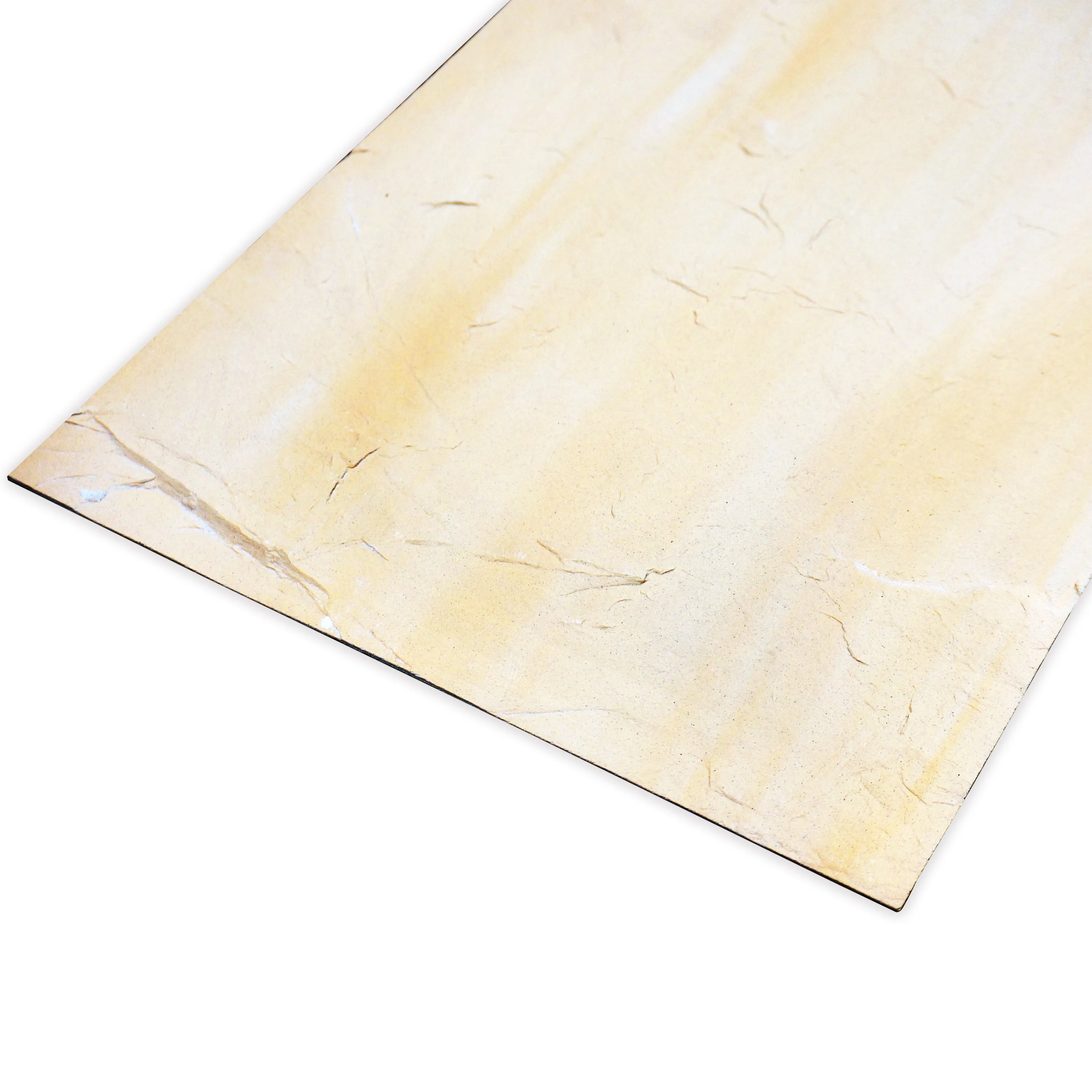
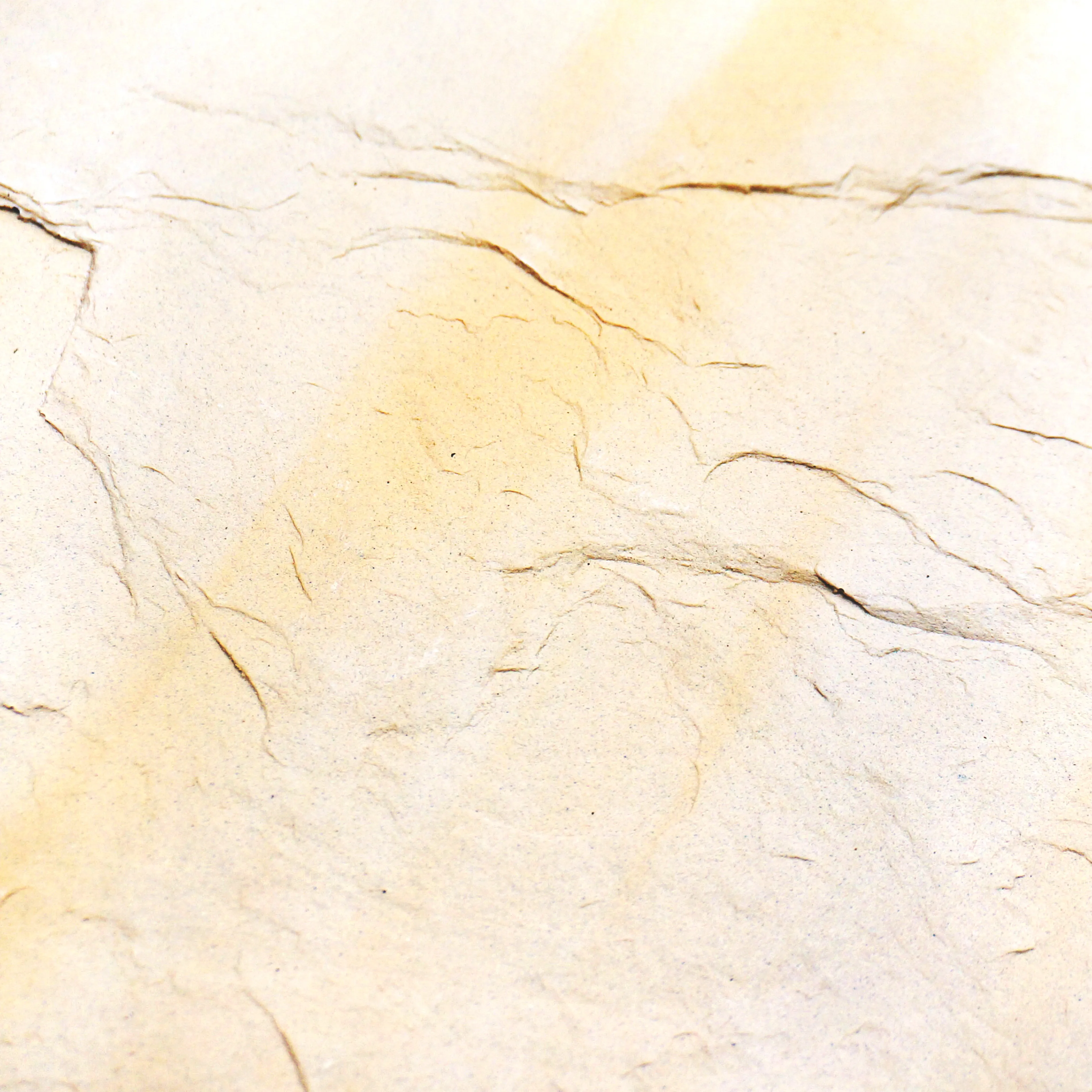
Let's talk about Slate Sunnye. It's not just a type of stone or a synthetic panel. It's a material that feels like it has a memory. Run your hand over its surface, and you'll notice the subtle texture—like sunlight hitting a mountain slope at dawn, warm and slightly rough, with hints of gold and gray that shift as the light changes. Unlike traditional slate, which is heavy and brittle, Slate Sunnye is lightweight, flexible, and surprisingly strong. It's made with a blend of natural minerals and recycled materials, baked at low temperatures to reduce energy use, and finished with a sealant that repels water but lets the material "breathe."
What makes Slate Sunnye special isn't just its looks, though. It's how it fits into the bigger picture of smart building design. Imagine a hospital where the walls are made of Slate Sunnye. The material's natural texture calms patients, while its durability means it won't scratch or stain—even with the busiest foot traffic. Or a school where the facade uses Slate Sunnye panels embedded with thin-film solar cells. The stone-like appearance hides the technology, turning the building into a silent power generator. This is the future: materials that don't just exist in a space, but enhance it.
Slate Sunnye isn't alone in this revolution. Materials like MCM flexible stone, fair-faced concrete, and even 3D-printed panels are also vying to redefine construction. But what makes Slate Sunnye stand out? Let's break it down:
| Material | Durability | Aesthetics | Sustainability | Cost (per sq. ft) |
|---|---|---|---|---|
| Slate Sunnye | High (50+ year lifespan, resistant to cracks/water) | Natural texture with shifting color tones; customizable finishes | 85% recycled content; low-energy production; carbon-negative option available | $12–$18 |
| MCM Flexible Stone | Medium-High (30–40 years; flexible but prone to scratches) | Sleek, modern; mimics stone/wood but lacks depth of natural texture | 60% recycled content; lightweight (reduces transport emissions) | $8–$14 |
| Fair-Faced Concrete | High (50+ years; but prone to staining if unsealed) | Minimalist, industrial; limited color options | Low recycled content; high carbon footprint from cement production | $10–$15 |
The table tells a clear story: Slate Sunnye isn't the cheapest, but it delivers where it matters most. Its sustainability credentials are hard to beat—with 85% recycled content, including reclaimed stone dust and post-consumer glass, it's a material that respects the planet without sacrificing quality. And aesthetically? It's in a league of its own. While MCM flexible stone is great for modern, sleek designs, Slate Sunnye brings warmth and depth. It doesn't just look natural—it feels natural, like a piece of the earth that's been gently shaped for human use.
Sustainability isn't just a buzzword anymore. It's a responsibility. When we build a building today, we're building for the kids who will attend that school in 20 years, for the families who will live in that apartment building, for the planet that has to support all of us. Slate Sunnye was designed with this in mind. Let's dig into the details: its production process uses 30% less energy than traditional stone cutting, and its lightweight design reduces the need for heavy machinery during installation—cutting down on diesel emissions. Even better, it's 100% recyclable at the end of its lifespan. When a building with Slate Sunnye panels is renovated, those panels can be ground down and reused to make new ones, closing the loop on waste.
But sustainability isn't just about the environment—it's about people, too. Slate Sunnye is non-toxic, with zero VOC emissions, making it safe for indoor spaces like hospitals and nurseries. Its thermal mass also helps regulate temperature: in summer, it absorbs heat during the day and releases it slowly at night, reducing the need for air conditioning; in winter, it traps warmth, cutting heating costs. For a small business owner trying to keep utility bills low, or a city trying to meet carbon neutrality goals, these savings add up—fast.
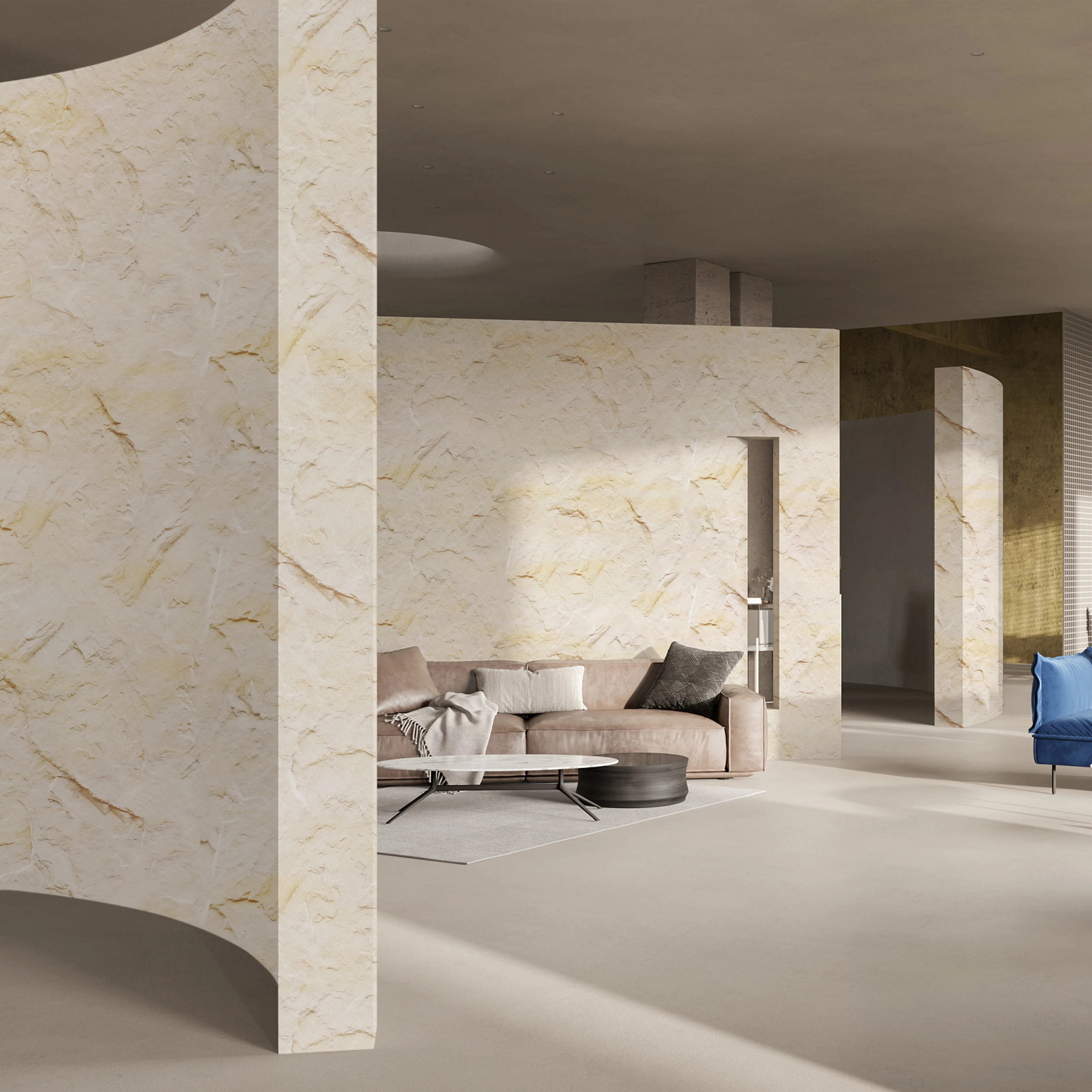
What's a "smart building" without materials that can keep up? Today's buildings are equipped with sensors that monitor everything from air quality to foot traffic, but those sensors need to be hidden or integrated seamlessly into the design. Slate Sunnye makes this easy. Its surface can be etched with micro-grooves to house wiring or thin sensors, so you don't have to drill ugly holes or cover walls with unsightly panels. Imagine a hotel where the Slate Sunnye walls in the lobby detect when the room is full and automatically adjust the lighting to create a cozier atmosphere. Or an office where the conference room walls, made of Slate Sunnye, sense when a meeting is over and send a signal to the HVAC system to turn off the AC—saving energy without anyone lifting a finger.
And let's talk about adaptability. One of the biggest challenges in construction is future-proofing. A building built today might need to be repurposed in 20 years—an office turned into a school, a retail space into a community center. Slate Sunnye's flexibility makes this easy. It can be cut, shaped, and reinstalled with minimal waste, so buildings can evolve with the needs of the people who use them. No more tearing down walls and starting from scratch. Just a material that bends, but never breaks.
It's one thing to talk about a material's potential—it's another to see it in action. Let's take the "Green Pinnacle" office building in Portland, Oregon. Completed in 2024, it's a 12-story structure wrapped in Slate Sunnye panels, with MCM flexible stone accents on the lower floors. The design team wanted a building that felt "rooted in nature but ready for the future," and Slate Sunnye delivered. The panels, which shift from warm gold to cool gray depending on the time of day, make the building look like it's glowing at sunset. Inside, the lobby features a 20-foot wall of Slate Sunnye with embedded LED strips that mimic sunlight, boosting employee mood during the rainy Portland winters. The building is LEED Platinum certified, and its energy bills are 40% lower than comparable offices in the area—thanks in part to Slate Sunnye's thermal properties.
Then there's the "Sunnye Community Center" in Austin, Texas. Built for a neighborhood that had long lacked a gathering space, the center uses Slate Sunnye for its exterior and interior walls. The material was chosen for its durability (Texas storms can be brutal) and its ability to reflect heat, keeping the building cool in the summer. But the real magic? The kids who hang out there. They call the Slate Sunnye walls "the mountain wall" and love running their hands over the texture while they play. It's a small thing, but it matters: a building that doesn't just serve a function, but becomes part of the community's story.
So, what's next for Slate Sunnye and materials like it? The future is all about integration. Imagine 3D-printed Slate Sunnye panels, custom-designed for each building using AI that analyzes sunlight patterns and local climate. Or panels embedded with self-healing technology—tiny microcapsules that release a sealant when the material cracks, making repairs a thing of the past. There's even talk of "living" Slate Sunnye walls, where the material is combined with moss or other plants to create natural air filters. The possibilities are endless, but they all point to one thing: buildings that are less like machines and more like living, breathing parts of our communities.
And let's not forget the human element. At the end of the day, we don't build with materials—we build with intent . We want spaces that make us feel safe, inspired, and connected. Slate Sunnye gets that. It's a material that doesn't shout for attention; it invites connection. It's the kind of material that makes you pause, run your hand over a wall, and think, "Someone cared enough to build this right."
The construction industry has come a long way from the days of "good enough." Today, we have the tools to build spaces that are beautiful, sustainable, and smart. Slate Sunnye isn't just a material in this toolbox—it's a reminder of why we build in the first place: to create spaces that lift us up. Whether it's a hospital that calms patients, a school that inspires kids, or an office that makes people excited to come to work, the right materials turn buildings into homes —even if we're only there for a day.
So the next time you walk past a building with a facade that catches your eye, take a closer look. Maybe it's Slate Sunnye. Maybe it's MCM flexible stone or 3D art concrete board. Whatever it is, it's part of a revolution. A revolution that says buildings don't have to be cold or wasteful. They can be warm, they can be kind to the planet, and they can tell a story. And isn't that the future we all want to live in?
Recommend Products












