
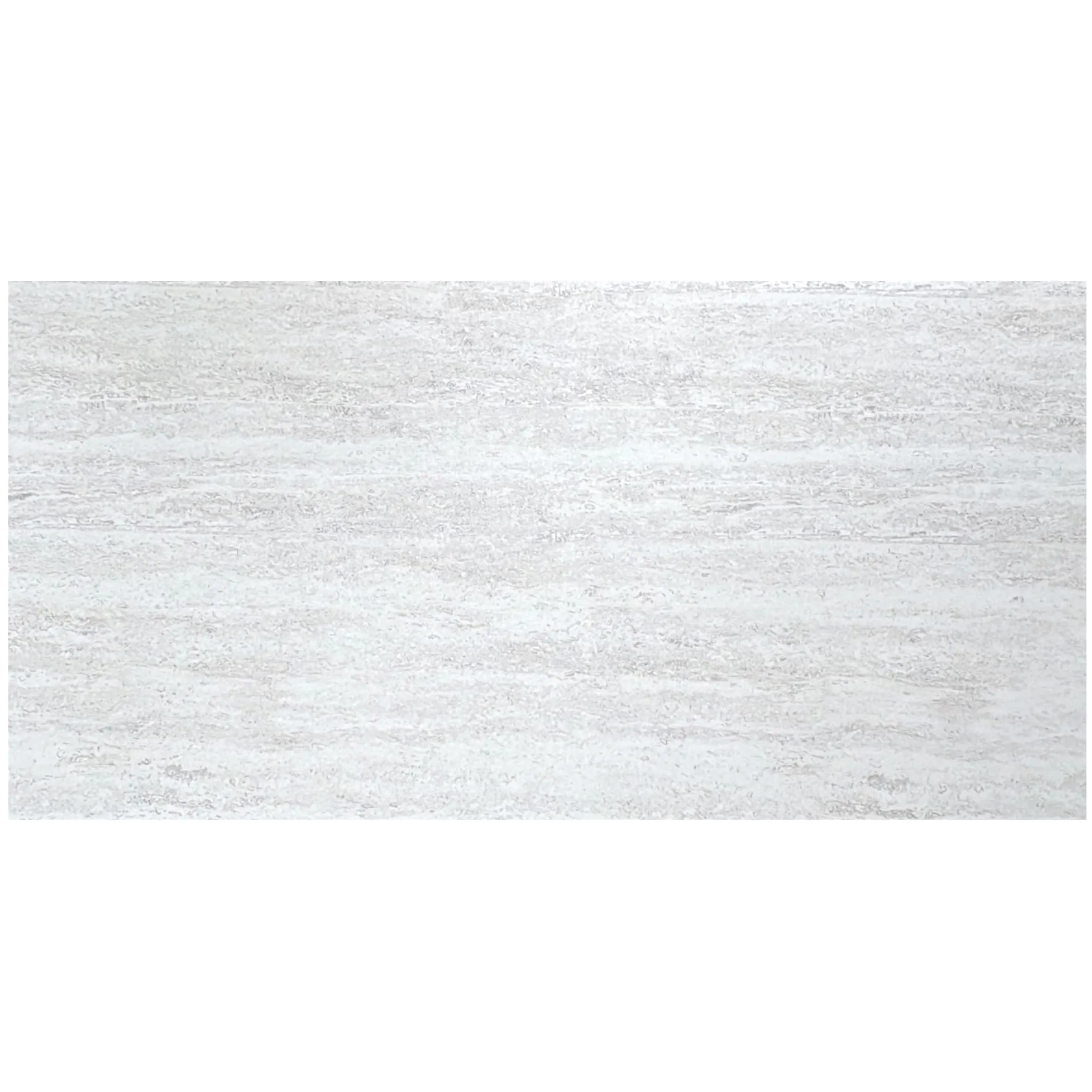
Walk into a contemporary art gallery, a boutique hotel lobby, or even a cutting-edge office space today, and you'll likely notice something different about the walls. They're not just barriers—they're stories. Textures that catch the light like morning dew on stone, colors that shift with the time of day, surfaces that invite touch as much as sight. This transformation isn't accidental. It's the result of a quiet revolution in material science, where innovation meets artistry to redefine how we experience built environments. At the heart of this movement lies a material that feels both ancient and futuristic: Ethereal Shadow Travertine. But it's not alone. As designers and engineers push boundaries, a new ecosystem of materials—from 3D-printed composites to reimagined metals—is emerging, each with its own voice. Let's explore how these materials are shaping the future of architecture and design, one texture, one space, one story at a time.
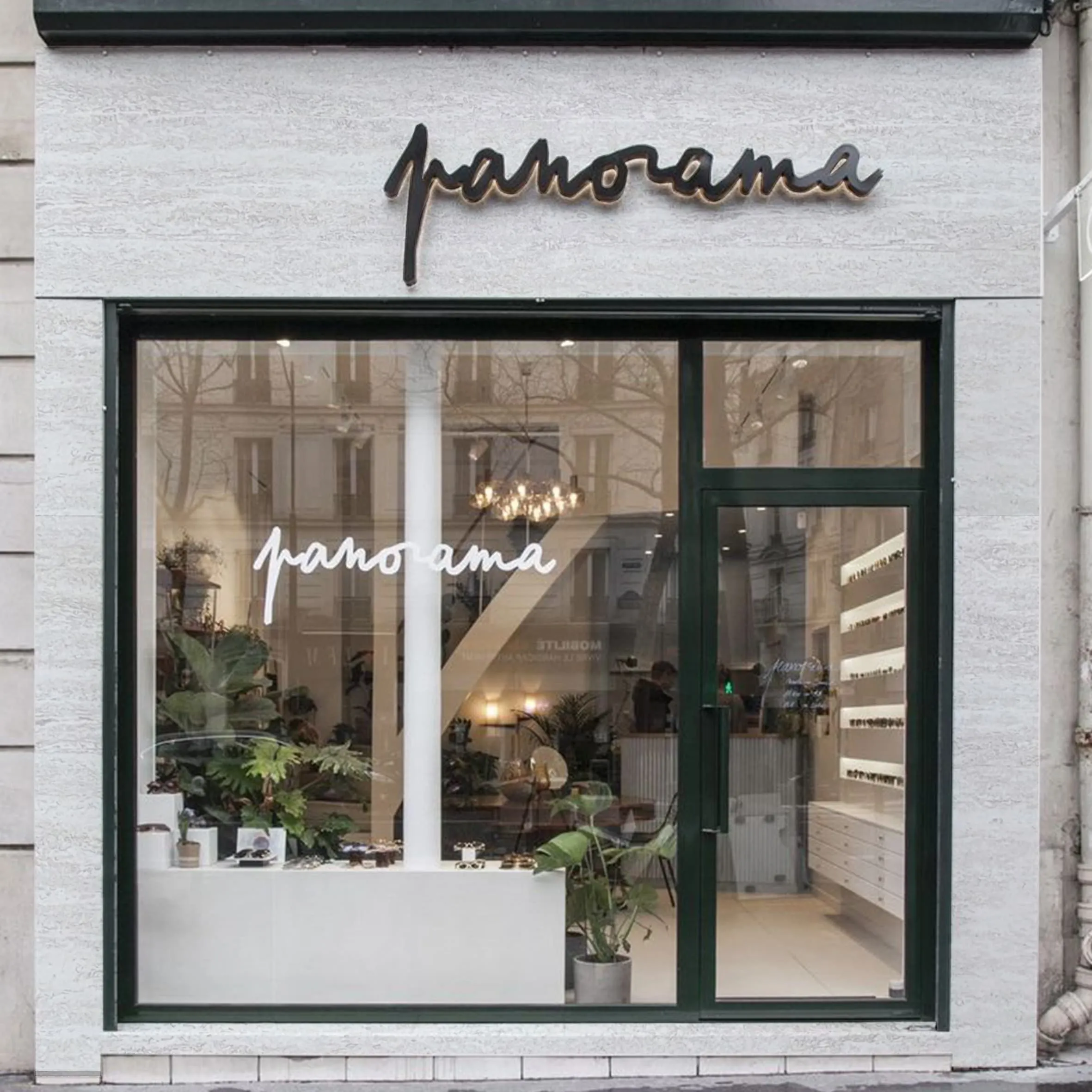
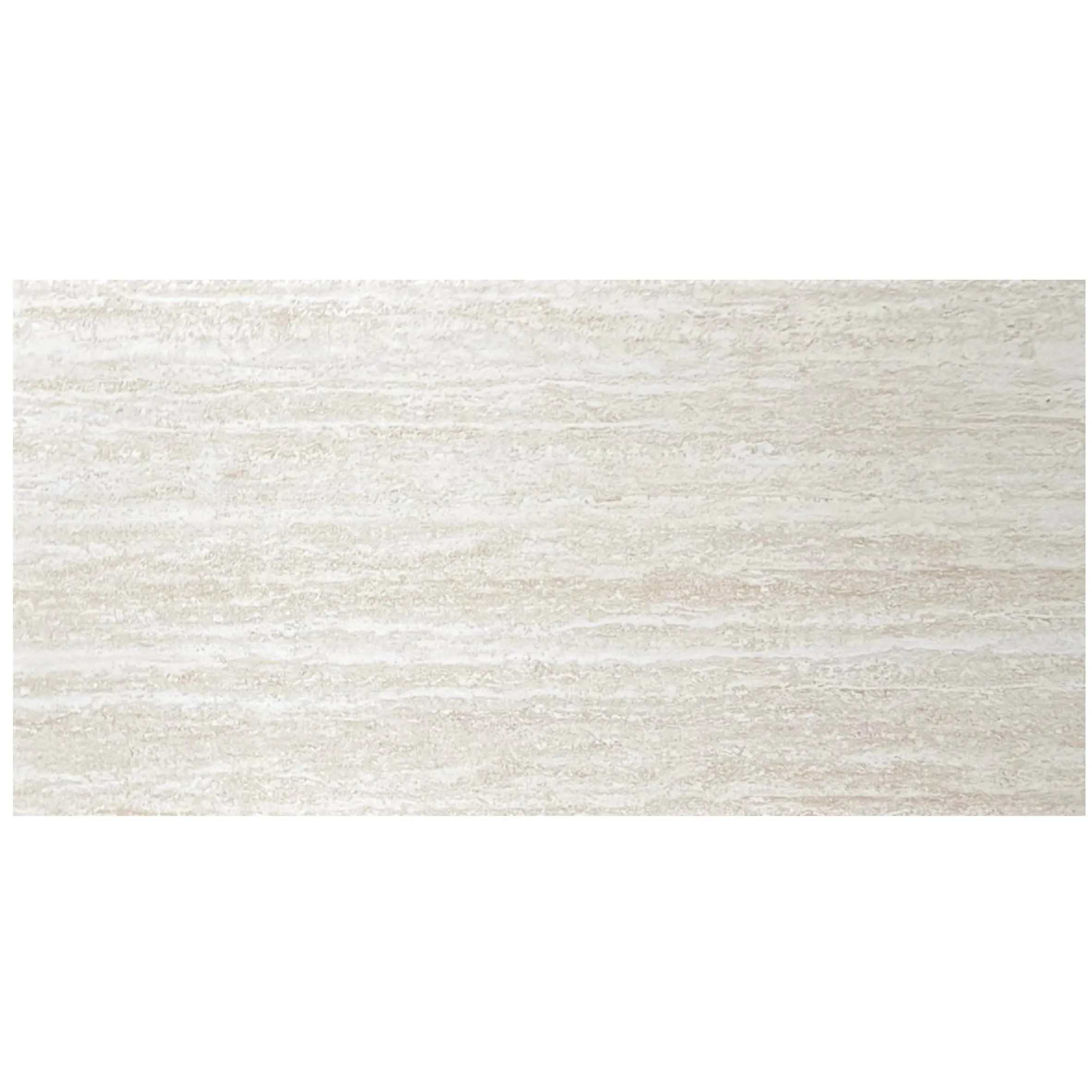
If stone could whisper, Ethereal Shadow Travertine would have tales to tell. Unlike the polished marble of old or the stark concrete of minimalist design, this material feels alive. Run your hand over its surface, and you'll find a topography of subtle ridges and valleys—echoes of the mineral-rich springs where travertine forms, layer by layer, over centuries. But what truly sets it apart is its "shadow play." In direct sunlight, its creamy base glows with warm undertones, while veiny inclusions—swirls of soft gray and muted taupe—deepen into shadows, as if the stone itself is breathing. In cooler, indirect light, those shadows soften, and the stone takes on a misty, almost translucent quality, like moonlight on a quiet lake.
"It's not just about looks," says Elena Marquez, a Madrid-based interior designer who recently used Ethereal Shadow Travertine in a high-end restaurant project. "Clients want spaces that evoke emotion. This stone? It makes people pause. I've had diners tell me they felt 'grounded' just sitting next to a wall clad in it. There's a warmth here that synthetic materials can't replicate—like bringing a piece of the earth indoors without sacrificing modernity."
Part of that warmth comes from the material's versatility. Unlike traditional travertine, which can be heavy and porous, Ethereal Shadow Travertine is often engineered as part of MCM (Modified Composite Material) panels—lightweight, durable, and easier to install. This means it's no longer confined to floors or countertops; designers are using it on feature walls, ceiling accents, even furniture. Imagine a home office where the desk, made from a single slab of Ethereal Shadow Travertine, becomes the focal point, its surface catching the glow of a desk lamp and turning work hours into a moment of calm.
But what's next for this stone? Material scientists are experimenting with additives that enhance its light-reactive properties—imagine a facade that shifts from soft beige at noon to a deeper, more dramatic gray as the sun sets, mirroring the sky's own transformation. Others are exploring ways to embed subtle color variations, like the "starry" series of travertines (think starry red, starry blue) but with even more nuance, creating patterns that look like constellations frozen in stone. The goal? To make Ethereal Shadow Travertine not just a material, but a collaborator in storytelling.
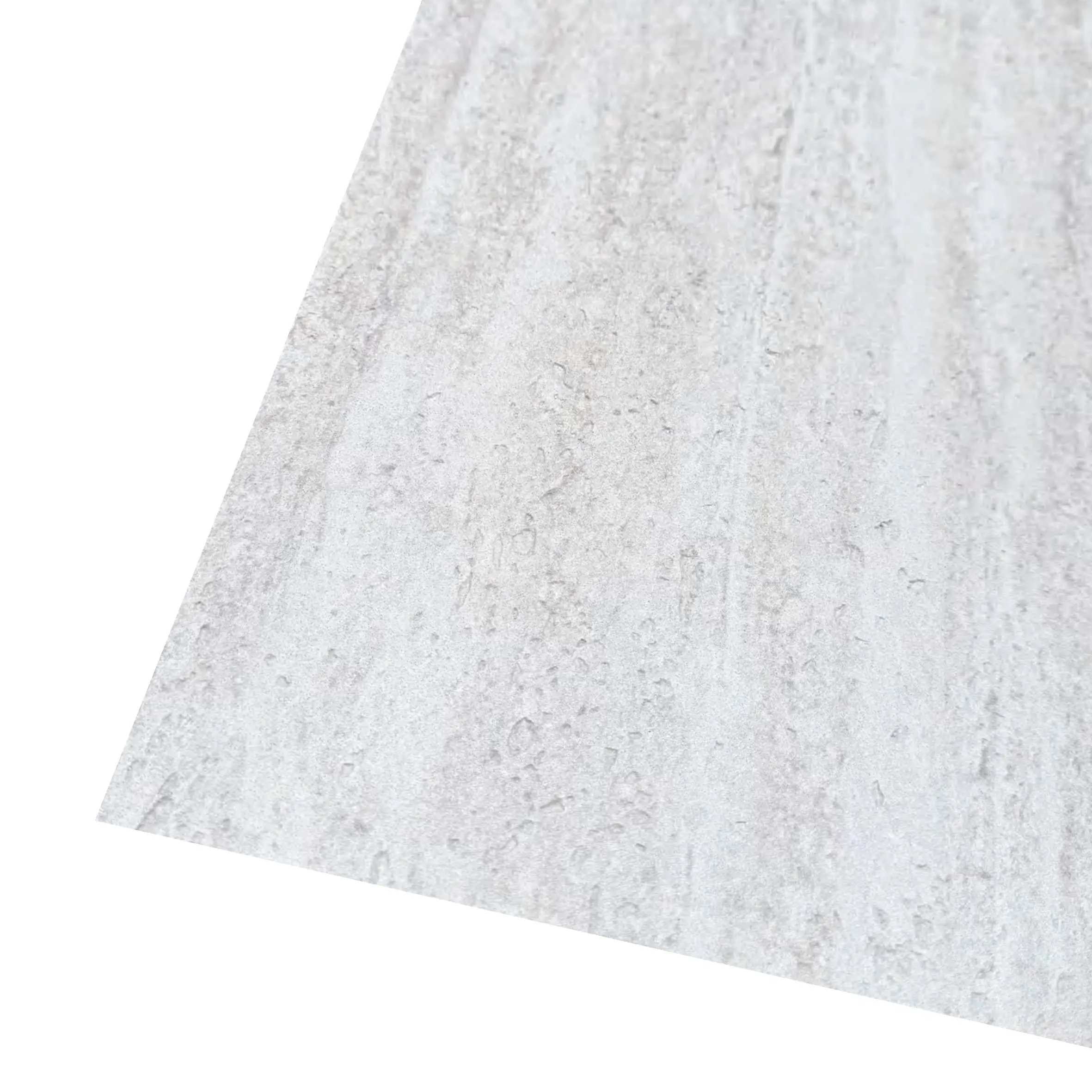
If Ethereal Shadow Travertine is the "soul" of modern material design, MCM's 3D Printing Series is its "visionary." For years, 3D printing in construction was limited to prototypes or clunky, industrial-looking parts. But MCM—short for Modified Composite Material—has changed that. By combining recycled polymers, natural fibers, and mineral composites, MCM 3D printing allows designers to create intricate, organic shapes that were once impossible with traditional manufacturing. We're talking about wall panels that mimic the flow of riverbeds, ceiling tiles that look like folded paper art, or facade elements that resemble the delicate veins of a leaf—all at scale, and all with the durability needed for commercial spaces.
"The first time I saw a 3D-printed MCM wave panel installed in a hotel lobby, I was blown away," recalls James Chen, an architect based in Singapore. "It wasn't just a pretty shape—it had texture, depth. You could run your hand over it and feel the layers, like the material had grown there, not been built. That's the magic of this technology: it lets us design with nature's complexity, not against it."
Take, for example, the "gobi panel"—a 3D-printed MCM design inspired by the wind-carved rocks of the Gobi Desert. Each panel is unique, with undulating surfaces that catch light and cast ever-changing shadows. Installed in a row, they create the illusion of a landscape frozen in time, turning a plain wall into a journey. Or consider "thread" panels, which use thin, filament-like structures to mimic the look of woven textiles—soft, tactile, and surprisingly strong. These aren't just decorative; they're functional, too. MCM 3D-printed panels are lightweight (reducing structural load), fire-resistant, and often made with up to 40% recycled content, making them a sustainable choice for eco-conscious projects.
The future here is customization. Imagine a client wanting a wall that tells their family history—maybe a pattern based on a beloved childhood tree, or a texture that replicates the waves of a lake where they grew up. With MCM 3D printing, that's no longer a pipe dream. Designers can scan a hand-drawn sketch, a photograph, or even a physical object (like a seashell or a piece of driftwood), and the 3D printer will translate that into a full-scale panel. It's personalization at its most intimate, turning buildings into repositories of memory.
| Material | Aesthetic Vibe | Texture Story | Perfect For... |
|---|---|---|---|
| Ethereal Shadow Travertine | Timeless, earthy, with a hint of mystery | Smooth yet tactile, with natural veining that shifts with light | High-end restaurants, boutique hotels, residential feature walls |
| MCM 3D Printing Series (e.g., Gobi Panel) | Organic, futuristic, story-driven | Layered, sculptural, with deep grooves and undulating surfaces | Museums, public art installations, statement facades |
| Foamed Aluminium Alloy Board (Vintage Silver) | Retro-futuristic, industrial-chic, warm metallic | Matte, slightly porous, with a soft sheen that avoids harshness | Cafés, co-working spaces, retail storefronts |
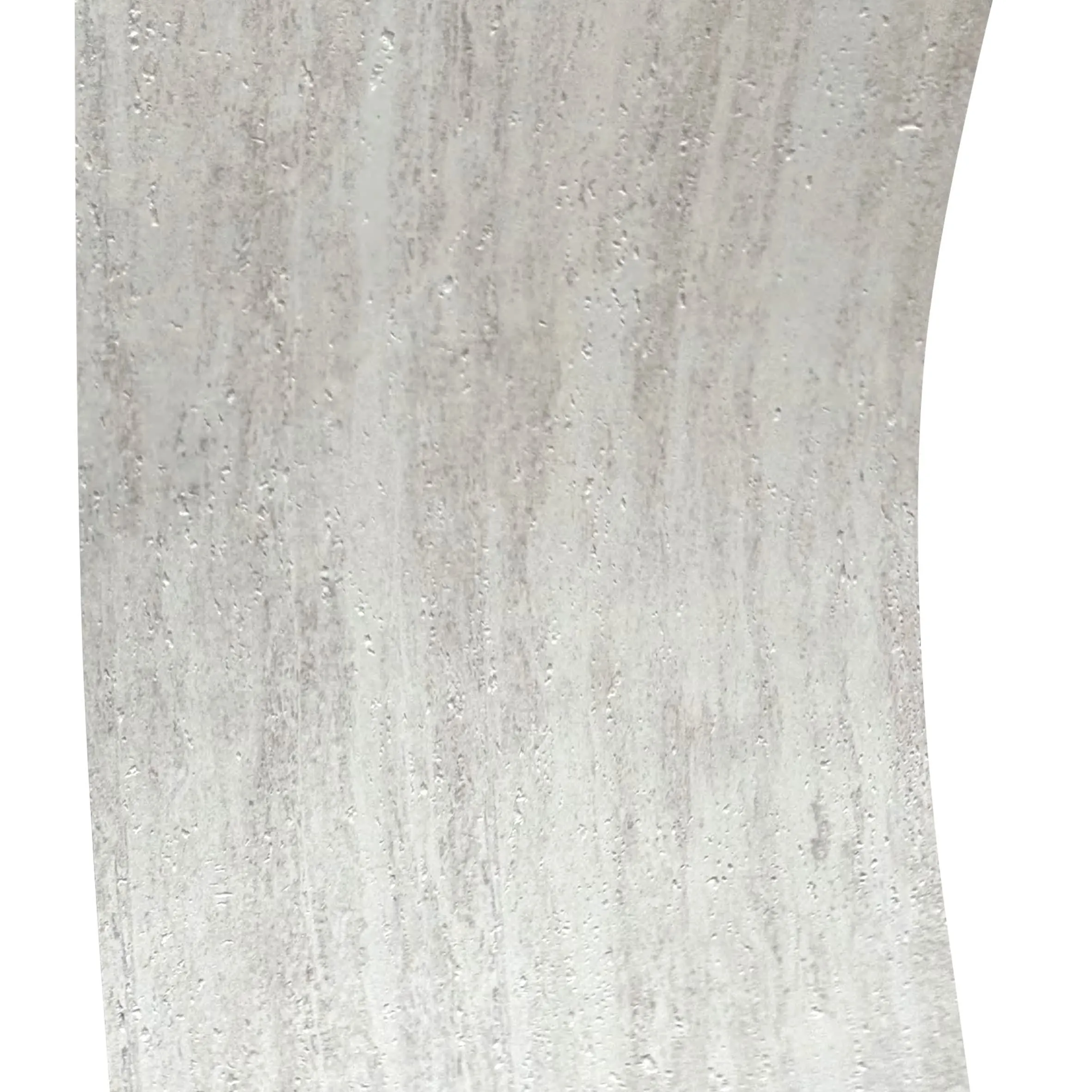
Not every space calls for the earthy warmth of travertine or the organic curves of 3D-printed MCM. Some demand a touch of edge—a material that feels modern, bold, but still inviting. Enter foamed aluminium alloy, particularly the vintage silver variant. At first glance, it might seem like an unlikely partner to Ethereal Shadow Travertine, but together, they create a balance that's hard to beat: the stone's warmth grounding the metal's coolness, the metal's sleekness elevating the stone's rustic charm.
Foamed aluminium alloy isn't new, but its "vintage" finish is. Traditional aluminium can feel cold, clinical—think of office ceiling tiles or industrial ductwork. But the vintage silver treatment changes that. By adding a patina-like finish, manufacturers give the metal a lived-in look, as if it's been part of a space for decades, not days. The surface is matte, not shiny, with subtle variations in tone that catch the light without glaring. Run your finger over it, and you'll notice a slight texture—almost like fine sandpaper—adding to its tactile appeal.
"I used vintage silver foamed aluminium alloy alongside Ethereal Shadow Travertine in a recent café project, and the reaction was amazing," says Sofia Patel, a designer in London. "The walls behind the counter are travertine—warm, inviting, making customers feel at home. The bar top and overhead shelving are the vintage silver alloy—sleek, modern, adding that 'cool factor' the owners wanted. Together, they say, 'This is a place where you can relax, but also feel like you're in the know.'"
Beyond aesthetics, foamed aluminium alloy has practical perks. It's incredibly lightweight (about a third the weight of solid aluminium), making it easy to install on ceilings or as wall accents. It's also fire-resistant and sound-absorbent—ideal for busy spaces like restaurants or airports where noise can be a problem. And because it's made from recycled aluminium, it's a sustainable choice, aligning with the growing demand for eco-friendly building materials.
Looking ahead, designers are experimenting with color variations—vintage gold, brushed bronze—to expand its versatility. Imagine a hotel lobby where Ethereal Shadow Travertine walls are paired with vintage gold foamed aluminium accents: the stone's creamy base complementing the metal's warm glow, creating a space that feels both luxurious and approachable. It's a reminder that the best material combinations aren't just about contrasting or matching—they're about conversation.
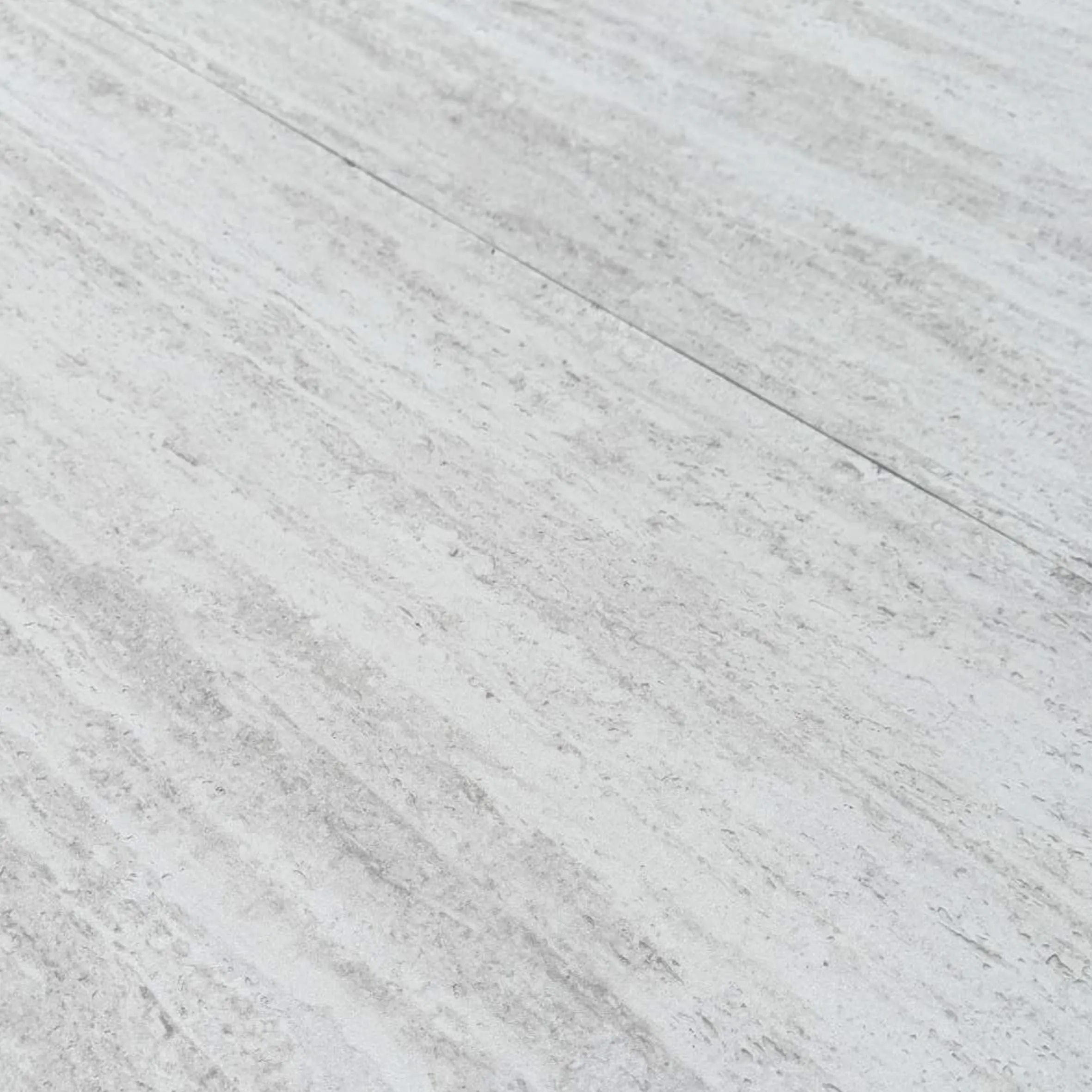
Behind the beauty of Ethereal Shadow Travertine, MCM 3D printing, and foamed aluminium alloy lies a quieter revolution: sustainability. Today's designers and builders aren't just asking, "Does this look good?" They're asking, "Is this good for the planet?" And material scientists are answering with innovations that don't force a choice between aesthetics and eco-responsibility.
Take Ethereal Shadow Travertine, for example. Traditional travertine mining can be destructive, stripping natural landscapes and generating tons of waste. But modern MCM travertine panels use a fraction of the raw stone, combining it with recycled polymers and natural binders to create a material that's just as durable but far less resource-intensive. "We're taking the essence of travertine—the color, the texture—and recreating it in a way that respects the earth," explains Dr. Marcus Lee, a materials engineer specializing in sustainable construction. "It's about working with nature, not taking from it."
MCM 3D printing takes this a step further. By using additive manufacturing—building up material layer by layer—there's minimal waste compared to traditional cutting or molding. Many MCM 3D printers use recycled plastics or plant-based fibers as their base, turning waste into something beautiful. And because the panels are lightweight, transporting them requires less fuel, reducing the carbon footprint of construction projects.
Foamed aluminium alloy, too, shines here. Aluminium is one of the most recyclable materials on the planet—recycling it uses just 5% of the energy needed to produce new aluminium. Foaming the alloy (a process that injects tiny gas bubbles into the metal) reduces its weight without sacrificing strength, meaning less material is needed overall. "It's a win-win," says Dr. Lee. "You get a material that's lightweight, durable, and kind to the planet. What's not to love?"
So, what does the future hold for materials like Ethereal Shadow Travertine, MCM 3D printing, and foamed aluminium alloy? If the last decade is any indication, it's about deeper connection—materials that don't just look good, but make us feel something. We're moving beyond "neutral" or "modern" as the default; instead, we're craving spaces that reflect our personalities, our histories, our values.
Imagine a home where the living room wall is clad in MCM 3D-printed panels that replicate the texture of your grandmother's old quilt—a tactile reminder of family every time you walk in. Or a workplace where Ethereal Shadow Travertine accents are paired with bioluminescent additives, glowing softly in the evening to reduce the need for harsh overhead lights. Or a public square where foamed aluminium alloy benches, shaped like waves, invite people to sit, connect, and stay awhile.
Material science is also moving toward "smart" materials—surfaces that respond to their environment. Think Ethereal Shadow Travertine that releases air-purifying ions, or MCM 3D-printed panels that change color to indicate temperature. These innovations aren't about replacing the human touch; they're about enhancing it, making spaces feel more intuitive, more alive.
At the end of the day, the future of materials isn't just about technology—it's about people. It's about creating spaces that make us feel grounded, inspired, connected. Ethereal Shadow Travertine, with its ancient roots and modern engineering, reminds us of where we come from. MCM 3D printing, with its limitless creativity, shows us where we can go. And foamed aluminium alloy, with its blend of strength and sustainability, proves we can get there without leaving the planet behind.
As we stand at the crossroads of material science and design, one thing is clear: the future isn't about "better" materials—it's about more meaningful ones. Ethereal Shadow Travertine, MCM 3D printing, and foamed aluminium alloy are just the beginning. They're proof that when we combine innovation with empathy, we can create spaces that don't just shelter us, but nourish us.
So the next time you walk into a room and find yourself pausing, drawn to a wall or a surface, take a moment to appreciate the story behind it. The stone that feels like a hug, the metal that feels like a secret, the texture that feels like a memory—these are the materials shaping our world. And they're just getting started.
Recommend Products












