
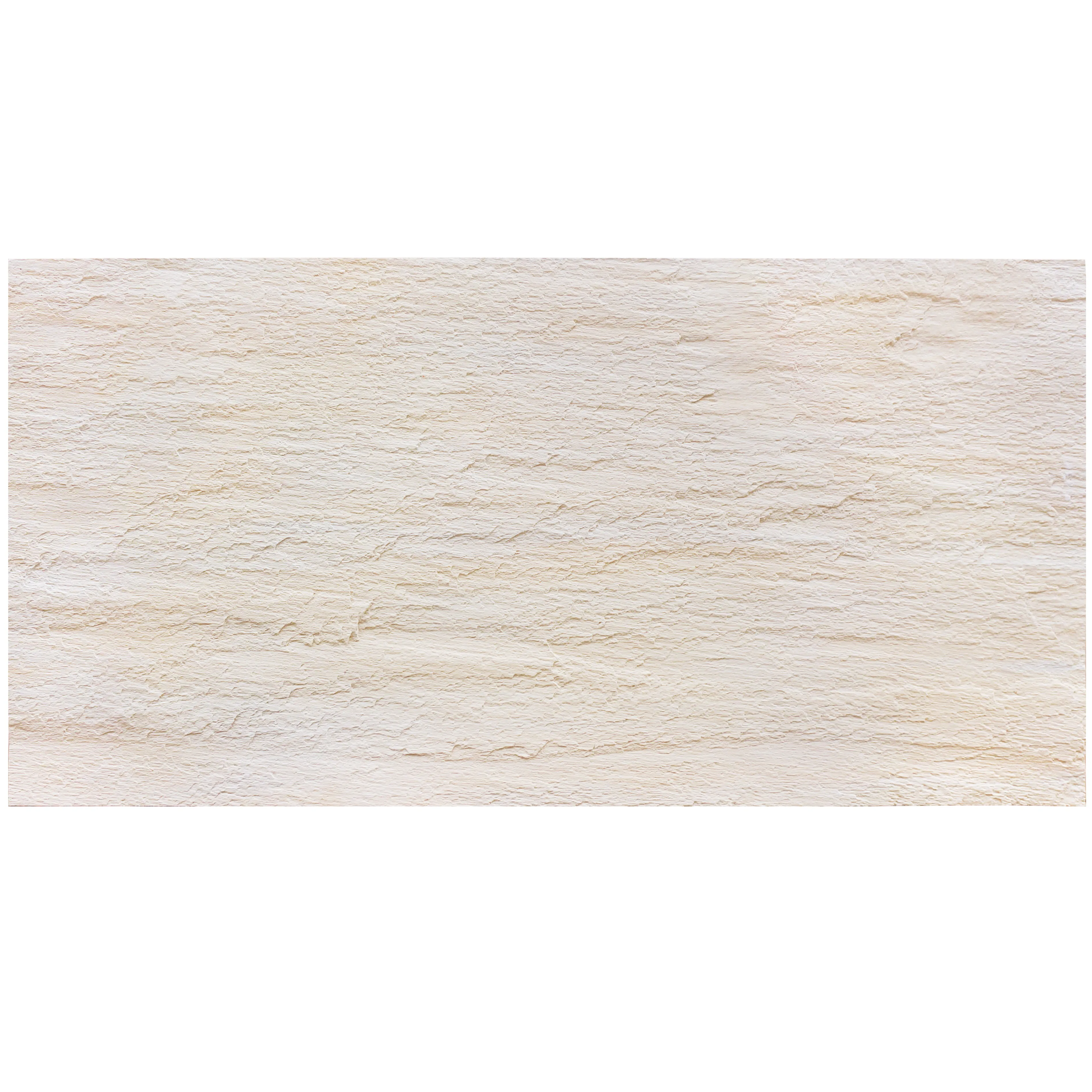
Exterior design has long been the silent storyteller of our built environment. It's the first impression a building makes—the way it catches the light at dawn, the texture that invites a curious touch, the palette that whispers of its purpose. In 2025, this narrative is shifting. No longer content with cold minimalism or flashy excess, designers and homeowners alike are craving materials that feel alive —materials that bridge function and feeling, sustainability and soul. At the heart of this shift is a quiet revolution led by textures that tell tales, and among them, one name rises above the rest: Oasis Stone Foge. But it's not alone. From the celestial allure of the Lunar Peak series to the earthy warmth of rammed earth boards, 2025 is shaping up to be the year exterior design grows a heartbeat.
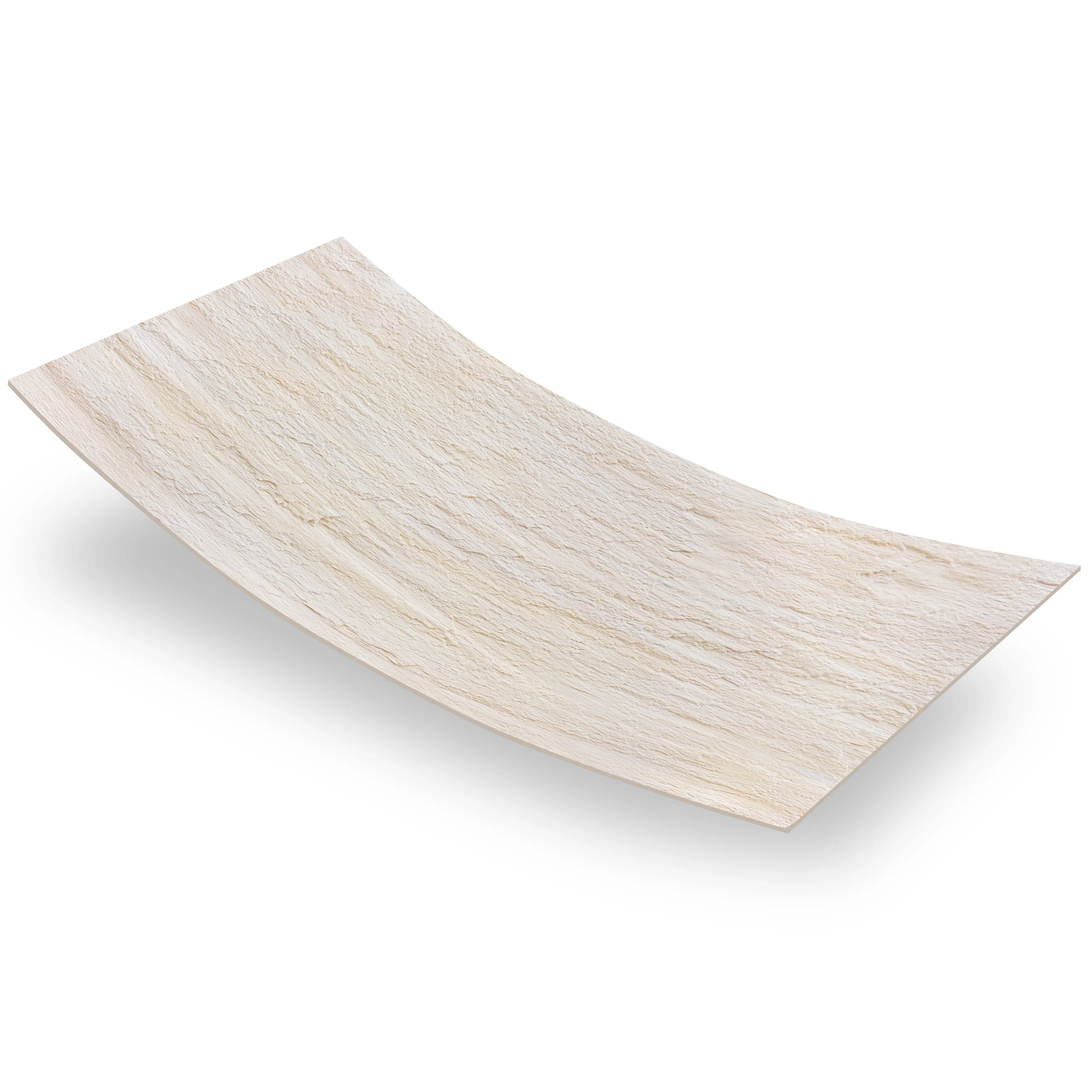
Gone are the days when "modern" meant flat, featureless facades. Today's exterior design is embracing what we call "tactile minimalism"—a philosophy that strips away clutter but amplifies texture. It's about making a wall feel like a conversation, not just a barrier. And leading this charge is MCM flexible stone , a material that's redefining what stone can do. Unlike traditional stone slabs, which are heavy, brittle, and limited in application, MCM (Modified Composite Material) flexible stone bends, curves, and clings to surfaces with the ease of wallpaper—all while retaining the rugged beauty of natural stone. Imagine a home with a facade that wraps around corners like a second skin, or a restaurant where the exterior undulates in gentle waves, mimicking the flow of water. That's the magic of MCM: it turns rigid limitations into fluid possibilities.
Take the wave panel , a standout in the MCM 3D printing series. Its undulating surface catches light differently throughout the day—soft and diffused at morning, sharp and dramatic at sunset—creating a building that seems to breathe with the sky. Or the semicircle board , with its half-moon indentations that cast playful shadows at noon, turning a plain wall into a canvas of light and dark. These aren't just materials; they're storytellers. A coffee shop clad in wave panels feels inviting, almost organic, as if it grew from the ground rather than being built on it. A office building with semicircle boards exudes creativity, hinting at the innovative work happening inside.
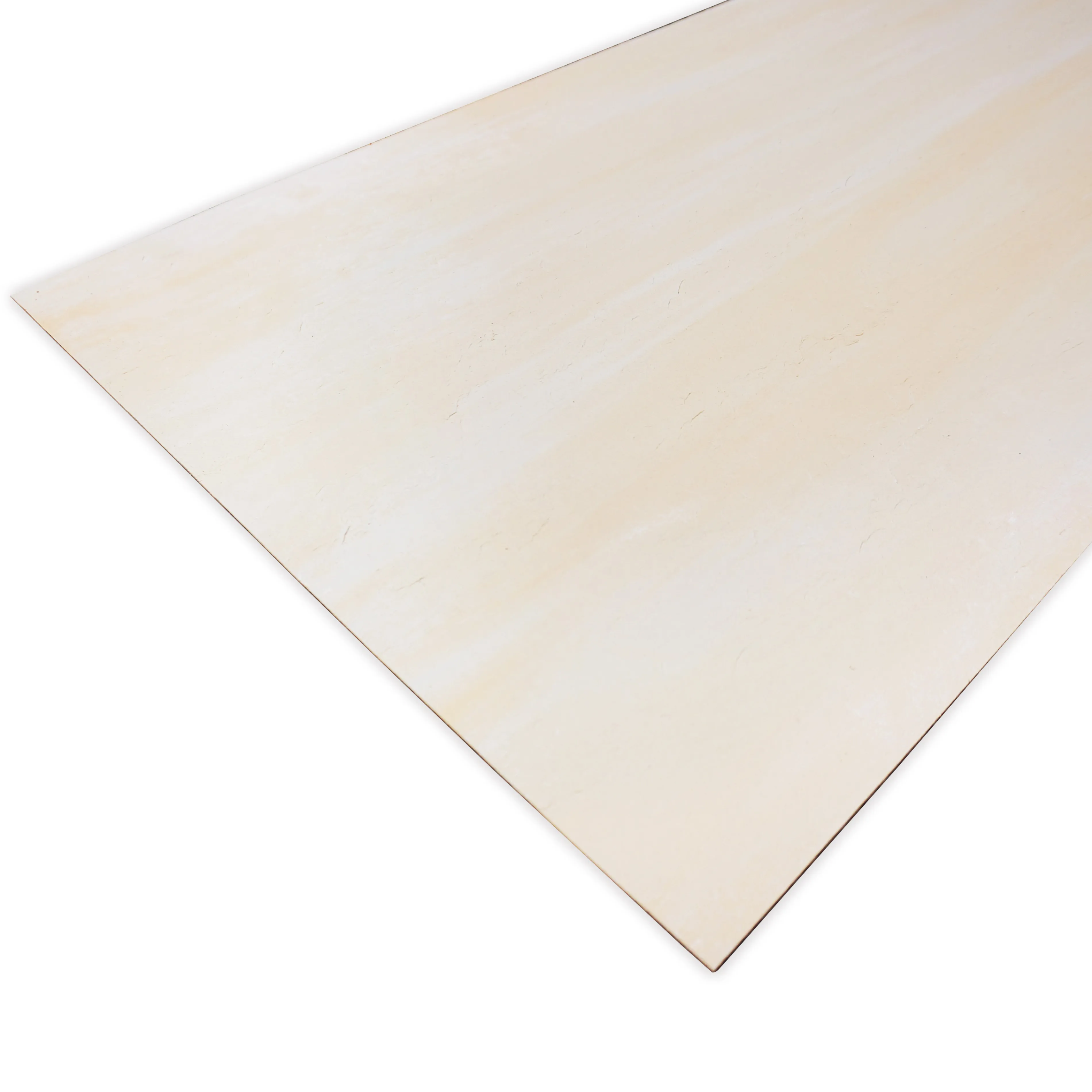
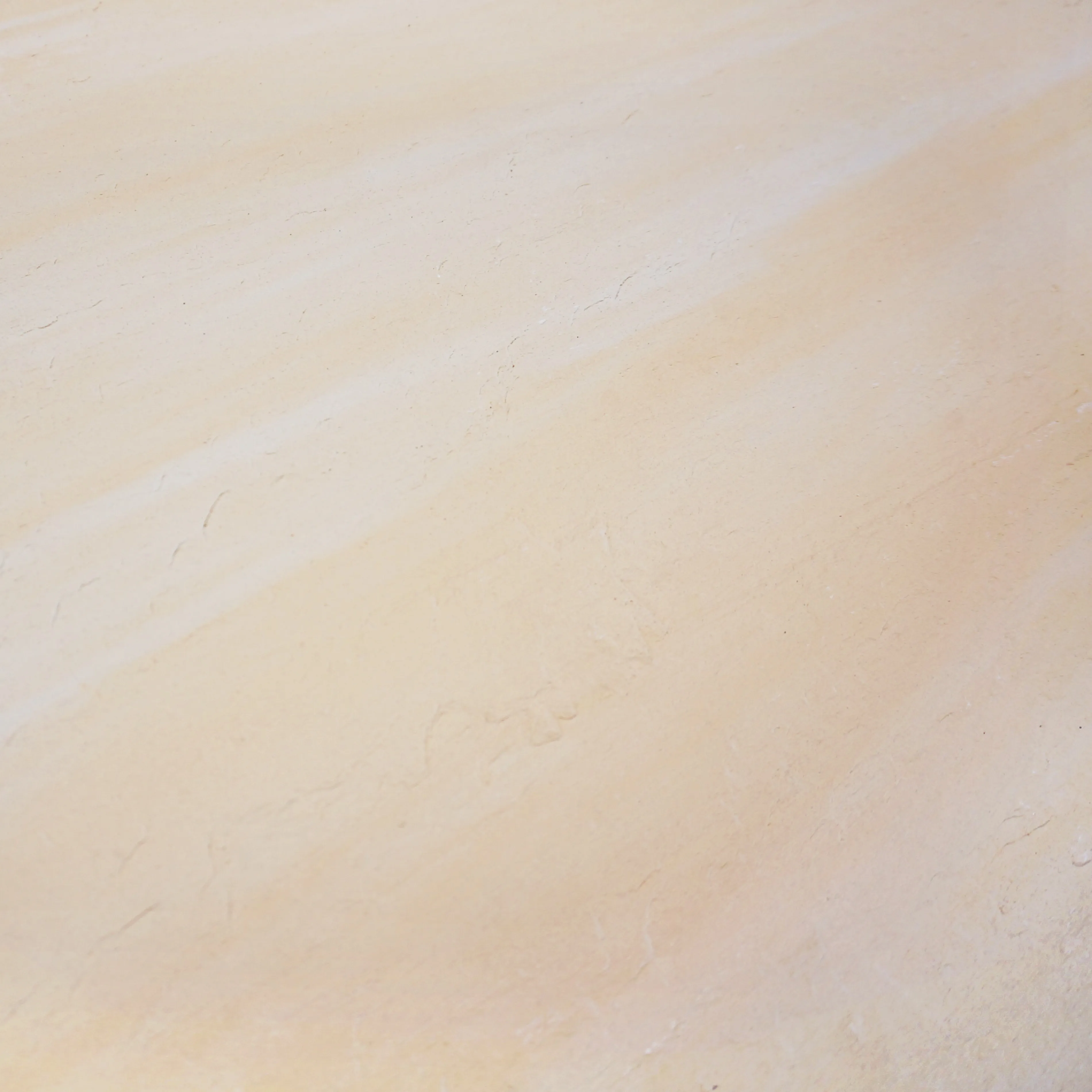
If tactile minimalism is about texture, then the Lunar Peak series is about atmosphere . Inspired by the moon's cratered surface and the shimmer of distant stars, these materials—Lunar Peak Silvery, Golden, and Black—add a touch of the cosmos to earthly exteriors. Run your hand over a Lunar Peak Silvery panel, and you'll feel a subtle granularity, like fine moon dust frozen in stone. Stand back, and the surface shimmers with a pearlescent glow, as if someone scattered stardust across it. It's otherworldly, yet grounded—a balance that's hard to achieve, but Lunar Peak nails it.
Commercial spaces are already falling for this celestial charm. A boutique hotel in Barcelona recently clad its facade in Lunar Peak Golden, and guests now talk about "checking into a moonlit castle." The golden hue warms up the building's modern lines, softening its edges and making it feel both luxurious and approachable. Meanwhile, a tech startup in Tokyo chose Lunar Peak Black for its headquarters, creating a facade that looks like a slab of night sky—fitting for a company focused on space exploration tech. Even residential designs are getting in on the action: a family in Portland replaced their plain siding with Lunar Peak Silvery, and now their home glows softly in the evening, like a lantern guiding neighbors home. It's a reminder that exterior design isn't just about the building—it's about how it makes people feel .
For those who prefer a more urban edge, foamed aluminium alloy boards are stealing the spotlight in 2025. Available in vintage silver, vintage gold, and sleek metal finishes, these panels blend industrial grit with modern elegance. What makes them special? Their lightweight composition (they're up to 70% lighter than traditional aluminium) and their ability to age gracefully. Unlike painted metal, which chips or fades, foamed aluminium develops a subtle patina over time, giving buildings a lived-in, story-rich look.
Picture a row of townhouses in Brooklyn, each clad in foamed aluminium alloy board (vintage silver) . The panels catch the city's neon lights at night, turning the row into a glittering corridor. During the day, their muted silver tone softens the urban chaos, creating a calm oasis amid the hustle. Or a restaurant in Berlin with foamed aluminium alloy board (vintage gold) accents—its exterior feels like a nod to the 1920s jazz age, with a modern twist that keeps it from feeling dated. These boards aren't just for big projects, either. A homeowner in Seattle added a foamed aluminium "accent wall" to their backyard patio, turning a simple outdoor space into an industrial-chic retreat where they host evening gatherings under string lights. The metal reflects the bulbs, turning the patio into a cozy, starry nook.
While some materials look to the stars, others are rooted firmly in the earth—and none more so than rammed earth boards . These panels, made from compressed soil, clay, and natural pigments, are a love letter to sustainability and biophilic design (the idea that humans innately crave connection with nature). What's striking about modern rammed earth boards is their versatility. Gone are the days of dull, monochromatic earthen walls; today's options include rammed earth board (matcha green) , with its soft, leafy hue that blends seamlessly with garden landscapes, and rammed earth board (gradient) , where tones shift from warm terracotta to deep ochre, mimicking a desert sunset.
A residential development in Santa Fe recently used rammed earth board (red) for its exteriors, and the result is stunning. The deep, earthy red evokes the region's desert landscapes, making the homes feel like they belong to the land, not just on it. Residents report feeling more grounded, less stressed, simply from looking at their walls—a testament to biophilic design's power. Even in urban settings, rammed earth boards work wonders. A community center in Chicago, clad in rammed earth board (khaki) , stands out amid the city's steel and glass, offering a quiet reminder of nature's beauty. Kids run their hands over its textured surface, fascinated by the way it feels like "real dirt," while parents appreciate the building's low carbon footprint (rammed earth requires minimal energy to produce and is fully biodegradable).
| Material | Aesthetic Vibe | Durability (1-5) | Installation Ease (1-5) | Sustainability Highlight |
|---|---|---|---|---|
| MCM Flexible Stone | Organic, fluid, tactile | 5 (waterproof, UV-resistant) | 4 (lightweight, bends to curves) | Recyclable core; reduces waste vs. natural stone |
| Lunar Peak Silvery | Celestial, shimmering, otherworldly | 4 (scratch-resistant, fade-proof) | 3 (requires precise cutting for curves) | Low-VOC pigments; energy-efficient production |
| Foamed Aluminium (Vintage Gold) | Industrial chic, warm, patina-rich | 5 (corrosion-resistant, lightweight) | 4 (easy to drill, cut, and install) | 100% recyclable; 70% lighter than traditional aluminium (reduces transport emissions) |
| Rammed Earth (Gradient) | Earthy, warm, biophilic | 4 (weather-resistant with proper sealing) | 3 (heavy; requires structural support) | Made from natural, locally sourced materials; carbon-negative production |
| Oasis Stone Foge | Serene, misty, timeless | 5 (mold-resistant, durable in all climates) | 4 (interlocks easily; no mortar needed) | Made from recycled stone dust; reduces quarrying impact |
Of course, no discussion of 2025's exterior trends would be complete without Oasis Stone Foge —the material that's captured designers' hearts and dominated Pinterest boards. What is Oasis Stone Foge? Imagine a stone that looks like fog settling over a desert landscape: soft, diffused, with hints of beige, gray, and pale blue that shift depending on the light. It's calm, ethereal, and surprisingly versatile. Clad a beach house in Oasis Stone Foge, and it blends with the sand and sky; use it for a mountain cabin, and it echoes the misty peaks in the distance.
What makes Oasis Stone Foge special is its ability to evoke emotion. A hotel in Big Sur, California, used it for its exterior, and guests describe the building as "peaceful," "calming," even "spiritual." The stone's muted tones and subtle texture create a sense of tranquility, making the hotel feel like a sanctuary away from the chaos of daily life. A yoga studio in Portland, clad in Oasis Stone Foge, reports that students arrive feeling more relaxed, simply from the building's presence. "It's like walking into a cloud," one student said. "You can't help but slow down."
Oasis Stone Foge also plays well with others. Pair it with wood grain board for a rustic-modern look, or with foamed aluminium alloy board (vintage silver) for a contrast of soft and sleek. A boutique clothing store in New York combined Oasis Stone Foge with weaving (beige) accents, creating a facade that feels both luxurious and approachable—perfect for a brand that prides itself on "effortless elegance."
As we look beyond 2025, one thing is clear: exterior design will only grow more personal, more sustainable, and more emotionally resonant. We'll see more materials that blur the line between indoors and outdoors, like bamboo mat board (with its natural weave that invites breezes) and stream limestone (claybank) (which mimics the smooth, water-worn stones of a riverbed). We'll also see a rise in "adaptive exteriors"—materials that change with the seasons, like travertine (starry blue) , which deepens in color when it rains, turning a facade into a reflection of the sky.
But perhaps the biggest trend will be customization. Thanks to advances in 3D printing (as seen in the MCM 3D printing series ), homeowners and designers will soon be able to create one-of-a-kind textures and patterns, turning exteriors into true works of art. Imagine a home where the facade is printed with a family's handprints, or a business where the exterior features a 3D-printed mural of the local landscape. These aren't just buildings—they're legacies.
In the end, 2025's exterior design trends are about more than materials. They're about connection: to nature, to the cosmos, to each other. Whether it's the celestial shimmer of Lunar Peak, the earthy warmth of rammed earth, or the serene beauty of Oasis Stone Foge, these materials remind us that buildings are more than structures—they're part of our story. And in a world that often feels disconnected, that's a trend worth celebrating.
Recommend Products












