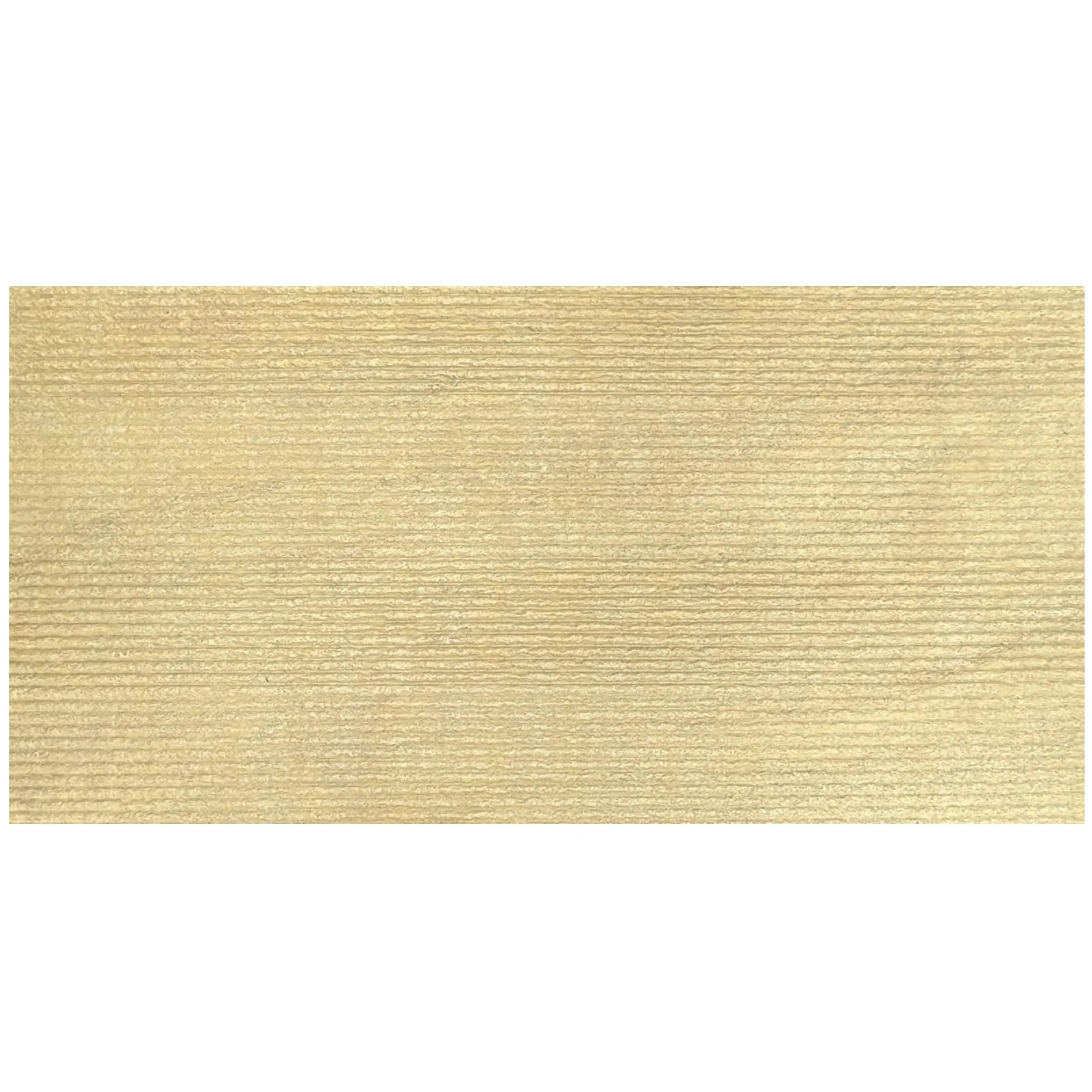
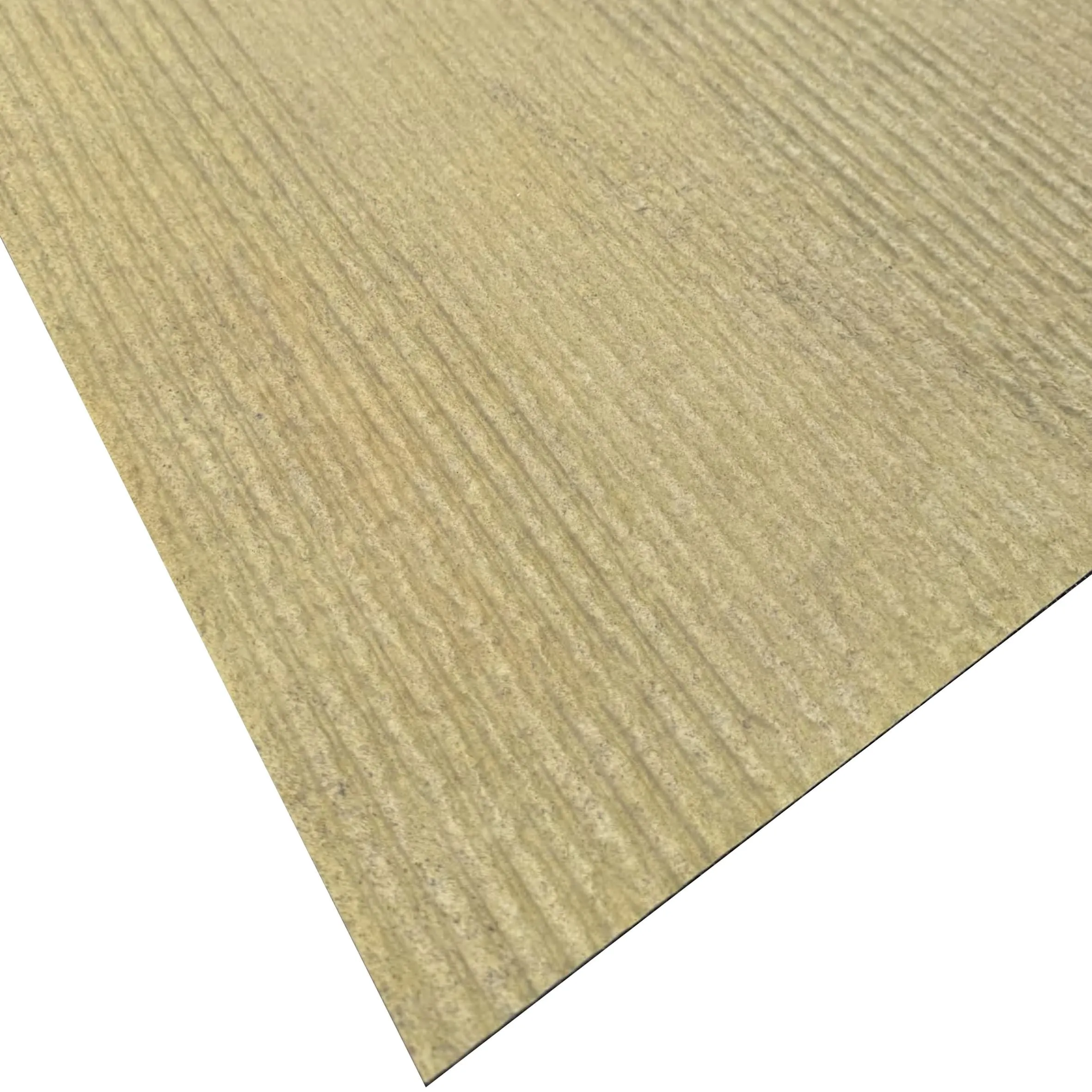
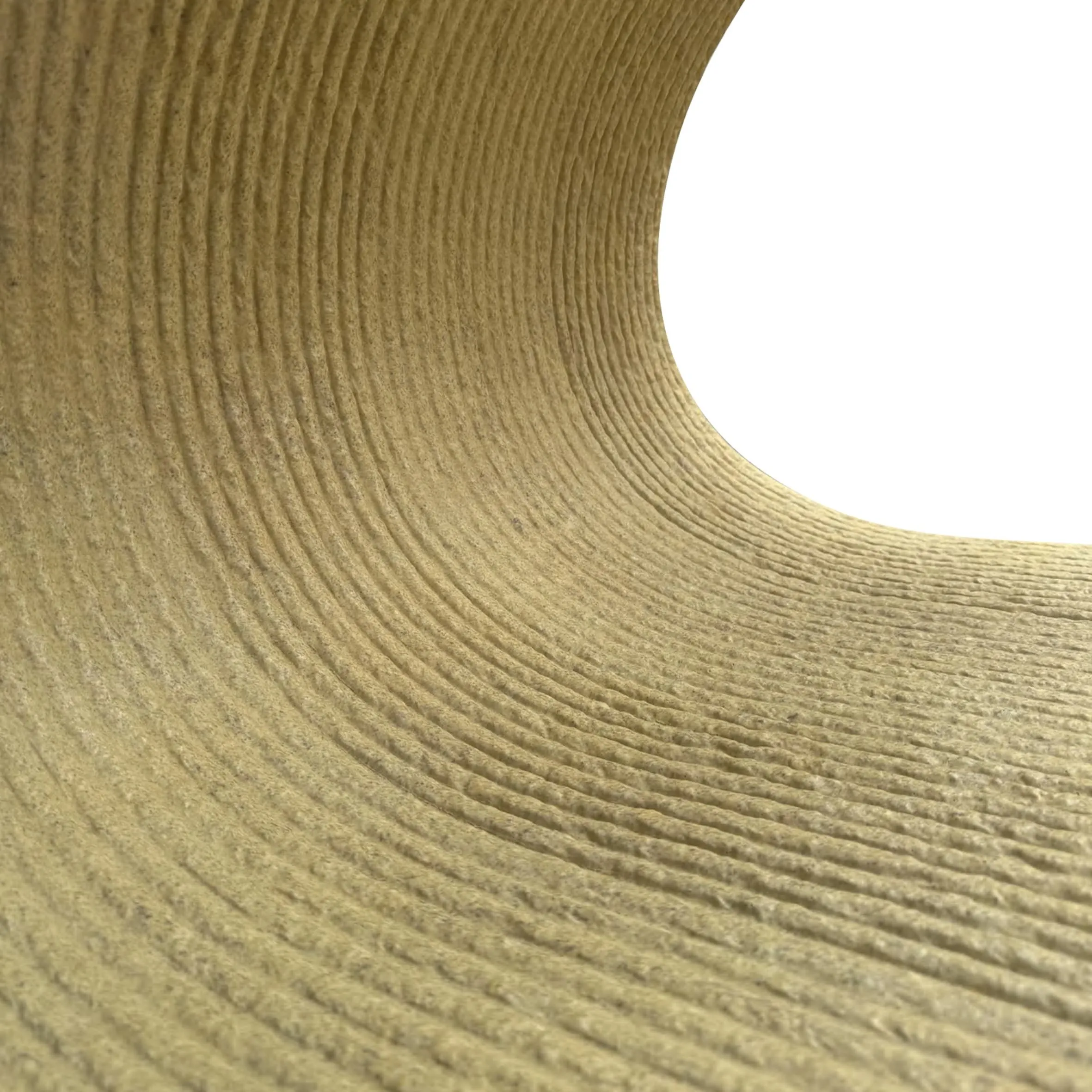
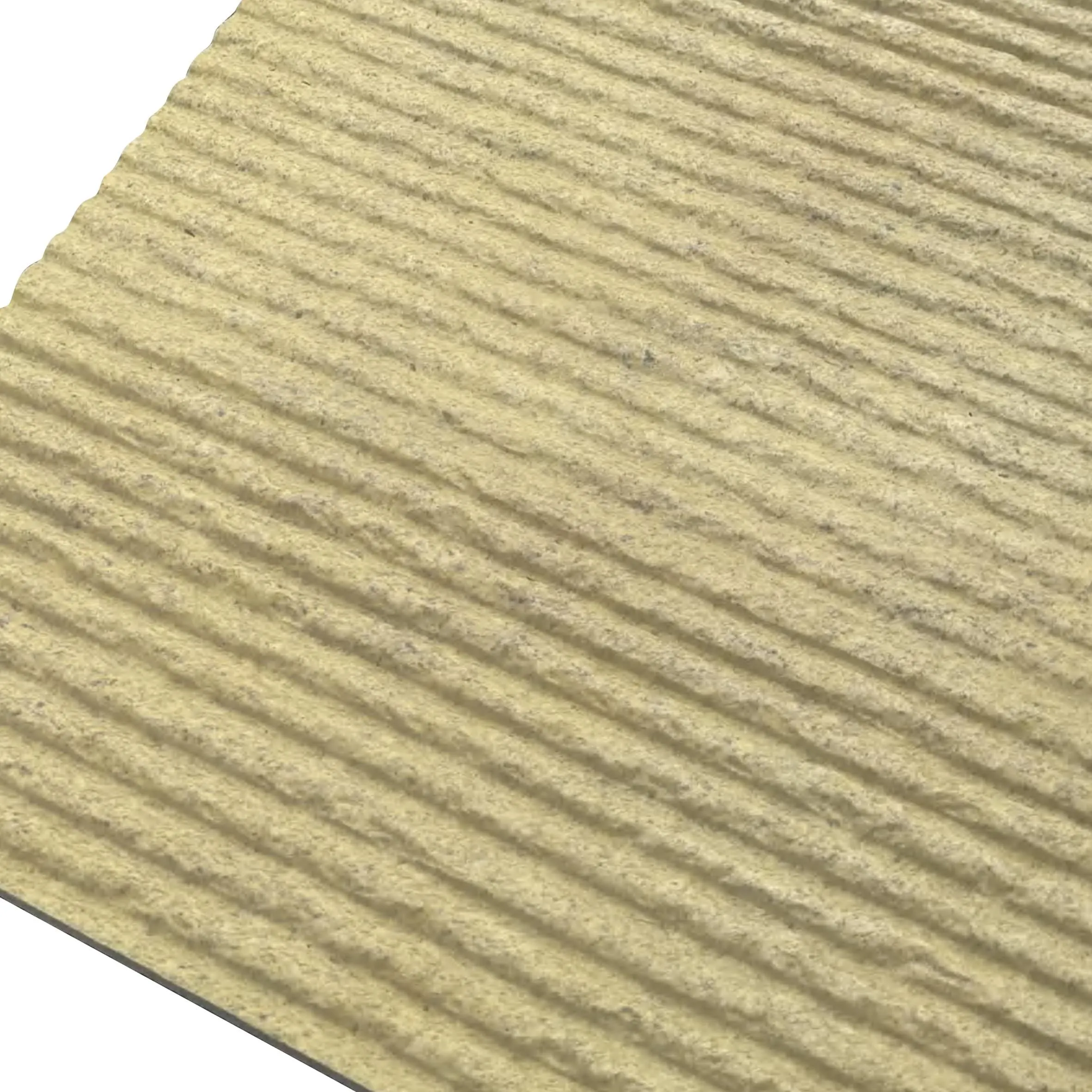
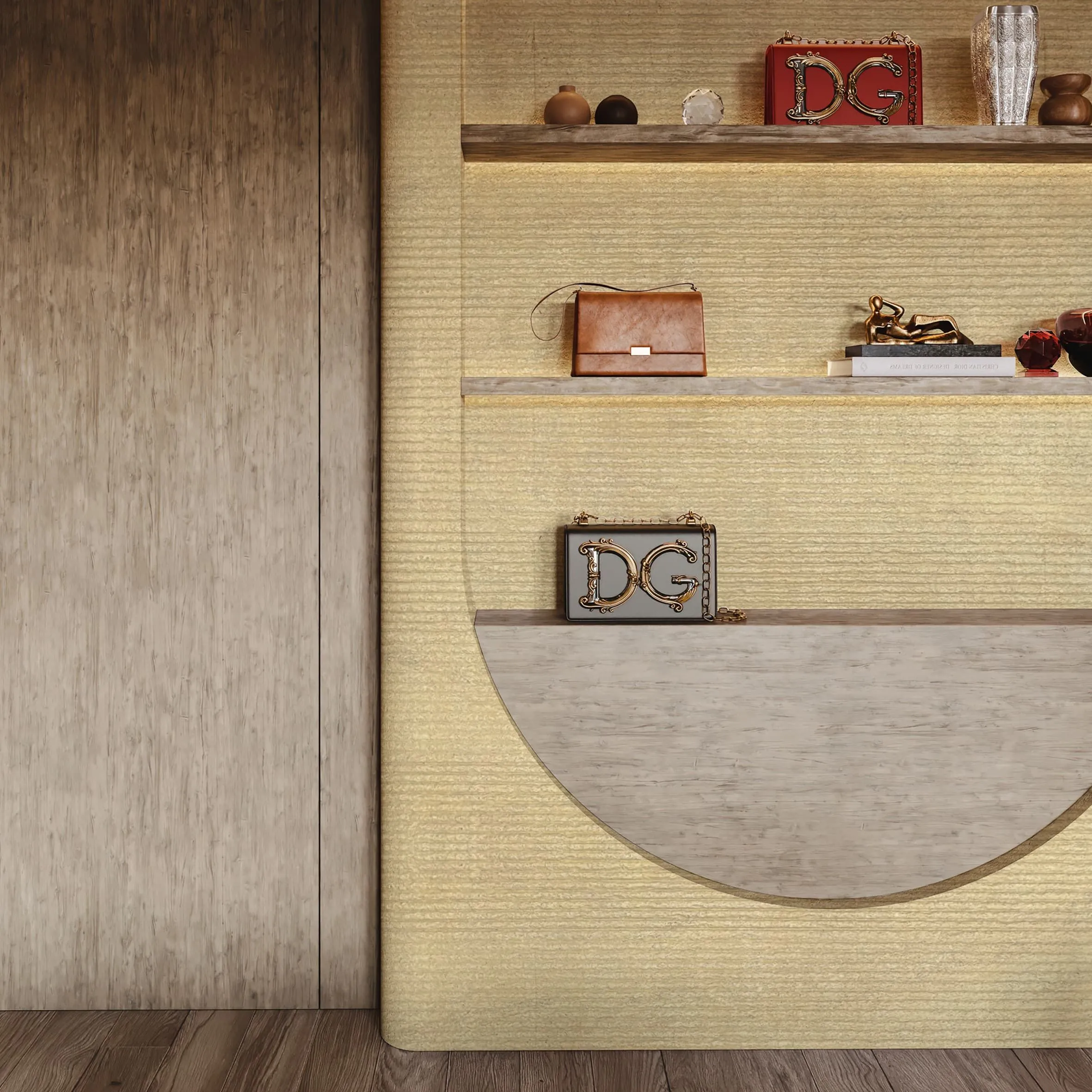
Gravel omani stone doesn't exist in a vacuum. It thrives alongside complementary materials that enhance its strengths and fill in its gaps. Let's take a closer look at three key players in this ecosystem:
mcm flexible stone,
fair-faced concrete, and
lunar peak silvery.
|
Material
|
Key Features
|
Typical Applications
|
Sustainability Edge
|
|
Gravel Omani Stone
|
Rugged texture, natural color variations, high durability
|
Exterior facades, garden pathways, accent walls
|
Locally sourced, minimal processing, long lifespan
|
|
MCM Flexible Stone
|
Lightweight, bendable, resistant to weathering
|
Curved surfaces, interior cladding, renovation projects
|
Low transportation emissions, recyclable core materials
|
|
Fair-Faced Concrete
|
Raw, uncoated finish, thermal mass properties
|
Industrial-style interiors, public buildings, bridges
|
Energy-efficient (regulates temperature), minimal waste in production
|
|
Lunar Peak Silvery
|
Metallic sheen, light-reflective, sleek texture
|
Accent panels, lighting features, high-end retail spaces
|
Low-VOC coatings, compatible with energy-efficient design
|
MCM Flexible Stone: The Chameleon of Construction
Imagine a material that can wrap around curved walls, mimic the look of natural stone, and yet weigh a fraction of the real thing. That's
mcm flexible stone. Its flexibility makes it ideal for renovation projects where heavy materials would be impractical, and its ability to replicate textures—including
gravel omani stone—means designers don't have to sacrifice aesthetics for functionality. In Dubai, for example, a recent hotel renovation used
mcm flexible stone to recreate the look of ancient Omani walls in its lobby, all while keeping installation time and costs down. "It's like giving old spaces a new lease on life without tearing them apart," says Maria Gonzalez, an architect specializing in heritage restoration. "
MCM flexible stone lets us honor the past while building for the future."
Fair-Faced Concrete: Beauty in the Raw
Gone are the days when concrete was just a gray, utilitarian material.
Fair-faced concrete
—also known as "architectural concrete"—celebrates the material's natural texture, showing off the marks of the formwork, the subtle variations in color, and the honesty of its composition. It pairs beautifully with
gravel omani stone, creating contrasts between rough and smooth, organic and industrial. In Copenhagen, a community center designed by Bjarke Ingels Group (BIG) uses
fair-faced concrete for its main structure and
gravel omani stone for its outdoor plaza, creating a space that feels both modern and grounded. "Concrete has a quiet confidence," says BIG's lead designer on the project. "When you pair it with something as tactile as
gravel omani stone, you get a space that invites people to touch, to linger, to connect."
Lunar Peak Silvery: A Touch of the Cosmos
For projects aiming to make a bold aesthetic statement,
lunar peak silvery
is a game-changer. Inspired by the moon's cratered surface, this material shimmers with a silvery sheen that catches light in unexpected ways, shifting from soft glow to metallic brilliance as the sun moves. It's often used as an accent—think a feature wall in a restaurant or a facade panel on a tech headquarters—adding a touch of the cosmos to earthly spaces. In Tokyo, a new co-working space uses
lunar peak silvery alongside
wood grain board and
gravel omani stone, creating a environment that feels both futuristic and warm. "People want spaces that inspire creativity," says the space's designer. "
Lunar peak silvery does that—it makes you look up, wonder, and then get to work. Paired with the earthiness of
gravel omani stone, it's like bringing the stars down to earth."