
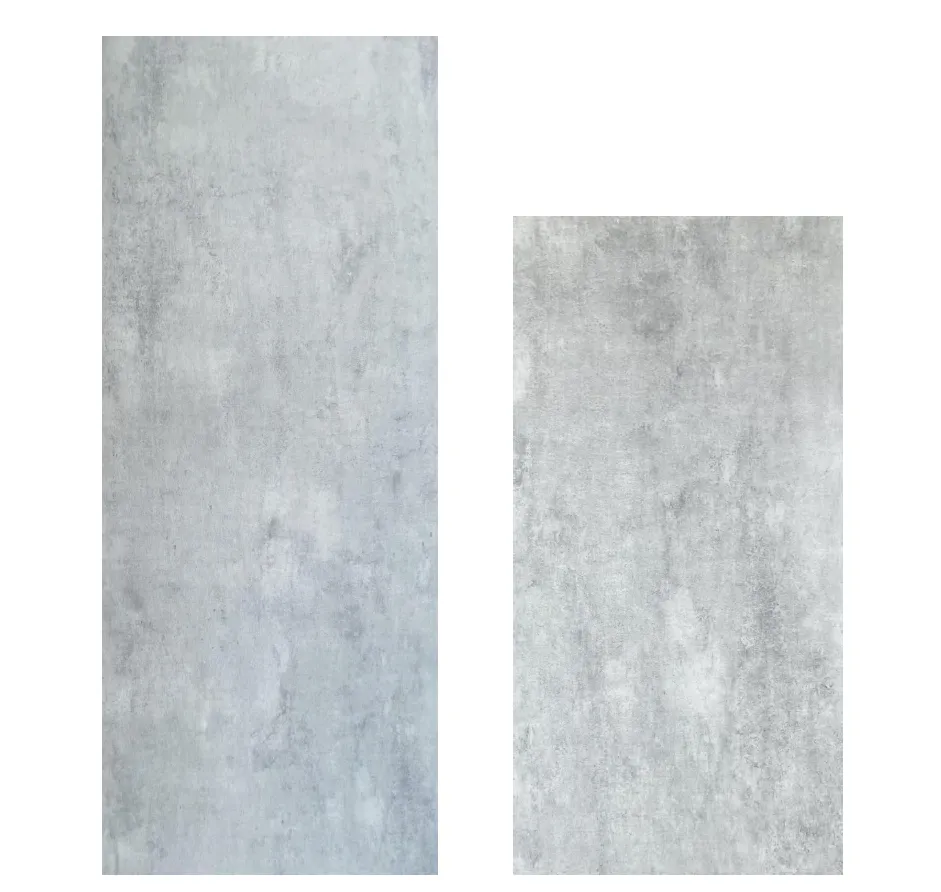
Walk into any modern home, boutique hotel, or urban office building today, and you'll notice something different about the walls, floors, or facades. They're not just structures—they're stories. A kitchen backsplash that mimics the swirl of ancient marble but feels surprisingly light to the touch. A restaurant exterior that blends the rugged charm of stone with the flexibility to curve around a corner. A heritage building restoration that honors its past while standing strong against future wear. These moments of architectural magic often have one thing in common: MCM technology. And at the heart of this revolution? Marble concrete board—a material that's redefining what we expect from beauty, durability, and sustainability in construction. Let's dive into how MCM is reshaping this classic material and why the future of building design looks more exciting than ever.
Before we get lost in the beauty of marble concrete board, let's break down the star of the show: MCM, or Modified Composite Material. Think of it as the "secret sauce" that's transforming traditional building materials. Unlike the heavy, brittle stone slabs of the past or the one-note concrete panels that dominated mid-century design, MCM starts with a clever blend of natural minerals (think marble dust, limestone, or granite particles), reinforced fibers, and a polymer binder. This mix is then compressed and cured to create thin, lightweight sheets that pack a punch in both strength and style.
What makes MCM game-changing? For starters, it's lightweight —up to 80% lighter than natural stone, which means easier installation, lower transportation costs, and less stress on building structures. It's also flexible (hello, curved walls and custom shapes!) without sacrificing durability. Scratches? Stains? Weather damage? MCM laughs them off, making it ideal for high-traffic areas. And here's the kicker: it's often more sustainable than traditional materials, using recycled content and reducing waste during production. So, it's not just about looking good—it's about doing good, too.
Marble has been a symbol of luxury for millennia. From the Taj Mahal to ancient Roman villas, its veiny patterns and soft glow have made it a go-to for architects aiming to impress. But let's be real: natural marble is a diva. It's heavy, porous (hello, wine stains!), and prone to chipping. Concrete, on the other hand, is the workhorse—strong, affordable, but let's just say it's never won any beauty contests on its own. Enter marble concrete board: a hybrid that takes marble's elegance and concrete's toughness, then cranks up the dial with MCM technology.
At its core, marble concrete board is a mix of marble aggregates (the pretty part) and concrete (the strong part), but MCM technology elevates it from "good" to "game-changing." Traditional marble concrete could be dense and hard to work with, limiting its use to flat surfaces or small accents. MCM changes that by refining the composition—adding those reinforcing fibers and polymers—to create a material that's thin (often just 3-6mm thick), lightweight, and surprisingly bendable. Suddenly, that marble-like aesthetic isn't confined to countertops or floors; it can wrap around columns, climb curved staircases, or even become part of a statement ceiling.
And let's talk about variety. Thanks to MCM's manufacturing precision, marble concrete board comes in endless styles. Want the look of marble veil white for a minimalist bathroom? Done. Craving the depth of marble interstellar gray for a corporate lobby? You got it. Even textures are customizable—from polished smooth to rough-hewn, mimicking the feel of hand-chiseled stone. It's like having a designer's palette without the diva maintenance.
One of the biggest complaints about traditional stone and concrete is their rigidity. Try to install a marble slab on a curved wall, and you're looking at cracks, extra labor, and a budget that spirals out of control. But MCM flexible stone—yes, that's a keyword, and it's a big deal—changes the game. Imagine a material that looks and feels like solid stone but can bend up to 90 degrees without breaking. That's MCM flexible stone in action, and it's a dream for architects and designers.
How does this apply to marble concrete board? Pair MCM's flexibility with marble's beauty, and suddenly, spaces that were once "too tricky" become playgrounds for creativity. A boutique hotel in Barcelona recently used curved marble concrete panels to create a lobby wall that flows like a river, guiding guests toward the reception area. A homeowner in Tokyo wrapped their fireplace in the same material, turning a boxy corner into a sculptural focal point. No more awkward seams, no more fear of cracking—just smooth, continuous beauty.
If you've ever installed traditional stone or tile, you know the struggle: seams. They break up the design, collect dirt, and can make even the most expensive material look cheap. Enter the MCM big slab board series —another innovation that's making "seamless" the new standard. These slabs are massive—some up to 12 feet long and 4 feet wide—meaning fewer joints, a cleaner look, and faster installation.
For marble concrete board, this is a game-changer. Imagine a kitchen backsplash that runs from counter to ceiling in one unbroken piece, showcasing the marble's natural veining without interruption. Or a commercial office lobby with floor-to-ceiling marble concrete walls that feel more like a gallery than a waiting area. The MCM big slab series doesn't just save time on installation; it transforms spaces into works of art.
Let's talk about the elephant in the room: construction's impact on the planet. Traditional stone mining is resource-heavy, and concrete production is a major CO2 emitter. MCM technology flips the script, and marble concrete board is leading the charge. Many MCM marble concrete boards use recycled marble dust and aggregates, diverting waste from landfills. The manufacturing process also requires less energy than traditional stone cutting or concrete pouring, and because the material is lightweight, transporting it emits fewer greenhouse gases.
Take fair-faced concrete , for example—a material known for its raw, industrial look. When paired with MCM technology, fair-faced concrete becomes even more eco-friendly, using 30% less cement and incorporating recycled materials without losing its signature texture. Now, imagine that same sustainability paired with marble's elegance: a material that looks luxurious but leaves a lighter footprint. It's no wonder green builders and LEED-certified projects are snatching it up.
| Feature | Traditional Marble | Traditional Concrete | MCM Marble Concrete Board |
|---|---|---|---|
| Weight | Heavy (20-25 lbs/sq ft) | Very heavy (15-20 lbs/sq ft) | Lightweight (3-5 lbs/sq ft) |
| Flexibility | Brittle (no bending) | Rigid (minimal flex) | Flexible (up to 90-degree bends) |
| Sustainability | High mining impact, wasteful cutting | High CO2 emissions, resource-heavy | Recycled materials, low energy use |
| Installation Cost | High (requires specialized labor) | Moderate (but heavy lifting needed) | Low (lightweight, easy to handle) |
| Design Options | Limited by natural veining | Plain, limited textures | Endless (custom colors, textures, sizes) |
Let's start at home. Marble has always been a status symbol in residential design, but its porosity (read: stains from red wine or lemon juice) makes it a nightmare for busy families. MCM marble concrete board solves that. It's non-porous, scratch-resistant, and easy to clean—perfect for kitchen countertops, backsplashes, or bathroom walls. A family in Portland, Oregon, recently renovated their kitchen with marble concrete board in marble stream stone finish, and they rave about how it withstands their kids' spills and their weekend baking marathons. "It looks like the expensive marble we saw in magazines, but we don't panic when someone drops a mug," says homeowner Sarah L. "That peace of mind is priceless."
Commercial spaces need to impress—and endure. High foot traffic, harsh weather, and the need to stand out in a crowded market are all challenges. MCM marble concrete board rises to the occasion. Take the new headquarters of a tech startup in Austin, Texas. They wanted a facade that felt innovative but warm, so they used large-format marble concrete panels in marble interstellar gray paired with foamed aluminium alloy board (vintage silver) accents. The result? A building that shimmers in the sun, resists the Texas heat, and requires almost no maintenance. "We get compliments daily," says the building manager. "And we haven't had to repaint or repair a single panel in two years."
Renovating a historical building is a balancing act—you want to preserve its character without compromising its structural integrity. Enter MCM marble concrete board. A 1920s theater in Chicago recently underwent a restoration, and the architects needed to match the original marble walls without the weight that was damaging the building's foundation. MCM marble concrete board in marble veil white was the solution. It's lightweight enough to hang without reinforcing the walls, and the custom color matching made it indistinguishable from the original stone. "It's like giving the theater a new lease on life," says lead architect Marcus T. "The historical society loved it, and the building is safer than ever."
So, what does the future hold? If current trends are any indication, MCM technology is just getting started—and marble concrete board will be right there leading the way. One exciting area is MCM 3D printing series . Imagine being able to 3D-print custom marble concrete shapes on-site, from intricate wall art to one-of-a-kind furniture pieces. No more cutting slabs to fit; just design it on a computer and watch it come to life. Early tests with 3D-printed marble concrete panels have already produced stunning results, with textures and patterns that would be impossible with traditional manufacturing.
Another trend is smart integration. Researchers are experimenting with adding conductive materials to MCM marble concrete board, turning walls into wireless charging stations or temperature regulators. Imagine a hotel room where your phone charges just by placing it on the marble concrete nightstand, or a home where the walls adjust their insulation based on the weather. It sounds like science fiction, but it's closer than you think.
And let's not forget customization. As demand for unique spaces grows, MCM manufacturers are offering more personalized options. Want a marble concrete board that mimics the look of your favorite childhood hiking trail? They can do that. Crave a color that matches your brand's logo? No problem. The future isn't just about better materials—it's about materials that tell your story.
At the end of the day, MCM technology isn't just changing how we build—it's changing how we live. Marble concrete board, once a niche material, is now at the forefront of this revolution, proving that beauty and functionality don't have to be enemies. It's lightweight but strong, luxurious but affordable, sustainable but stylish. Whether you're building a new home, renovating a commercial space, or preserving a piece of history, MCM marble concrete board offers a glimpse into a future where our buildings are as innovative, resilient, and unique as the people who use them. So, the next time you walk into a space that takes your breath away, take a closer look. Chances are, MCM is working its magic—and the future of building has never looked brighter.
Recommend Products












