
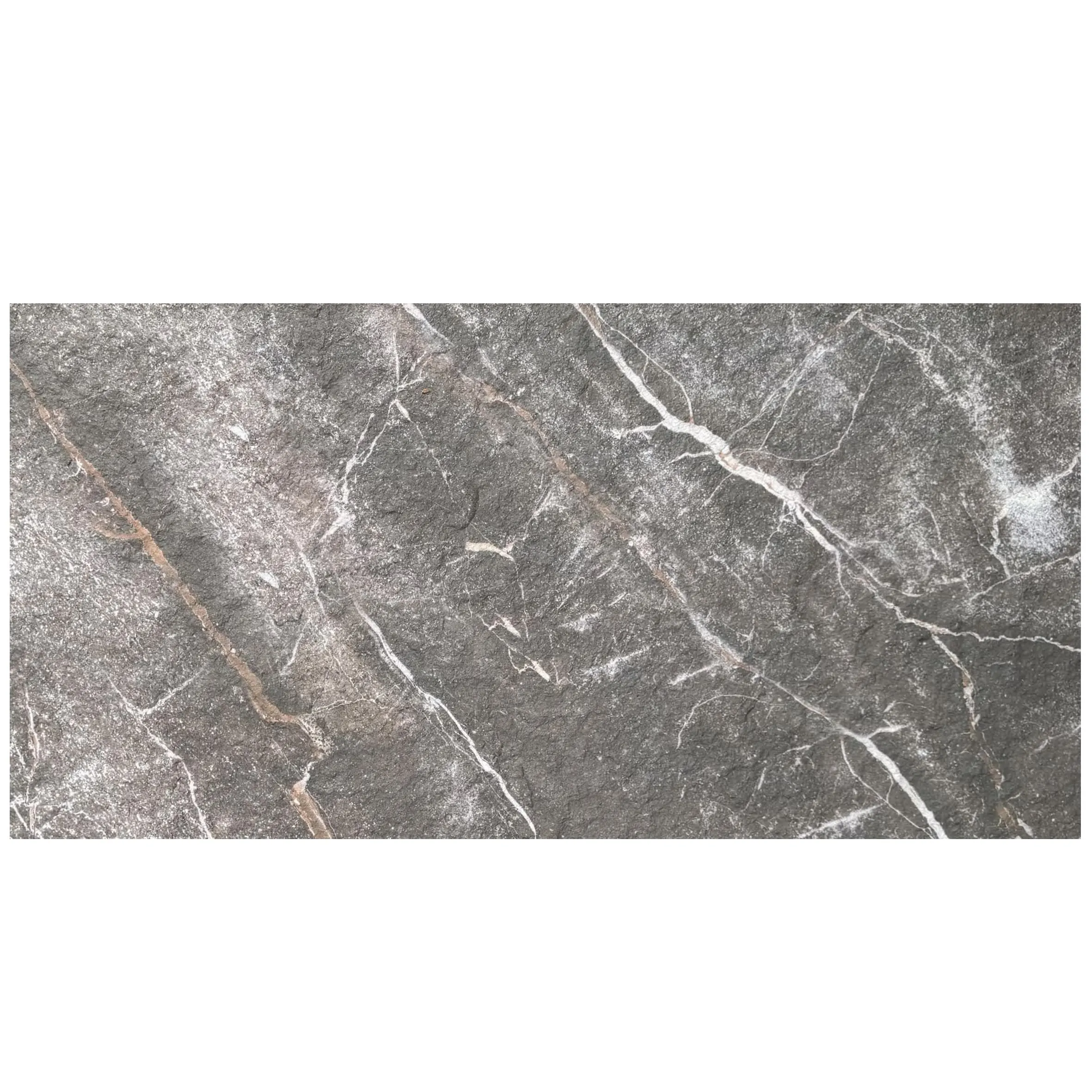
How modified composite materials are redefining the beauty, durability, and sustainability of one of Earth's most cherished building resources
For millennia, natural stone has been more than just a building material—it's a storyteller. From the pyramids of Giza, hewn from limestone and granite, to the intricate marble floors of the Taj Mahal, stone has carried the weight of human history, culture, and ambition. There's a primal comfort in its texture, a quiet grandeur in its veins, and a permanence that feels almost sacred. But as our world evolves—with skyscrapers reaching for the clouds, homes demanding efficiency, and cities prioritizing sustainability—traditional natural stone has started to show its limits. Heavy, brittle, and often resource-intensive to extract and transport, it's a material caught between its timeless allure and the practical needs of modern design. Enter MCM technology: a bridge between the past and the future, promising to preserve the soul of natural stone while equipping it for the challenges of today. And at the forefront of this revolution? A stone as iconic as it is bold: Granite Portoro. Let's dive into how this marriage of tradition and innovation is reshaping the buildings we live, work, and dream in.
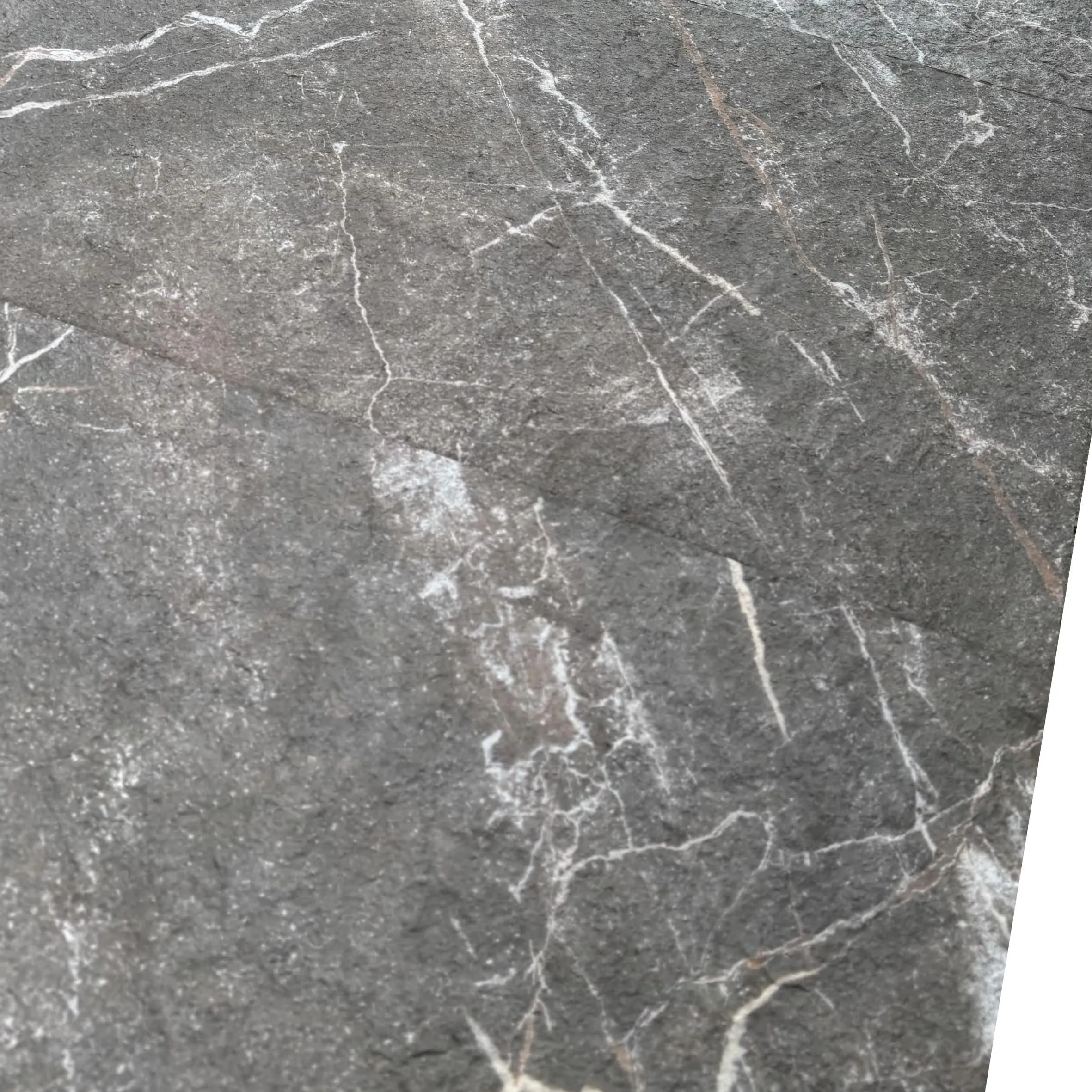
Walk into any high-end hotel lobby, luxury home, or historic monument, and chances are you'll encounter natural stone. Its appeal is universal. Unlike synthetic materials, stone isn't just "designed"—it's forged by millions of years of geological activity, each slab a unique fingerprint of the Earth's crust. Granite Portoro, in particular, is a showstopper. Hailing from quarries in Italy, this stone is instantly recognizable: a deep, velvety black base swirled with bold gold veins that catch the light like scattered coins. It's the kind of material that turns a kitchen countertop into a statement piece, or a bathroom wall into a work of art. Architects and designers love it for its drama; homeowners adore it for its ability to add a touch of luxury without feeling cold. But Granite Portoro, like all natural stone, comes with a caveat: it's a product of nature, and nature doesn't always align with the demands of modern construction.
Traditional Granite Portoro slabs are heavy—often weighing hundreds of pounds per square meter. Installing them requires specialized equipment, skilled labor, and careful structural planning. They're also porous, meaning they need regular sealing to resist stains from coffee spills, wine, or oil. And while their durability is legendary (Granite Portoro can last centuries with proper care), they're not immune to chipping or cracking under extreme pressure. For a homeowner, that might mean a costly repair; for a commercial builder, it could delay a project timeline. As one architect put it, "We love the look of Granite Portoro, but when you're designing a 50-story tower, every pound matters. Traditional stone adds so much weight to the structure that you end up over-engineering the building just to support it." It's a dilemma as old as architecture itself: how do you honor the beauty of the past while building for the needs of the present?
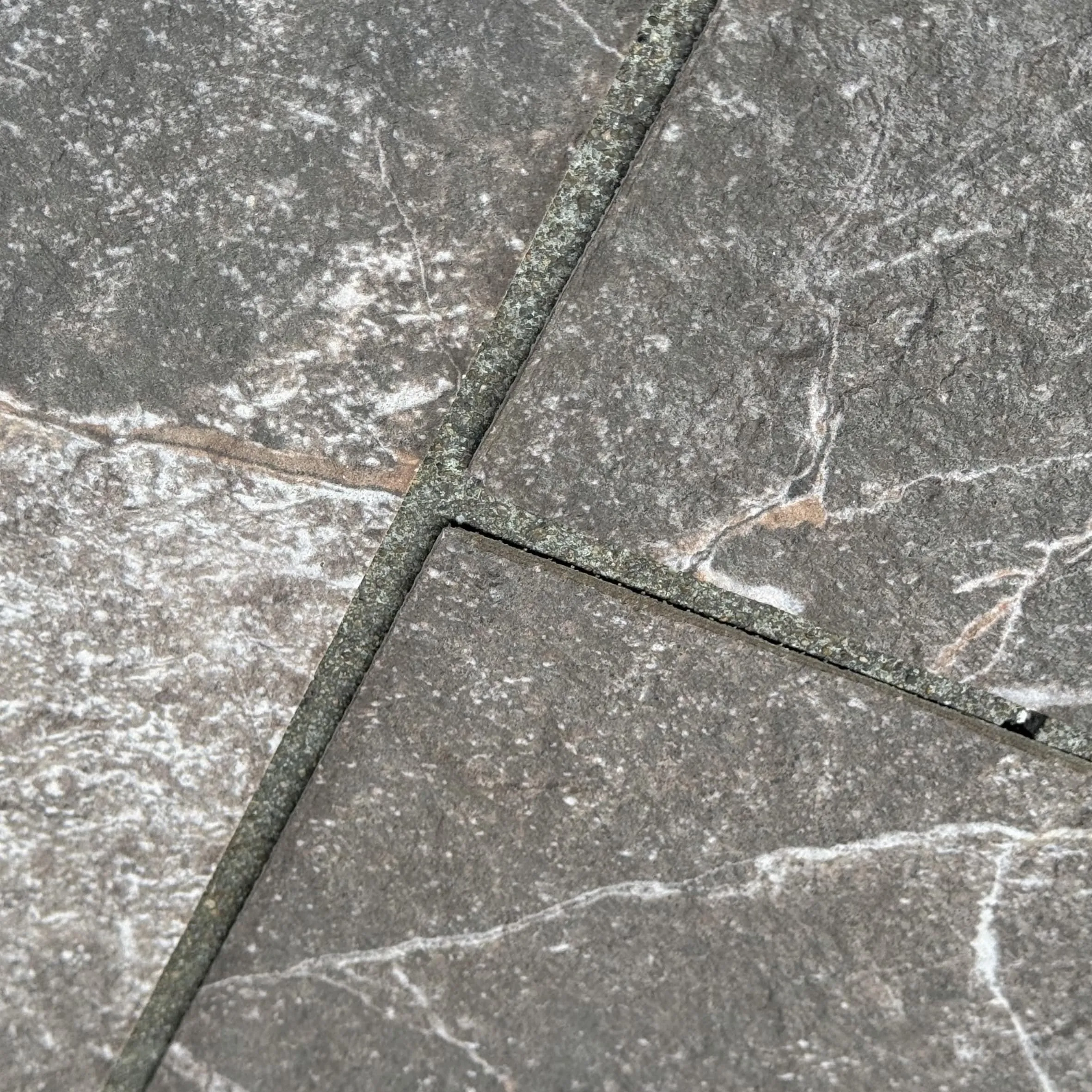
To understand why MCM technology is such a game-changer, let's first unpack the frustrations that architects, builders, and homeowners face with traditional natural stone. Take Granite Portoro, for example. A standard 2cm-thick slab weighs around 50 kg per square meter. Multiply that by the thousands of square meters needed for a commercial project, and you're looking at a structural load that can strain foundations, increase construction costs, and limit design flexibility. Then there's the issue of availability. High-quality Granite Portoro is rare—quarries can only extract a limited amount each year, driving up prices and making it inaccessible for many projects. Even when you can source it, each slab is unique, which sounds romantic until you need 10 identical panels for a wall and end up with mismatched veins or color variations.
Sustainability is another concern. Quarrying natural stone is energy-intensive, often involving heavy machinery that emits CO2, and it can disrupt local ecosystems. Transporting those heavy slabs across the globe only adds to the carbon footprint. And while stone itself is a natural material, the process of cutting, polishing, and finishing it generates a lot of waste—up to 30% of a raw block can end up as scrap. For builders aiming for green certifications like LEED or BREEAM, traditional stone can be a hurdle rather than an asset. It's not that we're falling out of love with natural stone; it's that we need it to evolve. We need it to be lighter, more consistent, more eco-friendly, and easier to work with—without losing that magic that makes it feel alive.
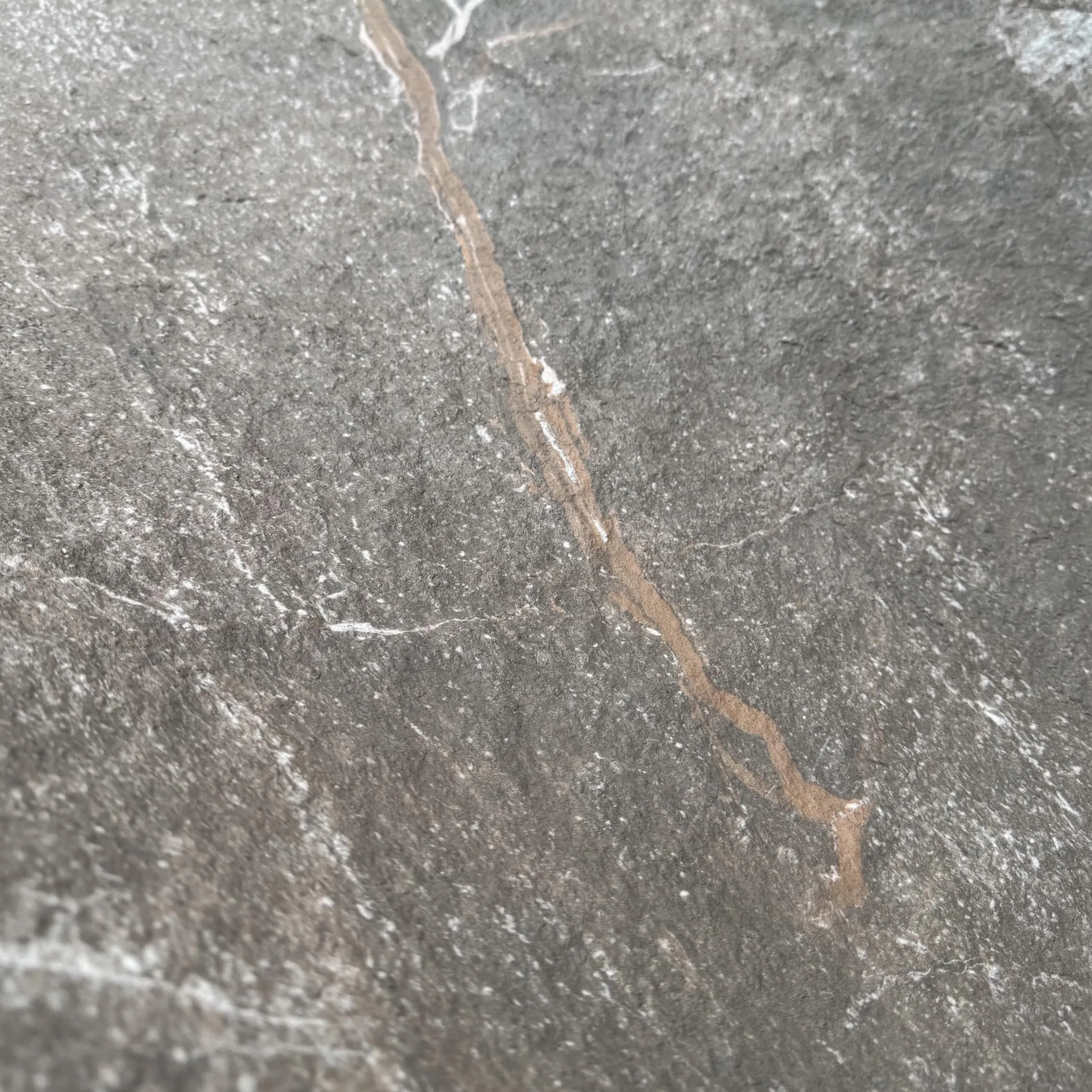
If traditional natural stone is the wise elder of building materials, MCM (Modified Composite Material) is the innovative young visionary. Developed in the early 2000s, MCM is exactly what its name suggests: a composite material that takes the best of natural stone (or other minerals) and enhances it with modern technology. Here's how it works: MCM panels are made by bonding a thin layer of natural stone (or stone-like aggregate) to a lightweight, flexible backing—often fiberglass, aluminum, or high-density polyethylene. The result? A material that looks and feels like natural stone but weighs a fraction of the real thing. Think of it as stone "reimagined": all the beauty, none of the bulk.
MCM technology wasn't created to replace natural stone; it was created to elevate it. Early iterations focused on replicating the look of marble and granite, but as the technology advanced, manufacturers began integrating actual stone veneers—including snippets of Granite Portoro—into the composite. This isn't a cheap "fake" stone; it's a hybrid that marries the authenticity of natural stone with the practicality of modern engineering. MCM panels are thin (usually 3-6mm thick), flexible enough to bend around curves, and durable enough to withstand harsh weather, UV rays, and daily wear and tear. They're also lightweight—weighing as little as 5 kg per square meter, compared to 50 kg for traditional Granite Portoro. That's a 90% reduction in weight. For architects, that means more freedom to design: cantilevered walls, curved facades, and high-rise exteriors that would be impossible with traditional stone. For builders, it means faster installation, lower labor costs, and fewer logistical headaches. And for homeowners, it means bringing the luxury of Granite Portoro into spaces that would otherwise be off-limits—like upper-floor bathrooms or second-story patios where weight is a concern.
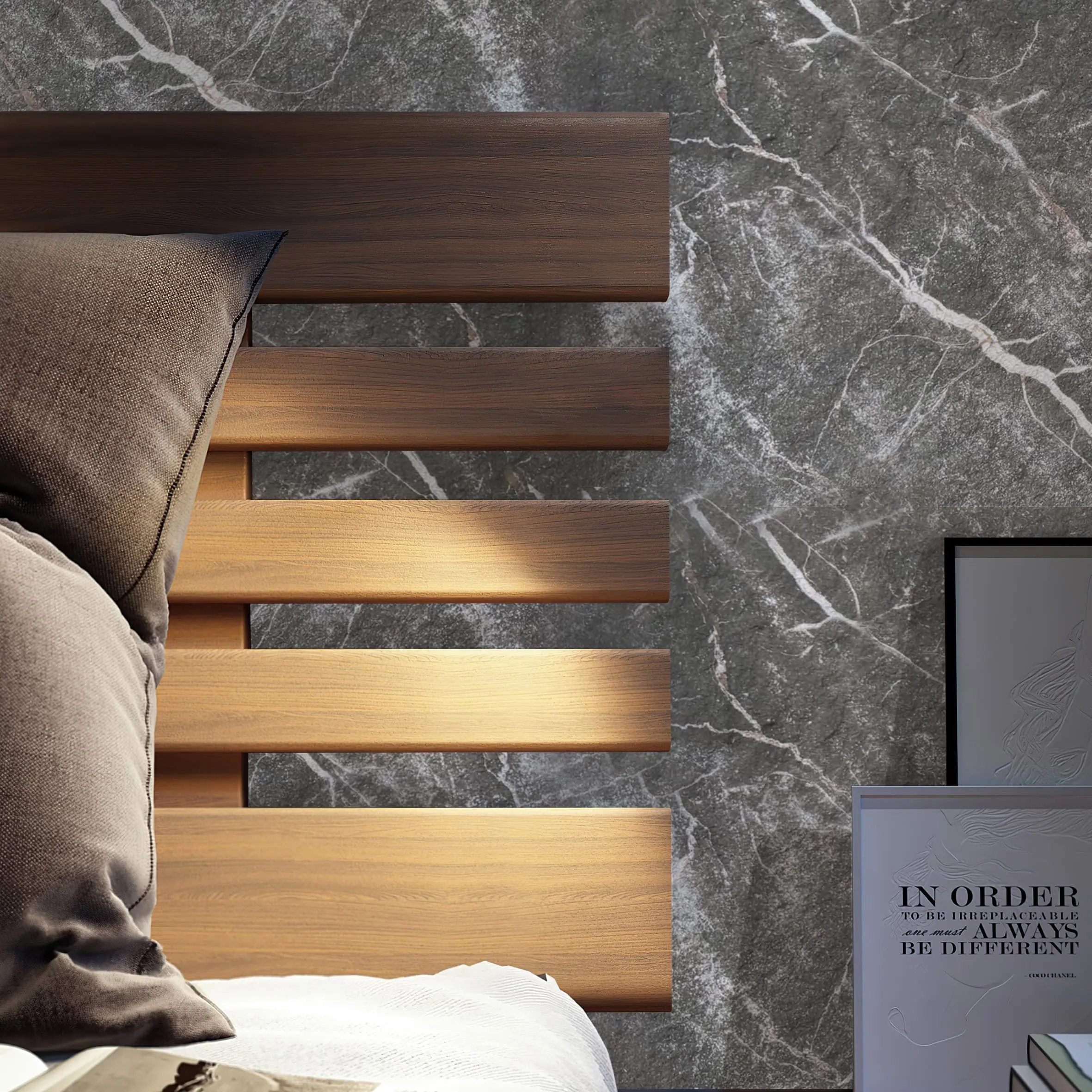
So, how exactly does Granite Portoro integrate with MCM? Let's break it down. The process starts with selecting high-quality Granite Portoro blocks from quarries. Instead of cutting these blocks into thick slabs, manufacturers slice off ultra-thin veneers—sometimes as thin as 1mm—using precision diamond blades. These veneers capture all the characteristic features of Granite Portoro: the deep black background, the gold veins, the subtle variations that make each piece unique. The veneers are then bonded to a backing material (often a lightweight aluminum honeycomb or fiberglass mesh) using a high-strength adhesive, cured under heat and pressure to ensure a permanent bond. The result is an MCM panel that's 95% lighter than traditional Granite Portoro but retains 100% of its visual impact.
But the magic doesn't stop there. MCM technology also addresses many of Granite Portoro's traditional weaknesses. The composite backing adds flexibility, making the panels resistant to cracking—even in areas with temperature fluctuations or minor structural movement. The thin veneer is sealed during manufacturing, eliminating the need for regular resealing (though a quick wipe with a damp cloth is all it takes to keep it looking new). And because the veneers are sliced from larger blocks, manufacturers can create consistent patterns across multiple panels, ensuring a uniform look for large-scale projects. Imagine a hotel chain wanting to use Granite Portoro in every lobby worldwide—with MCM, they can achieve that consistency without depleting rare quarry resources.
| Feature | Traditional Granite Portoro | MCM-Integrated Granite Portoro |
|---|---|---|
| Weight (per sq.m) | 50-60 kg | 4-6 kg |
| Thickness | 20-30 mm | 3-6 mm |
| Installation | Requires heavy machinery and structural support | Lightweight; can be installed with basic tools |
| Durability | High, but prone to chipping/cracking | High; flexible and impact-resistant |
| Maintenance | Needs annual sealing; porous to stains | Pre-sealed; stain-resistant; low maintenance |
| Sustainability | High carbon footprint (extraction, transport) | Reduced waste; lightweight = lower transport emissions |
While Granite Portoro is a star player in the MCM universe, it's far from the only one. MCM technology has given rise to a whole family of innovative building materials, each designed to solve specific design challenges. Take the MCM big slab board series , for example. These panels are larger than traditional stone slabs—some measuring up to 3 meters in length—allowing for seamless, joint-free surfaces that create a sense of spaciousness in interiors. Imagine a living room wall clad in a single MCM big slab mimicking fair-faced concrete, its subtle texture and neutral tone making the space feel calm and expansive. Unlike traditional concrete, which is heavy and prone to cracking, MCM big slabs are lightweight and flexible, making them ideal for both residential and commercial projects.
Then there are materials like foamed aluminium alloy board (vintage silver) , a sleek, modern alternative to traditional metal cladding. Foamed aluminium is created by injecting gas into molten aluminium, resulting in a material that's 70% lighter than solid aluminium but just as strong. When integrated into MCM panels, it takes on a vintage silver finish that's both industrial and elegant—perfect for accent walls in restaurants or boutique hotels. What's exciting is how these materials can complement MCM-integrated Granite Portoro. A designer might pair a Granite Portoro accent wall with foamed aluminium alloy board (vintage silver) ceilings, creating a contrast of textures—warm stone and cool metal—that feels both timeless and contemporary.
So, where can you actually see MCM-integrated Granite Portoro in action? The answer is: almost anywhere. Its versatility has made it a favorite among architects and designers across sectors. In residential spaces, it's transforming kitchens and bathrooms. Imagine a kitchen with MCM Granite Portoro countertops—light enough to be installed on standard cabinetry, resistant to heat from pots and pans, and so easy to clean that even the messiest home cook won't stress about stains. Bathrooms, too, benefit: MCM panels are water-resistant, making them ideal for shower walls or backsplashes, and their lightweight nature means they can be installed in upstairs bathrooms without worrying about overloading the floor.
Commercial design is where MCM Granite Portoro really flexes its muscles. Luxury retail stores use it for feature walls, creating a high-end atmosphere that draws customers in. Office lobbies employ it to make a bold first impression—imagine walking into a tech company's headquarters, greeted by a wall of MCM Granite Portoro that feels both sophisticated and approachable. Hotels and restaurants love it for its durability; in high-traffic areas like hallways or dining rooms, MCM panels stand up to scuffs, scratches, and spills better than traditional stone. Even outdoor spaces are getting in on the action. MCM Granite Portoro is UV-resistant and weatherproof, making it suitable for patio flooring, pool surrounds, or exterior cladding. Unlike traditional stone, it won't fade in the sun or crack in freezing temperatures, ensuring that outdoor spaces look as good in 10 years as they do on day one.
In a world increasingly focused on sustainability, MCM technology isn't just a practical choice—it's an ethical one. Let's start with resource efficiency. Traditional stone quarrying often extracts far more rock than is usable, with large chunks discarded as waste. MCM changes that by using ultra-thin veneers, maximizing the yield from each block of Granite Portoro. A single block that might produce 10 traditional slabs can generate 50 or more MCM veneers, reducing the need for additional quarrying. Then there's transportation: because MCM panels are lightweight, they require fewer trucks to transport, cutting down on fuel consumption and CO2 emissions. A load that would carry 100 traditional Granite Portoro slabs can carry 1,000 MCM panels—drastically lowering the carbon footprint of getting the material from quarry to construction site.
MCM also aligns with the principles of circular economy. Many MCM backings are made from recycled materials, and at the end of a building's life, the panels can be disassembled and recycled. Even the manufacturing process is more eco-friendly: MCM production uses less water and energy than traditional stone cutting and polishing. For builders aiming for green certifications, MCM-integrated Granite Portoro is a boon. It often qualifies for points under LEED's "Materials and Resources" category, thanks to its recycled content and reduced waste. And because it's lightweight, it can help reduce a building's overall energy consumption—lighter structures require less heating and cooling, as they retain temperature more efficiently. In short, MCM technology lets us enjoy the beauty of natural stone without compromising the health of our planet.
So, what does the future hold for Granite Portoro and MCM technology? If current trends are any indication, we're just scratching the surface. Manufacturers are already experimenting with new backing materials, like recycled plastic composites, to make MCM panels even more sustainable. There's also a push for customization: imagine being able to order MCM Granite Portoro panels with veins that match a specific color palette, or even digital prints overlaying the stone veneer for a truly one-of-a-kind design. Advances in 3D printing are also opening doors—some companies are exploring 3D-printed MCM molds that can replicate the texture of Granite Portoro with pinpoint accuracy, expanding the range of shapes and sizes available.
Another exciting trend is the integration of smart technology into MCM panels. Researchers are developing panels embedded with sensors that can monitor temperature, humidity, or structural stress, sending data to building management systems. Imagine a hospital using MCM Granite Portoro cladding that not only looks beautiful but also helps regulate indoor air quality. Or a home where the kitchen backsplash, made of MCM, can charge devices wirelessly. These innovations might sound like science fiction, but they're closer than you think—MCM's flexible, composite structure makes it an ideal platform for integrating new technologies.
Perhaps the most promising development is the growing collaboration between geologists, engineers, and designers. Geologists are helping identify new sources of Granite Portoro and other stones that can be sustainably quarried; engineers are refining MCM manufacturing processes to improve durability and reduce costs; designers are finding creative ways to blend MCM materials with other building elements, like wood, glass, or metal. The result is a design ecosystem where natural stone isn't just a material—it's a partner in innovation. As one designer put it, "MCM hasn't changed our love for Granite Portoro; it's deepened it. Now, we can use it in ways we never dreamed possible, creating spaces that feel both rooted in tradition and ready for the future."
Natural stone has been with us since the dawn of civilization, but its story is far from over. MCM technology is writing a new chapter—one where the beauty of Granite Portoro, the versatility of MCM big slab board series, and the modern edge of foamed aluminium alloy board (vintage silver) come together to create buildings that are more beautiful, more efficient, and more sustainable than ever before. This isn't about replacing the past; it's about honoring it. It's about ensuring that future generations can still marvel at the gold veins of Granite Portoro, run their hands over the texture of natural stone, and feel that same sense of connection to the Earth that our ancestors did—without sacrificing the progress we've made in building smarter, greener, and more inclusive spaces.
So, the next time you walk into a building and pause to admire a stunning stone wall, take a closer look. It might just be MCM-integrated Granite Portoro—proof that some of the best innovations are the ones that respect tradition while daring to imagine something new. The future of natural stone isn't stone at all; it's stone reimagined. And that future is already here.
Recommend Products












