COLORIA's MCM lineup isn't a single product—it's a family of materials, each designed to solve specific pain points while sparking creativity. Let's dive into three standouts that are reshaping how we build:
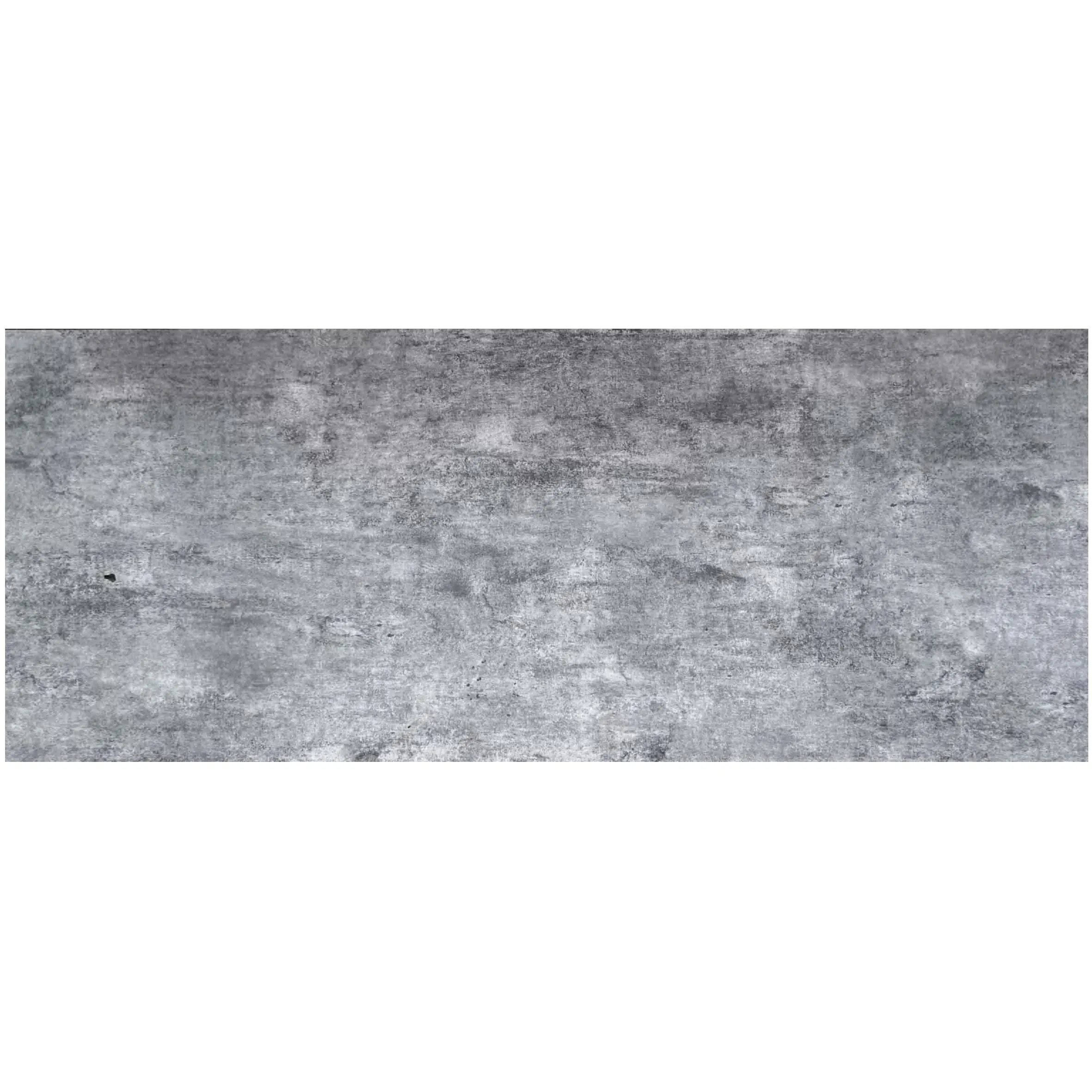
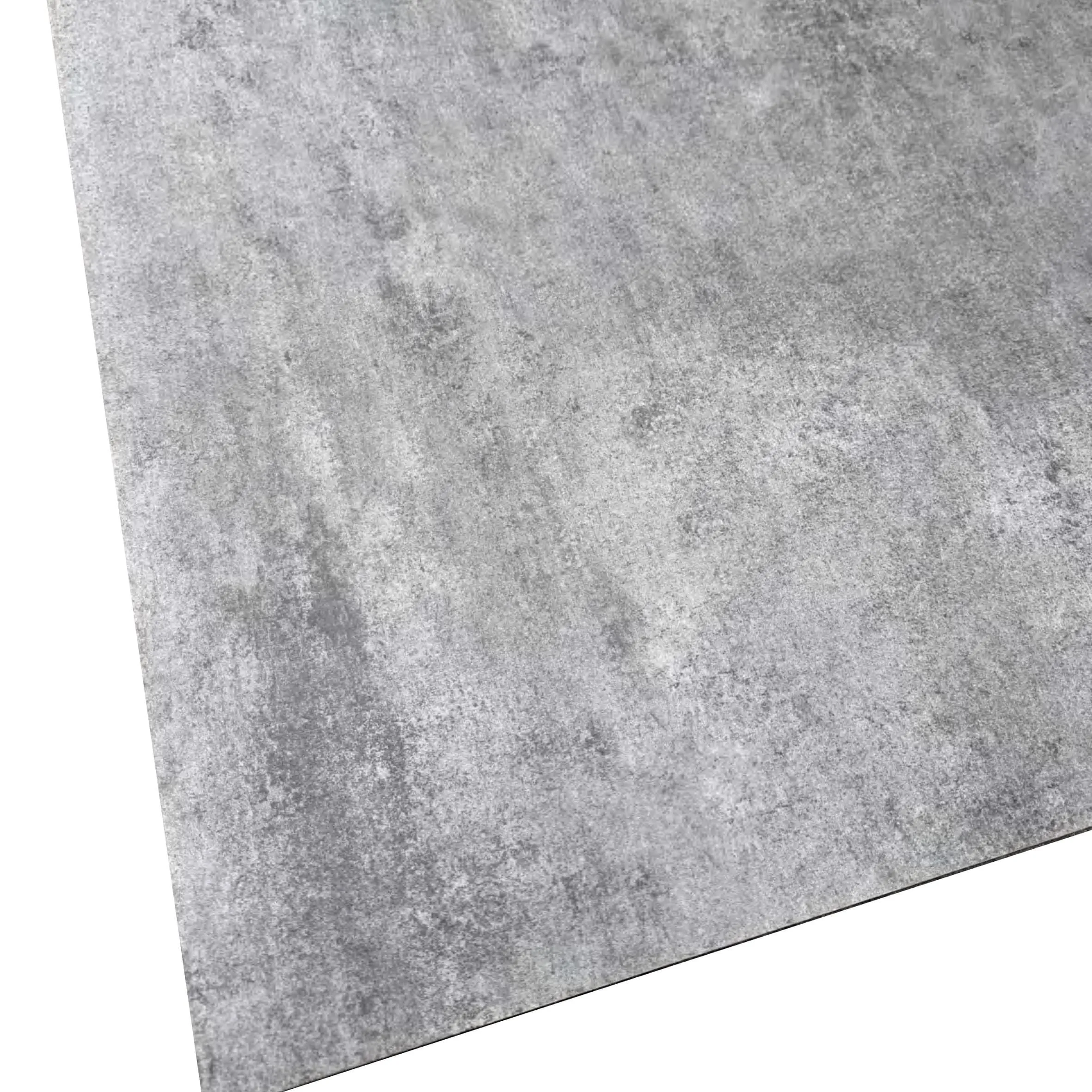
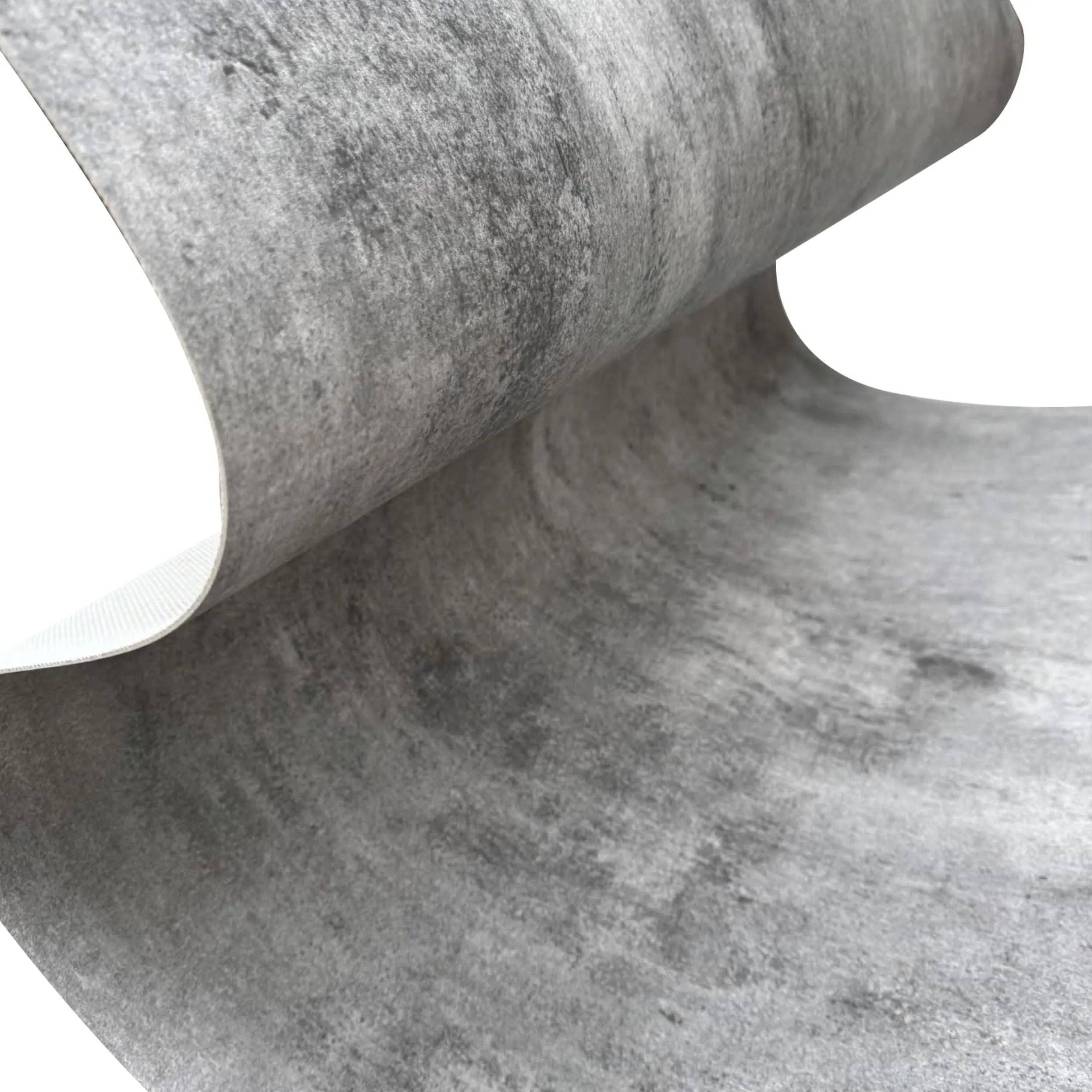
Imagine a material that looks like travertine (with its signature pitted texture) or slate (with its rich, layered hues) but weighs less than a feather and can wrap around columns, curve over archways, or even be used as ceiling panels. That's
mcm flexible stone
in action.
Available in a spectrum of finishes—from the starry glow of
travertine (starry green)
to the vintage sheen of
travertine (vintage silver)
—this line is a designer's dream. Unlike rigid stone, it can be cut into intricate shapes, laser-etched with patterns, or even printed with custom graphics (yes, you could have a facade that looks like a Van Gogh painting, if you wanted). And because it's water-resistant and UV-stable, it works indoors and out—from a bathroom backsplash to a skyscraper facade.
Take the
gobi panel
, part of the flexible stone range. Inspired by the rippled dunes of the Gobi Desert, its undulating texture adds movement to flat surfaces. A boutique hotel in Dubai used it to clad their poolside cabanas, and guests often run their hands over it, remarking on how "real" it feels. "They can't believe it's not actual sandstone," says the hotel's designer, Lina Hassan. "But unlike sandstone, it doesn't absorb water or get hot in the sun. Kids play on those cabanas all day, and they still look brand new."
2. Polish Concrete: Sleek, Strong, and Surprisingly Warm
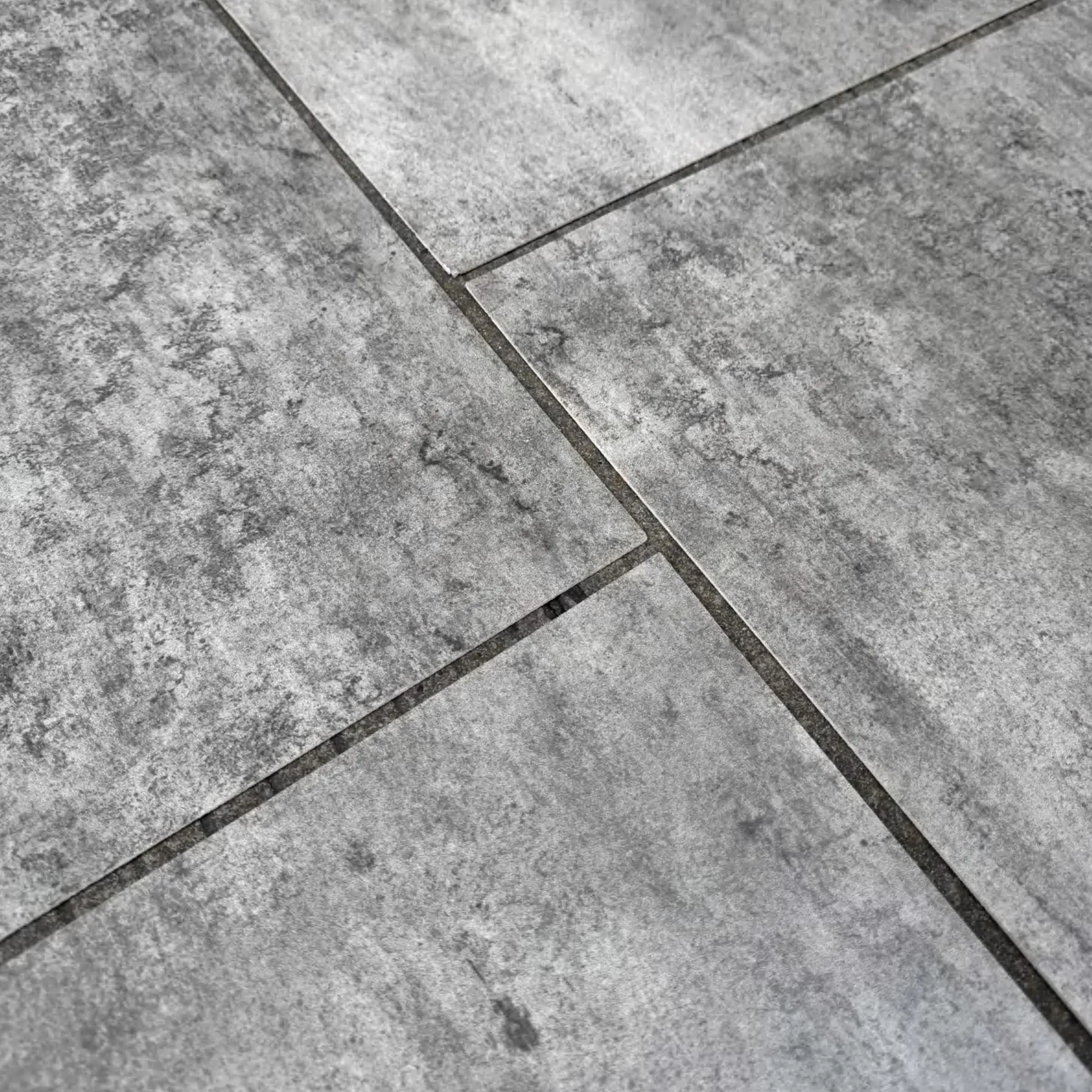
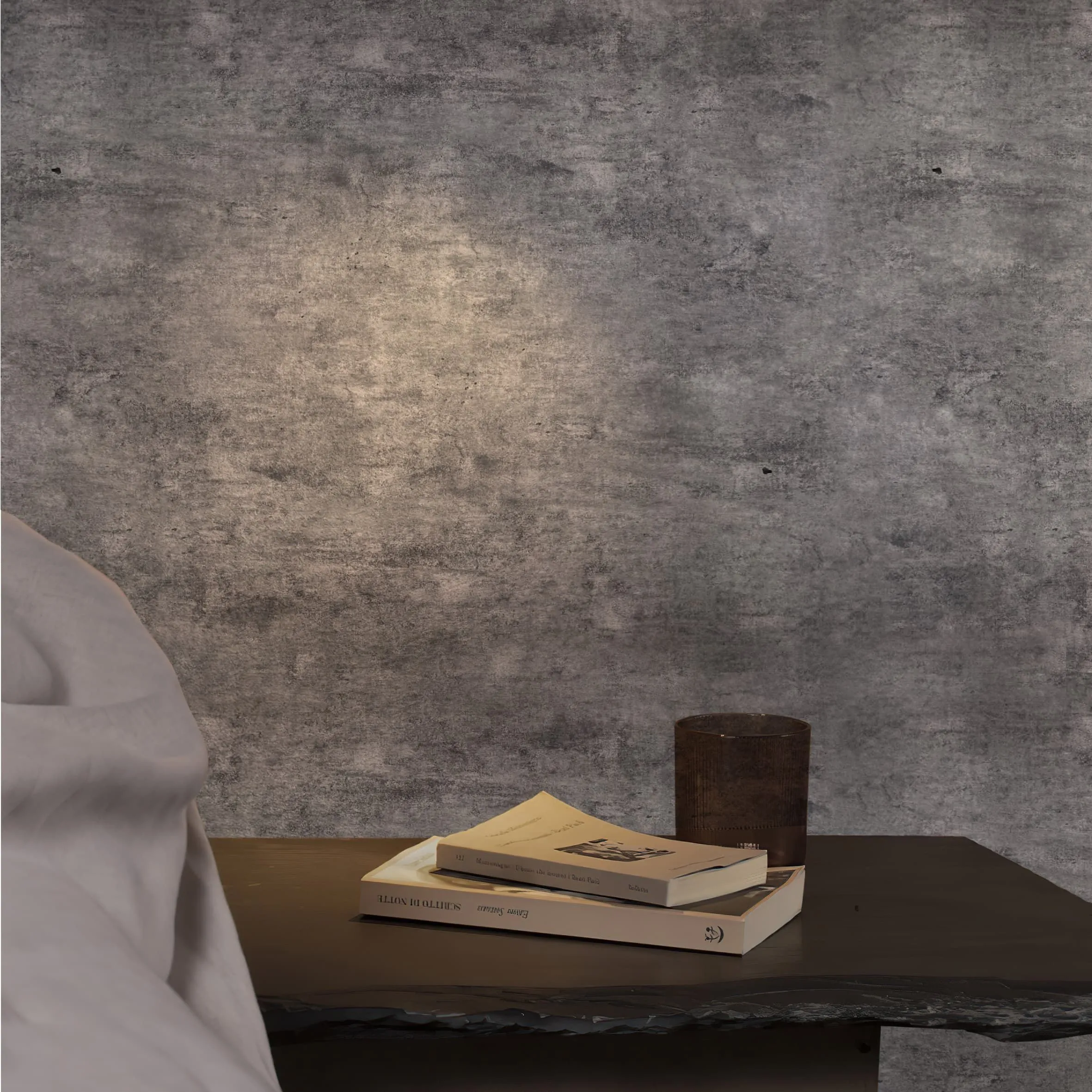
When most people hear "concrete," they picture cold, gray basements. But COLORIA's
polish concrete
is here to rewrite that narrative. Engineered to mimic the smooth, reflective finish of polished natural concrete without the brittleness, this material is making waves in residential and commercial spaces alike.
What sets it apart? For starters, color options. Forget gray—you can choose from warm beiges (
lime stone(beige)
), deep charcoals, or even custom tints. The surface is treated with a proprietary sealant that resists stains, scratches, and water, making it ideal for kitchens, bathrooms, and high-traffic areas. And because it's MCM-based, it's lightweight enough for walls and ceilings, not just floors.
"I used to avoid concrete in living rooms because it felt too industrial," says interior designer Mia Wong, who used COLORIA's polish concrete in a Brooklyn townhouse renovation. "But this stuff has warmth. The way light reflects off the polished surface makes the room feel bright and airy, not cold. The client has two kids and a dog, and after a year, there's not a single scratch. She calls it 'the material that finally kept up with our chaos.'"
Even better? It's sustainable. COLORIA's polish concrete uses 85% recycled aggregates, cutting down on quarrying, and its low-heat manufacturing process reduces carbon emissions by 60% compared to traditional concrete production.
3. Wood Grain Board: The Warmth of Wood, Without the Worry
Wood has a timeless appeal, but its upkeep is a headache. COLORIA's
wood grain board
solves that by replicating the look and feel of real wood—from oak to teak to bamboo—using MCM technology. The result? Panels that have the warmth of wood but are water-resistant, termite-proof, and fade-resistant.
"We used the
bamboo mat board
in a beach house in Bali," says architect Hiroshi, the Tokyo-based designer we met earlier. "The client wanted that tropical, organic vibe, but solid bamboo would have warped in the humidity. COLORIA's wood grain board has been up for two years, through monsoons and salt air, and it still looks like we installed it yesterday. No peeling, no rotting, no maintenance beyond an occasional wipe-down."
Available in planks, sheets, or custom sizes, wood grain board is perfect for accent walls, cabinetry, furniture, and even exterior siding. It can be painted, stained, or left natural, and because it's made from recycled wood fibers and polymers, it's a guilt-free alternative to hardwood.