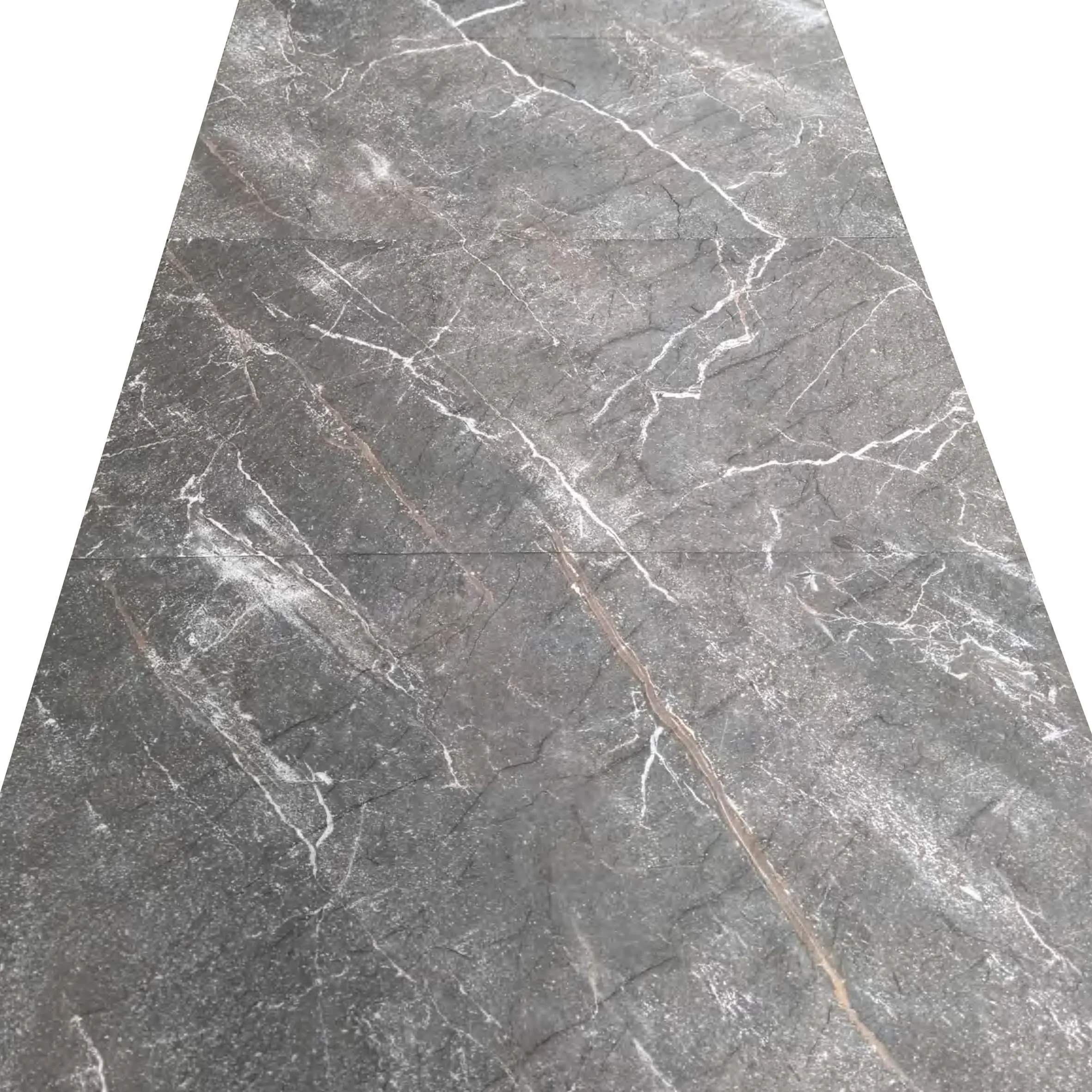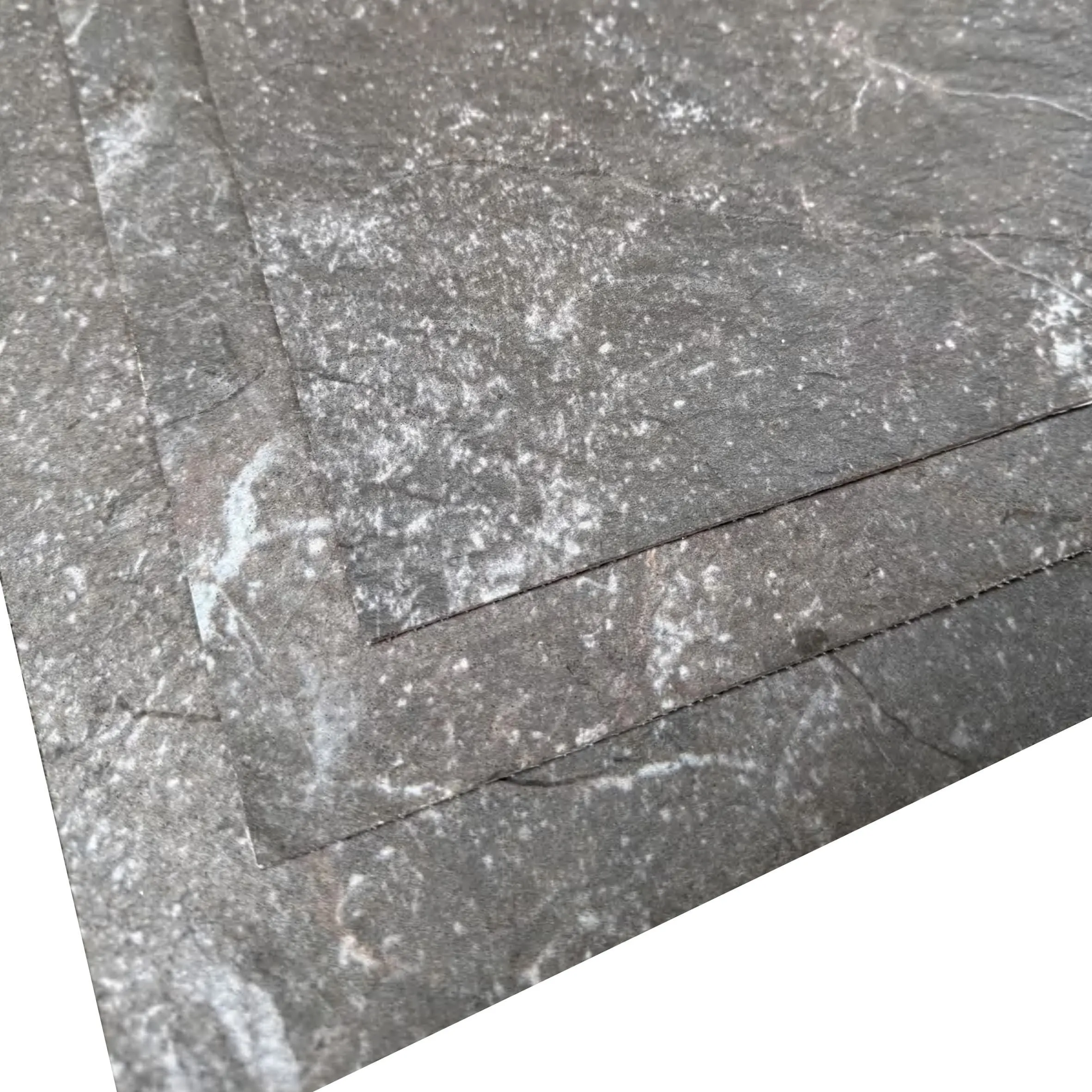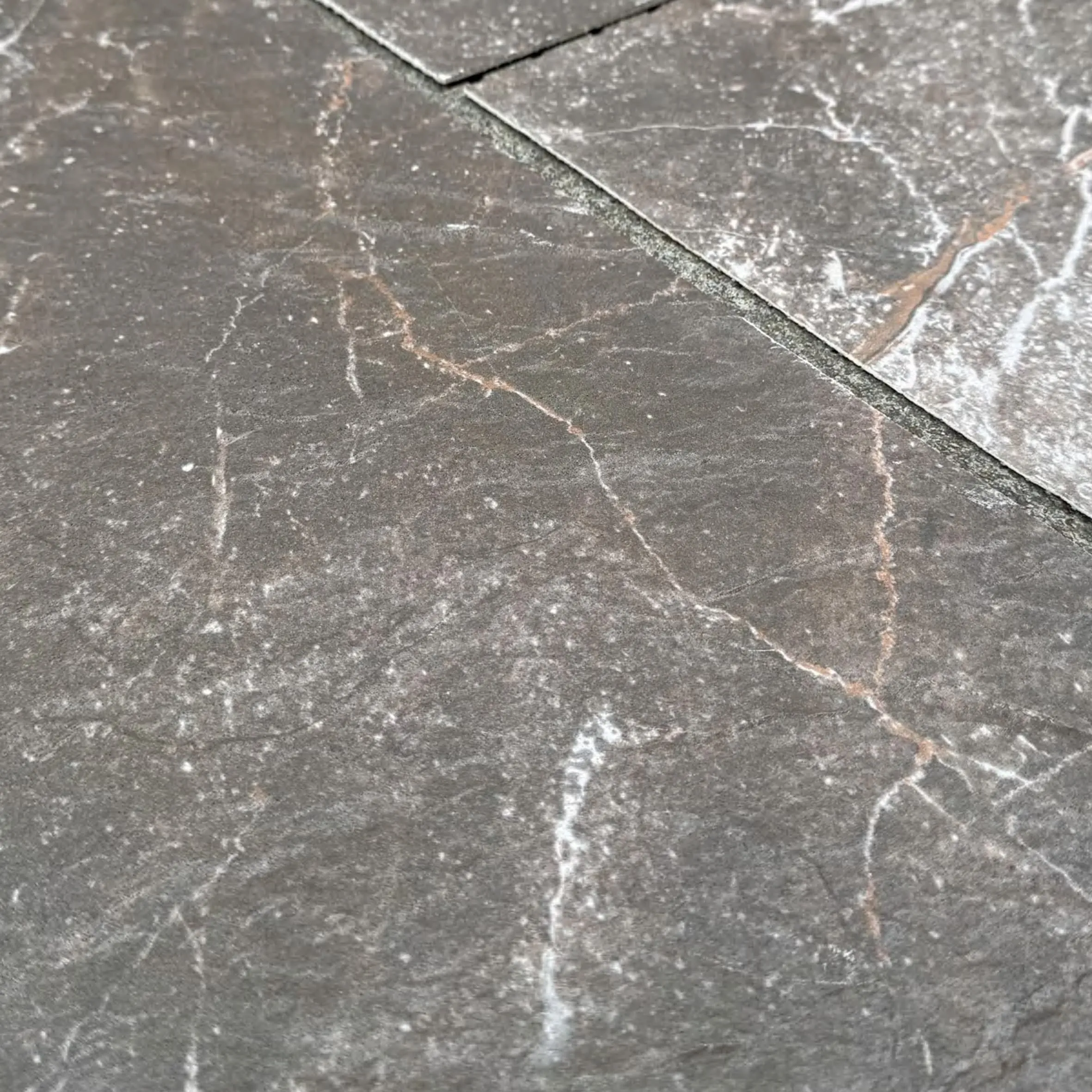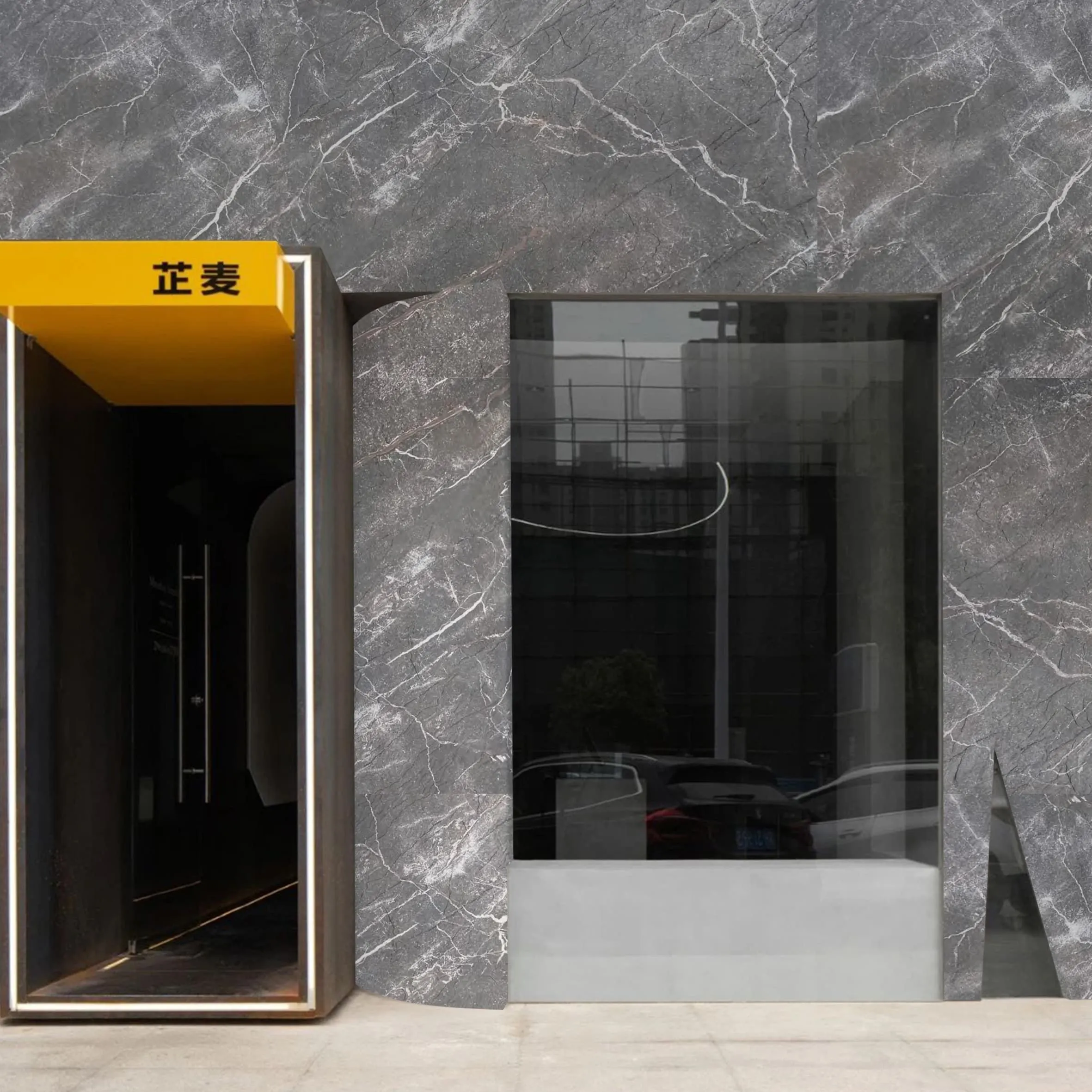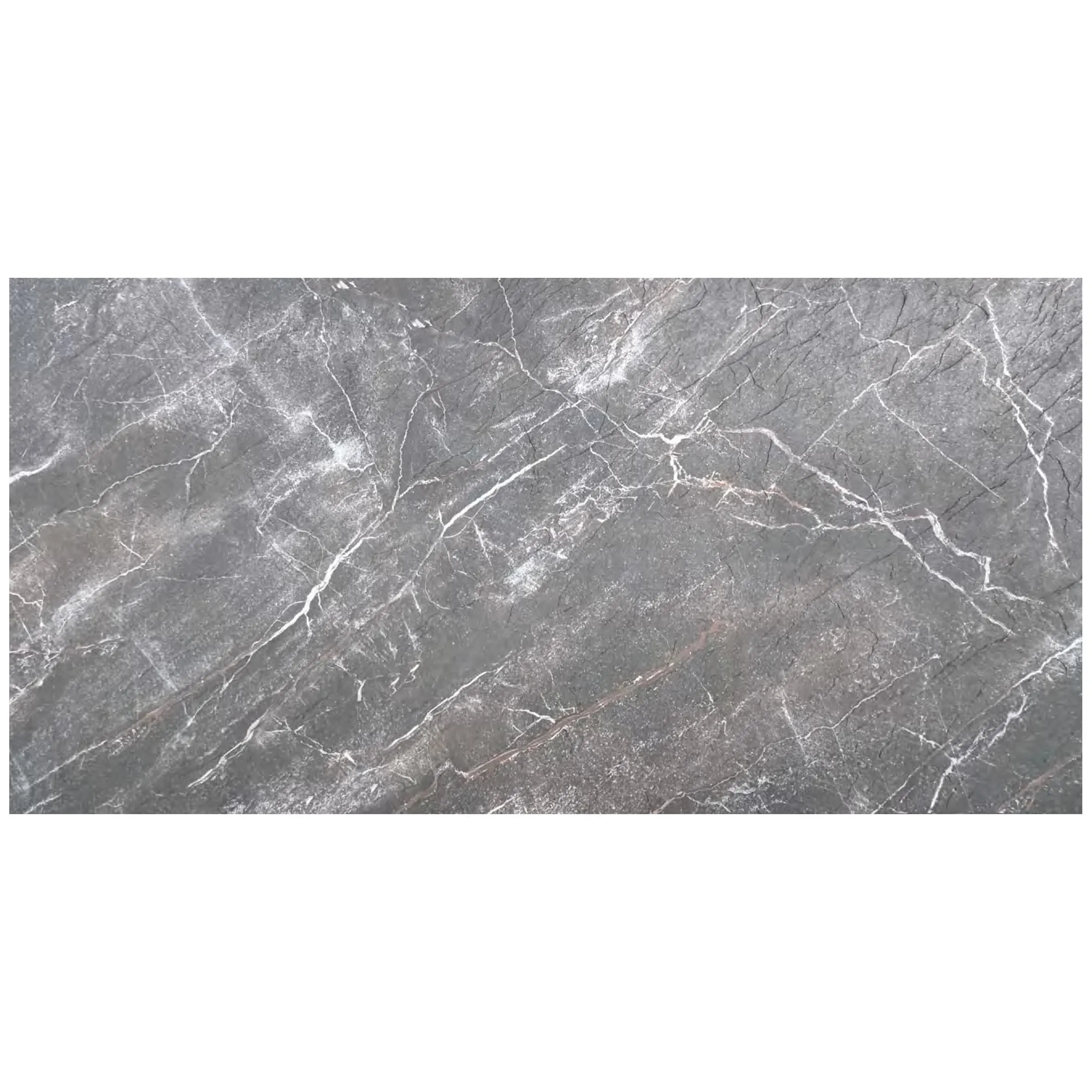
Walk into any iconic building—whether it's a 17th-century palace in Rome, a sleek modern museum in Tokyo, or a cozy mountain lodge in Colorado—and you'll likely find natural stone holding court. There's a reason stone has been a cornerstone of architecture for millennia: it's more than just a building material. It's a storyteller. The veins in marble, the grain in granite, the texture in slate—each carries the of time, of geological forces, of the earth itself. In a world of fleeting trends, natural stone remains a constant, a symbol of permanence and beauty.
But here's the thing about tradition: it often comes with trade-offs. For all their grandeur, natural stones have long posed challenges for modern builders. Weight, fragility, installation complexity, and environmental impact—these are the realities that have architects and designers searching for smarter alternatives. And that's where materials like MCM (Modified Composite Material) step in, promising to preserve the soul of natural stone while equipping it for the demands of the 21st century. Today, we're diving into one stone in particular: Slate Portoro. Its name alone evokes luxury, but its future lies in how we reimagine it through MCM.