
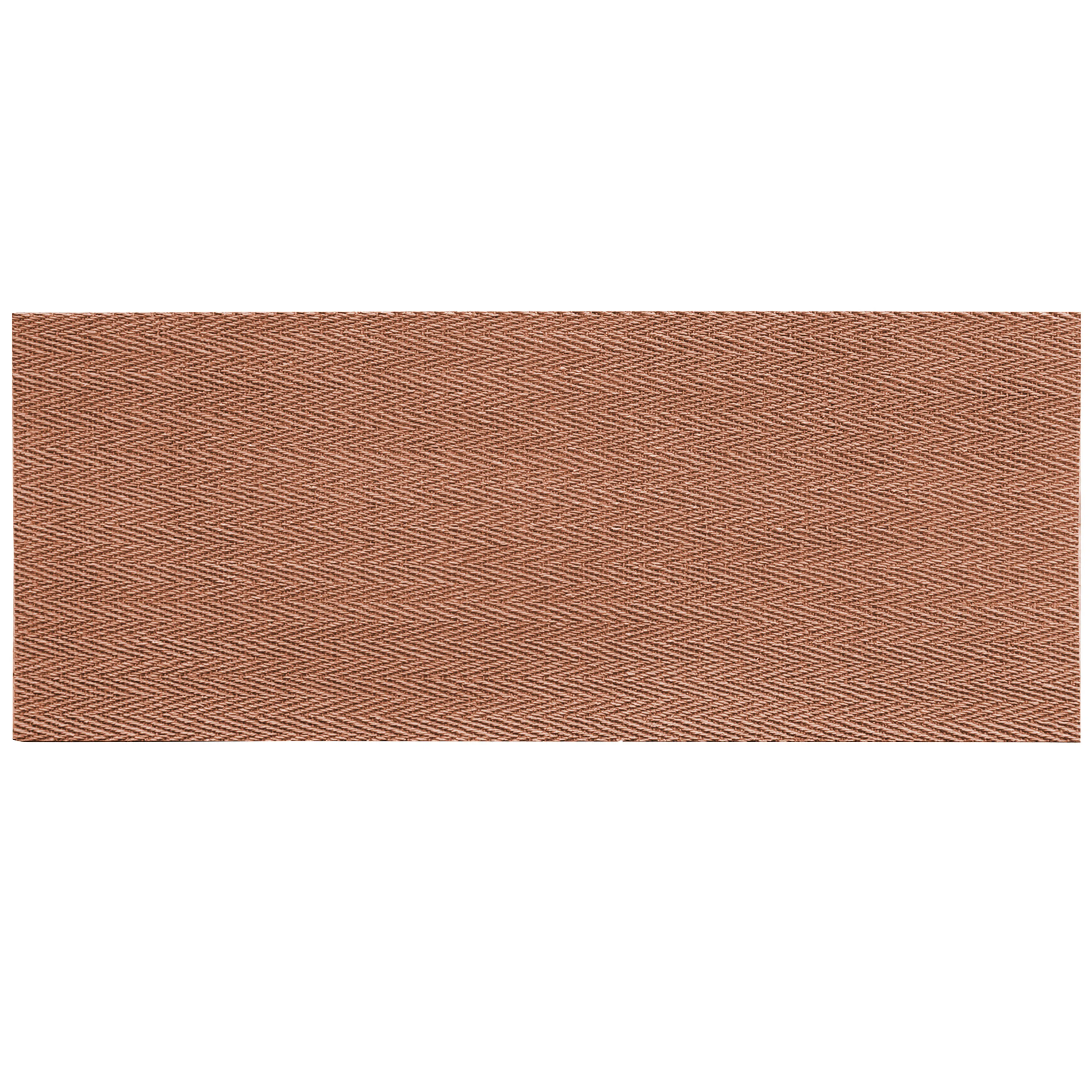
Weaving has always been more than just a craft—it's a language. For centuries, it's spoken through textiles that clothe us, rugs that warm our floors, and tapestries that tell stories. But in the hands of modern designers, weaving has broken free from the loom, spilling into architecture, interior design, and the very surfaces that shape our daily lives. Enter COLORIA GROUP, a name synonymous with reimagining how materials interact with space. Today, we're diving into the future of weaving design, anchored by their Weaving (Jacinth) collection and elevated by a suite of groundbreaking materials: MCM flexible stone , foamed aluminium alloy board (vintage gold) , and rammed earth board (gradient) . These aren't just building materials—they're threads in a larger narrative, stitching together tradition and innovation, texture and function, into spaces that feel less like "design" and more like home.
Let's start with the star of the show: Weaving (Jacinth) . Walk into a room clad in this material, and your first instinct might be to reach out and touch it. It's not just that the surface mimics the look of handwoven fabric—though the crisscrossing threads, rendered in a warm, terracotta-tinged jacinth hue, are undeniably striking. It's the way it feels: soft yet substantial, like running your hand over a well-loved blanket that's been reinforced to stand the test of time. Unlike traditional woven textiles, which fray or fade, COLORIA's Weaving (Jacinth) is engineered for durability, making it ideal for high-traffic areas like restaurant walls, hotel lobbies, or even residential feature walls. But what truly sets it apart is its ability to breathe life into a space. In a minimalist kitchen, it adds a cozy, artisanal layer; in a bohemian café, it becomes the backdrop for mismatched chairs and vintage pendant lights, tying the chaos together with its rhythmic pattern.
Designer Maria Gonzalez, who used Weaving (Jacinth) in her recent project—a boutique hotel in Barcelona—puts it best: "Clients often ask for 'warmth' in their spaces, but warmth isn't just about temperature. It's about memory. Weaving (Jacinth) feels familiar, like something passed down through generations, but with a modern edge that keeps it from feeling dated. Guests tell me they feel instantly at ease here, and I think a lot of that is thanks to this wall. It's not just a surface—it's a conversation starter."
What's fascinating about Weaving (Jacinth) is how it subverts expectations. When you hear "weaving," you think of softness, maybe even fragility. But COLORIA has flipped that script. This material is scratch-resistant, moisture-proof, and fire-retardant—qualities that make it a favorite among architects working on commercial projects. Yet, it never loses that tactile, handcrafted charm. It's a reminder that innovation doesn't have to mean sacrificing soul.
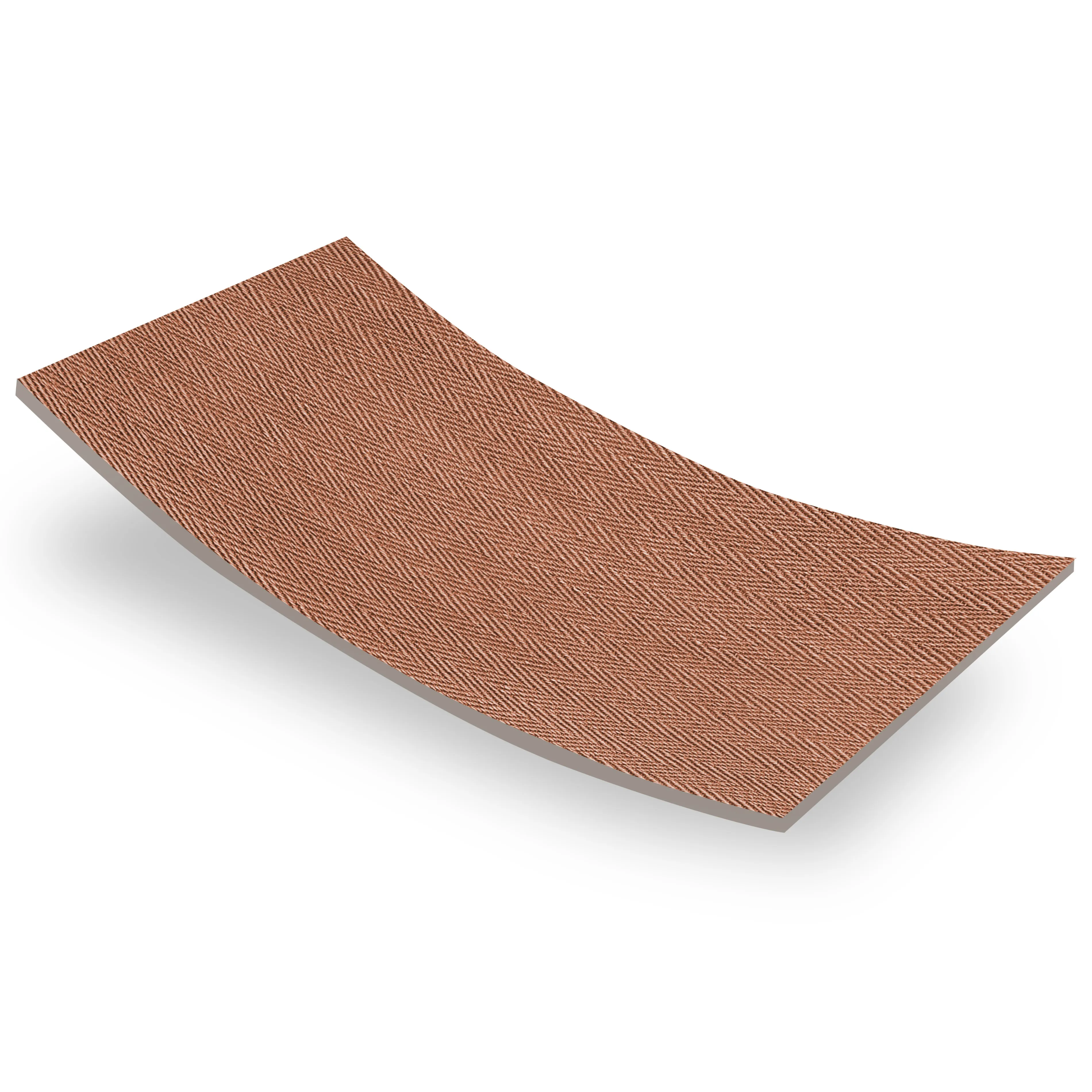
If Weaving (Jacinth) is the heart of COLORIA's weaving-inspired lineup, MCM flexible stone is its versatile sidekick. Imagine a stone that bends. Not just a little flex, but enough to wrap around curved walls, archways, or even the contours of a custom-built furniture piece. That's MCM flexible stone in a nutshell. Traditional stone is rigid, heavy, and unforgiving—great for grand facades but limiting when you want to play with shape. COLORIA's innovation? A composite material that retains the natural beauty of stone (think the earthy veins of travertine or the granular texture of sandstone) but with the flexibility of a sheet of plywood.
Take, for example, a recent project in Tokyo: a yoga studio designed to feel like a cave-like sanctuary. The architect wanted curved walls that would cocoon practitioners, but traditional stone was too heavy for the building's structure. Enter MCM flexible stone in a soft, neutral beige. The result? Walls that flow like waves, their surface rippling with the organic texture of stone, but light enough to keep the space airy. "It's like working with clay," the lead designer said, "but with the permanence of stone."
But flexibility isn't the only trick up its sleeve. MCM flexible stone is also eco-friendly. COLORIA sources recycled stone particles and binds them with a low-VOC resin, reducing waste and minimizing environmental impact. For designers and homeowners alike, this is a game-changer: you get the luxury of natural stone without the guilt of over-mining or high carbon footprints. And when paired with Weaving (Jacinth)? Magic. Picture a restaurant where the lower half of the walls is clad in MCM flexible stone, its rough-hewn texture grounding the space, while the upper half features Weaving (Jacinth), adding a pop of color and softness. It's a dialogue between the rugged and the refined—a balance that feels inherently human.
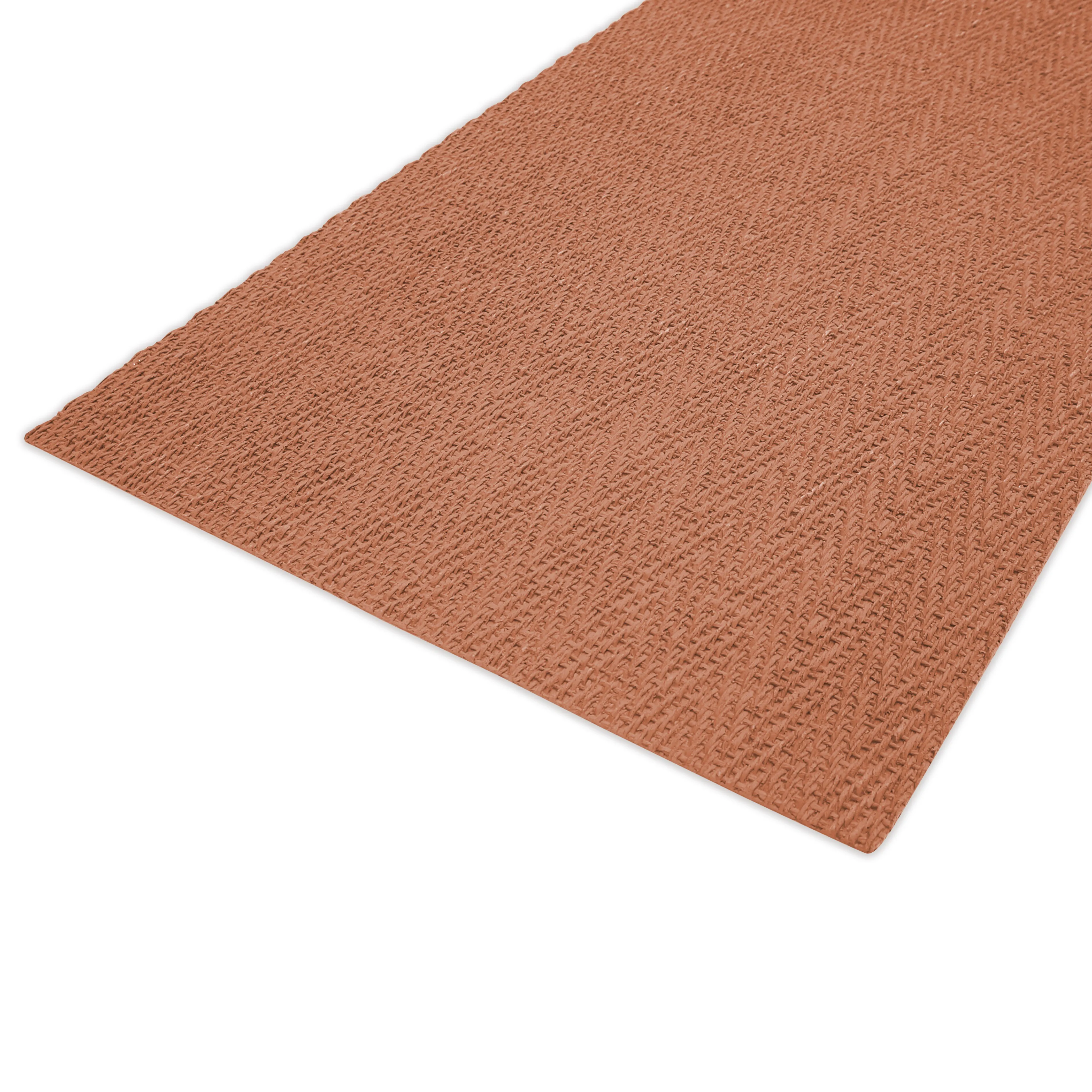
Now, let's add a touch of glamour: foamed aluminium alloy board (vintage gold) . At first glance, you might mistake it for aged brass or weathered bronze—there's a soft, muted sheen to it, like sunlight hitting a gilded frame that's been loved for decades. But this isn't your grandmother's metalwork. Foamed aluminium alloy is ultra-lightweight (up to 70% lighter than solid aluminium), making it easy to install on ceilings, accent walls, or even furniture panels. And that "vintage gold" finish? It's intentional. COLORIA's design team spent months perfecting the patina, aiming for a hue that feels both luxurious and lived-in—no brash, in-your-face shine here, just a warm glow that deepens over time.
I recently visited a boutique hotel bar in Lisbon where the entire back bar was wrapped in this material. The space was dimly lit, with pendant lights casting amber pools over the counter. The vintage gold aluminium caught the light, reflecting it in soft waves, and paired with dark wood shelves and green velvet stools, it felt like stepping into a 1920s speakeasy—only with the durability to handle late-night spills and rowdy crowds. "Metallic materials can feel cold," the interior designer told me, "but this one? It's like adding a hug of warmth. Guests linger longer here, and I think a lot of that is because the space feels inviting, not intimidating."
What's clever about foamed aluminium alloy board (vintage gold) is how it bridges eras. It has the modern edge of industrial design but the warmth of vintage decor, making it versatile enough for a sleek, minimalist office or a cozy,-inspired home library. And when combined with Weaving (Jacinth)? The contrast is electric: the matte texture of the woven jacinth against the subtle shimmer of the gold creates a visual rhythm that's hard to look away from. It's like pairing a cashmere sweater with a statement necklace—effortlessly chic.
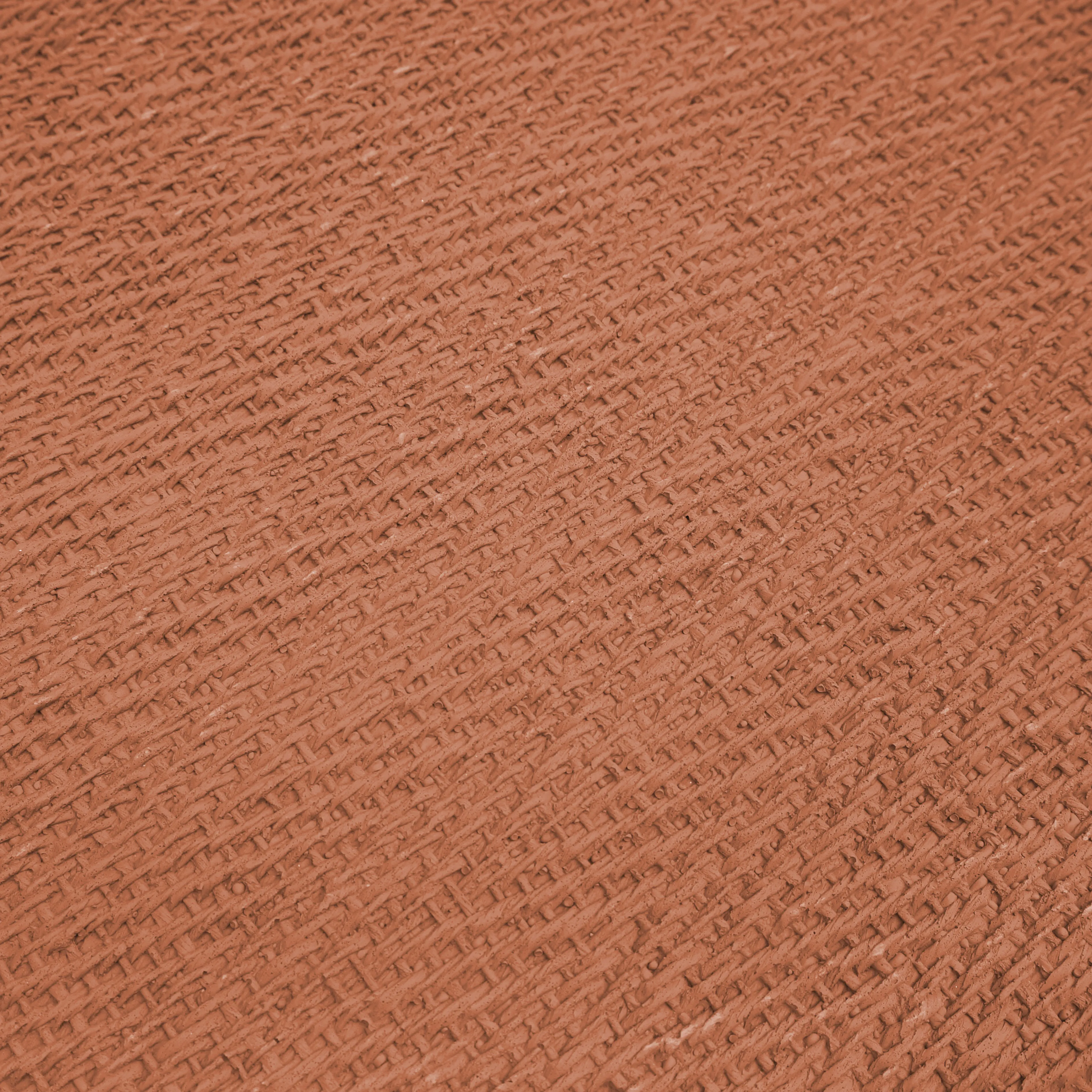
Last but never least: rammed earth board (gradient) . If Weaving (Jacinth) is about texture and foamed aluminium is about shine, rammed earth gradient is about color—specifically, the way color shifts and flows like a sunset over a desert. Rammed earth has been used for centuries, from ancient Chinese fortresses to African mud-brick homes, prized for its thermal mass and earthy aesthetic. But COLORIA took this traditional material and gave it a modern twist: gradient colorways that blend from soft terracotta to deep sienna, or pale sand to rich ochre, creating a surface that looks like a landscape captured in stone.
Imagine a living room where one wall is clad in rammed earth gradient, starting with a warm, honeyed beige at the top and fading into a deep, rusty red at the bottom. As the sun moves across the sky, the light hits the wall differently, making the colors shift—soft and golden in the morning, rich and moody at dusk. It's not just a wall anymore; it's a piece of art that changes with the day. "Clients often say it feels like bringing the outdoors in," a COLORIA designer told me, "but it's more than that. It's bringing the passage of time in. You notice the wall differently in the morning than you do at night, and that makes the space feel alive."
Sustainability is another feather in its cap. Rammed earth is made from locally sourced soil, sand, and gravel, with minimal processing—meaning a smaller carbon footprint than concrete or synthetic materials. The gradient effect is achieved by layering different colored earth mixtures during production, so there's no need for paints or dyes that can chip or fade. It's pure, unadulterated color from the earth itself. For eco-conscious homeowners or brands looking to align with green values, this material is a no-brainer.
The true magic of COLORIA's innovations lies not in each material alone, but in how they dance together. Let's paint a picture: a boutique hotel lobby in Santorini, where the goal is to blend the island's whitewashed architecture with warm, Mediterranean charm. The reception desk is wrapped in foamed aluminium alloy board (vintage gold) , its metallic glow echoing the sunlit sea outside. Behind the desk, a feature wall combines Weaving (Jacinth) and MCM flexible stone —the woven texture adding depth, while the flexible stone, cut into undulating shapes, mimics the island's cliffs. To one side, a seating nook is anchored by a rammed earth board (gradient) wall, its shifting sand-to-ochre hues complementing the blue cushions and rattan chairs. The result? A space that feels both local and luxurious, traditional and forward-thinking.
Or consider a home office designed for creativity. The desk is topped with MCM flexible stone in a cool, gray travertine finish, providing a durable surface for laptops and paperwork. The walls are a mix of Weaving (Jacinth) (for texture and warmth) and rammed earth gradient (for a pop of color that sparks inspiration). Above the desk, a floating shelf made of foamed aluminium alloy (vintage gold) holds books and plants, adding a touch of elegance without overwhelming the space. It's a room that works hard but feels soft—a balance that's hard to achieve with generic building materials.
| Material | Key Features | Aesthetic Vibe | Ideal For |
|---|---|---|---|
| Weaving (Jacinth) | Textile-like texture, durable, jacinth hue, tactile surface | Warm, artisanal, cozy, reminiscent of handwoven fabrics | Cafés, bedrooms, accent walls, hospitality spaces |
| MCM Flexible Stone | Bendable, lightweight, natural stone appearance, eco-friendly | Organic, earthy, versatile, blends with both modern and rustic designs | Curved walls, furniture, yoga studios, commercial facades |
| Foamed Aluminium Alloy (Vintage Gold) | Lightweight, muted metallic finish, durable, scratch-resistant | Glamorous yet understated, vintage-modern, warm and inviting | Bar counters, shelving, accent walls, luxury retail spaces |
| Rammed Earth Board (Gradient) | Natural earth tones, gradient color shift, sustainable, thermal mass | Earthy, timeless, dynamic, connects to nature | Living rooms, eco-friendly homes, wellness centers, outdoor patios |
At the end of the day, design is about people. It's about creating spaces that make us feel something—calm, inspired, connected. Too often, modern building materials feel sterile, like they're designed for efficiency rather than emotion. But COLORIA's innovations—Weaving (Jacinth), MCM flexible stone, foamed aluminium alloy (vintage gold), rammed earth board (gradient)—are different. They're materials with soul.
Take Weaving (Jacinth): it's not just a wall covering; it's a reminder of the time our grandmother spent teaching us to knit, or the way a handwoven rug feels underfoot on a cold morning. MCM flexible stone connects us to the earth, to the mountains and valleys that shaped our planet. Foamed aluminium alloy (vintage gold) evokes memories of heirloom jewelry or the gilded frames of old family photos. Rammed earth gradient? It's the color of sunsets we've watched, of deserts we've dreamed of visiting. These materials don't just fill space—they fill it with stories.
For designers, this means more tools to craft meaningful experiences. For homeowners, it means spaces that reflect who they are, not just what's trendy. For businesses, it means creating environments that customers remember—and return to. In a world that often feels disconnected, COLORIA is weaving us back together, one material at a time.
As we look to the future, it's clear that weaving design will only grow more innovative. COLORIA GROUP is already experimenting with new colorways for Weaving (Jacinth)—think soft pastels for coastal homes or deep, moody tones for urban lofts. MCM flexible stone is being developed in thinner sheets, opening up possibilities for use in furniture, art installations, even fashion (imagine a sculptural dress made from stone-like material). Foamed aluminium alloy is getting more sustainable, with recycled content percentages on the rise. And rammed earth gradient? The team is playing with bolder color shifts—maybe even incorporating subtle metallic flecks for a starry-night effect.
But no matter how advanced the technology gets, the core of these materials will remain the same: the human touch. Because at the end of the day, we don't just live in spaces—we live with them. We cry in them, laugh in them, dream in them. And the best spaces are the ones that feel like they're living, too—changing, evolving, and growing with us. With materials like Weaving (Jacinth), MCM flexible stone, foamed aluminium alloy (vintage gold), and rammed earth board (gradient), COLORIA GROUP isn't just building the future of design—they're building the future of how we live.
So the next time you walk into a space and think, "This feels different," take a closer look. Maybe it's the texture of Weaving (Jacinth) under your fingertips, or the way light plays off a foamed aluminium wall. Maybe it's the earthy gradient of a rammed earth board, or the gentle curve of MCM flexible stone. Whatever it is, chances are, it's more than just a material—it's a thread in the beautiful, ever-unfolding story of design. And that, more than anything, is the future we're weaving toward.
Recommend Products












