
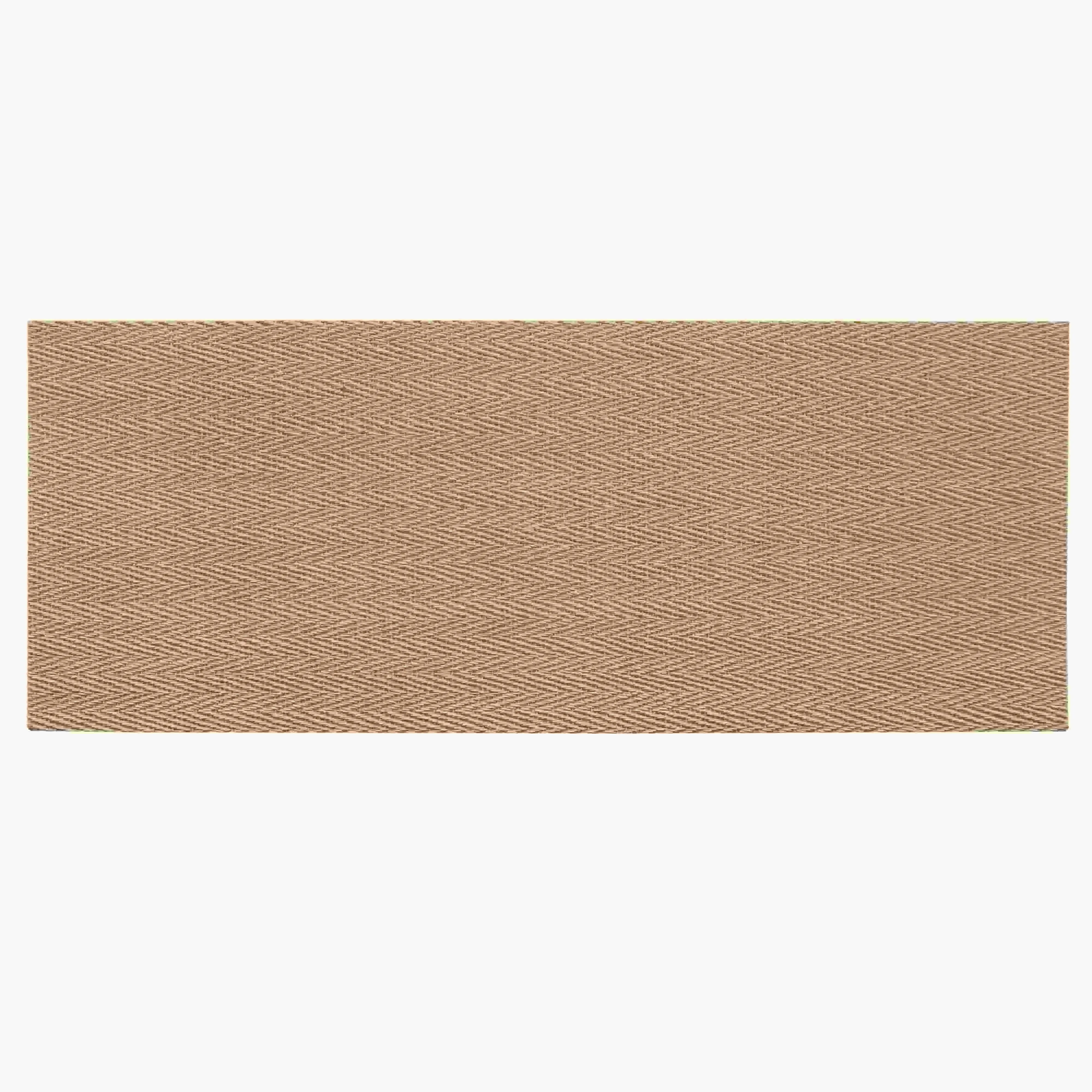
Walk into any thoughtfully designed space—a boutique hotel lobby, a cozy neighborhood café, or even a modern office—and you'll notice something quietly powerful: texture. It's the unsung hero of interior and exterior design, the element that turns a flat wall into a storyteller, a cold surface into a memory-maker. Textures evoke emotions: the roughness of stone might ground us, the softness of fabric might soothe us, and the intricate patterns of weaving? They invite us to lean in, to trace with our eyes, to feel a connection to something handmade and human. In the world of Modern Composite Materials (MCM), one texture has been steadily rising in prominence for its ability to blend warmth, versatility, and modern edge: Weaving (Khaki). Today, we're diving into where this earthy, tactile texture stands now, and the innovations that will shape its future in MCM design.
Before we zoom in on Weaving (Khaki), let's take a step back. Why do textures matter so much in architecture and design? Think about the last time you entered a room and immediately felt "at home." Chances are, texture played a role. Smooth, shiny surfaces can feel sleek but sterile; too much of them and a space starts to feel like a hospital waiting room. On the flip side, textures add depth—literally and figuratively. They catch light differently throughout the day, creating shadows that shift and dance. They absorb sound, making a busy restaurant feel intimate. They even trigger memories: the woven rattan of a childhood porch swing, the rough-hewn fabric of a grandmother's armchair. Textures are sensory; they turn spaces into experiences.
In recent years, as minimalism has given way to "warm minimalism" and "tactile maximalism," designers have leaned into textures that feel both organic and intentional. Weaving textures, in particular, have become a favorite. They bridge the gap between nature and craft, bringing the look of handwoven fibers without the fragility of traditional materials. And among weaving textures, Khaki has emerged as a standout. Its earthy, muted tone—think dried grass, sun-baked sand, or weathered linen—complements nearly every color palette, from soft neutrals to bold accents. It's versatile enough for a rustic cabin and sophisticated enough for a high-end retail store. But what truly sets Weaving (Khaki) apart is its adaptability, especially when paired with MCM technology.
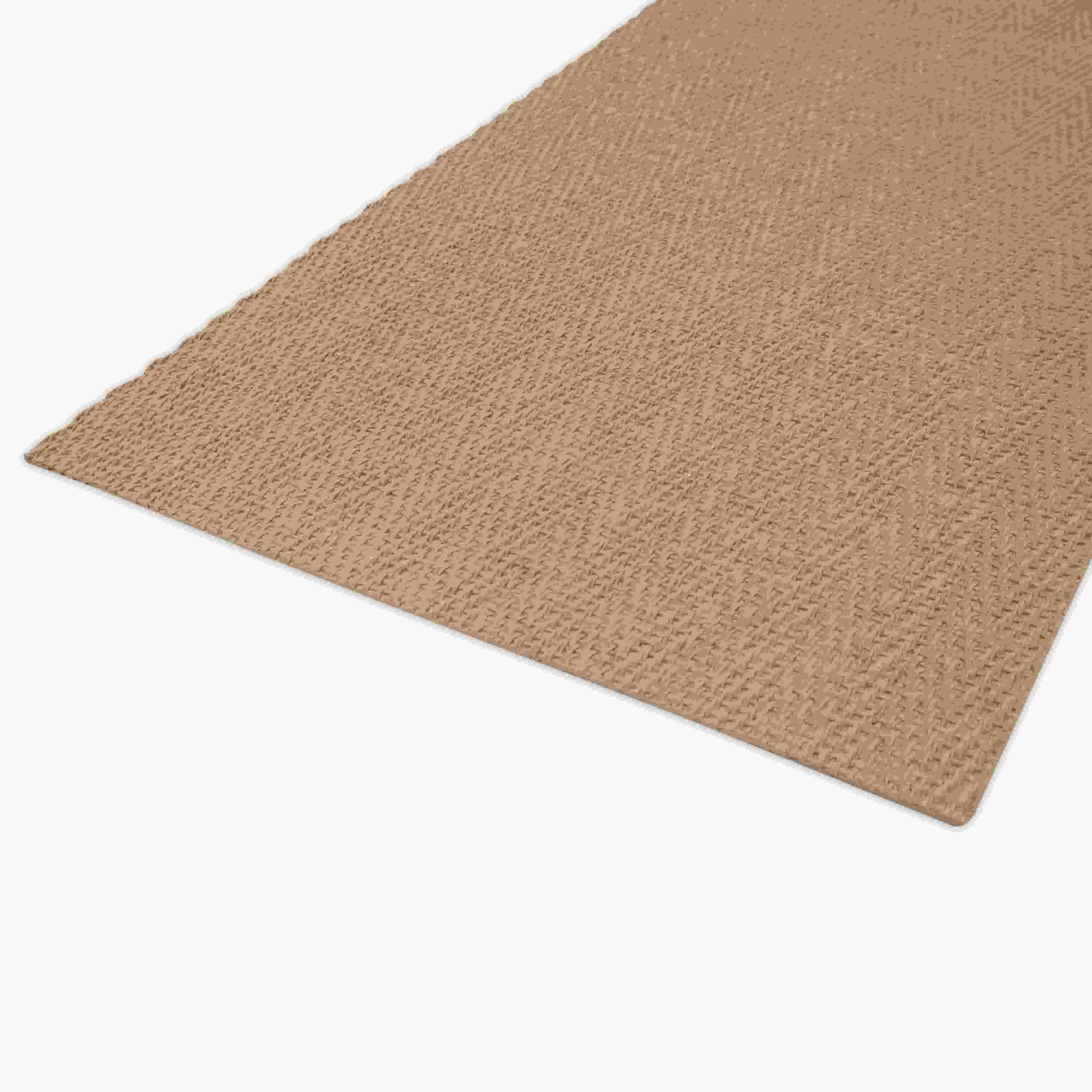
Right now, if you walk through design showrooms or scroll through interior design platforms, you'll spot Weaving (Khaki) popping up in unexpected places. It's not just on throw pillows or rugs anymore—though those are lovely. Thanks to MCM advancements, Weaving (Khaki) has moved to walls, ceilings, facades, and even furniture. Imagine a boutique hotel in Lisbon where the lobby walls are clad in large panels of Weaving (Khaki) MCM, their interlaced patterns catching the light from floor-to-ceiling windows. Or a café in Tokyo where the bar front features the texture, adding warmth to the otherwise sleek, industrial space. Even outdoor spaces are getting in on the action: public parks with Weaving (Khaki) benches, or restaurant patios where the texture lines the pergola, creating dappled shadows on the tables below.
What makes these applications possible? MCM's core strengths: durability, flexibility, and design freedom. Traditional weaving materials—wicker, jute, even some synthetic fabrics—are prone to fading, fraying, or warping when exposed to moisture, sunlight, or heavy use. MCM Weaving (Khaki), on the other hand, is engineered to withstand the elements. It's water-resistant, fire-retardant, and low-maintenance, making it suitable for both indoor and outdoor use. And because MCM panels are lightweight, they're easier to install than stone or brick, opening up possibilities for large-scale projects that would have been impractical with traditional weaving textures.
But designers aren't stopping at "good enough." They're pushing the boundaries of what Weaving (Khaki) can do, thanks to cutting-edge MCM innovations. Let's explore the trends that are set to redefine this texture in the years ahead.
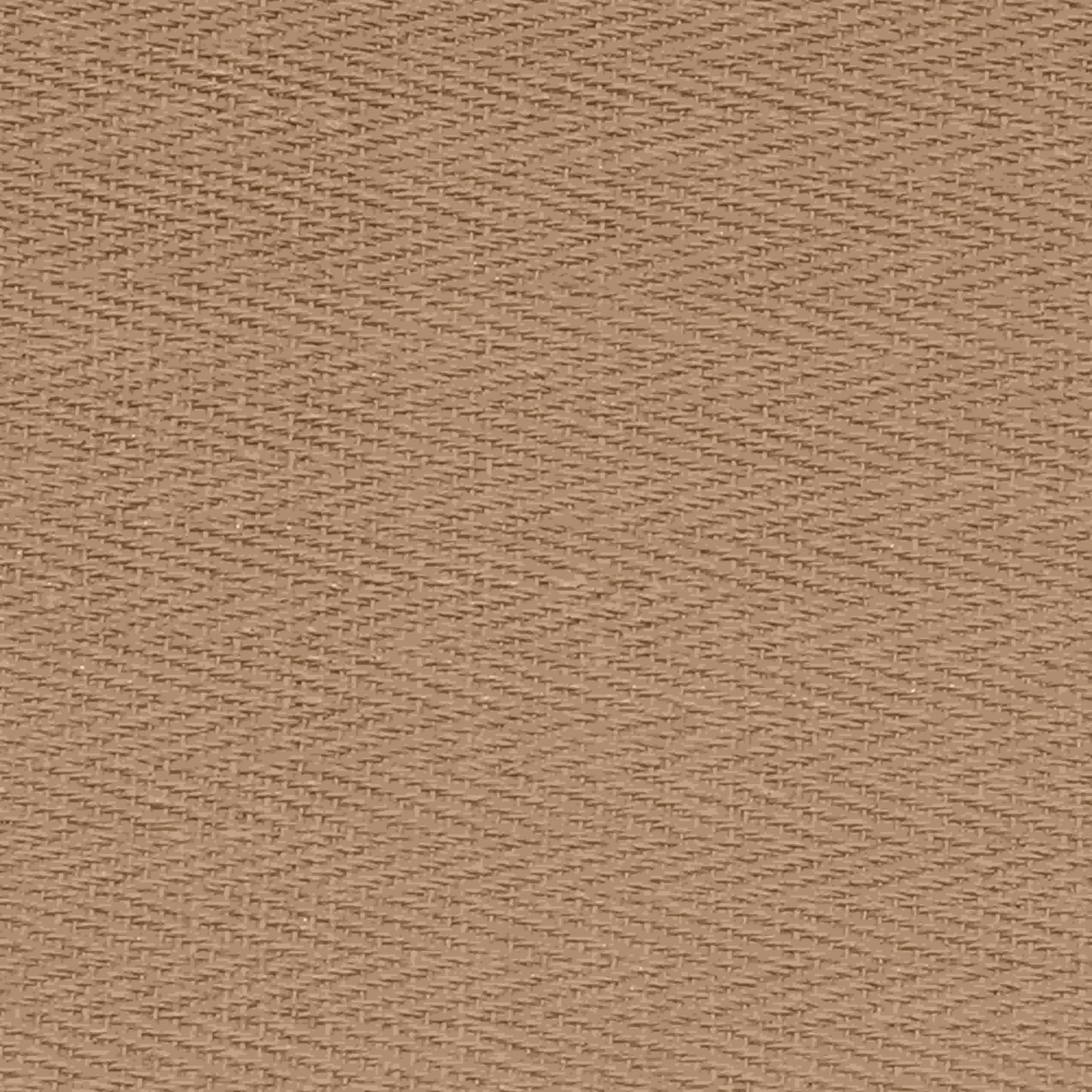
One of the most exciting developments in MCM is the rise of flexible stone—a material that marries the look and feel of natural stone with the bendability of fabric. MCM flexible stone is made by compressing natural stone particles with polymer resins, resulting in thin, lightweight sheets that can curve, wrap, and conform to almost any surface. And when you pair this flexibility with Weaving (Khaki) texture, magic happens.
Traditionally, weaving textures were limited to flat or slightly curved surfaces. If a designer wanted to clad a rounded column or a wave-shaped wall with a woven pattern, they'd have to piece together small sections, leading to visible seams and a less cohesive look. MCM flexible stone changes that. Weaving (Khaki) panels can now be bent to follow the contours of any structure, whether it's a circular lobby desk, a spiral staircase wall, or an undulating exterior facade. This opens up a world of possibilities for architects and designers to create spaces that feel fluid and organic, rather than boxy and rigid.
Take, for example, a recent project in Barcelona: a community center with a curved auditorium wall designed to improve acoustics. The design team chose Weaving (Khaki) MCM flexible stone for the wall, not just for its visual appeal, but because the texture helps absorb sound. The panels were bent to follow the wall's gentle curve, creating a seamless, wave-like surface that looks as if it was woven in place. The result? A space that's both acoustically functional and visually stunning, with the Khaki tone adding warmth to the room's cool concrete floors and steel accents.
Beyond curved surfaces, MCM flexible stone also allows Weaving (Khaki) to be used in high-traffic areas that were once off-limits. Think airport terminals, subway stations, or school hallways—spaces where durability is non-negotiable. Unlike traditional woven materials, which scratch or tear easily, MCM Weaving (Khaki) resists scuffs, stains, and impacts. It's easy to clean with a damp cloth, and it won't fade even with constant exposure to sunlight. For facility managers, that means lower maintenance costs and longer-lasting beauty. For designers, it means more freedom to use Weaving (Khaki) in the spaces where people gather most.
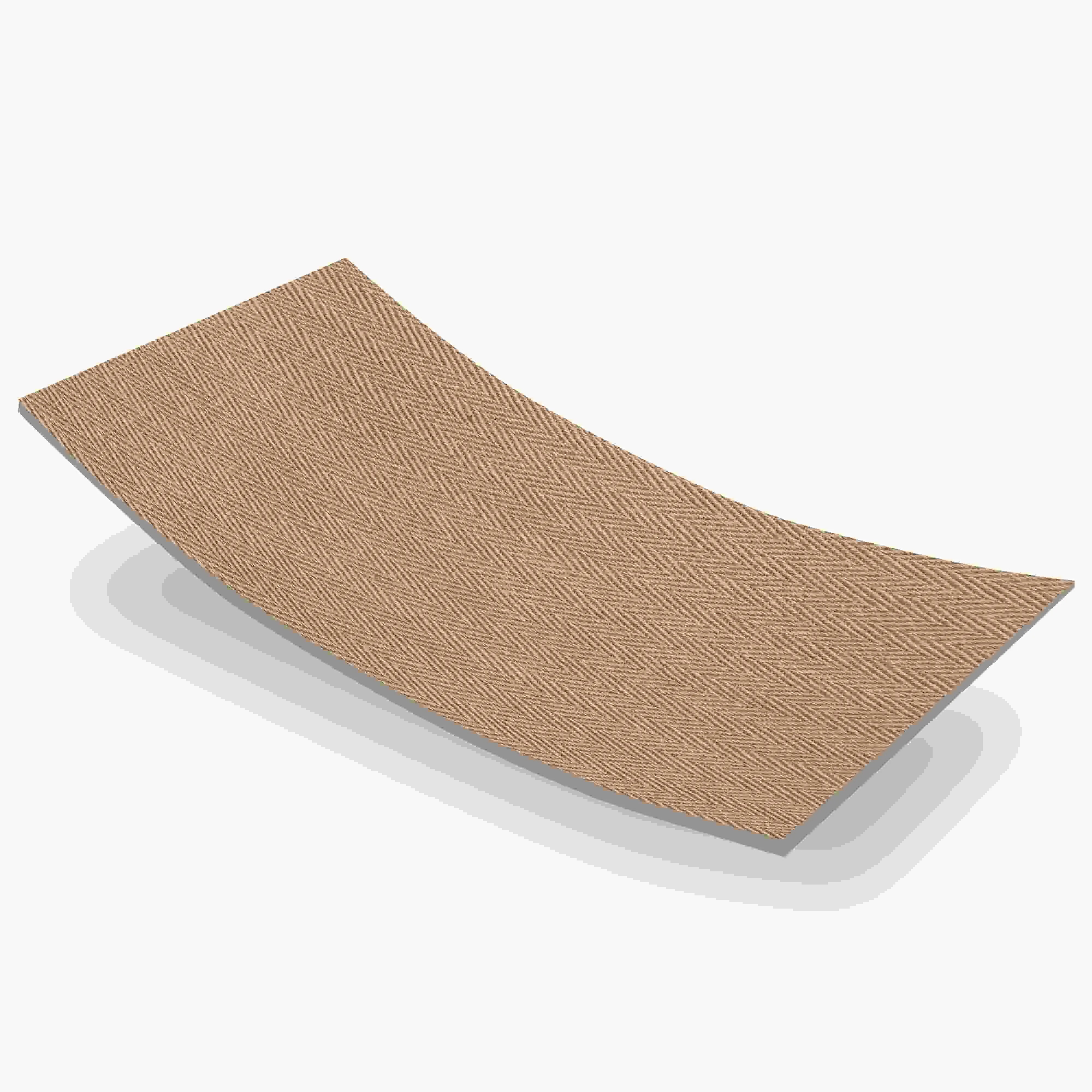
If there's one technology that's revolutionized manufacturing in the last decade, it's 3D printing. And in the world of MCM, the MCM 3D printing series is taking texture design to new heights—especially for Weaving (Khaki). Traditional weaving textures are limited by the patterns that can be replicated with molds or stamps. 3D printing, however, allows for infinite customization, from subtle variations in thread thickness to intricate, multi-layered patterns that mimic the look of handwoven textiles with uncanny accuracy.
Here's how it works: Designers can create digital models of their ideal Weaving (Khaki) pattern, adjusting everything from the size of the weave to the depth of the texture. Once the model is finalized, MCM 3D printers layer composite materials to build the panel, strand by strand. This process allows for textures that are not just printed on the surface, but built into the material itself—meaning the weave pattern has real depth, not just the illusion of it. Run your hand over a 3D-printed Weaving (Khaki) panel, and you'll feel the ridges and valleys of the threads, just like you would with a handwoven fabric. But unlike fabric, these panels are made from high-strength MCM, so they'll hold their shape for decades.
One of the most exciting applications of 3D-printed Weaving (Khaki) is in custom furniture and accent pieces. A luxury furniture brand in Milan recently launched a line of tables with 3D-printed Weaving (Khaki) MCM tabletops. Each table features a unique weave pattern, designed in collaboration with the client. One client, a fashion designer, requested a pattern that mimicked the weave of their signature handbags; another wanted a pattern inspired by the geometry of Japanese tatami mats. The result? Tables that are not just functional, but works of art—each telling a story through its texture. And because 3D printing allows for small-batch production, even independent designers can now offer custom Weaving (Khaki) pieces without the high costs of traditional manufacturing.
But 3D printing isn't just for small-scale projects. It's also being used to create large-scale installations that push the boundaries of what's possible with texture. Last year, a public art project in Seoul featured a 50-foot-tall mural made from 3D-printed Weaving (Khaki) MCM panels. The mural, which depicts a forest landscape, uses varying weave densities to create the illusion of depth—dense weaves for tree trunks, loose weaves for leaves. The Khaki tone, mixed with hints of green and brown from other MCM textures, makes the mural feel alive, as if the trees are swaying in the wind. It's a powerful example of how 3D printing can turn Weaving (Khaki) from a surface texture into a medium for storytelling.
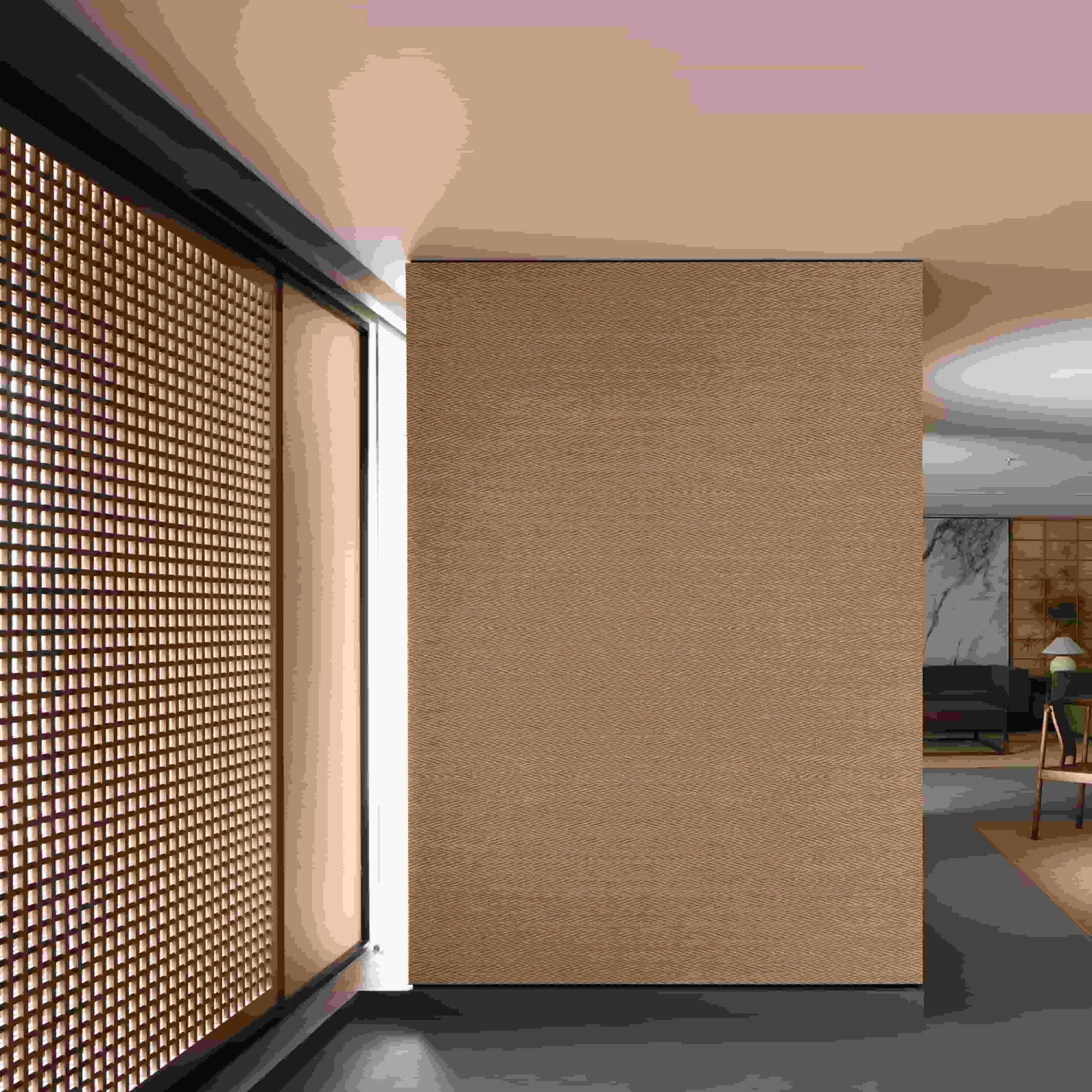
Great design is often about balance—mixing textures, colors, and materials to create harmony. Weaving (Khaki), with its earthy, neutral tone and tactile surface, is the perfect partner for other MCM materials, and designers are increasingly exploring these pairings to create layered, dynamic spaces. Let's take a look at two materials that are emerging as standout complements to Weaving (Khaki): fair-faced concrete and foamed aluminium alloy board (vintage gold).
First, fair-faced concrete. There's something inherently striking about the contrast between the soft, organic texture of Weaving (Khaki) and the cool, industrial look of fair-faced concrete. Fair-faced concrete is known for its raw, unpolished finish—think exposed aggregate, subtle color variations, and a matte surface that feels both modern and timeless. When paired with Weaving (Khaki), it creates a balance of warmth and edge. Imagine a restaurant where the walls are clad in fair-faced concrete, but the ceiling features Weaving (Khaki) MCM panels. The concrete adds a sleek, contemporary vibe, while the Khaki weave softens the space, making it feel cozy rather than cold. The combination works especially well in urban settings, where designers want to nod to the city's industrial past while adding a touch of nature-inspired warmth.
A recent project in Berlin exemplifies this synergy: a co-working space housed in a former factory. The building's original concrete columns and beams were left exposed, their rough surfaces telling the story of the space's history. To modernize the interior, the design team added Weaving (Khaki) MCM panels to the walls of the lounge area, along with plush seating and wooden tables. The result is a space that feels both industrial and inviting—a nod to the past with an eye toward the future. Employees and freelancers often comment on how the combination of textures makes the space feel dynamic: the concrete keeps it grounded, while the Khaki weave adds energy and warmth.
Then there's foamed aluminium alloy board (vintage gold), a material that adds a touch of luxury to Weaving (Khaki)'s earthiness. Foamed aluminium is lightweight, durable, and has a unique, spongy texture that catches light in unexpected ways. The vintage gold finish—warm, not brash—complements Khaki's natural tone, creating a pairing that feels both elegant and approachable. Designers are using this combination in high-end retail and hospitality spaces, where creating a sense of luxury is key.
Consider a boutique hotel in Dubai, where the lobby features a feature wall made from alternating panels of Weaving (Khaki) MCM and foamed aluminium alloy board (vintage gold). The Khaki panels are arranged in a tight, herringbone weave, while the gold panels are laser-cut with a geometric pattern that echoes the weave's lines. The result is a wall that shimmers subtly as you walk by, with the gold catching the light and the Khaki adding depth. It's a sophisticated look that feels expensive without being ostentatious—a balance that's hard to achieve with other materials.
But the synergy doesn't stop there. Designers are also pairing Weaving (Khaki) with wood grain board MCM, creating spaces that feel like a modern take on a rustic cabin. Or with marble stream stone, adding a touch of elegance to the weave's casual vibe. The key is that Weaving (Khaki) is a chameleon—it adapts to its surroundings, enhancing other materials rather than competing with them. As MCM technology continues to evolve, we can expect to see even more creative pairings, from Weaving (Khaki) and glass to Weaving (Khaki) and recycled materials.
If there's one trend shaping the future of design more than any other, it's sustainability. Today's consumers and businesses alike are demanding materials that are eco-friendly, energy-efficient, and long-lasting. And MCM Weaving (Khaki) is rising to the challenge, thanks to its inherent sustainability features and adaptability to green building practices.
First, let's talk about the materials themselves. MCM is typically made from a blend of natural minerals (like stone or clay) and recycled polymers, which reduces the need for virgin resources. Weaving (Khaki) MCM panels, in particular, often use recycled content in their composition—think reclaimed stone dust or post-consumer plastic that's been repurposed. This not only lowers the environmental impact of production but also gives the texture a unique, varied appearance; no two panels are exactly alike, adding to their organic charm.
Beyond production, MCM Weaving (Khaki) is also sustainable in use. Unlike traditional woven materials, which require frequent replacement due to wear and tear, MCM panels can last for decades with minimal maintenance. They don't need to be painted, stained, or sealed, and they're resistant to mold, mildew, and pests. For building owners, that means fewer resources spent on repairs and replacements over time. For the planet, it means less waste ending up in landfills.
Adaptability is another key sustainability feature. MCM Weaving (Khaki) panels are designed to be easily removed and recycled at the end of their lifecycle. In fact, some MCM manufacturers now offer take-back programs, where old panels are collected, ground down, and used to make new ones. This closed-loop system is a game-changer for the construction industry, which is notoriously wasteful. Imagine a hotel that renovates its lobby every 10 years—instead of sending old wall panels to the landfill, they can be recycled into new Weaving (Khaki) panels, reducing the project's carbon footprint.
But sustainability isn't just about materials; it's also about energy efficiency. Weaving (Khaki) MCM panels can contribute to a building's thermal performance, helping to reduce heating and cooling costs. The texture's air pockets act as natural insulators, trapping heat in winter and keeping spaces cool in summer. In one case study, a school in Norway retrofitted its exterior walls with Weaving (Khaki) MCM panels and saw a 15% reduction in heating costs during the winter months. The panels not only improved insulation but also added a pop of color to the school's gray concrete exterior, boosting student morale in the process.
| Feature | Traditional Weaving Textures (e.g., fabric, rattan) | MCM Weaving (Khaki) Texture |
|---|---|---|
| Material Composition | Natural fibers (cotton, jute) or synthetic fabrics; prone to degradation. | Blend of natural minerals and recycled polymers; engineered for durability. |
| Durability | Low to moderate; fades, tears, or warps with moisture/sunlight. | High; resistant to fading, staining, impacts, and weathering. |
| Flexibility | Limited to flat or slightly curved surfaces; seams visible on complex shapes. | Highly flexible (with MCM flexible stone); can bend to follow any contour. |
| Applications | Primarily indoor; limited to low-traffic areas (walls, furniture accents). | Indoor and outdoor; suitable for high-traffic areas (facades, floors, public spaces). |
| Maintenance | High; requires regular cleaning, sealing, or replacement. | Low; wipe clean with water; no sealing or special treatments needed. |
| Sustainability | Variable; natural fibers may require pesticides/water; short lifespan leads to waste. | High; recycled materials, long lifespan, and recyclable at end of use. |
So, what does the future hold for Weaving (Khaki) in MCM? If current trends are any indication, the texture is poised to become even more integral to design in the years ahead. Here are a few predictions based on industry innovations and designer insights:
1. Smart Textures with Embedded Technology : As smart buildings become more common, we may see Weaving (Khaki) MCM panels integrated with technology like sensors or LED lights. Imagine a conference room where the Weaving (Khaki) walls light up subtly when someone enters, or a retail store where the texture changes color to match the season's collection. The weave pattern could even be designed to hide wiring or speakers, keeping spaces looking clean and uncluttered.
2. Biophilic Design Integration : Biophilic design—creating spaces that connect people to nature—is a growing trend, and Weaving (Khaki) is a natural fit. Future innovations may see the texture paired with living materials, like moss walls or vertical gardens, to create spaces that feel even more connected to the outdoors. Imagine a hospital waiting room where Weaving (Khaki) MCM panels frame a living plant wall, the earthy texture complementing the greenery to reduce stress and promote healing.
3. Cultural Fusion Patterns : As the world becomes more interconnected, designers are drawing inspiration from global cultures. Weaving (Khaki) patterns may start to incorporate motifs from around the world—think Moroccan kilim weaves, Indian dhurrie patterns, or Scandinavian rya rug designs—all reimagined through the lens of MCM technology. This cultural fusion could lead to textures that feel both familiar and fresh, appealing to a global audience.
4. Customization at Scale : Thanks to 3D printing and digital design tools, customization will become more accessible. Homeowners may soon be able to design their own Weaving (Khaki) patterns using online tools, uploading photos or drawings to create personalized panels for their homes. For businesses, this means the ability to create branded textures—think a coffee chain with a weave pattern that matches its logo, or a hotel with a pattern inspired by the local landscape.
At the end of the day, Weaving (Khaki) in MCM isn't just about a trend or a material—it's about the stories we want our spaces to tell. It's about creating environments that feel human, that connect us to nature and craft, even in the most modern of settings. As MCM technology continues to evolve—bringing flexibility, durability, and sustainability to the forefront—Weaving (Khaki) will only become more versatile, more creative, and more integral to the way we design our world.
So the next time you walk into a space with Weaving (Khaki) walls or a Weaving (Khaki) facade, take a moment to appreciate the innovation behind it. It's not just a texture—it's a testament to how far design has come, and a glimpse of where it's going. And who knows? Maybe one day, you'll be the one designing a space with a custom Weaving (Khaki) pattern, using 3D printing and flexible stone to bring your vision to life. The future of texture is here, and it's woven with possibility.
Recommend Products












