
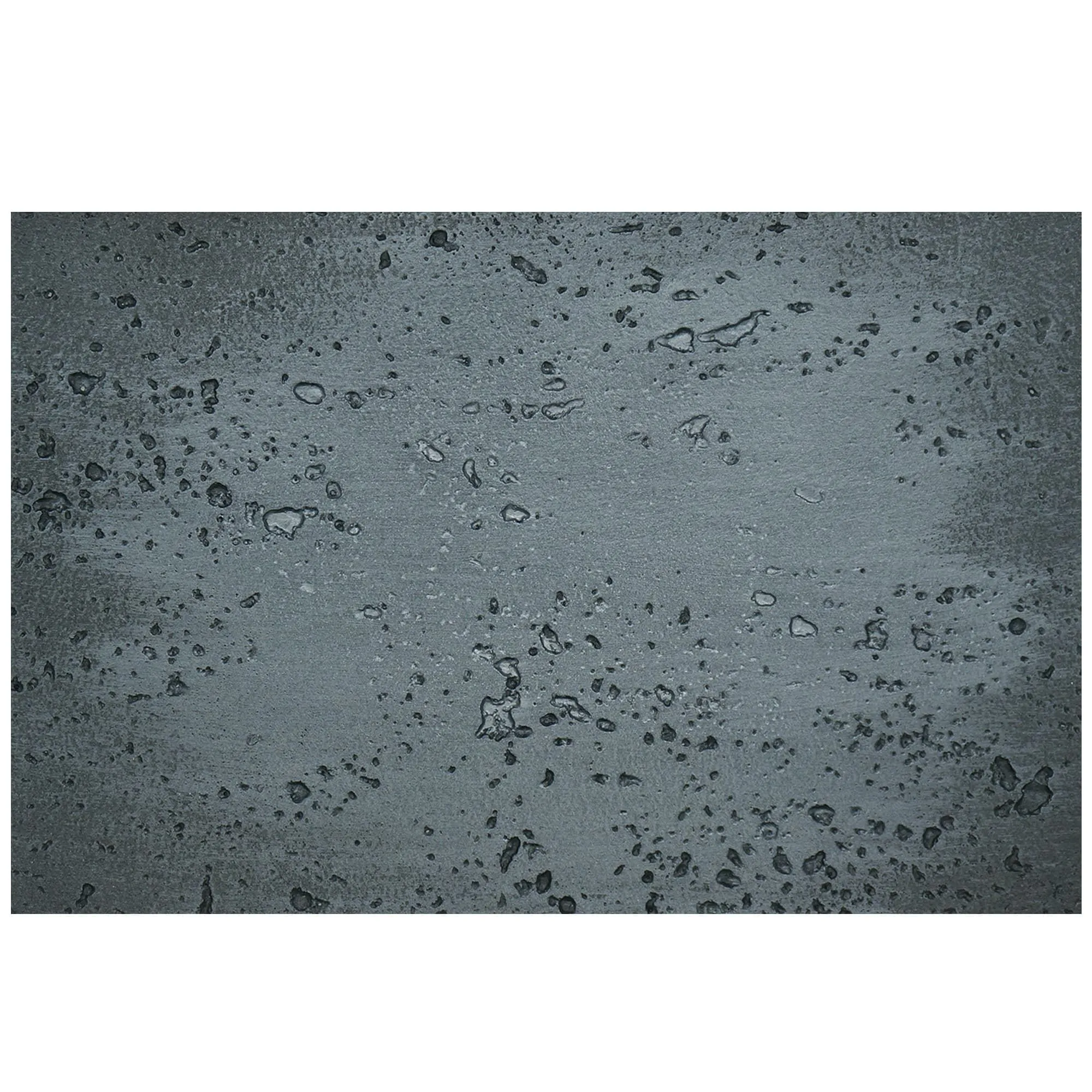
Deep beneath the Earth's surface, time moves in slow, deliberate strokes—minerals dissolve, water flows, and stone is born. Travertine, a sedimentary rock with a story as old as the mountains, isn't just a building material; it's a living archive of our planet's geological past. Among its many iterations, travertine (vintage silver) stands out as a quiet narrator, its cool, muted sheen carrying whispers of ancient seas, volcanic activity, and the patient work of mineral-rich waters. In this exploration, we'll journey through the ages to uncover how vintage silver travertine—and its kin—formed, where they lie hidden across the globe, and why these stones matter not just to architects and designers, but to anyone who cares about the Earth's history.
Before diving into epochs and eras, let's get to know the star of our story: travertine. Unlike granite or marble, which form from molten rock or metamorphosis, travertine is a chemical sedimentary rock . It's born in places where mineral-rich water—think hot springs, limestone caves, or slow-moving rivers—releases calcium carbonate (the same compound in seashells) as it cools or evaporates. Over centuries, these mineral deposits build up layer by layer, creating travertine's signature porous texture and soft, earthy tones.
So, what makes travertine (vintage silver) unique? Picture a stone that shimmers like moonlight on water, but with the warmth of aged metal. Its silver-gray hue isn't just a trick of the light; it's the result of trace minerals—like manganese, aluminum, or even tiny amounts of iron—intertwined with the calcium carbonate during formation. The "vintage" descriptor comes from its patina: over time, exposure to air and water polishes the stone, softening its edges and deepening its color, as if it's been gently worn by the hands of time. It's a stone that feels both ancient and modern, which is why designers and architects reach for it when they want to blend history with contemporary flair.
Compare it to other travertine variants, and you'll see the diversity of this rock family. There's travertine (starry blue) , where copper or cobalt minerals create tiny, sparkling flecks that mimic a night sky; travertine (vintage gold) , with warm, amber undertones from iron oxides; and travertine (starry red) , a fiery cousin stained by high iron content. Each variant is a fingerprint of the environment in which it formed, telling us what the Earth was like when those minerals first settled.
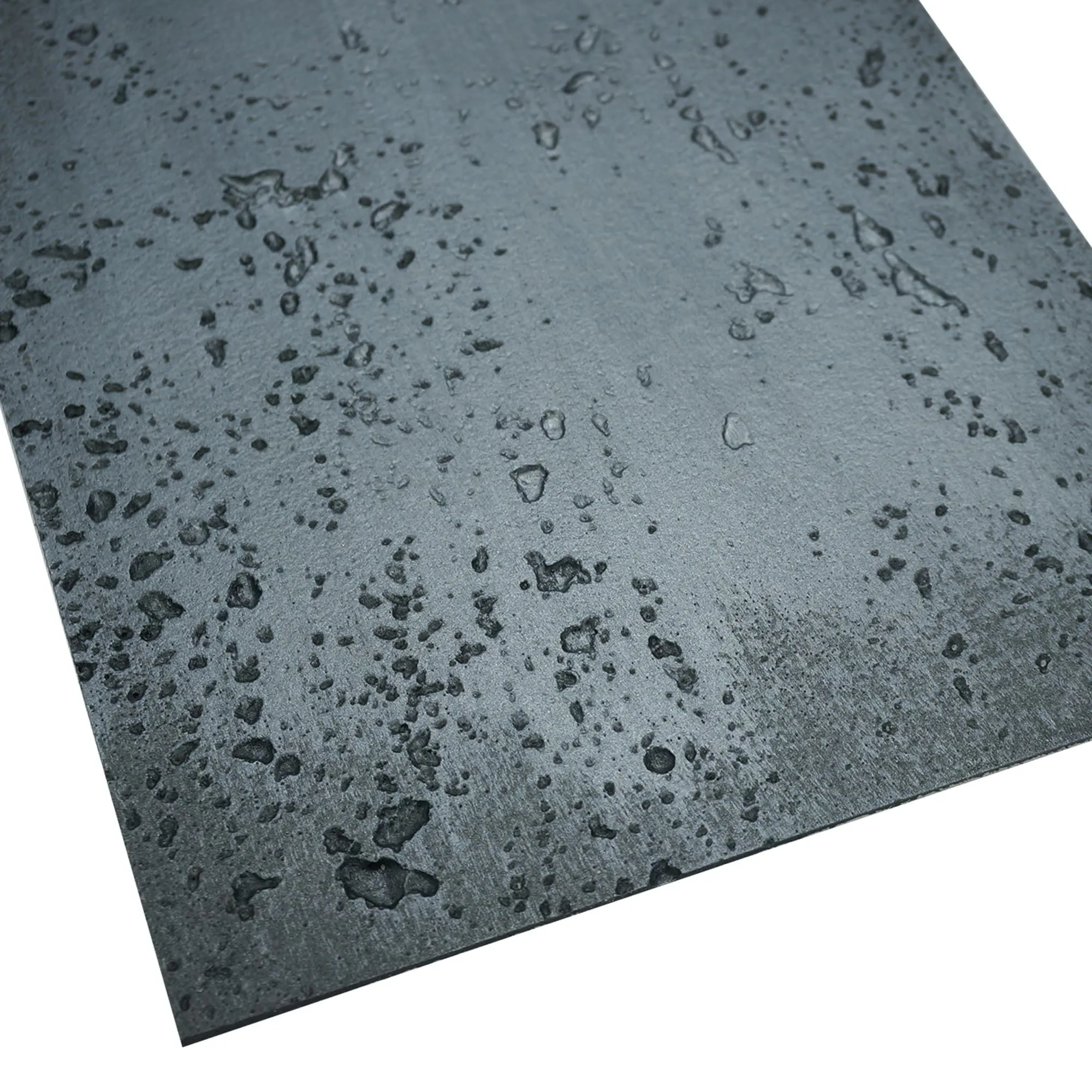
Travertine isn't a one-era wonder. It has formed—and continues to form—across millions of years, leaving deposits in every geological period from the Tertiary (66 to 2.6 million years ago) to the Quaternary (the last 2.6 million years, including our present day). To understand vintage silver travertine's age, we need to look at the conditions that favor its creation: stable temperatures, mineral-rich groundwater, and slow, steady deposition. These conditions have ebbed and flowed with the Earth's climate, leaving behind travertine "time capsules" in unexpected corners of the globe.
The Tertiary was a time of dramatic change. Dinosaurs had vanished, mammals rose to dominance, and the Earth's continents settled into shapes we recognize today. It was also a golden age for travertine, especially in regions with active tectonic plates and volcanic activity—think the Mediterranean, parts of Asia, and the American West. In Italy, for example, the travertine deposits near Tivoli (famous for its ancient Roman quarries) date back to the Miocene epoch (23–5.3 million years ago). Here, volcanic vents released carbon dioxide, which mixed with groundwater to create carbonic acid; this acid dissolved limestone, and when the water emerged as springs, it deposited calcium carbonate, layer upon layer. Some of these Tivoli deposits include early forms of vintage silver travertine, where manganese-rich minerals leached into the stone, giving it that distinctive silvery-gray hue.
As the Earth entered the Quaternary, ice sheets advanced and retreated, sculpting landscapes and altering water flow. This upheaval created new opportunities for travertine formation, particularly in geothermal areas. Take Yellowstone National Park in the U.S.: its travertine terraces, like those at Mammoth Hot Springs, are relatively "young" by geological standards—some dating back just tens of thousands of years. While Yellowstone's travertine is more commonly white or cream, nearby deposits in Idaho and Utah have yielded vintage silver variants, formed when glacial meltwater carried aluminum-rich sediments into mineral springs. These Quaternary deposits are still growing today, a reminder that travertine's story isn't over.
Closer to home, in parts of Turkey, travertine (vintage silver) deposits from the Pleistocene epoch (2.6 million–11,700 years ago) tell tales of ancient lakes and rivers. As glaciers melted, they carved valleys, and mineral-laden waters from the Taurus Mountains filled these basins, depositing travertine over millennia. The "vintage" look here comes from weathering during the last ice age: wind and water scoured the stone, smoothing its surface and enhancing the silver mineral deposits, creating a finish that feels both weathered and refined.
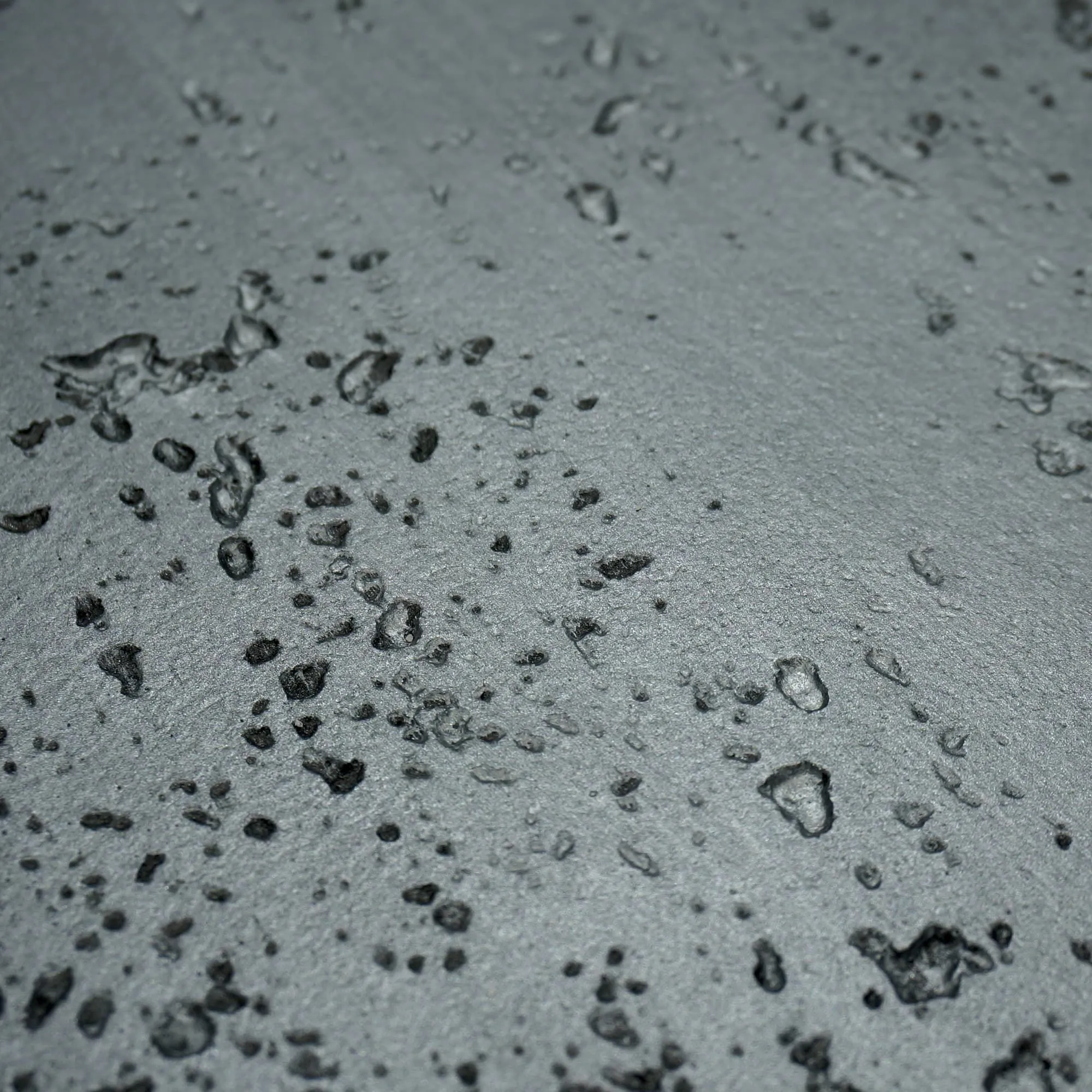
Travertine is a global citizen, with deposits on every continent save Antarctica. Below, we'll explore some of the most significant sites, highlighting their geological ages, unique characteristics, and how they fit into the story of vintage silver travertine.
| Location | Geological Period/Age | Key Travertine Variants | Notable Features |
|---|---|---|---|
| Tivoli, Italy | Miocene (23–5.3 million years ago) | Vintage silver, cream, golden travertine | Ancient Roman quarries; used in the Colosseum and Pantheon. Manganese deposits give vintage silver its hue. |
| Pamukkale, Turkey | Pleistocene (2.6 million–11,700 years ago) | Vintage silver, travertine (starry blue) , white travertine | Terraced hot springs; starry blue variants contain copper minerals. Vintage silver here shows glacial weathering. |
| Yellowstone National Park, USA | Holocene (11,700 years ago–present) | White, cream travertine; nearby vintage silver deposits in Idaho | Active geothermal travertine formation; terraces grow by 2–3 cm/year. Idaho deposits linked to glacial meltwater. |
| Xian, China | Pliocene (5.3–2.6 million years ago) | Vintage silver, travertine (starry red) | Used in ancient Chinese architecture; starry red gets color from iron oxide. Vintage silver here is rare and highly prized. |
| Cappadocia, Turkey | Miocene–Pliocene (23–2.6 million years ago) | Vintage gold, vintage silver, travertine (starry orange) | Volcanic ash mixed with mineral waters created unique textures. Starry orange has sulfur-based minerals. |
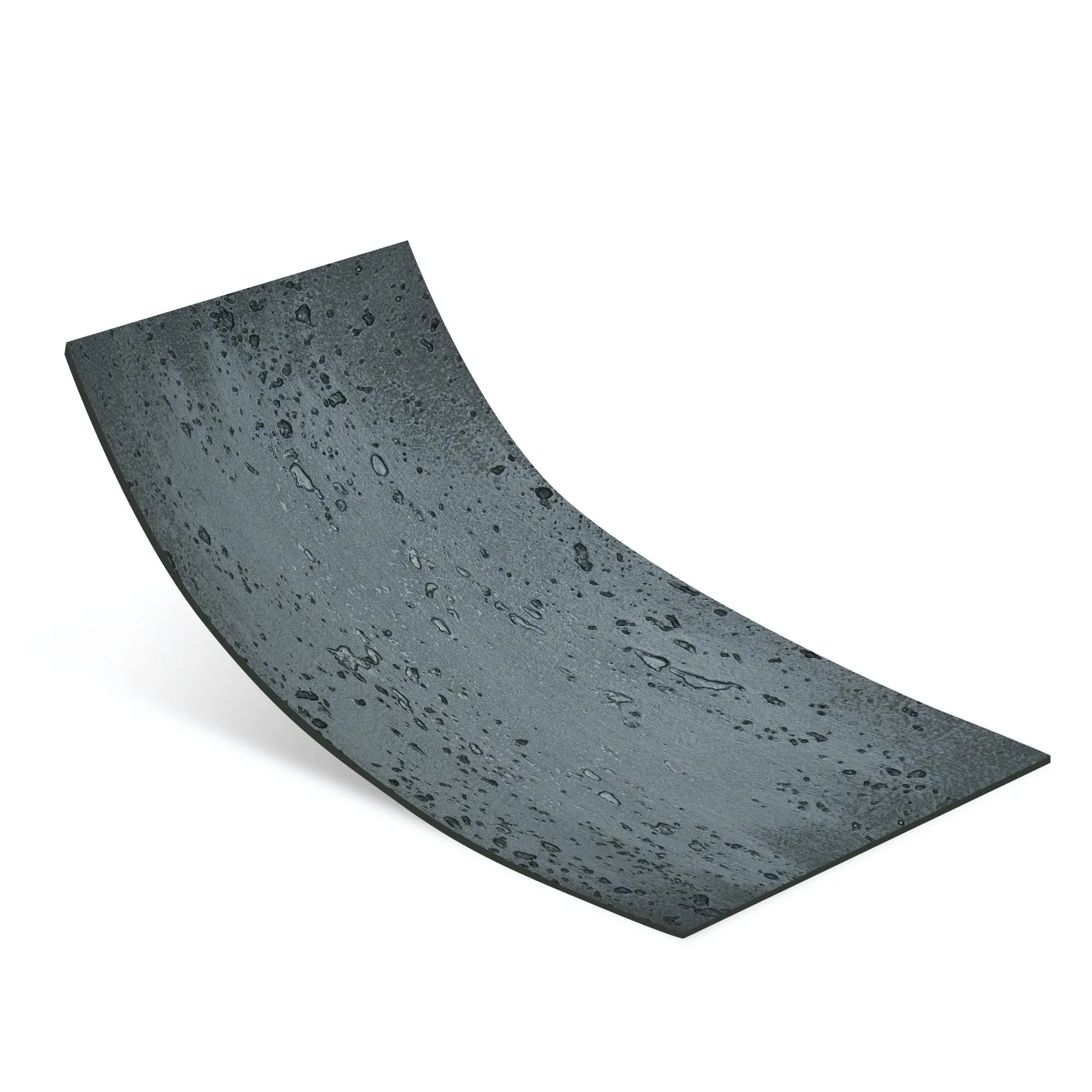
Stones don't just record geological history—they shape human history, too. Travertine, with its durability and beauty, has been a historical pathfinders stone , guiding civilizations in construction, art, and even culture. The ancient Romans, for instance, weren't just using travertine from Tivoli because it was abundant; they recognized its strength (it's resistant to fire and weathering) and its ability to be carved into intricate designs. The Colosseum's outer walls, the columns of the Pantheon—these are more than buildings; they're testaments to how travertine became a symbol of power and permanence.
Fast forward to the Renaissance, and travertine was again in the spotlight. Architects like Michelangelo favored it for its softness, which made it ideal for sculpting. In modern times, travertine (vintage silver) has found new purpose: in minimalist homes, where its muted tone complements clean lines; in commercial spaces, where its durability stands up to heavy foot traffic; and in sustainable design, as a natural, low-carbon alternative to synthetic materials. It's a stone that bridges eras, proving that some of the Earth's oldest creations can still feel fresh and relevant.
Consider the lunar peak silvery stone, a distant cousin to travertine. While not a travertine itself (it's a type of metamorphic rock), its silvery, moon-like sheen has drawn comparisons to vintage silver travertine. Yet, where lunar peak silvery forms under intense heat and pressure deep underground, travertine's story is one of surface waters and slow accumulation. This contrast highlights the diversity of Earth's geological processes—and why each stone, including travertine, is a unique chapter in our planet's biography.

Beyond beauty and utility, travertine is a critical tool for scientists studying past climates. Because it forms in water, travertine traps tiny bubbles of ancient air, pollen, and even microorganisms, preserving them for millions of years. By analyzing these "fossilized" clues, geologists can reconstruct temperature patterns, rainfall levels, and even the composition of the atmosphere from when the travertine was formed. A vintage silver travertine deposit in Turkey, for example, might contain pollen from oak and pine trees, indicating that the region was once warmer and wetter than it is today. These insights help us understand how the Earth's climate has changed—and how it might change in the future.
There's also the matter of conservation. Many travertine deposits, especially those in fragile ecosystems like hot springs, are threatened by over-harvesting, pollution, and climate change. By valuing travertine not just for its looks but for its scientific and historical importance, we can push for more sustainable quarrying practices. After all, once a travertine deposit is mined, it can't be replaced—not in our lifetime, or even in a thousand lifetimes. Vintage silver travertine, with its unique blend of age and beauty, is a reminder that some treasures are meant to be cherished, not just used.
As we wrap up our journey through the geological ages of travertine, it's hard not to see these stones as more than just inanimate objects. Travertine (vintage silver) is a bridge between the past and present—a slice of Earth's history that we can hold, touch, and build with. From the Miocene travertine quarried by Roman engineers to the Holocene deposits still growing in Yellowstone, each layer of this stone is a page in a book written by time itself.
So, the next time you walk into a building with a vintage silver travertine floor, or run your hand over a countertop made of starry blue travertine, take a moment to pause. You're not just touching stone—you're touching millions of years of water, minerals, and change. You're connecting with the same forces that shaped mountains, carved valleys, and sustained life on this planet. And in that connection, we find something profound: a reminder that we are part of a much larger story, one that began long before us and will continue long after we're gone. Travertine, in all its forms, is nature's way of saying, "Remember where you came from."
*All geological ages mentioned are approximate and based on current scientific research. Travertine formation is ongoing, and new deposits are still being discovered.*
Recommend Products












