
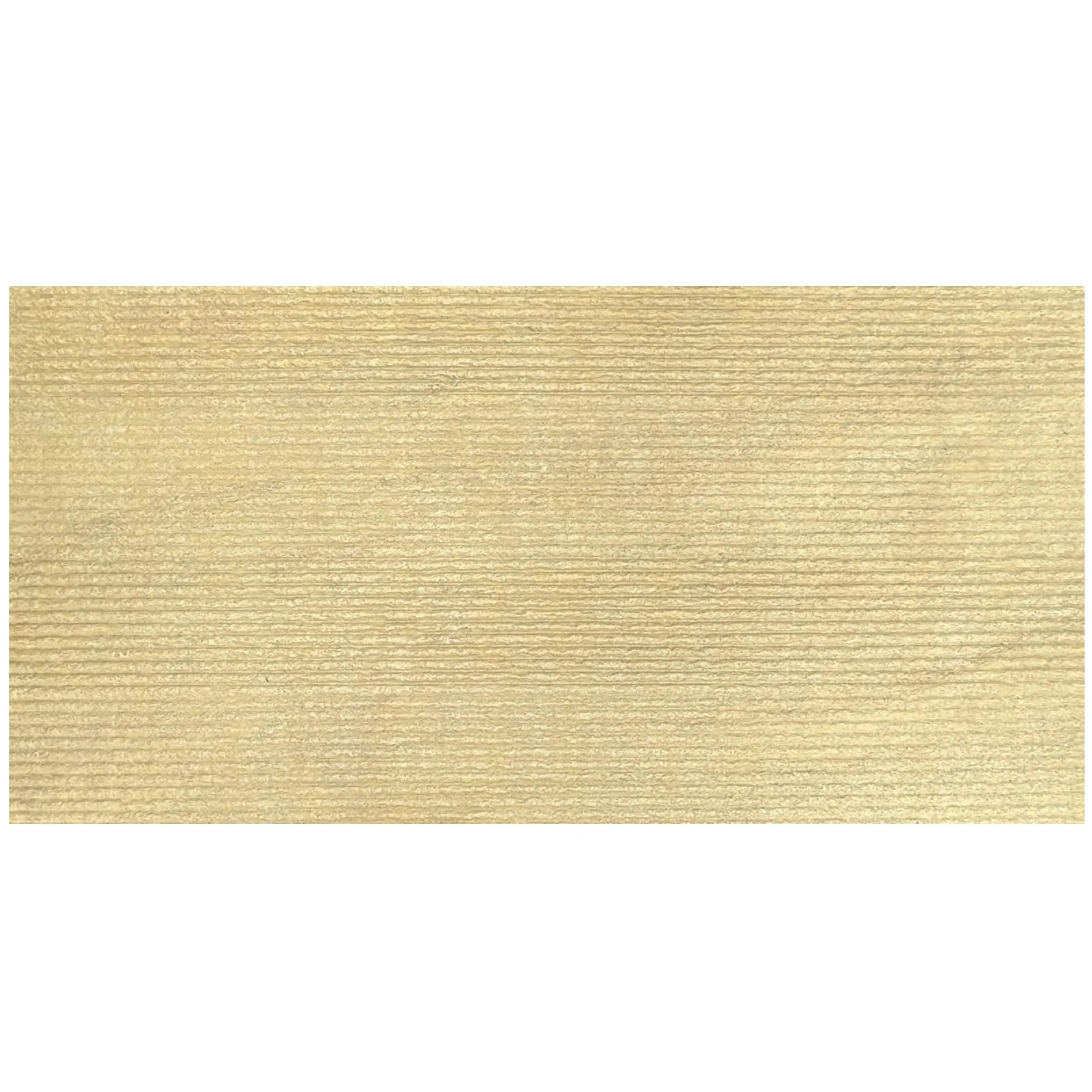
Oman is a country where the earth speaks in stone. From the jagged peaks of the Hajar Mountains to the windswept dunes of the Rub' al Khali, every rock, boulder, and pebble tells a story of millions of years of geological drama. Among these natural narratives, one stone stands out for its rugged beauty and quiet resilience: Gravel Omani Stone. More than just a construction material, it is a product of Oman's diverse landscapes—volcanic activity, ancient seas, monsoon rains, and desert winds all playing their part in crafting this unique material. To understand Gravel Omani Stone is to understand the soul of Oman itself: a land where harsh environments birth extraordinary beauty.
To appreciate how Gravel Omani Stone came to be, we must first step back and examine the stage on which it was formed: Oman's extraordinary geological landscape. This country, roughly the size of Kansas, is a patchwork of tectonic collisions, volcanic eruptions, and climatic shifts that have shaped its terrain over 800 million years. The northern Hajar Mountains, for instance, were pushed up when the Arabian Plate collided with the Eurasian Plate, exposing ancient metamorphic rocks like gneiss and schist. To the south, the Rub' al Khali—the "Empty Quarter"—stretches across 650,000 square kilometers, a sea of sand that hides layers of sediment deposited by prehistoric rivers. Meanwhile, the coastal plains along the Arabian Sea bear the marks of both marine erosion and the occasional monsoon, which dumps up to 300mm of rain in a single season, carving valleys and transporting sediments downstream.
This diversity is key. Gravel Omani Stone, like many of Oman's natural stones, is a sedimentary rock, meaning it formed from the accumulation and compression of smaller particles—sand, silt, gravel, and even organic matter—over time. Sedimentary rocks are nature's scrapbooks, preserving the conditions of the environments in which they formed. In Oman, this means Gravel Omani Stone carries clues about everything from ancient river systems to the aridification of the region over the past 10,000 years. It is, quite literally, a piece of Oman's geological memory.
The story of Gravel Omani Stone begins not in the quarries where it is mined today, but in the mountains and hills of Oman's interior. Here, the forces of weathering—wind, rain, freeze-thaw cycles—break down larger rocks into smaller fragments. In the Hajar Mountains, for example, granite and limestone outcrops are slowly chipped away by daily temperature swings: rocks heat up under the desert sun, expanding, then contract rapidly at night, causing cracks to form. Over centuries, these cracks widen, and boulders split into smaller stones, which are then carried downhill by gravity, flash floods, or seasonal streams.
These fragments—some as small as grains of sand, others as large as tennis balls—eventually find their way into river valleys, or wadis, which are dry for most of the year but roar to life during monsoons. As the water rushes downstream, it tumbles the stones, smoothing their edges and sorting them by size: the smallest particles (silt and clay) are carried the farthest, while larger gravel settles closer to the mountains. In places like Wadi Shab, a popular tourist spot with emerald pools, you can see this process in action: the riverbed is lined with smooth, rounded pebbles, each one a predecessor to Gravel Omani Stone.
Once these gravel-sized sediments settle in a basin—perhaps a dried-up lakebed or a low-lying valley—they begin the slow process of becoming rock. Geologists call this "lithification," a two-step dance of compaction and cementation. Imagine a layer of gravel deposited on the floor of an ancient wadi. Over time, more sediments pile on top: sand from distant deserts, silt from eroding hills, even organic material like leaves or animal bones. The weight of these overlying layers presses down on the gravel, squeezing out air and water from between the particles—a process called compaction. The gravel grains, once loose, are now tightly packed, like sardines in a can.
But compaction alone isn't enough to turn sediment into stone. That's where cementation comes in. Groundwater, which seeps through the sediment layers, carries dissolved minerals like calcite (calcium carbonate), silica (silicon dioxide), or iron oxide. As the water evaporates or the minerals reach saturation, they crystallize between the gravel grains, acting like a natural glue. Over thousands—sometimes millions—of years, these crystals bind the gravel together into a solid rock. The result? Gravel Omani Stone: a conglomerate rock (a type of sedimentary rock made of rounded gravel fragments) with a matrix of finer sediments and mineral cement.
The type of cement determines much of the stone's character. If calcite is the primary cement, the stone may have a light, creamy color; iron oxide, on the other hand, can lend it warm hues of rusty red or orange—colors that echo the desert sunsets of Oman. This is why Gravel Omani Stone is often prized for its earthy palette: it reflects the minerals of the land itself.
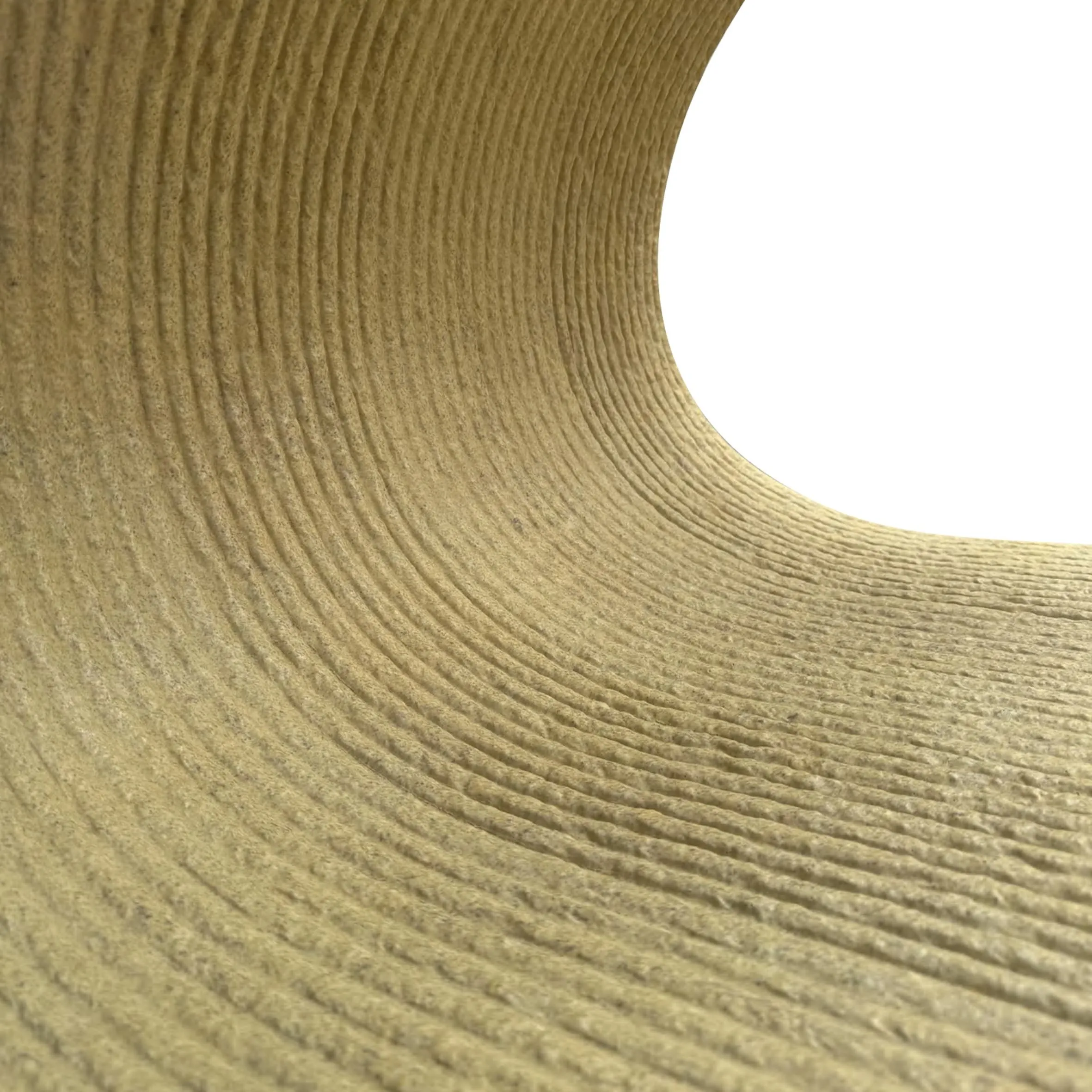
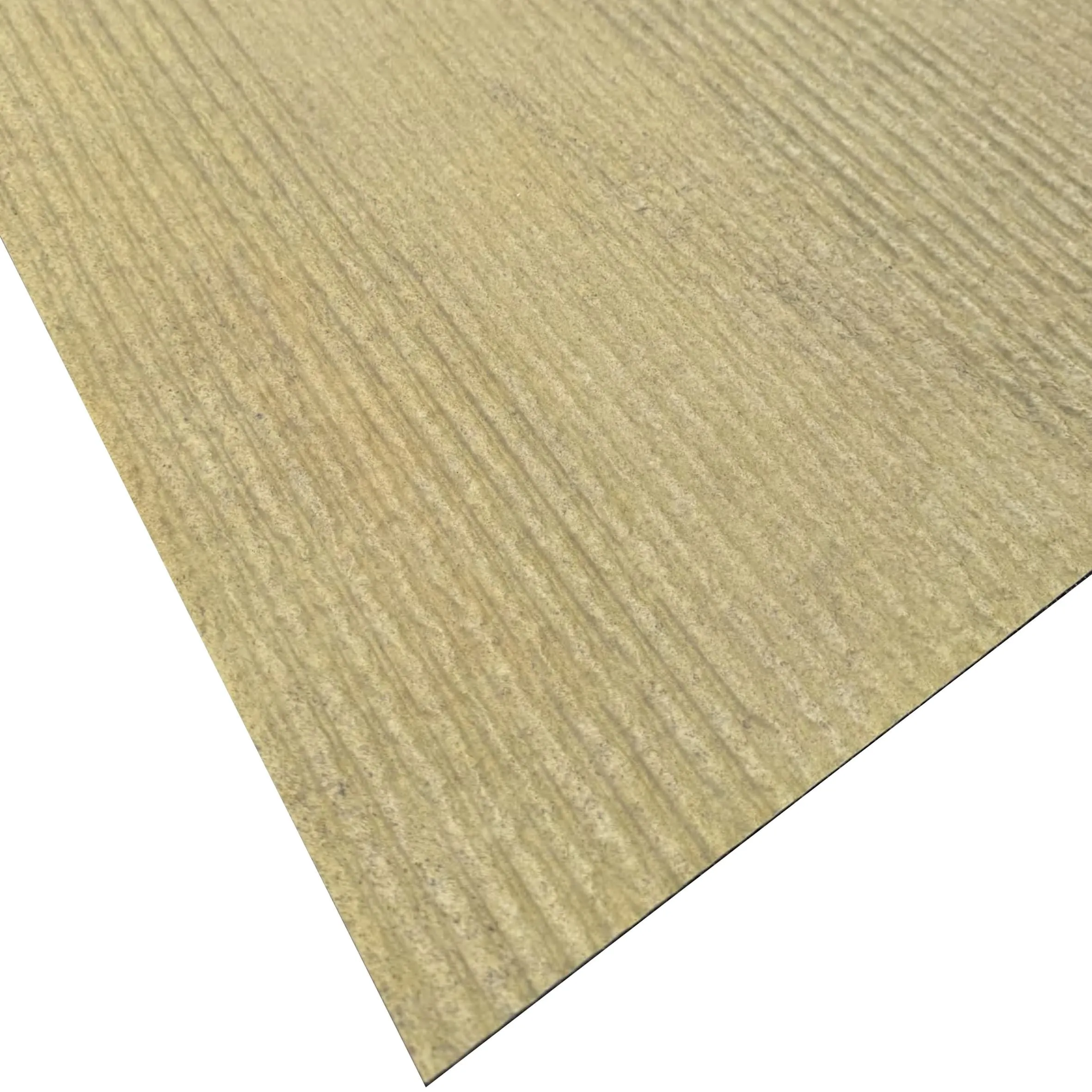
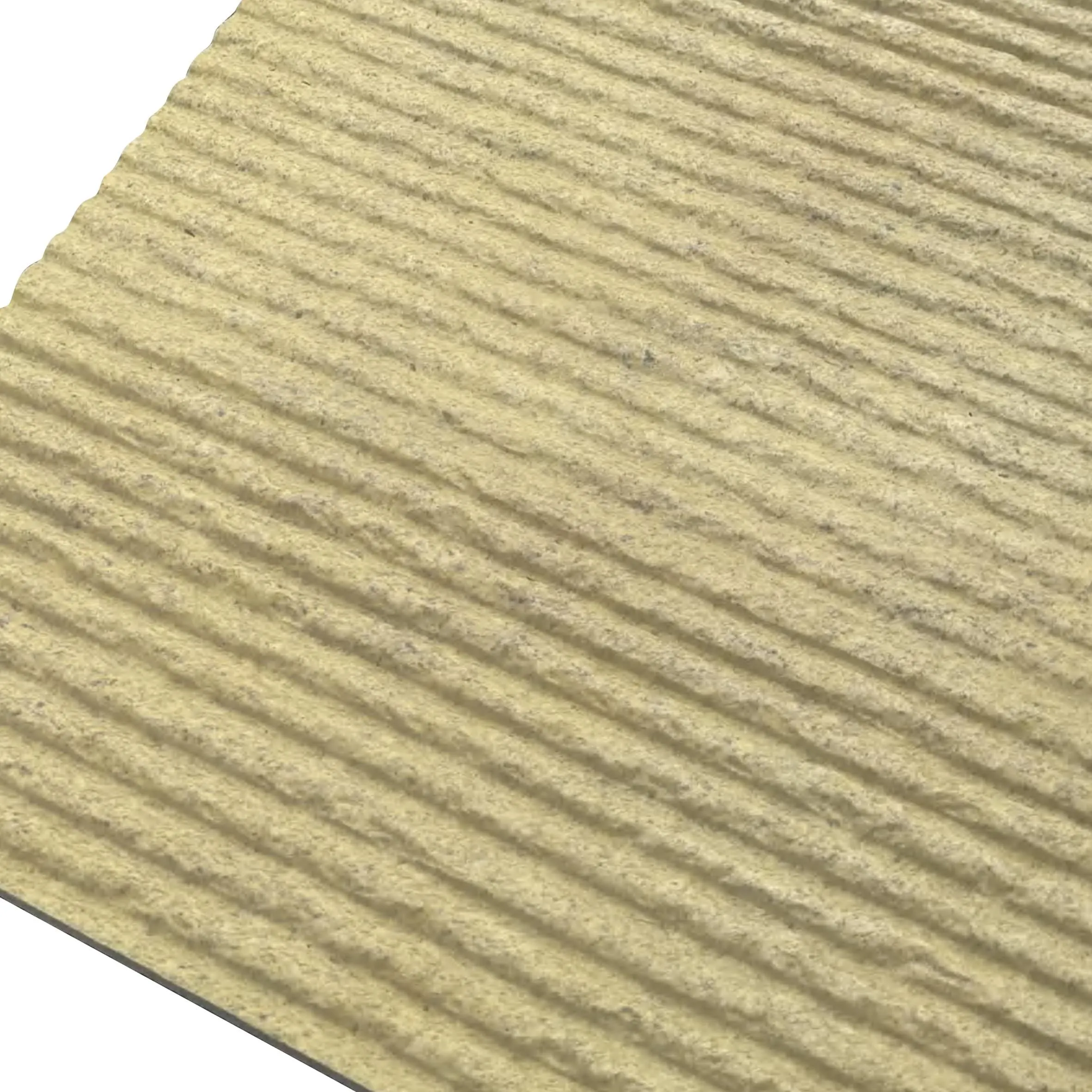
To the untrained eye, Gravel Omani Stone might look like any other rough-hewn rock, but a closer inspection reveals its distinct personality. Let's start with color: most specimens range from soft beige to warm claybank, with flecks of rust, gray, or even gold, depending on the minerals in the cement. The texture is equally telling: the surface is dotted with rounded gravel fragments, or "clasts," which can be anywhere from 2mm to 20mm in diameter, embedded in a finer matrix. Run your hand over it, and you'll feel both the smoothness of the rounded clasts and the grit of the matrix—a tactile reminder of its journey from mountain to stone.
Durability is another hallmark. Because it is made of compacted gravel bound by mineral cement, Gravel Omani Stone is surprisingly strong, with a compressive strength of around 150-200 MPa (megapascals)—stronger than many types of concrete. This makes it ideal for outdoor use, where it can withstand rain, wind, and temperature extremes. It is also porous, meaning it can absorb and release moisture, which helps regulate humidity in buildings—a useful trait in Oman's hot, dry climate. Unlike polished marble or granite, which can feel cold and sterile, Gravel Omani Stone has a warmth to it, a sense of age that makes it feel like it belongs in both traditional and modern spaces.
Gravel Omani Stone is not alone in Oman's geological family. The country is home to a wealth of natural stones, each with its own formation story and unique traits. To better understand Gravel Omani Stone, it helps to compare it to a few of its siblings—stones that share its sedimentary roots but reflect different environments.
| Stone Type | Formation Environment | Color Palette | Texture | Typical Uses |
|---|---|---|---|---|
| Gravel Omani Stone | Ancient river valleys (wadis) and alluvial basins | Beige, claybank, rusty red, with gravel clasts | Rough, granular; rounded gravel fragments in matrix | Exterior cladding, garden pathways, accent walls |
| Stream Limestone (Claybank) | Shallow marine or freshwater streams | Uniform claybank, with fossilized shell fragments | Smooth to slightly porous; layered | Flooring, interior walls, decorative tiles |
| Historical Pathfinders Stone | Ancient trade route corridors, desert pavements | Weathered gray, brown, with lichen patches | Irregular, pitted; often with tool marks from ancient use | Heritage restoration, cultural centers, museum exhibits |
| Gobi Panel | Arid desert plains, wind-blown sediment deposits | Pale gold, sand, with dark mineral streaks | Fine-grained, smooth; may have wind-etched patterns | Eco-resorts, desert-themed landscaping, outdoor sculptures |
| Bali Stone | Coastal regions, marine sedimentation | White, cream, with blue-gray veining | Soft, chalky; may contain fossilized coral | Bathroom tiles, pool surrounds, coastal architecture |
Take, for example, Stream Limestone (Claybank) . Like Gravel Omani Stone, it is a sedimentary rock, but it forms in calm, shallow water—think lakes or slow-moving streams—where fine-grained sediments like calcium carbonate (from shells and algae) accumulate. Over time, these sediments lithify into limestone, which is smoother and more uniform than Gravel Omani Stone. Stream Limestone (Claybank) gets its name from its clay-like color and is often used for flooring or interior walls, where its soft texture adds warmth without the roughness of Gravel Omani Stone.
Then there's Historical Pathfinders Stone , a term used locally to describe stones found along ancient trade routes like the Incense Road, which once connected Oman to Mesopotamia and beyond. These stones are not a single type but a collection of weathered sedimentary and igneous rocks that were used by travelers to mark paths, build shelters, or grind grain. They are often pitted and irregular, bearing the scars of both nature and human use. Unlike Gravel Omani Stone, which is mined from quarries, Historical Pathfinders Stone is collected from the desert floor, each piece a relic of Oman's role as a crossroads of civilizations.
In the arid interior, Gobi Panel tells a different story. Named for the Gobi Desert (though Oman's version is unique), Gobi Panel forms in wind-blown sand deposits, where grains of quartz and feldspar are cemented together by calcium or iron oxides. It has a fine-grained, almost powdery texture and a pale gold color that shimmers in the sunlight. Like Gravel Omani Stone, it is durable, but its uniformity makes it popular for large-scale cladding projects, such as the exterior of modern eco-resorts that aim to blend into the desert landscape.

In Oman, stones are more than building materials—they are cultural touchstones. For centuries, Bedouin communities used local stones to construct homes, or "barasti," which were circular structures with walls made of stacked stone and roofs of palm fronds. Gravel Omani Stone, with its abundance in wadi beds, was often used for these walls: its irregular shape made it easy to fit together, and its porous nature helped keep the interiors cool. Even today, in villages like Misfat al Abriyyin, a traditional mountain village near Nizwa, you can see Gravel Omani Stone in the walls of old houses, their surfaces worn smooth by generations of hands brushing against them.
The stone also played a role in Oman's maritime history. In coastal towns like Sur, which was once a center of dhow building, Gravel Omani Stone was used to anchor shipyards and build breakwaters. Its weight and durability made it ideal for resisting the pounding of the Arabian Sea. Fishermen would also use flat pieces of Gravel Omani Stone as anchors for their small boats, trusting in the stone's heft to keep their vessels from drifting ashore during storms. These uses speak to a deep understanding of the stone's properties—an intuition passed down from parent to child, craftsman to apprentice.
Today, Gravel Omani Stone is experiencing a renaissance. As Oman embraces sustainable architecture, designers and builders are turning to local materials, and Gravel Omani Stone fits the bill perfectly. Unlike imported marble or synthetic cladding, which has a high carbon footprint, Gravel Omani Stone is quarried locally, reducing transportation emissions. Its natural texture and color also mean it requires little processing—no polishing or chemical treatments—making it an eco-friendly choice.
In Muscat, the capital, you can see Gravel Omani Stone in everything from luxury hotels to public parks. The Al Bustan Palace, a five-star resort, uses it in its garden pathways, where the rough texture contrasts beautifully with the lush greenery. In the new Oman National Museum, it lines the walls of the geological exhibit, a fitting backdrop for displays on the country's natural history. Even residential projects are getting in on the trend: homeowners are using Gravel Omani Stone for accent walls in living rooms or as cladding for outdoor patios, drawn to its ability to add character without overwhelming a space.
One particularly creative use is in combination with modern materials like Foamed Aluminium Alloy Board (Vintage Silver) , a lightweight, durable metal panel. Architects are pairing the warm, earthy tones of Gravel Omani Stone with the sleek, metallic finish of the alloy to create facades that honor Oman's past while looking to the future. The contrast is striking: the stone's roughness softens the metal's coolness, creating a balance that feels both rooted and contemporary.
As demand for Gravel Omani Stone grows, so too does the need to quarry it responsibly. Oman's government has strict regulations in place to ensure that mining does not damage the environment. Quarries are required to restore the land after extraction, replanting native vegetation and contouring the soil to prevent erosion. In some cases, quarries are even turned into nature reserves once mining is complete, allowing the land to heal and wildlife to return.
Local craftsmen, too, are playing a role. Many small-scale quarriers in rural areas have passed down their trade for generations, and they understand the importance of sustainability. They mine selectively, taking only what is needed and leaving large boulders and mature trees intact. They also reuse waste material: smaller fragments of Gravel Omani Stone that can't be used for cladding are crushed into gravel for roads or mixed into concrete, ensuring that nothing goes to waste. It's a philosophy that aligns with Oman's cultural value of "hima"—the traditional practice of setting aside land for conservation, ensuring resources are available for future generations.
Gravel Omani Stone is more than a rock. It is a product of Oman's mountains, rivers, and deserts—a tangible link to the country's geological past. From the pebbles tumbled in wadis to the solid stone used in modern buildings, it carries the story of Oman itself: a land of contrasts, where harsh conditions give rise to beauty, and where tradition and innovation walk hand in hand.
As you run your hand over a wall of Gravel Omani Stone, you are touching millions of years of history: the rain that eroded the mountains, the rivers that carried the sediments, the weight of time that turned pebbles into stone. You are also touching the present: the craftsmen who quarried it, the architects who designed with it, the families who live with it. In a world that often values the new and the shiny, Gravel Omani Stone reminds us of the power of the old—the beauty of materials that have stood the test of time.
Oman's landscape will continue to shape its stones, just as its stones will continue to shape its buildings, its culture, and its people. Gravel Omani Stone is not just a part of Oman's geology—it is a part of its identity. And as long as there are mountains to erode, rivers to carry sediments, and people to build with purpose, it will remain a cornerstone of Oman's story.
Recommend Products












