
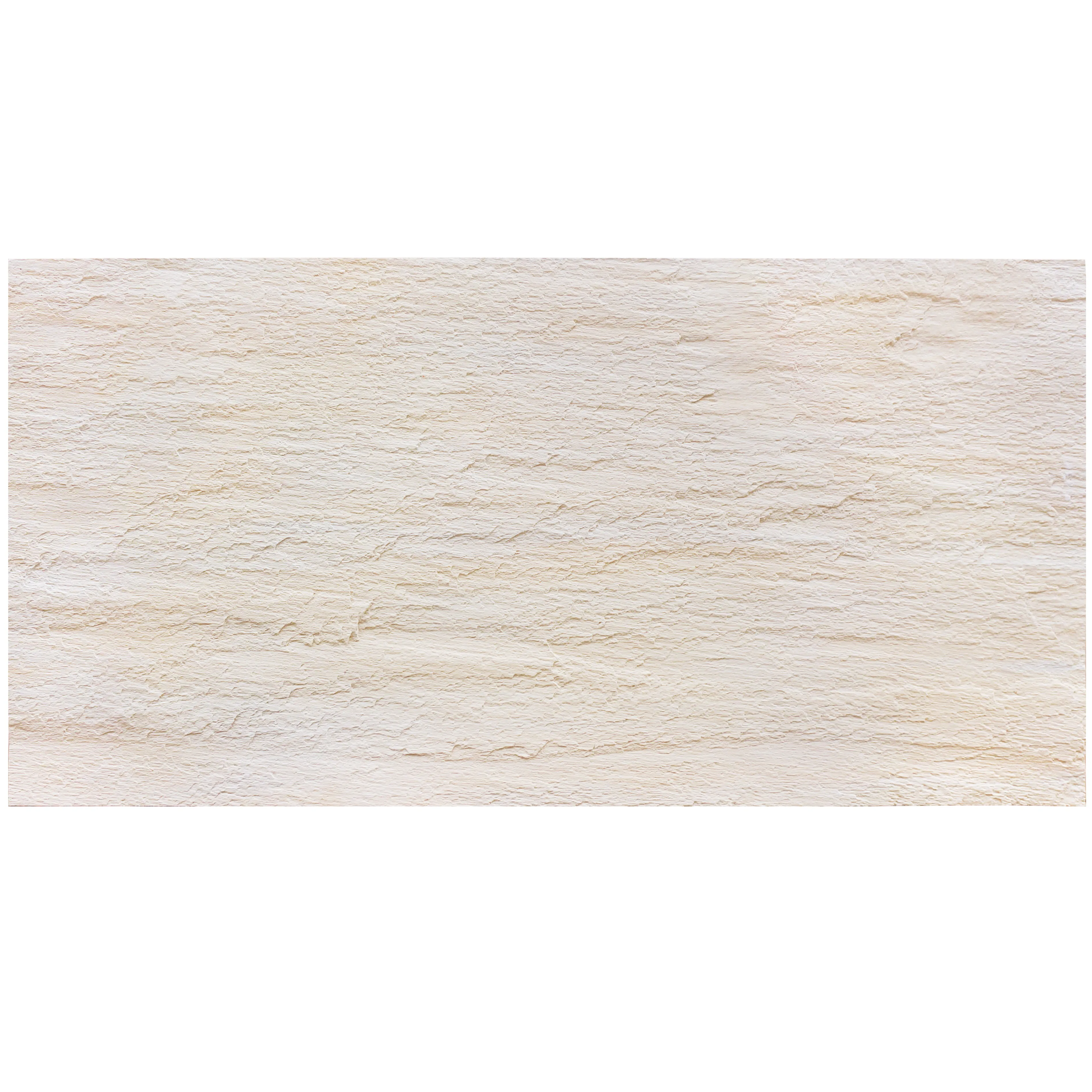
Let's start with a simple truth: the buildings we live, work, and play in aren't just structures—they're stories. And in today's world, those stories are increasingly written with materials that blend beauty, durability, and a nod to the planet. Enter Oasis Stone Foge —a name that's been buzzing in architectural circles, and for good reason. This innovative cladding material isn't just another option in the crowded building materials market; it's a response to a global shift toward smarter, more sustainable, and aesthetically versatile construction. But what's driving its surging demand? Where is this demand hottest? And what opportunities does it hold for everyone from architects to construction firms? Let's unpack it all.
First, let's set the scene. The global building materials market has been on a rollercoaster over the past decade, shaped by everything from supply chain disruptions to a growing obsession with "green" construction. Post-pandemic, one trend has become crystal clear: the era of heavy, resource-intensive materials is giving way to lighter, more adaptable alternatives. Traditional stone and concrete, while timeless, often come with trade-offs—high transportation costs, installation challenges, and a larger carbon footprint. That's where materials like MCM flexible stone (Modified Composite Material) have stepped in, and Oasis Stone Foge is leading the charge in this category.
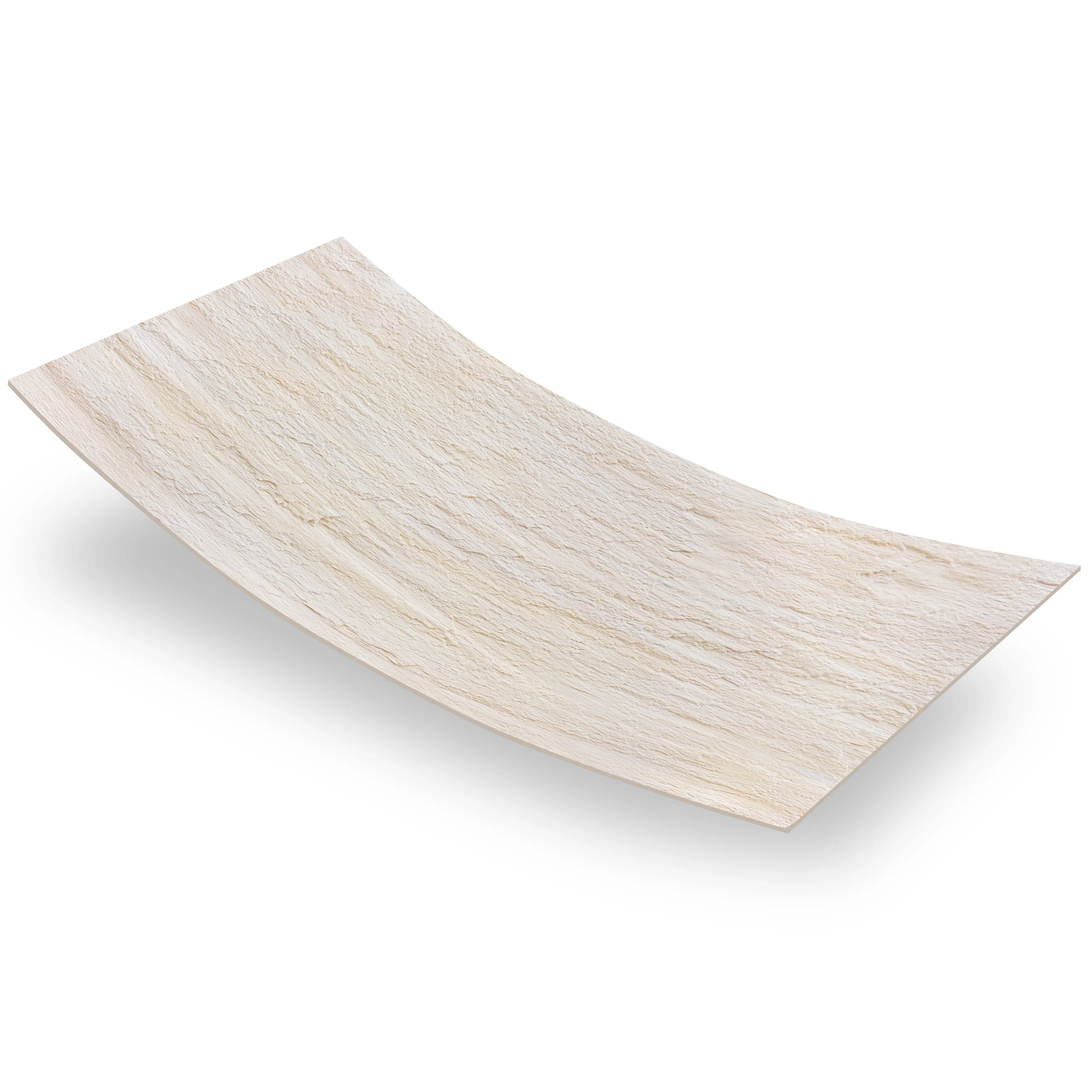
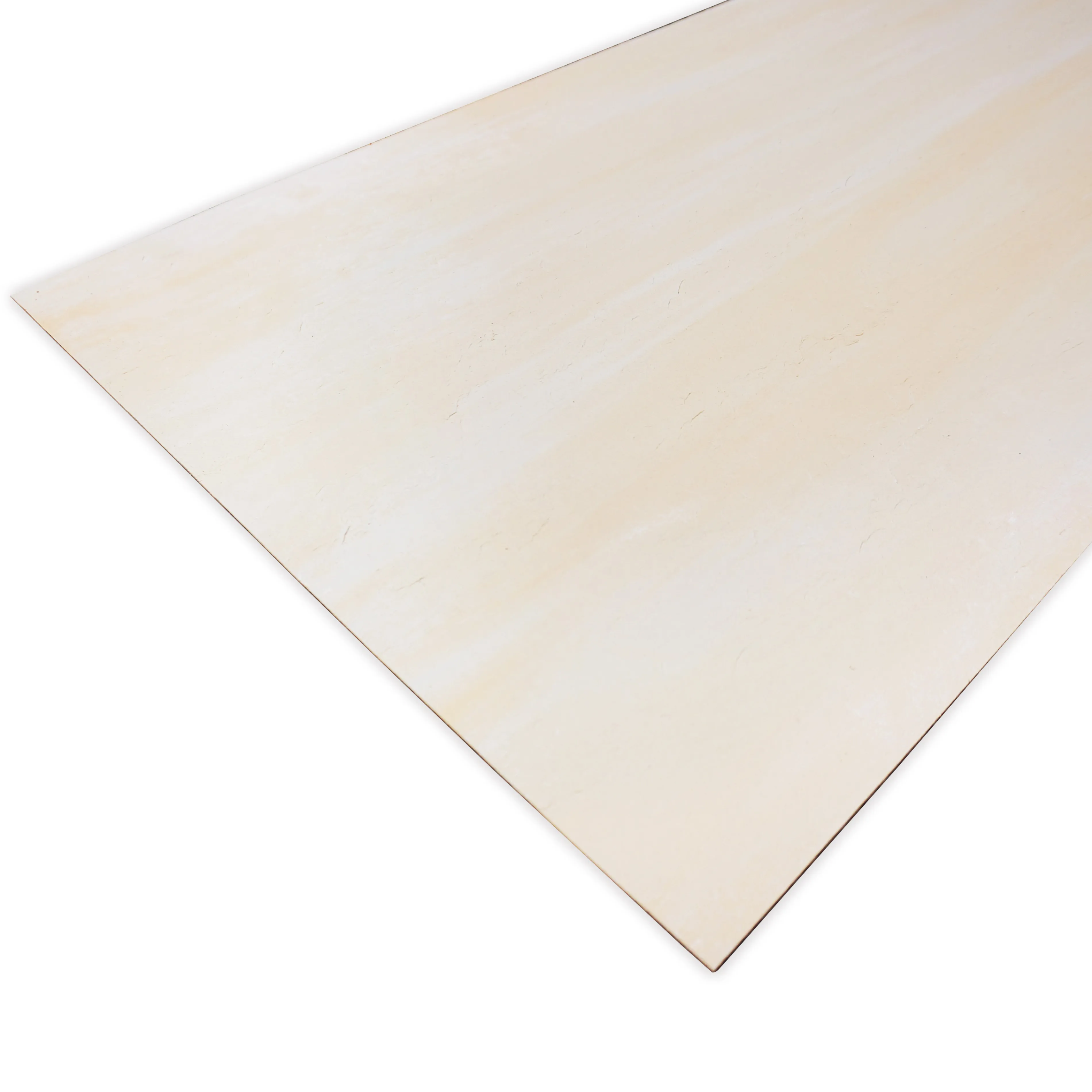
MCM flexible stone, for the uninitiated, is a game-changer. It's made by blending natural minerals with advanced polymers, resulting in a material that's thin (often just 3-5mm thick), lightweight (up to 80% lighter than natural stone), and surprisingly durable. Oasis Stone Foge takes this a step further with its unique aesthetic—think subtle textures that mimic the weathered beauty of desert landscapes, with color palettes ranging from soft beiges to deep, earthy tones that evoke the serenity of an oasis. It's no wonder designers are calling it "nature's texture, reimagined."
But don't just take our word for it. Market reports suggest the global MCM panel market is projected to grow at a CAGR of over 12% between 2025 and 2030, and Oasis Stone Foge is capturing a significant chunk of that growth. Why? Because it checks all the boxes: sustainability (it uses less raw material and reduces transportation emissions), design flexibility (it can be curved, cut, or shaped to fit any project), and cost-effectiveness (lower installation and labor costs compared to traditional stone). In short, it's a material built for the demands of modern construction.
So, what's fueling this demand? Let's break it down into three key factors that resonate with architects, developers, and even homeowners.
1. Sustainability: The Green Building Boom
"Green building materials" isn't just a buzzword anymore—it's a mandate. Governments worldwide are tightening regulations on carbon emissions, and LEED, BREEAM, and other certification systems are pushing projects to prioritize eco-friendly materials. Oasis Stone Foge aligns perfectly with this shift. Its lightweight nature cuts down on transportation fuel use; its manufacturing process reduces waste by up to 30% compared to natural stone quarrying; and it's fully recyclable at the end of its lifecycle. For developers chasing green certifications, this isn't just a plus—it's a requirement. And with global spending on green construction projected to hit $364 billion by 2026, materials like Oasis Stone Foge are positioned to ride this wave.
2. Design Flexibility: Beauty Meets Versatility
Let's talk aesthetics. Architects and designers are no longer willing to compromise on looks for sustainability. They want materials that make a statement—and Oasis Stone Foge delivers. Unlike rigid natural stone, it can be applied to curved surfaces, used for feature walls, or even integrated into 3D-printed designs (a nod to the
MCM 3D printing series
trend). Its texture—reminiscent of wind-swept desert stone—adds depth to both exterior facades and interior accent walls. Imagine a boutique hotel in Dubai with an exterior clad in Oasis Stone Foge, its warm tones glowing under the sun, or a corporate office in Berlin using it to create a calming, nature-inspired lobby. The possibilities are endless, and that flexibility is driving demand from creative professionals.
3. Efficiency: Time and Cost Savings
Here's a practical angle: construction timelines are getting tighter, and budgets are getting scrutinized.
Prefabricated MCM panel systems
, including Oasis Stone Foge, are a lifesaver here. Since these panels are manufactured off-site in standard sizes (or custom-cut to order), installation is a breeze. A typical crew can cover 100 square meters in a day, compared to just 20-30 square meters with traditional stone. That translates to faster project completion and lower labor costs. For developers racing to meet deadlines, this efficiency is priceless. Plus, because Oasis Stone Foge is so lightweight, it reduces the structural load on buildings, opening up design possibilities for older structures or high-rise projects where weight is a concern.
Demand for Oasis Stone Foge isn't uniform across the globe—it's thriving in regions where sustainability, design, and urbanization intersect. Let's take a tour of the hotspots.
| Region | 2024 Estimated Demand (Thousand Square Meters) | Projected CAGR (2025-2030) | Key Drivers |
|---|---|---|---|
| Asia-Pacific | 1,850 | 14.2% | Rapid urbanization (India, Vietnam), government infrastructure pushes (China's "New Urbanization Plan"), and a surge in luxury hospitality projects. |
| Middle East & Africa | 920 | 13.5% | Luxury construction (UAE, Saudi Arabia), focus on iconic architecture, and demand for desert-inspired aesthetics that align with local culture. |
| Europe | 780 | 11.8% | Strict sustainability regulations (EU Green Deal), renovation of historic buildings, and preference for low-maintenance, long-lasting materials. |
| North America | 650 | 10.5% | Commercial renovation boom, demand for energy-efficient retrofits, and growing interest in "biophilic design" (connecting buildings to nature). |
| Latin America | 320 | 9.7% | Emerging middle class, hotel and resort development (Mexico, Brazil), and adoption of green building standards. |
Asia-Pacific: The Growth Engine
Asia-Pacific is where the action is. China, India, and Southeast Asian countries are urbanizing at a breakneck pace, with millions moving to cities each year. This has led to a construction boom, and developers are on the hunt for materials that can keep up. Oasis Stone Foge's lightweight nature is a huge selling point here—transporting heavy stone across vast distances (think from quarries in northern India to construction sites in Bangalore) is costly, but MCM panels? They're easy to ship and install. In China, where the government is pushing for "sponge cities" and green infrastructure,
green building materials
like Oasis Stone Foge are being prioritized in public projects, from subway stations to municipal buildings.
Middle East: Luxury Meets Local Flair
If there's one region that knows how to blend opulence with cultural identity, it's the Middle East. Countries like the UAE, Saudi Arabia, and Kuwait (a key market mentioned in industry reports) are building futuristic cities, luxury resorts, and skyscrapers that aim to be iconic. Oasis Stone Foge fits right in here. Its desert-inspired texture resonates with local aesthetics, while its durability stands up to the region's harsh climate (think extreme heat and sandstorms). Developers in Dubai, for example, are using it to clad high-end villas and boutique hotels, pairing it with
lunar peak golden
and
lunar peak silvery
accents for a modern twist on traditional design.
Europe: Sustainability First
Europe's demand is driven by one word: regulations. The EU Green Deal has set ambitious targets for carbon neutrality, and construction is under pressure to reduce its footprint. Oasis Stone Foge's low embodied carbon (thanks to minimal raw material use and lightweight transportation) makes it a favorite among European architects. In Germany, for instance, it's being used in the renovation of historic buildings, where its thin profile allows for easy installation without altering the building's original structure. In Scandinavia, its earthy tones complement the region's love for "hygge" design, bringing a touch of nature indoors.

Oasis Stone Foge isn't the only player in the MCM flexible stone space, but it's carving out a niche for itself. The market is dominated by global construction solutions providers that offer a range of cladding options, from traditional stone to newer composites. What sets Oasis Stone Foge apart? Its focus on texture and regional relevance. While competitors may offer generic "stone-look" panels, Oasis Stone Foge leans into its desert-inspired aesthetic, which resonates particularly in arid regions and with designers seeking a unique, organic feel.
Key competitors include brands offering similar MCM products, but many lack the same attention to detail in texture or the breadth of color options. For example, some panels have a uniform, almost artificial look, whereas Oasis Stone Foge's surface has the subtle variations you'd find in natural stone—small pits, slight color gradients, and a matte finish that softens under light. It's these details that make it a favorite among high-end designers.
Another edge? Customization. Prefabricated MCM panel systems are often one-size-fits-all, but Oasis Stone Foge's manufacturers work closely with clients to create bespoke solutions. Need a panel with integrated lighting cutouts? Or a color that matches a specific desert landscape? They can do that. This level of flexibility has helped it win contracts for flagship projects, from museum facades to corporate headquarters.
So, what's next for Oasis Stone Foge? The future looks bright, with several trends set to fuel growth in the coming decade.
1. Emerging Markets: Africa and Latin America
While Asia-Pacific and the Middle East are currently leading, keep an eye on Africa and Latin America. These regions are urbanizing rapidly, and as disposable incomes rise, demand for quality construction materials is set to soar. In countries like Nigeria and Kenya, new commercial hubs are popping up, and developers are looking for materials that balance cost, durability, and aesthetics. Oasis Stone Foge's affordability (compared to natural stone) and low maintenance needs make it a strong candidate here.
2. Technological Integration: 3D Printing and Smart Panels
The construction industry is getting tech-savvy, and MCM panels are no exception. The
MCM 3D printing series
trend is opening up wild possibilities—imagine printing Oasis Stone Foge panels with intricate, custom patterns on-site, reducing waste and lead times. Some manufacturers are even experimenting with "smart" panels that integrate sensors to monitor temperature, humidity, or structural stress. While still in the early stages, these innovations could make Oasis Stone Foge not just a cladding material, but a functional part of building management systems.
3. Retrofit and Renovation Projects
The world isn't just building new—it's fixing up old. In Europe and North America, a large portion of construction spending now goes toward retrofitting existing buildings to meet modern standards (energy efficiency, accessibility, aesthetics). Oasis Stone Foge is ideal for these projects because its lightweight nature means it can be applied over existing surfaces without requiring structural reinforcement. For example, an old brick warehouse in Chicago could be transformed into a trendy loft space with Oasis Stone Foge cladding, giving it a fresh, modern look without the cost of a full rebuild.
4. Green Building Certifications
As green building certifications like LEED and WELL become more mainstream, materials that contribute to these credentials will have a competitive advantage. Oasis Stone Foge already ticks many boxes—low VOC emissions, recyclability, and energy efficiency (its thin profile can improve insulation). In the future, we may see manufacturers doubling down on this, perhaps by using recycled materials in production or offsetting carbon emissions from manufacturing. For developers chasing certifications (and the tax incentives that come with them), this will be a major draw.
At the end of the day, Oasis Stone Foge's rise isn't just about a new building material—it's about a shift in how we think about construction. We want buildings that tell stories, that respect the planet, and that work smarter, not harder. Oasis Stone Foge delivers on all three. It's a material that feels both timeless and cutting-edge, blending the beauty of natural stone with the innovation of modern technology.
For global construction solutions providers , it's an opportunity to differentiate themselves in a crowded market. For architects and designers, it's a tool to turn visionary ideas into reality. And for the planet? It's a step toward a more sustainable building future. As urbanization continues, as sustainability becomes non-negotiable, and as design expectations rise, Oasis Stone Foge is poised to become not just a trend, but a staple in the buildings of tomorrow.
So, the next time you walk past a building with a facade that looks like it's been shaped by wind and time, take a closer look. It might just be Oasis Stone Foge—quietly redefining what modern construction can be.
Recommend Products












