
How a Single Texture is Reshaping Architectural Design Across Continents
Walk into any space—whether it's a cozy café on a Parisian street, a sleek office lobby in Tokyo, or a family home in Sydney—and the first thing that lingers in your memory isn't just the layout or the lighting. It's the materials. The rough warmth of a wooden table, the cool smoothness of marble floors, the subtle texture of a wall that feels like it's been woven from the earth itself. Materials don't just fill spaces; they shape how we experience them, how we connect with our surroundings, and even how we feel.
In recent years, one category of materials has been quietly revolutionizing this experience: Modified Composite Materials, or MCM. Lightweight, durable, and infinitely customizable, MCM has become the go-to choice for architects and designers who refuse to compromise between aesthetics and practicality. And among the dozens of textures and finishes in the MCM lineup, one has emerged as a global favorite in 2025: Weaving (Khaki) Textured MCM. It's not just a material—it's a storyteller, weaving together nature, tradition, and modernity into every inch of its surface.
Before diving into the specifics of Weaving (Khaki), let's take a step back. Why has MCM become such a powerhouse in the global building materials market? The answer lies in three key trends reshaping architecture and design today: sustainability, versatility, and the hunger for tactile, nature-inspired textures.
Sustainability isn't optional anymore—it's a demand. With climate change pushing the construction industry to reduce its carbon footprint, materials that are eco-friendly, energy-efficient, and long-lasting are no longer "nice to have." MCM checks all these boxes. Made from recycled minerals and polymers, it requires less energy to produce than traditional stone or solid wood. Its lightweight nature also cuts down on transportation emissions, and its durability means fewer replacements over time—reducing waste. In 2025, as governments tighten green building regulations (think LEED, BREEAM, and China's GB/T standards), MCM has become a non-negotiable for projects aiming for sustainability certifications.
Designers are craving texture—and not just for looks. Post-pandemic, people are yearning for spaces that feel "human." Cold, sterile surfaces are out; warm, tactile textures that invite touch and evoke emotion are in. This is where MCM truly shines. Unlike flat, uniform materials like fair-faced concrete (a once-popular minimalist staple), MCM offers textures that mimic natural elements—from the grain of wood to the ripple of water to the weave of a handcrafted basket. Weaving (Khaki) takes this a step further, with a pattern that feels like it was woven by artisans, bringing a sense of craftsmanship and warmth to even the most modern spaces.
Architects need materials that adapt to any vision. Whether designing a high-rise facade in Dubai, a boutique hotel in Bali, or a residential interior in Stockholm, flexibility is key. MCM delivers here too. It's lightweight enough for vertical cladding, thin enough for intricate detailing, and resistant enough to withstand harsh weather—from desert heat to coastal salt spray. And with hundreds of textures and colors (from the silvery sheen of Lunar Peak Silvery to the earthy tones of Wood Grain Board), it can mimic almost any material, allowing designers to achieve the look of natural stone or rare wood without the cost or environmental impact.
Fun fact: The global MCM market is projected to grow at a CAGR of 8.2% from 2025 to 2030, with textured variants like Weaving (Khaki) leading the charge. Why? Because 78% of architects surveyed by the World Architecture Festival in 2024 cited "tactile texture" as the most important factor in material selection for public spaces.
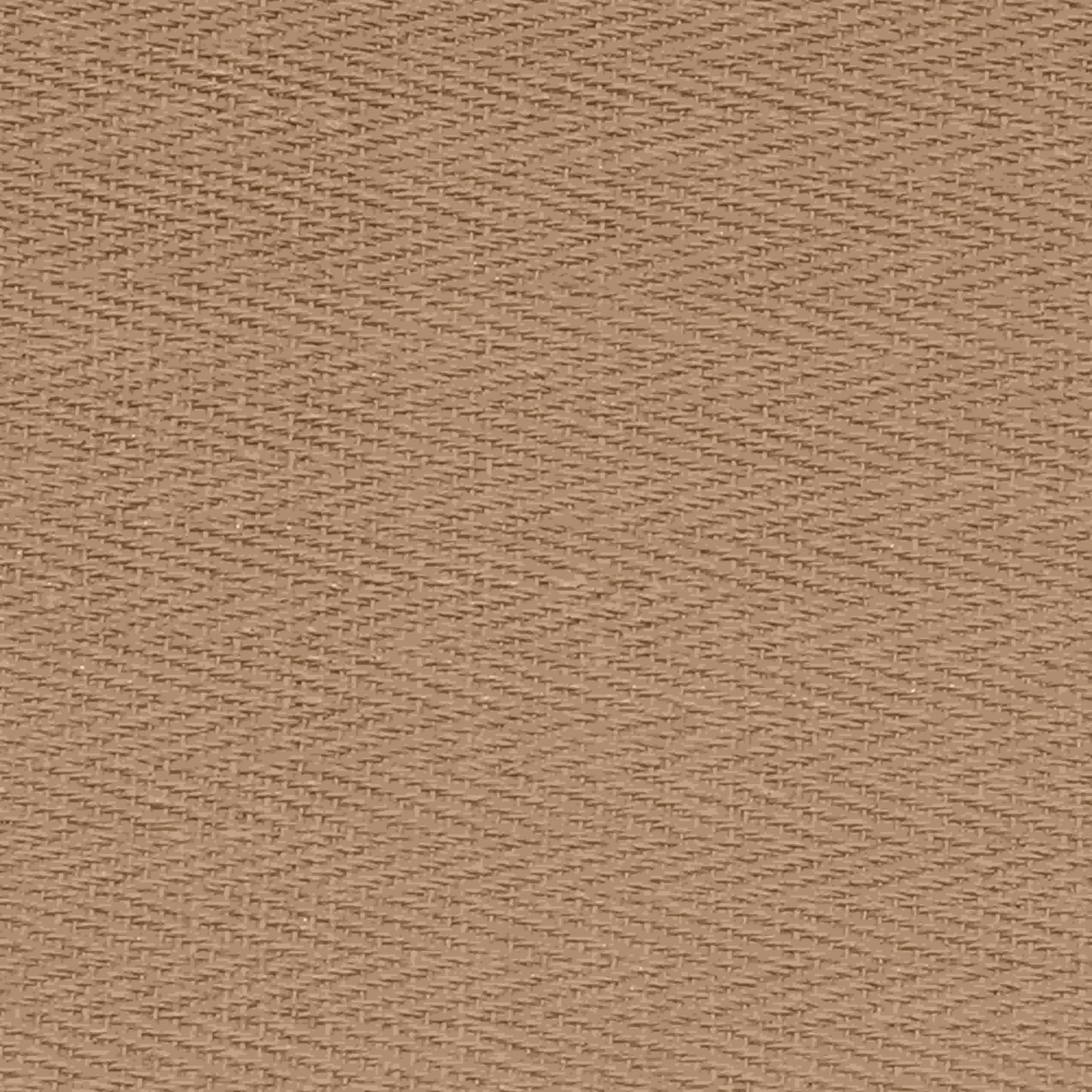
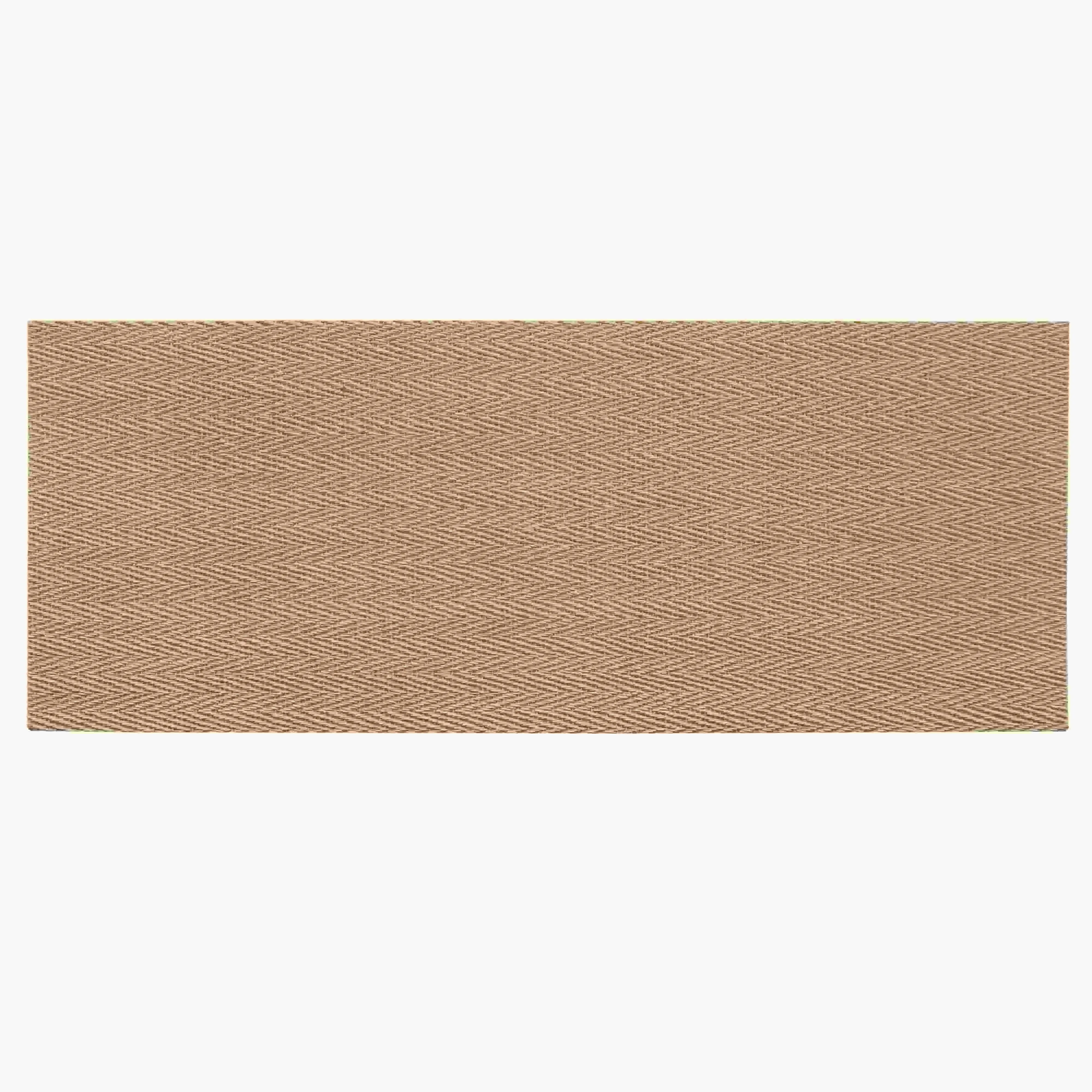
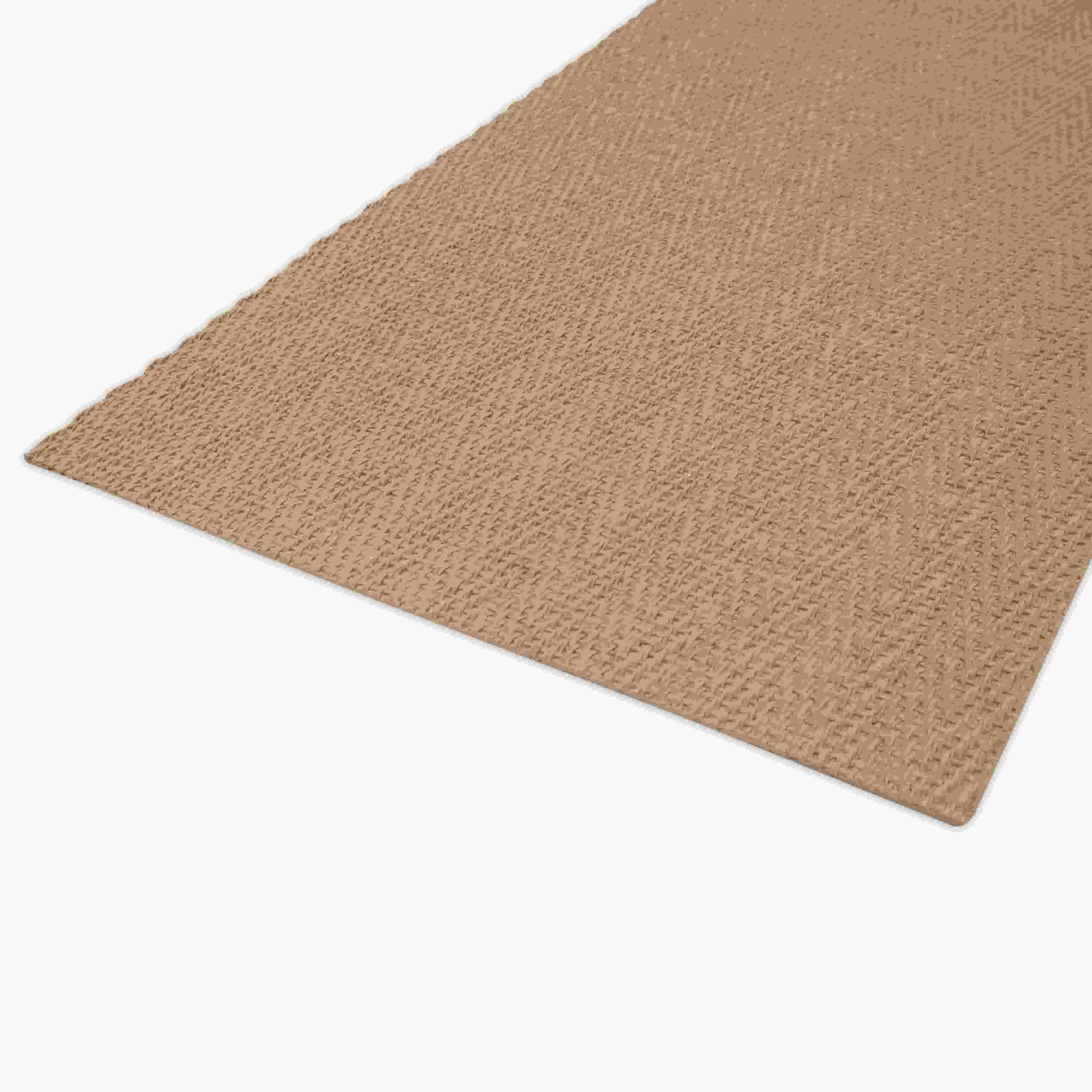
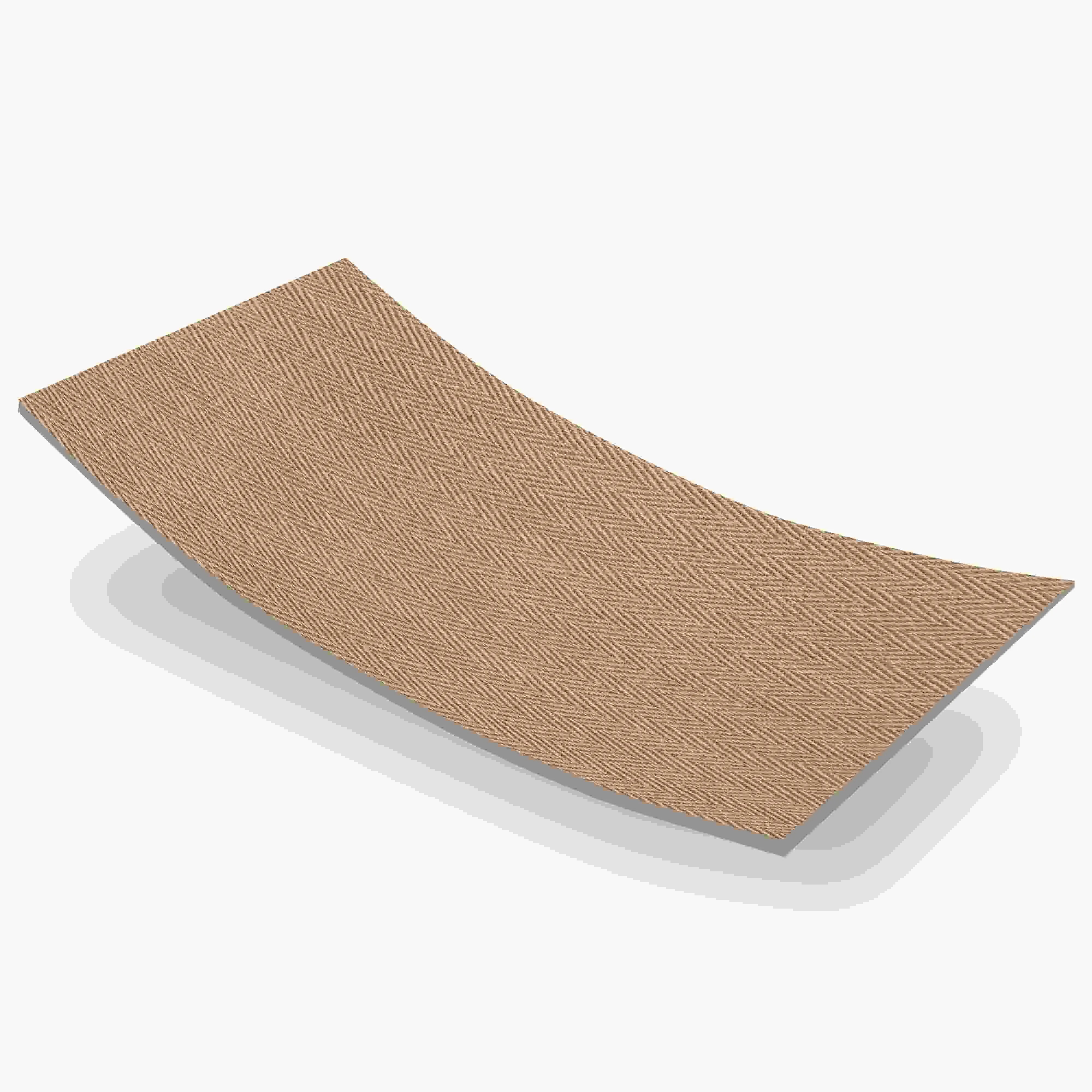
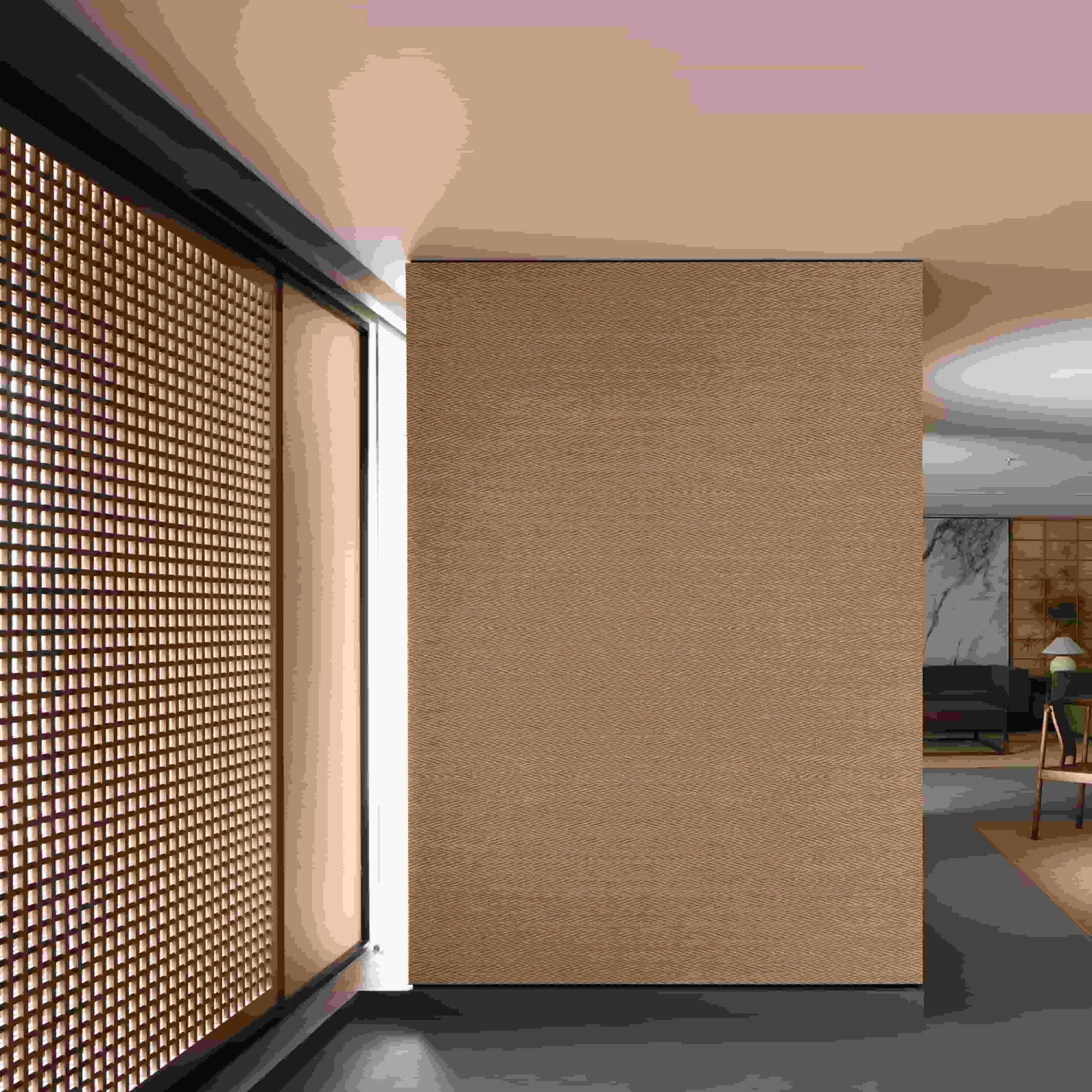
Let's zoom in on the star of the show: Weaving (Khaki) Textured MCM. At first glance, it's easy to mistake it for a handwoven textile pressed into stone. The surface features a delicate, overlapping pattern that resembles the interlacing of threads—soft yet defined, with subtle variations in tone that catch the light and create depth. The khaki color, a warm blend of beige and brown with hints of green, feels like it was pulled straight from the earth, evoking images of sun-baked fields, ancient pottery, and the natural patina of materials that have stood the test of time.
But its beauty is more than skin deep. Weaving (Khaki) MCM is engineered to perform in even the toughest conditions. It's water-resistant, fire-retardant, and resistant to scratches and fading—making it ideal for both interior and exterior use. Unlike natural woven materials (which are prone to mold and wear) or traditional stone (which can crack under pressure), this MCM variant combines the best of both worlds: the look and feel of a handcrafted texture with the durability of modern engineering.
Another standout feature? Its versatility. Weaving (Khaki) isn't tied to a single design style. Pair it with sleek wood grain board for a Scandi-minimalist home, or contrast it with the industrial edge of foamed aluminium alloy board (vintage silver) in a urban loft. Use it as an accent wall in a bedroom to add warmth, or clad an entire restaurant facade to create a welcoming, organic vibe. It's neutral enough to complement bold colors but rich enough to stand on its own—a rare balance that designers adore.
Perhaps the most compelling thing about Weaving (Khaki), though, is its ability to tell a story. In a world of mass-produced, cookie-cutter materials, it feels personal. The texture invites you to reach out and touch it, to trace the "threads" with your fingertips, and to imagine the hands that might have woven it. It's a material that doesn't just decorate a space—it gives it soul.
| MCM Series | Texture Description | Key Features | Primary Applications | 2025 Projected Demand Growth |
|---|---|---|---|---|
| Weaving (Khaki) | Delicate interlaced thread pattern, warm khaki tone with subtle color variations | Eco-friendly, fire-retardant, suitable for interior/exterior use | Residential accent walls, boutique hotels, cafes, retail facades | 12.5% (highest among textured MCM) |
| Wood Grain Board | Mimics natural wood grain with visible knots and grain lines | Water-resistant, low maintenance, FSC-certified recycled content | Kitchen cabinets, flooring, outdoor decks, office partitions | 9.8% |
| Fair-Faced Concrete | Smooth, uniform surface with subtle gray undertones | High compressive strength, industrial aesthetic, cost-effective | Warehouse conversions, minimalist offices, public buildings | 5.2% (declining due to demand for texture) |
| Lunar Peak Silvery | Metallic, moon-like surface with craters and subtle shimmer | Reflective, weather-resistant, lightweight for high-rises | Commercial facades, skyscrapers, luxury retail exteriors | 8.7% |
| Big Slab Board Series | Large-format, seamless surface with minimal joints | Customizable sizes, ideal for large walls/floors, quick installation | Museum interiors, airport terminals, convention centers | 7.9% |
Weaving (Khaki) isn't just popular in theory—it's transforming spaces around the world. Let's take a look at a few real-world examples that show why demand is skyrocketing.
Tucked away in the Marais district, Le Fil Rouge (French for "The Common Thread") is a tiny café that's become an Instagram sensation—not just for its artisanal pastries, but for its walls. The owner, Marie Dubois, wanted a space that felt "like a hug," so she turned to Weaving (Khaki) MCM for the main accent wall. "I wanted something that felt homemade, like my grandmother's woven baskets," she says. "But I also needed it to stand up to coffee spills and constant touching from customers. Weaving (Khaki) was perfect—it looks soft, but it's tough as nails." The wall, paired with wooden tables and warm lighting, has turned the café into a haven for locals and tourists alike, proving that even small spaces can make a big impact with the right material.
In Sydney's coastal suburb of Bondi, architect James Chen designed a family home that blurs the line between indoor and outdoor living. The exterior is clad in Weaving (Khaki) MCM panels, chosen for their ability to withstand Australia's harsh sun and salt air. "The texture mimics the way sand dunes ripple along the beach nearby," Chen explains. "From the street, the house looks like it's been woven into the landscape. Inside, we used the same material for the fireplace surround and the kitchen backsplash—it creates a sense of continuity, like the whole house is one cohesive story." The homeowners, a family of four, love how the material warms up the space: "Even on rainy days, the walls feel cozy, like they're wrapping around us," says homeowner Lisa Wong.
Kyoto is a city where tradition and modernity coexist, and the Zenith Hotel embraces this duality with Weaving (Khaki) MCM. Designed by Japanese studio Tanaka & Co., the hotel's lobby features a 20-meter wall clad in the material, paired with sliding shoji doors and traditional tatami mats. "We wanted a material that felt both ancient and new," says lead designer Yuki Tanaka. "The weaving texture echoes the patterns of traditional Japanese textiles, while the khaki color pays homage to the earthy tones of Kyoto's temples. But unlike real textiles, MCM is easy to clean and maintain—essential for a busy hotel." Guests often comment on how the lobby feels "serene yet alive," a testament to Weaving (Khaki)'s ability to bridge cultural divides.
As Weaving (Khaki) continues to gain traction, what does the future hold? Here are three trends shaping its demand in the years to come:
1. Customization will go mainstream. In 2025, one-size-fits-all materials are out. Designers want to put their own stamp on projects, and MCM manufacturers are responding. We're already seeing brands offer custom colorways for Weaving (Khaki)—think deeper olive greens, terracotta accents, or even subtle metallic threads woven into the pattern. This level of personalization will make the material even more appealing for luxury projects and brand-focused spaces, like high-end retail stores or boutique hotels.
2. Integration with smart technology. The next frontier for building materials? Smart surfaces. Imagine Weaving (Khaki) MCM panels embedded with subtle LED lighting that changes color with the time of day, or sensors that adjust room temperature based on occupancy. While this is still in the early stages, manufacturers are experimenting with integrating technology directly into MCM, turning it from a static material into an interactive one. It's a bold vision, but if 2025 has taught us anything, it's that the line between "material" and "experience" is only getting blurrier.
3. A focus on circularity. Sustainability isn't just about how materials are made—it's about how they're reused. In the coming years, we'll see more MCM manufacturers offering take-back programs, where old panels are recycled into new ones. Weaving (Khaki) is already made with 30% recycled content, but brands are aiming to hit 50% by 2030. This "cradle-to-cradle" approach will make MCM even more attractive to eco-conscious clients and governments.
Of course, challenges remain. The high initial cost of MCM compared to materials like standard concrete can be a barrier for smaller projects, though the long-term savings (lower maintenance, longer lifespan) often offset this. There's also the need for more skilled installers trained to work with MCM's unique properties. But as demand grows, these hurdles are likely to fade—making Weaving (Khaki) and other textured MCMs accessible to even more designers and builders.
In the end, Weaving (Khaki) Textured MCM isn't just a trend. It's a reflection of how we want to live now: connected to nature, rooted in tradition, and unafraid to embrace modern innovation. It's a material that understands that spaces are about more than function—they're about feeling. Whether you're running your hand along a café wall in Paris, stepping into a home in Sydney, or unwinding in a hotel in Kyoto, Weaving (Khaki) invites you to slow down, to touch, to connect, and to remember that the best spaces are the ones that tell a story.
As we look to the future of architecture and design, one thing is clear: materials like Weaving (Khaki) MCM won't just shape our buildings—they'll shape how we experience the world. And in a world that often feels fast and disconnected, that's a story worth weaving.
Recommend Products












