

Where Craftsmanship Meets Timeless Design
Maria, an architect based in Barcelona, stared at her screen, frustration creasing her brow. She was designing a community center—a space meant to feel both modern and rooted, a place where locals would gather, share stories, and build memories. The problem? She couldn't find a material that matched her vision. The options felt either too cold (sterile concrete), too fragile (marble), or too generic (standard tiles). "I need something that breathes warmth," she muttered, flipping through catalogs. Then, her finger stopped. A photo of a wall cladded in a soft, textured white stone, with delicate linear patterns that seemed to dance in the light. The caption read: Fine Line Stone (White) – COLORIA's MCM Project Board Series .
Three months later, Maria stood in the finished community center, watching as a child traced the stone's subtle lines with their finger, while an elderly man ran his hand along the wall, smiling. "It feels like it's been here forever," he said. That's the magic of Fine Line Stone (White)—it doesn't just cover surfaces; it creates connections. In recent years, this material has transcended borders, becoming a staple in projects from Tokyo to Toronto, Dubai to Dublin. But why? What makes it so universally beloved?
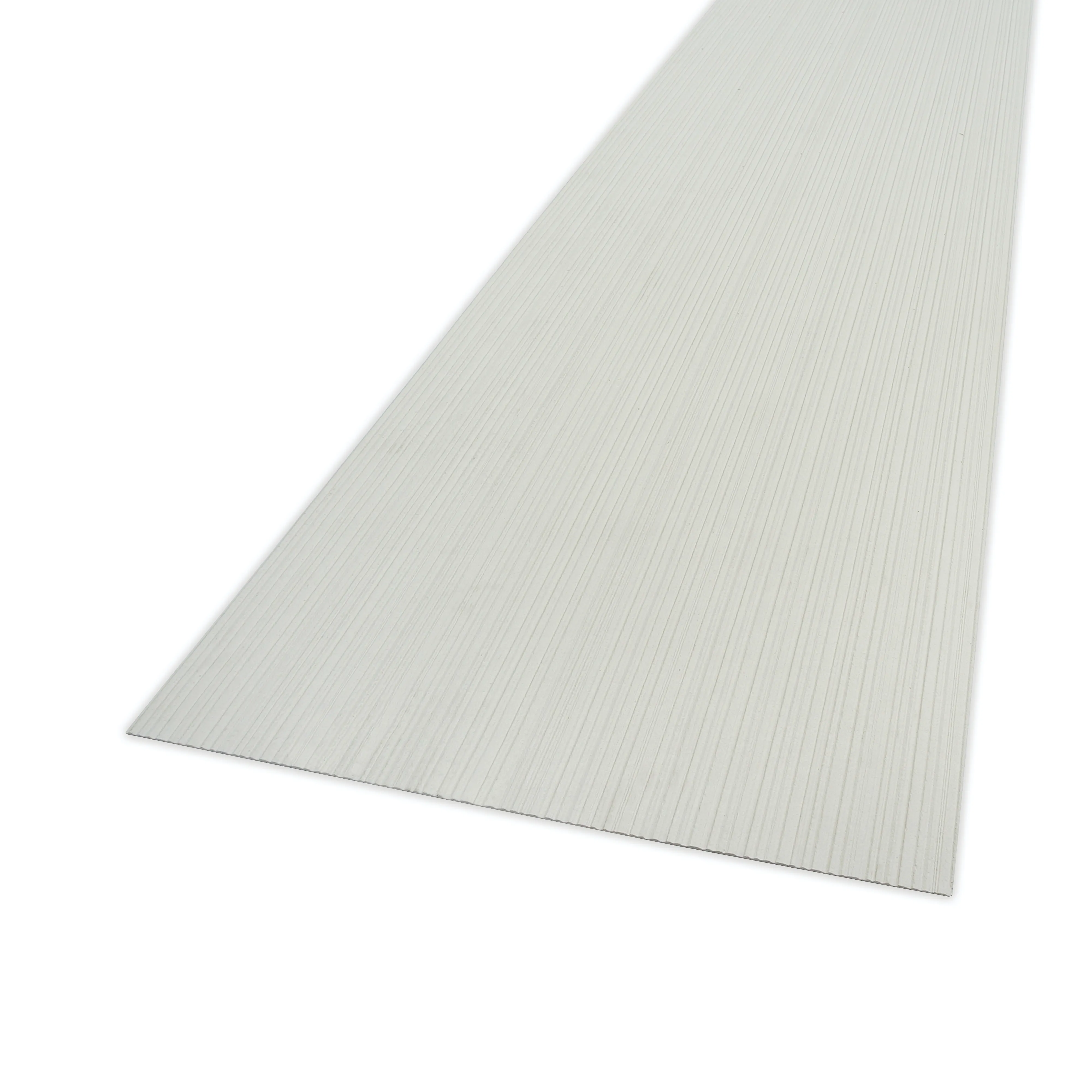
At its core, Fine Line Stone (White) is a modified composite material (MCM), part of COLORIA's innovative Project Board Series—a line of cladding solutions designed to blend aesthetics, durability, and sustainability. But to reduce it to "just MCM" would be like calling a symphony "just music." Fine Line Stone (White) is the result of years of experimentation, a marriage of art and engineering.
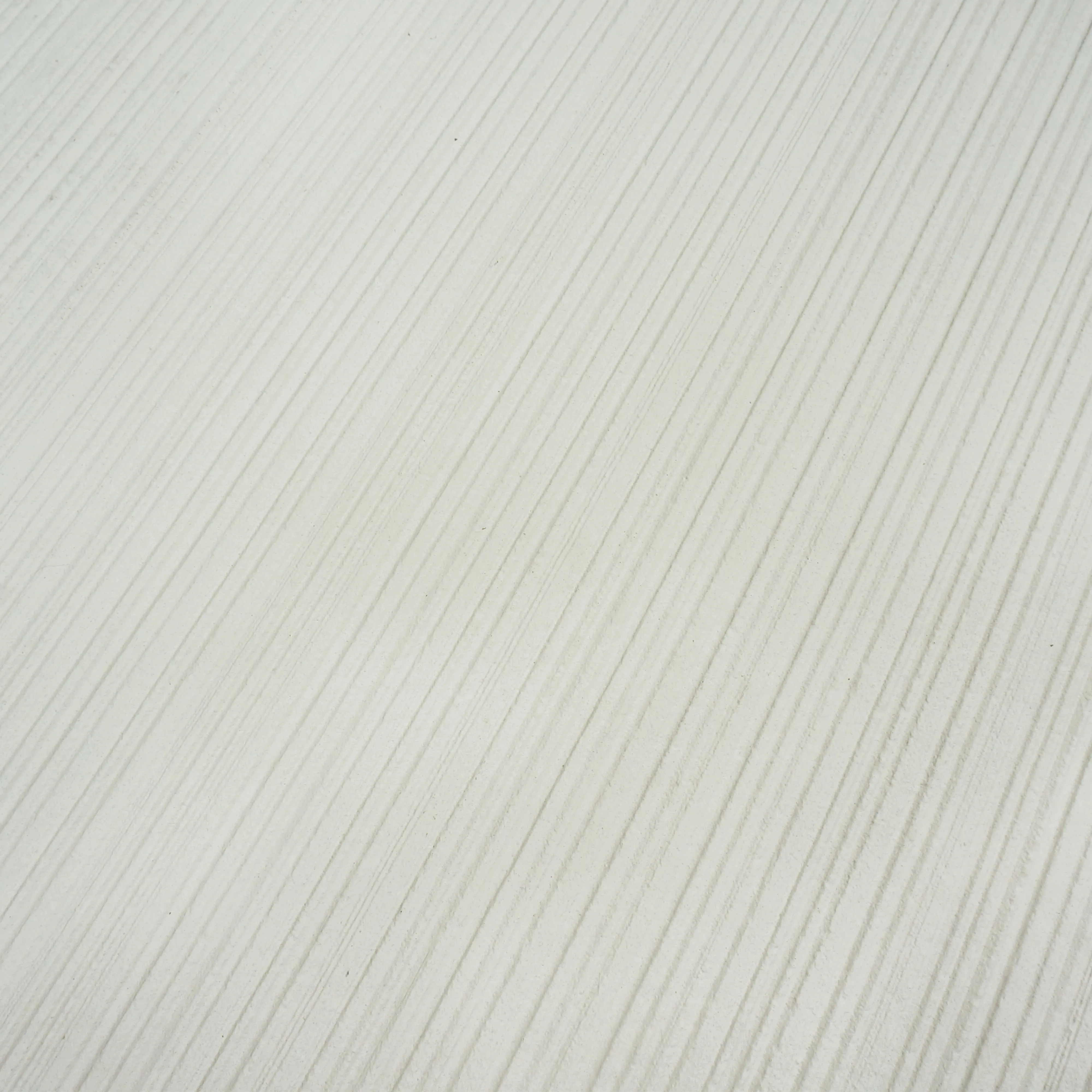
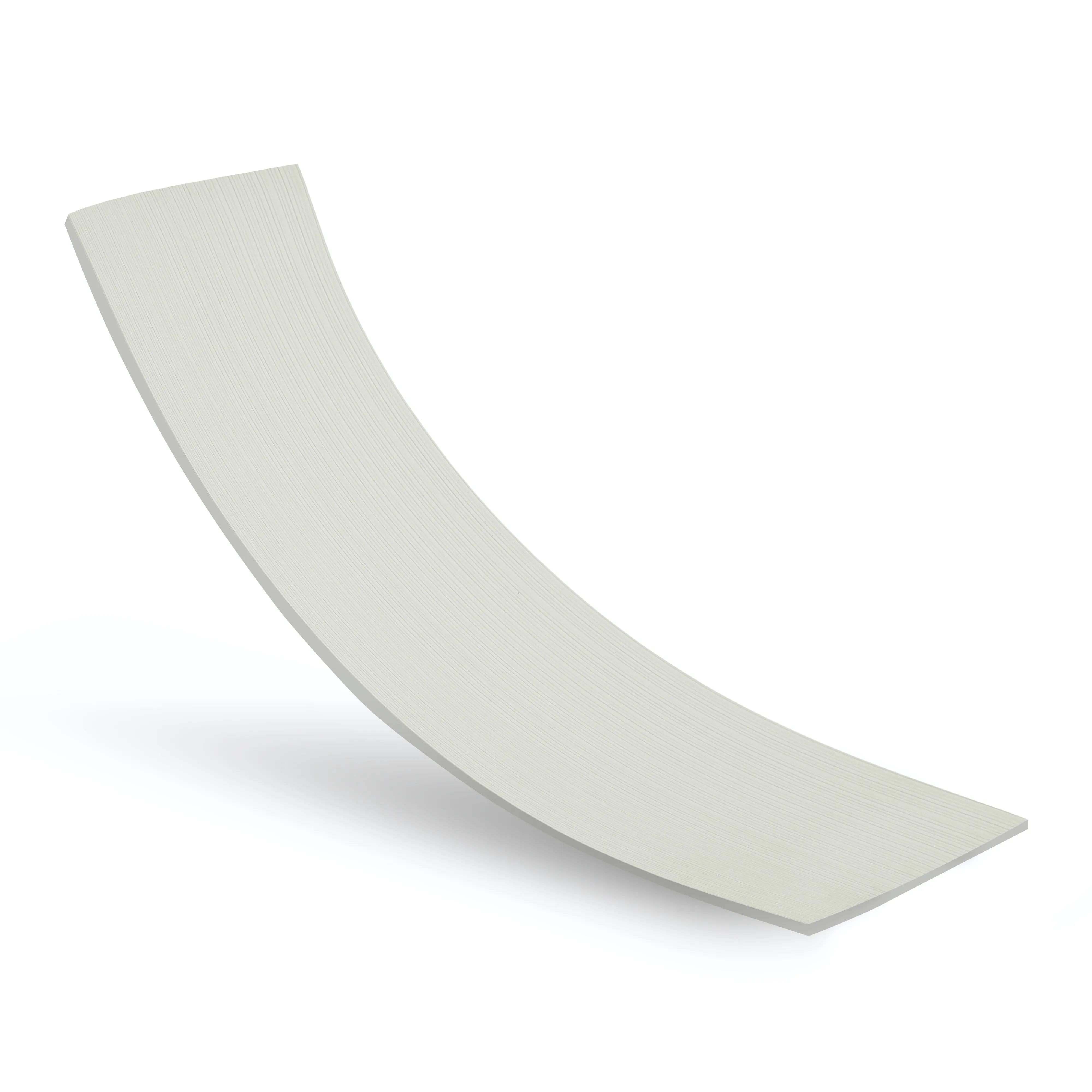
Unlike traditional stone, which is heavy and prone to cracking, Fine Line Stone (White) is lightweight, flexible, and incredibly strong. Its surface mimics the softness of natural limestone but with the resilience of modern composites. The "fine lines" are not just decorative—they're a testament to precision. Each linear groove is crafted to catch light in different ways, creating depth that shifts throughout the day. In the morning, it glows with a warm, golden hue; at dusk, it softens into a creamy ivory, as if lit from within.
But what truly sets it apart is its versatility. It works indoors and outdoors, on walls and facades, in high-traffic commercial spaces and intimate residential settings. Pair it with COLORIA's lunar peak silvery accents for a futuristic edge, or with warm woods for a rustic charm. It adapts, transforms, and elevates—no matter the context.
Walk through COLORIA's manufacturing facility in northern Italy, and you'll notice something different: it doesn't feel like a factory. There are no harsh, clanging machines or sterile assembly lines. Instead, it's a space where artisans—many with decades of experience—work alongside engineers, their hands guiding tools with the care of a painter holding a brush. "We don't 'produce' materials," says Luca, a master craftsman who's been with COLORIA for 25 years. "We create stories. Each panel of Fine Line Stone (White) has a soul."
The process starts with selecting raw materials—high-quality resins, natural minerals, and recycled aggregates—sourced from sustainable suppliers. These are mixed in precise ratios, then poured into molds that have been etched with the signature linear patterns. The key, Luca explains, is in the curing: "We let it set slowly, in controlled humidity and temperature, so the stone develops strength without losing its natural texture. Rushing it would make it brittle. Patience is our secret ingredient."
After curing, each panel undergoes a meticulous finishing process. Artisans sand the edges by hand, ensuring they're smooth to the touch, then seal the surface with a eco-friendly coating that protects against stains and weathering—without dulling the stone's natural luster. "You can feel the difference," Luca says, handing over a sample. Running your fingers over it, you notice the contrast: the lines are defined but not sharp, the surface is firm yet yielding, like a well-worn book cover. It's a material that invites interaction.
In a world of bold colors and flashy finishes, Fine Line Stone (White) stands out for its quiet confidence. Its soft white base is a canvas, but the linear patterns add just enough intrigue to keep the eye engaged. "It's versatile without being boring," says Aisha, an interior designer in Dubai who used the stone in a luxury hotel lobby. "I paired it with travertine (starry blue) accents and warm lighting, and the result was stunning—calm, sophisticated, and totally unique."
The color itself is a study in subtlety. It's not a stark, clinical white, but a warm, creamy shade with hints of ivory and sand—think the color of sunlight filtering through linen curtains. This warmth makes it ideal for spaces where people live and work; it doesn't drain energy but rather amplifies it. In offices, it reduces eye strain; in homes, it makes rooms feel larger and brighter. "I had a client who was hesitant about white—afraid it would feel cold," Aisha recalls. "After installing Fine Line Stone, she said, 'It's like living in a cloud that hugs you.'"
Texture is another star player. The fine lines are not uniform—they vary slightly in depth and spacing, mimicking the organic irregularity of natural stone. This gives the material a dynamic quality. In direct sunlight, the lines cast delicate shadows, creating a sense of movement. On overcast days, the texture softens, making the stone feel almost velvety. It's a material that changes with the light, ensuring spaces never feel static.
Designers love it for its looks, but builders and homeowners rave about its practicality. Let's start with weight: traditional natural stone can weigh up to 200 kg per square meter, requiring heavy-duty structural support. Fine Line Stone (White)? Just 15 kg per square meter. "That's a game-changer," says Raj, a contractor in Mumbai who used it in a high-rise apartment complex. "We could install it without reinforcing the walls, saving time and money. Plus, it's easy to cut and shape on-site—no special tools needed."
Durability is another win. It's resistant to scratches, stains, and UV rays, so it won't fade or discolor over time. In coastal areas, where saltwater can corrode other materials, it holds up beautifully. "We used it on a beach house in Australia," Raj adds. "After three years of storms and salt spray, it still looks brand new. The homeowners were shocked—they thought they'd have to replace the cladding every few years."
Then there's sustainability. COLORIA prides itself on reducing environmental impact: the stone contains 30% recycled materials, and the manufacturing process uses 50% less water than traditional stone production. It's also fully recyclable at the end of its life. "Clients are increasingly asking for eco-friendly options," Maria notes. "Fine Line Stone checks that box without compromising on style. It's a win-win."
From small cafes to skyscrapers, Fine Line Stone (White) is leaving its mark. In Tokyo, it clads the exterior of a boutique hotel in the Shibuya district, where its clean lines complement the city's neon lights, creating a striking contrast between old and new. In New York, it's used in a co-working space, where the warm white tones and linear patterns foster creativity—employees say the space feels "open and inspiring, not sterile."
One standout project is the MCM Project Board Series installation at the Dubai Expo 2023, where Fine Line Stone (White) was paired with lunar peak silvery panels to create a pavilion that shimmered like moonlight. "The goal was to evoke a sense of wonder," says the lead designer. "Fine Line Stone's texture made the pavilion feel alive, as if it was breathing. Visitors kept touching it—it was like they couldn't believe it was real."
Closer to home, in a small town in Portugal, a school renovated its auditorium with Fine Line Stone (White). "The acoustics improved, believe it or not," the principal says. "The stone absorbs sound just enough to reduce echo, making assemblies and concerts clearer. And the kids love it—they call it 'the magic wall.'"
Still curious how Fine Line Stone (White) stacks up against other popular materials? Here's a quick comparison:
| Material | Aesthetic | Durability | Weight (kg/m²) | Sustainability |
|---|---|---|---|---|
| Fine Line Stone (White) | Warm white with soft linear texture; versatile | High (scratch, stain, UV resistant) | 15 | 30% recycled materials; low water usage |
| Travertine (Starry Blue) | Deep blue with star-like flecks; bold, dramatic | Medium (prone to etching without sealing) | 80 | Natural stone; limited sustainability measures |
| Marble (Veil White) | Bright white with gray veins; luxurious but bold | Low (soft, easily scratched) | 100 | High environmental impact (quarrying) |
| Fair-Faced Concrete | Gray, industrial; minimalist | High (but prone to cracking in cold climates) | 220 | High carbon footprint; limited recycling |
At the end of the day, materials are about more than specs—they're about how they make us feel. Fine Line Stone (White) excels here because it doesn't just fill a space; it enhances the human experience. It's the stone that makes a hotel lobby feel welcoming, not intimidating. The cladding that turns a hospital waiting room into a calm retreat. The backdrop that makes family photos feel cozier, more timeless.
"I think people are drawn to it because it feels authentic," Maria says. "In a world of fake finishes and quick fixes, this stone has integrity. It's not trying to be something it's not. It's honest, and that honesty resonates." Aisha agrees: "My clients don't just buy it for their projects—they fall in love with it. One client even used it in their home's fireplace surround. 'Now every night, when we sit by the fire, the stone glows like it's alive,' they told me. That's the power of good design."
As design trends shift toward sustainability and biophilia—bringing nature into built spaces—Fine Line Stone (White) is poised to become even more popular. COLORIA is already experimenting with new textures and color variations, but the core philosophy remains: create materials that connect people to their environments. "We're not chasing trends," Luca says. "We're creating timeless pieces that will still feel relevant 50 years from now."
For Maria, the community center project was just the beginning. "I've used Fine Line Stone in three more projects since then," she says. "Each time, it's the same reaction: people notice it. They comment on it. They remember it. That's the mark of a truly great material—it doesn't just serve a purpose; it becomes part of the story."
Recommend Products












