
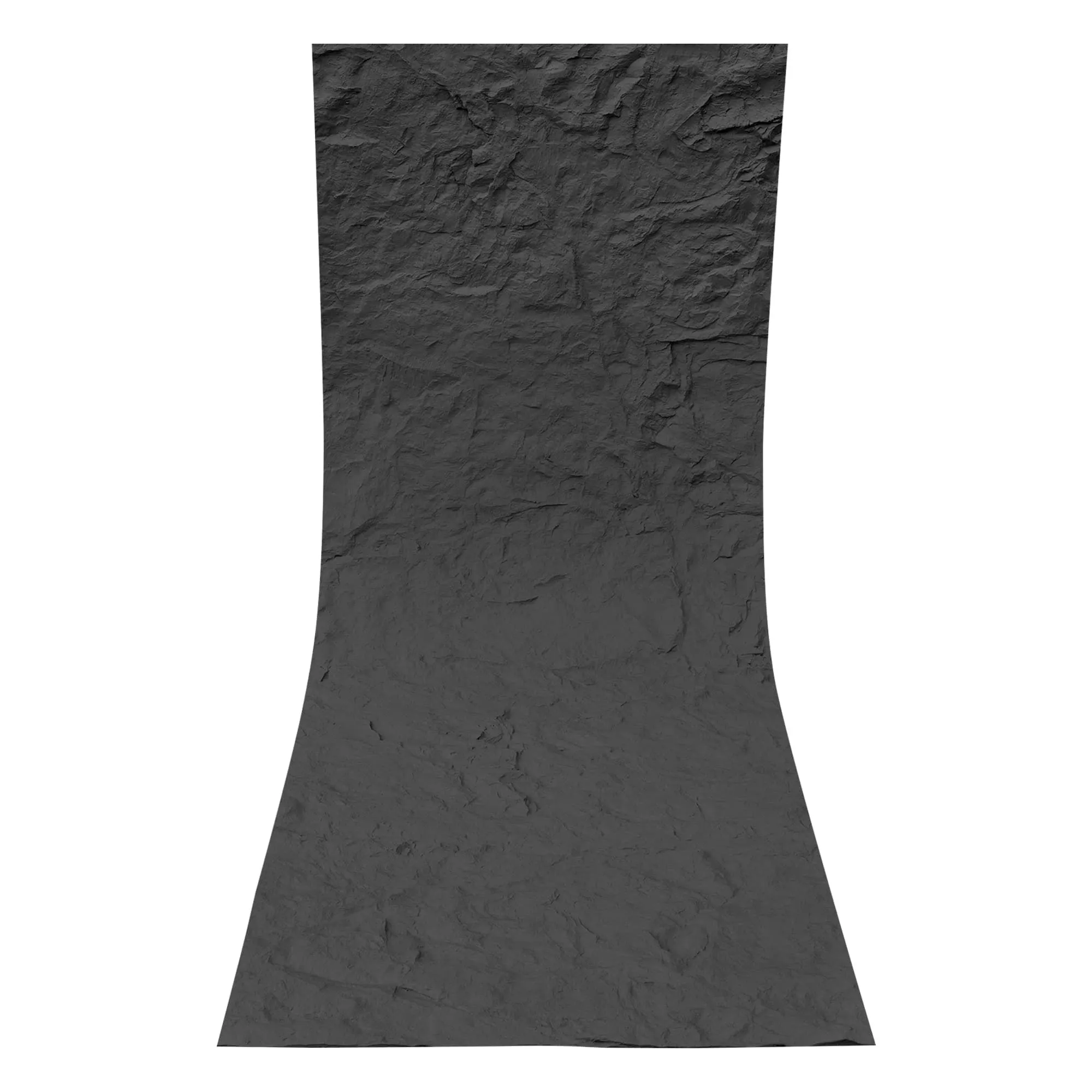
Walk into any modern boutique hotel, upscale restaurant, or even a thoughtfully designed home today, and you'll likely notice something different about the walls or facades. Gone are the days of generic drywall or overly polished marble that feels more like a showroom than a living space. Instead, there's a new star in the world of building materials—one that carries the weight of history in its texture and the sleekness of modernity in its color. That star is vintage black boulder slab , a material that's quietly but firmly reshaping how architects, designers, and homeowners think about what a building can feel like.
But why now? Why has this particular stone suddenly become the go-to choice for projects ranging from urban high-rises to coastal retreats? The answer lies in a shift that's been brewing for years: we're no longer satisfied with buildings that just function—we want them to mean something. We want spaces that tell stories, that feel both rooted in the past and ready for the future. And vintage black boulder slab? It's a master storyteller.
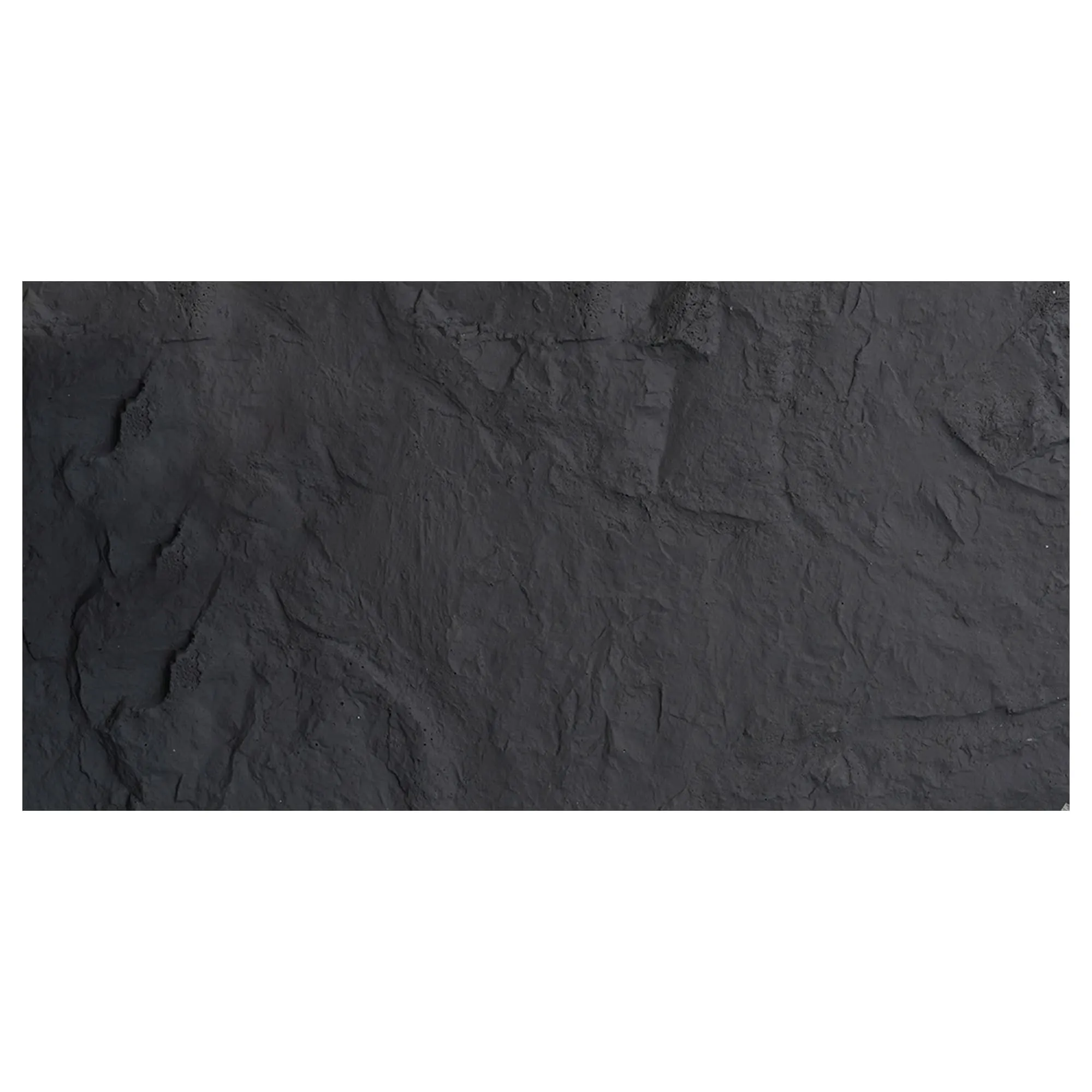
Let's start with the basics. Vintage black boulder slab is part of the broader boulder slab family, which includes variants like vintage silver, vintage gold, and the classic unadorned boulder slab. What sets the vintage black apart is its deep, moody color palette—think of the night sky just after sunset, when the last traces of blue fade into inky black, but with a subtle, weathered patina that hints at age. Unlike stark, matte black materials that can feel cold, this slab has texture: tiny pits, gentle ridges, and a finish that catches light in unexpected ways, creating depth that flat surfaces can never match.
It's also important to note that this isn't your grandfather's stone. While it draws inspiration from natural rock formations, vintage black boulder slab is often engineered using modern techniques, blending natural aggregates with binders that enhance durability without sacrificing its organic look. This marriage of old and new is key to its appeal—it has the soul of a centuries-old stone wall but the practicality of a material built for 21st-century living.
To understand the demand for vintage black boulder slab, we need to zoom out and look at the bigger picture in global architecture. For decades, the trend leaned toward minimalism—clean lines, neutral colors, and a "less is more" ethos. But in recent years, there's been a backlash against the sterility of that approach. Designers are now calling it "warm minimalism" or "quiet luxury"—spaces that are simple but not soulless, that use texture and materiality to create emotion.
This shift is happening everywhere. In Tokyo, architects are pairing vintage black boulder slab with fair-faced concrete to create homes that feel both industrial and intimate. In Barcelona, restaurant owners are using it for accent walls to evoke the warmth of a mountain cabin in the heart of the city. In New York, boutique hotels are cladding lobbies with it to welcome guests with a sense of timelessness, not trendiness.
Part of this is also a response to our fast-paced, digital lives. When we're surrounded by screens and constant noise, we crave physical spaces that ground us. Vintage black boulder slab does exactly that—it's tactile, it's real, and it doesn't demand attention; it earns it. As one London-based architect put it, "Clients don't just ask for 'a black wall' anymore. They ask for a wall that feels like it has a history—like it's been there, and it will be there long after we're gone."
Let's talk about the look—because let's be honest, that's what first draws people in. Vintage black boulder slab isn't just "black." It's a spectrum. In bright sunlight, its surface shimmers with tiny flecks of silver and charcoal, like stars hidden in a storm cloud. In softer indoor lighting, it deepens, creating a cozy, cocoon-like atmosphere. And when paired with warm woods or brass fixtures, it transforms into something almost luxurious, without feeling over-the-top.
Its versatility is another superpower. Want a rustic cabin vibe? Pair it with rough-hewn beams and a stone fireplace. Going for a sleek, modern office? Combine it with glass partitions and MCM flexible stone accents for a look that's both edgy and refined. It works indoors and out—think exterior facades that age gracefully, or bathroom walls that add drama without feeling cold. Unlike some materials that only shine in specific settings, vintage black boulder slab adapts. It's a chameleon with style.
And let's not overlook the trend toward "biophilic design"—the idea that connecting with nature improves well-being. Vintage black boulder slab, with its earthy texture and organic feel, brings a piece of the outdoors inside, even in the most urban environments. It's not a replacement for plants or natural light, but it's a complement—a reminder of the mountains, the canyons, the places where stone has stood for millennia.
Aesthetic appeal will get a material noticed, but practicality is what makes it stick. And vintage black boulder slab checks a lot of boxes for builders and installers. For starters, it's durable. Unlike natural marble, which can scratch or stain easily, this engineered stone resists water, heat, and everyday wear and tear. That makes it ideal for high-traffic areas like hotel lobbies or restaurant walls, where it will look good for years with minimal maintenance.
Installation is another win. Thanks to modern manufacturing, vintage black boulder slab often comes in large, lightweight panels that are easier to transport and install than solid natural stone. This saves time and labor costs, which is a big deal for contractors working on tight deadlines. It's also compatible with a range of mounting systems, from traditional mortar to modern adhesives, making it flexible for different project types.
Sustainability is increasingly important too, and vintage black boulder slab delivers here as well. Many manufacturers use recycled materials in their production process, and because it's long-lasting, it reduces the need for frequent replacements—meaning less waste over time. In an industry under pressure to reduce its carbon footprint, materials that are both beautiful and eco-friendly are becoming non-negotiable.
Curious how vintage black boulder slab compares to its siblings in the boulder slab family? Let's break it down:
| Variant | Color & Finish | Best For | Vibe |
|---|---|---|---|
| Vintage Silver Boulder Slab | Light gray with silvery highlights, subtle metallic sheen | Modern kitchens, tech offices | Futuristic, sleek |
| Vintage Gold Boulder Slab | Warm gold with amber undertones, rich patina | Luxury hotels, upscale retail | Opulent, timeless |
| Vintage Black Boulder Slab | Deep black with charcoal and silver flecks, weathered texture | Restaurants, homes, accent walls | Moody, cozy, versatile |
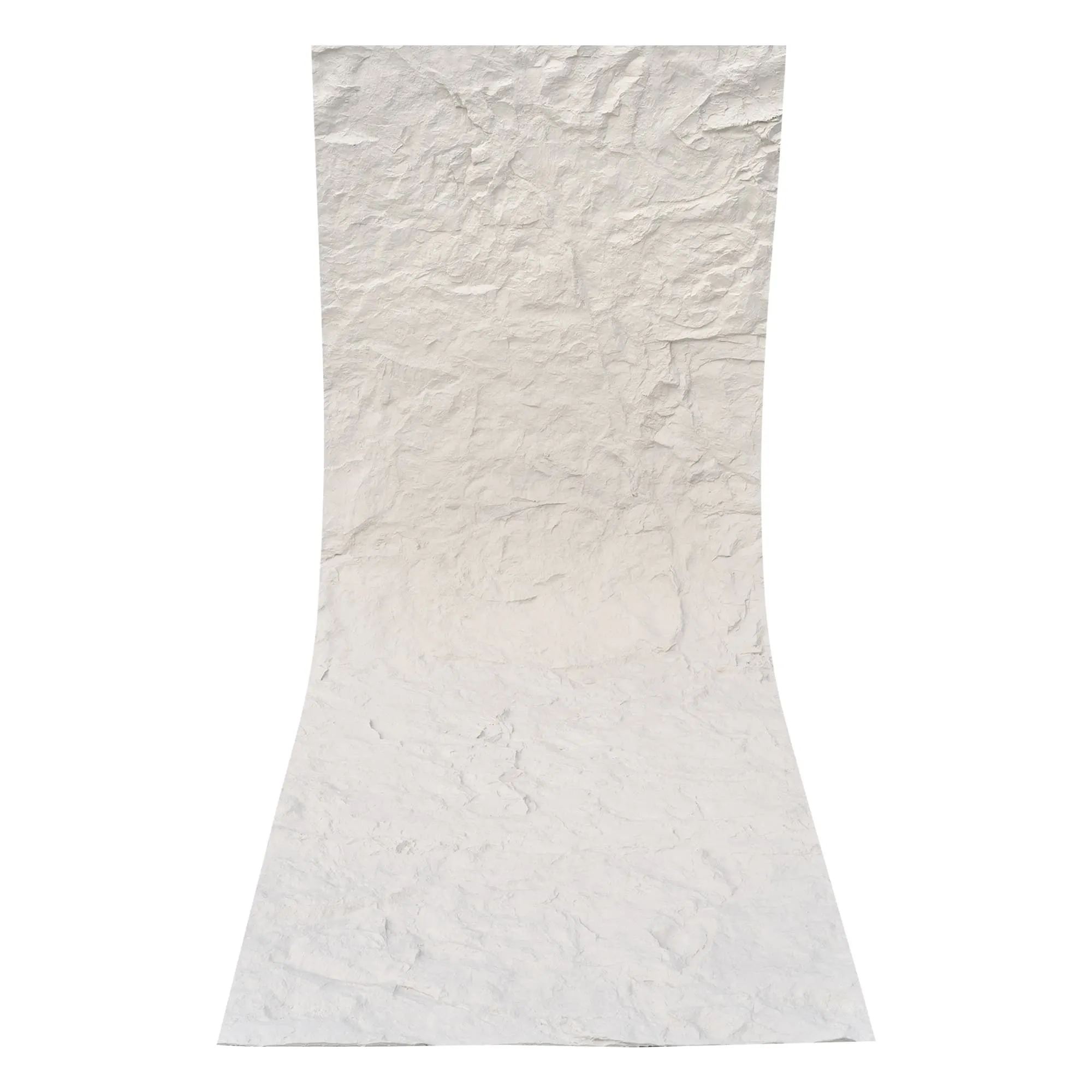
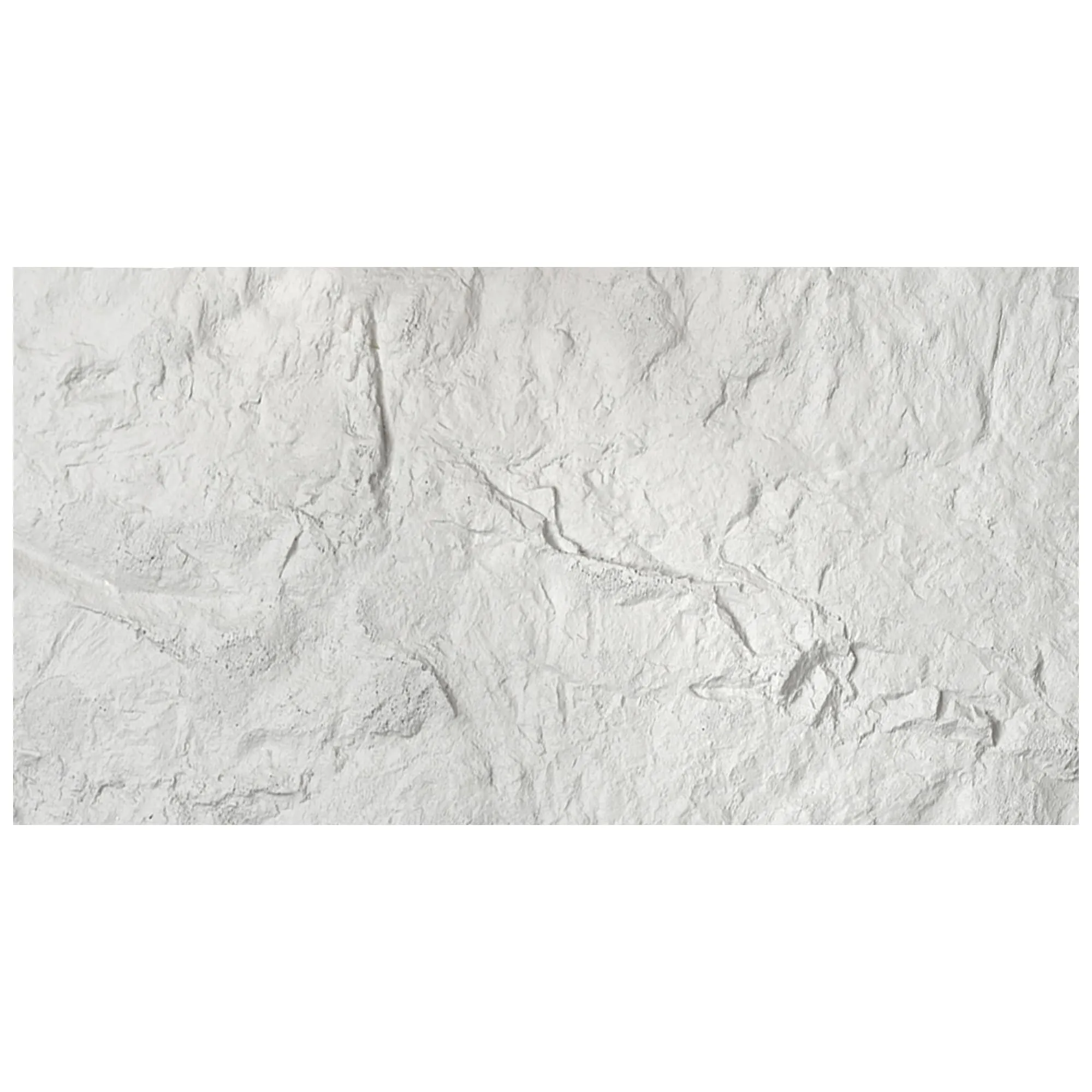
| Classic Boulder Slab | Natural stone color (beige, gray), unpolished | Rustic cabins, outdoor patios | Raw, earthy |
As the table shows, each variant has its niche, but vintage black stands out for its ability to adapt to almost any setting. It's the chameleon of the group—and in a world where design needs to be flexible, that's a huge advantage.
No material exists in a vacuum, and vintage black boulder slab plays well with others. One of its best partners is MCM flexible stone , a lightweight, bendable material that can be used for curved surfaces or intricate designs. Imagine a lobby wall where vintage black boulder slab forms the base, and MCM flexible stone wraps around a curved column—suddenly, the space feels dynamic, not static.
Another great match is travertine (starry blue) . The soft blue and white veining of starry blue travertine contrasts beautifully with the deep black of the boulder slab, creating a look that's both calming and striking. This combo is popular in spas and wellness centers, where the goal is to create a sense of tranquility.
And let's not forget wood. Whether it's reclaimed oak flooring or a live-edge walnut countertop, wood adds warmth that balances the coolness of the black stone. In homes, this pairing is especially effective in living rooms or bedrooms, where the goal is to create a space that feels like a retreat.
So, is the demand for vintage black boulder slab just a passing trend? All signs point to no. As long as architects and homeowners crave materials that tell stories, that blend the best of old and new, this stone will have a place in construction. In fact, industry experts predict that demand will only grow as more people discover its versatility and emotional impact.
One emerging trend to watch is the use of vintage black boulder slab in sustainable building projects. As green construction becomes the norm, materials that are durable, low-maintenance, and made with recycled content will be in even higher demand. This slab checks all those boxes, making it a favorite for LEED-certified buildings and eco-friendly homes.
There's also potential for innovation in how it's used. Some designers are experimenting with combining vintage black boulder slab with 3D printing techniques to create custom shapes and patterns, pushing the boundaries of what's possible with stone. Others are using it in outdoor furniture or decorative elements, expanding its role beyond walls and facades.
At the end of the day, vintage black boulder slab isn't just a building material. It's a feeling. It's the comfort of walking into a room and knowing it was designed with intention. It's the joy of seeing how light changes the way it looks throughout the day. It's the reassurance that some things—good design, quality materials, the beauty of imperfection—never go out of style.
So the next time you walk into a space that feels uniquely "you," take a closer look at the walls. Chances are, you might just be standing in front of vintage black boulder slab. And if you are, take a moment to appreciate it—not just for what it is, but for what it represents: a return to materials that matter, in a world that often feels like it's moving too fast.
In the end, that's the real reason for its growing demand. We don't just want buildings that look good—we want buildings that make us feel something. And vintage black boulder slab? It feels like home.
Recommend Products












