
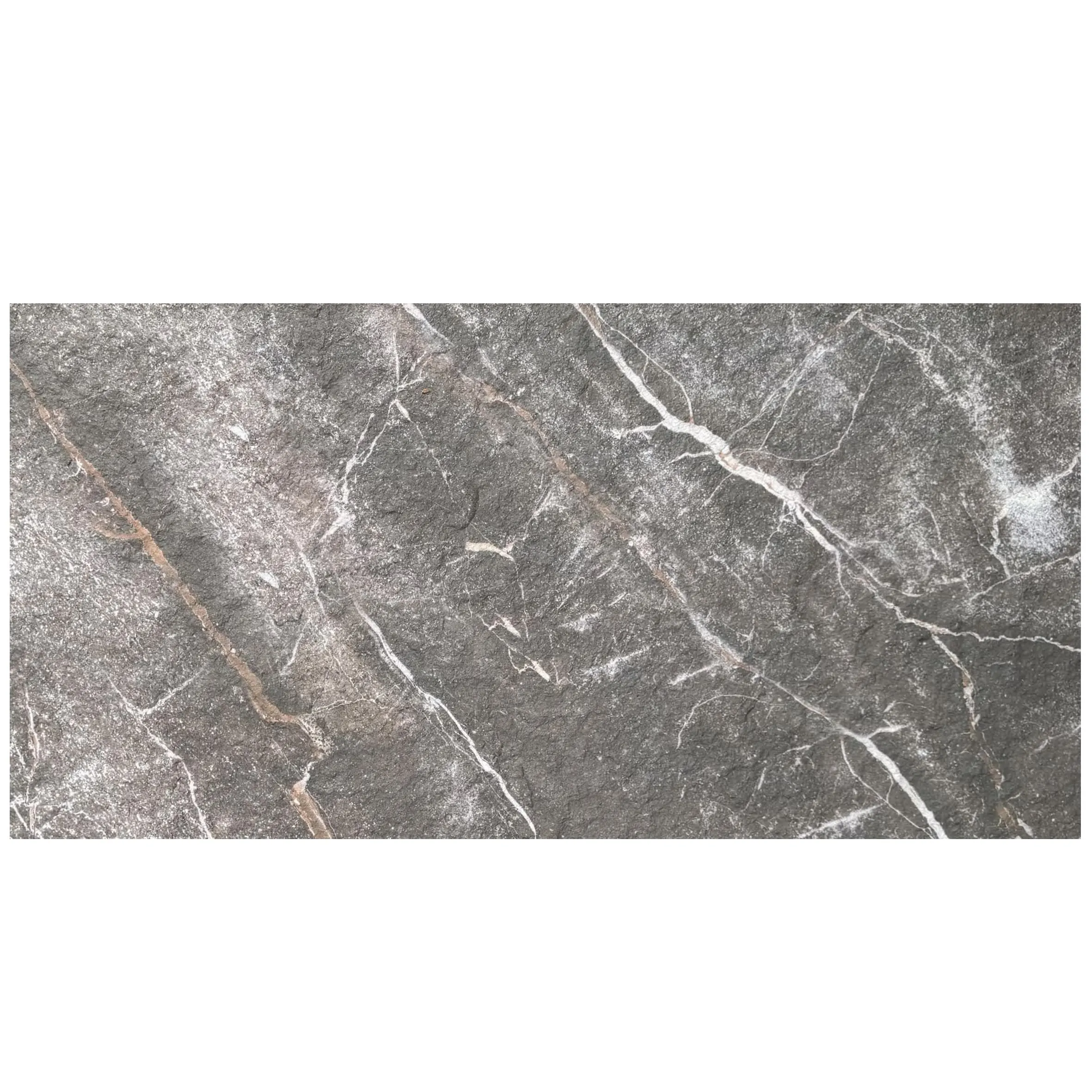
Step into any luxury hotel lobby, high-end restaurant, or grand residential kitchen, and there's a good chance you'll encounter a stone that stops you in your tracks: a deep, velvety black surface swirled with threads of gold so vivid they seem to glow from within. That, my friend, is Granite Portoro—a material that's as much a storyteller as it is a building block. More than just a stone, it's a fusion of Earth's violent geological past and humanity's enduring love for beauty. In this article, we'll dig into how this iconic stone came to be, trace its journey through history, and explore why it remains a staple in architecture and design today. Along the way, we'll also meet some of its geological cousins, like Slate Portoro and Granite Nero Margiua, and even touch on modern alternatives such as polished concrete and fair-faced concrete. Let's start at the beginning—deep beneath the Earth's surface.
To understand Granite Portoro, we first need to talk about granite itself. Granite is an igneous rock, born from the slow cooling of magma deep within the Earth's crust. Imagine a vast underground chamber, miles below the surface, filled with molten rock so hot it glows orange. Over thousands—sometimes millions—of years, this magma cools, and as it does, minerals like quartz, feldspar, and mica start to crystallize, locking together to form the hard, granular texture we associate with granite. But Granite Portoro isn't just any granite. Its claim to fame lies in those striking gold veins, and their story is a little more complicated.
Most geologists agree that the "gold" in Granite Portoro isn't actual gold (though wouldn't that be something?). Instead, it's often a mix of minerals like pyrite (fool's gold), iron oxides, or even feldspar with a high iron content, which gives off that warm, metallic sheen. How do these veins form? Picture the magma chamber again, but now imagine cracks or fissures opening up in the cooling rock. Hot, mineral-rich fluids—think of them as supercharged groundwater—seep into these cracks. As the fluids cool, the minerals dissolved in them precipitate out, lining the cracks and forming veins. In Granite Portoro, these veins are unusually thick and evenly distributed, creating that dramatic contrast between dark background and bright threads. It's a geological accident, really—but one that humans have turned into art.
Geologists estimate that the Granite Portoro we quarry today began forming around 200–300 million years ago, during the Paleozoic Era. That's long before dinosaurs roamed the Earth! The specific quarries where it's found—primarily in regions like Italy (though some deposits exist in Brazil and India)—are areas where tectonic activity once created the perfect conditions: active volcanoes, large magma chambers, and the right mix of minerals in the surrounding rock. Over time, erosion wore away the overlying layers of Earth, exposing these ancient granite formations and making them accessible to quarrying.
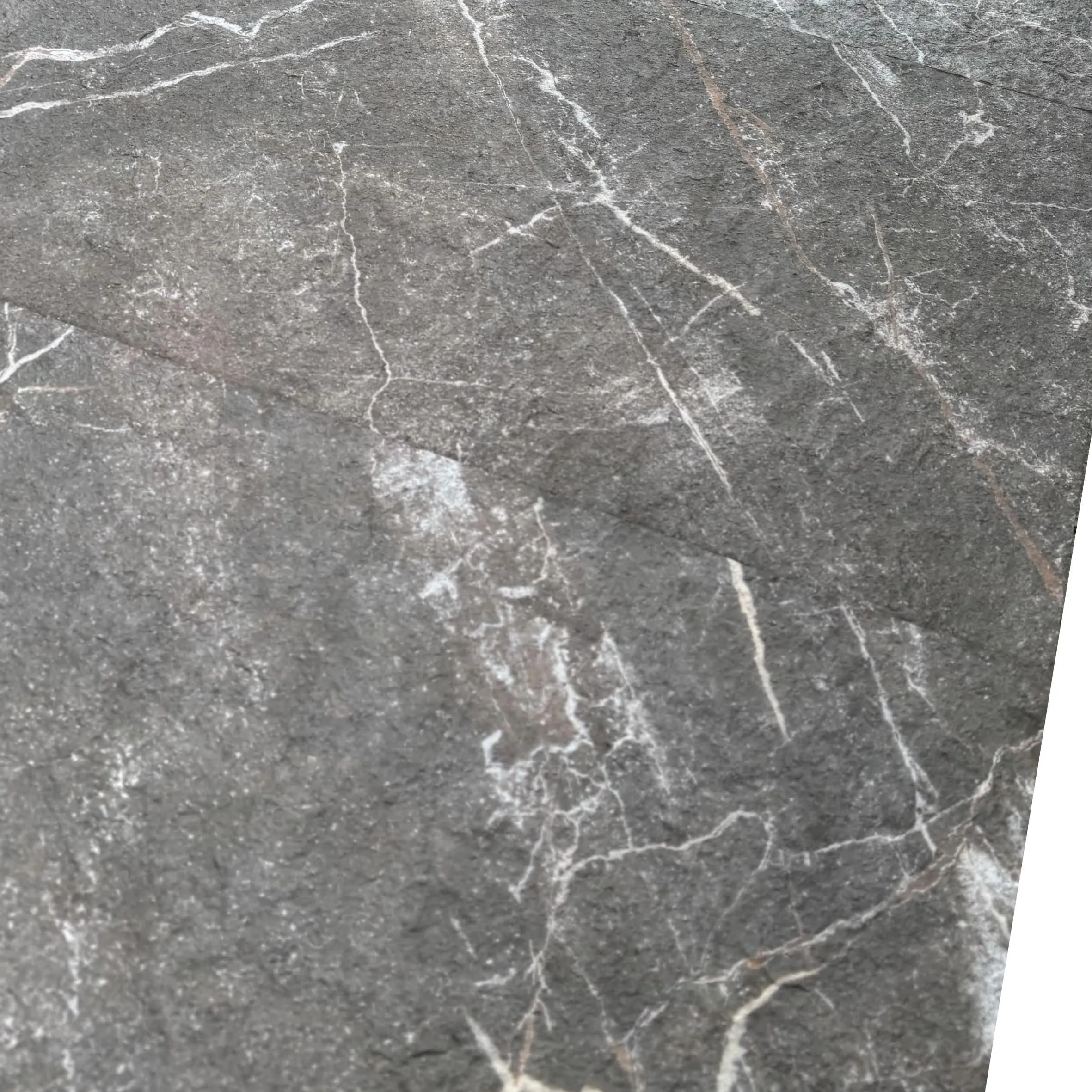
Humans have been drawn to Granite Portoro's beauty for millennia. The earliest recorded use dates back to ancient Rome, where it was prized for its durability and opulence. Roman architects used it to line the floors of temples and public baths, believing its dark color and gold veins symbolized wealth and divine favor. One of the most famous examples is the Pantheon in Rome, where fragments of Portoro-like stone (historians debate if it was true Granite Portoro) can be found in the intricate floor mosaics. Imagine walking on those stones 2,000 years ago, the light filtering through the oculus above, making the gold veins shimmer—talk about a first impression.
But it wasn't until the Renaissance that Granite Portoro really came into its own. During this period, European nobility became obsessed with luxury materials, and Portoro (by then being quarried more extensively in Italy) was a status symbol. Wealthy families commissioned it for everything from fireplace surrounds to table tops. The Medici family of Florence, for example, was known to import shiploads of the stone for their palaces. It was during this time that craftsmen also perfected techniques for polishing granite, bringing out the full depth of its color and making those gold veins pop even more. By the 18th and 19th centuries, as global trade expanded, Granite Portoro found its way to far-flung corners of the world, adorning everything from Russian palaces to American Gilded Age mansions.
In the 20th century, Granite Portoro took on a new role: symbolizing modern luxury. Think of the sleek lobbies of mid-century hotels in New York or Paris, where black and gold Portoro floors set the tone for sophistication. It became a favorite of architects like Le Corbusier, who used it sparingly to add a touch of elegance to his otherwise minimalist designs. Even today, in an era of trends that come and go, Granite Portoro remains a go-to for designers aiming to create spaces that feel both timeless and opulent.
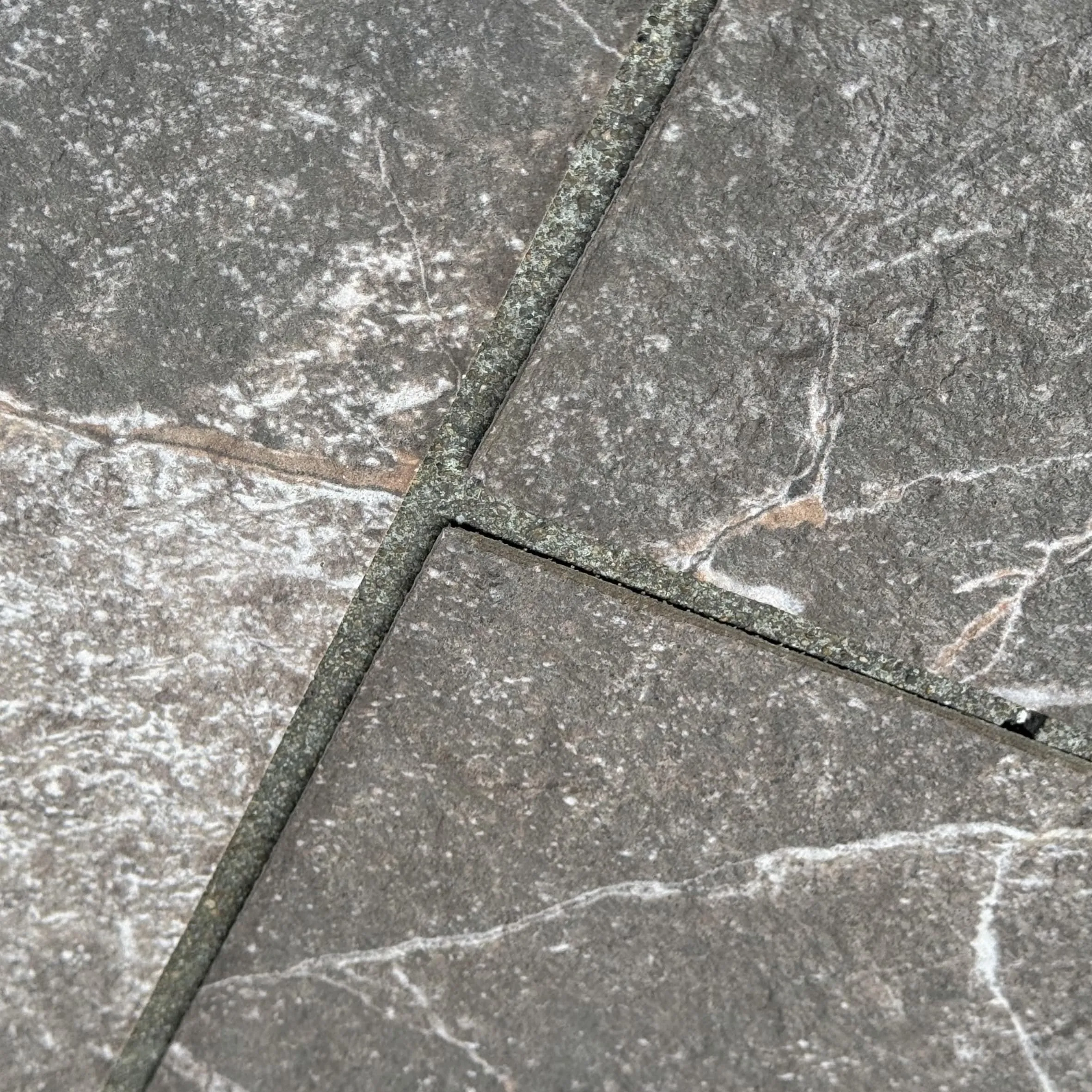
Granite Portoro isn't the only stone with a flair for the dramatic. Let's take a look at some of its geological relatives and see how they compare. First up is Slate Portoro. Slate is a metamorphic rock, formed when shale (a sedimentary rock) is subjected to intense heat and pressure over time. Unlike Granite Portoro's granular texture, slate is smooth and layered, with a more matte finish. Slate Portoro has similar dark coloring but often features thinner, more subtle veins—think of it as Granite Portoro's more understated sibling. It's popular for flooring and wall cladding in spaces where a rustic, earthy vibe is desired.
Then there's Granite Nero Margiua, a jet-black granite with minimal veining—no gold here, just pure, unbroken darkness. If Granite Portoro is a fireworks show, Nero Margiua is a quiet night sky. It's prized for its uniformity and is often used in modern design to create sleek, monochromatic surfaces. Architects love it for countertops and accent walls, where its simplicity lets other elements (like bold furniture or colorful art) take center stage.
To help you visualize the differences, here's a quick comparison:
| Material | Rock Type | Color & Veining | Texture | Hardness (Mohs Scale) | Common Uses |
|---|---|---|---|---|---|
| Granite Portoro | Igneous (Granite) | Deep black with thick gold/bronze veins | Granular, polished finish | 6–7 | Luxury flooring, countertops, wall cladding, monuments |
| Slate Portoro | Metamorphic (Slate) | Dark gray/black with thin, subtle veins | Smooth, layered, matte finish | 3–4 | Rustic flooring, roofing, backsplashes |
| Granite Nero Margiua | Igneous (Granite) | Jet black, minimal to no veining | Granular, polished or honed finish | 6–7 | Modern countertops, accent walls, furniture |
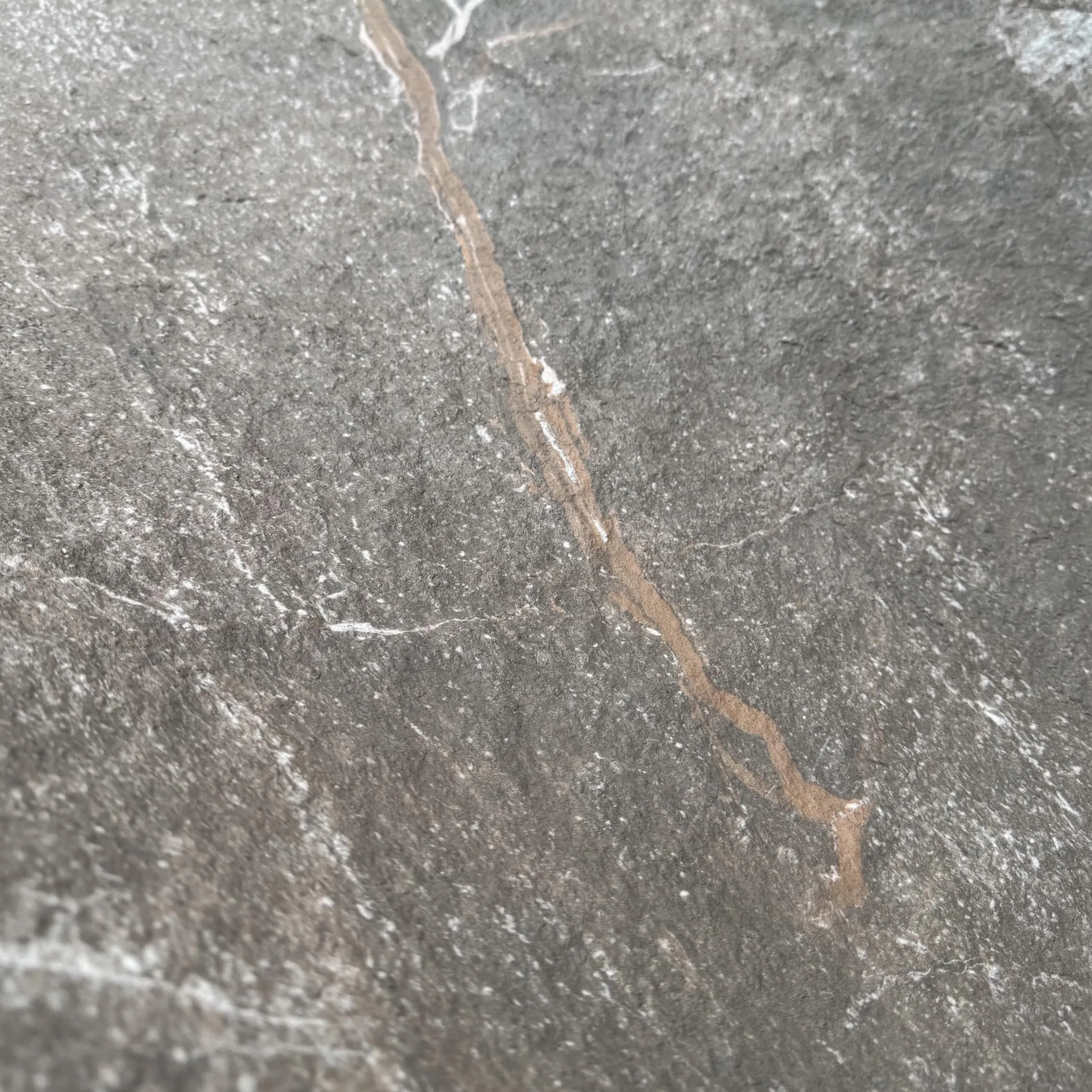
Of course, not every project calls for natural stone—and that's where modern materials like polished concrete and fair-faced concrete come in. Polished concrete is exactly what it sounds like: concrete that's ground down and polished to a high shine, often with dyes or aggregates added to mimic the look of stone. It's durable, affordable, and eco-friendly (since it uses existing concrete slabs), making it a favorite for commercial spaces like restaurants and offices. While it can't replicate the depth of Granite Portoro's veins, it offers a sleek, industrial-chic aesthetic that's perfect for modern design.
Fair-faced concrete (also called "architectural concrete") takes a different approach. Instead of polishing, it's left in its natural state, with the texture of the formwork (the wooden or metal molds used to cast it) visible on the surface. It has a raw, organic look—think of the rough-hewn walls of a minimalist cabin or a contemporary art gallery. Like polished concrete, it's more budget-friendly than natural stone, but it brings a different kind of beauty: the beauty of imperfection, of seeing the hand of the maker in the material.
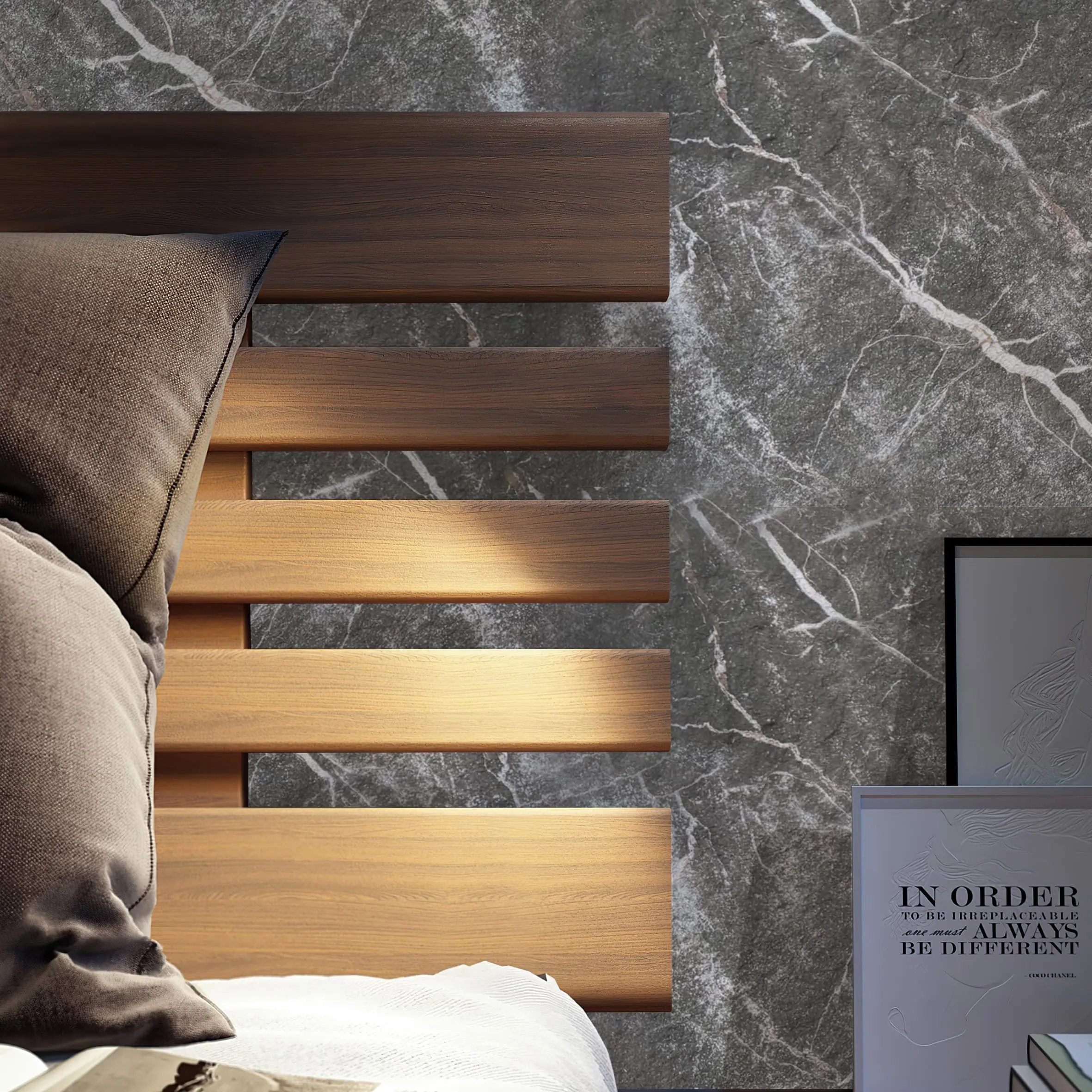
So why choose concrete over Granite Portoro? For one, cost. Natural stone quarrying and transportation are expensive, and Granite Portoro, being a premium material, comes with a premium price tag. Concrete, on the other hand, is widely available and can be poured on-site, cutting down on labor and shipping costs. It's also more versatile—concrete can be molded into any shape, whereas stone is limited by the size of the quarry blocks. But here's the thing: concrete can't replicate the uniqueness of Granite Portoro. No two slabs of Portoro are exactly alike; each has its own pattern of veins, its own "personality." For designers aiming to create a one-of-a-kind space, that's irreplaceable.
In recent years, sustainability has become a hot topic in architecture, and natural stone—including Granite Portoro—has faced some criticism. Quarrying can disrupt local ecosystems, and transporting heavy stone across the globe leaves a large carbon footprint. That said, the stone industry has made strides in reducing its impact. Many quarries now use eco-friendly practices, like reforestation of mined areas and water recycling. Plus, granite is a natural, non-toxic material that doesn't off-gas harmful chemicals, unlike some synthetic flooring options. It's also incredibly durable—Granite Portoro floors can last for centuries with proper care, meaning less need for replacement (and less waste) over time.
For those who love the look of stone but want a more sustainable option, materials like polished concrete and fair-faced concrete offer a middle ground. Concrete can incorporate recycled materials (like fly ash or crushed glass) and, when sourced locally, has a lower carbon footprint. Some companies even offer "green" concrete mixes that absorb CO2 over time, helping to offset emissions. At the end of the day, the choice between natural stone and concrete often comes down to priorities: aesthetics, budget, and environmental values.
So, after all these years, why does Granite Portoro still hold such appeal? I think it's because it's more than just a building material—it's a symbol. Those gold veins speak to our love of luxury and excess, while the dark background grounds us in something timeless and solid. It's a material that works in both ancient temples and modern skyscrapers, a bridge between past and present. Walk into a room with Granite Portoro floors, and you can't help but feel a sense of occasion—as if you're stepping into a space that matters.
I also think it's about storytelling. Every slab of Granite Portoro has a 300-million-year backstory: of volcanoes erupting, of continents shifting, of minerals crystallizing in the dark depths of the Earth. When we use it in our homes or buildings, we're not just adding a pretty surface—we're bringing a piece of Earth's history indoors. It's a reminder that the world is full of beauty that's been in the making for longer than we can imagine.
Granite Portoro is more than just a rock. It's a geological masterpiece, a historical artifact, and a design icon all rolled into one. From its formation deep in the Earth's crust to its use in ancient Roman temples and modern luxury hotels, it has stood the test of time. And while materials like Slate Portoro, Granite Nero Margiua, polished concrete, and fair-faced concrete offer alternatives, none quite capture the magic of Portoro's black-and-gold drama.
As we look to the future, I have no doubt that Granite Portoro will continue to grace our most beloved spaces. It's a stone that adapts, that evolves with design trends while never losing its core appeal. Whether you're a homeowner dreaming of a luxury kitchen, an architect designing a landmark building, or just someone who appreciates the beauty of natural materials, Granite Portoro has something to offer. It's a reminder that the best things in life—like the Earth itself—take time to create, and their beauty only deepens with age.
So the next time you see that familiar black-and-gold pattern, take a moment to appreciate it. You're looking at 300 million years of history, compressed into a single slab. And that, my friend, is something truly worth celebrating.
Recommend Products












