

Nestled between the lush greenery of rice terraces and the crashing waves of the Indian Ocean, Bali is a land where nature and culture dance in harmony. Walk through its villages, and you'll encounter a material that embodies this balance: Bali Stone. With its warm, sun-kissed hues and tactile texture, it's more than just a building material—it's a storyteller, carrying the island's history in every grain. But like all great stories, Bali Stone's narrative hasn't stayed static. From its humble beginnings in ancient quarries to its sleek reinvention in modern construction, this stone has evolved, proving that tradition and innovation can walk hand in hand.
Bali Stone's story starts deep beneath the island's surface, forged by the same volcanic forces that shaped Bali's dramatic landscapes. Centuries ago, local villagers discovered deposits of soft, sedimentary stone in the island's river valleys and hillsides. Its composition—rich in calcium carbonate and flecked with tiny mineral deposits—gave it a unique appearance: a warm, earthy beige base with subtle hints of gold and gray, like sunlight filtering through tropical foliage.
The first quarrymen, using little more than iron tools and oxen, extracted the stone in rough blocks. They quickly realized its potential: it was easy to carve, durable enough to withstand Bali's tropical rains, and, most importantly, it felt "alive." Unlike the cold, uniform stones of other regions, Bali Stone seemed to breathe, its porous surface absorbing the island's humidity and releasing it slowly, creating a microclimate of comfort in the homes and temples it adorned.
In Balinese culture, architecture is never just about function—it's a dialogue with the divine. Bali Stone became a key player in this dialogue, used to build the island's most sacred spaces. Step into a Balinese temple (pura), and you'll find Bali Stone walls carved with mythological scenes: gods riding dragons, dancers performing the kecak, and lotus flowers symbolizing purity. These carvings weren't just decorative; they were believed to invite spiritual energy into the space.
Beyond temples, Bali Stone shaped the island's homes. Traditional Balinese houses ( compounds) featured stone foundations and walls, their rough surfaces softened by climbing frangipani and bougainvillea. The stone's natural insulation kept interiors cool during scorching afternoons, while its weight provided stability against monsoon winds. To this day, in villages like Ubud and Sidemen, you can still find centuries-old Bali Stone structures, their edges worn smooth by time but their character intact.
What made Bali Stone truly special, though, was its versatility. Villagers used it for everything from simple garden paths to elaborate water features (). In the royal palaces of Klungkung, artisans even polished sections of the stone to a soft sheen, creating a contrast between rough and smooth that mirrored the island's own duality of wildness and refinement.
For all its beauty, traditional Bali Stone came with challenges. Quarrying it was labor-intensive: blocks were heavy, often weighing hundreds of kilograms, making transport to remote villages arduous. Installation required skilled masons, as the stone's porous nature made it prone to cracking if not handled carefully. And while its weight was an asset for stability, it became a liability in modern construction, where buildings reach higher and require lighter materials.
By the late 20th century, as Bali opened up to tourism and global architecture trends, demand for Bali Stone soared. But traditional methods couldn't keep up. Architects wanted larger panels for sleek, contemporary designs; hoteliers needed stone that could be installed quickly to meet opening deadlines; and builders sought materials that wouldn't strain structural budgets. Bali Stone, in its traditional form, was struggling to fit the bill.
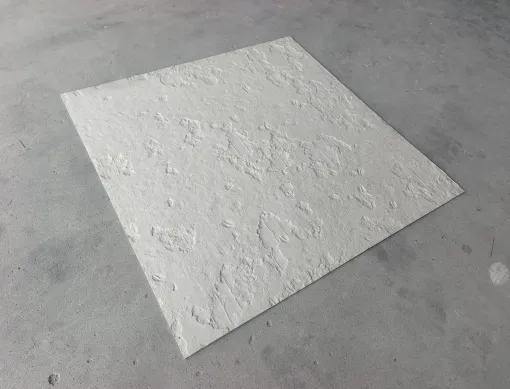
Enter MCM flexible stone—a game-changer for Bali Stone and modern construction. MCM, or Modified Composite Material, is a technology that takes the essence of natural stone and wraps it in flexibility. Here's how it works: thin slices of Bali Stone are bonded to a lightweight, flexible backing (often fiberglass or polymer), creating sheets that are just 3-5mm thick. The result? All the beauty of traditional Bali Stone, with none of the bulk.
This innovation solved every pain point of traditional stone. Suddenly, Bali Stone could be transported in rolls, not heavy blocks. It could be installed in hours, not days, using simple adhesives instead of mortar. It could curve around columns, climb high-rise facades, and even be used on ceilings—something unthinkable with traditional stone. And because the stone layer is thin, it uses far less raw material, making it more sustainable, too.
Today, MCM flexible Bali Stone is a staple in both Balinese and international projects. Walk into a boutique hotel in Seminyak, and you might find a feature wall clad in MCM Bali Stone, its texture mimicking the traditional quarried blocks but with a uniformity that suits modern aesthetics. In Singapore, a skyscraper's lobby uses curved MCM Bali Stone panels to evoke a sense of Balinese serenity amid the city's glass and steel. It's Bali Stone, but reborn for the 21st century.
| Feature | Traditional Bali Stone | MCM Flexible Bali Stone |
|---|---|---|
| Thickness | 100-200mm (quarried blocks) | 3-5mm (flexible sheets) |
| Weight | Heavy (20-30kg per sq.m) | Lightweight (3-5kg per sq.m) |
| Installation | Requires skilled masons, mortar, and structural support | Can be installed with adhesives; suitable for DIY or contractors |
| Design Flexibility | Limited to small blocks; hard to curve | Large sheets (up to 1.2m x 2.4m); can bend around corners |
| Sustainability | High material waste (quarrying and cutting) | Low waste (uses thin stone slices; recyclable backing) |
With MCM flexible stone, Bali Stone has found a new home in contemporary design—one that honors its roots while embracing the future. Take, for example, the Alila Seminyak hotel, where architects used MCM Bali Stone to clad the exterior of its rooftop bar. The stone's warm tones contrast with the bar's sleek glass railings, creating a space that feels both modern and deeply connected to Bali's landscape. Inside, guest rooms feature Bali Stone accent walls behind beds, their texture softening the crisp, minimalist decor.
But Bali Stone isn't just for luxury projects. It's also making its way into urban homes and commercial spaces worldwide. In Tokyo, a café uses MCM Bali Stone for its countertop, pairing it with fair-faced concrete floors to create a "rustic modern" vibe. In Sydney, a residential apartment building features Bali Stone facade panels, their earthy color palette standing out amid the city's steel and glass towers. "It's like bringing a piece of Bali's soul to the city," says Australian architect Lisa Wong, who specified the stone for the project.
What makes Bali Stone so versatile in modern design is its ability to complement other materials. Pair it with travertine, and you get a layered, natural look—Bali Stone's warmth balancing travertine's cooler gray tones. Mix it with fair-faced concrete, and you create contrast: the stone's texture softening the concrete's industrial edge. Even with wood, Bali Stone feels at home, echoing the organic lines of teak and mahogany.
In the world of natural stone, travertine is often mentioned in the same breath as Bali Stone—and for good reason. Both are sedimentary stones with porous surfaces and earthy tones, and both have a long history in architecture. But while travertine (with its signature pitted texture and cooler color range) has become a staple in Mediterranean and European design, Bali Stone offers something distinct: a warmer, more "tropical" character.
Take travertine's classic ivory or beige shades—beautiful, but often leaning toward coolness. Bali Stone, by contrast, has golden undertones that feel sunnier, more alive. Its grain is finer, too, giving it a smoother, more consistent look that works well in both traditional and modern settings. And with MCM technology, Bali Stone now has an edge in flexibility, making it easier to install in unconventional spaces than travertine, which is often heavier and more brittle in large formats.
That said, the two stones often team up. In a recent project in Bali's Canggu district, a villa combines MCM Bali Stone walls with travertine flooring, creating a flow that feels both cohesive and dynamic. "It's like two old friends catching up," says the villa's designer, Ketut Artha. "They each have their own stories, but together, they make something even better."
As we look ahead, Bali Stone's future seems bright—and flexible. MCM technology continues to evolve, with manufacturers experimenting with new backings and finishes. Imagine Bali Stone with a metallic sheen, or in gradient colors that mimic Bali's sunsets. Already, some companies are producing MCM Bali Stone with integrated insulation, making it even more energy-efficient for green buildings.
There's also a growing focus on sustainability. Modern quarries are using eco-friendly methods to extract raw Bali Stone, and MCM production is becoming more circular, with waste stone from traditional quarries now used to make flexible panels. "We're not just preserving the stone—we're preserving the land that gives birth to it," says Wayan Sudarsa, a third-generation quarry owner in Bali's Gianyar regency.
Perhaps most exciting is Bali Stone's role in bridging cultures. As more architects and designers around the world discover its charm, it's becoming a global ambassador for Balinese craftsmanship. A hotel in New York uses it; a café in Paris features it; a home in Cape Town displays it. In each place, it tells a story—not just of Bali, but of how tradition can adapt, thrive, and inspire.
Bali Stone's journey is a reminder that the best materials aren't just about strength or beauty—they're about adaptability. From its humble beginnings as a village building block to its sleek reinvention as MCM flexible stone, it has stayed true to its essence while embracing change. Today, whether you're walking through a centuries-old Balinese temple or a cutting-edge urban café, you can feel its presence: warm, textured, and full of life.
In a world that often pits tradition against innovation, Bali Stone stands as proof that the two can coexist. It's a stone that honors its past while leaning into the future—and in doing so, it continues to shape the spaces we live, work, and gather in. As long as there are dreamers who want to build with both heart and vision, Bali Stone will be there, ready to tell new stories.
Recommend Products












