
Step into any ancient ruin, and you'll feel it—the quiet gravity of stone. For millennia, it's been more than a building material; it's a storyteller, etching humanity's triumphs, sorrows, and ingenuity into its grain. Among the many forms stone has taken, there's one that stands out for its raw, unapologetic presence: the boulder slab. Not just a chunk of rock, but a slab hewn from massive boulders, shaped by human hands to become foundations, walls, and even works of art. But like all great tales, the story of the boulder slab isn't stuck in the past. It's a living narrative of evolution, and today, it's being rewritten by something called MCM—Modified Composite Material. Let's trace that journey, from chisels in ancient quarries to the sleek labs where modern magic happens.
Picture this: It's 2500 BCE, and a group of stonemasons in ancient Egypt huddles around a massive sandstone boulder. Sunbeat on their backs, calloused hands gripping copper chisels, they're tasked with splitting this giant into slabs for a pharaoh's tomb. No power tools, no cranes—just brute strength, patience, and a deep reverence for the stone. Back then, boulder slabs weren't just building blocks; they were sacred. In Rome, they lined the floors of the Pantheon, their veined surfaces polished to a shine that reflected torchlight. In Machu Picchu, they fit together so tightly not even a blade of grass could slip between them, a testament to Incan precision.
But for all their grandeur, traditional boulder slabs came with heavy burdens—literally. A single slab could weigh tons, requiring teams of workers or even elephants to move. Quarrying was dangerous, too; one wrong strike, and the slab would crack, rendering months of work useless. And while nature gave us stunning colors—honeyed travertine, stormy slate—choices were limited by what the earth offered locally. If an architect in Greece dreamed of a red stone from Persia, they'd have to cross deserts and seas, risking the slab breaking along the way. Beauty, yes, but at a cost.
Fast forward to the 1800s: The world was changing. Skyscrapers clawed at the sky, train tracks spiderwebbed continents, and suddenly, "big" wasn't big enough. Architects wanted stone that could climb higher, span wider, and do it without collapsing under its own weight. Traditional boulder slabs? They couldn't keep up. A 10-story building clad in natural stone would need reinforced steel beams just to hold the weight, driving up costs and limiting design. Worse, as cities expanded, quarries near urban centers dried up, forcing builders to import stone from farther away—more expense, more waste.
Concrete tried to fill the gap, but it felt cold, industrial. People missed the warmth of natural stone—the way sunlight plays on travertine's pores, the rough-hewn charm of a granite slab. "We need stone, but not as we know it," architects muttered. And so, the hunt began for something that could marry the beauty of boulder slabs with the practicality of modern construction. Enter MCM, stage right.
Here's the thing about innovation: it often starts with a problem. In the late 20th century, material scientists asked a simple question: What if we could keep the look and feel of stone, but strip away its flaws? What if a boulder slab could be light enough for one person to carry, flexible enough to wrap around a curved wall, and tough enough to withstand a hurricane? The answer? Modified Composite Material, or MCM.
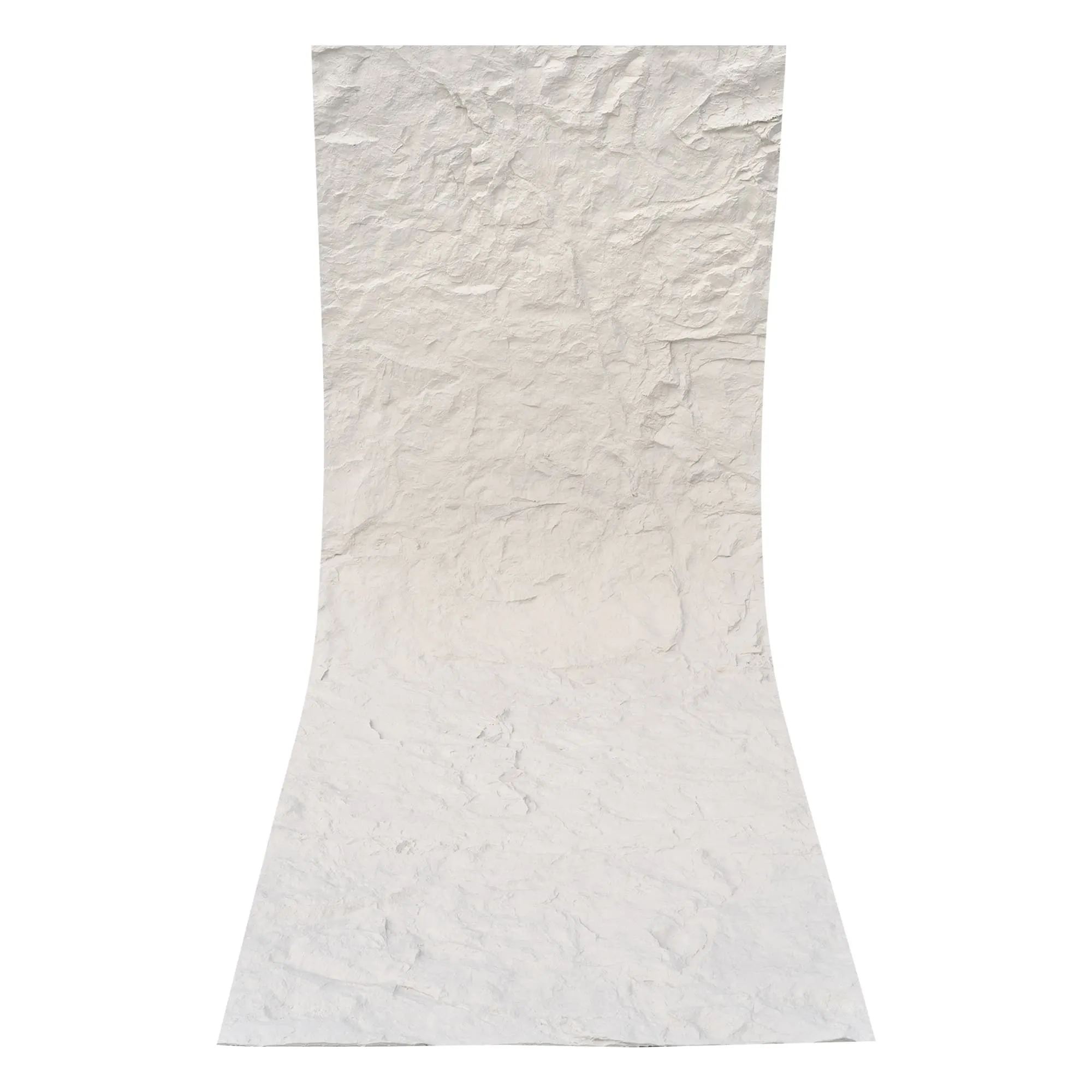
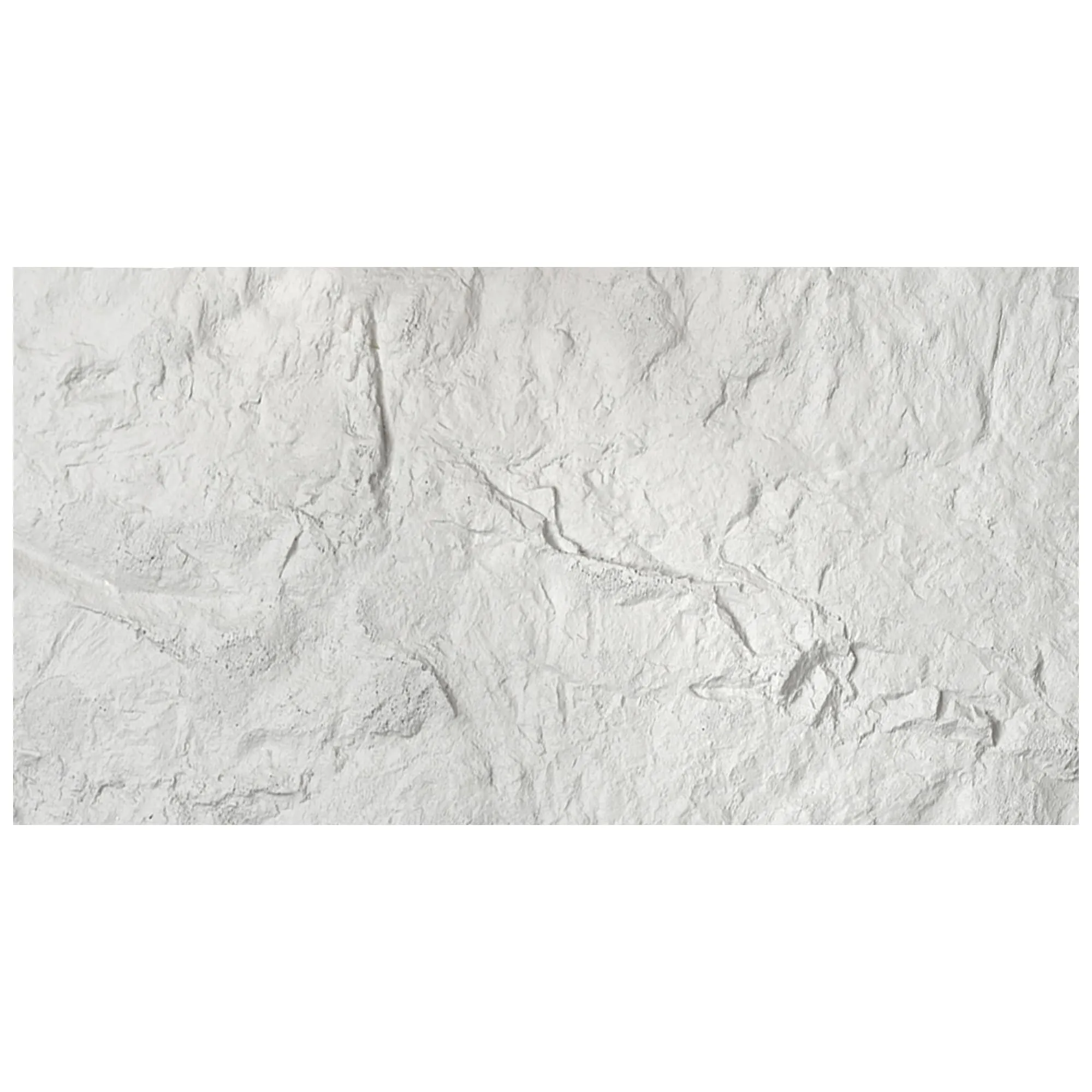
MCM isn't stone, but it's not fake either. Think of it as stone's smarter cousin. It starts with natural stone aggregates—crushed bits of marble, travertine, or granite—mixed with polymers and fibers to create a composite that's lighter, stronger, and more adaptable than the real thing. Run your fingers over an MCM boulder slab, and you'll do a double-take. The texture? It's there—the granular feel of sandstone, the smooth polish of marble. The color? Rich, deep, like it was pulled straight from the earth. But pick it up, and you'll gasp: where a traditional slab might weigh 200 pounds, this one is 30. "Is this really stone?" you'll ask. And in the best way, the answer is both yes and no.
MCM didn't just improve boulder slabs—it reimagined them. Let's talk about the stars of the show:
Ever walked past a building with a curved stone wall and wondered, "How did they do that?" Chances are, it's MCM Flexible Stone. Traditional boulder slabs are rigid—they crack if you bend them. MCM? It bends, flexes, and conforms like a well-tailored suit. Architects love it for statement walls, rounded columns, or even ceiling panels. Imagine a boutique hotel lobby with a sweeping, wave-like wall clad in MCM Flexible Stone in "travertine (starry blue)"—it looks like the night sky frozen in stone, but it was installed in days, not months.
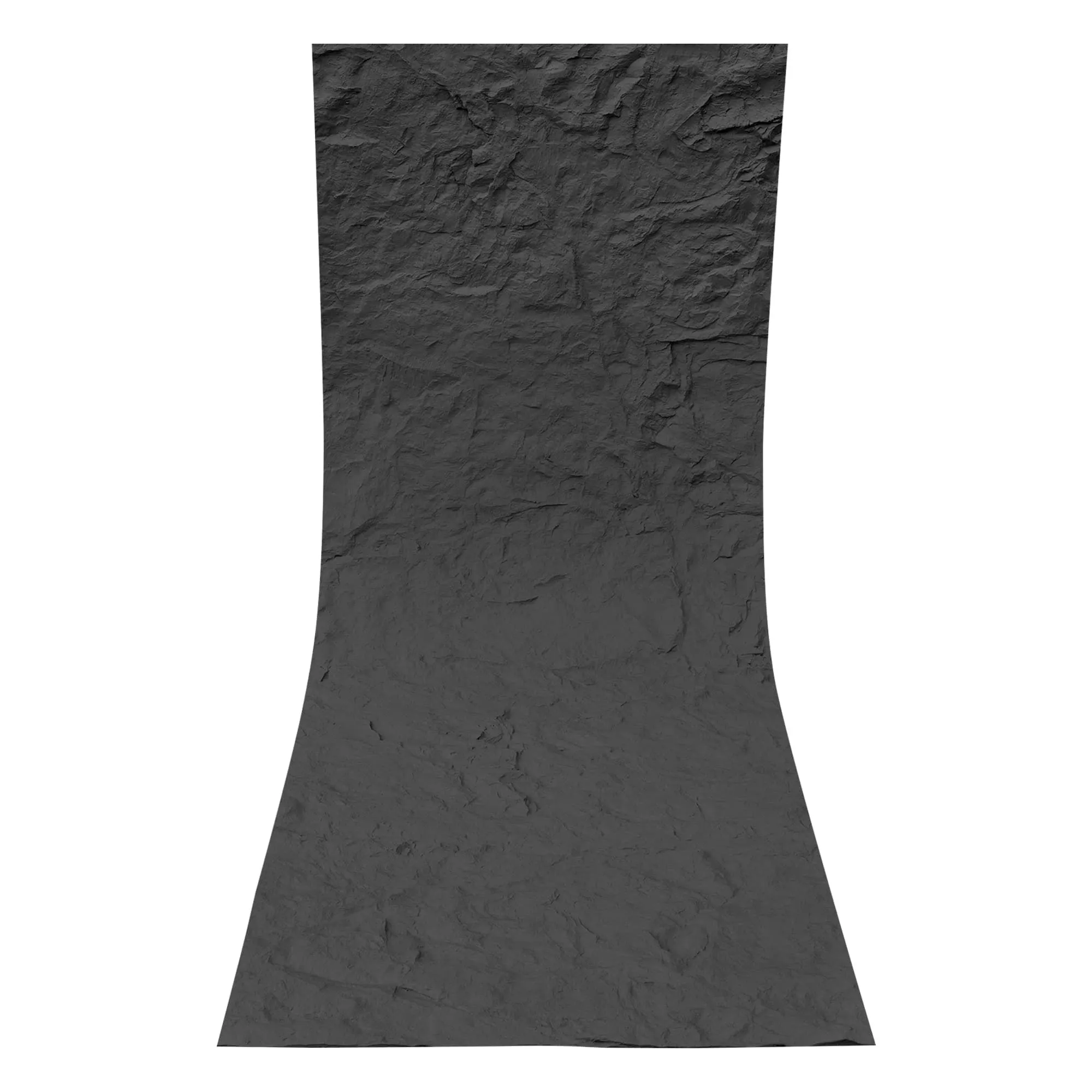
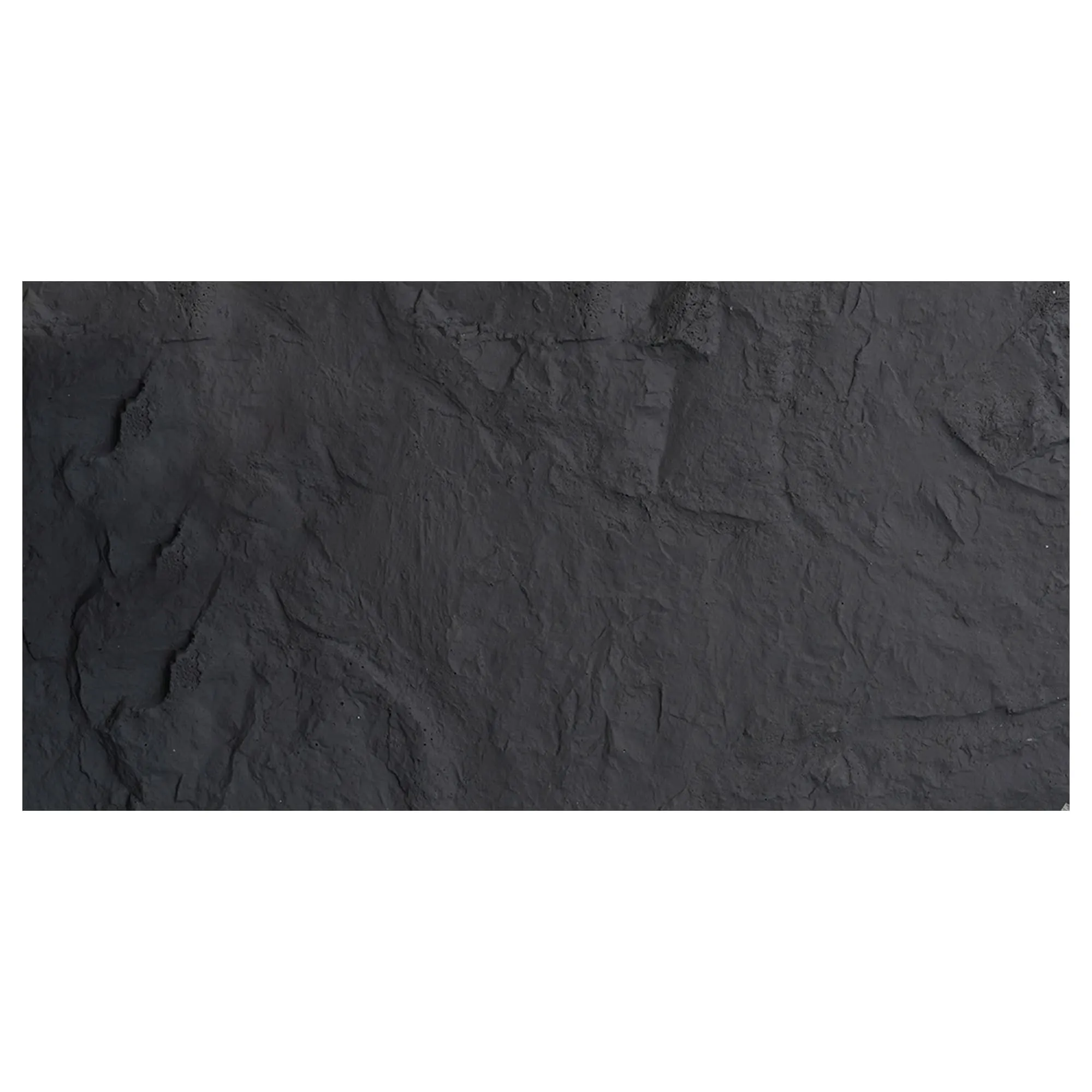
Size matters, especially in modern design. The MCM Big Slab Board Series takes "big" to a new level—slabs up to 1200x2400mm, which is like having a stone canvas for your project. Traditional quarries struggle to produce slabs that large without cracks; MCM does it effortlessly. A restaurant in Tokyo used these big slabs to create a feature wall that looks like a single slab of "lunar peak black"—no seams, no gaps, just a sleek, uninterrupted expanse that makes diners feel like they're dining under a starless sky.
If MCM is about blending tradition and innovation, the Lunar Peak series is its masterpiece. Named for the way moonlight dances on stone, these slabs come in silvery, golden, and black hues—"lunar peak silvery" shimmers like frost on rock, "lunar peak golden" glows warm as a sunset, and "lunar peak black" is so deep it feels like a window to space. A museum in Berlin used Lunar Peak Golden for its exterior, and now, when the sun sets, the building doesn't just reflect light—it radiates it, turning the entire plaza into a golden haze. "It's like building with liquid sunlight," the architect said. Can traditional stone do that? Not quite.
| Feature | Traditional Boulder Slab | MCM Boulder Slab |
|---|---|---|
| Weight | Heavy (often 100-300 lbs/slab) | Lightweight (30-50 lbs/slab) |
| Flexibility | Rigid; cracks under bending | Flexible; bends to curves |
| Installation Time | Days (needs cranes, teams) | Hours (one person can handle) |
| Design Options | Limited by natural deposits | Endless (custom colors, textures) |
| Durability | Prone to weathering, chipping | Resists UV, rain, and impact |
MCM didn't just change how we build—it changed who gets to build with stone. Once, a homeowner might dream of a travertine patio but balk at the cost of quarrying and shipping. Now, MCM Flexible Stone makes that patio affordable, lightweight enough for DIY installation, and tough enough to handle kids, pets, and summer barbecues. A family in Portland, Oregon, recently clad their backyard wall in "rammed earth board (matcha green)" MCM slabs. "It looks like we brought a piece of the mountains home," the dad. "And I didn't even need to hire a crane."
Commercial spaces are loving it too. A coffee shop in Seattle used "foamed aluminium alloy board (vintage silver)" alongside MCM boulder slabs in "travertine (starry orange)"—the result? A space that feels both industrial-chic and cozy, like drinking espresso in a modern cave. "Stone used to feel cold," the barista said. "Now it feels like a hug."
Here's the beauty of MCM: it's not done evolving. Scientists are experimenting with even more sustainable formulas, using recycled stone aggregates and plant-based polymers. Architects are pushing boundaries, using MCM to create 3D-printed stone art (hello, MCM 3D Printing Series) and slabs that change color with temperature. Imagine a building that shifts from "lunar peak silvery" in the morning to "lunar peak golden" at dusk—all thanks to smart MCM technology.
But at its core, the boulder slab's story remains the same: it's about connection. To the earth, to our past, to the spaces we call home. Ancient stonemasons would look at an MCM slab and marvel—not at the science, but at the spirit. "You took what we loved about stone," they might say, "and made it better." And isn't that the best kind of innovation? Honoring the old while racing toward the new.
So the next time you pass a building with a stunning stone facade, pause. Run your hand over it. Is it heavy? Rigid? Or does it feel surprisingly light, with a texture that makes you smile? Chances are, it's MCM. And in that moment, you're not just touching a slab—you're touching history, reimagined.
Recommend Products












