
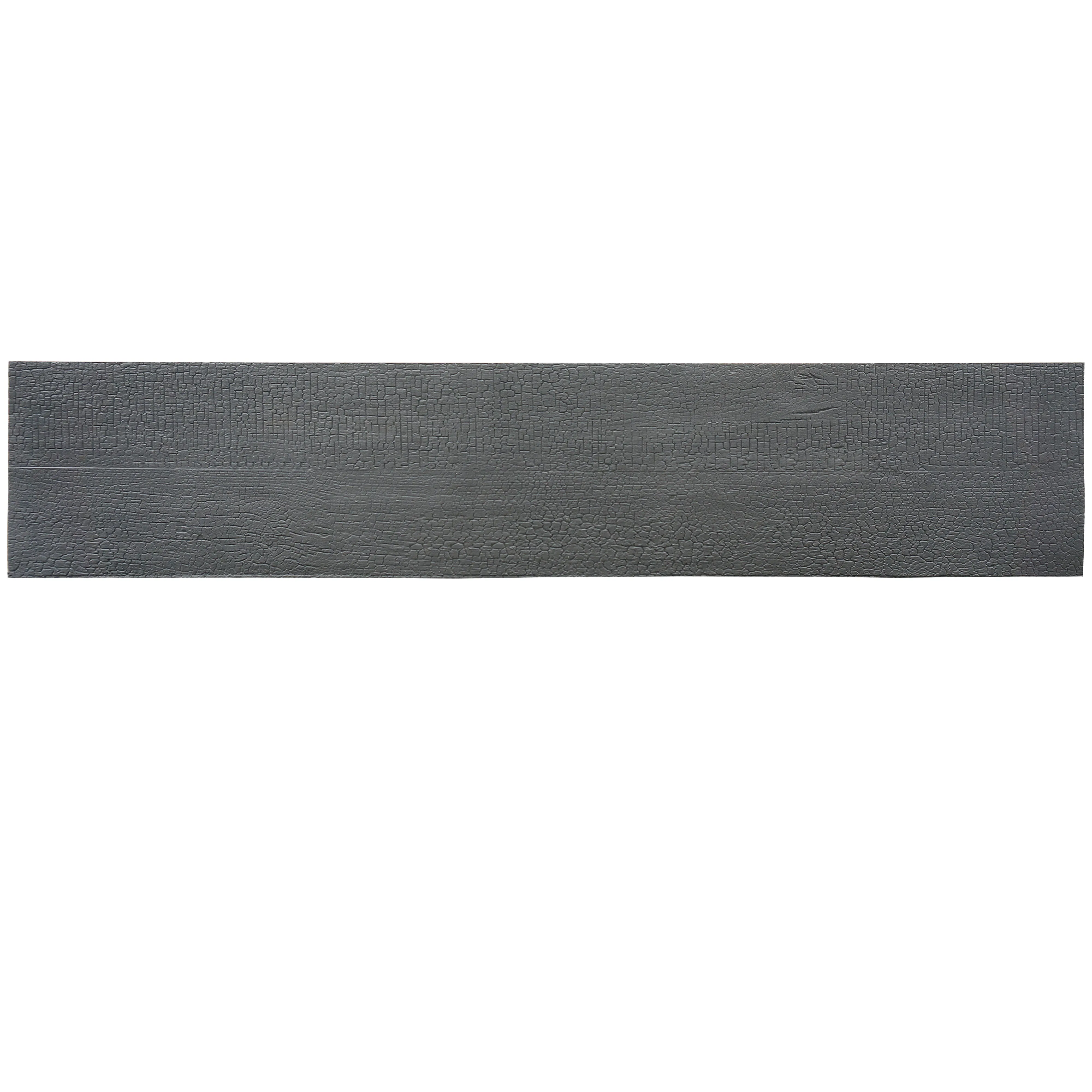
Run your hand along its surface—a dance of texture, where deep, charred grooves give way to smooth, resilient grain. Charcoal burnt wood board isn't just a building material; it's a storyteller. For centuries, humans have turned to fire to transform wood, not just to destroy, but to preserve, protect, and beautify. From ancient hearths to modern skyscrapers, this unassuming material has woven itself into the fabric of architectural history, carrying with it the warmth of tradition and the innovation of progress. Let's trace its journey—from smoky village forges to the sleek designs of today's most visionary architects.
Long before power tools or chemical treatments, early builders discovered a secret: fire could make wood last. In the misty valleys of ancient Japan, villagers noticed that wooden structures exposed to accidental fires often withstood rot and pests better than their untreated counterparts. This observation birthed shou sugi ban , or "burnt cedar board," a technique where cedar planks are torched, scraped, and sealed with oil. The result? A surface as dark as storm clouds, yet surprisingly resilient—perfect for Japan's humid climate, where wood decay was a constant threat.
But Japan wasn't alone. In Scandinavia, where harsh winters and damp springs tested wooden homes, farmers burnt the lower logs of their cabins to repel moisture. In parts of Africa, tribes used burnt wood for ceremonial huts, believing the charred surface warded off evil spirits while protecting against termites. Even the Romans, masters of engineering, experimented with burnt wood cladding for granaries, noting its ability to resist mold in storage spaces. These early (shíjiànzhě, practitioners) didn't just see burnt wood as a practical solution—they saw beauty in its imperfection, the way the flames kissed the grain to create patterns as unique as fingerprints.
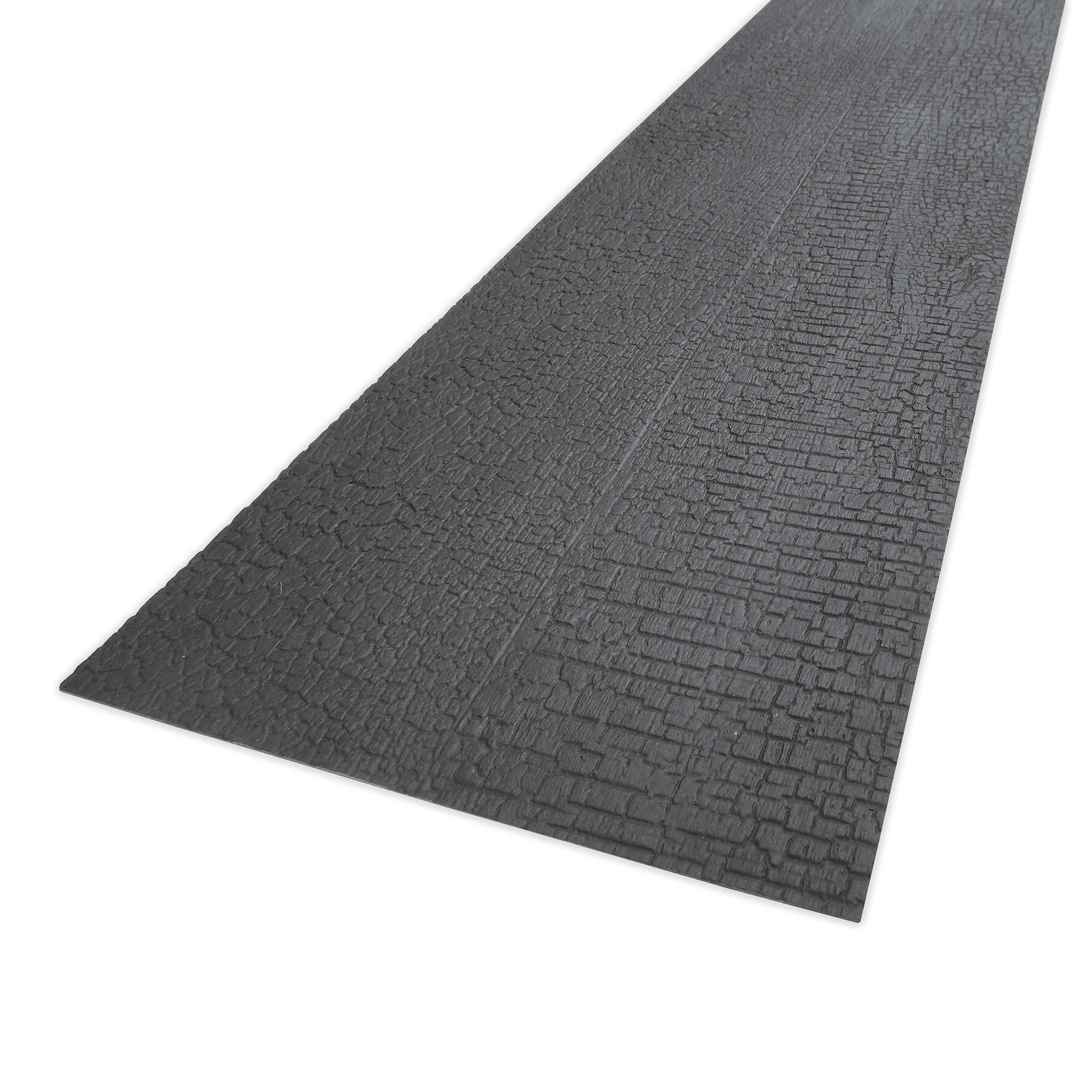
In Japan, shou sugi ban became more than a technique; it was a philosophy. The process of burning and refining wood mirrored the Buddhist idea of wabi-sabi —finding beauty in impermanence and imperfection. Tea houses, temples, and even ordinary homes clad in shou sugi ban wood felt grounded, as if the material itself held the quiet strength of the forests from which it came. Samurai families would pass down burnt wood chests for generations, their surfaces growing richer with time, each scratch and fade a testament to the family's history.
In other cultures, burnt wood carried different meanings. For the Sami people of northern Scandinavia, burnt wood on lavvu (traditional tents) symbolized the sun's life-giving warmth, a vital connection in the dark winter months. In parts of rural India, burnt wood panels adorned the entrances of homes, their blackened hue signifying protection from the "evil eye." These cultural layers turned burnt wood into more than a building material—it was a language, speaking of survival, heritage, and harmony with nature.
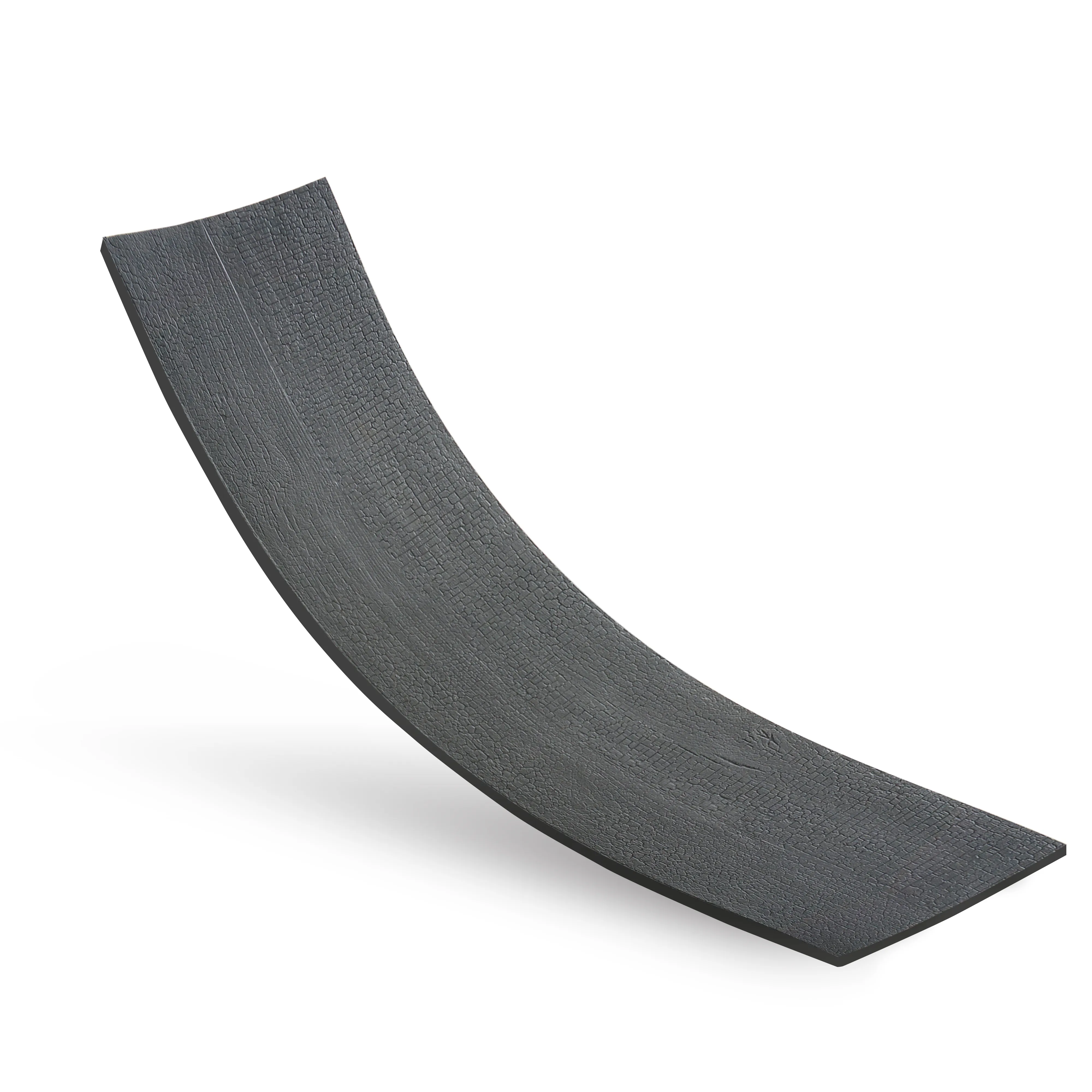
The 19th century brought a revolution that nearly extinguished burnt wood's role in architecture: mass production. Steel, concrete, and chemically treated lumber flooded the market, promising faster construction and lower costs. Why spend days torching and scraping wood when a pressure-treated plank could be churned out in minutes? Burnt wood, once a staple, retreated to niche corners—artisan workshops, historic restorations, and the homes of those who clung to tradition.
Yet, even in this era of industrialization, whispers of burnt wood's value remained. Architects like Frank Lloyd Wright, who championed "organic architecture," occasionally incorporated charred wood accents, drawn to its earthy texture amid concrete and stone. In his Robie House (1909), subtle burnt wood details in the built-in furniture echoed the surrounding Midwestern forests, a quiet rebellion against the cold steel of the Machine Age. But for the most part, burnt wood was overshadowed by newer, shinier materials—until the world began to crave something it had lost: authenticity.
The late 20th century sparked a renaissance. As society grew weary of sterile, cookie-cutter buildings, architects and homeowners began seeking materials with soul. Burnt wood, with its rich history and tactile warmth, emerged as a star. This wasn't just nostalgia—it was practicality, too. Modern research confirmed what ancient builders knew: charred wood is naturally resistant to fire, insects, and rot. In an age of eco-conscious design, it also checked a crucial box: sustainability. No harsh chemicals, no energy-heavy treatments—just wood, fire, and time.
The revival gained momentum with the global spread of shou sugi ban. Designers in Europe and North America fell in love with its dramatic contrast: deep black surfaces that highlighted the wood's natural grain, turning siding, furniture, and even countertops into works of art. Suddenly, burnt wood wasn't just for traditional homes. It began appearing in sleek, minimalist apartments, where its warmth balanced the coolness of fair-faced concrete and ando cement . In Tokyo's trendy Shibuya district, a café might pair burnt wood walls with polished fair-faced concrete floors, creating a space that felt both rooted in tradition and utterly contemporary. The material had shed its "rustic" label and stepped into the spotlight as a versatile, high-design choice.
Today's charcoal burnt wood board is a far cry from its ancient ancestors—though the core magic remains. Modern craftsmen use controlled torches, lasers, and even automated systems to achieve consistent charring depths, ensuring every plank meets strict durability standards. Some companies add a final seal of natural oil or wax, enhancing water resistance without sacrificing the material's organic feel. Others experiment with different wood species: cedar (the traditional choice), oak for a more rugged texture, or even pine for a lighter, honey-toned char.
Technical advancements have also expanded its applications. Once limited to siding and small accents, burnt wood now adorns everything from high-rise exteriors to commercial ceilings. In 2018, the Asahiyama Zoo in Hokkaido, Japan, used over 10,000 square meters of burnt wood panels for its new penguin exhibit, the charred surface mimicking the stark beauty of Antarctic ice while withstanding the region's heavy snowfall. Closer to home, a boutique hotel in Portland, Oregon, features a burnt wood facade that shifts color with the light—deep black at noon, warm amber at sunset—proving the material's dynamic range.
Nestled in Portland's forested hills, this 2,500-square-foot home is a love letter to burnt wood. Designed by local firm Holst Architecture , the exterior is clad in shou sugi ban cedar, its blackened planks contrasting with large windows that frame views of the surrounding trees. Inside, burnt wood continues in the ceiling beams and kitchen island, paired with wood concrete board countertops—a modern material that balances the warmth of wood with the durability of concrete. "We wanted the house to feel like it had always been there," says lead architect Lisa Holst. "Burnt wood does that—it ages gracefully, blending into the landscape instead of fighting it." The result? A home that's energy-efficient, low-maintenance, and deeply comforting—a true marriage of old and new.
To understand burnt wood's enduring appeal, it helps to see how it compares to other popular building materials. The table below highlights key differences in aesthetics, sustainability, and functionality:
| Material | Aesthetic Appeal | Sustainability | Best For |
| Charcoal Burnt Wood Board | Warm, textured, with deep black/amber tones; highlights natural wood grain | High—no chemicals; uses renewable wood; long lifespan reduces replacement needs | Siding, accent walls, furniture, outdoor cladding |
| Wood Concrete Board | Industrial-chic; blends wood fibers with concrete for a muted, earthy look | Moderate—recycles wood waste but requires cement production (high CO2) | Countertops, flooring, structural panels |
| Ando Cement | Minimalist, raw; gray, porous surface with subtle texture | Low—cement production is energy-intensive | Walls, facades, large-scale architectural features |
| Fair-Faced Concrete | Sleek, uniform; smooth or lightly textured gray finish | Low—high carbon footprint; limited recyclability | Modern exteriors, ceilings, structural elements |
What stands out? Burnt wood's unique ability to combine sustainability with soul. Unlike ando cement or fair-faced concrete , which lean into industrial minimalism, burnt wood adds warmth—a reminder of nature in even the most modern spaces. And compared to wood concrete board , it offers a more organic, variable texture that feels alive, not manufactured.
As we move into an era of climate-conscious design, burnt wood's future looks brighter than ever. Innovators are experimenting with new techniques: laser-etching intricate patterns into charred surfaces, combining burnt wood with recycled metals for hybrid facades, and even developing "charred wood composites" that blend sawdust with bioplastics for lightweight, flexible panels. Architects are also exploring its use in urban settings, where its fire resistance and low maintenance make it ideal for high-rise exteriors and public spaces.
Perhaps most exciting is its potential to bridge cultures. In Dubai, a new cultural center designed by Iraqi-British architect Zaha Hadid Architects will feature a burnt wood (mùqiáng, curtain wall) inspired by traditional Middle Eastern mashrabiya screens, merging shou sugi ban with local heritage. In Brazil, sustainable housing projects are using burnt wood from reclaimed rainforest timber, giving new life to wood that would otherwise go to waste. Burnt wood isn't just a material anymore—it's a global language of sustainability and creativity.
Charcoal burnt wood board has journeyed from ancient hearths to modern masterpieces, surviving neglect and revolution to emerge as a symbol of what architecture should be: rooted in history, responsive to nature, and rich with human connection. It's a reminder that the best materials aren't just about function—they're about feeling. When you run your hand along a burnt wood wall, you're not just touching wood; you're touching the wisdom of ancient builders, the creativity of modern designers, and the quiet resilience of a material that refuses to be forgotten.
As we build the future, may we continue to honor such materials—ones that tell stories, warm spaces, and remind us that sometimes, the oldest ideas are the most revolutionary. Charcoal burnt wood board isn't just part of architecture's history; it's part of its heart.
Recommend Products












