
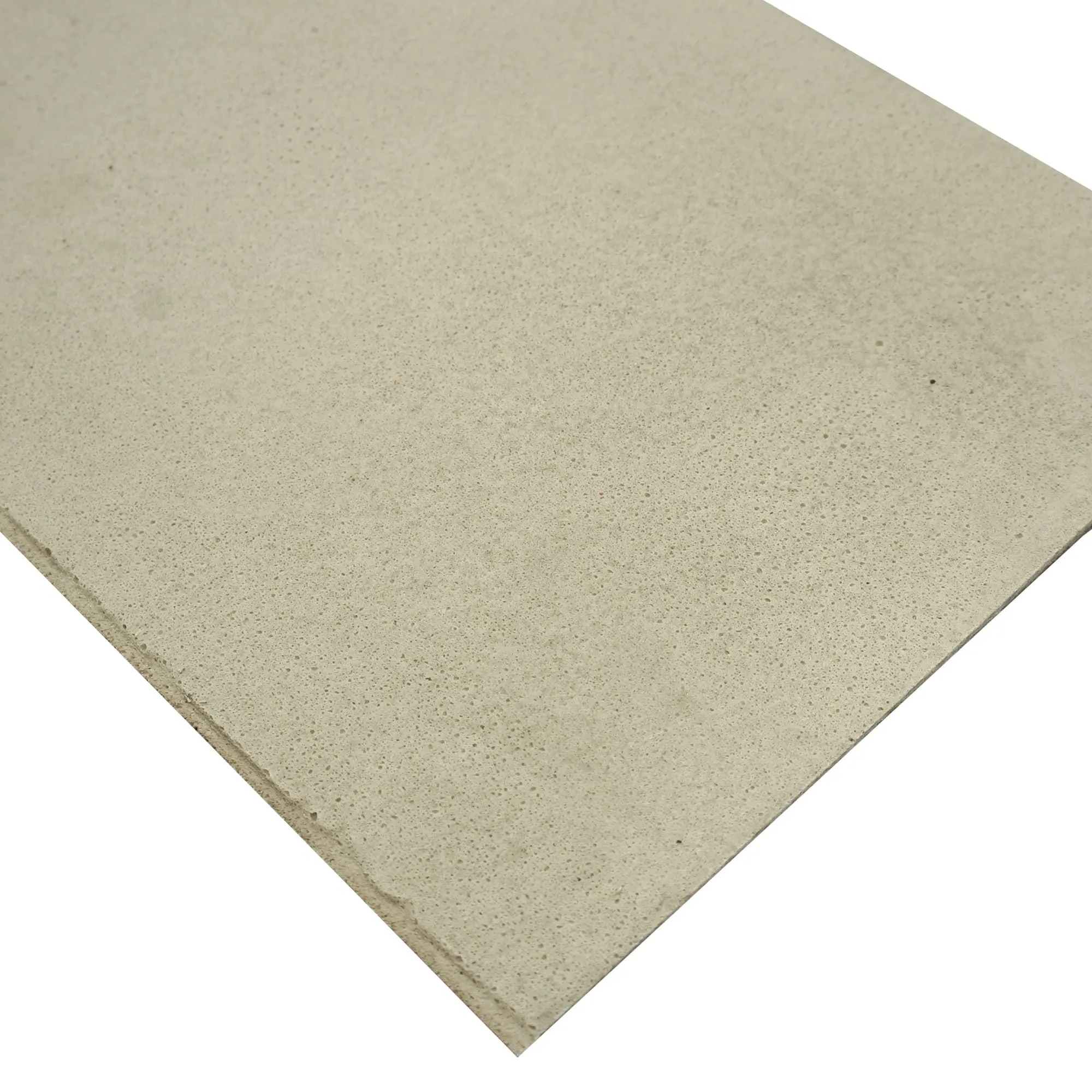
Fair-faced concrete, also known as exposed concrete or architectural concrete, holds a fascinating and often polarizing place in the annals of architectural history. Far from being a mere utilitarian building material, it has evolved into a sophisticated design element, revered for its raw honesty, tactile qualities, and profound versatility. Its journey from the monolithic expressions of Brutalism to the refined aesthetics of modern sustainable architecture is a testament to both technological advancements and shifting design philosophies. To truly appreciate its current standing, one must delve into its origins, confront its criticisms, and understand the innovations that have propelled it into the contemporary design lexicon.
The story of fair-faced concrete is inextricably linked with Brutalism, an architectural movement that emerged in the mid-20th century, primarily from the 1950s to the mid-1970s. The term "Brutalism" itself derives from the French phrase "béton brut," literally meaning "raw concrete," a term famously used by the Swiss-French architect Le Corbusier. His Unité d'habitation in Marseille, completed in 1952, is often cited as a seminal work, showcasing raw concrete in its unadorned glory, bearing the imprint of the timber formwork used to cast it. This was not about hiding imperfections but celebrating the material's honest, unvarnished state.
Brutalism was more than just a style; it was a philosophy. Post-World War II Europe, facing massive reconstruction efforts and a burgeoning need for public infrastructure, sought materials that were robust, economical, and readily available. Concrete fit the bill perfectly. Architects of the Brutalist movement championed functionality, structural clarity, and the expression of materials in their authentic form. They believed that by revealing the construction process and the inherent qualities of the materials, they could achieve a new architectural honesty and a sense of monumental presence. This approach rejected superficial decoration in favor of exposing the building's skeletal structure and texture.
Key characteristics of Brutalist fair-faced concrete included:
Architects like Le Corbusier, Paul Rudolph, Alison and Peter Smithson, and Ernő Goldfinger became synonymous with this movement. Their works, from Le Corbusier's Chandigarh buildings in India to Rudolph's Art and Architecture Building at Yale, boldly redefined urban landscapes. They used concrete not just for structure but for facades, interior walls, and even furniture, demonstrating a comprehensive vision for the material. The aesthetic was stark, powerful, and often imbued with a sculptural quality, using light and shadow to articulate the concrete's surfaces.
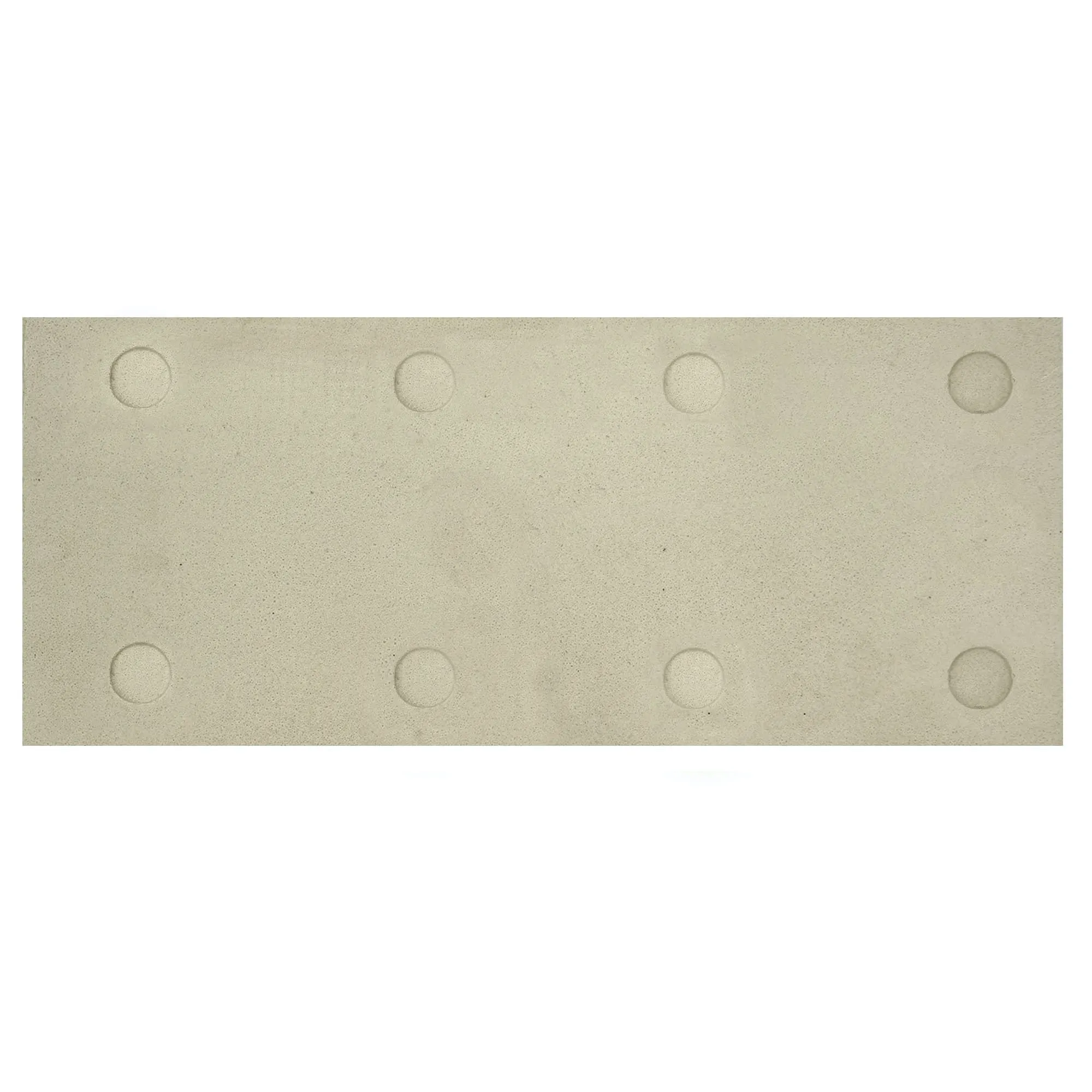
Despite its noble intentions and architectural significance, Brutalism and its pervasive use of fair-faced concrete quickly became a lightning rod for criticism. By the 1970s and 80s, public perception turned sharply negative. The reasons for this shift were multifaceted:
As a result, many Brutalist masterpieces faced demolition or unsympathetic alterations. The period saw a preference shift towards postmodernism, with its embrace of historicism, color, and decorative elements, moving away from the stark honesty of concrete. For decades, fair-faced concrete was largely relegated to engineering structures or hidden beneath veneers.
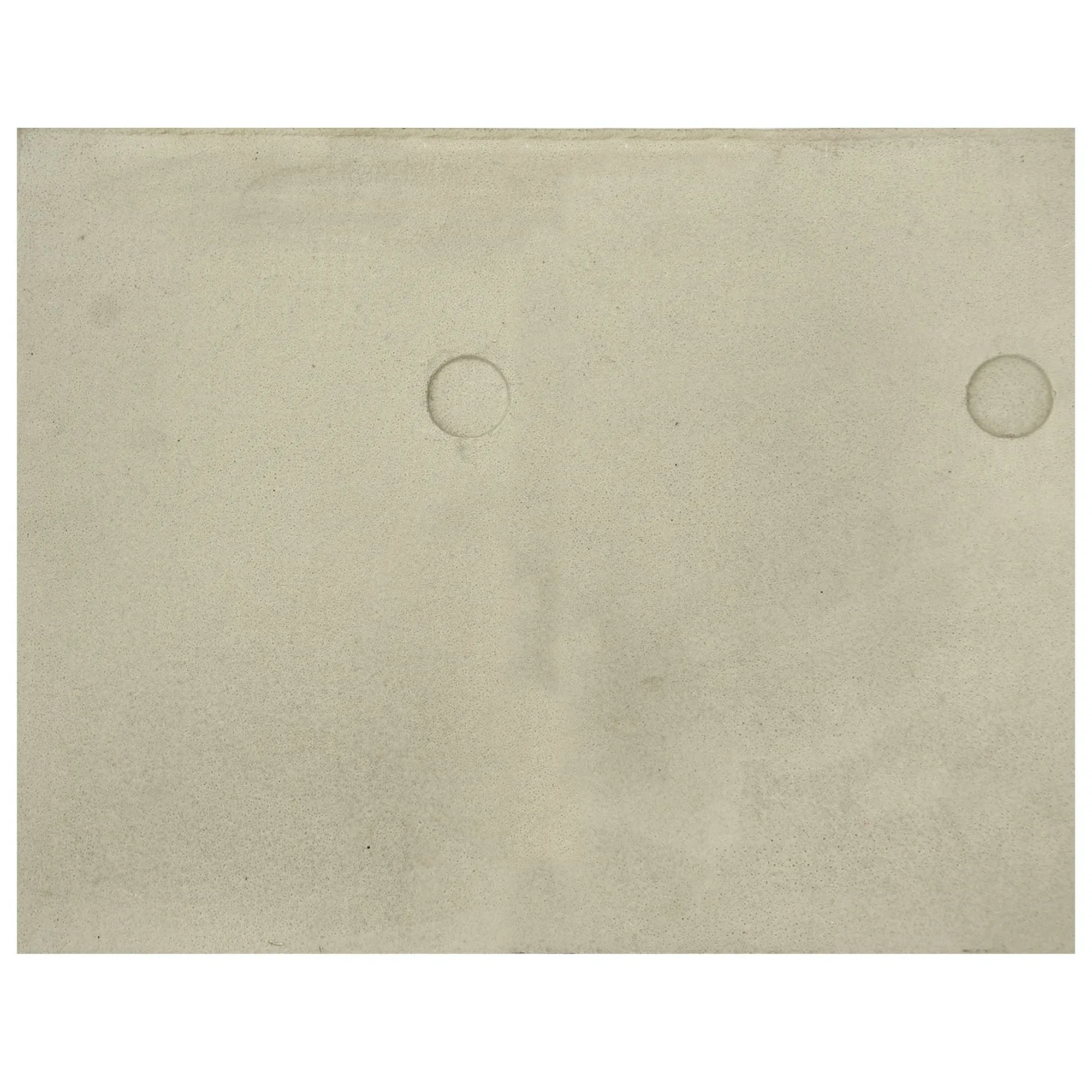
However, good design, like good art, often transcends fleeting trends. In the late 20th and early 21st centuries, a gradual re-evaluation of fair-faced concrete began. Architects, preservationists, and even the public started to look at these buildings with fresh eyes, recognizing their sculptural qualities, historical significance, and structural integrity. This reappraisal was fueled by several factors:
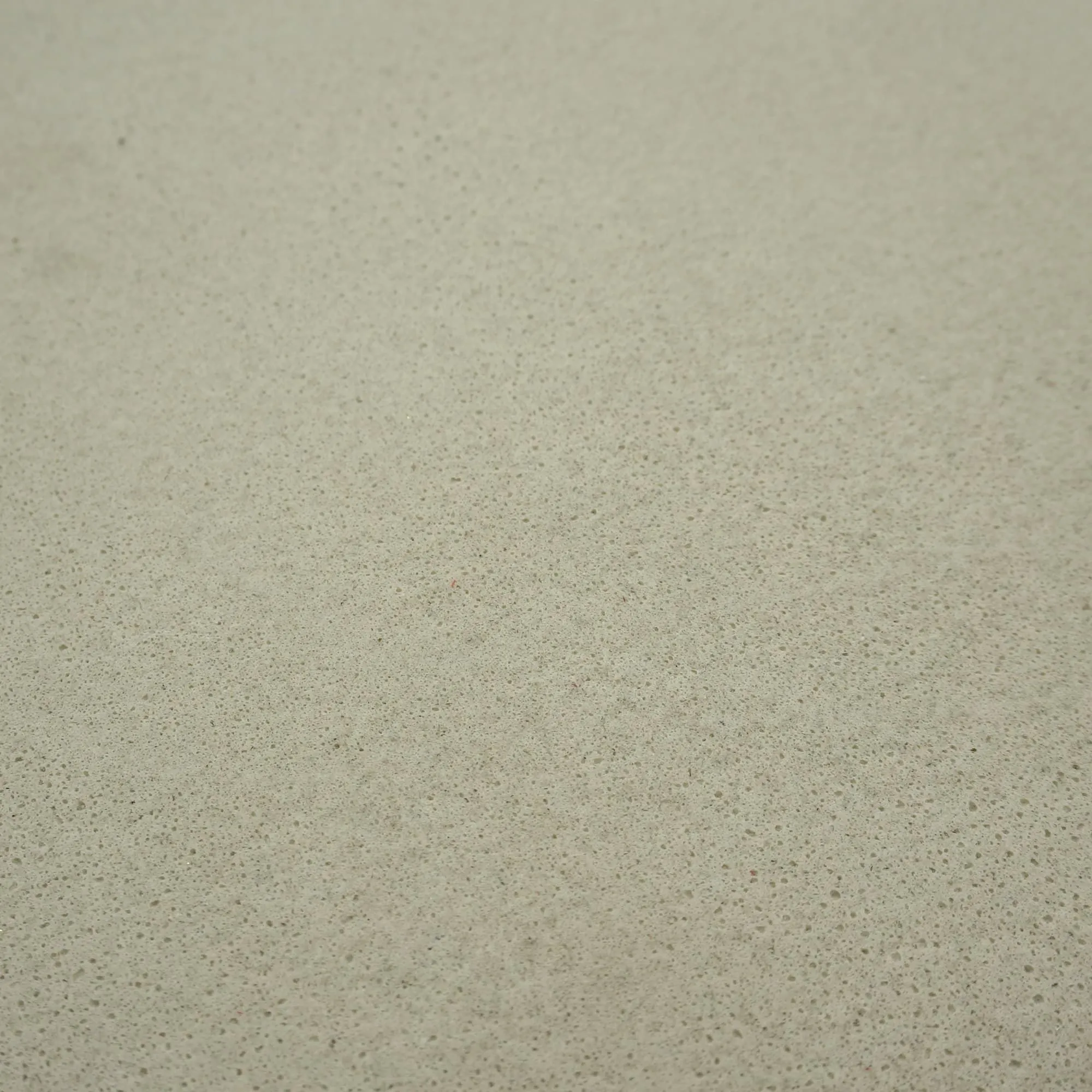
The modern era of fair-faced concrete is defined by innovation. Today, it's not just about raw power; it's about precision, aesthetics, and sustainability. Manufacturers and designers have pushed the boundaries, transforming concrete into a material of incredible finesse and flexibility. This evolution is perfectly exemplified by companies like COLORIA GROUP , which specializes in advanced building materials.
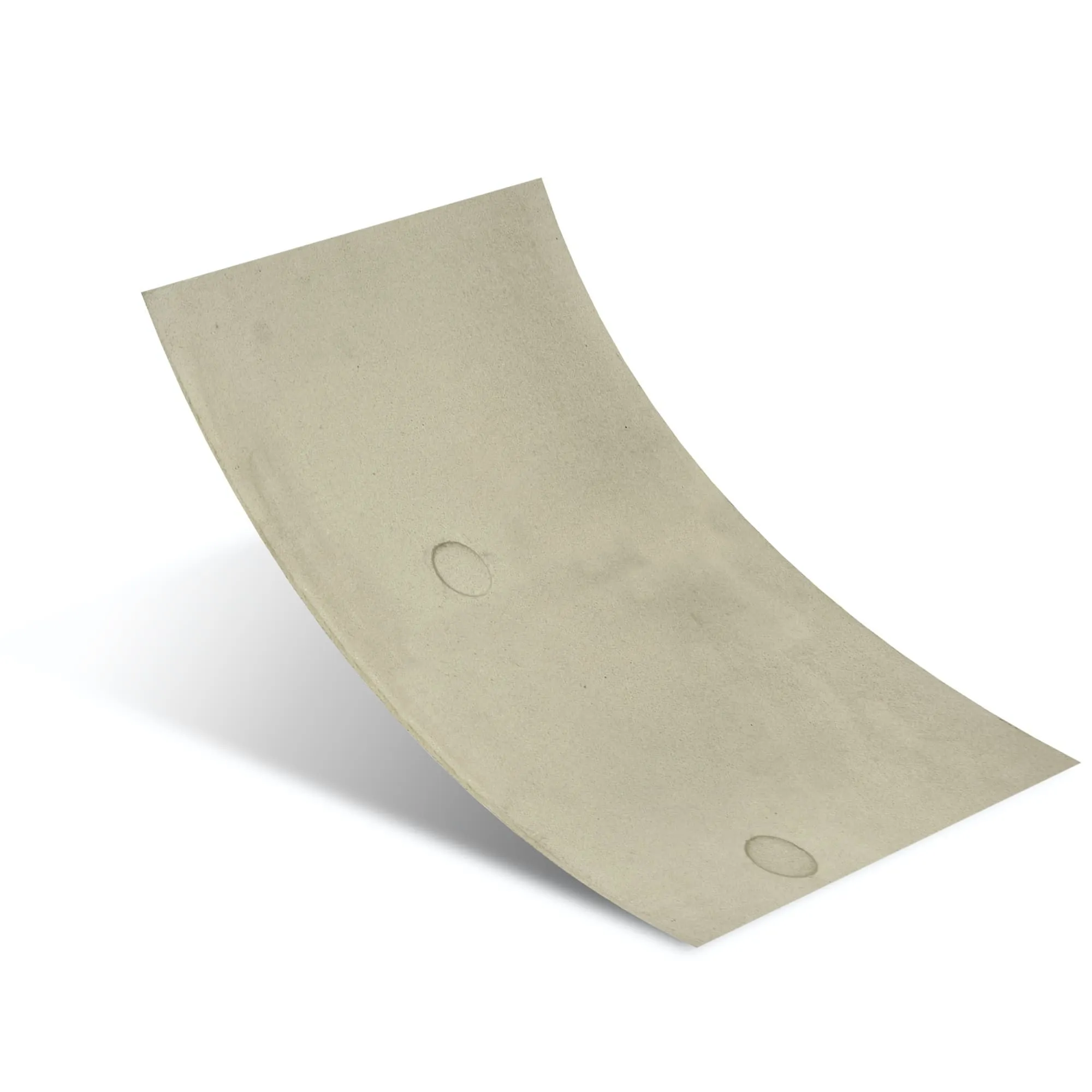
One of the most significant innovations has been the development of MCM (Modified Cementitious Material) . This isn't your grandfather's concrete. MCM takes the core principles of cementitious materials and enhances them with polymers and other additives, resulting in a product that offers superior flexibility, reduced weight, and enhanced aesthetic possibilities. This innovation addresses many of the criticisms leveled against traditional concrete, making it lighter, more adaptable, and easier to work with.
The application of MCM, for instance, has opened up entirely new avenues for fair-faced concrete aesthetics. It allows for the creation of incredibly thin, yet durable, panels that can be easily applied to various substrates. This modularity means designers are no longer constrained by the monolithic casting processes of the past. Instead, they can achieve the sophisticated look of fair-faced concrete with greater efficiency and less structural burden.
| Feature/Aspect | Traditional Fair-Faced Concrete (Brutalist Era) | Modern Fair-Faced Concrete (MCM & Advanced Materials) |
|---|---|---|
| Weight | Heavy, cast-in-place, structurally integral. | Significantly lighter (e.g., MCM panels), often cladding systems. |
| Flexibility/Formability | Limited by formwork, generally rigid. | High flexibility, can mimic various textures and shapes, including curved surfaces. |
| Application | Structural elements, cast on site. | Cladding, decorative panels, interior finishes, often pre-fabricated. |
| Environmental Impact | High embodied energy (cement production), significant water use. | Lower embodied energy, often contains recycled content, reduced water use in production, green environmental protection focus. |
| Aesthetics/Finish | Raw, board-formed, sometimes coarse. Limited color/texture variation. | Smooth, polished, textured, colored, patterned. Highly customizable. |
| Installation | Labor-intensive, long curing times. | Faster installation for panels, reduced on-site construction time. |
Today's fair-faced concrete, particularly through materials like MCM, offers unparalleled customization . No longer confined to a single grey hue or rough texture, architects and designers can specify a vast array of finishes:
This level of control means that fair-faced concrete can now seamlessly integrate into diverse architectural styles, from minimalist contemporary homes to grand commercial complexes. It's no longer about a single, imposing aesthetic but about tailoring the material to the specific vision of a project.
Another critical aspect of fair-faced concrete's modern evolution is its alignment with sustainable building practices. While traditional concrete had a reputation for a high carbon footprint due to cement production, significant strides have been made to make it more environmentally friendly. Companies like COLORIA GROUP are at the forefront of this movement, offering solutions that emphasize green environmental protection .
Modern cementitious materials often incorporate:
For example, COLORIA GROUP 's MCM products are designed with these principles in mind. Their lightweight nature not only eases installation but also contributes to lower transportation emissions. The ability to create durable, high-quality finishes means longevity, which is a cornerstone of sustainable design.
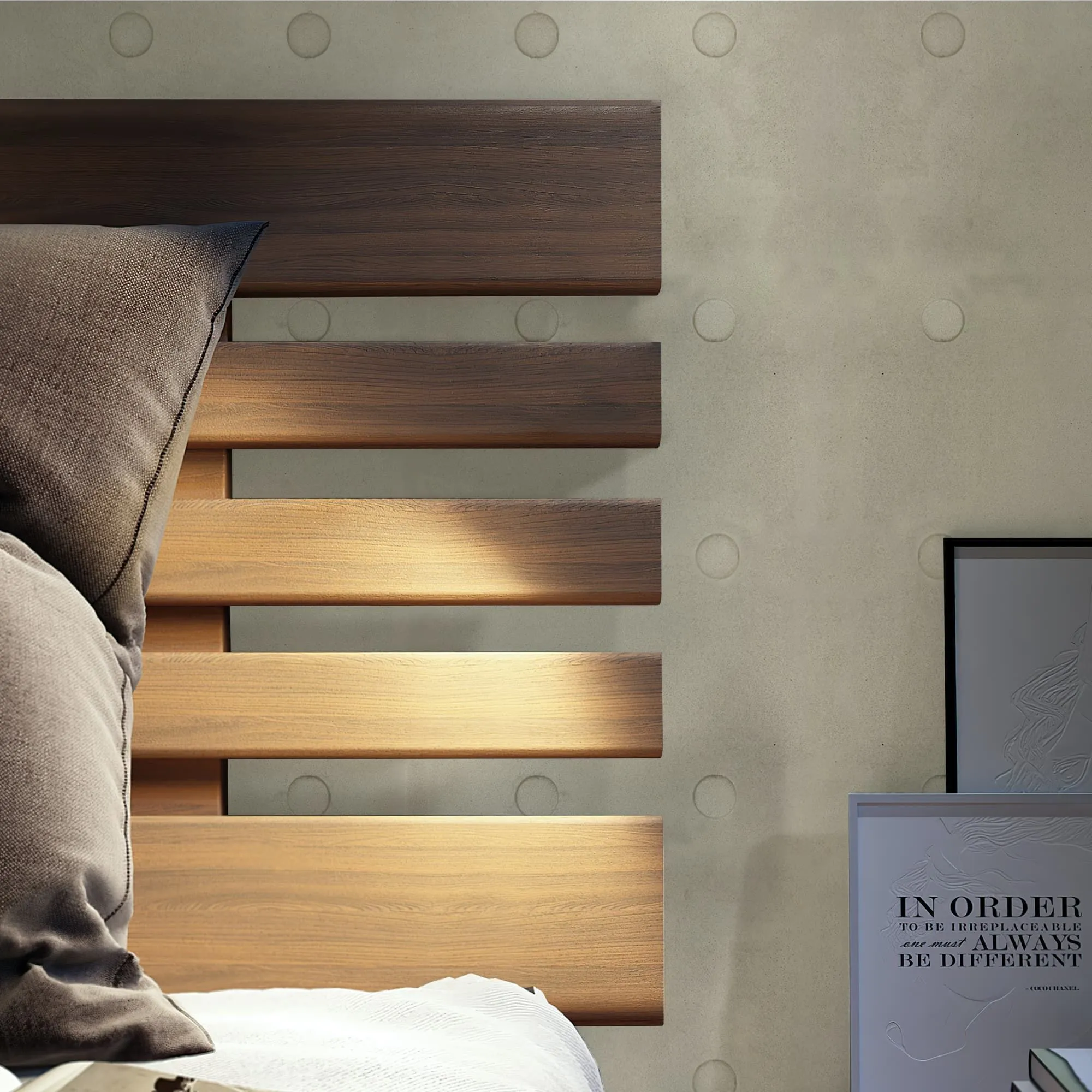
Fair-faced concrete today graces a multitude of applications, extending far beyond the structural facades of its Brutalist ancestors.
In residential projects, fair-faced concrete can create a powerful backdrop, allowing other materials and furnishings to stand out. In commercial and institutional settings, it conveys a sense of solidity, modernity, and sophistication. The seamless transition possible between exterior and interior applications further blurs the lines, creating a holistic design experience.
The journey of fair-faced concrete is far from over. The industry continues to innovate, exploring new frontiers in material science and application techniques.
As a one-stop solution provider in the building materials domain, COLORIA GROUP stands at the vanguard of these advancements, drawing on decades of industry experience. Their focus on high-quality internal and external renovation materials, particularly the versatile MCM series, demonstrates a commitment to not just meeting but anticipating the evolving demands of the global market, from Europe to the Middle East with its agency in Saudi Arabia. They provide architects and developers with the tools to push creative boundaries while adhering to the highest standards of durability and environmental responsibility.
The story of fair-faced concrete is a compelling narrative of architectural evolution. It began as a symbol of brutal honesty and functionalism, weathered a period of public disdain, and has re-emerged as a sophisticated, versatile, and environmentally conscious material. Its appeal now lies in its inherent beauty, its adaptability to modern design sensibilities, and its ability to tell a story of raw strength refined by innovation. From the towering brutalist monuments to the sleek, minimalist interiors of today, fair-faced concrete continues to shape our built environment, proving that even the most fundamental materials can achieve enduring elegance and profound architectural expression.
Recommend Products












