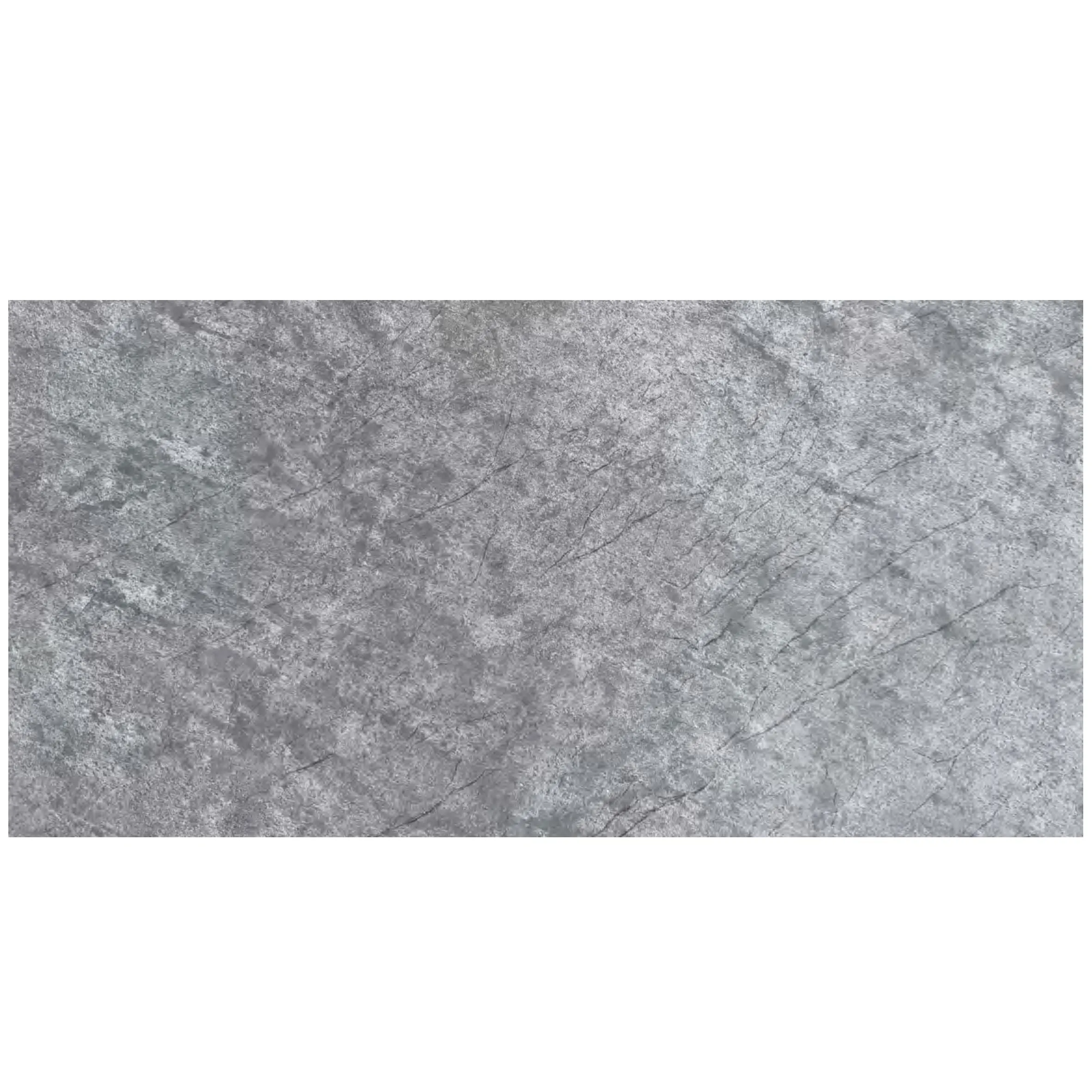
Walk into any stunning modern building today, and you might find yourself drawn to a wall that seems to tell a story—layers of texture that look like they were carved by ancient winds, colors that shift like sunlight on water, or a finish so tactile you can almost feel the earth it came from. Chances are, that wall isn't just ordinary stone. It might be a product of decades of innovation, where nature's raw beauty meets cutting-edge technology. Today, we're diving into the world of
glacial slate—a material forged by ice and time—and how a brand called COLORIA turned it into something revolutionary with Modified Composite Material (MCM) technology. This isn't just a story about rocks and buildings; it's about reimagining what's possible when we honor the past while building the future.
The Story of Glacial Slate: Nature's Timeless Masterpiece
Let's start at the beginning—long before architects drafted blueprints or factories hummed with machinery.
Glacial slate is a product of Earth's most patient artist: glaciers. Millions of years ago, massive sheets of ice crept across landscapes, grinding rocks into fine sediment, compressing layers of mineral-rich debris, and sculpting valleys. As these glaciers retreated, they left behind deposits that, over centuries, hardened into slate—dense, layered, and uniquely marked by the chaos of ice and water.
Traditional
glacial slate is a thing of beauty. Its surface is a mosaic of subtle grooves and ridges, like frozen waves captured mid-crash. The color palette ranges from deep charcoal to silvery gray, with hints of blue or green that glow when light hits them just right. For centuries, humans have been drawn to it: ancient civilizations used it for roofing, because its layers split into thin, durable sheets; medieval artisans carved it into tombstones, valuing its resistance to weathering; and modern designers lusted after its raw, organic look for luxury interiors. But here's the catch: nature's masterpiece came with a price.
Natural
glacial slate is heavy—so heavy that installing it on high-rise buildings or curved surfaces was often impossible. It's brittle, too; a single wrong tap during installation could crack a slab, wasting material and time. And quarrying it? That left a footprint, with large chunks of stone extracted, only a fraction usable, and the rest discarded as waste. By the late 20th century, architects and builders were torn: they loved
glacial slate's aesthetic, but its limitations felt like a dead end. Enter COLORIA, a company that asked a bold question: What if we could keep the beauty of
glacial slate, but fix everything that made it hard to work with?
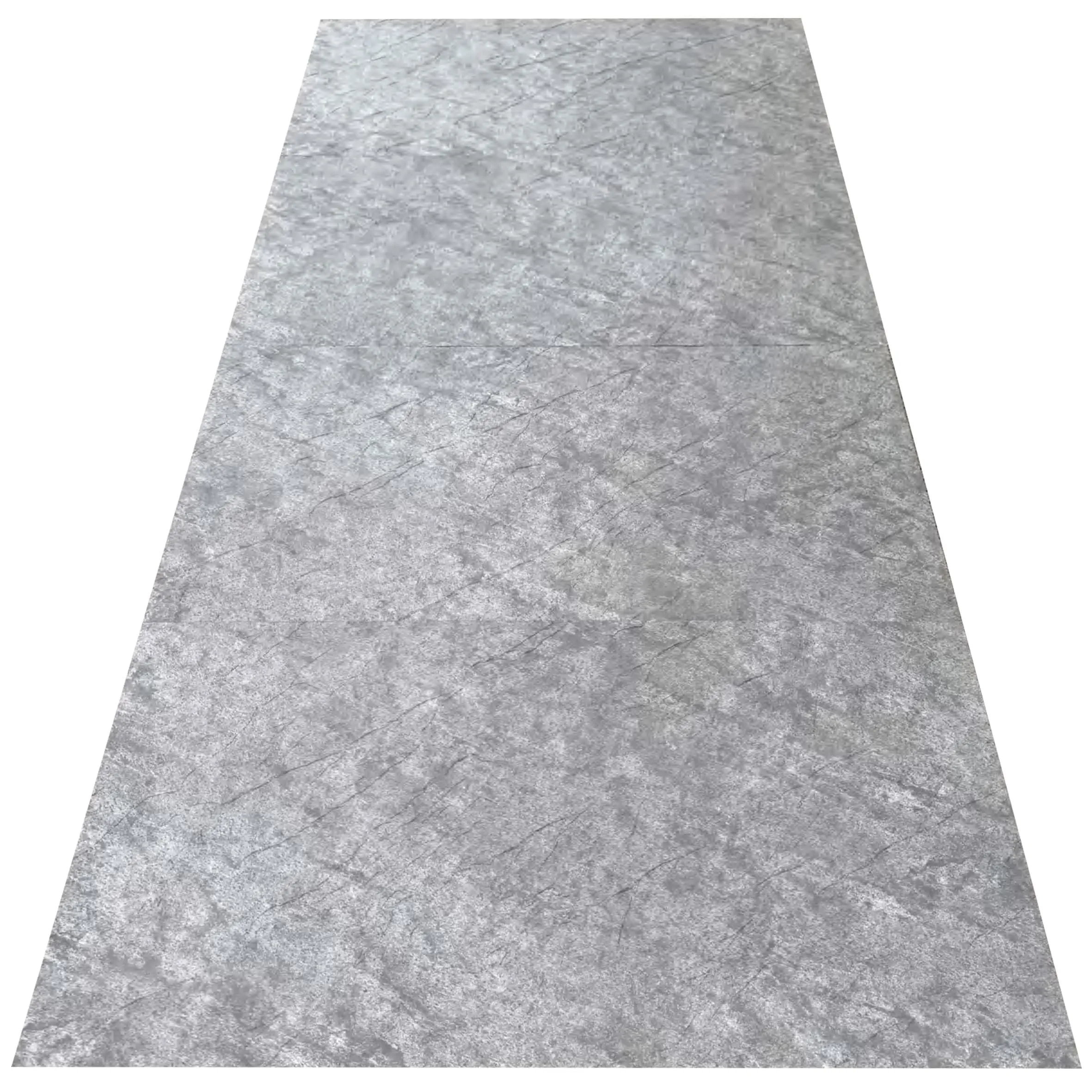
Enter COLORIA: Redefining Materials with MCM Technology
Founded in the early 2000s, COLORIA wasn't just another building materials brand. It was a group of engineers, designers, and geologists who shared a frustration: why should we choose between beauty and practicality? They set out to create a new class of materials that could mimic the look and feel of natural stone—slate, marble,
travertine—but with the flexibility, lightness, and sustainability the industry desperately needed. The result? Modified Composite Material, or MCM.
MCM is like nature's texture, reimagined. It starts with recycled minerals—think crushed stone dust, glass fibers, and eco-friendly resins—blended into a lightweight, flexible sheet. What makes it game-changing? Unlike natural stone, which is a single, solid slab, MCM is a composite: strong yet bendable, thin yet durable. It's as if COLORIA took the essence of
glacial slate—the layers, the texture, the color—and pressed it into a material that bends to the architect's vision, not the other way around.
But COLORIA didn't stop at "good enough." They wanted to revolutionize the industry, and that meant going beyond just mimicking stone. They invested in 3D printing technology, allowing them to create intricate patterns that natural stone could never match. They studied natural phenomena—like the way sunlight hits mountain peaks at dawn or how ice crystals form in glaciers—to develop color palettes that felt alive. And at the heart of it all? A commitment to sustainability. MCM uses up to 80% recycled materials, produces 60% less waste than traditional quarrying, and weighs a fraction of natural stone, cutting down on transportation emissions. Finally,
glacial slate's beauty wasn't just for the lucky few; it was for anyone who dared to dream big.
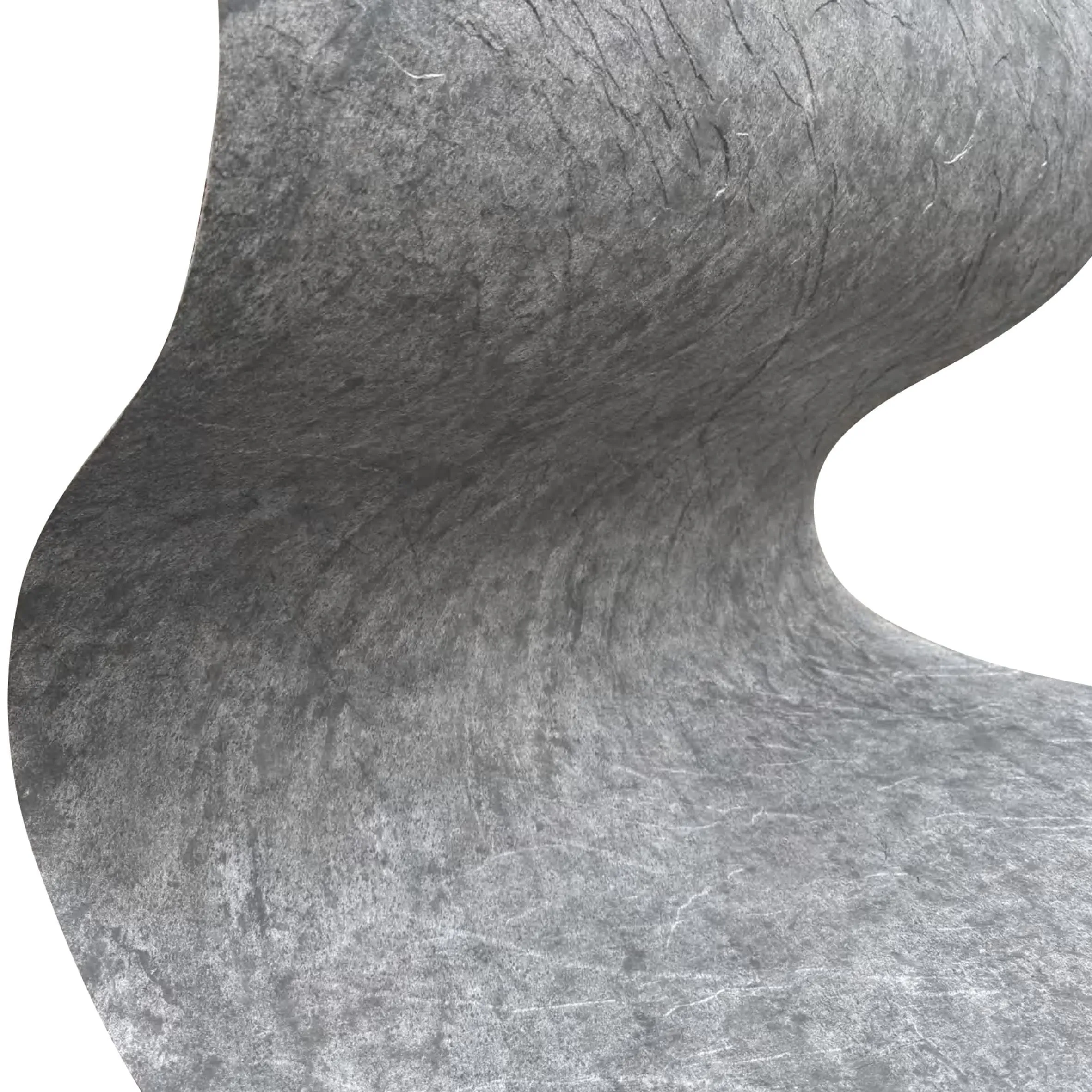
From Rigid to Revolutionary: The Magic of MCM Flexible Stone
Let's talk about the star of the show:
MCM flexible stone. If natural
glacial slate is a stubborn giant,
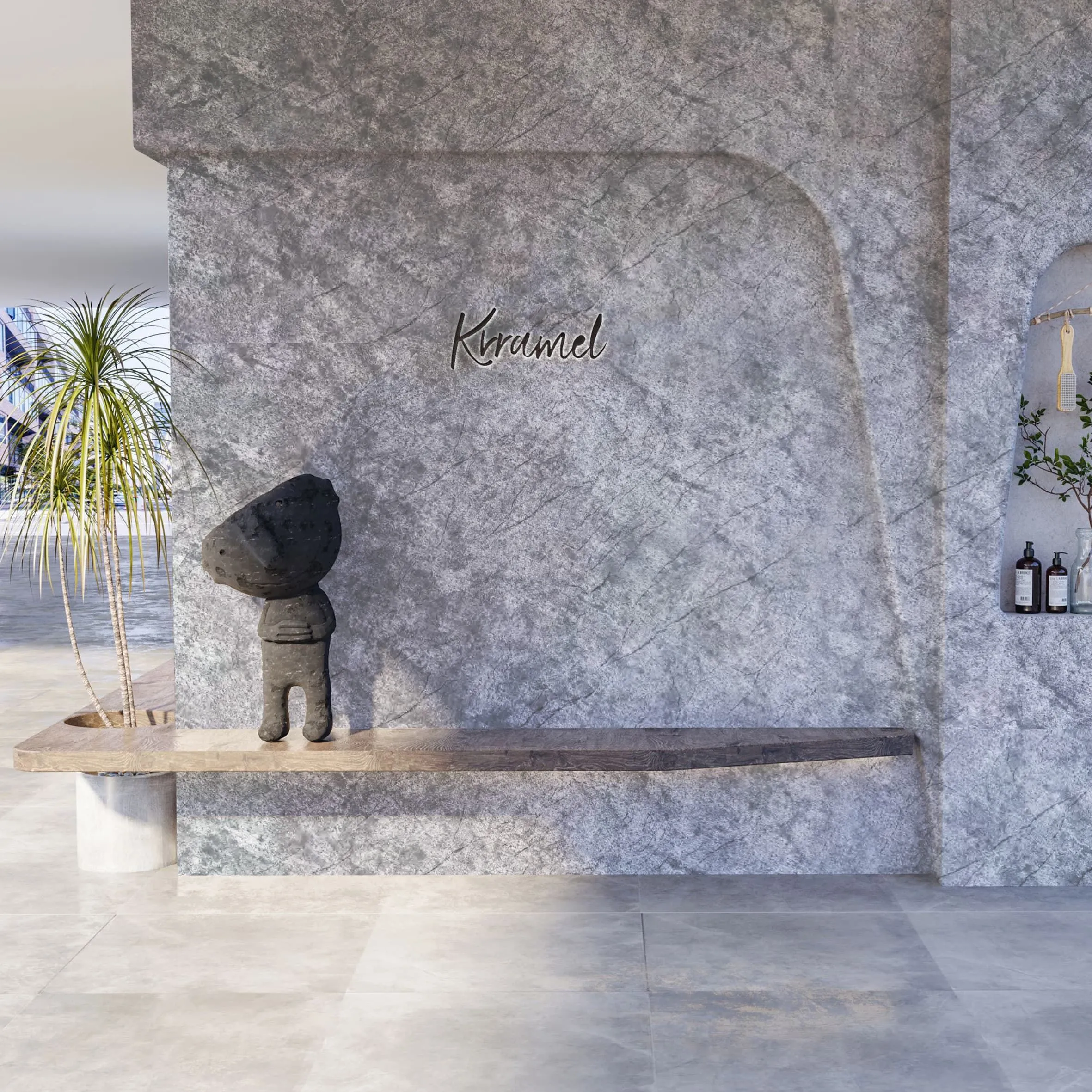
MCM flexible stone is its agile, adaptable cousin. Imagine holding a sheet of it—thin enough to roll up (yes, roll up!) for transport, yet tough enough to withstand hailstorms, high humidity, and even fire. That flexibility opened doors architects had only imagined. Suddenly, curved walls weren't a pipe dream; they were a reality. A hotel lobby with a sweeping, wave-like facade? Possible. A residential ceiling with a textured, slate-like finish that weighed next to nothing? Done.
But it's not just about bending.
MCM flexible stone solves the "breakage problem" that plagued natural slate. During installation, workers no longer had to tiptoe around slabs like they were fragile antiques. A dropped sheet might scuff, but it wouldn't shatter. And because it's lightweight, crews could install it in half the time, reducing labor costs and project timelines. For a restaurant owner rushing to open, or a developer under a tight deadline, that was a game-changer.
The
Lunar Peak Series: When Glaciers Meet the Stars
COLORIA didn't just replicate
glacial slate—they elevated it. Take their
Lunar Peak series, for example. Inspired by the way sunlight dances on mountain glaciers at different times of day, this collection includes three shades:
Lunar Peak silvery (a cool, frosty gray that shimmers like moonlight on ice),
Lunar Peak golden (warm, honeyed tones that mimic sunrise over snow), and
Lunar Peak black (deep, inky, and dramatic, like a glacier at midnight). These aren't just "colors"—they're moods. A retail store using
Lunar Peak golden feels inviting, like stepping into a sunlit alpine lodge. An office lobby clad in
Lunar Peak silvery exudes calm, as if you're standing at the top of a quiet glacier.
"We wanted the new headquarters to feel grounded, but not heavy," says Maria Gonzalez, an architect who used
Lunar Peak silvery for a tech company's lobby. "Natural slate would have required reinforcing the entire wall structure, which added months to the timeline and blew the budget. With COLORIA's
MCM flexible stone, we got the same 'icy, majestic' look, but the install took a week instead of a month. The CEO walked in and said, 'It feels like we brought a piece of the mountains here.' That's the magic—you don't just see it; you feel it."
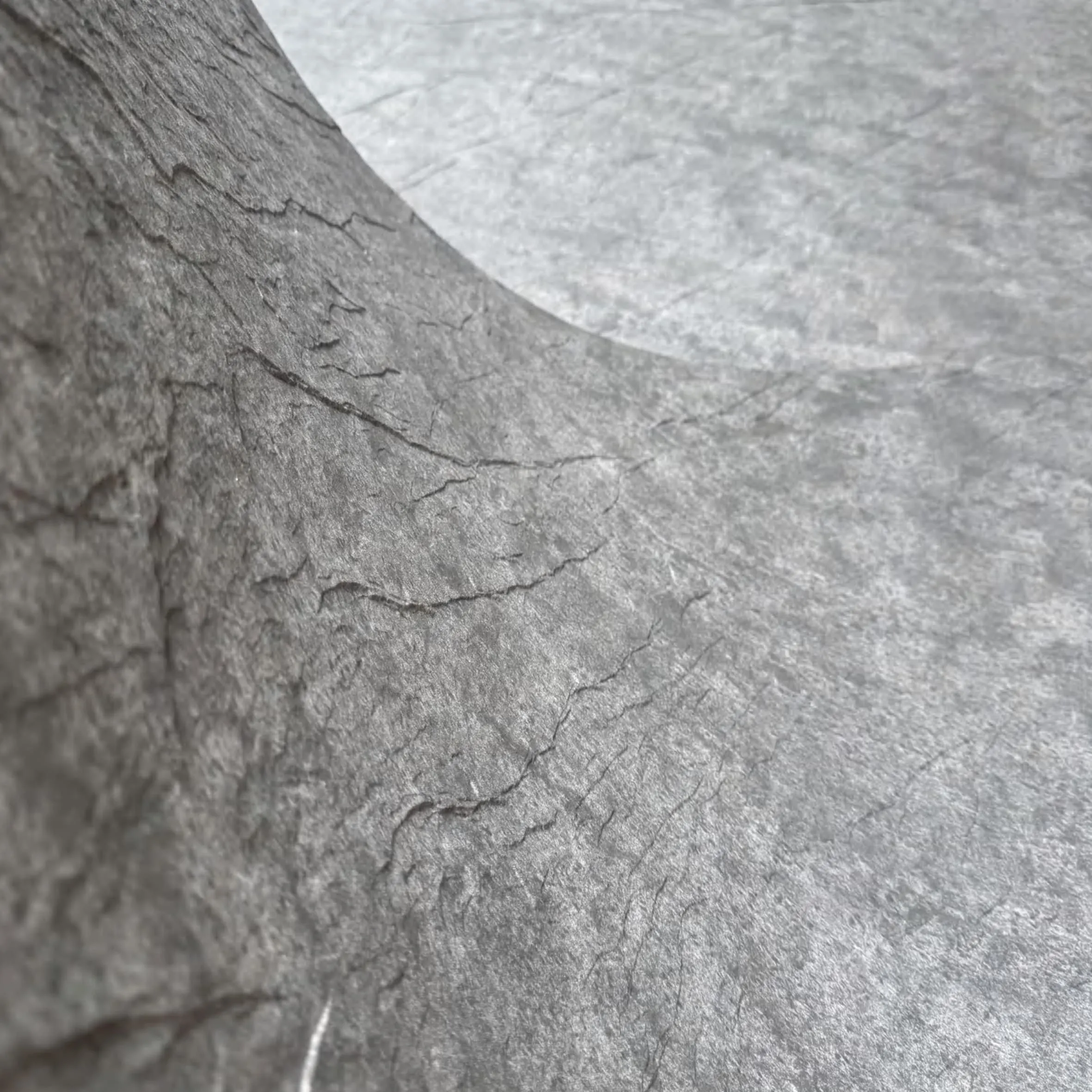
3D Printing Series: Where Technology Meets Artistry
If
MCM flexible stone was COLORIA's first act, their 3D printing series is the showstopper. 3D printing isn't new, but using it to create custom stone-like panels? That's where COLORIA pushed boundaries. Imagine a client saying, "I want a wall that looks like a riverbed—with tiny pebbles, swirling patterns, and even a few fossil-like imprints." In the past, that would mean hand-carving each detail, a process so expensive only the ultra-wealthy could afford it. With COLORIA's 3D printing series, it's as simple as uploading a design file.
The 3D printing process uses MCM material as "ink," layering it to build up textures that are impossibly precise. Want a panel with the look of
glacial slate but with geometric cutouts for lighting? Done. A facade that mimics the way ice crystals form in frost? No problem. And because it's additive manufacturing—only using material where it's needed—there's almost no waste. For eco-conscious brands, that's a big win. A hotel chain aiming for LEED certification, for example, can now have a stunning, custom stone facade without the guilt of excess quarrying.
Comparing the Old and the New: Glacial Slate vs. COLORIA's MCM
Still not convinced? Let's put it all on the table. Here's how traditional
glacial slate stacks up against COLORIA's
MCM flexible stone:
|
Attribute
|
Traditional Glacial Slate
|
COLORIA MCM Flexible Stone
|
|
Weight
|
Heavy (20-30 kg/sq.m)
|
Lightweight (3-5 kg/sq.m)
|
|
Flexibility
|
Brittle; cracks under pressure
|
Bendable; can curve up to 120 degrees
|
|
Installation Time
|
Slow (2-3 days for 100 sq.m)
|
Fast (1 day for 100 sq.m)
|
|
Eco-Friendliness
|
High waste (30-40% of quarried stone is discarded)
|
Low waste (uses recycled materials; 95% of production is usable)
|
|
Durability
|
Weather-resistant but prone to chipping
|
Fire-resistant, water-resistant, and impact-resistant
|
The numbers speak for themselves.
MCM flexible stone isn't just better—it's smarter.
Building a Greener Future, One Slab at a Time
In a world where "sustainability" is more than a buzzword, COLORIA's MCM materials shine. Let's break it down: traditional quarrying for slate involves heavy machinery, diesel fumes, and mountains of discarded rock. COLORIA's process? They start with recycled stone dust from other construction projects, mix it with plant-based resins, and press it into sheets—no dynamite, no bulldozers, no wasted mountains.
And because
MCM flexible stone is lightweight, transporting it uses less fuel. A truck that once carried 100 sq.m of natural slate can now carry 500 sq.m of MCM—cutting carbon emissions by 80%. For a planet grappling with climate change, that's not just a selling point; it's a responsibility.
The Road Ahead: Innovating Beyond Boundaries
So, what's next for COLORIA and MCM materials? The team isn't resting on their laurels. They're experimenting with new textures, like "
Starmoon Stone"—inspired by the craters of the moon—and "
Gradient Color Rammed Earth Board," which mimics the layered hues of desert landscapes. They're also pushing the limits of 3D printing, aiming to create even larger panels (think: entire building facades printed in one piece) and self-cleaning coatings that repel dirt and pollution.
But at the core of it all is still that respect for nature. COLORIA's labs are filled with samples of natural stone—
glacial slate,
travertine, sandstone—each one studied, analyzed, and reimagined. "We don't want to replace nature," says a COLORIA engineer. "We want to partner with it. To take what's beautiful and make it accessible, sustainable, and ready for the challenges of the 21st century."
Glacial slate has been around for millions of years, but it took COLORIA to make it truly timeless. By blending the raw beauty of this ancient material with MCM technology, they've turned a stubborn, heavy stone into a lightweight, flexible, and eco-friendly solution that's reshaping architecture. Today, a small café in Tokyo can have the same
glacial slate aesthetic as a luxury resort in the Swiss Alps—without the cost, waste, or hassle.
This is the power of innovation: taking something old and making it new again. It's about honoring the past while building a future where beauty and practicality coexist. So the next time you run your hand over a textured wall or marvel at a curved stone facade, take a moment to appreciate the story behind it. It might just be a chapter in the ongoing saga of
glacial slate—and how COLORIA turned it into something revolutionary.