
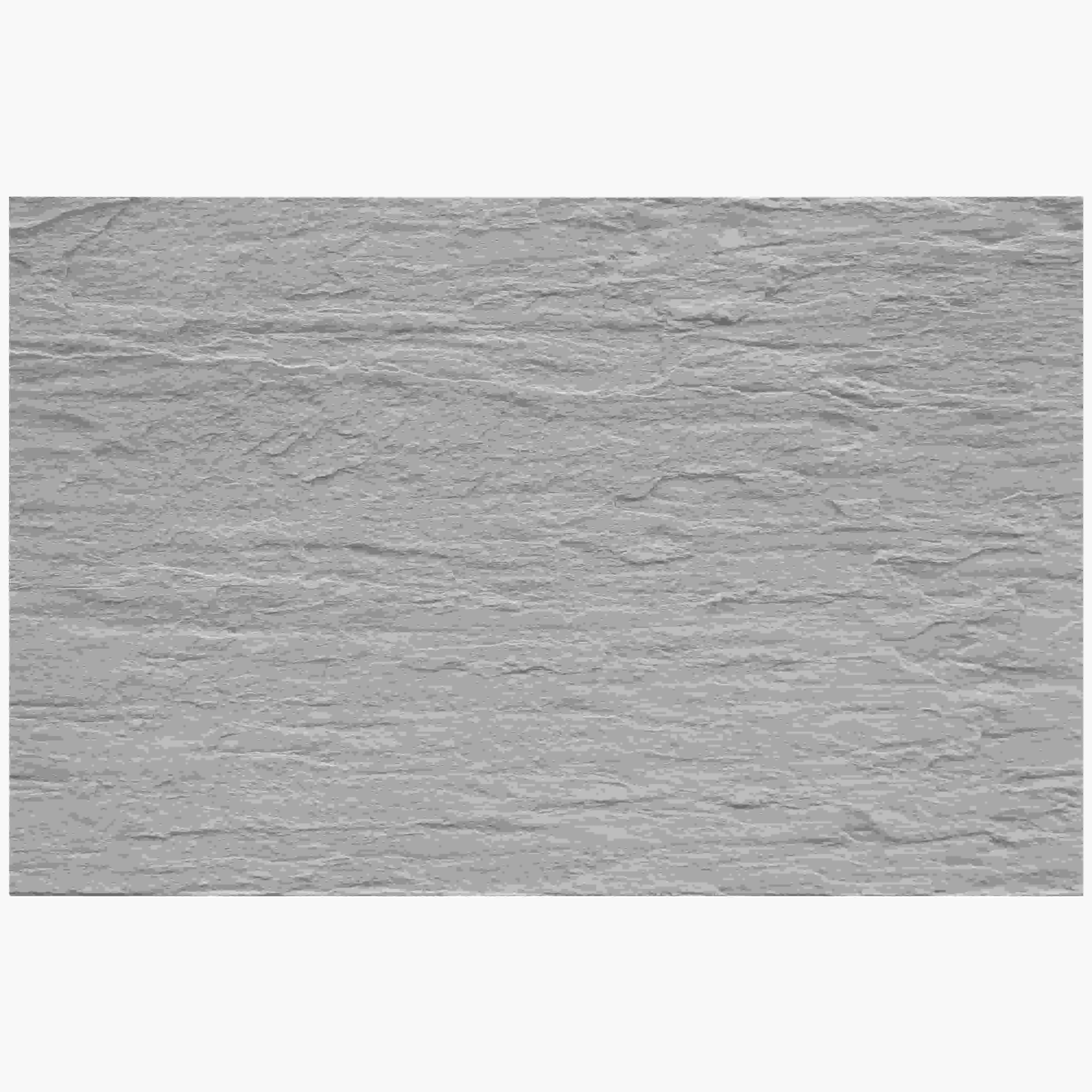
Architecture is more than just walls and roofs—it's the story of human ingenuity, a dialogue between nature and innovation. For centuries, builders have chased the perfect balance: materials that are strong yet beautiful, durable yet adaptable, rooted in tradition yet forward-thinking. Enter MCM, or Modified Composite Material, a revolution that redefined what's possible in design. At the heart of this journey lies a product that feels almost poetic in its name: Oasis Stone Regular . But to understand its evolution, we need to start not with MCM itself, but with the challenges that paved its way.
Think back to the grand cathedrals of Europe, the ancient temples of Asia, or the stone-clad buildings of the Renaissance. For most of history, stone was king. It was sturdy, timeless, and carried an air of permanence. But it came with a heavy price—literally. Quarrying massive stone slabs required backbreaking labor; transporting them across distances was a logistical nightmare; and once on-site, installing them strained the structural limits of buildings. Architects dreamed of intricate facades, curved walls, and lightweight designs, but the materials of the day held them back.
Then came concrete, a game-changer in the 19th century. Fair-faced concrete , with its raw, industrial charm, became a staple of modernism. It was cheaper than stone, easier to mold, and allowed for bold, geometric forms. But even concrete had its flaws. It was dense, prone to cracking in harsh climates, and lacked the warmth of natural stone. By the late 20th century, as cities grew taller and design tastes leaned toward sustainability and flexibility, a new problem emerged: how to create materials that could keep up with the ambition of architects without sacrificing performance or aesthetics.
The 1990s marked a turning point. A team of material scientists and architects, frustrated by the limitations of traditional options, began experimenting with composites—blending natural minerals with advanced polymers to create something entirely new. They wanted a material that could mimic the look and feel of stone, concrete, or wood, but with the flexibility of fabric and the lightness of foam. After years of trial and error, MCM was born. Short for Modified Composite Material, it was a breakthrough: thin, lightweight panels that could be bent, curved, or cut into any shape, yet strong enough to withstand weather, fire, and time.
The first commercial MCM product was MCM flexible stone , and it sent ripples through the industry. Suddenly, architects could clad a skyscraper with the appearance of travertine without the weight of natural stone. Interior designers could wrap a curved wall in a wood-grain finish that wouldn't warp or rot. Builders could reduce construction time and costs, as MCM panels were easier to transport and install. But MCM wasn't just a material—it was a platform for creativity. And as demand grew, so did the need for specialized lines tailored to specific design visions.

By the early 2000s, MCM had expanded beyond flexible stone into a family of products, each designed to solve unique challenges. The MCM project board series became a favorite for large-scale commercial projects, offering standardized panels that maintained consistency across sprawling developments. The MCM 3D printing series pushed boundaries further, allowing for custom textures and patterns that were once impossible to mass-produce. Architects raved about the possibilities: "It's like having a sculptor's toolkit for buildings," one designer noted at a 2010 industry conference. "You're no longer limited by what nature provides—you can create the exact texture, color, and form you imagine."
But among these innovations, there was a desire to pay homage to history. The historical pathfinders stone line, for example, drew inspiration from ancient masonry techniques, replicating the weathered charm of medieval castles or Roman ruins. It was a nod to the past, a reminder that innovation doesn't have to erase tradition—it can reimagine it. This balance of old and new would later become a cornerstone of Oasis Stone Regular's identity.
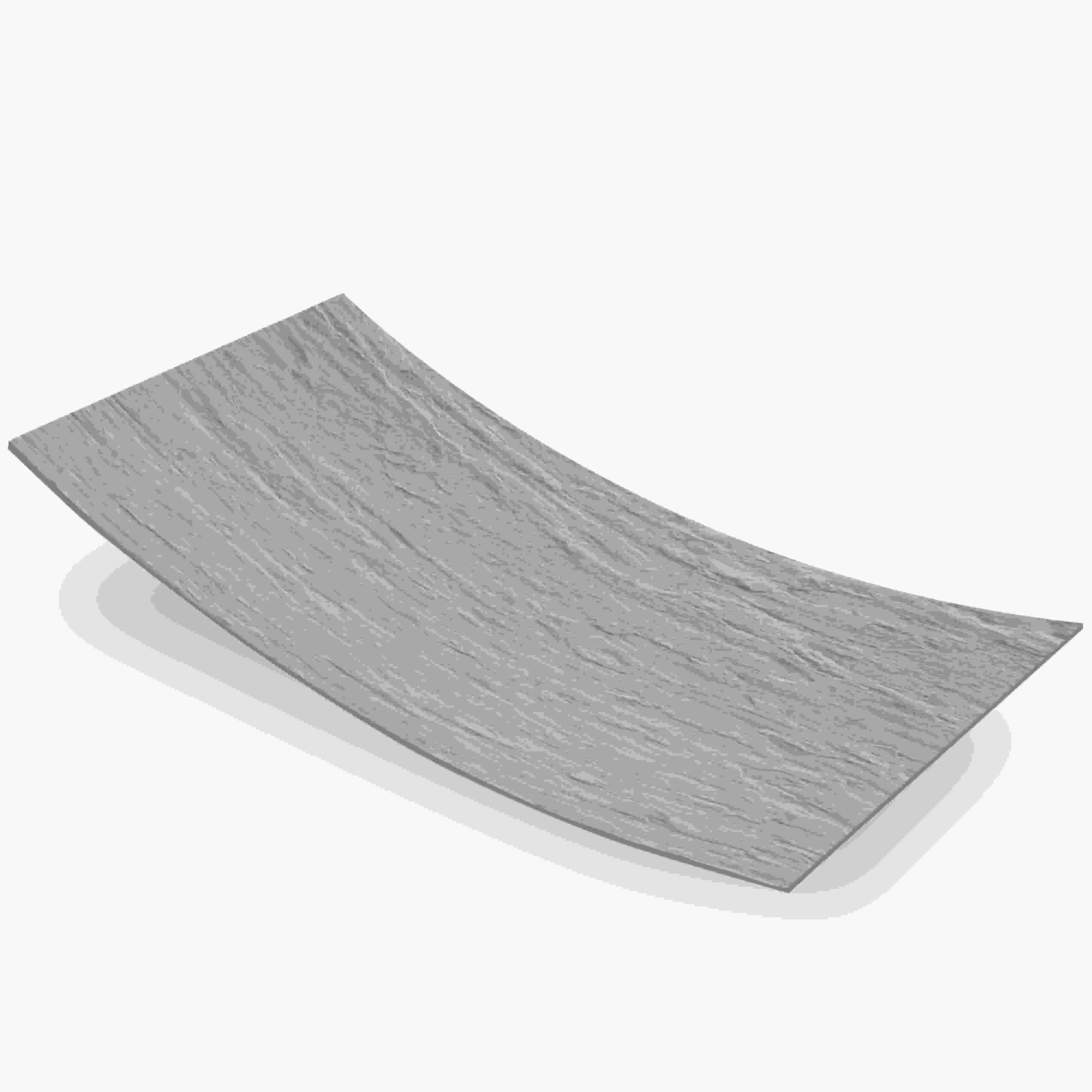
In 2015, MCM's design team embarked on a trip to the Middle East. They visited ancient desert cities, where buildings seemed to rise organically from the sand, their exteriors baked by the sun into warm, earthy tones. It was there, in the shadow of a centuries-old oasis, that the idea for Oasis Stone Regular was born. "We wanted to capture that feeling of finding beauty in harsh environments," recalls lead designer Maria Gonzalez. "An oasis is a symbol of resilience and life—we wanted a material that felt both rugged and inviting, like a modern-day oasis for architecture."
The early prototypes were promising but needed refinement. The team spent months testing textures, tweaking color palettes, and perfecting the material's flexibility. They wanted it to mimic the look of sun-bleached stone, with subtle variations that felt natural, not manufactured. Early feedback from architects was clear: they loved the concept but wanted more durability for high-traffic areas. Back to the lab they went, integrating advanced resins to enhance scratch resistance without losing the material's signature warmth.
By 2018, Oasis Stone Regular hit the market, and it was an instant hit. Its neutral, sand-like hues—soft beiges, warm taupes, and muted grays—complemented both modern and traditional designs. What set it apart, though, was its versatility. It worked equally well on exterior facades, interior accent walls, and even furniture. A boutique hotel in Dubai used it to clad its lobby, pairing it with copper accents to evoke a desert-meets-luxury vibe. A residential complex in Arizona chose it for its outdoor patios, where it withstood scorching summers and monsoon rains without fading. "It's like it was made for our climate," said one homeowner. "And it looks better with age—those subtle color variations get more pronounced over time, like a well-loved book."

As the world turned its focus to sustainability, MCM doubled down on eco-friendly practices. Green building materials weren't just a trend—they were a necessity. Oasis Stone Regular, like all MCM products, was designed with the planet in mind. It uses 60% recycled content, including reclaimed stone dust and post-industrial polymers, reducing the need for quarrying. Its lightweight nature also cuts down on transportation emissions; a single truck can carry 10 times more MCM panels than natural stone, lowering carbon footprints significantly.
But sustainability wasn't just about materials—it was about longevity. MCM products are engineered to last decades, resisting fading, cracking, and water damage. This means less frequent replacement, reducing waste over time. "We tell clients: 'This isn't just a facade—it's an investment,'" says sustainability director James Chen. "Oasis Stone Regular doesn't just look good today; it will look good in 20 years, and that's the most sustainable choice of all."
To truly grasp the impact of MCM—and Oasis Stone Regular in particular—it helps to see how it compares to traditional materials. Below is a breakdown of key factors that matter most to architects, builders, and homeowners:
| Material | Weight (per sq. meter) | Durability (Expected Lifespan) | Design Flexibility | Sustainability |
|---|---|---|---|---|
| Natural Stone | 200-300 kg | 50-100 years (but prone to chipping) | Limited (fixed slabs, hard to curve) | High quarrying impact, low recyclability |
| Fair-faced Concrete | 150-200 kg | 30-50 years (prone to cracking) | Moderate (moldable but heavy) | High carbon footprint in production |
| MCM Flexible Stone | 8-12 kg | 50+ years (resistant to weathering) | High (bendable, customizable textures) | 60% recycled content, low transport emissions |
| Oasis Stone Regular | 9 kg | 60+ years (enhanced scratch resistance) | Very High (10+ color variants, 3D-printable accents) | 70% recycled content, carbon-neutral production |
Today, MCM continues to evolve. The 3D printing series now allows for on-demand, site-specific designs, reducing waste even further. New colorways, like the lunar peak silvery and golden lines, draw inspiration from celestial landscapes, while the foamed aluminium alloy boards add a metallic edge for futuristic projects. But through it all, Oasis Stone Regular remains a fan favorite—a testament to the power of simplicity, resilience, and that timeless balance of form and function.
As architects and designers push the boundaries of what buildings can be—greener, more adaptive, more human-centric—materials like Oasis Stone Regular will be there, supporting their vision. It's more than just a panel on a wall; it's a reminder that the best innovations aren't about replacing the past, but about carrying it forward. In the end, MCM's story isn't just about technology—it's about people: the dreamers who imagined better materials, the builders who brought them to life, and the communities who now live, work, and create in spaces shaped by their ingenuity.
So the next time you walk past a building with a facade that seems to glow in the sunlight, with textures that invite you to reach out and touch them, take a closer look. It might just be Oasis Stone Regular, quietly writing the next chapter in the history of architecture—one panel at a time.
Recommend Products












