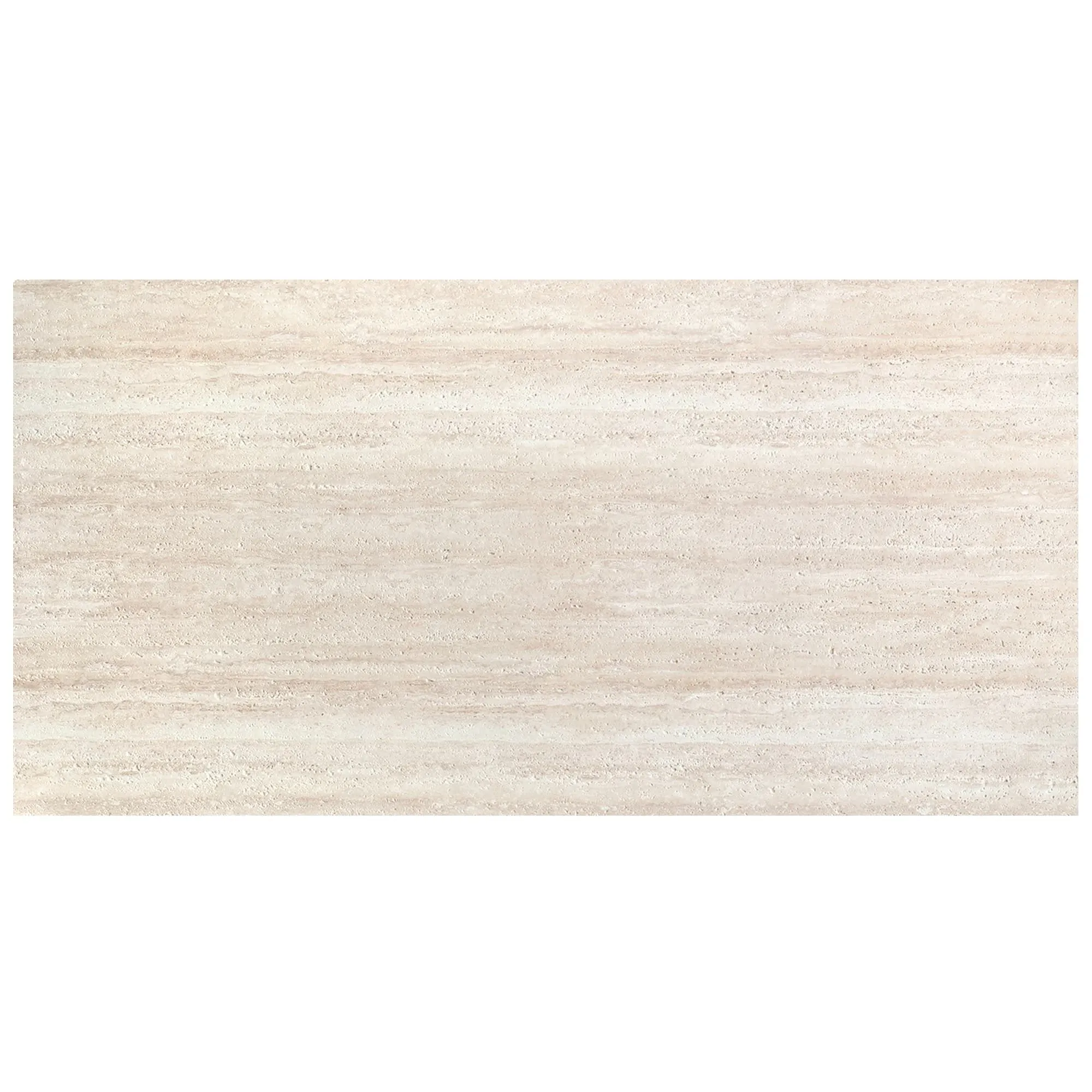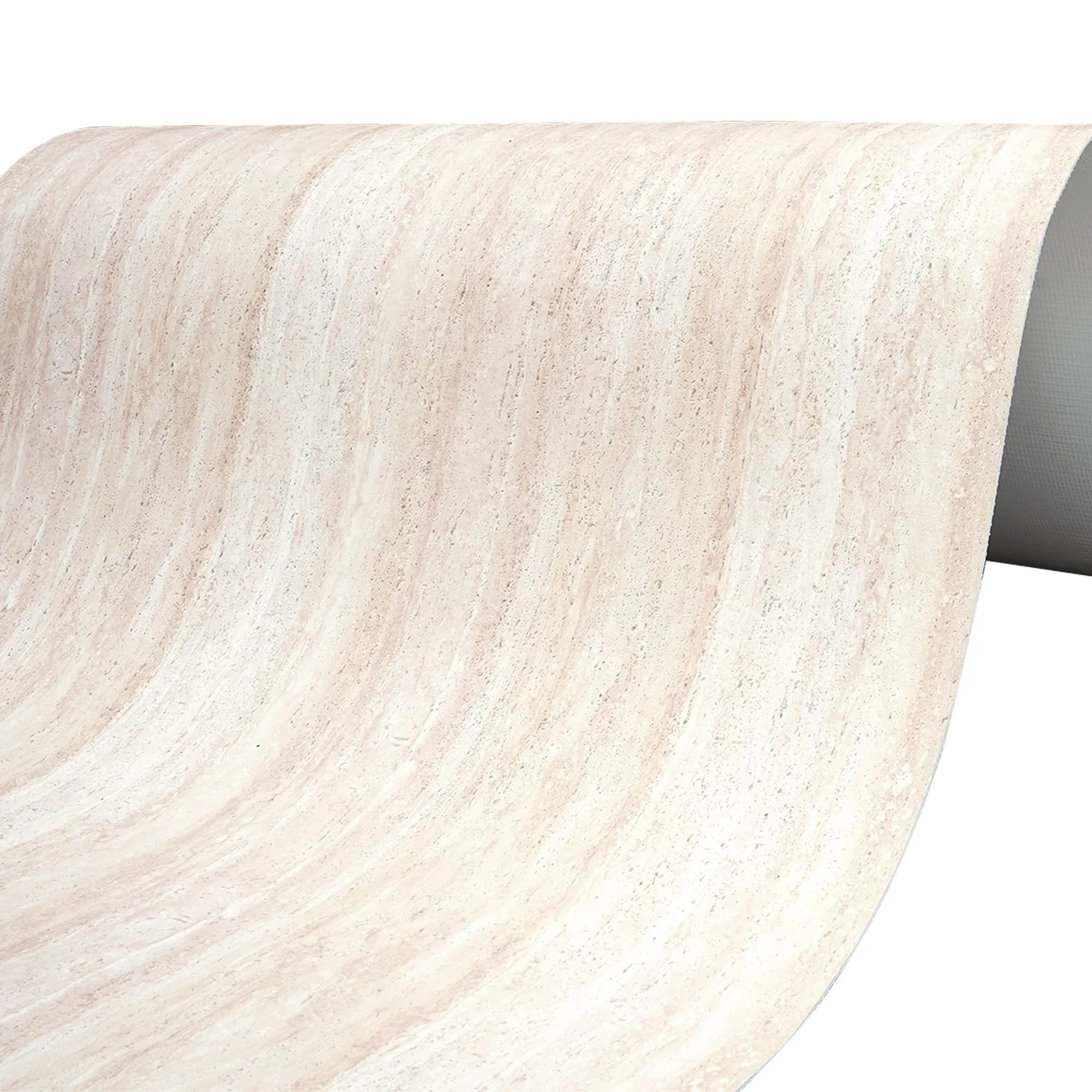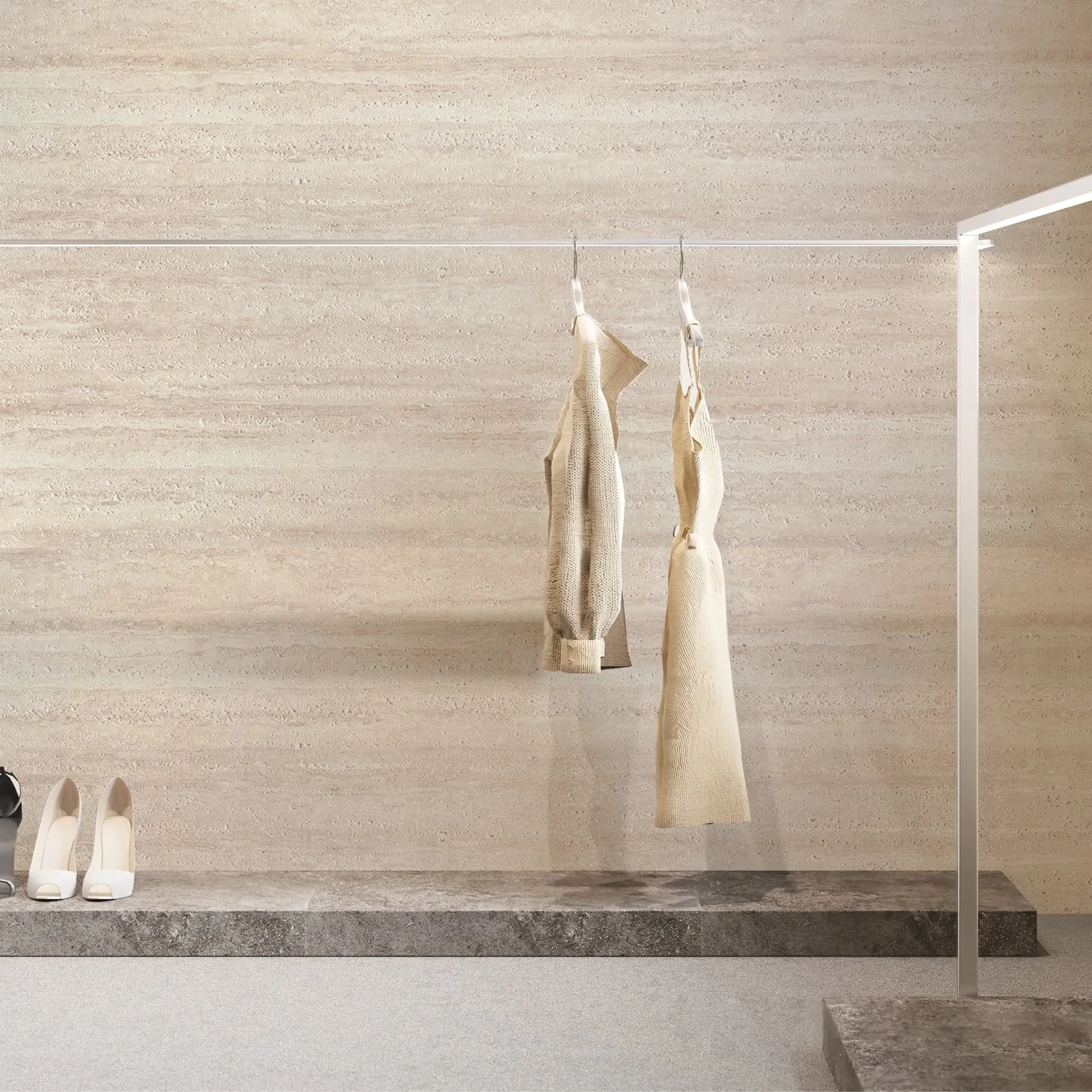
It started with a cracked stone tile. In 2008, COLORIA GROUP founder Elena Marquez was visiting a 17th-century villa in Tuscany when she watched a restoration worker struggle to replace a weathered travertine panel. The slab was heavy—so heavy it took two people to lift—and fragile, chipping at the edges as they maneuvered it into place. "Why," she wondered aloud, "does beauty have to be so difficult?"
That question lingered. Marquez, a civil engineer with a background in sustainable design, had long been frustrated by the construction industry's trade-offs: natural materials like stone and marble were stunning but heavy, expensive, and prone to wear; synthetic alternatives were lightweight but lacked soul, feeling more like plastic than earth. "Buildings should tell stories," she often said. "But how can they when their skin is either too fragile to last or too artificial to feel alive?"
By 2010, COLORIA GROUP was born in a small Madrid lab, with a team of 12—materials scientists, geologists, and artists—united by a single mission: to create building materials that married nature's beauty with modern practicality. "We didn't want to invent something 'new,'" recalls head geologist Dr. Raj Patel, who joined the team in 2011. "We wanted to reimagine what was possible. To take the essence of stone—the texture, the depth, the way it catches light—and set it free from its physical limitations."