

From the dawn of human civilization, our shelters have always been a testament to our ingenuity and our relationship with the natural world. Early humans sought refuge in caves, then learned to shape earth, wood, and stone into structures that offered protection and a sense of permanence. Over millennia, as our understanding of materials deepened and our architectural ambitions grew, so did the sophistication of our building techniques. This journey, marked by innovation and adaptation, eventually led us to the incredibly versatile and sustainable materials we see today, materials that cleverly echo the beauty of nature while vastly improving upon its practicalities.
One of the most revered natural materials throughout history has been granite. Its sheer strength, timeless beauty, and incredible durability made it a favorite for monuments, grand buildings, and even humble homes. Among the myriad forms of granite, 'Rust Board Granite' holds a special place. Its distinctive reddish-brown hues, often streaked with darker veins or flecks, evoke a sense of earthy warmth and rugged elegance. It's the kind of material that whispers stories of ancient geological forces and stands as a silent witness to time. Imagine a facade clad in Rust Board Granite – it immediately conveys a feeling of solidity, luxury, and a deep connection to the earth. However, like all natural materials, Rust Board Granite comes with its own set of challenges, challenges that, ironically, paved the way for the development of revolutionary alternatives like Modified Cementitious Material (MCM).
For centuries, granite, including the beloved Rust Board Granite, was the gold standard for high-end construction. Its allure is undeniable. Visually, its unique patterns and colors mean no two slabs are exactly alike, offering a bespoke aesthetic that mass-produced materials struggle to replicate. Functionally, granite is incredibly hard, resistant to scratches, heat, and weathering, making it suitable for both interior and exterior applications. Its perceived value adds an immediate sense of prestige to any project, whether it's a bustling commercial skyscraper or a serene residential villa. Builders and homeowners alike appreciated its longevity, knowing that a granite facade or floor would likely outlast several generations.
Yet, the very nature that made granite so appealing also presented significant hurdles, especially as construction evolved in the 20th and 21st centuries. The most obvious challenge is its weight. Granite is incredibly dense, meaning a large slab can weigh hundreds, if not thousands, of kilograms. This necessitates robust structural support for buildings, increases transportation costs, and makes installation a laborious, time-consuming, and often dangerous process. Think about hoisting massive granite panels onto the upper floors of a high-rise – it requires specialized equipment, extensive scaffolding, and a highly skilled workforce, all of which contribute to exorbitant project costs and extended timelines.
Beyond weight and installation, the environmental impact of granite quarrying is another significant concern. Extracting granite from the earth involves massive machinery, consumes vast amounts of energy, and often leaves substantial scars on landscapes. The process can generate significant dust and noise pollution, disrupt local ecosystems, and consume large quantities of water. Furthermore, natural granite, despite its strength, is not impervious to damage. It can chip, crack under extreme stress, and its porous nature means it can absorb stains if not properly sealed and maintained. Its fixed dimensions and patterns also limited creative freedom; designers were often constrained by the available slab sizes and inherent variations, making true customization difficult and expensive.
As the world moved towards more sustainable practices, faster construction methods, and more flexible design possibilities, the limitations of materials like Rust Board Granite became increasingly apparent. The industry needed something that could capture the essence and durability of natural stone but without the associated environmental footprint, weight, cost, and installation complexities. This growing need became the fertile ground for innovation, leading to the birth of advanced materials like Modified Cementitious Material (MCM).
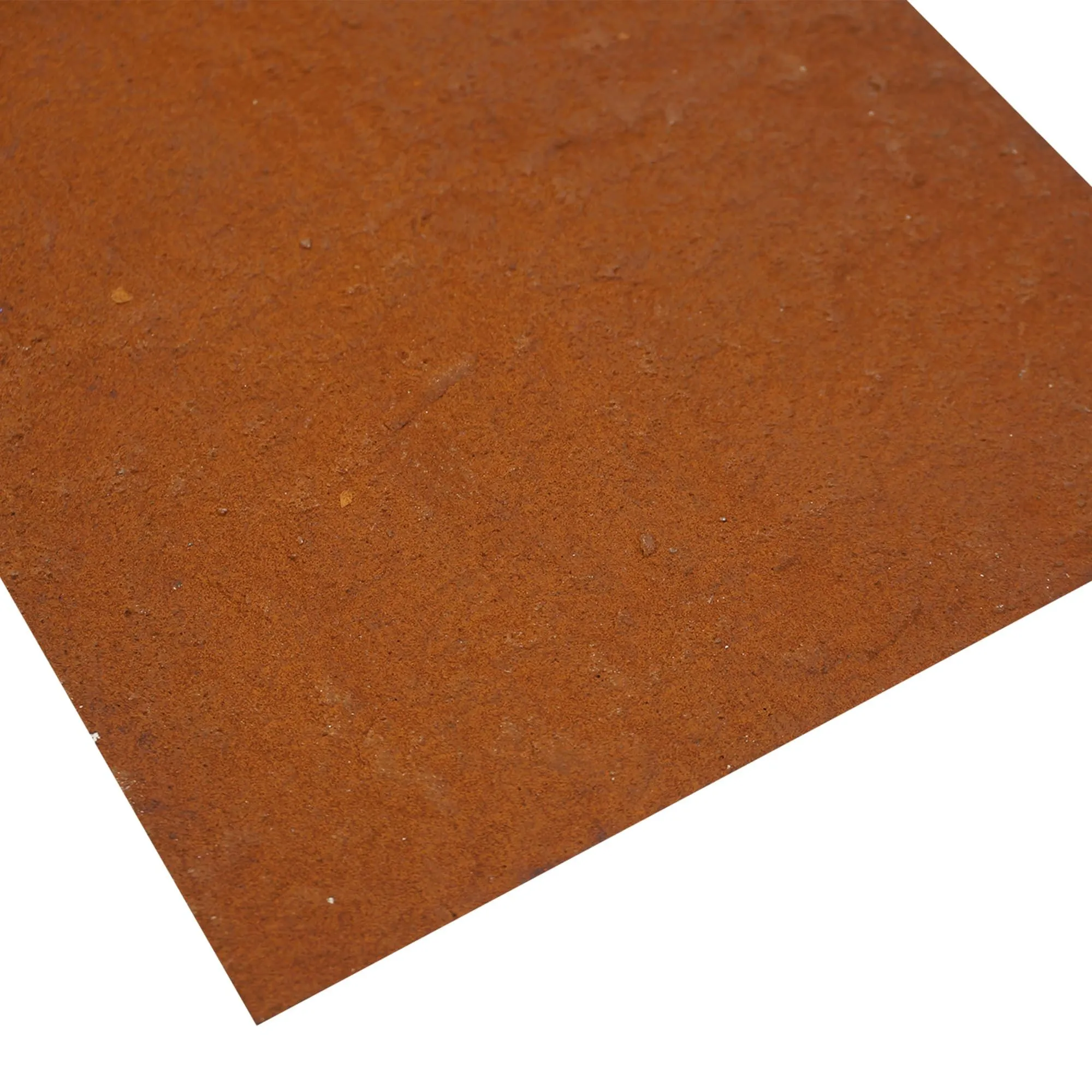
The call for innovation in construction materials was answered by a revolutionary class of products known as Modified Cementitious Material, or MCM. MCM isn't just another synthetic material; it's a sophisticated engineered solution that redefines what's possible in architectural design and construction. At its core, MCM is made primarily from natural, inorganic minerals and aggregates, combined with specialized polymer binders. This unique composition allows it to be incredibly flexible, lightweight, and versatile, yet still incredibly durable and aesthetically pleasing. It's a material that consciously addresses the shortcomings of traditional options while embracing the future of sustainable building.
COLORIA GROUP has been at the forefront of this material revolution, positioning itself as a leading one-stop solution provider in the architectural materials sector. With decades of industry experience, we've dedicated ourselves to perfecting MCM technology, pushing the boundaries of what these materials can achieve. Our focus is not just on producing a product, but on offering comprehensive solutions that cater to the evolving needs of both residential and commercial projects globally. Our presence in key markets, such as our agency in Saudi Arabia, underscores our commitment to providing localized support and expertise, ensuring that our innovative materials reach diverse construction landscapes.
The beauty of MCM lies in its ability to mimic virtually any natural texture – from the rugged surface of Rust Board Granite to the smooth finish of polished marble, the rustic appeal of timber, or even the industrial look of concrete. This aesthetic versatility, combined with its superior performance characteristics, makes it an ideal choice for a vast array of applications. Architects and designers are no longer restricted by the inherent limitations of natural stone; with MCM, their creative visions can truly take flight.
Let's delve deeper into what makes MCM such a game-changer and explore the specific product series that COLORIA GROUP offers to transform your construction projects.
Understanding the fundamental principles of MCM helps appreciate its unique advantages. Unlike traditional tiles or panels which are often fired at extremely high temperatures (consuming massive energy) or cut from heavy natural blocks, MCM is manufactured using a relatively low-temperature process. This not only significantly reduces energy consumption but also minimizes carbon emissions. The main ingredients – typically clay, sand, cement, and other mineral powders – are mixed with a specialized polymer emulsion. This mixture is then shaped into thin sheets and cured, allowing the materials to bond and solidify into a flexible yet robust material. This innovative manufacturing process is key to MCM's lightweight and flexible properties.
The resulting material is surprisingly thin, typically ranging from 2mm to 6mm, yet incredibly strong. Its flexibility allows it to be applied to curved surfaces, corners, and even intricate architectural features where rigid materials would be impossible or prohibitively expensive to install. This characteristic alone opens up entirely new design possibilities, enabling architects to realize complex geometries and fluid forms that were once confined to concept sketches.
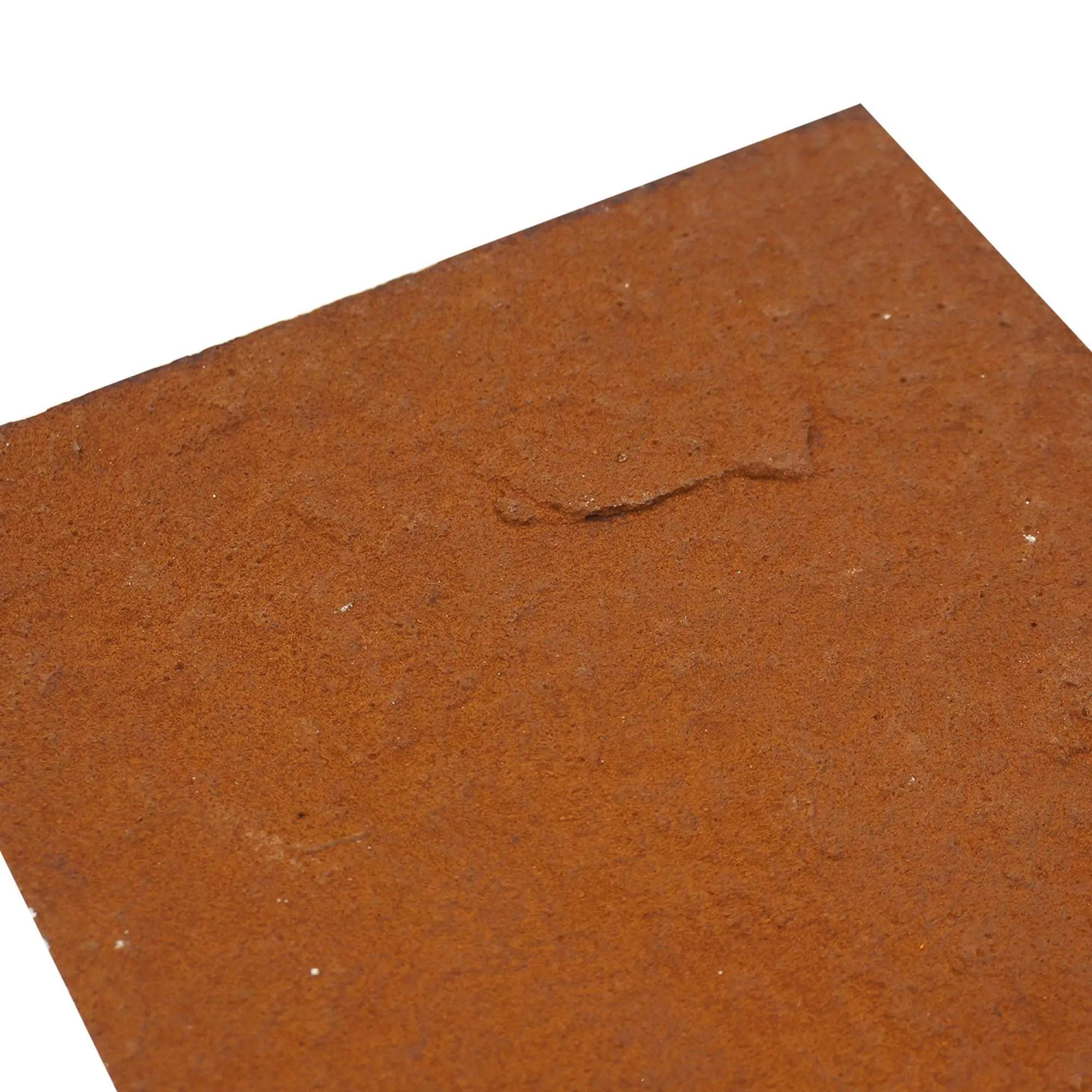
At COLORIA GROUP, our expertise in MCM technology has culminated in several distinct product series, each designed to meet specific architectural needs and aesthetic preferences. These series collectively represent our commitment to providing high-quality interior and exterior decoration materials that are not only beautiful but also functional, sustainable, and tailored to modern construction demands.
Imagine the grandeur of a seamless stone facade, uninterrupted by frequent grout lines. That's the vision behind our MCM Big Slab Board Series. These impressive panels come in exceptionally large sizes, allowing for vast, expansive surfaces that exude elegance and continuity. Perfect for grand lobbies, high-end commercial spaces, and luxurious residential exteriors, these big slabs drastically reduce the number of joints, creating a sleek, monolithic appearance that is difficult to achieve with smaller, traditional tiles. The reduced number of joints also translates to fewer potential points of water ingress and easier maintenance over the long term. These boards can replicate the expansive veining of marble or the broad, consistent patterns found in certain granites, including the rich, earthy tones of Rust Board Granite, but without the weight or fragility. The installation process, while still requiring precision, is significantly faster and less labor-intensive compared to natural stone slabs of comparable size, making it a cost-effective solution for large-scale projects.
The construction industry thrives on efficiency, cost-effectiveness, and reliability. Our MCM Project Board Series is specifically engineered with these principles in mind. Designed for large-scale commercial and residential developments, these boards offer an optimal balance of performance, aesthetics, and economic viability. They are ideal for projects requiring consistent quality and quick turnaround times, such as apartment complexes, hotels, office buildings, and public institutions. The Project Board Series emphasizes ease of installation and excellent durability, ensuring that projects stay on schedule and within budget without compromising on the final look. These boards are available in a wide array of textures and finishes, allowing developers to choose styles that align with their brand identity or regional aesthetic preferences. The robust nature of these boards makes them perfect for high-traffic areas, offering long-lasting beauty with minimal maintenance.
This is where innovation truly takes a leap into the future. The MCM 3D Printing Series represents a paradigm shift in architectural surfacing. Leveraging advanced 3D printing technology, we can create incredibly intricate, bespoke textures and patterns that are impossible to achieve with traditional manufacturing methods. Imagine a facade with a flowing, organic relief, or an interior wall with a custom geometric pattern that seems to emerge from the surface itself. This series offers unprecedented levels of customization , allowing architects and designers to translate their most imaginative concepts into tangible reality. From recreating complex historical details to designing futuristic, parametric forms, the 3D Printing Series opens up a world of possibilities for truly unique and signature projects. This technology not only allows for aesthetic innovation but also contributes to material efficiency, as it can create complex shapes with less waste compared to carving or machining. It's about bringing bespoke artistry to the masses, democratizing high-end design through cutting-edge technology.
If you've ever admired the natural beauty of stone but recoiled at its inflexibility, weight, and cost, then our MCM Flexible Stone series is the answer. This product truly embodies the spirit of MCM: it looks and feels like genuine stone – whether it's the ruggedness of slate, the smooth sophistication of marble, or the deep character of Rust Board Granite – yet it possesses an incredible degree of flexibility. This flexibility means it can be applied to curved walls, columns, arched entrances, and even furniture, adapting to complex geometries without cracking or breaking. It's incredibly lightweight, making it easy to transport and install, significantly reducing labor costs and structural requirements. The application process is typically simpler than traditional stone, often requiring only an adhesive, making it accessible for a wider range of projects and installers. This series is particularly popular for renovations, where adding the look of stone without overburdening existing structures is crucial, and for creative installations where curves and fluid lines are central to the design. It's a versatile solution for both interior and exterior applications, providing the aesthetic grandeur of natural stone with unparalleled ease and adaptability.
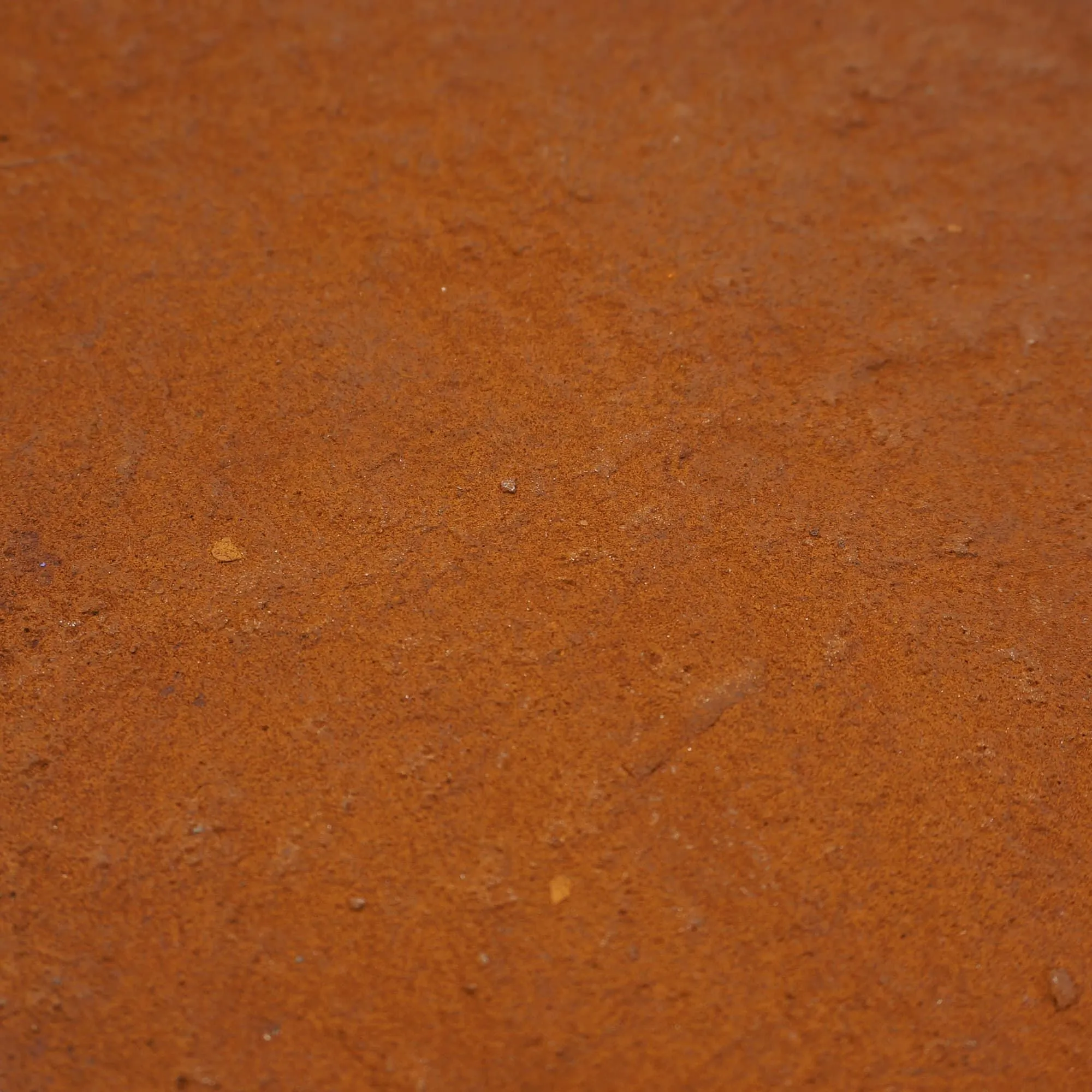
In an age where environmental responsibility is paramount, COLORIA GROUP is deeply committed to providing solutions that are not just beautiful and functional but also kind to our planet. The green and eco-friendly characteristics of our MCM products are a cornerstone of our philosophy and a significant factor in their growing global appeal. Unlike many traditional building materials, MCM has a remarkably low environmental footprint throughout its lifecycle.
Let's break down why MCM is a champion of sustainability:
By choosing COLORIA GROUP's MCM materials, you're not just investing in superior aesthetics and performance; you're actively contributing to a greener, more sustainable future for construction. This commitment to eco-friendly practices resonates deeply with modern consumers and regulatory bodies worldwide, making MCM an intelligent choice for any forward-thinking project.
COLORIA GROUP's mission extends far beyond simply manufacturing and selling MCM products. We pride ourselves on being a comprehensive partner for our clients, offering a holistic approach to building solutions. This partnership begins with understanding your unique project requirements and extends through design consultation, material selection, technical support, and after-sales service. Our global presence, particularly our established agency in Saudi Arabia, allows us to provide localized support and insights, understanding the specific climatic conditions, design trends, and regulatory landscapes of different regions.
Our team of experts works closely with architects, designers, developers, and contractors to ensure that the chosen MCM solutions perfectly align with the project's aesthetic vision, functional demands, and budgetary constraints. We believe that true value comes from offering not just a product, but a complete ecosystem of support that ensures seamless execution and exceptional results.
Consider the logistical advantages of working with a global provider. For projects in diverse locations, consistent material quality and reliable supply chains are paramount. Our established network and extensive experience in international markets mean that we can deliver our high-quality MCM solutions efficiently and dependably, no matter where your project is located. This global reach, combined with local expertise, is a powerful combination that sets COLORIA GROUP apart.
Our commitment to continuous innovation also means that we are constantly researching and developing new MCM formulations and applications. The architectural landscape is ever-changing, and we strive to stay ahead of the curve, offering materials that anticipate future design trends and environmental demands. When you choose COLORIA GROUP, you are choosing a partner dedicated to the long-term success and sustainability of your projects.
The versatility and performance of MCM are best demonstrated through its application in real-world projects. From revitalizing urban landscapes to creating cutting-edge interiors, MCM has proven its ability to deliver stunning results across various scales and functions.
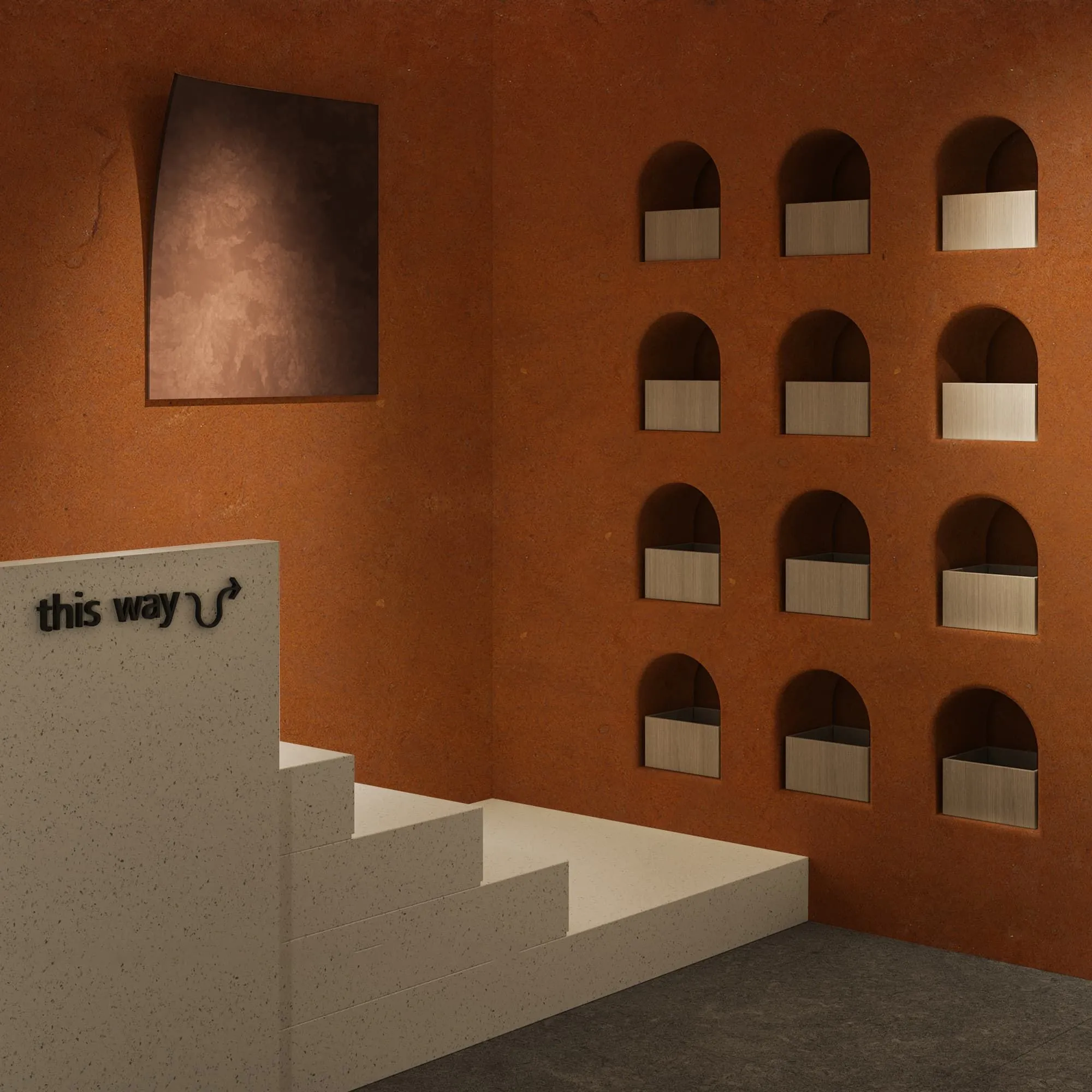
Imagine a contemporary home with a facade that perfectly mimics the raw, textured beauty of Rust Board Granite, yet is incredibly lightweight, easy to install, and insulated for energy efficiency. MCM allows homeowners to achieve high-end aesthetics without the structural reinforcement or maintenance demands of natural stone. Inside, MCM flexible stone can be used to create stunning feature walls, fireplace surrounds, or even bespoke furniture, adding a touch of natural elegance to any room. Its breathability contributes to a comfortable and healthy living environment.
For commercial buildings – think corporate headquarters, shopping malls, or boutique hotels – MCM offers unparalleled design flexibility and efficiency. Large slab boards create imposing and sophisticated exteriors, while the project board series ensures cost-effective and swift construction for extensive surfaces. The 3D printing series can be leveraged to create unique brand identities through custom patterns and textures in lobbies or retail spaces. In high-traffic areas, MCM's durability and ease of cleaning are significant advantages, maintaining a pristine appearance with minimal effort.
Hotels, resorts, and restaurants benefit immensely from MCM's ability to create luxurious and inviting atmospheres. Whether it's an outdoor pool deck featuring the look of natural timber, an opulent spa clad in a sleek marble finish, or a restaurant facade designed to evoke the rustic charm of stone, MCM delivers without the traditional material drawbacks. Its resistance to moisture and temperature fluctuations makes it ideal for diverse environments, from arid desert climates to humid coastal regions.
Our portfolio showcases numerous successful projects where MCM has been instrumental in realizing ambitious architectural visions, always delivering on its promises of aesthetics, performance, and sustainability. The testimonials from our satisfied clients speak volumes about the transformative power of these materials and our unwavering commitment to excellence.
As we look ahead, the trajectory of building materials is clear: sustainability, innovation, and adaptability will be key drivers. Traditional materials, while beautiful, are often constrained by their inherent properties and environmental costs. MCM, on the other hand, embodies the spirit of future-proof construction.
The continuous advancements in MCM technology promise even greater versatility and performance. We can anticipate further improvements in its mechanical properties, expanded aesthetic ranges, and even more integrated smart features. As demand for rapid, efficient, and environmentally responsible construction grows, MCM will undoubtedly play an increasingly pivotal role.
COLORIA GROUP remains committed to leading this evolution. Our dedication to research and development, coupled with our global market insights and customer-centric approach, ensures that we will continue to offer cutting-edge solutions that meet and exceed the expectations of the modern building industry. We invite you to explore the vast possibilities that Modified Cementitious Material offers and to join us in building a more beautiful, sustainable, and innovative future, one project at a time. The legacy of natural materials like Rust Board Granite lives on, not just in its enduring aesthetic appeal, but in the advanced materials that it inspired – materials that learn from the past to build a better tomorrow.
| Feature/Material Aspect | Traditional Rust Board Granite | MCM (Modified Cementitious Material) |
|---|---|---|
| Weight | Very heavy, requires significant structural support | Extremely lightweight, reduces structural load |
| Flexibility | Rigid, prone to cracking on curved surfaces | Highly flexible, adaptable to complex geometries |
| Installation | Labor-intensive, specialized equipment, slow | Faster, easier, less specialized equipment needed |
| Environmental Impact | High (quarrying, transport, energy consumption) | Low (low-temp manufacturing, reduced waste, energy efficiency) |
| Customization | Limited by natural patterns and slab sizes | High (wide range of textures, colors, 3D printing options) |
| Cost (Material & Labor) | Generally high due to weight, extraction, and installation | More cost-effective overall, especially considering labor savings |
| Durability | Excellent, but can chip/stain if not maintained | Excellent, resistant to weathering, UV, and impact |
| Aesthetic Range | Natural stone appearance, limited variations | Can mimic any natural material (stone, wood, metal) with precision |
| Application | Primarily flat surfaces, interiors/exteriors | Interiors, exteriors, curved surfaces, furniture, artistic installations |
"The evolution of building materials is a story of human ingenuity, striving to balance beauty with practicality, and tradition with innovation. Modified Cementitious Material is not just a product; it's a testament to this ongoing journey, offering a sustainable path forward without compromising on aesthetic excellence."
Recommend Products











