

The enduring charm of rust mosaic stone has graced structures for centuries, whispering tales of natural ruggedness and timeless beauty. From ancient Roman villas to rustic countryside cottages, the variegated hues and tactile textures of natural stone mosaics have consistently captivated architects, designers, and homeowners alike. They bring a piece of the earth's raw majesty into our living spaces, grounding us in nature's unparalleled artistry. However, as our world progresses, so too do our demands for building materials: greater efficiency, enhanced sustainability, and limitless design possibilities become paramount. This article embarks on a fascinating journey, tracing the evolution of rust mosaic stone from its humble, traditional origins to its remarkable transformation through cutting-edge material science, culminating in the innovative MCM (Modified Cementitious Material) -based decor solutions offered by industry leaders like COLORIA GROUP.
The narrative of rust mosaic stone is not merely one of aesthetic shifts but also a testament to human ingenuity in adapting and refining materials to meet contemporary needs. It's a story of how a material once labor-intensive and environmentally taxing has been reimagined, offering a superior alternative that retains all the visual splendor while addressing modern architectural challenges. This evolution showcases a significant leap forward in decorative materials, promising a future where beauty, sustainability, and performance coexist seamlessly.
To truly appreciate the advancements, we must first delve into the historical roots of rust mosaic stone. Traditionally, rust mosaic was crafted from natural stone fragments, meticulously selected for their reddish-brown, earthy tones, often indicative of iron oxidation within the rock. These fragments could be reclaimed from quarries, riverbeds, or even architectural demolition sites, each piece carrying a unique geological story.
The process began with sourcing. Quarrying natural stone involved significant environmental impact and heavy machinery. Once extracted, the stone blocks would be broken down, often by hand, into smaller, irregular tesserae. This was a painstaking process, requiring skilled laborers to shape and sort the pieces. The irregularities were part of the charm, lending an organic, imperfect beauty to the final installation. However, this also meant inherent inconsistencies in size, thickness, and color saturation, which could complicate installation and compromise long-term durability.
Traditional rust mosaic installation was an art form, demanding immense patience and a high degree of skill. Each stone piece was individually set into a wet mortar bed, often requiring careful placement and adjustment to achieve a cohesive pattern. The sheer weight of natural stone mosaics necessitated robust structural support, limiting their application to load-bearing walls or solid flooring. The mortar itself, typically a basic sand-cement mix, was susceptible to cracking, efflorescence, and moisture ingress over time, leading to significant maintenance challenges.
While undeniably beautiful, traditional rust mosaic stone presented a myriad of challenges that began to highlight the need for innovation:
These limitations spurred a collective search within the building materials industry for alternatives that could replicate the aesthetic appeal of natural stone while overcoming its practical drawbacks. The drive towards more sustainable, efficient, and versatile materials became a key motivator for innovation.
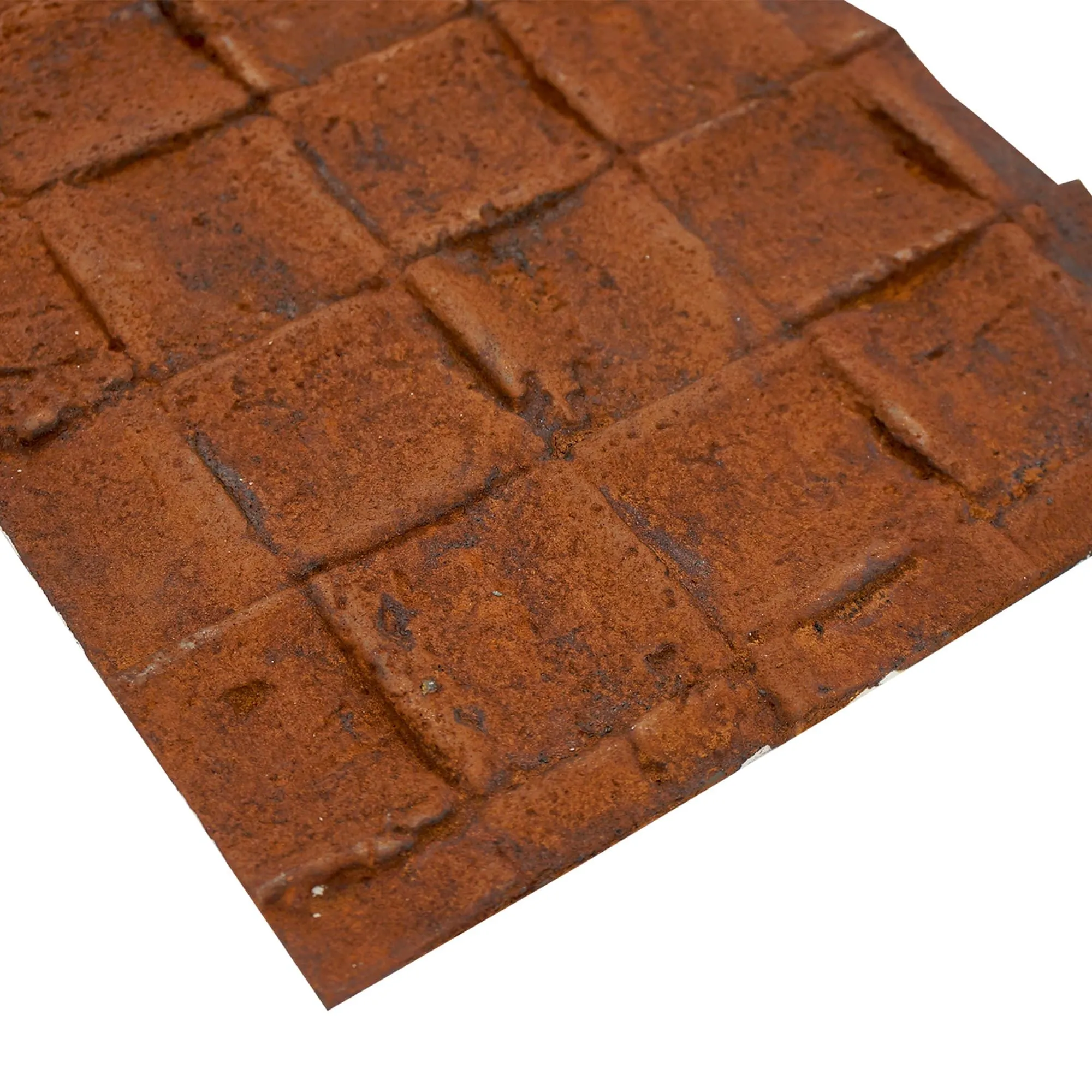
The late 20th and early 21st centuries witnessed a revolution in material science, driven by advancements in polymer chemistry, ceramics, and sustainable manufacturing practices. This era laid the groundwork for sophisticated engineered materials that could mimic natural elements with unprecedented fidelity, often surpassing them in performance.
Before the advent of MCM (Modified Cementitious Material) , several attempts were made to create more manageable versions of stone mosaics. These included ceramic tiles designed to look like stone, agglomerated stone (composed of crushed stone bound with resin), and even certain types of composite panels. While these offered some improvements in weight or consistency, they often fell short in authenticity, tactile feel, or long-term durability. Ceramic tiles, for instance, might offer a printed stone look but lacked the three-dimensional texture and depth. Agglomerated stone could be heavy and might not withstand harsh external conditions as well as natural stone. The market was clearly hungry for something better – a material that combined the best of both worlds.
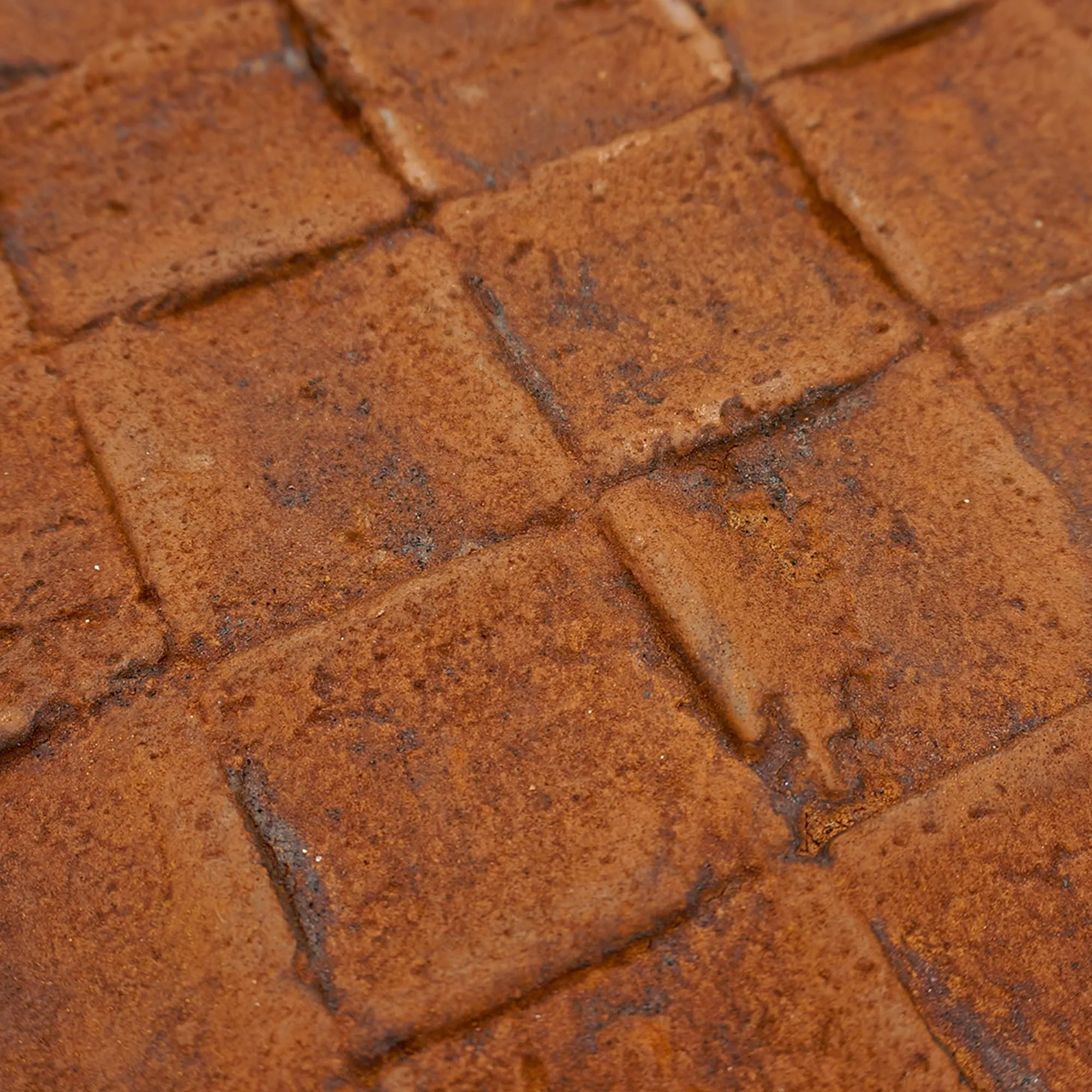
The true game-changer arrived with the development of MCM (Modified Cementitious Material) . This innovative category of materials represents a monumental leap forward, fundamentally altering how we approach architectural surfaces, including the beloved rust mosaic. MCM technology leverages a blend of inorganic mineral powders, carefully selected aggregates, and high-performance polymer modifiers, which are then processed under specific temperature and pressure conditions. The result is an incredibly versatile, flexible, and lightweight material that can be engineered to mimic virtually any natural texture, including the rich, earthy tones and varied surfaces of rust mosaic stone.
COLORIA GROUP, as a leading one-stop solution provider in building materials, has been at the forefront of this revolution, dedicating decades of expertise to perfecting MCM technology. Their commitment to innovation allows them to offer solutions that not only meet but exceed the demands of modern architecture and design.
The secret to MCM's success lies in its unique composition and manufacturing process. Unlike traditional ceramic or natural stone, MCM products are incredibly thin and flexible. They are typically produced as sheets or panels, which can then be cut and shaped to create various effects, including intricate mosaic patterns.
The adoption of MCM technology has brought about a profound shift in how rust mosaic stone is conceived, manufactured, and applied. The benefits are numerous and compelling, addressing almost every limitation of traditional methods:
| Feature | Traditional Rust Mosaic | MCM-Based Rust Mosaic (e.g., COLORIA GROUP) |
|---|---|---|
| Weight | Very Heavy (50-80 kg/m²) | Extremely Lightweight (3-6 kg/m²) |
| Flexibility | Rigid, Prone to Cracking | Highly Flexible (can bend up to 60 degrees) |
| Installation | Complex, Labor-Intensive, Requires Skilled Artisans, High Cost | Simple, Fast, Lower Labor Cost, Can be Installed on Curved Surfaces |
| Structural Requirements | Requires Significant Structural Reinforcement | Minimal to No Extra Reinforcement Needed |
| Environmental Impact | High (Quarrying, Energy, Waste) | Low (Recycled materials, Low energy, Less waste, Breathable) |
| Design Versatility | Limited by Material Properties and Cost | Unlimited Customization , Consistent Quality, Large Formats |
| Durability & Performance | Vulnerable to Weathering, Staining, Efflorescence | UV Resistant, Water Resistant, Fire Retardant, Anti-fouling, Long Lifespan |
| Cost | High Material & Installation Costs | Significantly Lower Overall Project Cost |
| Safety | Risk of Falling, Sharp Edges, High Material Loss during cutting | Lightweight reduces fall risk, Flexible and impact-resistant, Easy cutting with minimal waste |
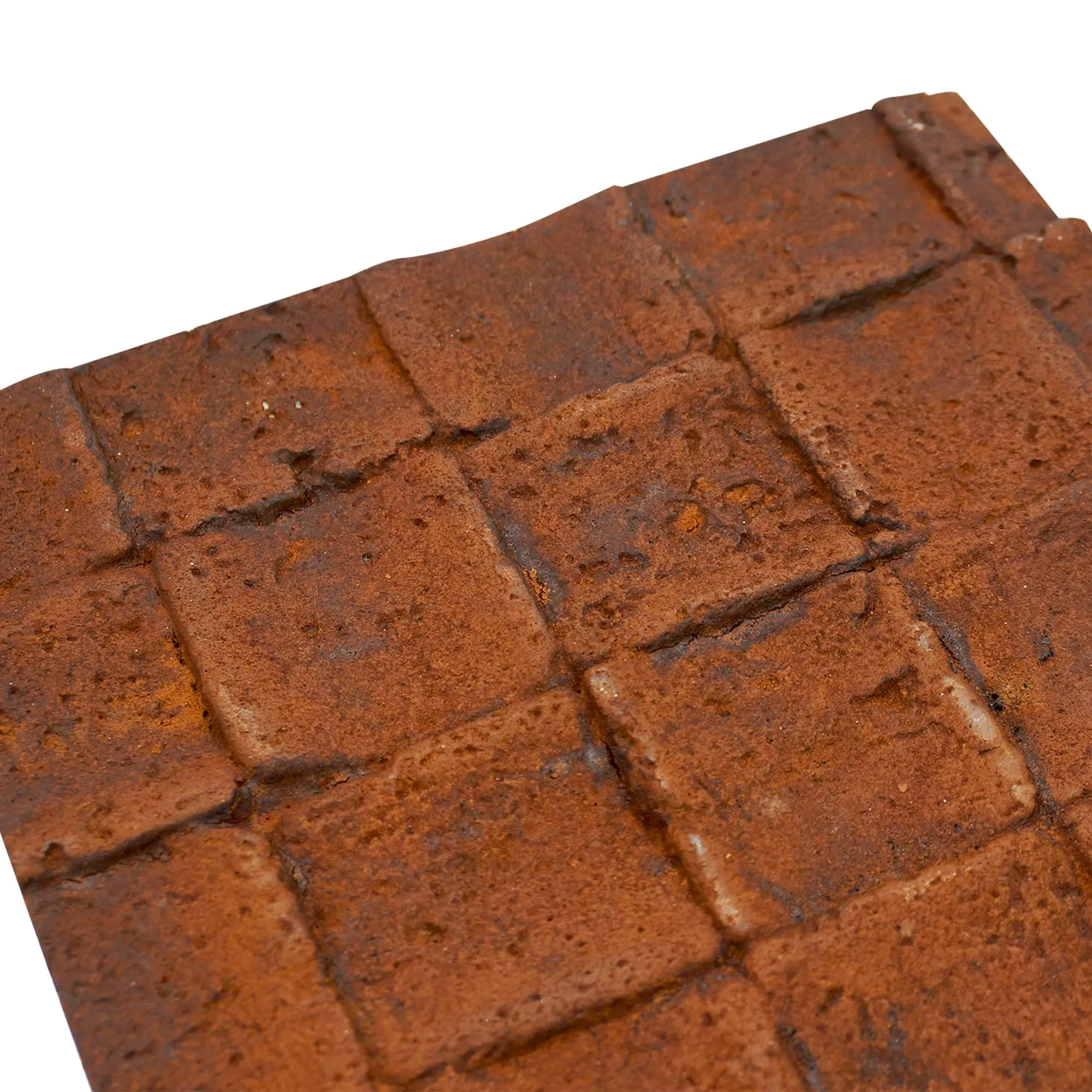
COLORIA GROUP, recognizing the immense potential of MCM technology, has developed a sophisticated range of products that perfectly embody the evolution of rust mosaic stone. Their core product series leverages the inherent benefits of MCM to offer high-quality internal and external decoration materials , transforming architectural possibilities.
Among COLORIA GROUP's offerings, the MCM Flexible Stone series is particularly relevant to the rust mosaic aesthetic. This series allows for the creation of stunningly realistic stone textures, including various rust mosaic patterns, with unparalleled flexibility. Imagine replicating the intricate, natural patterns of oxidized stone on a curved wall, a challenging feat with traditional materials. MCM Flexible Stone makes this not just possible, but practical and cost-effective.
While MCM Flexible Stone directly addresses the mosaic aesthetic, COLORIA GROUP's broader MCM product portfolio extends the versatility of this material to other applications that can complement or even integrate with rust mosaic designs:
Each of these series reflects COLORIA GROUP's dedication to providing a comprehensive array of materials, ensuring that every design vision, from a subtle rust mosaic accent to an entire facade, can be realized with efficiency and aesthetic integrity.
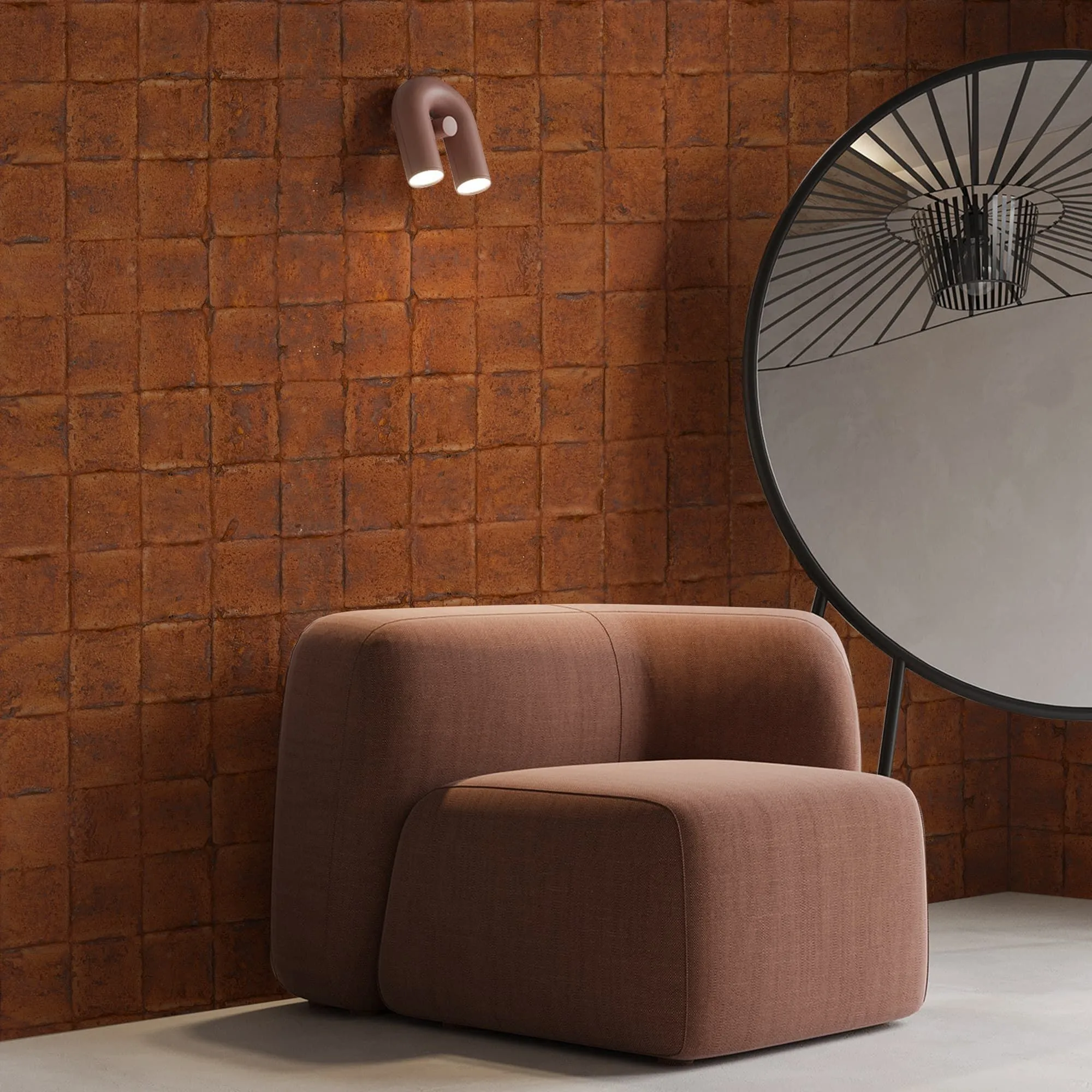
In today's construction industry, environmental impact is no longer an afterthought but a central consideration. This is where MCM technology, particularly as championed by COLORIA GROUP, truly shines. The shift from traditional stone to MCM (Modified Cementitious Material) represents a significant stride towards green and environmental protection in building practices.
The manufacturing process of MCM materials is dramatically less energy-intensive than that of natural stone or traditional ceramics. Eliminating the need for extensive quarrying, high-temperature kilns, and heavy transportation of raw stone significantly lowers carbon emissions. COLORIA GROUP prioritizes processes that minimize energy consumption and resource depletion.
MCM utilizes mineral waste and recycled materials where possible, reducing the demand for virgin resources. Furthermore, the lightweight nature of MCM products translates to lower fuel consumption during transportation and less waste generated on-site due to easier cutting and handling. The durability and long lifespan of MCM products also contribute to sustainability by reducing the frequency of replacement and associated material consumption.
Many MCM products, including those used for rust mosaic, are breathable. This property allows moisture vapor to pass through, preventing condensation and mold growth within wall cavities, contributing to healthier indoor air quality. Unlike some synthetic materials, MCM is often odorless and free from harmful VOCs (Volatile Organic Compounds), aligning with modern green building standards.
COLORIA GROUP's Commitment: As a global one-stop solution provider , COLORIA GROUP is not just selling products; they are providing sustainable solutions. Their focus on MCM technology underscores a deep commitment to environmental stewardship, offering materials that are not only aesthetically pleasing and high-performing but also kind to the planet. This philosophy is deeply embedded in their research and development, ensuring their products contribute positively to sustainable construction.
One of the most transformative aspects of MCM technology, particularly as advanced by COLORIA GROUP, is the unparalleled level of customization it offers. Traditional rust mosaic, while charming, was limited by the inherent characteristics of natural stone and the labor involved in its preparation. MCM shatters these limitations, empowering designers and architects with unprecedented creative freedom.
COLORIA GROUP's expertise in MCM allows for the precise replication of virtually any natural texture – from the fine grains of sandstone to the rugged, oxidized surface of rust mosaic. This isn't just about mimicry; it's about enhancement. They can control consistency, color depth, and texture variation in ways that natural stone simply cannot provide, ensuring a consistent aesthetic across large projects or allowing for deliberate variations.
The pigments used in MCM allow for an extensive palette of colors, enabling designers to specify exact shades of rust, copper, and earthy tones. This level of color control ensures that the rust mosaic aesthetic perfectly complements other design elements, whether it's a bold, singular statement or a subtle blend with surrounding materials. Gradients and multi-tonal effects are also achievable, adding further depth and sophistication.
The flexibility of MCM is a game-changer for design. Architects are no longer constrained by flat, rigid surfaces. Curved walls, rounded columns, and intricate architectural features can now be clad in seamless rust mosaic patterns. The ability to create large format pieces (MCM Big Slab Board Series) or intricate 3D designs (MCM 3D Printing Series) means that the rust mosaic aesthetic can be applied in completely novel ways, creating dynamic and impactful spaces.
COLORIA GROUP prides itself on being a one-stop solution provider , which includes offering bespoke services. Whether a project requires a specific panel size, a unique rust mosaic pattern, or a particular performance characteristic, their team can collaborate with clients to develop tailored MCM solutions. This level of responsiveness and adaptability is crucial for high-end residential, commercial, and hospitality projects where unique aesthetics and precise specifications are paramount. This is a far cry from the limitations of working with pre-existing, irregularly shaped natural stone pieces.
The versatility and performance of MCM-based rust mosaic stone have opened up a vast array of applications, transforming both internal and external spaces. From residential havens to bustling commercial hubs, COLORIA GROUP's MCM solutions are becoming the material of choice for those seeking the aesthetic of rust mosaic without its traditional drawbacks.
In residential settings, MCM rust mosaic stone is perfect for creating accent walls, fireplace surrounds, kitchen backsplashes, and bathroom features. Its lightweight nature means it can be applied to almost any existing surface without extensive preparation, making renovations easier and more cost-effective. For exteriors, it provides a durable, weather-resistant facade that adds character and curb appeal, mimicking the timeless beauty of natural stone. The high-quality internal and external decoration materials ensure longevity and aesthetic integrity.
Commercial spaces – hotels, restaurants, retail outlets, and corporate lobbies – demand materials that are not only visually striking but also incredibly durable and easy to maintain. MCM rust mosaic fits this bill perfectly. Its resistance to impact, scratching, and fading, coupled with easy cleaning, makes it ideal for high-traffic areas. The ability for customization means brands can incorporate unique rust mosaic designs that reflect their identity, creating memorable and immersive environments. Its light weight also facilitates faster construction, a critical factor in commercial development where time is money.
Even in public buildings, transportation hubs, and urban landscaping, MCM rust mosaic offers significant advantages. Its resistance to vandalism, graffiti (often easily cleaned), and environmental degradation makes it a resilient choice. The green and environmental protection aspects also align with public sector commitments to sustainable development.
For renovation projects, especially those involving older buildings or heritage sites, MCM rust mosaic provides an invaluable solution. It can replicate historical textures and finishes with accuracy while introducing modern benefits like reduced load on existing structures and improved insulation properties. This allows for the preservation of aesthetic heritage without compromising on contemporary building performance standards.
The journey of rust mosaic stone from a heavy, labor-intensive natural material to a lightweight, flexible, and sustainable MCM-based decor is a powerful illustration of how innovation reshapes industries. But this is not the end of the story; it's merely the beginning of a new chapter for decorative surfaces.
COLORIA GROUP, as a forward-thinking one-stop solution provider , is continuously investing in research and development. This means we can anticipate even more sophisticated textures, advanced performance characteristics (e.g., self-cleaning properties, enhanced thermal insulation), and expanded applications for MCM. The drive for greater sustainability will likely lead to even higher proportions of recycled content and further reductions in manufacturing impact.
The flexibility and formability of MCM materials make them excellent candidates for integration with smart building technologies. Imagine rust mosaic surfaces that incorporate embedded sensors for environmental monitoring, or panels with integrated lighting elements that create dynamic visual effects. The low-temperature processing of MCM makes it compatible with various electronic components.
As global demand for sustainable and versatile building materials grows, the accessibility of MCM products will continue to expand. COLORIA GROUP's established presence, including agencies in regions like Saudi Arabia, ensures that these advanced materials are readily available to diverse markets, supporting architectural innovation worldwide. This global reach reinforces their role as a comprehensive supplier of high-quality internal and external decoration materials .
The history of rust mosaic stone is a compelling narrative of adaptation and progress. What began as a raw expression of nature's beauty, fraught with practical challenges, has been transformed by human ingenuity into a highly advanced and versatile material. MCM (Modified Cementitious Material) technology stands as a testament to this evolution, offering the aesthetic charm of traditional rust mosaic stone with superior performance, unparalleled customization , and a deep commitment to green and environmental protection .
COLORIA GROUP, through its innovative MCM product lines such as MCM Flexible Stone, Big Slab Board Series, Project Board Series, and 3D Printing Series, is leading this charge. As a dedicated one-stop solution provider for high-quality internal and external decoration materials , they empower architects, designers, and builders to create breathtaking spaces that are not only beautiful and durable but also sustainable and efficient. The future of architectural surfaces, imbued with the timeless appeal of rust mosaic, is undoubtedly brighter, lighter, and more flexible than ever before, thanks to the continuous innovation driven by companies like COLORIA GROUP. The story of rust mosaic is no longer just about stone; it's about the endless possibilities engineered materials can unlock.
Recommend Products











