
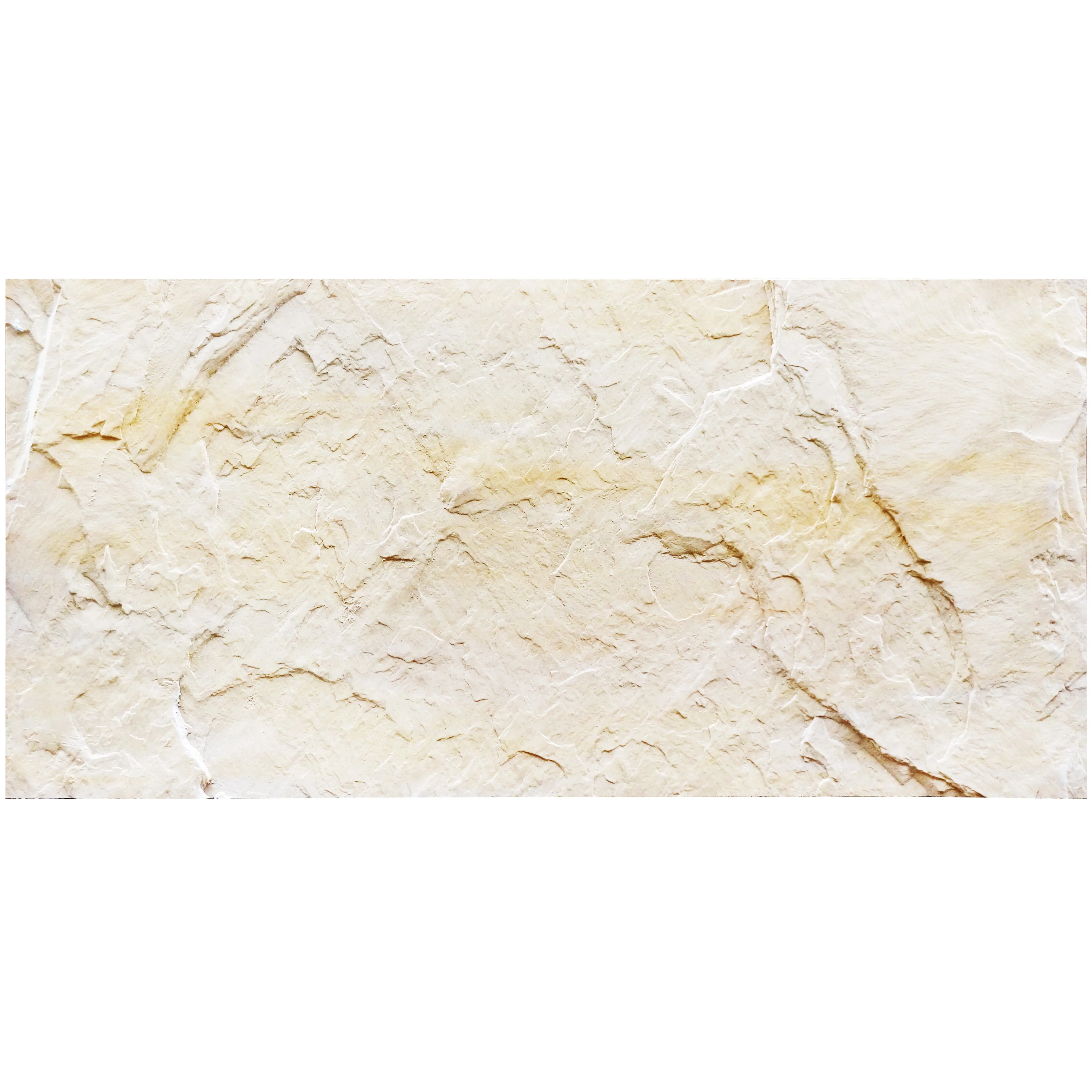
Every building tells a story—not just of the people who inhabit it, but of the materials that shape its walls, floors, and facades. For centuries, architects and builders have chased the perfect balance between durability, beauty, and innovation. In this quest, one name has emerged as a quiet disruptor: COLORIA GROUP. And at the heart of their revolution lies a material that's redefining modern architecture: Slate Sunnye. But how did a simple idea turn into a game-changer for the construction world? Let's walk through the journey—one of late nights in labs, stubborn setbacks, and a team that refused to settle for "good enough."
It all started in the early 2000s, when a group of architects and material scientists gathered in a small workshop in Milan. Tired of the limitations of traditional building materials—stone that was too heavy, concrete that lacked character, cladding that faded too quickly—they dreamed of something different. "We wanted materials that didn't just exist in a space," recalls Elena Rossi, one of COLORIA's founding members. "We wanted them to breathe —to tell a story, to age gracefully, to connect people to the environment around them."
That vision became COLORIA GROUP. From the start, the team focused on "modified cementitious materials"—a term that sounds technical, but boils down to a simple goal: taking the reliability of cement and infusing it with the beauty and versatility of natural stone, wood, and even metal. Early projects focused on small-scale innovations: a more flexible concrete for curved walls, a lightweight stone veneer for historic renovations. But by the mid-2010s, the team knew they were ready for something bigger.
The Spark: A Walk Through the Italian Countryside
It was a crisp autumn day in 2016 when Marco Bianchi, COLORIA's lead material engineer, took a weekend trip to the Lombardy region. Strolling through a village square, he paused to admire the local slate roofs—weathered by decades of rain and sun, their surface rippled with a warm, golden-brown patina. "I thought, why can't we capture that
life
in a modern cladding material?" he later told the team. Slate is durable, but traditional slate panels are thick, heavy, and hard to install on large buildings. What if they could create a slate-like material that was lightweight, flexible, and customizable? That question would become the seed for Slate Sunnye.
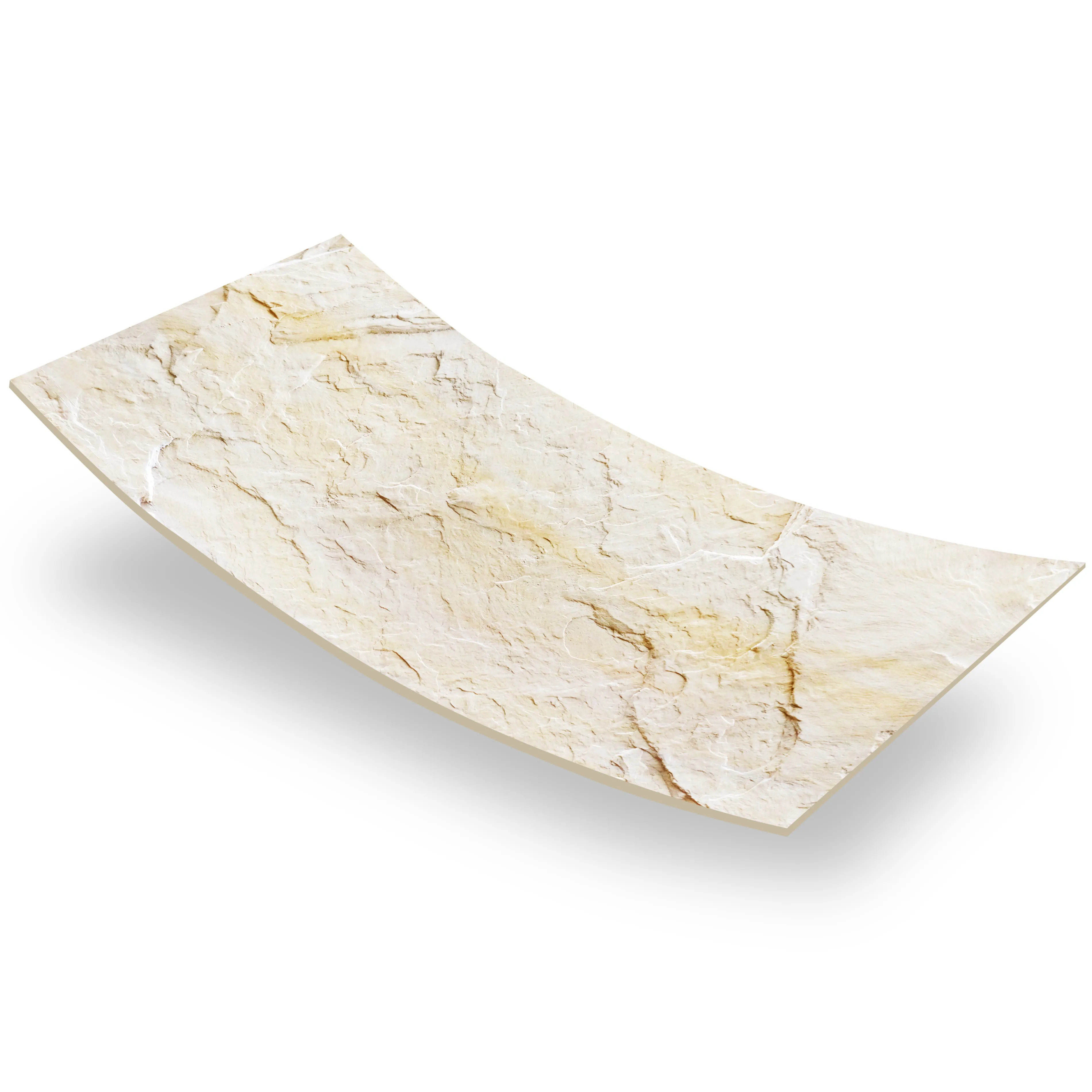
The team dove in, but progress wasn't easy. "We spent six months just experimenting with textures," laughs Sofia Chen, who joined COLORIA as a junior chemist in 2017. "We mixed cement with different aggregates—sand from the Po River, crushed marble dust, even tiny glass beads—to mimic the way sunlight hits natural slate. Some batches looked like mud; others cracked within days. There were weeks where we'd test 20 samples, and only one would make it past the first rain simulation."
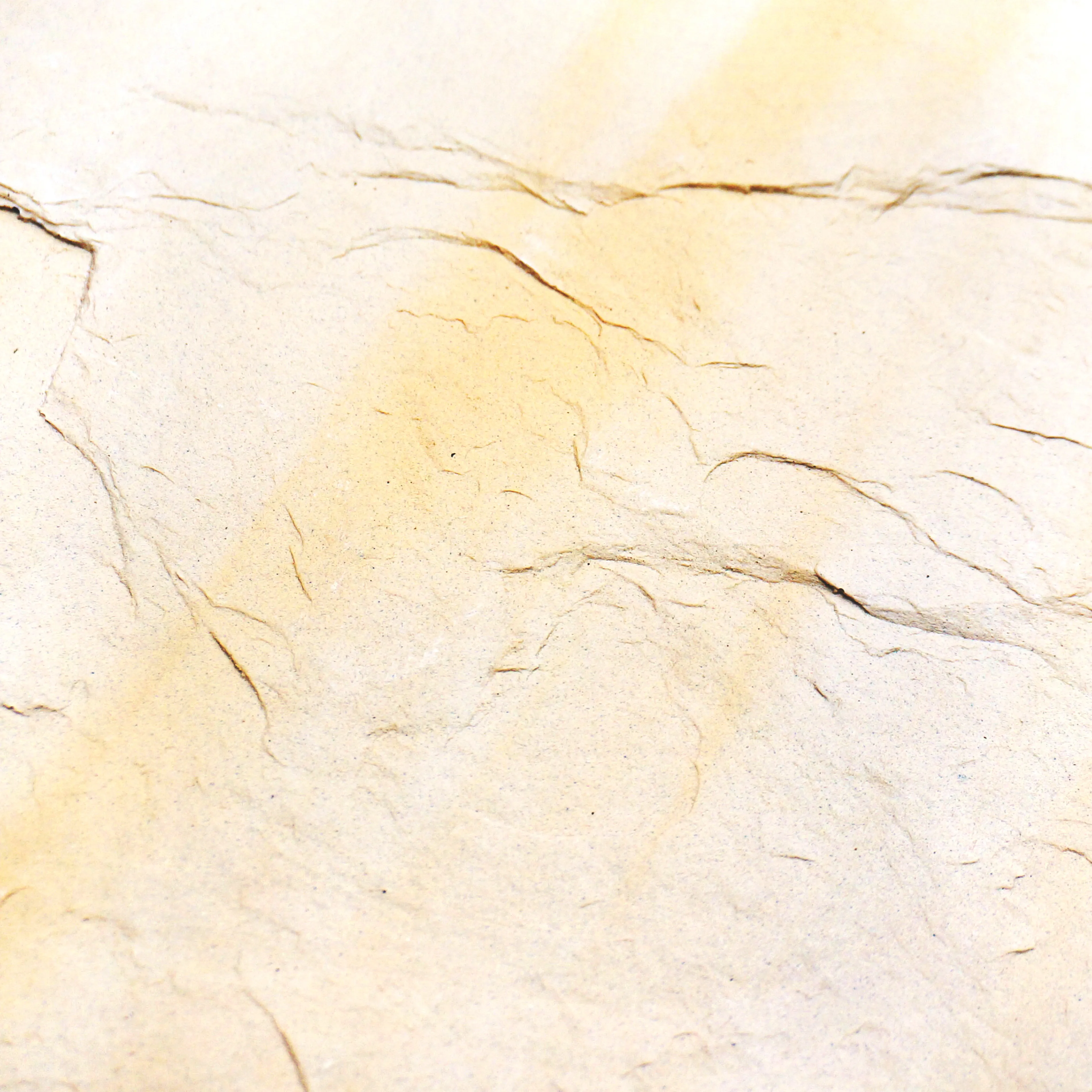
The breakthrough came in 2018, when the team stumbled on a combination of MCM flexible stone and a proprietary resin blend. MCM (Modified Composite Material) was already in COLORIA's lineup—a lightweight, bendable material that could mimic stone—but pairing it with a new pigmentation process allowed them to recreate the "sun-kissed" effect Marco had admired in Lombardy. "We called it 'Sunnye' because the color shifts with the light," Sofia explains. "At dawn, it has a soft pink hue; by midday, it glows golden; in the evening, it fades to a warm amber. It's like the material itself is responding to the sun."
But beauty wasn't enough. The team needed Slate Sunnye to perform. They tested it for everything: fire resistance (it passed with flying colors), water absorption (less than 1%—unheard of for natural slate), and impact resistance (a sledgehammer test left only a small dent). "We even installed a sample panel on the roof of our Milan office and left it there for a year," Elena says. "No coating, no maintenance. When we took it down, it looked better than when we put it up—the weather had deepened its color, like a good wine."
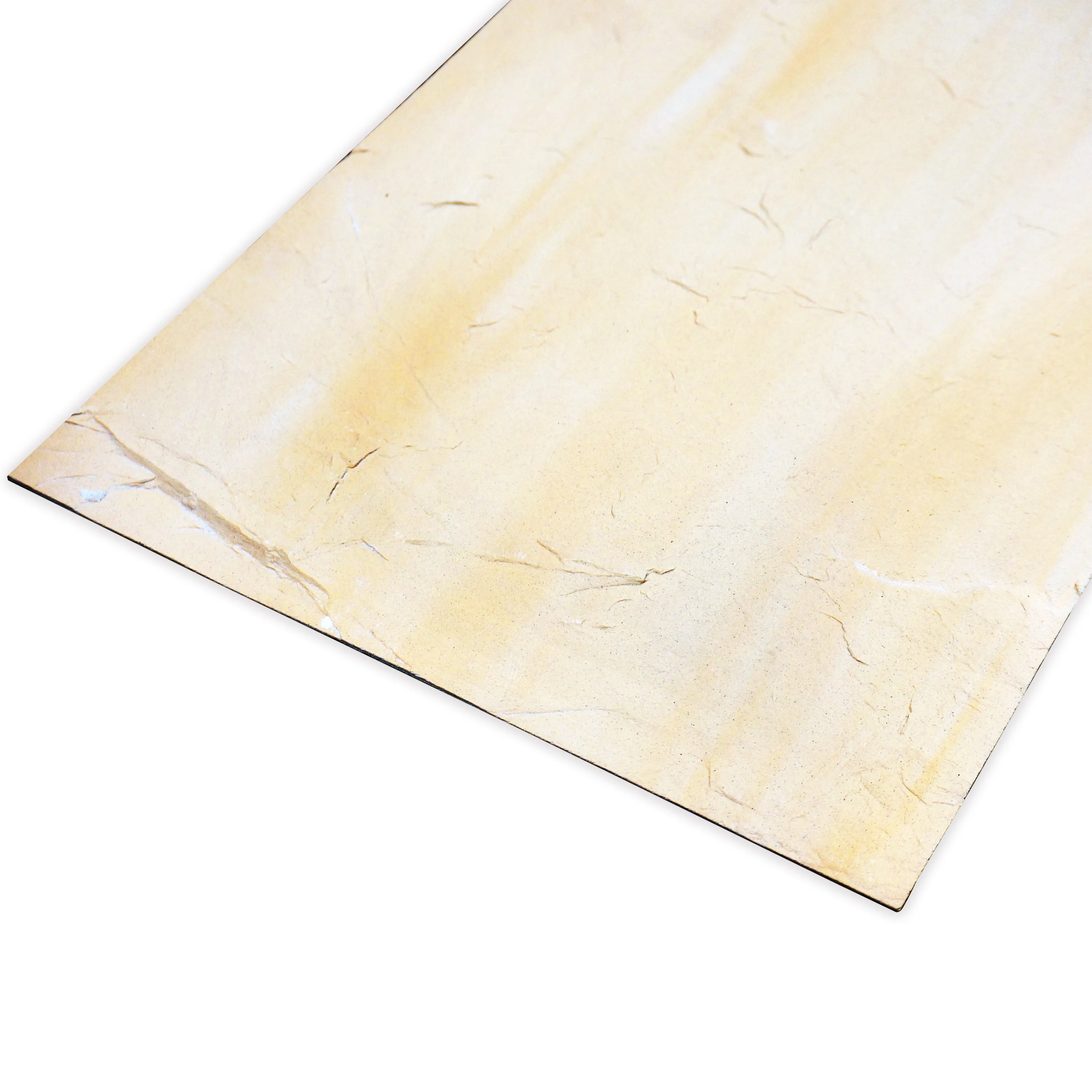
Slate Sunnye wasn't created in a vacuum. It built on years of COLORIA's work with modified cementitious materials, blending tried-and-true technologies with bold new ideas. Here's a closer look at the key ingredients that make Slate Sunnye unique:
| Material/Technology | Role in Slate Sunnye | Why It Matters |
|---|---|---|
| MCM Flexible Stone | Base layer | Provides flexibility (can bend up to 30 degrees without cracking) and reduces weight by 60% compared to natural slate. |
| Fair-Faced Concrete | Core structural support | Adds strength while maintaining a raw, organic texture that complements the slate aesthetic. |
| Proprietary Resin Blend | Surface treatment | Creates the "sunlight response" effect and protects against UV rays, preventing fading. |
| Foamed Aluminium Alloy (Vintage Silver) | Reinforcement mesh | Hidden within the panel, it adds tensile strength without adding bulk, making installation easier on high-rise buildings. |
"The magic is in how these materials work together," Marco explains. "MCM gives it flexibility, fair-faced concrete gives it structure, the resin gives it that unique color shift, and the aluminium mesh makes it strong enough to withstand storms. It's like a symphony—each part has its role, but together, they create something beautiful."
Innovation rarely comes without roadblocks. For Slate Sunnye, the biggest challenge was convincing the industry to take a chance on something new. "Architects love tradition," Elena admits. "When we first presented Slate Sunnye, we heard the same question over and over: 'Why not just use real slate?'"
To answer that, the team turned to real-world projects. In 2019, they partnered with a boutique hotel in Barcelona to clad the entire exterior in Slate Sunnye. The result? A building that seemed to change color with the time of day, becoming a local landmark. "Guests started posting photos of the facade on Instagram—#SunnyeHotel went viral," Sofia laughs. "That's when architects started to take notice."
Another hurdle was scaling production. Early prototypes were made by hand, but to meet demand, COLORIA needed to automate the process. "We spent a year designing a custom production line," Marco says. "The resin application alone was tricky—we needed to spray it evenly to get that consistent color shift. We went through 12 different machine prototypes before we got it right."
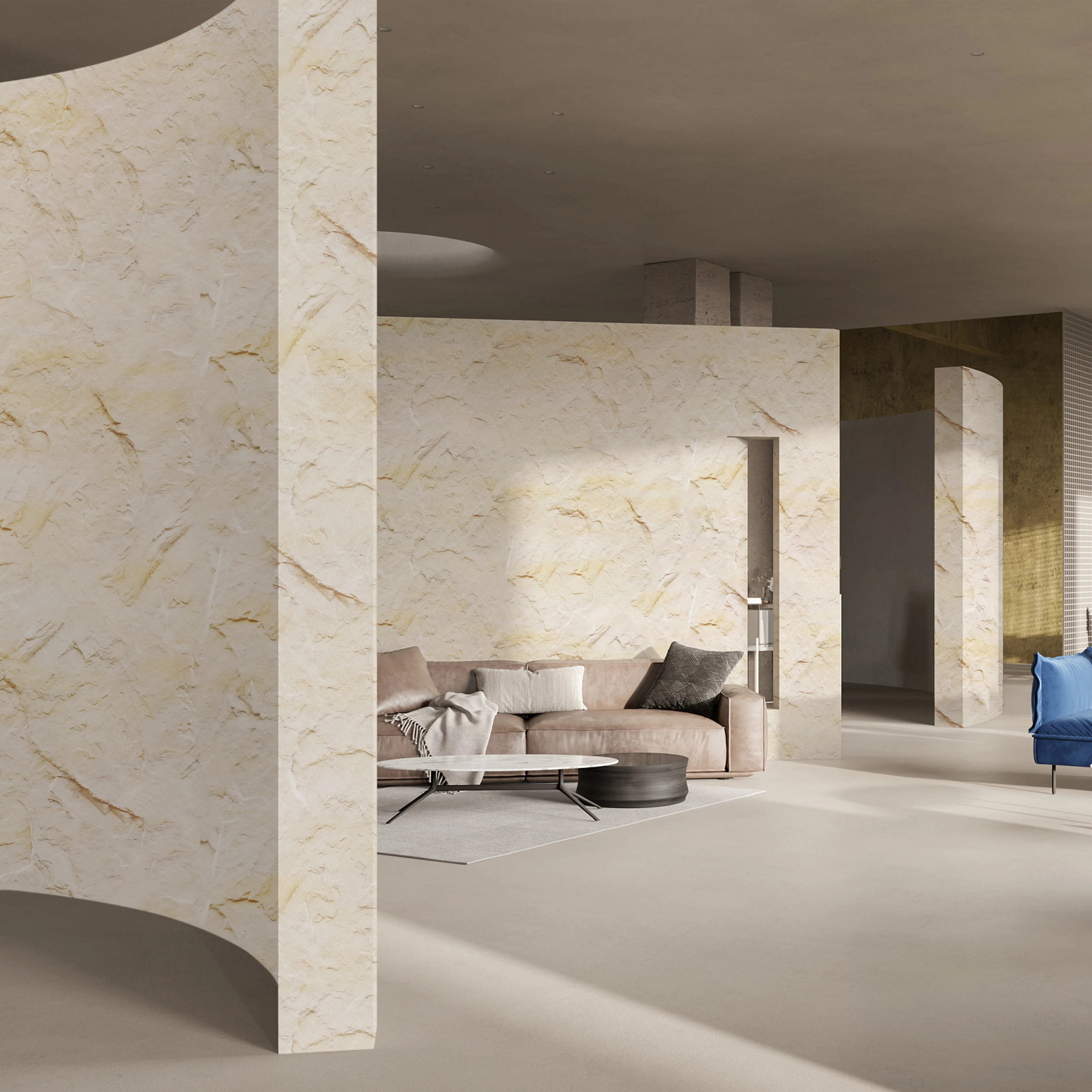
Since its launch in 2020, Slate Sunnye has been used in projects across the globe—from a residential tower in Dubai to a cultural center in Tokyo, a winery in Napa Valley to a university campus in Sydney. What makes it so popular? Architects praise its versatility: it works on curved walls, can be cut into custom shapes, and pairs beautifully with other materials like wood, glass, and metal.
One standout project is the "Sunnye Pavilion" in Paris, a community center built in 2022. The roof is entirely clad in Slate Sunnye, and the design team added skylights that filter light through the panels, casting warm, golden patterns on the interior floors. "It's like bringing the outside in," says the pavilion's architect, Jean Dubois. "On cloudy days, the Slate Sunnye still glows softly, making the space feel bright and welcoming. It's more than a material—it's part of the building's personality."
But Slate Sunnye's impact goes beyond aesthetics. Its lightweight design reduces transportation costs and makes installation faster (a crew can clad a 1,000 sq ft wall in a day, compared to 3 days with traditional slate). Its durability means less maintenance over time, and its low water absorption makes it ideal for humid climates. "We've had clients tell us they're saving 30% on long-term upkeep costs," Elena notes. "That's a big deal for commercial projects."
Slate Sunnye is just the beginning. Today, COLORIA's lab is buzzing with new ideas: a version of Slate Sunnye that incorporates solar panels (turning the facade into a power source), a "self-healing" concrete blend that repairs small cracks on its own, and even a material inspired by lunar peak silvery —mimicking the texture of the moon's surface for futuristic (architecture) projects.
"We're not done pushing boundaries," Marco says. "The next generation of building materials needs to be sustainable, too. Slate Sunnye is already 80% recycled materials, but we're aiming for 100% by 2030. We want to prove that beauty and responsibility can go hand in hand."
For Elena, the journey has always been about more than materials. "Buildings are where we live, work, and connect. If we can create materials that make those spaces feel more alive, more human—then we've done our job. Slate Sunnye isn't just a product; it's a reminder that innovation starts with asking, 'What if?'"
From a walk in the Italian countryside to a global revolution in building materials, the story of Slate Sunnye is one of passion, persistence, and the belief that even the oldest materials can be reimagined. As COLORIA GROUP continues to innovate, one thing is clear: the future of architecture won't just be built—it will be crafted , with materials that don't just stand the test of time, but enrich it. And Slate Sunnye? It's just the first chapter.
Recommend Products












