
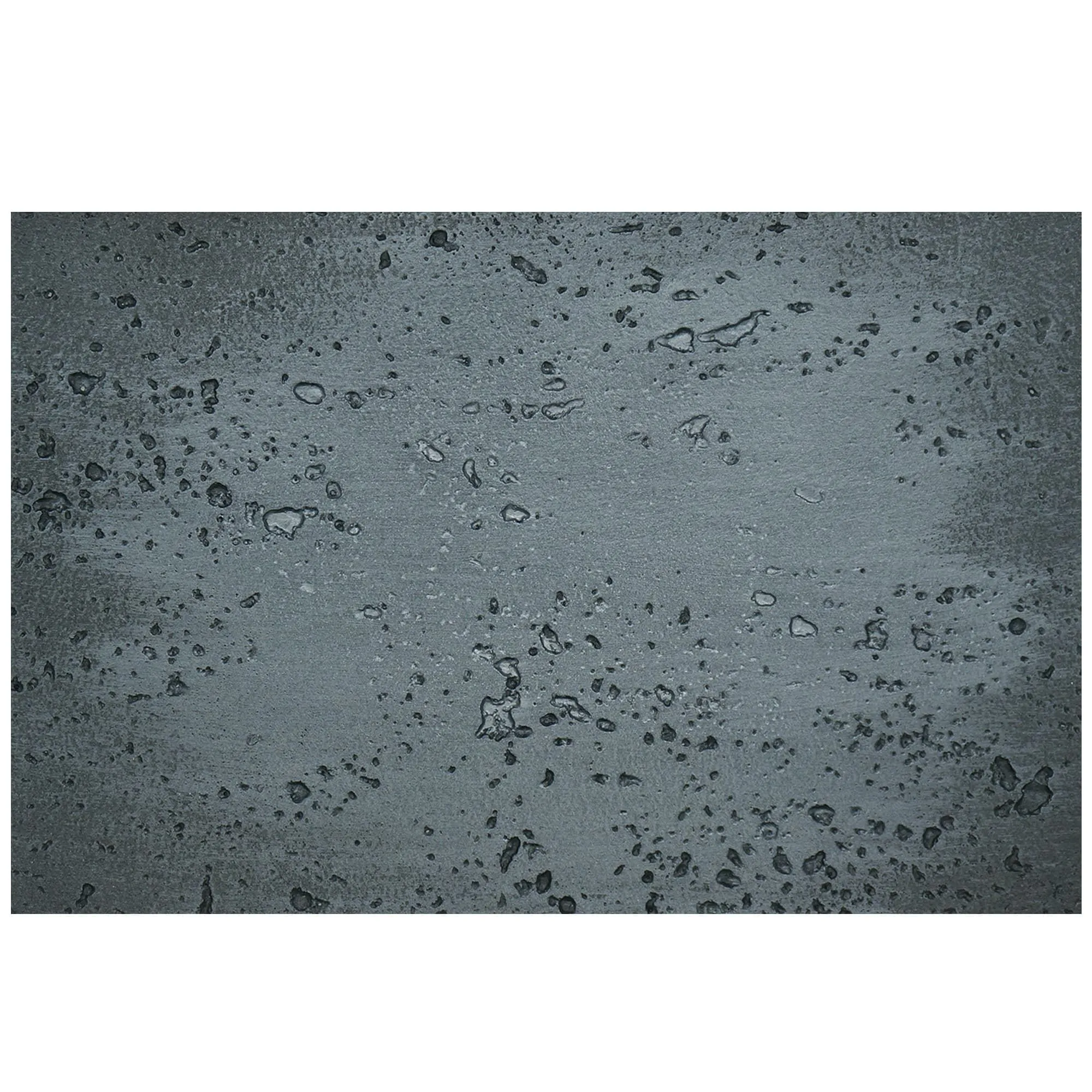
Deep within the sun-baked quarries of central Italy, where the air smells of dust and warm stone, a particular variety of travertine has captivated builders, architects, and artists for millennia. Its name? Travertine (vintage silver). With its soft, moonlit hue—veined with whispers of gray and hints of iridescence—it's not just a stone; it's a storyteller. From the grand arches of ancient Rome to the sleek facades of 21st-century skyscrapers, this stone has borne witness to human ingenuity. But how did we get from chiseling blocks with bronze tools to crafting flexible panels with 3D printers? Let's trace the journey of travertine (vintage silver) mining, a tale of sweat, innovation, and an unbreakable bond between humanity and the earth.
Long before the term "vintage silver" was coined, the ancient Romans knew travertine as the "stone of the gods." Quarried primarily in Tivoli, a region east of Rome where mineral-rich hot springs deposited layers of calcium carbonate over centuries, travertine formed in unique, porous layers that made it both durable and surprisingly lightweight. The Romans didn't just mine travertine—they engineered with it. They called their most impressive finds "Roman huge travertine," massive blocks weighing up to 50 tons, extracted to build icons like the Colosseum, the Pantheon, and the Forum.
Picture this: 70 AD, a quarry in Tivoli. Hundreds of laborers—slaves, freedmen, and skilled stonemasons—work from dawn till dusk. They use iron-tipped picks to score the stone, then drive wooden wedges into the cracks. When water is poured on the wedges, the wood swells, splitting the travertine along its natural fault lines. It's a slow, backbreaking process, but the result is worth it: a block so large, it takes 20 oxen to drag it to the Tiber River, where it's floated downstream to Rome. The Romans understood travertine's potential—its resistance to weathering, its ability to be polished to a soft glow—and they built an empire on it.
Travertine (vintage silver), even then, had a special allure. Its lighter color reflected the Mediterranean sun, keeping buildings cooler in summer, while its subtle veining added depth to columns and floors. The Pantheon's dome, still the largest unreinforced concrete structure in the world, rests on a base of travertine blocks—proof of the stone's strength. Miners of the time might not have named it "vintage silver," but they recognized its uniqueness, setting it aside for the most prestigious projects.
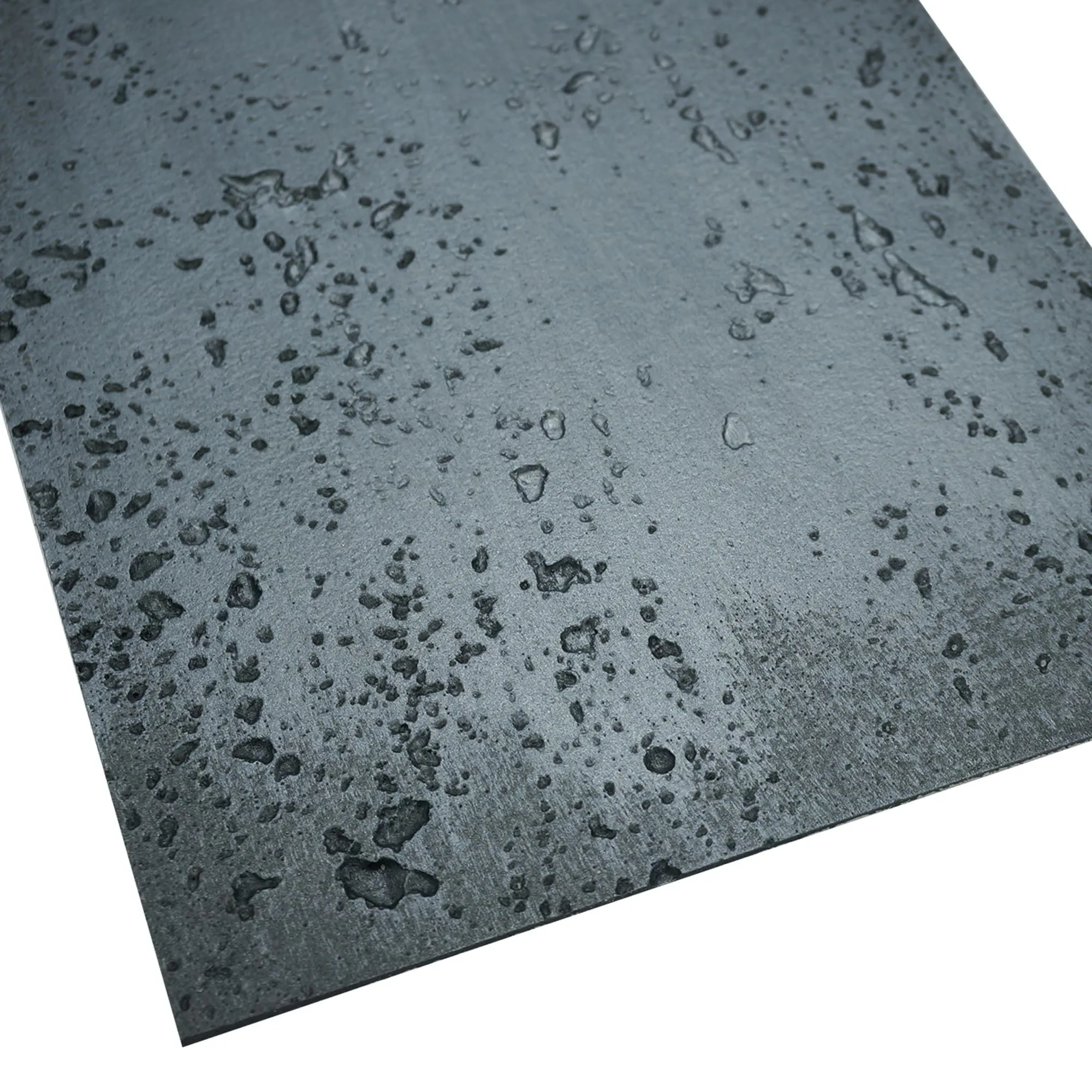
After the fall of the Roman Empire, travertine mining fell on hard times. The quarries of Tivoli were abandoned, their techniques forgotten as Europe descended into the Middle Ages. Castles and cathedrals favored local stones like limestone and sandstone, and travertine became a relic of a bygone era. For centuries, the stone lay dormant, its quarries overgrown with weeds, its story gathering dust like the ruins of Rome itself.
But like all great stories, travertine's wasn't over. The Renaissance sparked a rediscovery of classical ideals, and with it, a renewed interest in Roman building materials. Architects like Filippo Brunelleschi and Michelangelo hunted for the same travertine that had built the Pantheon, venturing into the overgrown quarries of Tivoli. They marveled at the "Roman huge travertine" blocks left behind, some still half-buried in the earth, and set about reviving the old mining techniques—with a few tweaks. Instead of slave labor, they hired skilled craftsmen, and instead of oxen, they used horses and primitive carts. By the 16th century, travertine was back in vogue, adorning palaces in Florence and Venice, its soft silver-gray tones complementing the era's love of symmetry and light.
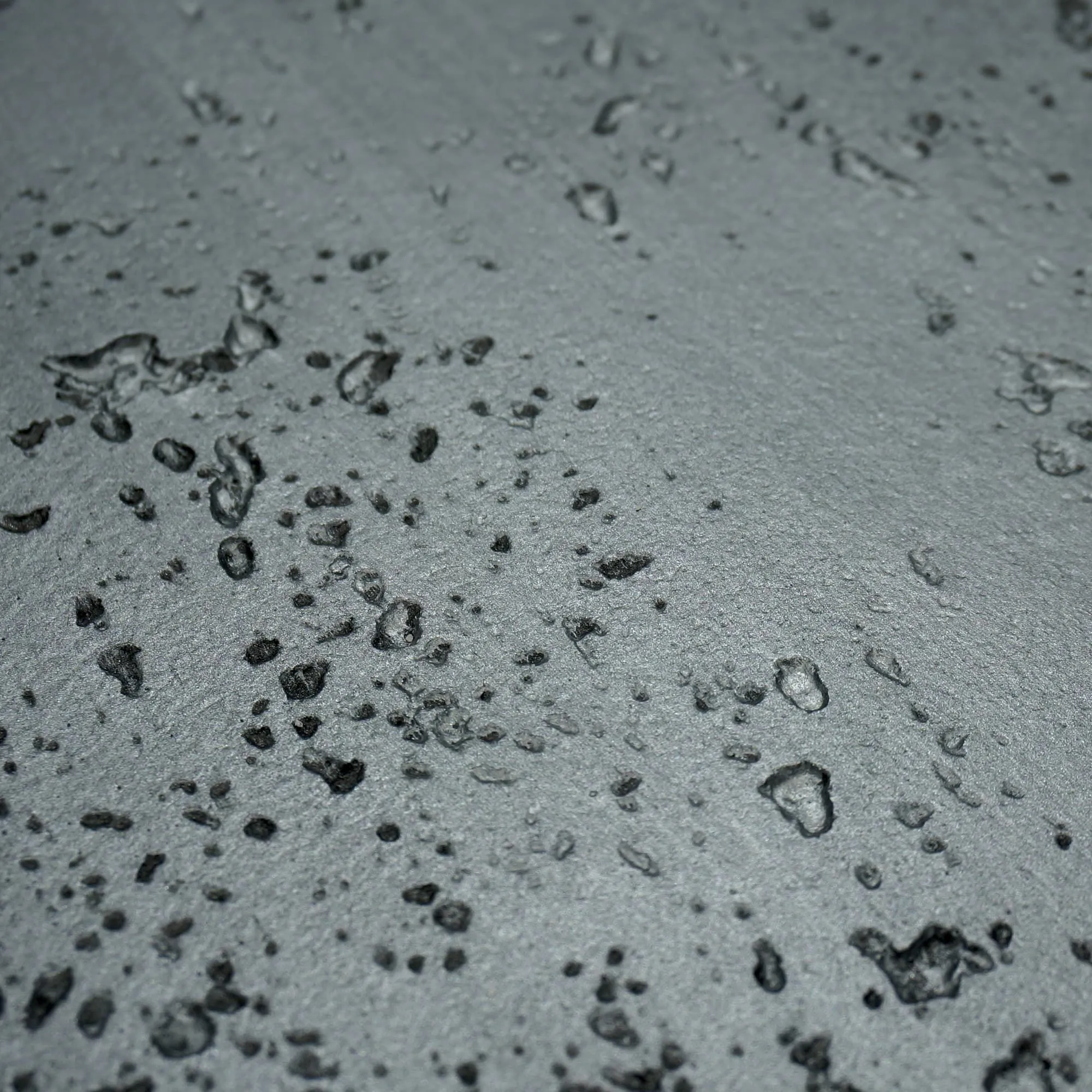
If the Romans were travertine's pioneers, the Industrial Revolution was its liberator. By the 18th century, steam power had transformed mining from a labor-intensive art into a mechanized industry. In Tivoli and new quarries in Turkey, Iran, and Mexico—where travertine deposits were also found—steam-powered drills replaced hand tools, cutting through stone with unprecedented speed. Railways crisscrossed the landscape, carrying travertine blocks to cities across Europe and America, making the stone accessible to architects and builders who'd once only dreamed of using it.
This era also saw the first attempts to standardize travertine processing. Quarries began (sorting) stones by color and quality, and "vintage silver" emerged as a sought-after category, prized for its consistent gray-silver base and delicate veining. Miners used dynamite to blast larger sections of rock, then crushed and cut them into uniform slabs—though "Roman huge travertine" was still occasionally extracted for monumental projects, like the grand opera houses of Paris and Vienna.
Yet with progress came challenges. The demand for travertine boomed, leading to over-mining in some regions. Quarries grew larger, scarring the landscape, and workers faced new risks from machinery and explosives. It was a trade-off: efficiency for soul, perhaps. But for travertine, the Industrial Revolution was a turning point—it was no longer just a stone for empires; it was a stone for the masses.
| Time Period | Primary Tools | Mining Techniques | Key Challenges | Notable Projects |
|---|---|---|---|---|
| Ancient Rome (1st century AD) | Bronze chisels, wooden wedges, oxen-drawn carts | Hand-scoring, wedge splitting, manual hauling | Limited technology, reliance on slave labor | Colosseum, Pantheon (using Roman huge travertine) |
| 18th Century (Industrial Revolution) | Steam-powered drills, dynamite, horse-drawn rail carts | Mechanical cutting, blasting, rail transport | Over-mining, worker safety, environmental scarring | Paris Opera House, Vienna State Opera |
| 20th Century (Post-WWII) | Diesel-powered excavators, diamond-tipped saws, trucks | Large-scale blasting, automated cutting lines | Environmental impact, competition from synthetic materials | Seagram Building (New York), Brasilia's government buildings |
| 21st Century (Modern Era) | 3D scanners, laser cutters, eco-friendly machinery | Precision mining, mcm flexible stone production, 3D prototyping | Sustainability, balancing tradition with innovation | Burj Khalifa (accent panels), Apple Park Visitor Center |
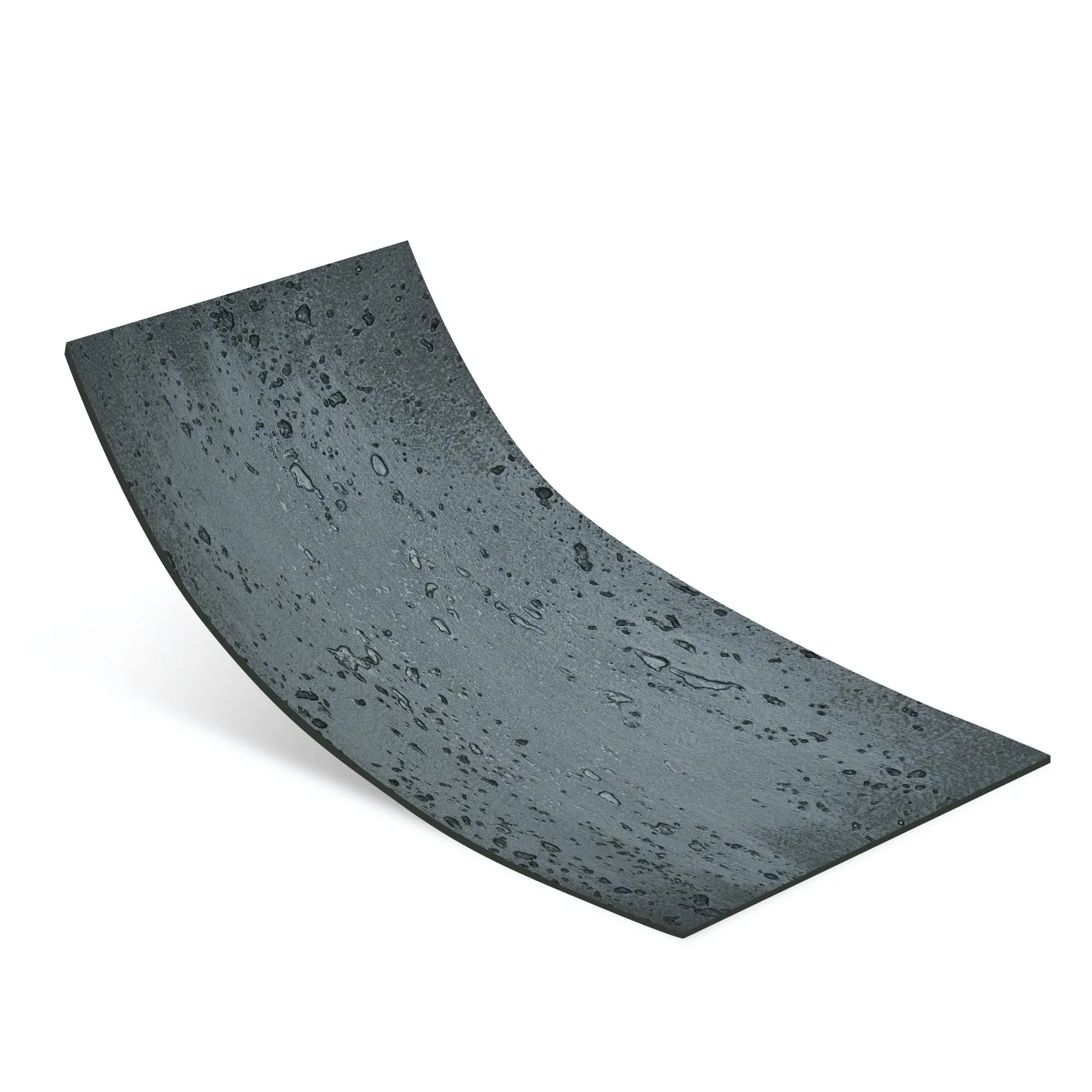
The 20th century was a golden age for travertine, as modernist architects fell in love with its simplicity and warmth. Ludwig Mies van der Rohe, Le Corbusier, and Frank Lloyd Wright all incorporated travertine into their designs, pairing it with "fair-faced concrete"—a raw, unplastered concrete that shared travertine's honest, industrial aesthetic. Together, the two materials created spaces that felt both timeless and contemporary: think of Mies' Seagram Building in New York, where travertine floors reflect the city's skyline, or Wright's Fallingwater, where travertine terraces blend seamlessly with the surrounding forest.
By mid-century, travertine (vintage silver) had become a staple in luxury design. Its neutral color made it versatile, complementing bold hues or standing alone as a statement. Quarries invested in better cutting and polishing technology, creating slabs with mirror-like finishes or rough, natural textures. Miners also began experimenting with thinner cuts, reducing weight and making travertine easier to transport and install. It was no longer just a structural stone; it was a decorative one, used for countertops, wall cladding, and even furniture.

Fast forward to the 21st century, and travertine mining has entered a new era—one of innovation, sustainability, and customization. The biggest game-changer? MCM flexible stone . Developed in the early 2000s, MCM (Modified Composite Material) is a thin, lightweight panel made by bonding travertine particles with polymers, creating a flexible material that can bend, curve, and even be applied to curved surfaces. For architects, this was revolutionary: suddenly, travertine wasn't limited to flat walls or floors. It could wrap around columns, cover domes, or add texture to furniture—all without the weight of traditional slabs. And when paired with "vintage silver" travertine particles, the result is a material that retains the stone's natural beauty but with modern functionality.
Another modern innovation is the "boulder slab (vintage silver)"—a premium product that harks back to the "Roman huge travertine" of old, but with a contemporary twist. Quarried from large, naturally occurring boulders, these slabs are cut to showcase the stone's unique internal patterns—swirls of silver, gray, and white that tell the story of the water and minerals that formed them over millennia. Unlike mass-produced slabs, each boulder slab is one-of-a-kind, making it a favorite for high-end homes and boutique hotels where uniqueness is key.
Even 3D printing has found its way into travertine mining. While you can't 3D print travertine itself (yet), architects and designers use 3D printers to create prototypes of cladding systems or custom molds for MCM flexible stone panels. This allows for faster testing and iteration, ensuring that the final product fits perfectly with a building's design. Imagine a team in a design studio in Tokyo 3D printing a model of a hotel facade, then sending the specs to a quarry in Turkey, where miners extract and process "vintage silver" travertine to match—all in a matter of weeks. That's the power of modern technology.
Today, travertine mining isn't just about extracting stone—it's about protecting the planet. Quarries now prioritize sustainability, using solar power to run machinery, recycling water used in cutting and polishing, and replanting vegetation on mined land to restore ecosystems. In Tivoli, some quarries have even been turned into nature reserves, where visitors can hike among ancient mining ruins and learn about travertine's history.
Miners also focus on waste reduction. Byproducts of travertine processing—dust, small chips, and offcuts—are now recycled into MCM flexible stone or used as aggregate in concrete, ensuring that nothing goes to waste. "Vintage silver" travertine, in particular, is often sourced from smaller, family-owned quarries that practice responsible mining, appealing to eco-conscious architects and homeowners who want beauty without guilt.
This shift toward sustainability has also changed how we value travertine. It's no longer just a material; it's a symbol of harmony between human progress and nature. When you see "boulder slab (vintage silver)" on a building's facade, you're not just seeing stone—you're seeing a commitment to preserving the earth for future generations.
From the calloused hands of Roman miners to the sleek 3D printers of today, the history of travertine (vintage silver) mining is a mirror of human progress. It's a story of innovation, of adaptation, and of an unshakable love for a stone that has defined beauty for millennia. Whether it's the "Roman huge travertine" blocks of the Colosseum, the MCM flexible stone panels of a modern office building, or the unique "boulder slab (vintage silver)" in a luxury home, travertine continues to evolve—yet it never loses its soul.
So the next time you walk past a building clad in silver-gray stone, take a moment to look closer. Those veins, that texture, that soft glow—they're not just features. They're the marks of time: the sweat of ancient miners, the roar of steam engines, the hum of 3D printers, and the quiet commitment of modern miners to protect the earth. Travertine (vintage silver) isn't just a stone. It's a living history, and its story is far from over.
Recommend Products












