
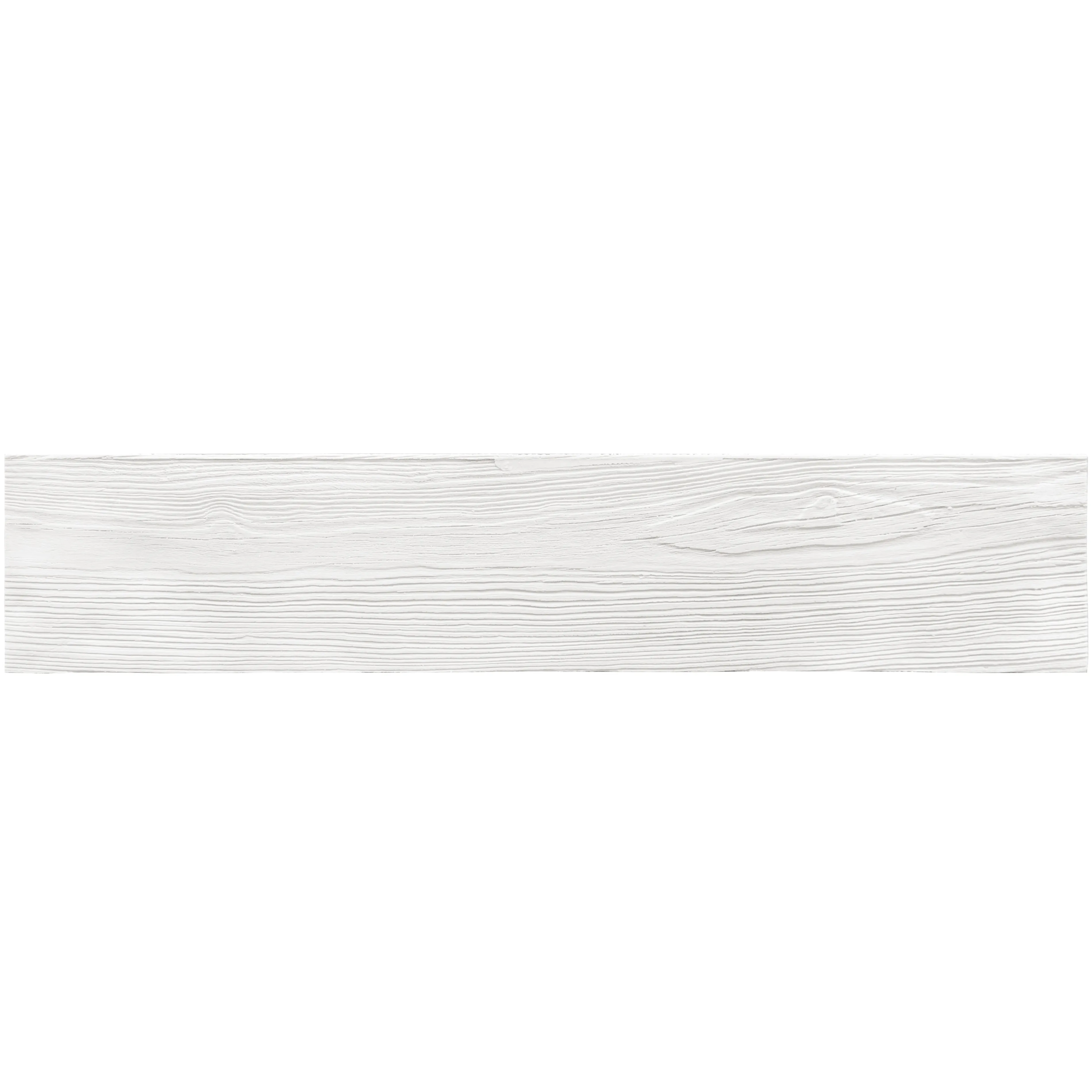
There's something inherently comforting about white wood. It's the soft glow of sunlight filtering through a farmstead kitchen, the crisp lines of a mid-century chair, the warm contrast to concrete in a modern loft. More than just a material, white wood is a storyteller—carrying echoes of rural cottages, artisanal workshops, and cutting-edge design studios alike. Its journey from practical farmstead staple to high-design favorite is a testament to adaptability, blending tradition with innovation. Let's trace that journey, exploring how white wood has shaped spaces across centuries and why it remains a beloved choice in today's interiors.
Long before white wood became a design buzzword, it was born of necessity. In 17th-century Europe, rural communities relied on wood for everything—homes, barns, furniture. But unprotected wood was vulnerable to rot, pests, and the elements. The solution? Whitewashing . A simple mixture of lime, water, and sometimes chalk, whitewash acted as a preservative, sealing the wood against moisture and insects. It also reflected sunlight, keeping interiors cooler in summer—a practical choice for farmhouses where every inch of space worked hard.
Yet necessity soon met beauty. In regions like Scandinavia and the English countryside, whitewashed wood beams and walls became synonymous with cleanliness and warmth. Picture a 18th-century Swedish cottage: low ceilings crisscrossed with white-painted pine beams, walls washed in soft white, and wooden floors sanded smooth and treated with beeswax. The effect was bright, airy, and deeply rooted in the land—qualities that would later define the "hygge" aesthetic centuries later. White wood here wasn't about luxury; it was about creating a haven amid harsh climates, a space that felt both humble and hopeful.
As the 19th century dawned, white wood stepped out of the countryside and into the drawing rooms of the middle and upper classes. The Victorian era, with its love for ornate details, reimagined white wood as a canvas for craftsmanship. Furniture makers began using white-painted oak and mahogany for pieces like dressers, tables, and chairs, often pairing them with gilded accents or floral wallpapers. Unlike the rough-hewn beams of farmhouses, these pieces were refined—carved with scrolls, turned legs, and intricate moldings, their white surfaces highlighting the skill of the craftsman.
The Arts and Crafts movement, a reaction to industrialization in the late 19th century, brought white wood back to its roots—sort of. Designers like William Morris rejected mass production, advocating for handcrafted, nature-inspired pieces. White wood here was often left with a matte, almost unfinished look, celebrating the wood's natural grain. A Morris-designed bookshelf, for example, might feature simple white-painted pine with visible knots and tool marks, paired with hand-printed fabric cushions. It was a rebellion against excess, proving that white wood's beauty lay not in perfection, but in authenticity.
If the 19th century was about detail, the mid-20th century was about simplicity . The mid-century modern movement, which spanned the 1950s to 1970s, embraced "less is more," and white wood fit the bill perfectly. Designers like Charles and Ray Eames and Arne Jacobsen saw white wood as a bridge between nature and modernity—warm enough to soften sleek lines, neutral enough to complement bold colors and geometric patterns.
This era saw white wood evolve from painted surfaces to natural white-toned woods like ash, birch, and maple. These woods, with their pale hues and subtle grain, required little more than a clear sealant to shine. Think of the Eames Lounge Chair: its ash frame, left in its natural light tone, pairs seamlessly with the rich leather upholstery, creating a balance of warmth and cool sophistication. In homes, white wood paneling became a staple—floor-to-ceiling sheets of birch or pine, often left unadorned, that made small spaces feel larger and brighter. It was the era of "liveable modernism," and white wood was its quiet star.

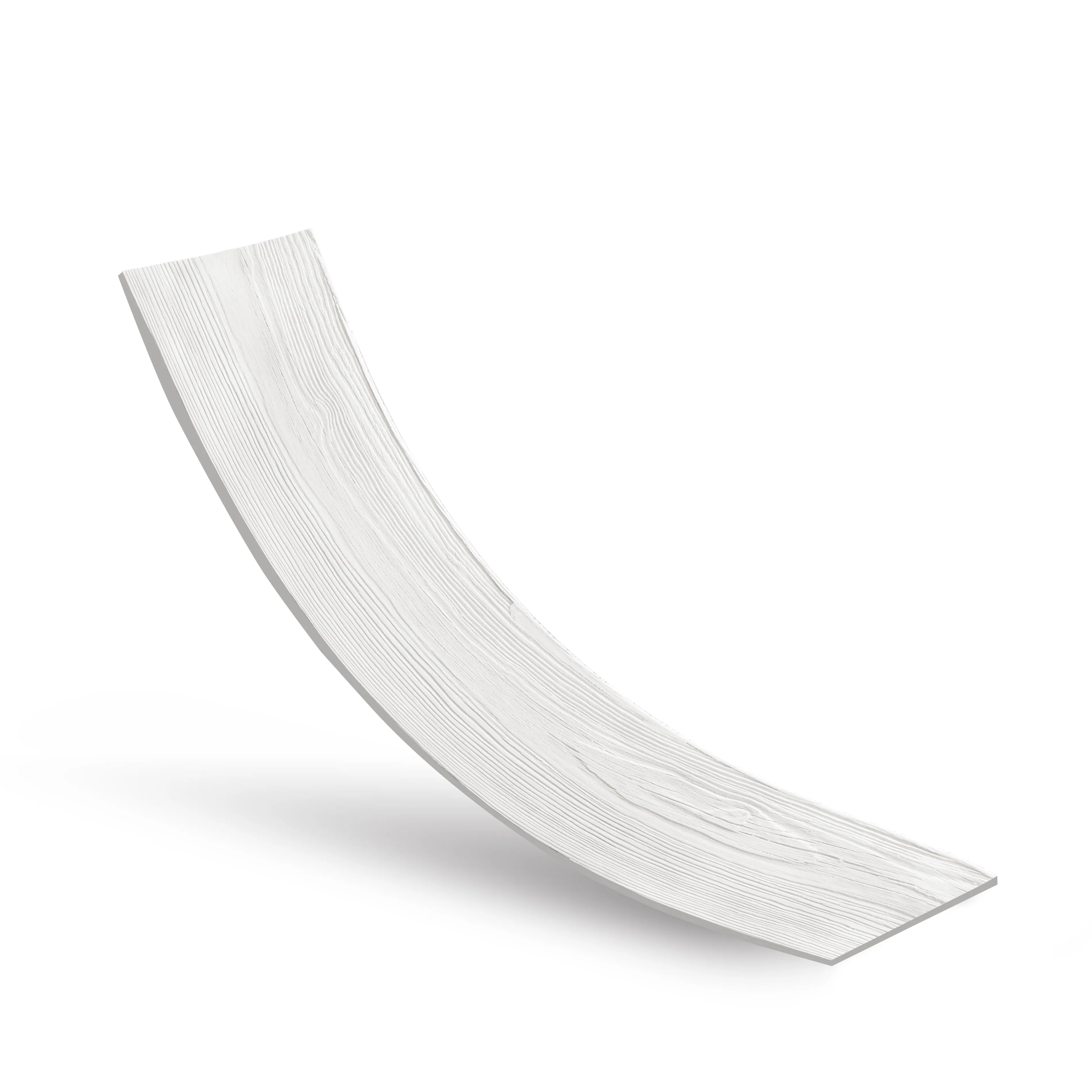
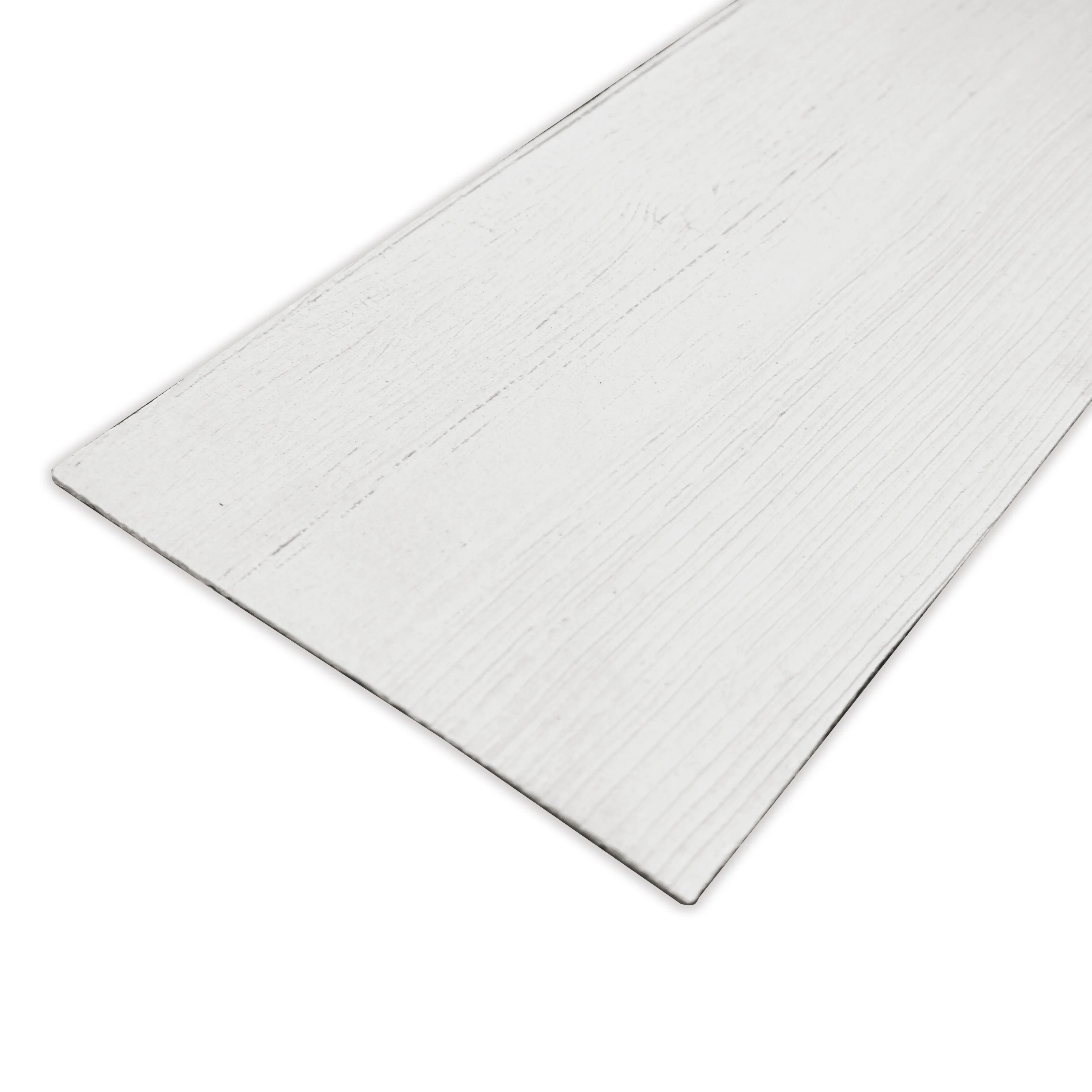
Today, white wood is no longer limited to solid planks or whitewash. Thanks to advances in technology and a growing focus on sustainability, designers have reimagined it in ways the 17th-century farmer could never have dreamed of. One of the most exciting developments is wood grain board —engineered wood products that mimic the look of natural white wood but with added durability. Made by pressing layers of wood fibers together and embossing them with realistic grain patterns, wood grain boards are resistant to warping, staining, and scratches, making them ideal for high-traffic areas like kitchens and commercial spaces.
Another trend is the rise of wood line design—using white wood in linear, sculptural forms that blur the line between furniture and art. Imagine a living room wall clad in thin, vertical slats of white oak, spaced to allow light to filter through, creating a dynamic interplay of shadow and light. Or a staircase with treads made of white ash, their edges rounded and smooth, floating above a minimalist hallway. These designs use white wood not as a background, but as a focal point, proving its versatility.
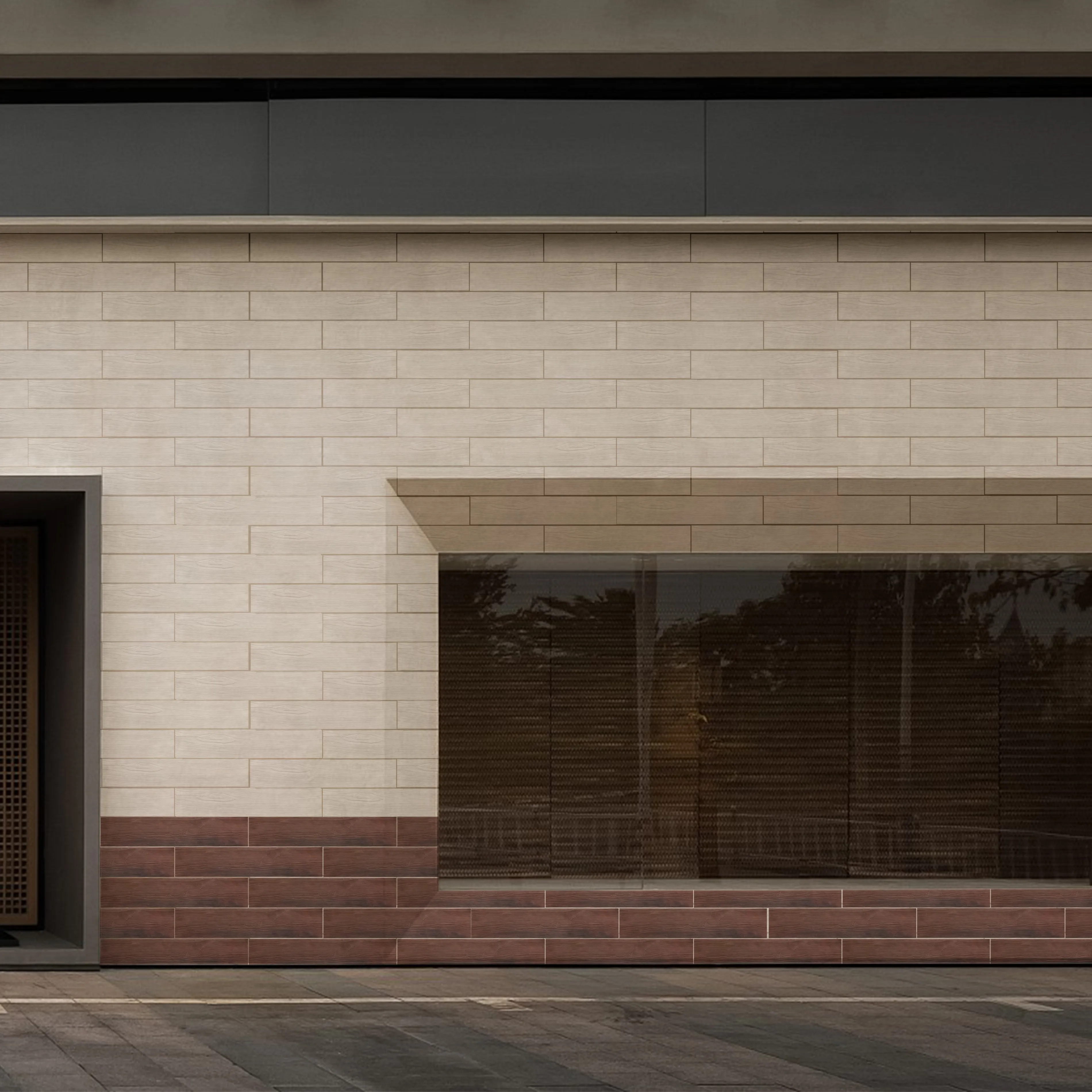
Contemporary designers also love pairing white wood with unexpected materials, and fair-faced concrete is a match made in heaven. The cool, industrial texture of concrete balances the warmth of white wood, creating spaces that feel both modern and inviting. A restaurant might feature white wood tables with hairpin legs set against a fair-faced concrete wall, or a home office could have a white wood desk paired with a concrete floor—proof that opposites attract.
| Era | Primary Materials | Finish Techniques | Typical Applications | Design Philosophy |
|---|---|---|---|---|
| 17th–18th Century | Solid pine, fir | Whitewash (lime + water) | Farmhouse beams, cottage walls, simple furniture | Practicality first; preservation and light reflection |
| 19th Century | Oak, mahogany, pine | Hand-painted white, beeswax sealant | Ornate furniture, panelling, ceiling beams | Craftsmanship and elegance; nature-inspired details |
| Mid-Century Modern (1950s–70s) | Ash, birch, maple (natural light woods) | Clear sealant, matte finishes | Lounge chairs, wall paneling, bookshelves | Simplicity and functionality; "less is more" |
| Contemporary (1990s–Present) | Wood grain board, engineered oak, ash | UV coating, water-based sealants, embossed grain | Kitchen cabinets, accent walls, commercial cladding | Sustainability and innovation; fusion with other materials |
Walk into any modern home or commercial space, and you're likely to find white wood in some form. In residential design, it's a favorite for kitchen cabinets—clean, bright, and timeless. A kitchen with white wood cabinets, paired with marble countertops and brass hardware, feels both classic and fresh. In bedrooms, white wood bed frames with slatted headboards add a airy, serene vibe, perfect for unwinding after a long day.
Commercial spaces are also embracing white wood's versatility. Cafés use it for tabletops and bar fronts to create a cozy, welcoming atmosphere; co-working spaces opt for white wood desks and shelving to foster creativity and focus. Even hotels are getting in on the trend—think of a boutique hotel lobby with a white wood reception desk, its surface smooth and warm, surrounded by potted plants and soft lighting. White wood here feels approachable, like a home away from home.
Sustainability is another key driver. Today's consumers care about where their materials come from, and white wood delivers. Many manufacturers now use FSC-certified wood (Forest Stewardship Council), ensuring that the wood is sourced from responsibly managed forests. Low-VOC (volatile organic compound) finishes are also standard, making white wood a healthier choice for indoor air quality. It's a far cry from the toxic paints of the past, and it aligns with our growing desire to live in harmony with the planet.
So, what does the future hold for white wood? If current trends are any indication, it will continue to evolve—blending tradition with technology. One emerging trend is 3D-printed white wood —using wood fibers mixed with biodegradable plastics to create custom, sculptural pieces that are both beautiful and eco-friendly. Imagine a 3D-printed white wood chair, its form organic and fluid, yet made from sustainable materials. It's innovation with a conscience.
Another trend is biophilic design—the idea that connecting with nature improves well-being. White wood, with its natural grain and warm tone, is a perfect fit. Future homes might feature white wood walls with integrated planters, or ceilings lined with white wood slats that mimic the dappled light of a forest. It's about bringing the outdoors in, one white wood board at a time.
From the whitewashed beams of a 17th-century cottage to the 3D-printed designs of tomorrow, white wood has always been more than a material. It's a symbol of adaptability, of finding beauty in simplicity, and of honoring the past while embracing the future. It's in the way it softens a modern concrete wall, the way it warms a minimalist kitchen, the way it feels like home no matter the era.
So the next time you walk into a room with white wood, take a moment to appreciate its story. It's a story of farmers and craftsmen, of designers and dreamers, all connected by a shared love for something quiet, beautiful, and enduring. White wood isn't just decor—it's a legacy. And in a world that's always changing, that's a comfort we can all hold onto.
Recommend Products












