
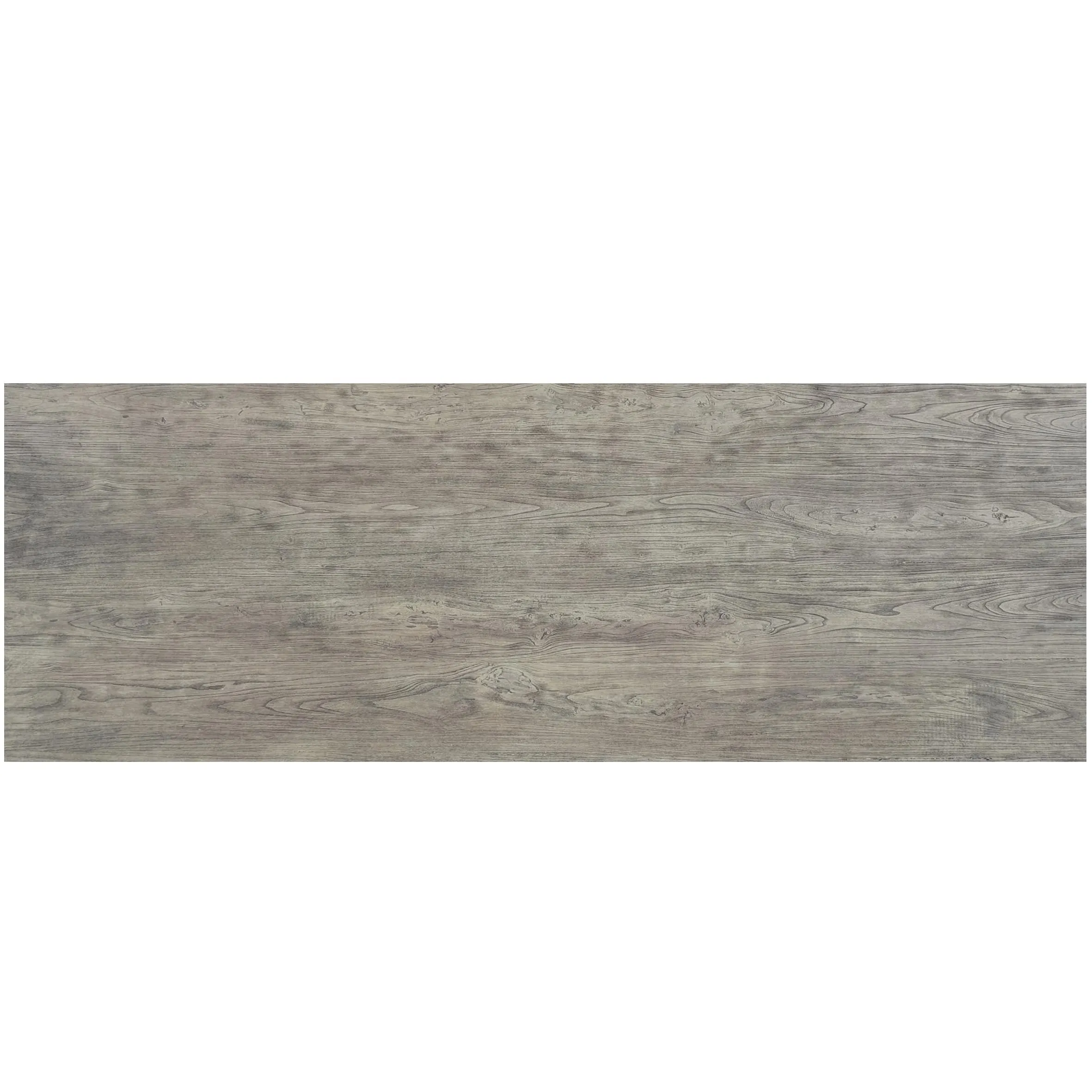
Walk into any home, office, or public space, and chances are you'll spot it: the warm, organic sweep of wood grain. There's something inherently comforting about those swirling patterns—reminders of sun-dappled forests, crackling fireplaces, and the quiet strength of trees that have stood for decades. For centuries, humans have sought to replicate this natural beauty in building materials, not just for aesthetics, but for the stories it tells. Wood grain isn't just a texture; it's a connection to nature, a nod to tradition, and a canvas for creativity. But here's the thing: real wood, as stunning as it is, comes with a laundry list of challenges. It warps in humidity, fades in sunlight, and demands constant maintenance. And let's not forget the environmental cost—old-growth forests can't keep up with the demand for hardwood floors, wall panels, and furniture. So, we've spent generations trying to imitate wood grain, to capture its soul without its flaws. This is the story of how that journey led us to one of the most exciting innovations in modern building materials: wood grain board, reimagined through MCM technology.
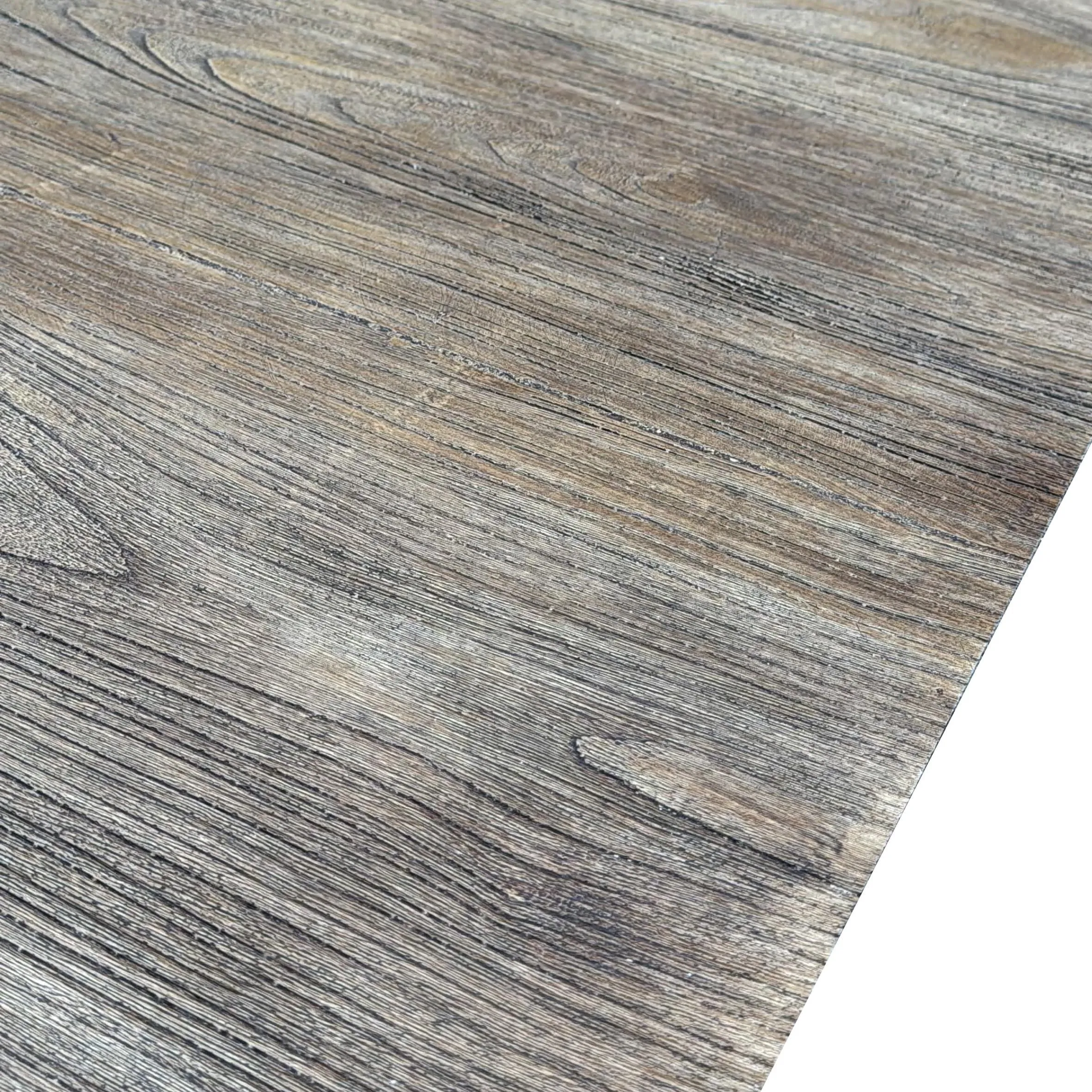
Let's rewind to the mid-20th century. Post-war construction boomed, and homeowners dreamed of the warmth of wood without the price tag. Enter the first wave of wood grain imitations: painted plywood and linoleum flooring. Picture a 1950s kitchen with yellow linoleum that tried (and failed) to mimic oak planks. The pattern was flat, the color garish, and within a year, the "grain" would wear off, leaving sad, splotchy patches. It was a start, but hardly convincing.
By the 1970s, veneers became popular. Thin slices of real wood were glued to cheaper substrates like particleboard, offering a more authentic look—for a while. But veneers were fragile. A stray coffee mug, a sharp chair leg, and suddenly you'd peeled back the curtain to reveal the cheap material underneath. And water? Forget it. A single spill could cause the veneer to bubble and warp, turning a once-charming bookshelf into a lopsided eyesore. Then came laminate flooring in the 1980s, a step up with its plastic overlay and printed wood patterns. It was durable, affordable, and suddenly, every suburban home had "maple" floors that looked… well, like printed plastic. The texture was all wrong—smooth as a countertop, no depth, no variation. You could run your hand over it and immediately think, "That's not wood."
Why did we keep trying? Because wood grain matters. It's not just about looks; it's about how a space feels . A room with wood-look panels feels cozier, more grounded, than one with cold concrete or sterile drywall. Architects and designers knew this, so they pushed for better imitations. They experimented with embossed vinyl, fiberboard with printed paper overlays, and even ceramic tiles that mimicked wood planks. But each solution had a catch: vinyl felt cheap, fiberboard crumbled, and ceramic was heavy and hard to install. By the early 2000s, we were stuck in a loop: great idea, flawed execution. We wanted wood grain that was tough , versatile , and genuinely beautiful . We just didn't have the technology to make it happen—yet.
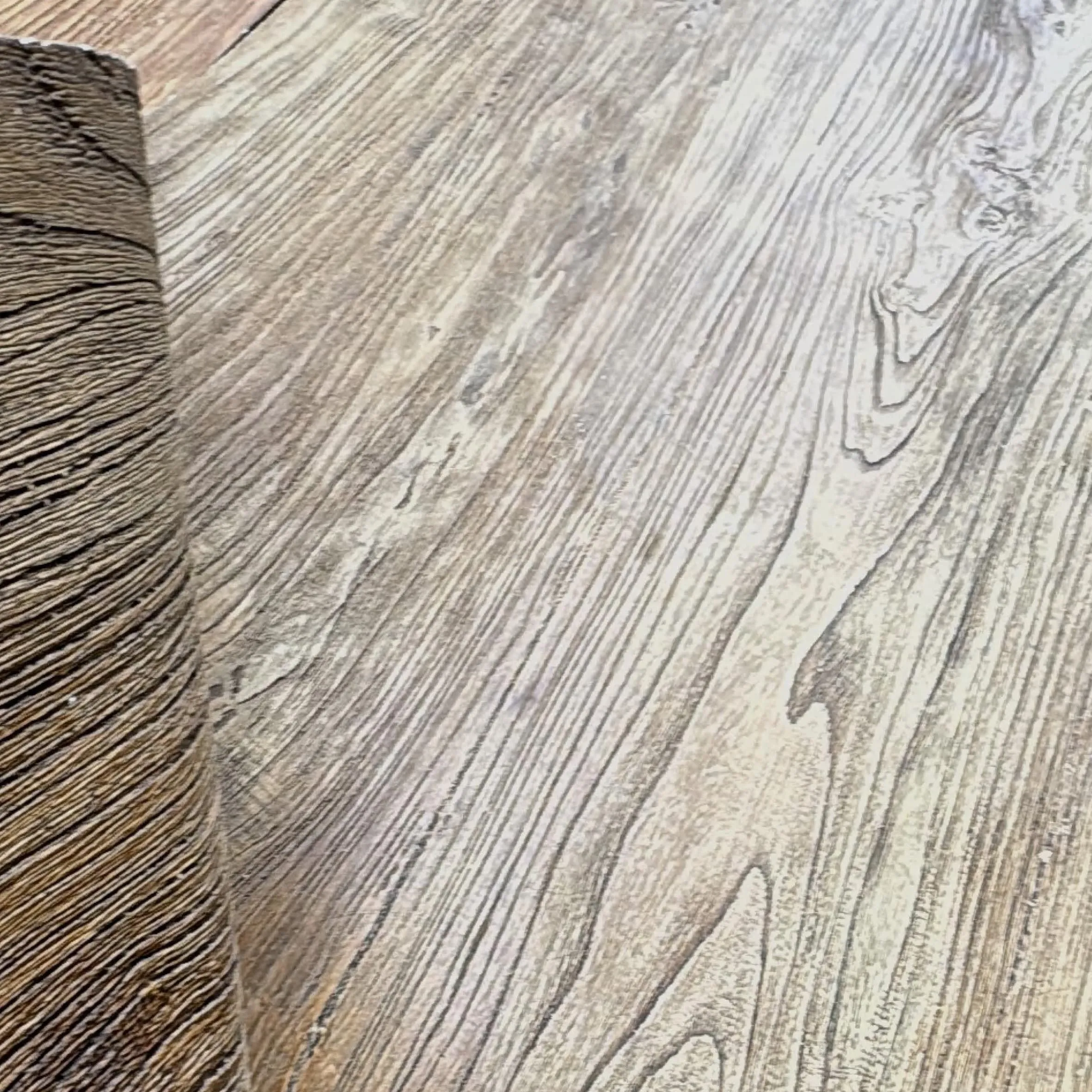
Fast forward to the 2010s. The construction industry was hungry for materials that checked all the boxes: sustainable, durable, lightweight, and aesthetically versatile. Enter MCM—Modified Composite Material—a term that sounds technical but boils down to something revolutionary: a blend of natural minerals, polymers, and fibers engineered to be stronger, lighter, and more flexible than traditional composites. Think of it as nature and science shaking hands. MCM wasn't just a new material; it was a new way of thinking about building products. And one of its first and most brilliant applications? Flexible stone panels that could mimic the texture of natural stone—including wood grain.
Here's why MCM was a revelation: unlike veneers or laminates, MCM panels are engineered from the ground up to replicate texture at a microscopic level. Traditional imitations printed the image of wood grain; MCM captures the feeling of it. Run your hand over an MCM flexible stone wood grain panel, and you'll feel the subtle ridges, the knots, the variation in density—just like real wood, but without the splinters. And because MCM is inherently durable, these panels laugh off moisture, sunlight, and foot traffic. Suddenly, you could install "wood grain" in a bathroom, a poolside cabana, or a high-traffic retail store without worrying about rot or fading. It was a lightbulb moment for architects and designers: finally, a material that didn't force them to choose between beauty and practicality.
What Makes MCM Flexible Stone So Special?
At its core, MCM flexible stone is a thin, lightweight panel (usually 3-5mm thick) made by compressing natural stone particles, resins, and reinforcing fibers. The magic is in the manufacturing process: high-pressure molding and precision cutting allow for incredibly detailed textures, from the tight grain of oak to the swirling patterns of walnut. And "flexible" isn't just a buzzword—these panels can bend up to 90 degrees, making them perfect for curved walls, columns, and creative architectural features. Compare that to traditional stone or wood, which are rigid and heavy, requiring structural support and careful installation. MCM flexible stone weighs a fraction of the alternatives, cutting down on shipping costs and labor time. It's also eco-friendly: most MCM products use recycled stone particles and low-VOC resins, making them a sustainable choice for green building projects.
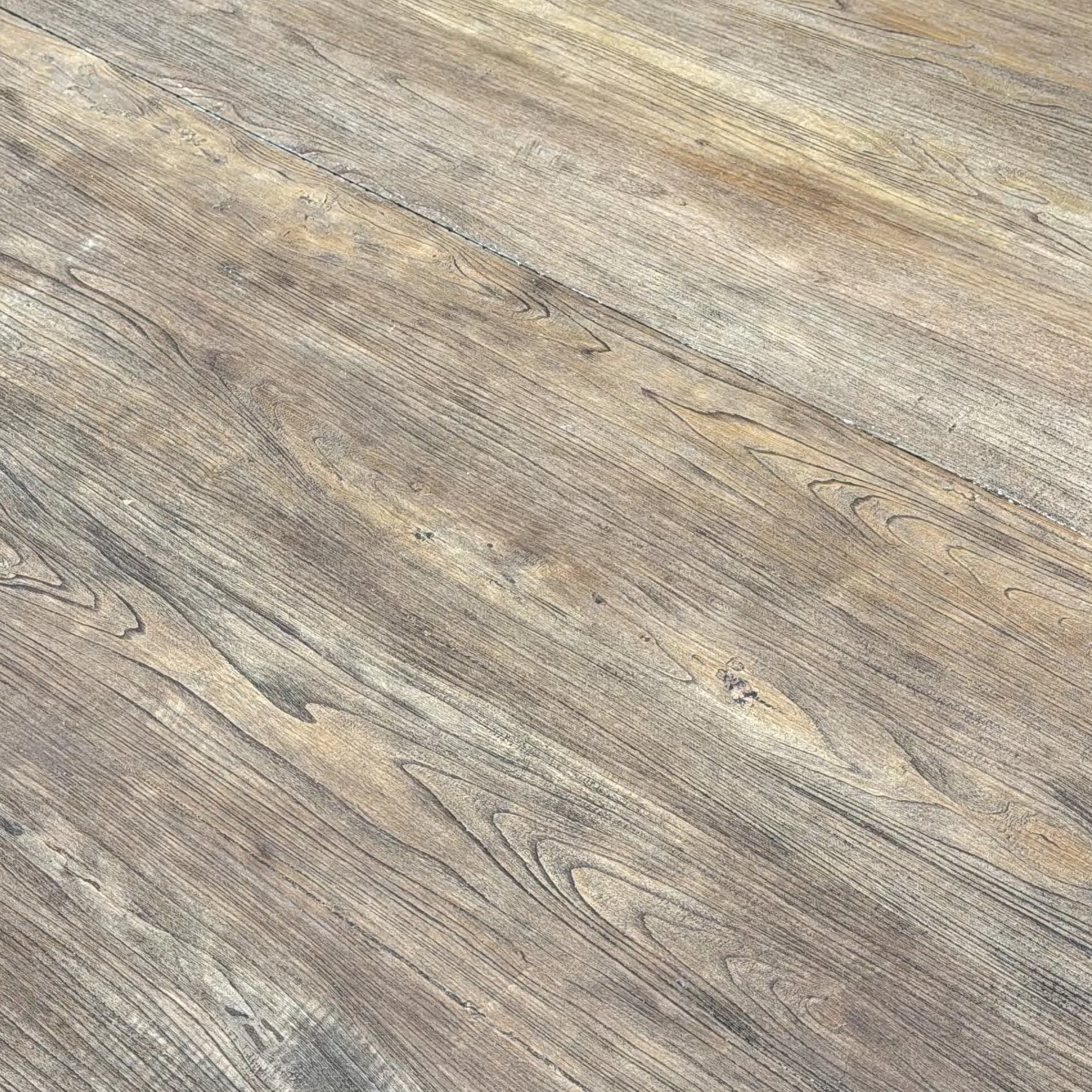
If MCM flexible stone was a leap forward, then the MCM 3D printing series was a rocket launch. 3D printing technology, once confined to prototyping and small-scale manufacturing, found its way into building materials, and suddenly, wood grain replication became an art form. Imagine being able to design a wood grain pattern that doesn't exist in nature—intricate swirls, custom knots, gradients of color—and then print it directly onto an MCM panel with pinpoint accuracy. That's what the MCM 3D printing series brings to the table.
Traditional wood grain imitations were limited by molds and stamps, which could only produce repetitive patterns. 3D printing changes that. It allows for unlimited variation . Want a wall panel that looks like a centuries-old barn door with unique weathering marks? Done. Need a floor tile that mimics driftwood, with each piece slightly different? No problem. Architects and designers now have a blank canvas. Take, for example, a boutique hotel in Barcelona that used MCM 3D printed wood grain panels for its lobby walls. The design team wanted the warmth of a mountain cabin but with a modern twist, so they created a custom "fractured wood" pattern—grain lines that split and rejoin like lightning bolts. Using 3D printing, each panel was printed with microscopic precision, ensuring the pattern flowed seamlessly across the entire wall. The result? A space that feels both cozy and cutting-edge, a conversation starter for guests.
But 3D printing isn't just about aesthetics. It's about efficiency, too. Traditional manufacturing requires expensive molds for each new pattern, making custom designs cost-prohibitive. With 3D printing, you can tweak a design on a computer and have it printed the same day. This has opened the door for small businesses, homeowners, and even DIY enthusiasts to get creative with wood grain. Suddenly, a café owner in Tokyo can order custom wood grain panels that match the color of their brand logo, or a homeowner in Portland can design a headboard with a wood grain pattern that spells out their family name. MCM 3D printing series didn't just improve wood grain board—it democratized it.
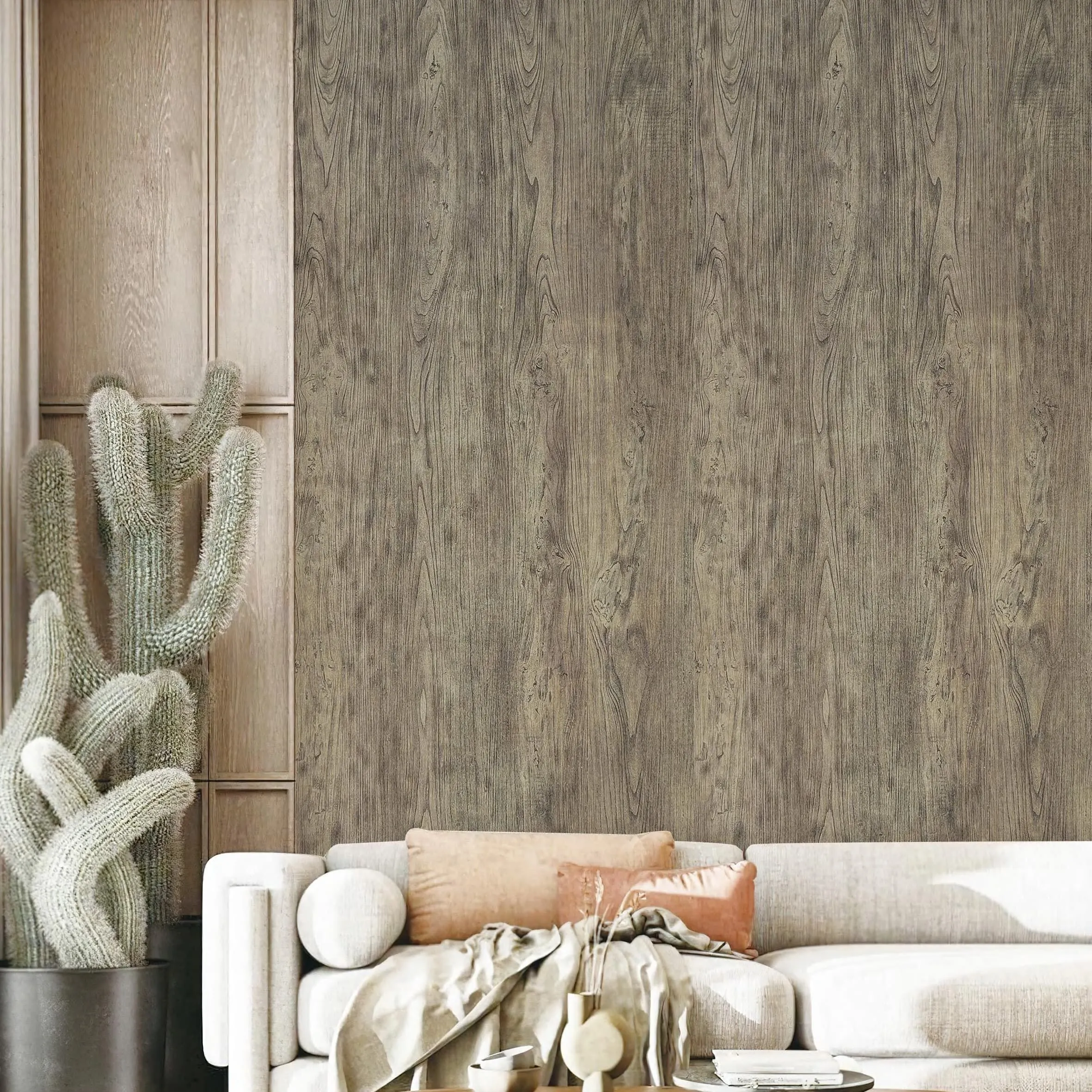
Let's get practical. You're an architect designing a restaurant, and you need wall panels that look like reclaimed barn wood but can handle grease, humidity, and daily cleaning. How do traditional options compare to MCM wood grain board? Let's break it down:
| Aspect | Traditional Wood Grain Imitations (Veneer/Laminate) | MCM Wood Grain Board (Flexible Stone + 3D Printing) |
|---|---|---|
| Durability | Prone to scratches, water damage, and fading; veneers peel, laminates chip. | Resistant to moisture, UV rays, and impact; lasts 20+ years with minimal maintenance. |
| Aesthetic Realism | Flat, repetitive patterns; texture is often printed, not tactile. | Tactile, 3D texture with natural variation; mimics wood's depth and character. |
| Installation | Heavy, rigid, requires specialized tools; prone to cracking during installation. | Lightweight (5-8kg/m²), flexible; can be cut with standard tools and installed with adhesive. |
| Sustainability | Often uses formaldehyde-based adhesives; relies on virgin wood or non-recyclable plastics. | Made with recycled stone particles and low-VOC resins; reduces demand for hardwood. |
| Versatility | Limited to flat surfaces; not suitable for wet or high-traffic areas. | Works on curved surfaces, exteriors, and wet areas (showers, pools); customizable patterns. |
The verdict? MCM wood grain board isn't just better—it's a different category entirely. It's the difference between a black-and-white TV and a 4K OLED screen; both show images, but one immerses you in the experience.
Let's take a real-world example. In 2023, a 1920s theater in Chicago was undergoing restoration. The original lobby featured oak paneling, but decades of wear and water damage had left it beyond repair. The historical society wanted to preserve the theater's charm, but using real oak would have been cost-prohibitive and environmentally unsound. Enter MCM flexible stone wood grain panels. The design team scanned the remaining original oak panels to capture their unique grain patterns, then used the MCM 3D printing series to replicate them exactly—down to the tiny wormholes and water stains that told the theater's story. The panels were lightweight enough to install without reinforcing the old brick walls, and they're treated to resist the humidity that had ruined the original wood. Today, visitors walk into the lobby and swear the panels are real oak. Even the historians were impressed: "It's not just a replica," one said. "It's a continuation of the theater's history, but with the strength to last another century."
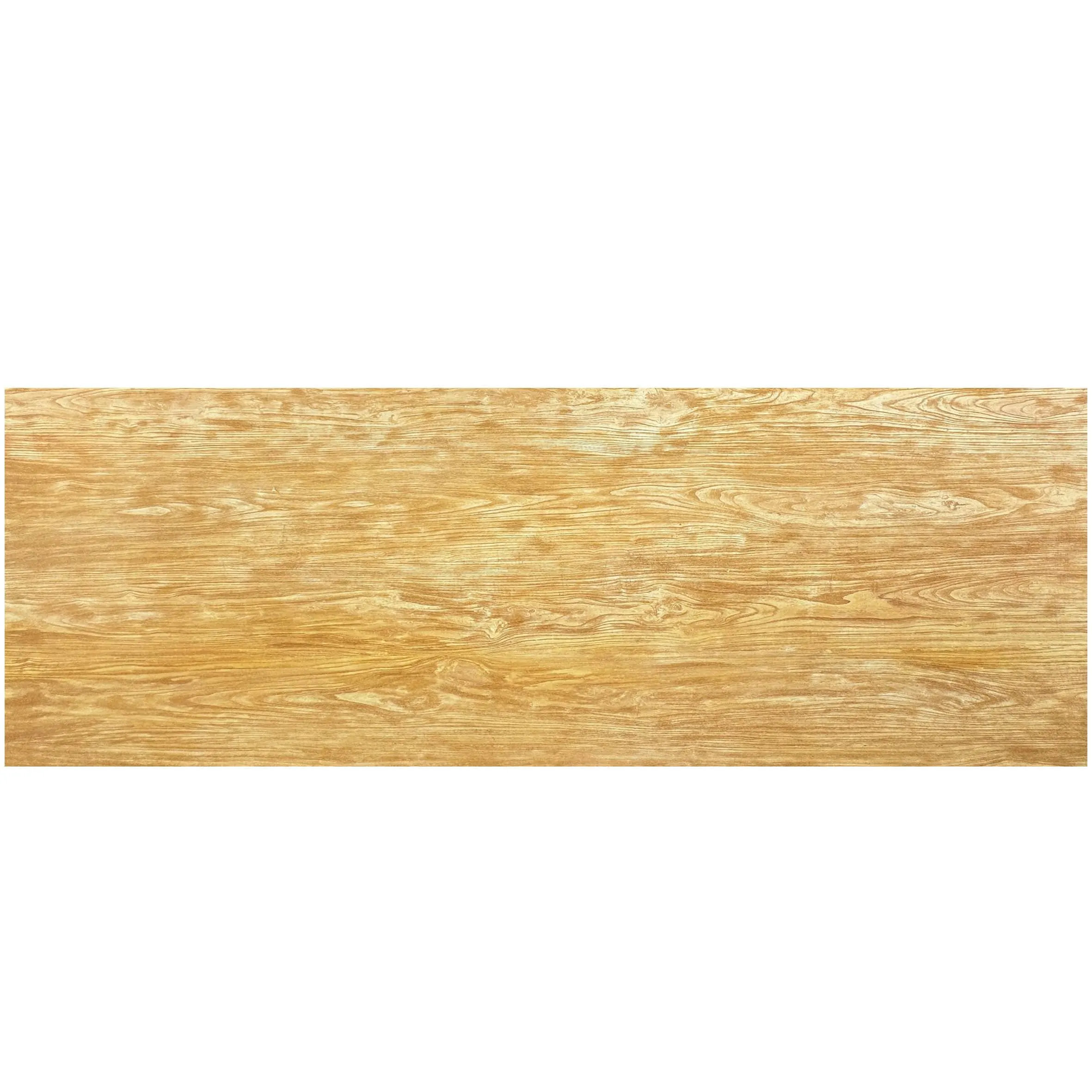
Wood grain board is just the tip of the iceberg when it comes to MCM's potential. Take fair-faced concrete, for example—a material celebrated for its raw, industrial beauty. Traditional fair-faced concrete is heavy, hard to install, and prone to cracking. MCM's version? Lightweight panels with the same matte finish and subtle texture, but flexible enough to wrap around columns or create dynamic, sculptural facades. It's a favorite among modern architects who want that "brutalist chic" look without the structural headaches. Then there's the lunar peak series—panels that mimic the moon's cratered surface in silvery, golden, and black hues—perfect for futuristic interiors. And let's not forget the foamed aluminium alloy boards, which blend the metallic sheen of vintage silver or gold with the lightweight durability of MCM, ideal for high-end retail spaces.
But here's the thing: all these innovations share a common DNA with wood grain board. They're about taking a natural or traditional material, understanding its appeal, and then engineering it to be better—more durable, more sustainable, more versatile. MCM isn't just about copying nature; it's about elevating it. It's about giving designers the freedom to say, "What if?" without hearing, "But you can't."
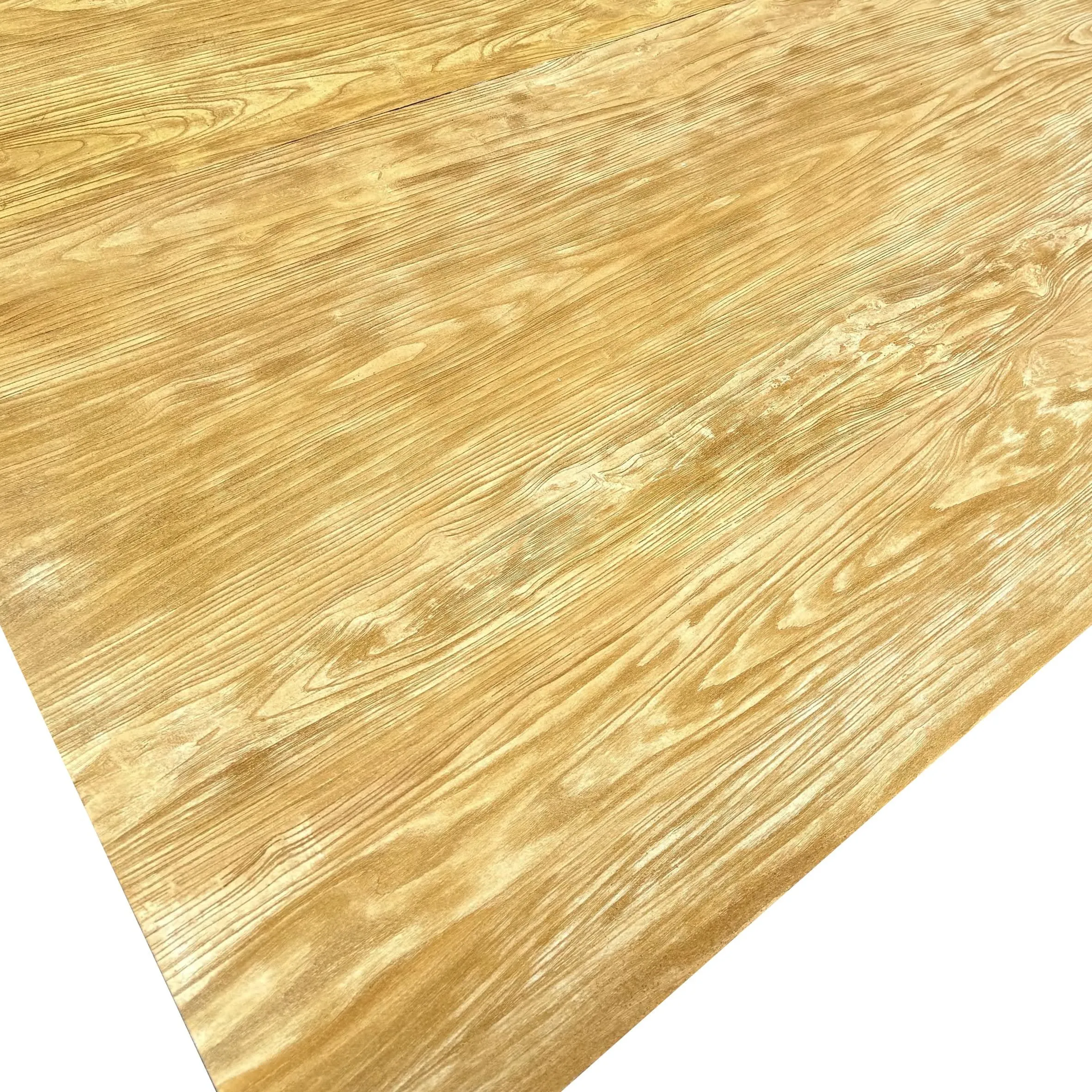
So, what's next for wood grain board and MCM? The future is bright—and surprisingly green. As sustainability becomes a non-negotiable in construction, MCM manufacturers are doubling down on recycled materials. Imagine wood grain panels made from 100% post-consumer waste, or resins derived from plant-based sources. And color? The MCM 3D printing series is already experimenting with gradient wood grains—think a panel that fades from warm oak to cool ash, or incorporates metallic accents for a glamorous twist. Smart materials are on the horizon, too: wood grain panels embedded with sensors that monitor temperature or air quality, or panels that change color subtly with light, mimicking how real wood shifts from golden to amber throughout the day.
But perhaps the most exciting trend is accessibility. As MCM technology becomes more widespread, costs are coming down, making custom wood grain designs available to more people. A small bed-and-breakfast in Vermont can now have the same high-end wood grain walls as a luxury hotel in Dubai. A homeowner in a humid coastal town can finally have the "wooden" accent wall they've always wanted, without worrying about mold. This democratization of design is changing how we think about our spaces—making them more personal, more sustainable, and more connected to the textures we love.
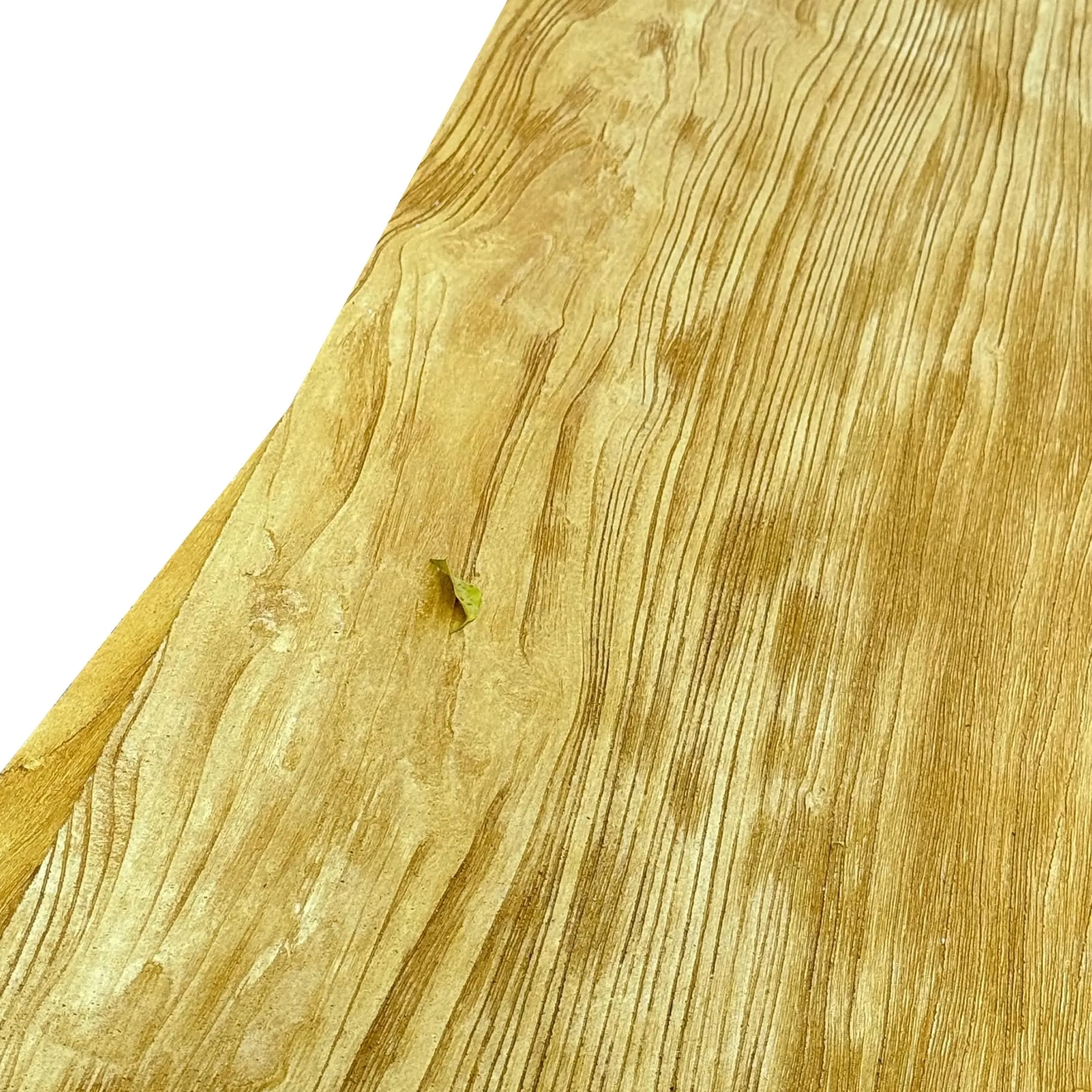
From those clunky 1950s linoleum floors to today's 3D-printed MCM masterpieces, the story of wood grain board is a story about progress . It's about refusing to accept "good enough," about looking at nature's beauty and saying, "We can honor this without harming it." MCM flexible stone and the 3D printing series aren't just building materials; they're proof that human ingenuity can bridge the gap between tradition and innovation. They let us keep the warmth of wood grain, the charm of natural texture, while embracing the durability and sustainability of the future.
So the next time you run your hand over a wood grain wall panel, take a moment to appreciate the journey it represents. Behind that texture is decades of trial and error, of scientists and designers asking, "How can we make this better?" And the answer—MCM technology—has given us something extraordinary: a way to bring nature indoors, to honor the past, and to build a future where beauty and practicality don't just coexist—they thrive together. Wood grain board, reimagined through MCM, isn't just a material. It's a testament to what happens when we stop trying to replace nature, and start working with it.
Recommend Products












