
How a Natural Stone is Redefining Healthy Spaces
Walk into any home, office, or café, and what hits you first? The light, the layout, maybe the scent of fresh coffee. But beneath those immediate impressions lies something far more critical: the air we breathe. We spend 90% of our lives indoors , according to the EPA, and that air isn't just a mix of oxygen and nitrogen—it's a reflection of the materials surrounding us. Paint, carpets, furniture, and yes, even the walls and floors we touch daily, all release particles, chemicals, or moisture that shape our indoor environment. Over time, poor air quality can trigger allergies, headaches, or even long-term health issues. So when we choose building materials, we're not just picking colors or textures—we're choosing the air our families, colleagues, and clients will inhale for years.
Enter dolomitic travertine (claybank) —a stone that's been quietly gaining attention not just for its warm, earthy beauty, but for its unexpected role as an "air guardian." Unlike synthetic materials engineered for cost or speed, this natural stone carries the wisdom of the earth itself. Formed over millennia from mineral-rich springs, dolomitic travertine (claybank) isn't just a surface; it's a living, breathing part of our spaces. Today, let's dive into how this unassuming stone is changing the game for indoor air quality—and why it might just be the material your next project has been waiting for.
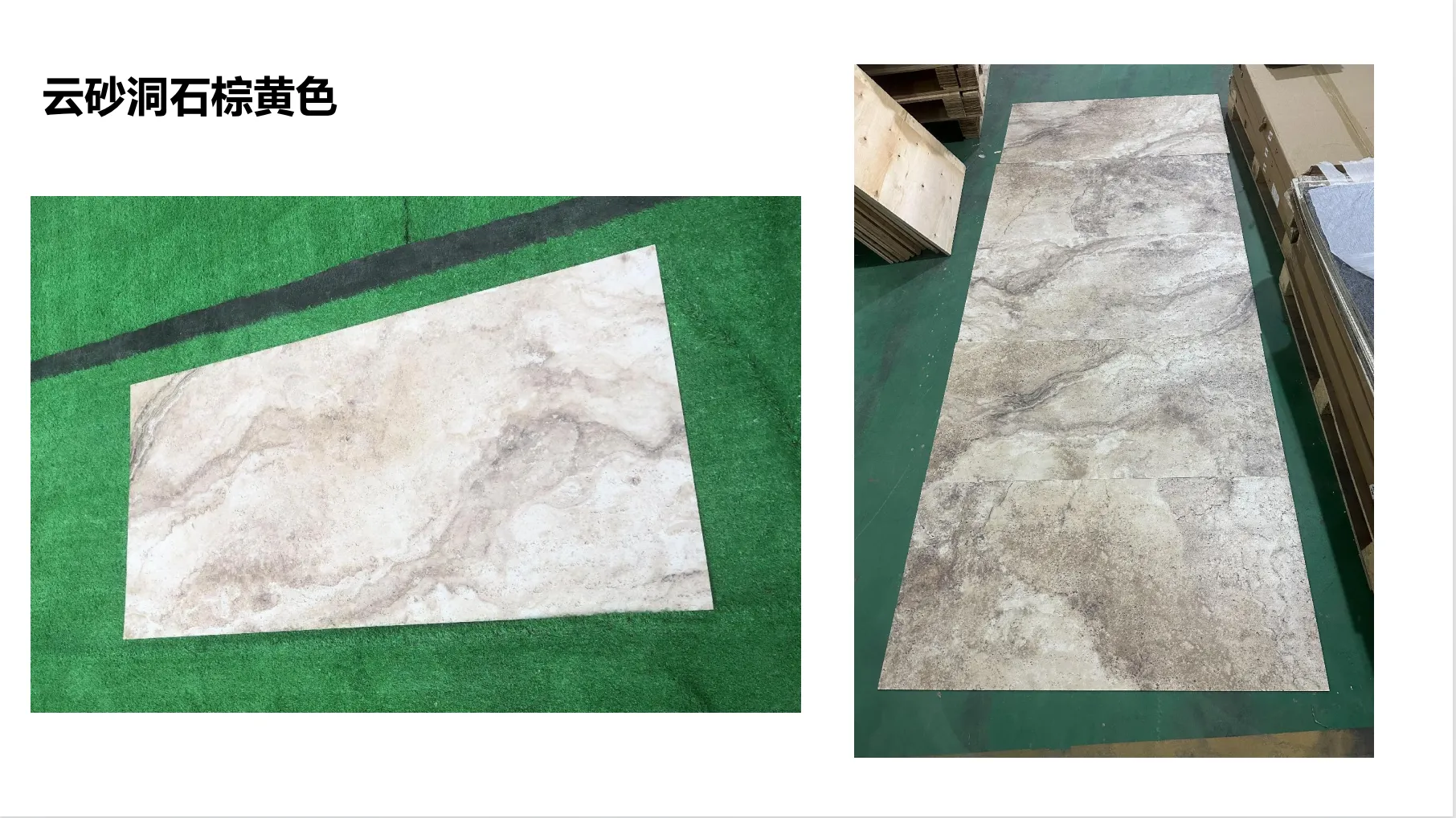
First, let's get to know the star of the show. Dolomitic travertine isn't your average stone. Unlike marble, which forms from compressed limestone, or granite, forged in volcanic heat, travertine is a sedimentary rock born in slow motion. Imagine mineral-rich groundwater bubbling up from the earth, cooling, and depositing layers of calcium carbonate (and in this case, dolomite, a magnesium-rich mineral) over centuries. The result? A stone with a unique, porous structure—think tiny, interconnected channels that give it a soft, matte texture and a warm, clay-like hue (hence "claybank").
But what makes dolomitic travertine (claybank) stand out isn't just its origin story—it's its composition. That dolomite content adds durability, making it harder than standard travertine, while those natural pores aren't just aesthetic. They're the key to its air-purifying superpowers. Unlike dense, non-porous materials that trap moisture or off-gas chemicals, dolomitic travertine (claybank) acts like a natural sponge… but not for dirt. For air quality.
Ever walked into a room with synthetic flooring or painted drywall and noticed a "stuffy" feeling? That's often due to poor moisture regulation. Many modern materials are non-porous, meaning they don't allow air or moisture to pass through. When humidity builds up—from showers, cooking, or even breathing—it gets trapped, creating a breeding ground for mold, mildew, and dust mites. Mold spores are a top indoor allergen, triggering sneezing, itchy eyes, and worse for those with asthma.
Dolomitic travertine (claybank) flips the script. Its porous structure acts like a natural "respiratory system" for your walls or floors. Moisture vapor is absorbed into those tiny channels, then slowly released back into the air as conditions dry out—a process called "breathability." This cycle prevents moisture buildup, keeping surfaces dry and mold at bay. In bathrooms, kitchens, or basements—spaces prone to dampness—this isn't just a convenience; it's a health shield.
Volatile Organic Compounds (VOCs) are the silent troublemakers of indoor air. Found in paints, adhesives, synthetic flooring, and even some stone sealants, these chemicals evaporate at room temperature, releasing fumes that can cause dizziness, nausea, or liver damage with long-term exposure. The problem? Many materials rely on synthetic binders or treatments to enhance durability or color—adding layers of potential toxins.
Dolomitic travertine (claybank) is different. It's raw nature —no plastics, no formaldehydes, no artificial additives. Quarried, cut, and finished with minimal processing, it arrives in your space as it was formed: a solid block of minerals. Even when sealed (a standard step to protect against stains), high-quality natural sealants (think water-based, low-VOC options) keep its chemical footprint tiny. Compare that to, say, fair-faced concrete , which often requires chemical admixtures to achieve its smooth finish, or vinyl flooring, a known VOC emitter. With dolomitic travertine (claybank), what you see is what you get: clean, inert stone that won't pollute your air.
Dust mites, pet dander, and pollen love to cling to rough or fibrous surfaces. Carpets, fabric wall panels, even some porous tiles can trap these allergens, which then become airborne every time someone walks by or vacuums. Dolomitic travertine (claybank), with its smooth yet slightly textured surface, is less hospitable to these unwelcome guests. Its density (thanks to that dolomite content) resists deep particle buildup, and when cleaned with a damp cloth or mild soap, it releases allergens easily—no harsh chemicals needed. For families with kids, pets, or allergy sufferers, this isn't just a "nice-to-have"—it's a game-changer for daily comfort.
Dolomitic travertine (claybank) isn't the only option for walls and floors, of course. Let's see how it holds up against three common alternatives, focusing on what matters most for air quality:
| Material | VOC Emissions | Moisture Resistance | Allergen Trapping | Sustainability |
|---|---|---|---|---|
| Dolomitic Travertine (Claybank) | Very Low (natural, minimal processing) | High (breathable, reduces mold risk) | Low (smooth surface, easy to clean) | High (natural, durable, recyclable) |
| Fair-Faced Concrete | Moderate (may contain chemical admixtures) | Moderate (dense but can trap moisture without sealing) | Moderate (porous surface can hold dust) | Moderate (energy-intensive production) |
| Travertine (Beige) | Low (natural, but may require more sealant than dolomitic) | Moderate (more porous than dolomitic variant) | Moderate (porous surface traps more dust) | High (natural, but slightly less durable than dolomitic) |
| MCM Flexible Stone | Varies (depends on backing material; may contain adhesives) | Moderate (flexible backing may trap moisture) | Moderate (textured surface can hold allergens) | Moderate (synthetic components in some variants) |
*Note: MCM Flexible Stone is a versatile engineered material, but its air quality impact depends on the specific product and installation methods.
Let's be honest: even the healthiest material won't win hearts if it feels cold or sterile. But dolomitic travertine (claybank) doesn't just protect your lungs—it warms your space. Its soft, earthy claybank tone (think warm beige with subtle golden undertones) adds depth without overwhelming, making rooms feel cozy and grounded. Unlike the starkness of white concrete or the uniformity of synthetic tiles, each slab carries unique veining and pits—the fingerprints of its formation—so no two surfaces are exactly alike. It's a material that tells a story, and that story feels human .
This versatility makes it perfect for nearly any space. In a home kitchen, it adds warmth underfoot and resists heat from pots and pans. In a yoga studio, its natural texture encourages mindfulness, while its breathability keeps the air fresh during intense sessions. In a pediatric clinic, its durability stands up to busy feet, and its low allergen profile keeps little lungs safe. Even in commercial spaces like cafes or boutiques, it creates an inviting, organic vibe that makes customers want to stay—and breathe easier while they're there.
Choosing building materials is always a balance of cost, beauty, and function. Dolomitic travertine (claybank) may have a higher upfront price tag than synthetic options, but think of it as an investment—not just in a floor or wall, but in the air you'll breathe for decades. Its durability means it won't need replacing every 10 years like vinyl or carpet. Its low maintenance (a quick sweep and occasional sealant touch-up) saves time and money on harsh cleaners. And most importantly, it saves you from the hidden costs of poor air quality: doctor's visits, missed work, or the quiet stress of wondering if your home is making you sick.
In a world that often prioritizes speed and cost over well-being, dolomitic travertine (claybank) is a reminder that some of the best solutions come from the earth itself. It's a material that works with nature, not against it, to create spaces that nurture both our bodies and our souls. So the next time you're planning a renovation or a new build, ask yourself: What kind of air do I want to breathe? For many, the answer will lead straight to this unassuming, clay-colored stone—quietly, steadily, keeping our indoor worlds clean, healthy, and full of life.
Recommend Products












