
In the bustle of modern cities, where glass and steel often dominate the skyline, there's a quiet revolution happening beneath our feet and along our walls. It's a revolution of texture, sustainability, and connection—one led by materials that don't just build spaces, but breathe life into them. At the heart of this movement is a name you might not yet know, but one that's reshaping how we think about urban design: Oasis Stone Regular. More than just a building material, it's a bridge between the concrete jungle and the natural world, a tool for crafting cities that are not only functional but feel like home.
Walk through any major city, and you'll notice the same story unfolding. Skyscrapers climb higher, neighborhoods expand outward, and infrastructure struggles to keep pace. Yet for all this growth, something vital is often lost: balance. Traditional building materials—think standard concrete, non-recyclable plastics, or high-maintenance stone—come with hidden costs. They drain natural resources, trap heat in urban "heat islands," and demand constant upkeep, leaving cities with a heavy environmental footprint and spaces that feel cold, impersonal, and disconnected from the world outside.
Consider the numbers: The construction industry accounts for nearly 40% of global carbon emissions, and much of that comes from the production and transportation of building materials. Meanwhile, cities are getting hotter. The "heat island effect," worsened by dark, heat-absorbing surfaces, can raise urban temperatures by 5–9°F compared to surrounding rural areas, making summers unbearable and straining energy grids as air conditioners work overtime. Add to that the problem of waste—old buildings demolished, materials dumped in landfills—and it's clear: We need a new approach.
This is where materials like Oasis Stone Regular step in. They're not just about replacing old materials with new ones; they're about reimagining what urban spaces can be—sustainable, sensory, and deeply human.

Let's start with the basics: Oasis Stone Regular isn't your grandparent's building stone. It's a modern innovation, born from the need to merge durability with sustainability, and aesthetics with function. Imagine (oops, scratch that—let's describe ) a material that feels like polished river stone under your palm, but has the strength to withstand years of foot traffic, rain, and harsh sunlight. That's the essence of Oasis Stone Regular.
At its core, it's a composite material, crafted from a blend of natural aggregates, recycled minerals, and a low-impact binding agent. This mix gives it two key superpowers: flexibility and resilience. Unlike brittle traditional stone, it bends slightly under pressure, reducing cracks and chips. And because it's made with recycled content—often up to 30% reclaimed stone dust and industrial byproducts—it diverts waste from landfills, easing the strain on our planet's finite resources.
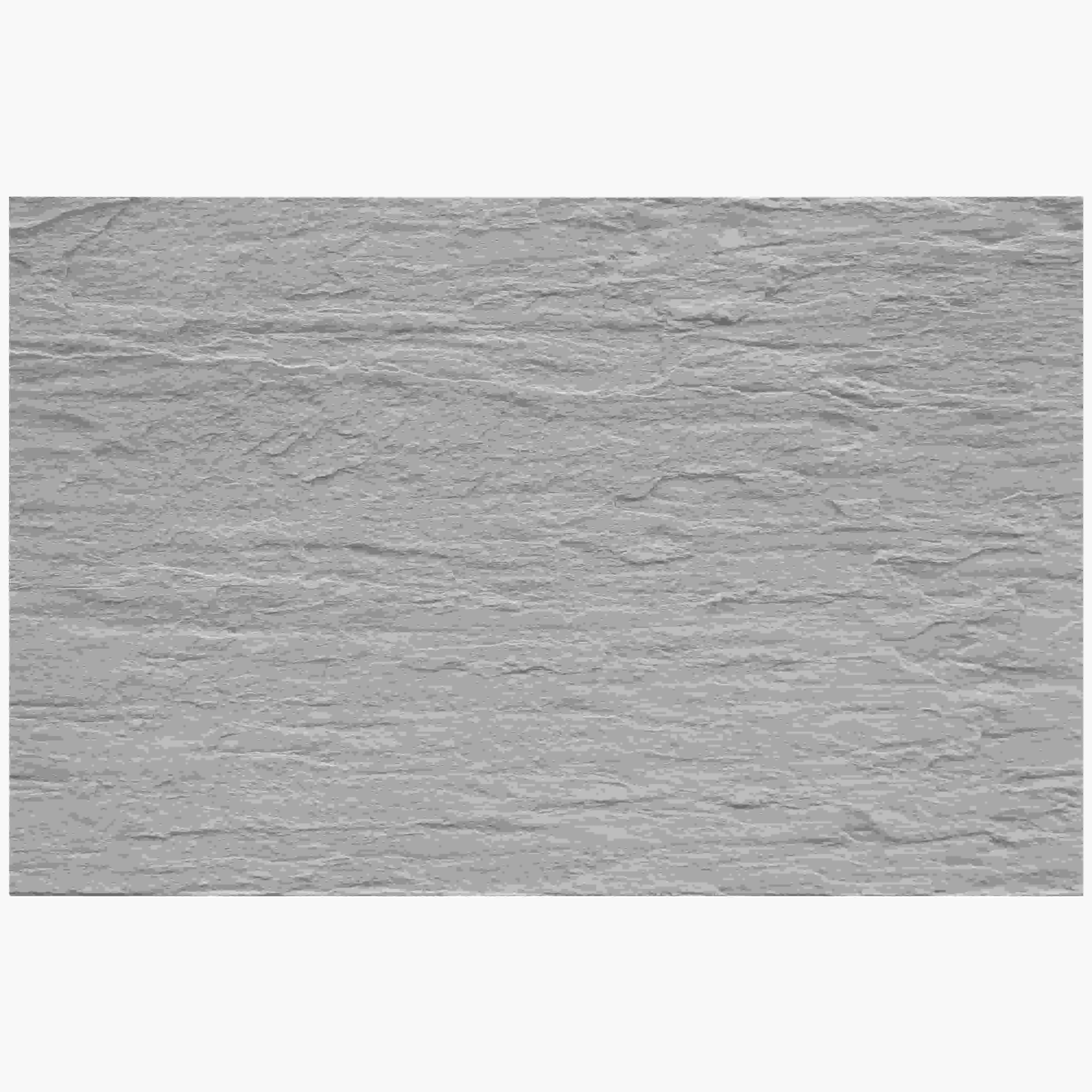
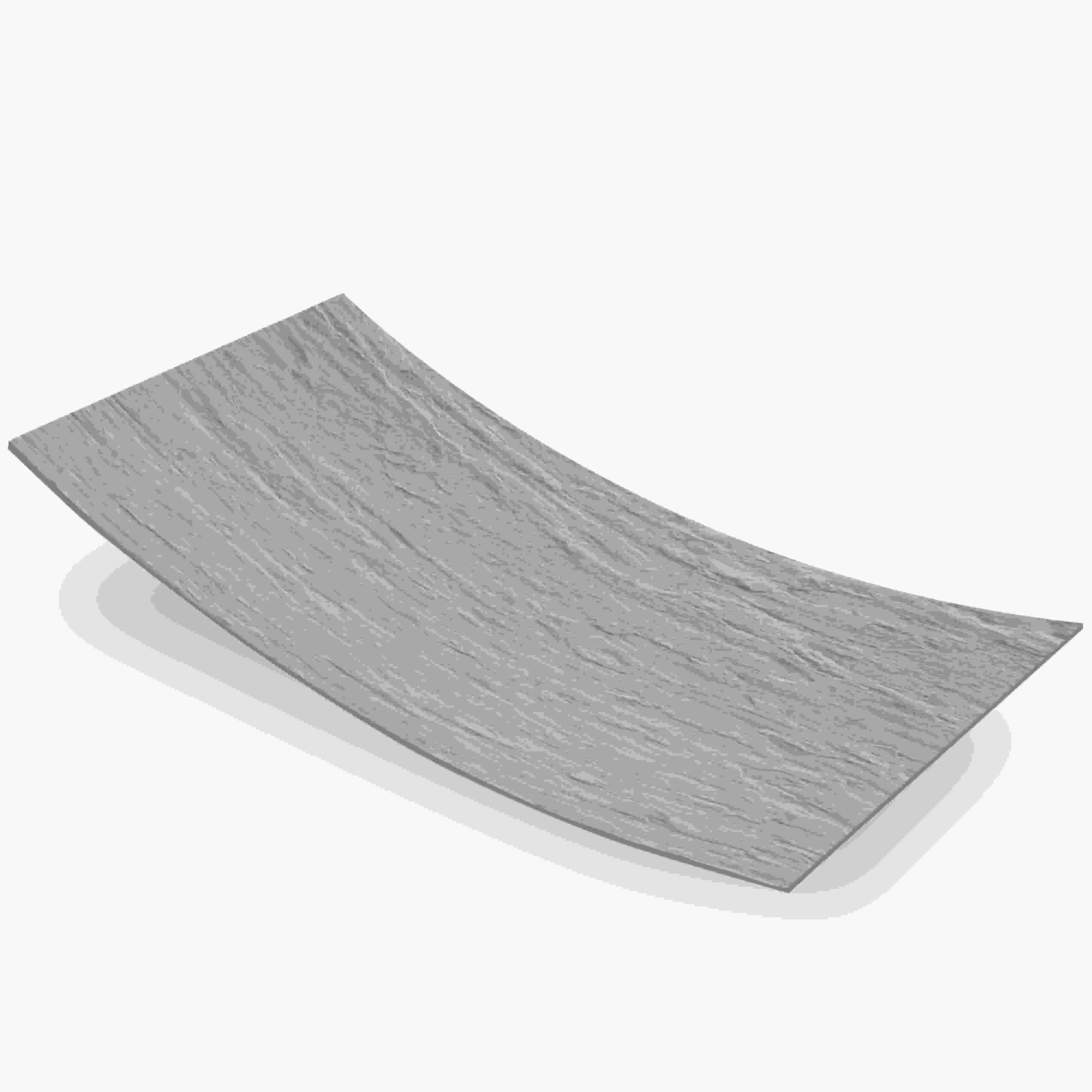
But what really sets it apart is its texture. Run your fingers over a slab, and you'll feel the subtle grooves and granularity, reminiscent of natural travertine but with a consistency that traditional quarried stone can't match. It's warm to the touch on a cool morning, and stays surprisingly cool under the midday sun—thanks to its natural thermal properties that help combat those urban heat islands we talked about earlier.
In short, Oasis Stone Regular is a material with a conscience. It's designed to serve both the planet and the people who inhabit its spaces, proving that sustainability doesn't have to mean sacrificing beauty.

When we talk about "green building materials," it's easy to get caught up in buzzwords. But Oasis Stone Regular's sustainability credentials are tangible, rooted in every stage of its lifecycle—from production to installation to long-term use. Let's break it down:
To put this in perspective, let's compare it to a common alternative: traditional gray concrete. The table below highlights how Oasis Stone Regular stacks up in key sustainability metrics:
| Metric | Traditional Gray Concrete | Oasis Stone Regular |
|---|---|---|
| Carbon Footprint (per m²) | 80–100 kg CO2 | 45–55 kg CO2 |
| Recycled Content | 5–10% | 25–30% |
| Lifespan (outdoor use) | 10–15 years | 20–25 years |
| Thermal Reflectivity | Low (absorbs heat) | High (reflects heat) |
| Permeability | Low (water runoff) | High (water infiltration) |
The numbers speak for themselves: Oasis Stone Regular isn't just "greener"—it's a smarter choice for cities that want to grow without outgrowing the planet.
Sustainability is crucial, but let's not forget the human element. A city isn't just a collection of buildings and roads—it's a place where people live, work, and connect. The materials we use shape how we feel in those spaces. Cold, smooth concrete can make a plaza feel sterile; rough, uneven stone might feel unwelcoming. Oasis Stone Regular strikes a balance, blending functionality with a tactile, organic quality that invites people to linger.
Take, for example, the Riverside Community Plaza in a mid-sized city in the American Southwest. A few years ago, it was a forgotten space—paved with cracked concrete, shaded by little more than a few scraggly trees, and rarely used. Then, the city decided to revitalize it using Oasis Stone Regular, paired with MCM flexible stone (another innovative material known for its versatility and natural texture) for the seating walls. Today, it's unrecognizable.
On a typical Saturday morning, you'll find kids laughing as they chase bubbles over the smooth, cool surface of the Oasis Stone tiles. Elders sit on the MCM flexible stone benches, their hands tracing the material's subtle (texture), chatting about the days when the plaza was just a "patch of concrete." Local artists set up easels, drawn to how the morning light plays on the stone's surface, turning it from warm beige to soft gold. It's not just a plaza anymore—it's a living room for the neighborhood.
This transformation isn't accidental. Oasis Stone Regular's natural travertine-like texture and warm color palette (think soft beiges and earthy grays) create a sense of calm, making even busy urban spaces feel grounded. When paired with other green building materials like fair-faced concrete—known for its raw, industrial beauty—it adds depth and contrast, proving that sustainability and design can go hand in hand.
Another example: the Greenview Elementary School in Portland, Oregon. The school's outdoor classroom was once a muddy field where classes were canceled after rain. Now, it's floored with Oasis Stone Regular, which stays dry and firm even in wet weather. Teachers report that students are more engaged during outdoor lessons—they'll sit cross-legged on the stone, run their fingers over its surface, and even ask questions about "where the stone came from" and "how it helps the earth." It's a small way to teach sustainability by example, turning the schoolyard into a living lesson.
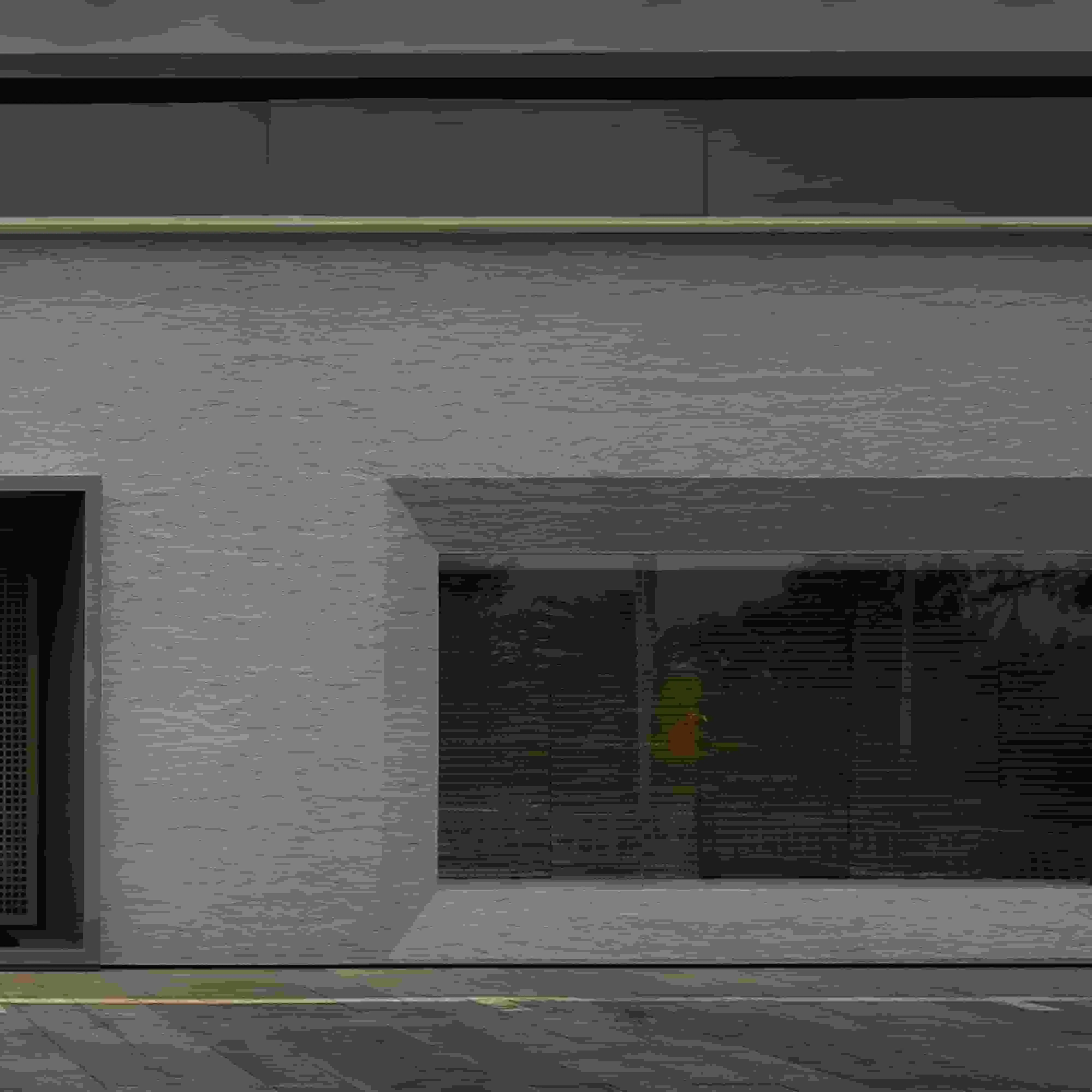
Oasis Stone Regular is a star player, but it doesn't work alone. The future of sustainable urban planning lies in combining materials that each bring unique strengths to the table. MCM flexible stone, for instance, is lightweight and highly customizable, making it perfect for vertical surfaces like accent walls or facades. Fair-faced concrete adds a modern, minimalist edge, while travertine—with its classic, timeless appeal—brings a touch of elegance. Together, they form a toolkit that architects and planners can use to create spaces that are not just sustainable, but memorable .
Consider the upcoming Riverfront Innovation District in Chicago, set to open in 2026. The district's centerpiece is a 5-acre public park designed around the idea of "urban wilderness." The paths will be paved with Oasis Stone Regular for durability and permeability, while the pavilion's exterior will feature MCM flexible stone panels in a striking geometric pattern, designed to mimic the flow of the nearby river. The pavilion's roof will be covered in solar panels, and its walls will be made of fair-faced concrete, left exposed to showcase its natural texture. Even the benches will be crafted from reclaimed wood and travertine, tying the space to the region's natural history.
When completed, the park won't just be a "green space"—it'll be a demonstration of what's possible when we prioritize both people and the planet. It'll cool the surrounding area, reduce stormwater runoff, and provide a haven for pollinators, all while giving residents a place to relax, play, and connect with nature. And at the heart of it all? Materials like Oasis Stone Regular, quietly doing their part to make the city more livable.
These materials also play a role in larger sustainability goals, like achieving LEED (Leadership in Energy and Environmental Design) certification for buildings and neighborhoods. LEED points are awarded for features like recycled content, energy efficiency, and water conservation—all areas where Oasis Stone Regular and its counterparts excel. For developers, this means not just building greener, but also creating spaces that are more attractive to tenants and buyers who care about the environment.
As cities grow, the choices we make about building materials will shape the world our children inherit. Will we continue down the path of "build fast, replace faster," leaving behind a legacy of waste and carbon emissions? Or will we embrace innovations like Oasis Stone Regular, materials that respect the planet while enhancing our daily lives?
The answer, thankfully, is already emerging. More and more cities are updating their building codes to prioritize green building materials, offering incentives for projects that use recycled content or reduce carbon footprints. Architects are pushing boundaries, using materials like MCM flexible stone and Oasis Stone Regular to create designs that were once thought impossible—curved facades, floating walkways, and public art installations that double as functional infrastructure.
But change starts with us, too. As residents, we can demand better from our cities—ask questions about the materials used in new parks or buildings, support local projects that prioritize sustainability, and celebrate spaces that make us feel connected to our communities and the earth. After all, cities are for people, and people thrive in spaces that feel alive, not just built.
Oasis Stone Regular is more than a material. It's a reminder that sustainability isn't about sacrifice—it's about reimagining what's possible. It's about building cities where the ground beneath our feet tells a story of care: for the planet, for our communities, and for the generations who will walk these streets long after we're gone.
Recommend Products












