
In the world of architecture and design, materials are more than just building blocks—they're storytellers. They shape how we experience spaces, evoke emotions, and leave lasting impressions. For years, designers and architects have sought that elusive balance between aesthetics, functionality, and sustainability. Enter Modified Composite Material (MCM), a revolutionary category that's redefining what's possible in construction. Among its star players, Boulder Slab (vintage gold) has emerged as a trendsetter, capturing the industry's attention with its unique blend of timeless elegance and modern resilience. Let's dive into why this material isn't just following trends—it's creating them.
First, let's ground ourselves in what makes MCM special. Short for Modified Composite Material, MCM is engineered to address the limitations of traditional building materials. It's lightweight yet durable, flexible yet strong, and—most importantly—designed to adapt to the evolving needs of modern design. Unlike heavy stone slabs or rigid concrete, MCM products like MCM flexible stone and the MCM 3D printing series offer unprecedented versatility, allowing for curves, custom shapes, and intricate textures that were once impossible or cost-prohibitive.
At the heart of MCM's appeal is its ability to mimic the look and feel of natural materials—think the warmth of travertine, the ruggedness of slate, or the sleekness of metal—without the associated drawbacks. This brings us to the Boulder Slab series, a line of MCM panels designed to evoke the grandeur of natural stone boulders. And within that series, vintage gold Boulder Slab stands out as a masterpiece of material engineering.
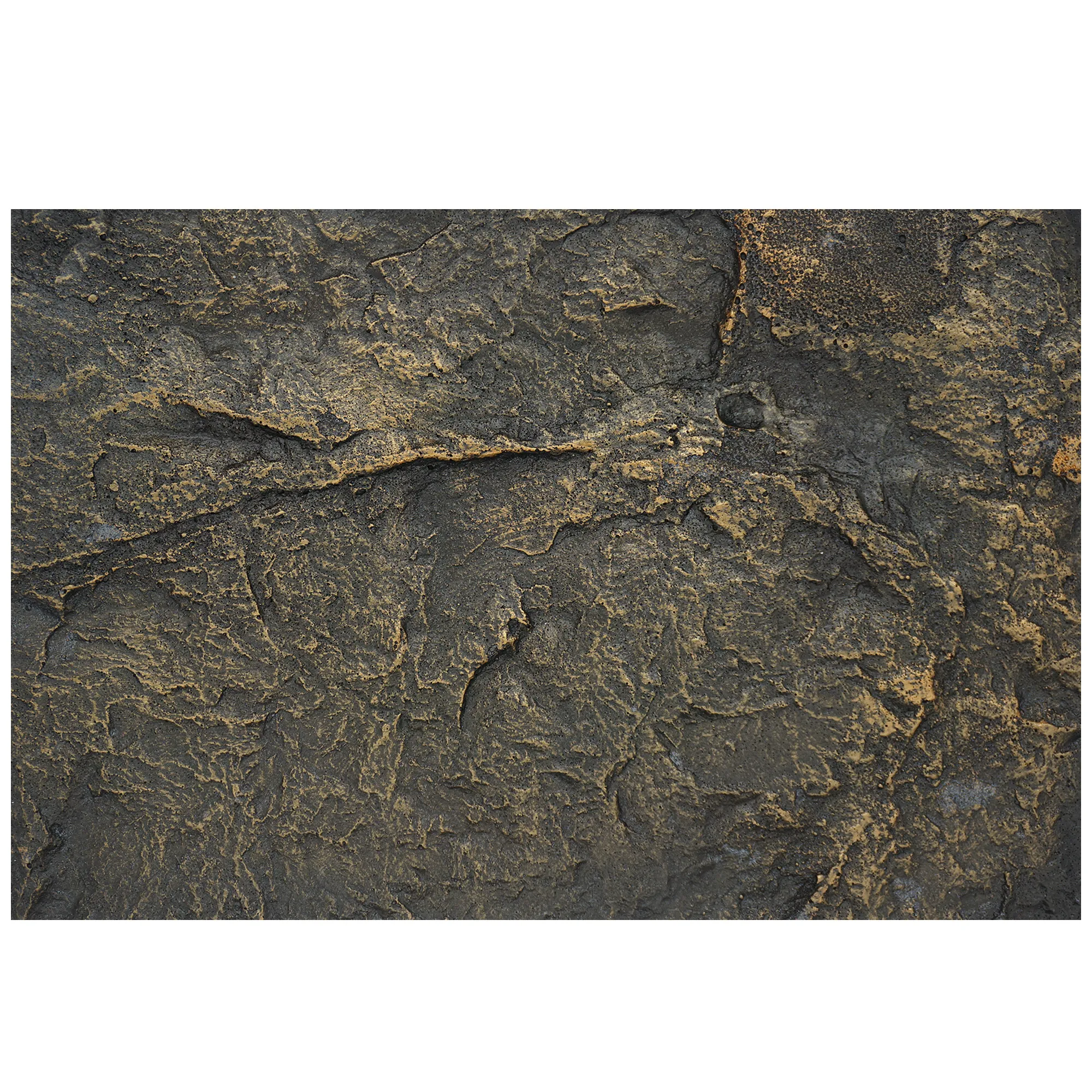
What exactly is it about vintage gold Boulder Slab that has designers and architects raving? Let's start with the obvious: its appearance. The "vintage gold" finish is a study in sophistication. It's not the brash, flashy gold of gaudy decor; instead, it's a muted, aged hue—think the patina of a well-loved brass fixture or the warm glow of an antique gold frame. Subtle variations in tone and texture across each panel mimic the organic irregularities of natural stone, giving walls, facades, and surfaces a depth that flat, uniform materials can never achieve.
This texture isn't just for show. Run your hand over a vintage gold Boulder Slab, and you'll feel a gentle roughness, like the surface of weathered stone softened by time. It's tactile and inviting, turning static walls into sensory experiences. In spaces where human connection matters—a boutique hotel lobby, a cozy restaurant, or a home's accent wall—this texture creates an immediate sense of warmth, making guests and residents feel welcome.
One of the biggest challenges in design is finding materials that can adapt to diverse aesthetic visions. Vintage gold Boulder Slab doesn't just adapt—it elevates. Whether you're designing a cutting-edge modern office or a charming rustic cabin, this material finds its place effortlessly.
For modern spaces, pair it with fair-faced concrete for a striking contrast: the cool, industrial vibe of concrete balances the warm, metallic sheen of vintage gold, creating a look that's both edgy and refined. In a recent project in downtown Chicago, an architect used vintage gold Boulder Slab for a building's facade, alternating panels with fair-faced concrete to mimic the rhythm of city life—solid, strong, yet full of character.
For more traditional or rustic settings, vintage gold Boulder Slab plays well with earthy tones. Imagine a mountain retreat where the exterior walls feature this material alongside travertine (starry green) —the gold's warmth complementing the stone's cool, mossy hues, creating a palette that feels rooted in nature. Or, for a touch of luxury, combine it with lunar peak golden , another MCM standout, to create a cohesive, high-end look in lobbies or luxury retail spaces.
A pretty face only gets you so far in construction. What truly sets vintage gold Boulder Slab apart is its performance. Let's compare it to two popular alternatives: fair-faced concrete and travertine (starry green) —both excellent materials, but with distinct limitations.
| Material | Aesthetic Vibe | Weight (kg/m²) | Installation Ease | Weather Resistance | Maintenance Needs |
|---|---|---|---|---|---|
| Boulder Slab (vintage gold) | Warm, aged metallic; organic texture | 4-6 | Lightweight, can be installed with basic tools | Resistant to UV, rain, and temperature swings | Minimal—occasional wipe with mild soap |
| Fair-Faced Concrete | Raw, industrial; uniform gray | 20-25 | Heavy, requires structural support | Prone to cracking in freeze-thaw cycles | Sealing every 2-3 years to prevent staining |
| Travertine (starry green) | Earthy, natural; porous with fossil-like patterns | 18-22 | Brittle, requires careful handling | Porosity leads to staining; needs regular sealing | Sealing every 1-2 years; sensitive to acidic cleaners |
The numbers speak for themselves. At just 4-6 kg per square meter, vintage gold Boulder Slab is a fraction of the weight of concrete or natural stone, reducing structural load and cutting installation time by up to 50%. This not only saves on labor costs but also opens up possibilities for retrofits and renovations where heavy materials would be impractical.
Weather resistance is another win. Unlike travertine, which absorbs water and stains easily, or concrete, which can crack under extreme temperatures, Boulder Slab's composite core and protective finish make it impervious to rain, snow, UV rays, and even salt spray—ideal for coastal or urban environments. And when it comes to maintenance? Forget about annual sealing or specialized cleaners. A quick wipe with mild soap and water is all it takes to keep that vintage gold shine intact for decades.
In an era where sustainability is no longer optional, MCM materials like Boulder Slab (vintage gold) are leading the charge. Traditional construction materials often come with heavy environmental footprints: quarrying stone disrupts ecosystems, concrete production emits CO2, and transportation of heavy materials guzzles fuel. MCM, by contrast, is engineered with sustainability in mind.
Boulder Slab is made using a high percentage of recycled materials, including post-consumer plastics and industrial byproducts. Its lightweight nature also reduces transportation emissions—trucks can carry more panels per trip, cutting down on fuel use. And because it's so durable, buildings clad in Boulder Slab require fewer repairs and replacements over time, reducing waste.
Perhaps most importantly, MCM production is energy-efficient. Unlike firing bricks or curing concrete, which demand high temperatures and long processing times, MCM panels are manufactured using low-energy processes, further lowering their carbon footprint. For architects and developers aiming for LEED, BREEAM, or WELL certifications, vintage gold Boulder Slab isn't just a design choice—it's a sustainability statement.
Talk is cheap; let's look at how vintage gold Boulder Slab is transforming real spaces. Take the "Golden Hour Hotel" in Barcelona, a boutique property that wanted to capture the warm glow of the city's famous sunset. The design team clad the hotel's facade in vintage gold Boulder Slab, pairing it with MCM flexible stone in soft beige to create a gradient effect. The result? A building that shifts color with the light—pale gold at midday, rich amber at dusk—becoming a landmark in the neighborhood.
Closer to home, a tech company in Seattle wanted a lobby that felt both innovative and welcoming. They chose vintage gold Boulder Slab for a feature wall behind the reception desk, contrasting it with fair-faced concrete floors and lunar peak golden accents. Employees and visitors alike comment on how the space feels "warm yet professional"—a rare balance achieved, in large part, by the material's ability to soften the industrial edge of concrete with its organic texture.
Even residential projects are embracing the trend. A homeowner in Colorado, wanting to blend their mountain home with the surrounding landscape, used vintage gold Boulder Slab for an outdoor patio wall. The material's weather resistance means it stands up to harsh winters, while its warm tone complements the aspen trees and golden aspens of the fall. "It's like bringing a piece of the mountainside into our backyard," the homeowner said.
Trends come and go, but enduring materials have one thing in common: they solve problems while inspiring creativity. Boulder Slab (vintage gold) does both. It solves the problem of heavy, high-maintenance materials by offering a lightweight, durable alternative. It inspires creativity by giving designers a blank canvas to craft spaces that feel both luxurious and lived-in.
In a world where "authenticity" is often chased but rarely achieved, vintage gold Boulder Slab delivers. Its texture tells a story of age and character, even as its composite core ensures it will outlast the trends. It's a material that respects the past while embracing the future—a rare combination that's hard to resist.
So, is Boulder Slab (vintage gold) just a passing fad? We'd argue it's much more. As the construction industry continues to prioritize sustainability, flexibility, and design innovation, MCM materials like this will only grow in importance. Vintage gold Boulder Slab isn't just a material—it's a statement that beauty and functionality can coexist, and that the best trends are the ones that make our built environment more human, more resilient, and more inspiring.
Whether you're designing a skyscraper or a home office, consider this: the materials you choose shape the way people experience your space. With Boulder Slab (vintage gold), you're not just building—you're creating moments, memories, and a legacy that will stand the test of time. And in a world that moves fast, that's a trend worth following.
Recommend Products












