
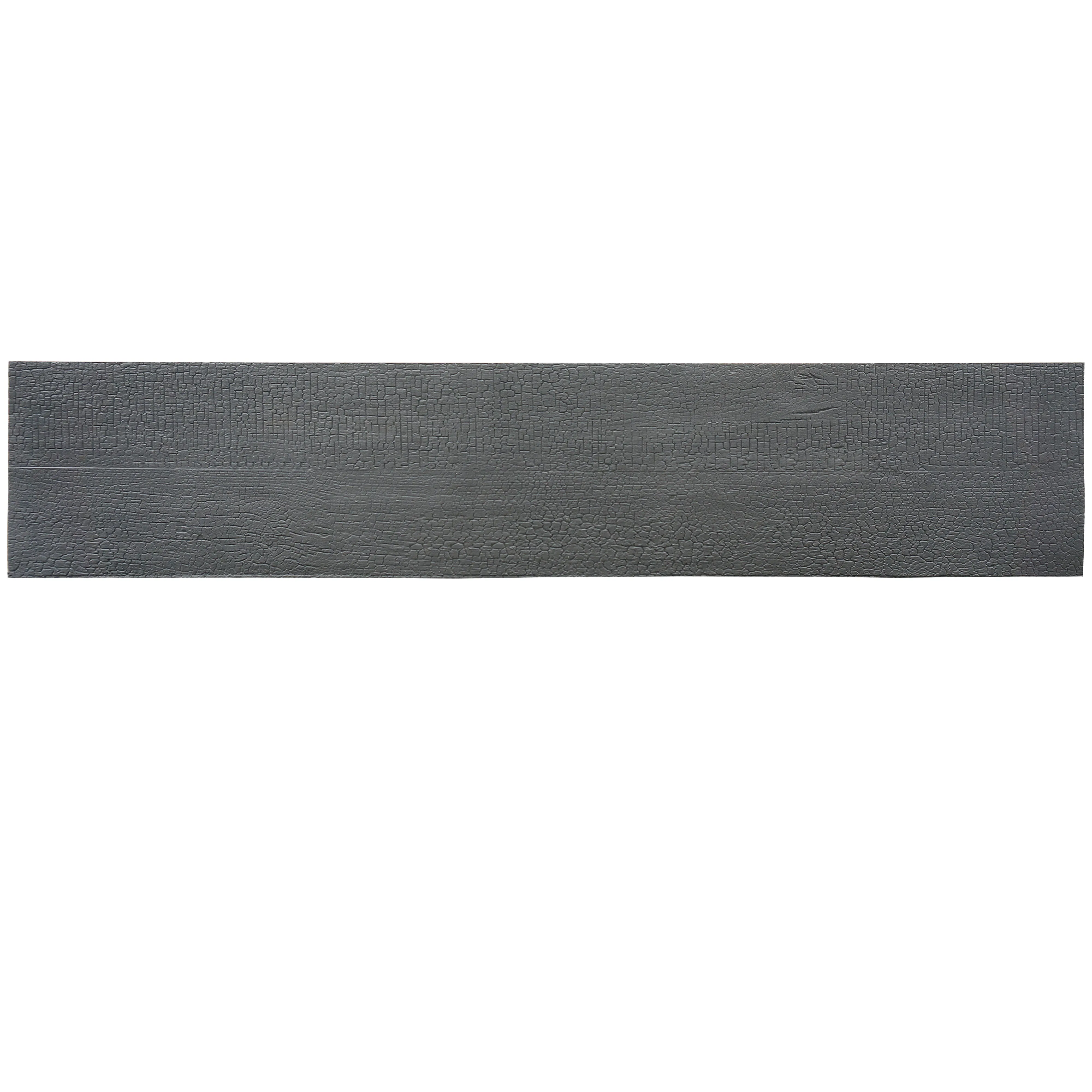
Picture this: You're standing in front of a home with siding that looks like it was carved from ebony, its surface rich with texture and depth. The homeowner mentions it was installed 25 years ago, and apart from a few minor scratches, it looks almost as good as the day it was put up. "It's charcoal burnt wood," they say. "Best decision we ever made for durability." If you've ever wondered what makes some building materials stand the test of time while others fade, warp, or rot within a decade, you're not alone. Today, we're diving deep into one such material: charcoal burnt wood board. We'll explore how long it really lasts, what affects its lifespan, and why it's gaining traction among architects, homeowners, and sustainability enthusiasts alike.
First things first: Let's demystify the name. Charcoal burnt wood board—sometimes called "charred wood" or by its Japanese name, shou sugi ban —isn't just wood that's been set on fire and left to burn. It's a centuries-old technique refined by craftsmen, where wood is intentionally charred to transform its surface. Think of it as giving wood a protective armor, but one that also enhances its natural beauty.
The process typically starts with selecting high-quality wood—often cedar, cypress, or oak, though other hardwoods work too. The wood is burned using controlled flames, which chars the outer layer. After burning, the surface is brushed to remove loose ash, leaving behind a layer of carbon that's both porous and resilient. Finally, it's often sealed with natural oils or waxes to lock in that protection. The result? A material that's darker, more textured, and surprisingly tough.
But why burn wood to make it last longer? It's counterintuitive at first—fire usually destroys, right? But charring does something magical: it creates a barrier. The carbon layer resists moisture, repels pests, and even slows down fire (yes, you read that right—charred wood is more fire-resistant than untreated wood). It's a bit like how a well-done steak's crust seals in juices; the charred layer seals the wood from the elements.
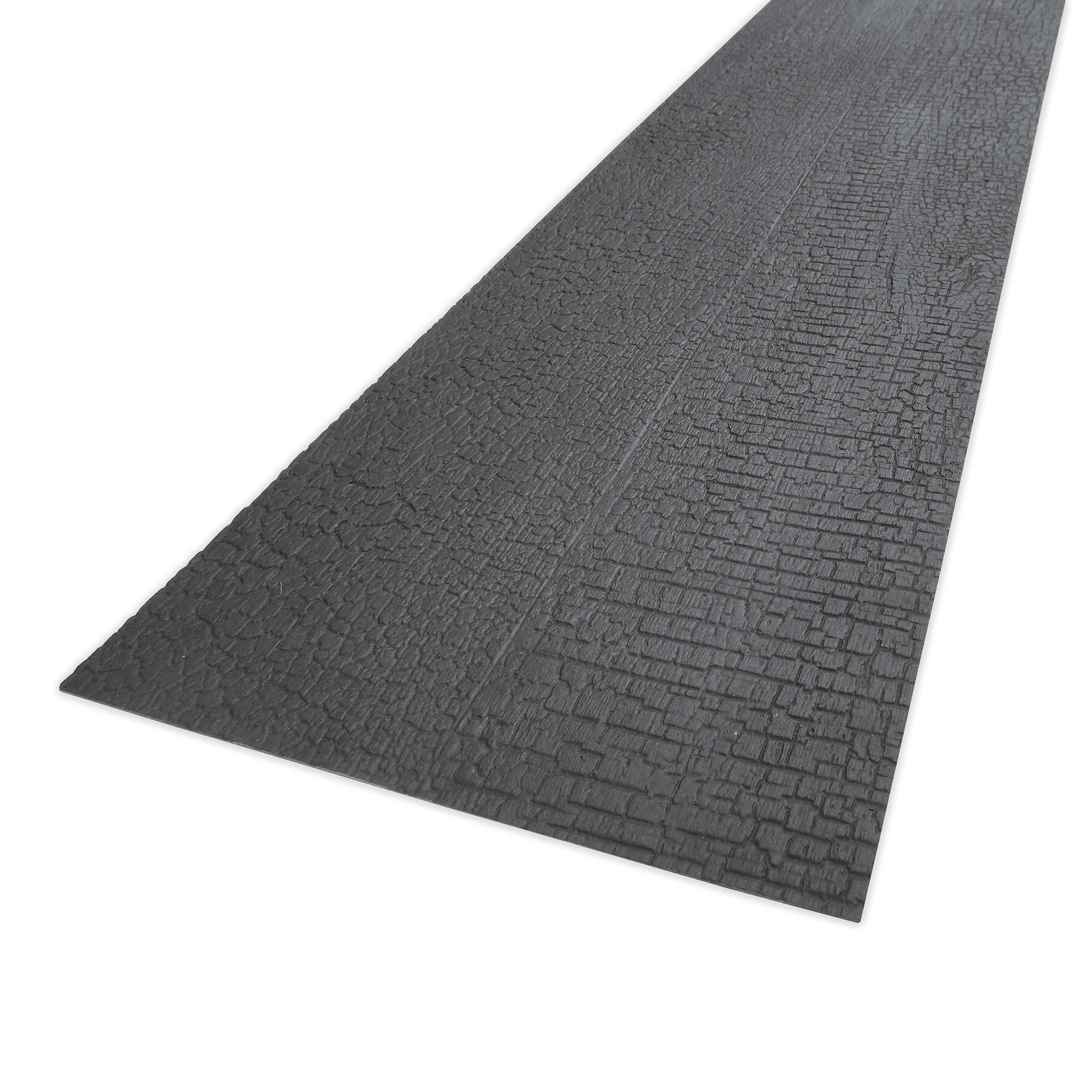
Not all charcoal burnt wood boards are created equal. The lifespan of your charred wood depends heavily on how it's made. Let's break down the key steps that influence its longevity:
Hardwoods vs. softwoods? It's not just about density—it's about natural oils and resistance. Cedar, for example, has natural oils that repel insects and rot, making it a top choice for outdoor use. Oak, with its tight grain, chars evenly and holds up well to weather. Softwoods like pine can work, but they're more prone to warping if not properly treated. A 2018 study by the Journal of Wood Science found that charred cedar siding lasted 30+ years in humid climates, while charred pine averaged 15–20 years under the same conditions. The takeaway? Start with a strong base, and you're already ahead.
Imagine painting a wall: a thin coat might scratch off, but a thick coat could crack. Charring depth is similar. A shallow burn (1–2mm) might look nice initially, but it can wear away over time, exposing the unprotected wood underneath. A deep burn (5mm+) creates a thicker carbon layer, but it can make the wood brittle if overdone. Most craftsmen aim for 2–3mm—a sweet spot that balances protection and flexibility. "We measure the burn depth with calipers," says Takashi Mori, a Japanese shou sugi ban master with 40 years of experience. "Too shallow, and it's like a Band-Aid; too deep, and the wood loses its strength."
After burning, brushing removes loose char, which is crucial. If left, that loose layer can flake off, leaving gaps in the protective barrier. Sealing, while optional, adds another layer of defense. Natural oils (like linseed or tung oil) or beeswax help repel water without trapping moisture (unlike some synthetic sealants, which can cause wood to rot from the inside). Many manufacturers skip sealing for a more "natural" look, but in rainy or humid areas, sealing can extend lifespan by 5–10 years. It's a trade-off: less maintenance vs. extra protection.
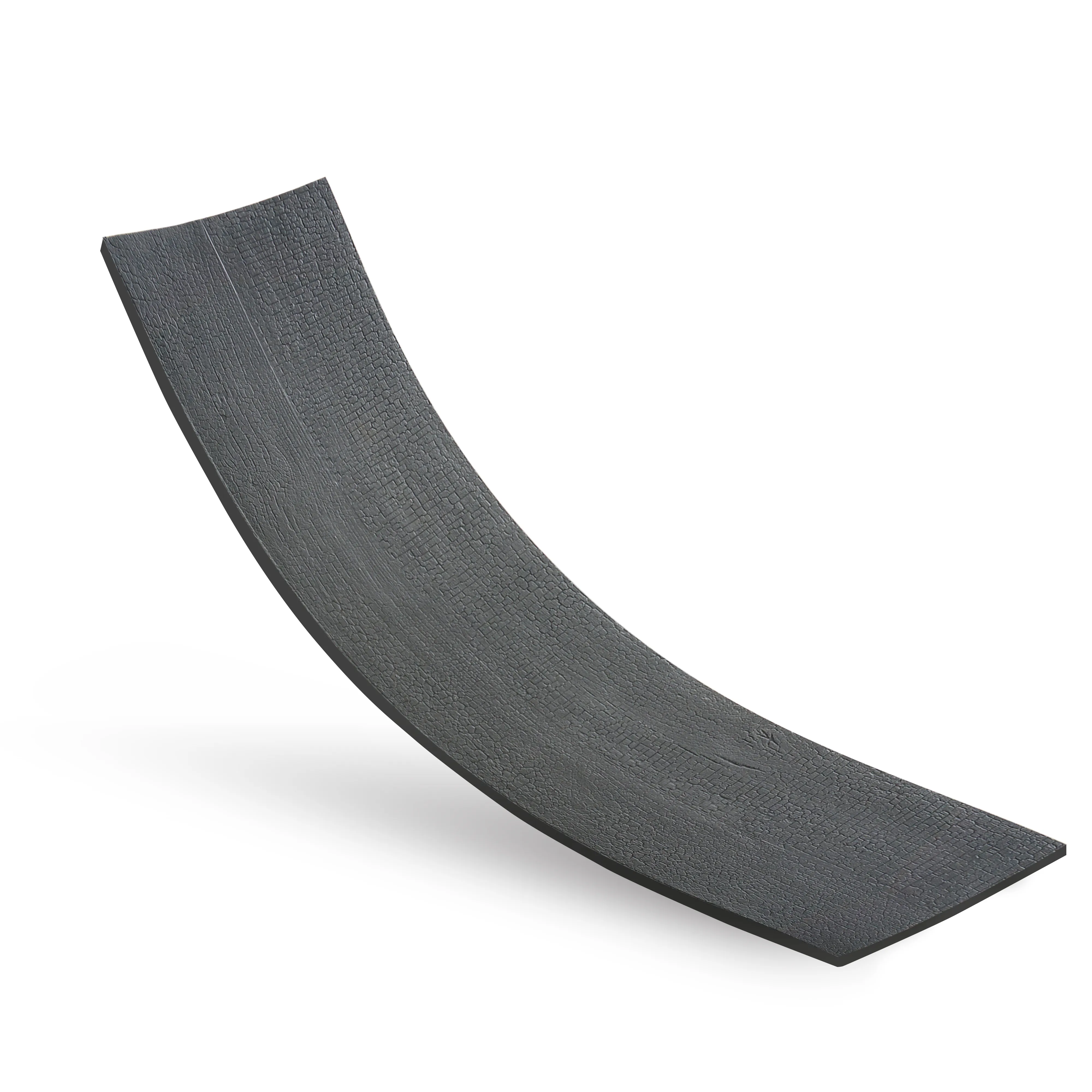
So, the million-dollar question: How many years can you expect from charcoal burnt wood board? The short answer: 20–80 years , depending on the conditions. Let's unpack that range with real-world examples.
Outdoor applications face the harshest test: rain, snow, UV rays, and temperature swings. In moderate climates (think the Pacific Northwest, with mild temperatures and steady rain), charred cedar siding has been known to last 40–50 years with minimal maintenance. Take the case of a home in Portland, Oregon, built in 1998 with shou sugi ban cedar siding. When we checked in 2023, the siding had faded slightly to a deeper gray (a natural patina) but showed no signs of rot, warping, or pest damage. The homeowner reported pressure-washing it once every 5 years and reapplying linseed oil every 10—simple upkeep for decades of performance.
In harsher climates—like the humid Southeast or freezing Northeast—lifespan might dip to 20–30 years, but that's still impressive compared to untreated wood (which often needs replacement after 10–15 years). A deck in upstate New York, built with charred oak in 2005, survived harsh winters and humid summers. By 2023, the boards had some surface checking (small cracks) but were structurally sound. The owner noted, "I was worried about snow weight, but the charred layer kept moisture out—no rotting, even where the deck meets the ground."
Indoors, where there's less moisture and UV exposure, charcoal burnt wood board can last even longer. A restaurant in Tokyo, featuring charred cypress wall panels installed in 1970, still uses those same panels today. They've darkened slightly over time, but the texture and integrity remain intact. "We clean them with a dry cloth once a week," the manager told us. "No polish, no treatments—they just keep looking better with age." Floors, too, hold up: a home in Vermont with charred maple floors (installed 2001) shows minimal wear, even in high-traffic areas like the kitchen. The key? Maple's density, combined with the charred layer, resists scratches and stains.
| Application | Wood Species | Climate | Typical Lifespan | Key Maintenance |
|---|---|---|---|---|
| Outdoor Siding | Cedar | Mild (Pacific Northwest) | 40–50 years | Wash every 5 years, seal every 10 |
| Outdoor Deck | Oak | Harsh (Upstate NY) | 20–30 years | Check for cracks annually, re-seal if water soaks in |
| Indoor Wall Panels | Cypress | Controlled (Tokyo Restaurant) | 50+ years | Dust regularly, avoid harsh cleaners |
| Indoor Floors | Maple | Moderate (Vermont Home) | 30–40 years | Sweep/vacuum, damp mop with mild soap |
Even the toughest materials have weaknesses. Let's talk about what can shorten your charcoal burnt wood board's life—and how to protect against it.
Charred wood is moisture-resistant, not moisture-proof. If water seeps into cracks or seams (say, from a leaky gutter above), it can still cause rot over time. The fix? Ensure proper installation with gaps for drainage, and keep gutters clean. In areas with heavy rain, adding a vapor barrier behind outdoor charred wood can help. "I always tell clients: the best defense is a dry environment," says Sarah Lopez, a sustainable architect in Seattle. "A little prevention goes a long way."
Sunlight will fade charred wood over time—turning deep black to a silvery-gray. But here's the good news: fading is cosmetic, not structural. The carbon layer remains intact, so the wood still resists rot and pests. If you hate the patina, sealing with a UV-resistant oil can slow fading, but many homeowners embrace the change as part of the material's character. "It's like gray hair," one homeowner joked. "It just adds personality."
Termites and carpenter ants hate charred wood. The carbon layer is toxic to them, and the charring process removes the wood's natural sugars (their food source). In 10+ years of inspections, pest control expert Mike Chen says he's never found termites in charred wood. "I've seen them eat through pressure-treated wood, but charred? They won't touch it. It's like putting up a 'No Trespassing' sign for bugs."
To really understand charcoal burnt wood's longevity, let's compare it to some popular alternatives—including a few you might have heard of, like wood grain board , fair-faced concrete , and rammed earth board .
Wood grain board (often engineered wood with a printed or veneered wood pattern) is cheaper and easier to install, but it's no match for charred wood in longevity. Most wood grain boards last 10–15 years outdoors before the veneer peels or the core rots. Indoors, they might hit 20 years, but they're prone to scratches and water damage. "Wood grain board is great for a budget-friendly, quick fix," says Lopez, "but if you want something that outlives your mortgage, charred wood is worth the investment."
Fair-faced concrete —that raw, industrial look—is undeniably durable (50+ years outdoors). But it's heavy, requires professional installation, and can crack if not reinforced. Charred wood, by contrast, is lightweight, easy to cut, and warmer in aesthetic. "Concrete will outlast charred wood, but it's a trade-off," says architect James Wei. "Charred wood gives you durability with soul. Concrete feels… cold, even if it lasts longer."
Rammed earth board (compressed earth with binders) is another sustainable option, prized for thermal mass and natural beauty. It lasts 30–40 years outdoors but is porous—so it needs regular sealing to prevent water damage. Charred wood, with its lower maintenance and pest resistance, edges it out for hassle-free longevity. "Rammed earth is amazing for eco-friendly homes," notes Lopez, "but in rainy climates, I'd pick charred wood every time. Less upkeep, same sustainability."
Flexible stone (thin, lightweight stone panels) is popular for modern exteriors. It's durable (25–30 years) and comes in bold colors, but it's brittle—prone to cracking if hit by hail or debris. Charred wood, while softer, is more flexible and forgiving. "I've seen flexible stone panels crack in a storm," Wei says, "but charred wood? It bends a little, but it doesn't break."
The best part about charcoal burnt wood? It's low-maintenance. Here's what you need to do (and what you can skip):
"I tell my clients: treat it like a cast-iron skillet," says Lopez. "A little care, and it'll last generations."
Charcoal burnt wood isn't just durable—it's eco-friendly. By extending wood's lifespan, it reduces the need to harvest new trees. Unlike pressure-treated wood (which uses toxic chemicals), charring relies on fire and natural oils, making it safe for people and pets. Plus, the process is energy-efficient: traditional shou sugi ban uses only fire, no electricity. "In a world where we're all trying to build greener, charred wood is a no-brainer," says environmental scientist Dr. Maya Patel. "It's a traditional technique with modern benefits."
Charcoal burnt wood board isn't cheap—expect to pay 20–30% more than untreated wood upfront. But when you factor in its 20–80 year lifespan (vs. 10–15 for untreated wood), it's actually cheaper in the long run. Add in minimal maintenance, pest resistance, and that unbeatable aesthetic, and it's clear why it's becoming a favorite for anyone who wants their home to age gracefully.
So, will charcoal burnt wood board last as long as your house? Maybe not—but it'll come close. And along the way, it'll tell a story: of craftsmanship, of sustainability, and of a material that turns fire into longevity. In a world of quick fixes, that's a rare and beautiful thing.
Recommend Products












