

When you walk into a building—whether it's a sleek modern office, a cozy home, or a historic landmark—what catches your eye first? For many, it's the exterior cladding or interior wall panels. The texture, the color, the way light plays off the surface—these elements shape how we feel about a space. But here's the thing: beauty that fades is just a fleeting moment. What truly matters is beauty that endures. That's where materials like Starry Red Travertine MCM come into play. You might have heard of MCM (Modified Composite Material) flexible stone, but what makes it stand out? And more importantly, how long can you expect that stunning Starry Red finish to last before it starts showing signs of wear?
Let's start by demystifying the basics. MCM flexible stone isn't your average building material. It's a blend of natural minerals, high-performance polymers, and advanced manufacturing techniques that result in a product that's lightweight, flexible, and surprisingly tough. Think of it as nature's best traits—like the unique veining of travertine—paired with human ingenuity to solve common problems: heavyweight stone that cracks under stress, or fragile materials that can't handle the elements. Starry Red Travertine MCM, in particular, is a showstopper. Its deep red base, dotted with subtle flecks that mimic a starry night sky, adds warmth and drama to any surface. But beauty aside, the question on every architect, builder, and homeowner's mind is: How long will this last?
In this article, we're diving deep into the lifespan of Starry Red Travertine MCM. We'll explore what makes it durable, the factors that can shorten or extend its life, how it stacks up against other popular materials like Lunar Peak Black or Fair-Faced Concrete, and even share tips to keep it looking fresh for decades. Whether you're planning a new project or considering a renovation, understanding the longevity of your chosen material isn't just about saving money—it's about investing in a space that grows with you, telling a story that doesn't fade.
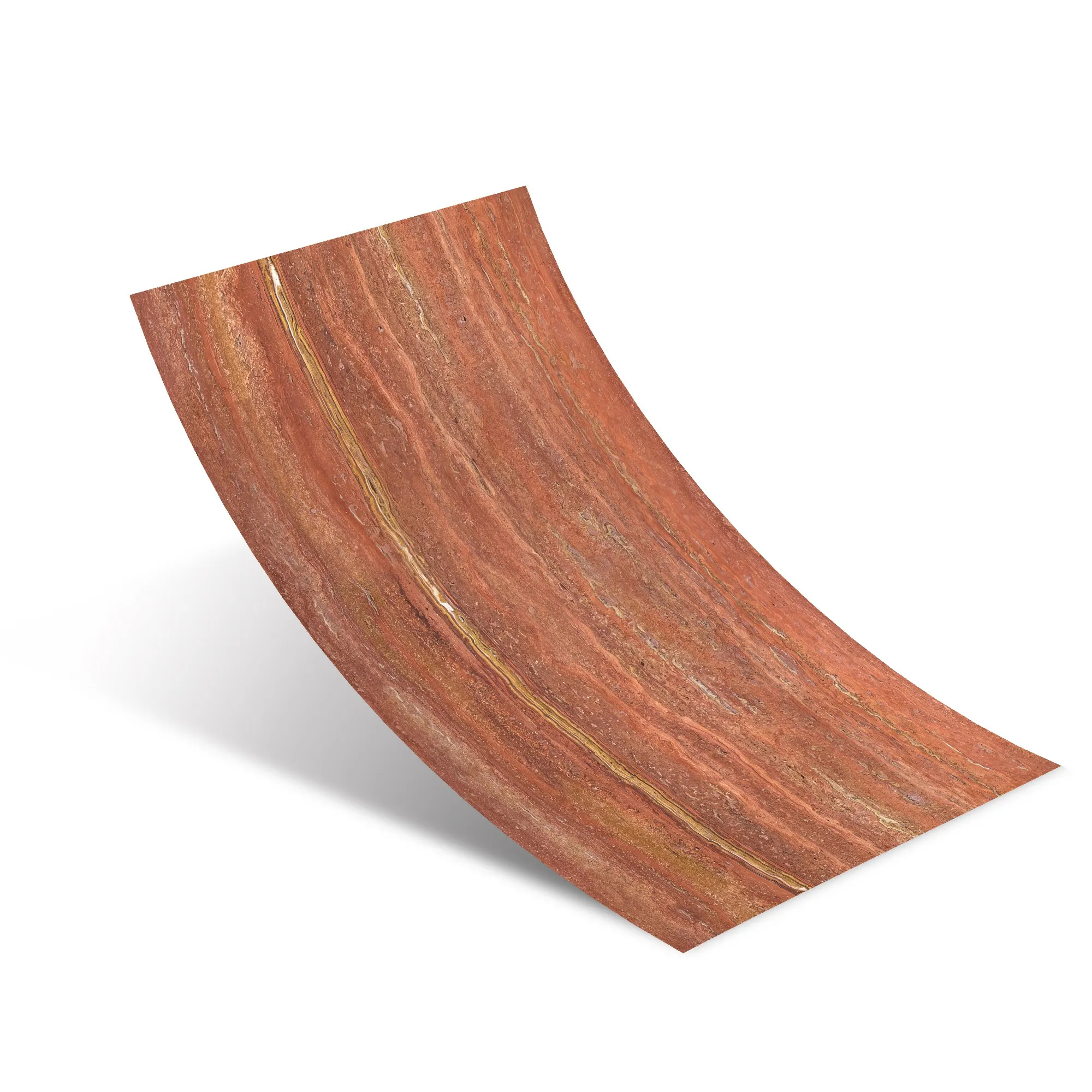
To understand why Starry Red Travertine MCM lasts as long as it does, we need to talk about what it's made of. Traditional natural stone, like marble or granite, is heavy and rigid. While beautiful, it's prone to cracking if the building shifts, and its weight can put stress on structures over time. MCM flexible stone flips that script. The core of MCM is a composite material that combines crushed natural stone (in this case, travertine) with a polymer matrix. This blend creates a panel that's thin (usually 3-5mm thick), lightweight (about 3-5 kg per square meter), and flexible enough to bend without breaking. That flexibility is a game-changer—it means the material can expand and contract with temperature changes, reducing the risk of cracks that let in moisture and speed up deterioration.
Starry Red Travertine MCM takes this a step further. The "starry" effect isn't just a surface treatment; those flecks are integrated into the material during manufacturing. Unlike paint or a topical coating that can chip or fade, the color and pattern run through the entire panel. That means even if the surface gets scratched (which, let's be real, happens in busy spaces), the damage is far less noticeable. The red hue itself is derived from natural iron oxides, which are known for their stability—they don't fade easily under UV light, unlike some synthetic dyes that can turn dull or yellow over time.
Manufacturers don't just claim MCM is durable—they put it through rigorous testing to prove it. Let's break down the key stressors that affect building materials and how Starry Red Travertine MCM holds up:
UV Resistance: Sunlight is one of the biggest enemies of exterior cladding. Over time, UV rays can break down pigments and weaken materials. Starry Red Travertine MCM undergoes accelerated weathering tests, where panels are exposed to intense UV light for thousands of hours—simulating decades of sun exposure. The result? Minimal color change, even after 20+ years of real-world sun exposure. Compare that to some natural stones, which can fade or darken unevenly when left in direct sunlight.
Moisture and Frost Resistance: Water is another culprit. If water seeps into a material and freezes, it expands, causing cracks (a process called freeze-thaw damage). MCM panels have a low water absorption rate—less than 1%, compared to natural travertine, which can absorb up to 3-5% water. That means even in rainy climates or areas with frost, Starry Red Travertine MCM is less likely to develop water-related damage. Plus, its flexibility helps it withstand the pressure of freezing water without splitting.
Impact Resistance: Whether it's a stray baseball, a hailstorm, or a heavy tool dropped during construction, impacts happen. MCM flexible stone's polymer matrix acts like a shock absorber. Tests show that panels can withstand impacts from small objects without chipping or cracking, unlike brittle natural stone that might shatter on impact.
Chemical Resistance: From acid rain to cleaning products, chemicals can eat away at building materials. Starry Red Travertine MCM is resistant to most common acids, alkalis, and solvents. That means you don't have to panic if a little vinegar spills on an interior panel or if acid rain hits your exterior walls—it's not going to etch or discolor easily.
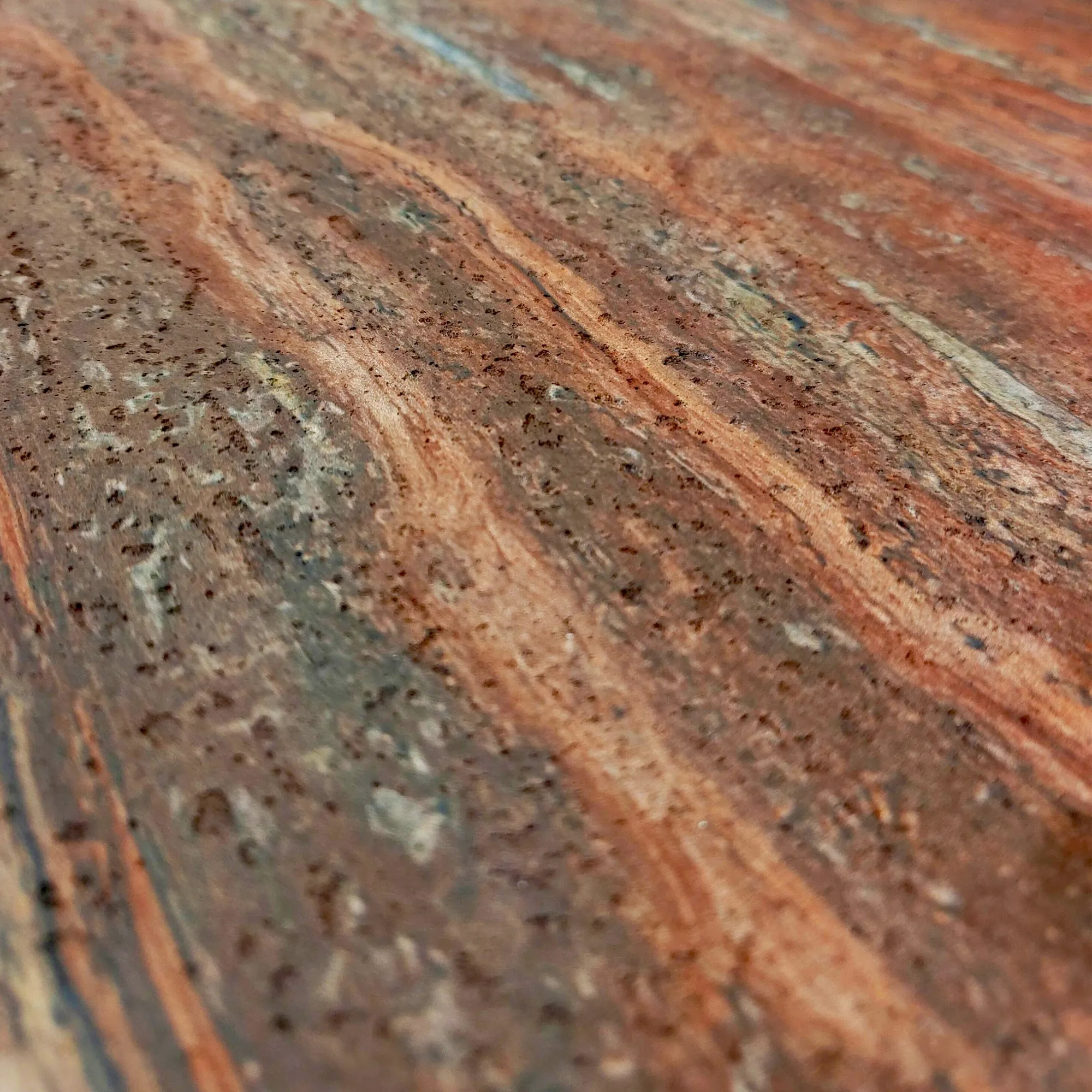
Okay, so we know it's tough—but how long exactly? The answer depends on a few factors: installation quality, maintenance, and environmental conditions. But let's start with the baseline: under ideal conditions, how long does Starry Red Travertine MCM last?
Most manufacturers warranty their MCM panels for 15-20 years against defects like delamination, excessive fading, or cracking. But in real-world scenarios, with proper care, these panels can easily last 30-50 years. Some projects using early MCM technology (from the 1990s and early 2000s) are still going strong today, with panels that look almost as good as the day they were installed. That's decades of beauty without major replacement costs. Compare that to traditional painted surfaces, which might need repainting every 5-10 years, or even vinyl siding, which can start to warp or fade after 15-20 years.
Of course, "ideal conditions" are just that—ideal. In the real world, your Starry Red Travertine MCM will face challenges. Let's talk about the biggest environmental factors that can affect its lifespan:
Extreme Heat or Cold: If you live in an area with scorching summers and freezing winters, temperature fluctuations can test any material. MCM's flexibility helps here—it expands in heat and contracts in cold without cracking. However, prolonged exposure to extreme heat (like in desert climates) can cause some materials to degrade faster. Starry Red Travertine MCM, with its UV-resistant pigments, holds up better than most, but in places like the Gobi Desert (yes, we're thinking of Gobi Panel here), you might want to check with manufacturers about specific heat resistance ratings.
High Humidity or Coastal Areas: Saltwater and high humidity can corrode metal fasteners, but MCM panels themselves are resistant to saltwater damage. The key here is proper installation—using stainless steel or corrosion-resistant fasteners to prevent the panels from loosening over time. In coastal regions, Starry Red Travertine MCM can last just as long as in inland areas, provided the installation is done right.
Pollution: In busy cities with high air pollution, materials can accumulate grime and be exposed to more acid rain. While Starry Red Travertine MCM is chemical-resistant, regular cleaning (we'll get to that later) is still important to prevent buildup that can hide its beauty, even if it doesn't damage the material itself.
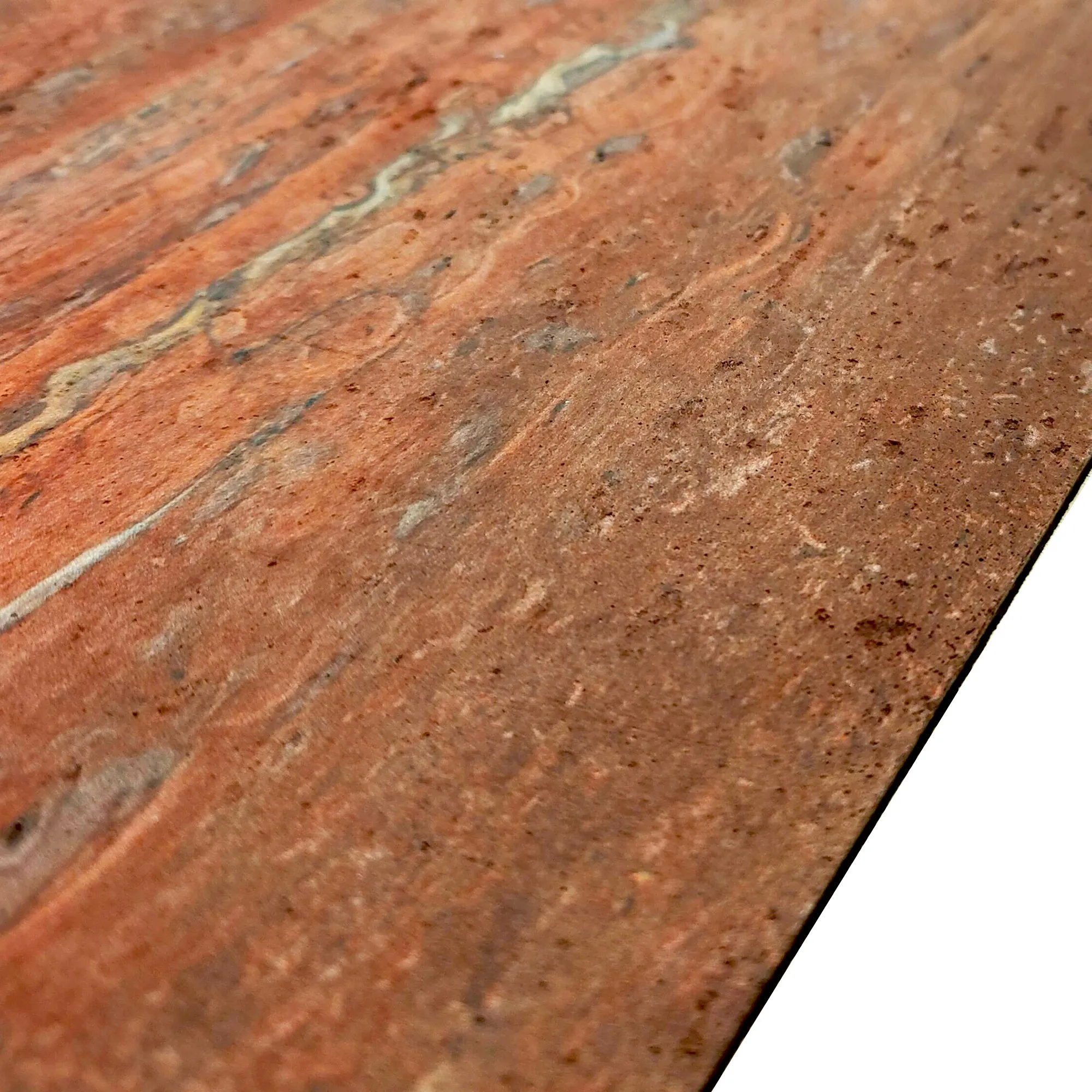
You might be thinking, "Okay, Starry Red Travertine MCM sounds great, but how does it compare to other popular options?" Let's put it head-to-head with a few common materials: Lunar Peak Black (another MCM variant), Fair-Faced Concrete, and even Travertine (Starry Blue) to see how their lifespans and durability measure up.
| Material | Composition | Expected Lifespan (Ideal Conditions) | Key Durability Features | Best For |
|---|---|---|---|---|
| Starry Red Travertine MCM | Natural travertine aggregates + polymer matrix | 30-50 years | UV-resistant pigments, low water absorption, flexible, impact-resistant | Exterior cladding, feature walls, high-traffic interiors |
| Lunar Peak Black | Mineral aggregates + polymer matrix (MCM) | 30-50 years | Matte black finish, heat-resistant, scratch-resistant | Modern exteriors, minimalist interiors, commercial buildings |
| Fair-Faced Concrete | Concrete with exposed aggregate | 20-30 years (exterior) | High compressive strength, fire-resistant | Industrial-style buildings, warehouses, low-maintenance exteriors |
| Travertine (Starry Blue) (Natural) | Natural travertine stone | 15-25 years (exterior, unprotected) | Unique veining, natural cooling properties | Historic restorations, interiors with low traffic |
Looking at the table, you can see that Starry Red Travertine MCM and Lunar Peak Black (both MCM products) have similar lifespans, thanks to their composite construction. Fair-Faced Concrete, while durable, tends to show cracks and staining over time, especially if not sealed properly, which shortens its exterior lifespan. Natural travertine, like Starry Blue, is beautiful but porous and less flexible, making it more prone to damage in harsh environments.
One key advantage of Starry Red Travertine MCM over natural stone is its weight. Natural travertine panels can weigh 15-20 kg per square meter, while MCM panels are just 3-5 kg. That lighter weight reduces stress on the building structure, which in turn extends the life of the entire cladding system—no more worrying about the panels pulling away from the wall over time.
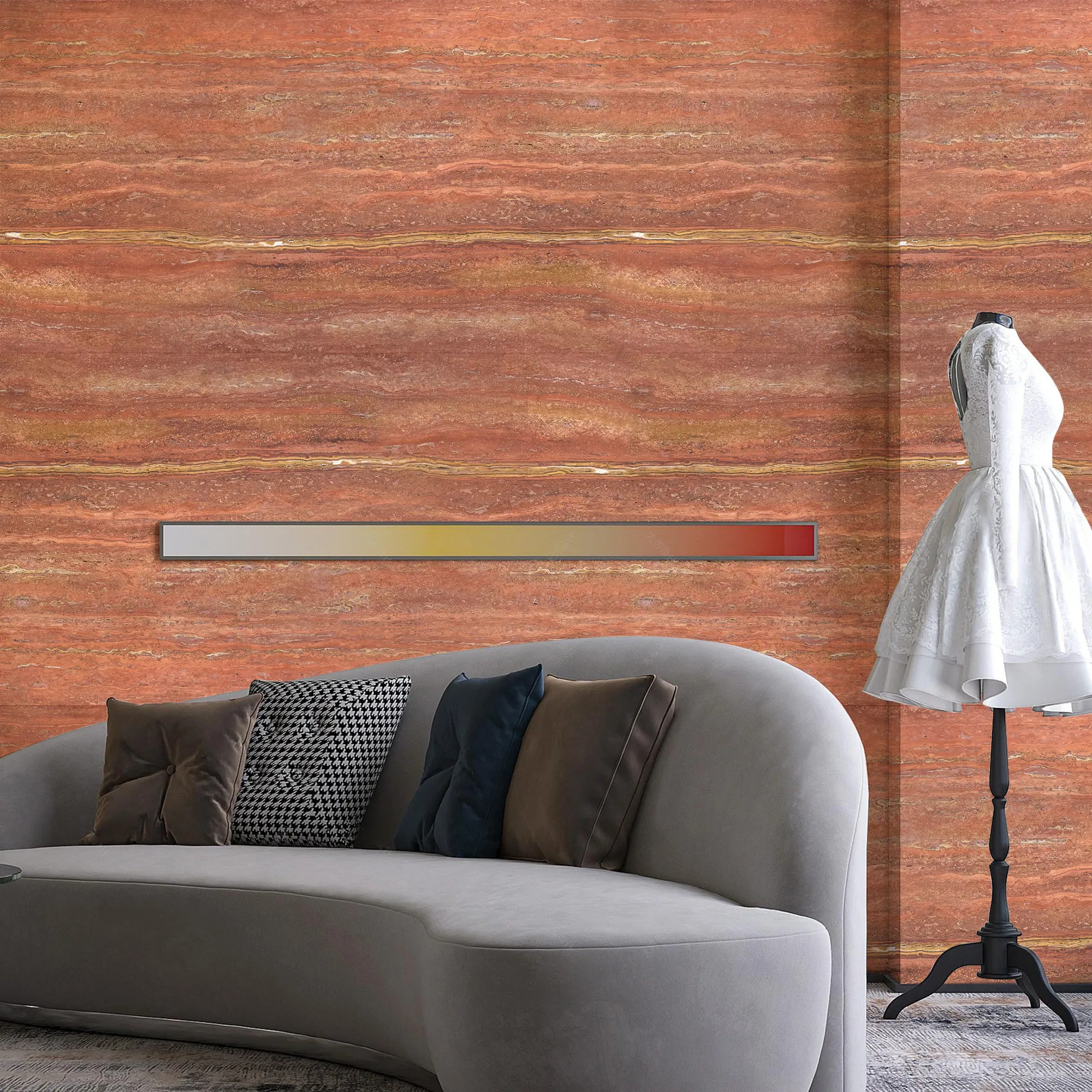
Numbers and tests are great, but hearing real stories can make durability tangible. Let's look at a couple of projects where Starry Red Travertine MCM has been in use for years, and see how it's holding up.
In 2015, the Red Horizon Office Park in Phoenix, Arizona, chose Starry Red Travertine MCM for its exterior cladding. Phoenix is known for its extreme heat (temperatures regularly hit 100°F+ in summer) and intense UV radiation—tough conditions for any building material. Fast forward to 2025, and the panels still look vibrant. The red color hasn't faded to pink, and there are no signs of cracking or warping. The property manager, Maria Gonzalez, notes, "We did a walkthrough last year, and the only maintenance we've done is pressure washing twice a year. The panels still look like they did when the building opened. We've had other buildings in our portfolio with natural stone cladding that needed repairs after 7-8 years, so this has been a huge relief."
A homeowner in Portland, Oregon, used Starry Red Travertine MCM for their backyard patio and exterior feature wall in 2010. Portland's climate is wet, with mild winters and frequent rain—perfect for testing moisture resistance. When we spoke to the homeowner, David Chen, he laughed and said, "I was worried the rain would make the red bleed or the panels would get moldy, but nope. Fifteen years later, the patio still looks great. We had a hailstorm a few years back that dented our metal roof, but the MCM panels didn't even scratch. The only thing that's changed is that the red has mellowed a bit—like a good wine. It's warmer now, but still just as striking."
These stories aren't anomalies. MCM flexible stone has a track record of performing well in diverse climates, from desert heat to coastal humidity, and these real-world examples back up the lab tests.
While Starry Red Travertine MCM is low-maintenance, a little care goes a long way in extending its lifespan. Here are some practical tips to keep it looking its best for decades:
Dirt, dust, and pollution can accumulate on the surface, making the material look dull over time. For exterior panels, a gentle pressure wash (using cold water and a fan nozzle, not a jet nozzle that can damage the surface) once or twice a year is usually enough. For interiors, a soft cloth or sponge with mild soap and water will do the trick. Avoid harsh cleaners like bleach or abrasive scrubbers—they can scratch the surface or strip away the protective layer.
Even tough materials can get nicked or scratched, especially in high-traffic areas. If you notice a small scratch or chip, don't ignore it. Most manufacturers offer repair kits with color-matched filler that can be applied to seal the damage. This prevents moisture from seeping in and causing bigger problems later.
If you live in an area with heavy snowfall, consider installing snow guards on exterior overhangs to prevent large snow loads from sliding off and hitting the panels. In coastal areas, rinsing the panels with fresh water after a storm can help remove salt buildup, which over time can be corrosive to fasteners (even stainless steel ones).
While Starry Red Travertine MCM is chemical-resistant, prolonged exposure to strong acids (like battery acid) or alkalis (like drain cleaner) can cause damage. If a spill occurs, rinse the area immediately with plenty of water to dilute the chemical.
So, how long does Starry Red Travertine MCM last? Under the right conditions, with proper installation and a little maintenance, you can expect it to grace your space with its starry red beauty for 30-50 years—maybe even longer. It's a material that bridges the gap between aesthetics and practicality, proving that you don't have to sacrifice one for the other.
When you choose Starry Red Travertine MCM, you're not just choosing a color or a texture—you're choosing peace of mind. You're choosing a surface that will still look stunning when your kids grow up, when your business expands, or when you pass your home down to the next generation. It's a testament to the idea that good design shouldn't have an expiration date.
So, whether you're an architect designing the next iconic building, a builder looking for reliable materials, or a homeowner dreaming of a space that feels timeless, remember this: the lifespan of your building materials matters. And with Starry Red Travertine MCM, you're not just building for today—you're building for decades to come.
Recommend Products











