

Walk into any modern building—whether it's a sleek urban café, a cozy suburban home, or a grand commercial complex—and you'll likely notice something: the walls, facades, and even accent pieces are more than just functional. They tell a story, set a mood, and shape how we experience space. But behind that beauty, there's a hidden challenge that architects, builders, and homeowners have grappled with for decades: the weight of traditional building materials. Stone, concrete, marble—these classics bring timeless elegance, but they also bring heft. And that heft? It can limit design possibilities, drive up construction costs, and even compromise structural integrity over time. Enter Fine Line Stone (White) MCM—a game-changer in the world of lightweight building materials that's redefining what's possible.
Let's start with the basics: structural load. Every material used in construction adds weight to a building's framework. Traditional options like natural travertine, fair-faced concrete, or solid granite can weigh anywhere from 20 to 30 pounds per square foot. Multiply that by thousands of square feet, and suddenly you're looking at a structure that needs reinforced beams, thicker foundations, and extra support systems—all of which add time, money, and complexity to a project. For architects, this often means scaling back on bold design ideas; for homeowners, it might mean sacrificing the "wow" factor of a stone facade to stay within budget; for commercial developers, it could translate to delayed timelines and missed opportunities.
Worse, heavy materials don't just affect the initial build. They limit future flexibility, too. Want to renovate that stone-clad wall ten years down the line? You'll need to hire structural engineers to ensure the addition won't overload the existing framework. What if you want to add a rooftop garden or expand a room? Again, the weight of the original materials becomes a limiting factor. It's a problem that's been silently shaping the industry, pushing professionals to ask: Is there a way to have the beauty of natural stone without the burden of its weight?
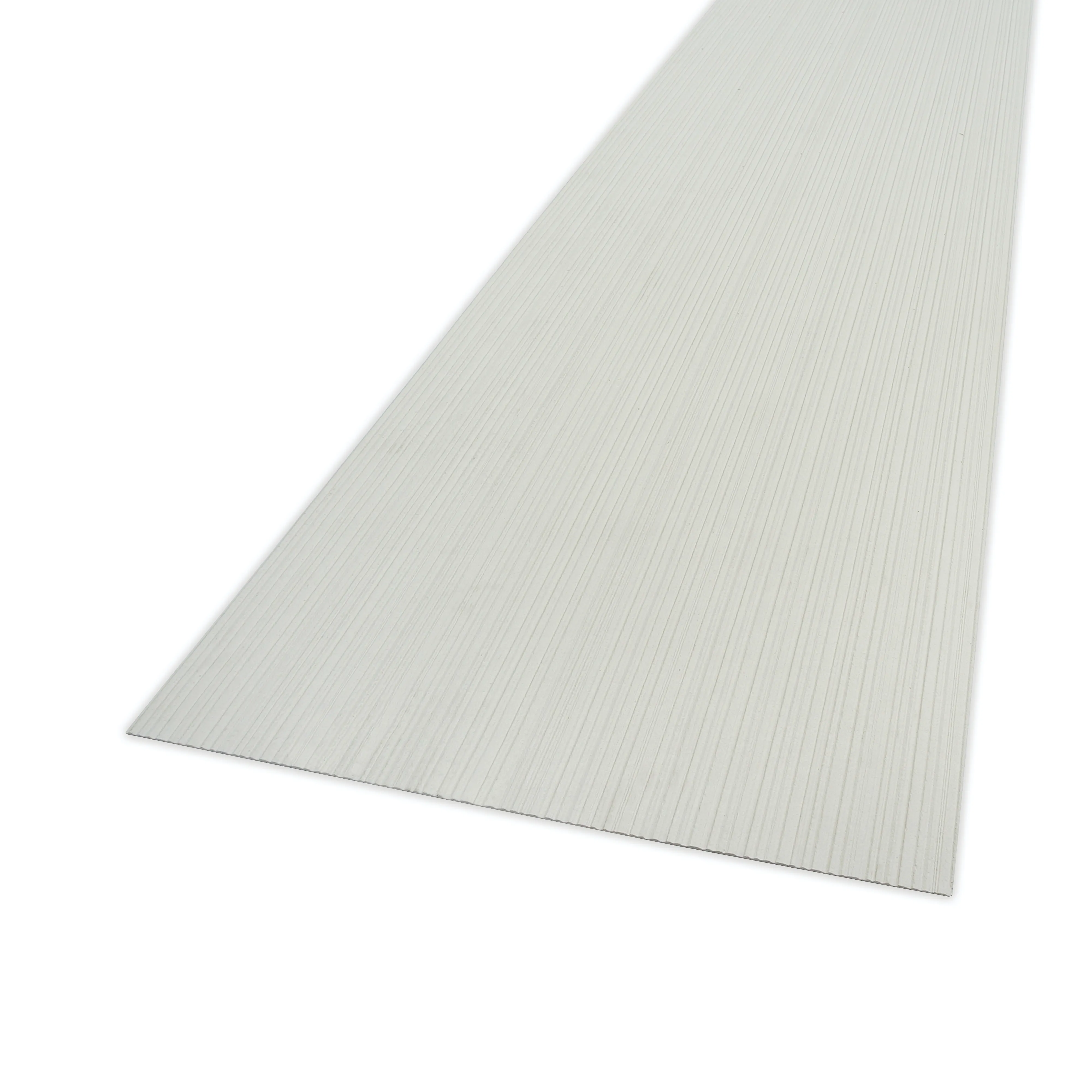
This is where Modified Composite Material (MCM) panels step in—and they're not just a trend, but a paradigm shift. MCM, often called "flexible stone" in industry circles, is exactly what it sounds like: a composite material designed to mimic the look and texture of natural stone, concrete, or metal, but with a fraction of the weight. How? By combining a thin layer of natural stone or mineral aggregate with a lightweight, high-strength backing (usually aluminum or fiberglass). The result? A panel that can be as thin as 3mm yet just as durable as its full-thickness counterparts.
MCM panels have been gaining traction over the past decade, and for good reason. They're water-resistant, fire-retardant, and resistant to fading—making them ideal for both interior and exterior use. But perhaps their biggest selling point is their weight: most MCM panels clock in at just 3 to 5 pounds per square foot. That's a 70-80% reduction compared to natural stone. Suddenly, the need for over-engineered support systems vanishes. Architects can dream bigger, builders can work faster, and property owners can enjoy the aesthetic they love without the hidden costs.
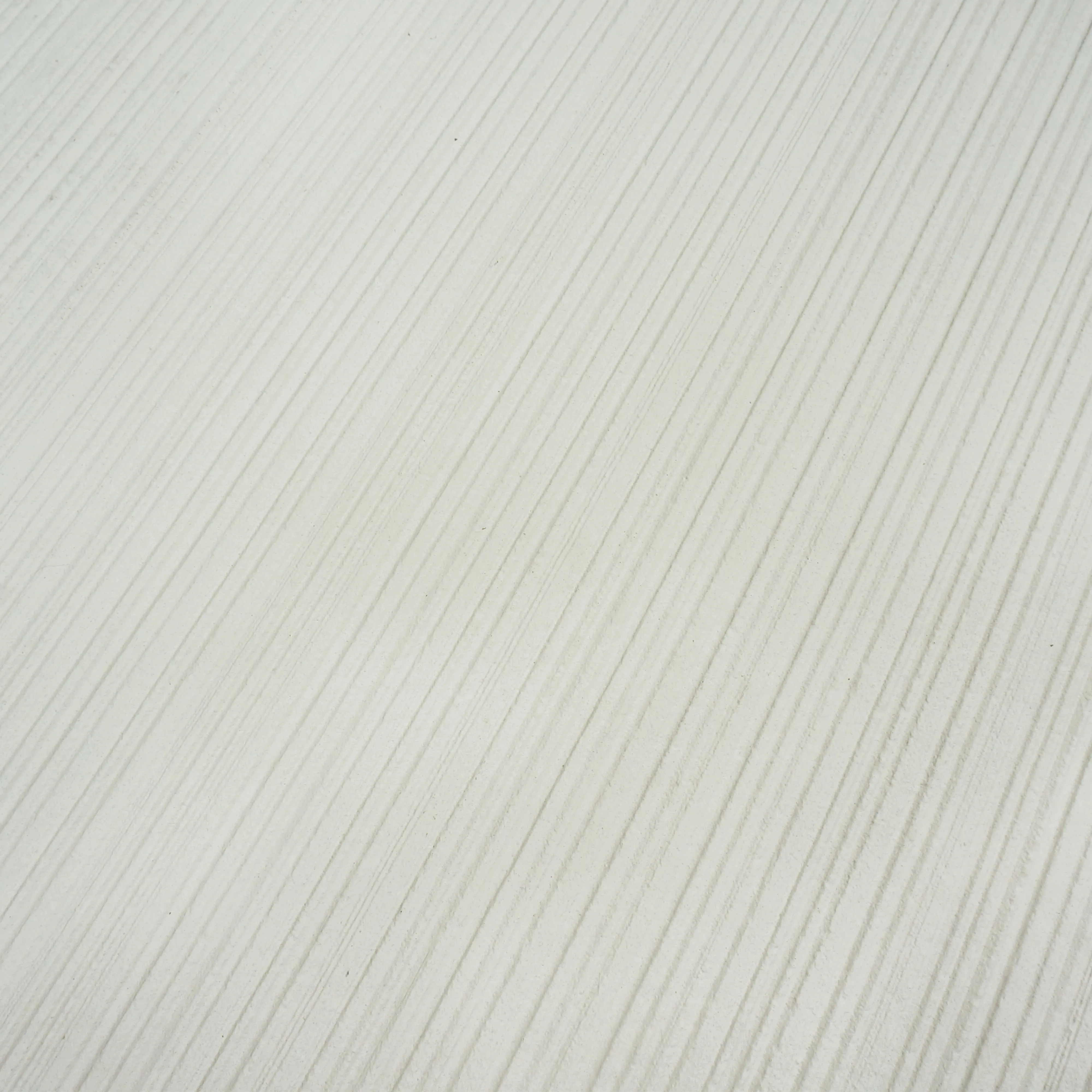
Within the MCM family, Fine Line Stone (White) stands out as a standout option for those seeking a clean, versatile look. Imagine a material that captures the soft, organic veining of white marble or the subtle texture of limestone—without the fragility or weight. That's Fine Line Stone (White) in a nutshell. Its name says it all: "fine line" refers to the delicate, natural-looking patterns that run through each panel, while "stone (white)" speaks to its timeless, neutral palette that complements any design style, from minimalist modern to classic traditional.
First, let's talk about aesthetics. Fine Line Stone (White) isn't a one-size-fits-all product. Each panel is designed to replicate the unique variations found in natural stone—no two are exactly alike. You'll find gentle swirls of off-white, soft gray undertones, and even the occasional "veil" of texture that mimics the look of weathered limestone. It's the kind of material that adds depth to a space without overwhelming it—perfect for feature walls, kitchen backsplashes, or exterior facades where you want to make a statement without clashing with the surroundings.
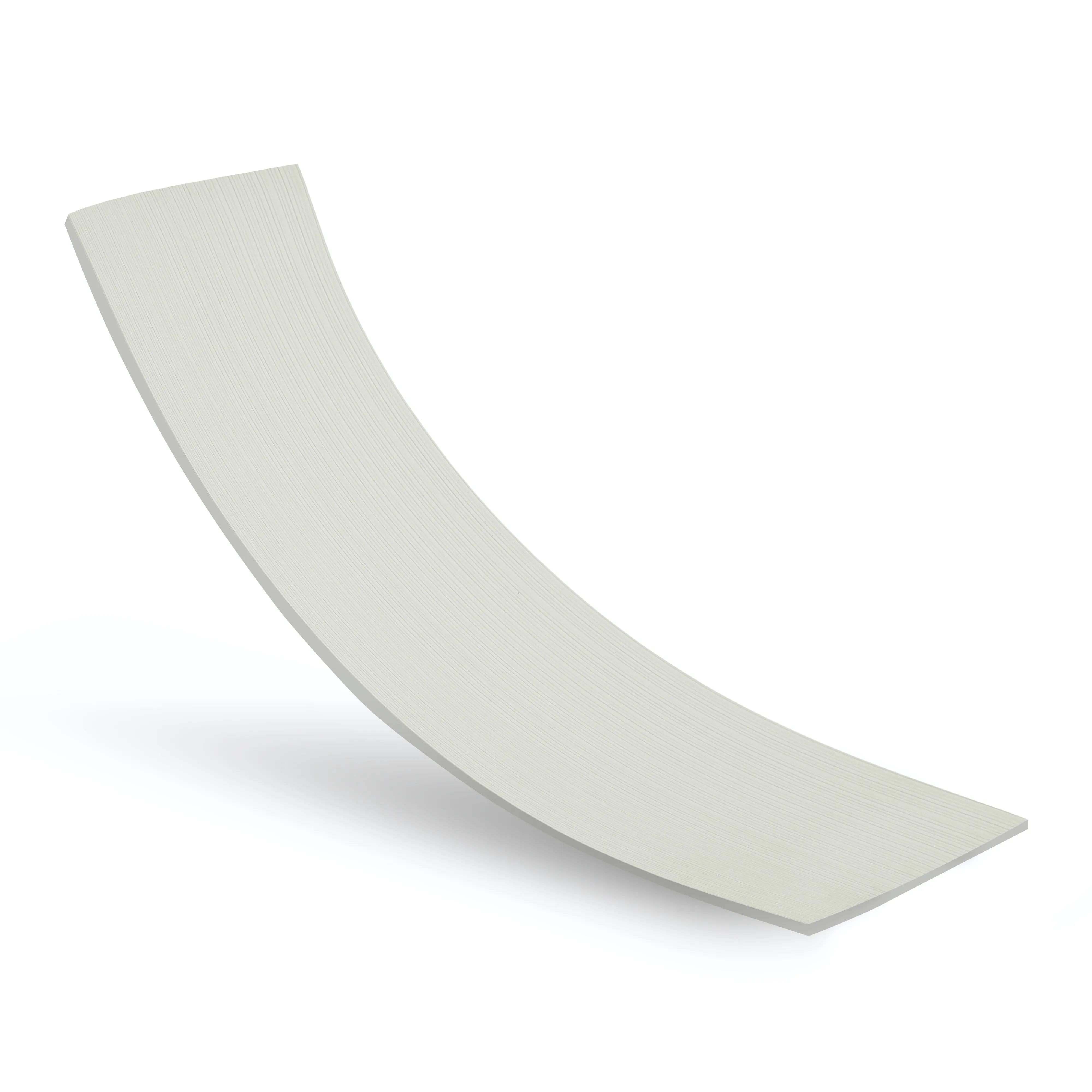
But the real magic is in its performance. At just 4 pounds per square foot, Fine Line Stone (White) is light enough to be installed on virtually any surface—even drywall or lightweight framing—without the need for additional structural support. This opens up a world of possibilities: think accent walls in upstairs bedrooms (no need to reinforce the floor!), exterior cladding on second-story additions, or even curved surfaces that would be impossible with heavy stone. And because it's flexible (thanks to that composite backing), it can conform to gentle curves and angles, adding architectural interest that's hard to achieve with rigid materials.
Durability is another highlight. Unlike natural marble, which is prone to etching from acidic substances, or limestone, which can stain easily, Fine Line Stone (White) is coated with a protective layer that resists scratches, moisture, and UV rays. Spill coffee on your kitchen backsplash? Wipe it up with a cloth—no permanent stain. Install it on an exterior wall in a rainy climate? It won't warp or deteriorate. This makes it ideal for high-traffic areas like restaurants, hotels, or busy family homes where both beauty and practicality matter.
Still not convinced that lightweight is the way to go? Let's put Fine Line Stone (White) MCM head-to-head with two traditional heavyweights: natural travertine (a popular choice for its rustic charm) and fair-faced concrete (loved for its industrial edge). The table below breaks down the key differences:
| Feature | Fine Line Stone (White) MCM | Natural Travertine | Fair-Faced Concrete |
|---|---|---|---|
| Weight (per sq. ft.) | 3.5 – 4 lbs. | 22 – 25 lbs. | 18 – 20 lbs. |
| Thickness | 3 – 4mm | 12 – 20mm | 50 – 100mm (for structural use) |
| Installation Time | 2-3 hours per 100 sq. ft. (2-person crew) | 6-8 hours per 100 sq. ft. (requires heavy equipment) | 8-10 hours per 100 sq. ft. (requires formwork, curing time) |
| Durability | Resistant to moisture, scratches, fading | Prone to staining, etching; porous | Strong but prone to cracking if not reinforced |
| Design Flexibility | Can be curved, cut to custom sizes, installed on any surface | Rigid; difficult to cut or shape on-site | Limited to straight lines unless using expensive formwork |
| Cost (Material + Labor) | $25 – $35 per sq. ft. | $40 – $60 per sq. ft. (plus structural costs) | $30 – $50 per sq. ft. (plus formwork, reinforcement) |
The numbers speak for themselves. Fine Line Stone (White) MCM isn't just lighter—it's more affordable, more durable, and more versatile than traditional options. And when you factor in the savings from reduced structural work and faster installation, the total cost difference becomes even more dramatic.
When Sarah Chen, owner of The Oakwood Café in downtown Portland, decided to renovate her 1920s-era building, she had a clear vision: a bright, airy space with a feature wall that would wow customers. Her initial plan? Natural travertine (starry blue)—a bold, eye-catching stone that reminded her of the ocean. But when her contractor broke the news, she was devastated: the second-story wall she wanted to clad couldn't support the weight of real travertine without reinforcing the floor joists, adding $15,000 to the budget and delaying the project by six weeks.
That's when her architect suggested Fine Line Stone (White) MCM as an alternative. Skeptical at first ("How can something so light look like real stone?"), Sarah visited a showroom and was blown away. The panels had the same soft texture and organic veining as the travertine she loved, but they were thin enough to hold with one hand. "It was a no-brainer," she says now. "We saved the $15k, installed the wall in two days instead of two weeks, and our customers can't tell the difference. In fact, several have asked where we found such 'unique marble'!"
Today, The Oakwood Café's feature wall is the star of the space—light, bright, and completely worry-free. "I don't have to stress about stains or chips, and if we ever want to change the look, we can easily remove the panels," Sarah adds. "Fine Line Stone (White) didn't just solve a problem—it gave us the freedom to create something beautiful without compromise."
In an era where sustainability is top of mind for builders and homeowners alike, Fine Line Stone (White) MCM offers another compelling advantage: it's eco-friendly. Traditional stone mining is resource-intensive, requiring heavy machinery, water, and energy to extract and transport. MCM panels, by contrast, use a fraction of the natural resources (since only a thin layer of stone aggregate is used) and generate less waste during production. Plus, their lightweight nature reduces fuel consumption during transportation—trucks can carry more panels per trip, cutting down on carbon emissions.
And because MCM panels are so durable, they have a longer lifespan than many traditional materials, reducing the need for replacement and further lowering their environmental impact. For LEED-certified projects or green building initiatives, this is a significant plus—another reason why more and more architects are specifying MCM for their designs.
The short answer: anyone who wants the beauty of natural stone without the weight, cost, or hassle. Whether you're a homeowner renovating a bathroom, a developer building a luxury apartment complex, or a designer creating a boutique hotel, Fine Line Stone (White) MCM delivers. It's especially ideal for:
Historic renovations: Older buildings with delicate structures can't handle heavy materials—MCM panels offer a way to update the look without compromising the original architecture.
High-rise exteriors: Reducing weight on upper floors cuts down on structural costs and improves safety.
Interior accent walls: Add texture and style to any room without worrying about floor load limits.
Outdoor spaces: Patios, pool surrounds, and exterior cladding benefit from MCM's weather resistance and lightweight installation.
At the end of the day, building materials should do more than just look good—they should work for you, not against you. Fine Line Stone (White) MCM represents a shift in how we think about construction: why sacrifice beauty for practicality when you can have both? With its stunning aesthetics, unbeatable durability, and game-changing lightweight design, it's no wonder that MCM panels are quickly becoming the go-to choice for forward-thinking architects, builders, and homeowners.
So the next time you're planning a project, ask yourself: Do I really need the weight of traditional stone? Chances are, the answer is no. And with Fine Line Stone (White) MCM, you can have the best of both worlds—elegance that inspires, and efficiency that empowers. After all, in construction, as in life, sometimes less (weight) is more (possibility).
Recommend Products












