
Walk onto any construction site, and you'll quickly notice a silent yet persistent challenge: the weight of building materials. From thick concrete slabs to dense natural stone cladding, these heavy materials have long been the backbone of construction, but they come with a hidden cost—structural strain. Every kilogram of excess weight adds pressure to a building's foundation, beams, and walls, limiting design possibilities, increasing safety risks, and driving up costs. For architects, engineers, and builders, the quest for materials that deliver durability without the burden of weight has been ongoing. Enter Oasis Stone Foge, a game-changing solution that's redefining what's possible in modern construction. As part of the innovative lineup of MCM (Modified Composite Material) products, Oasis Stone Foge isn't just another building material—it's a lightweight revolution that's easing structural loads and unlocking new potential for sustainable, efficient, and safe buildings.
To understand the significance of Oasis Stone Foge's lightweight design, it's first crucial to grasp the problems caused by traditional heavy materials. Let's start with natural stone, a popular choice for cladding and flooring due to its timeless appeal. A standard slab of marble or granite can weigh 50–80 kg per square meter. Multiply that by the thousands of square meters in a commercial building, and the total weight becomes staggering. This weight doesn't just sit on the structure—it demands stronger foundations, thicker support beams, and reinforced walls, all of which drive up construction costs. Worse, over time, the cumulative stress can lead to cracks, settling, or even structural failure, especially in older buildings or regions prone to earthquakes.
Concrete, another staple, is no lighter. Traditional concrete cladding panels often weigh 40–60 kg/m², and while they're durable, their weight complicates transportation and installation. Workers risk injury lifting these heavy panels, cranes require more power to hoist them, and the overall construction timeline stretches as teams navigate these logistical hurdles. Even "modern" alternatives like fiber cement boards, while lighter than stone, still tip the scales at 20–30 kg/m²—hardly a solution for projects aiming to reduce structural load.
The environmental impact is another layer of the problem. Heavy materials require more fuel to transport, increasing carbon emissions. They also demand more energy to manufacture, from quarrying stone to mixing concrete. For builders committed to green building materials, this creates a paradox: how to achieve durability and aesthetics without compromising sustainability. It's a problem Oasis Stone Foge was specifically engineered to solve.
Oasis Stone Foge is part of the broader MCM flexible stone family, a category of building materials designed to mimic the look and feel of natural stone, concrete, or wood while drastically reducing weight. MCM products, including the popular MCM big slab board series, are created by combining natural minerals with advanced polymers, resulting in a composite material that's both strong and surprisingly light. But what sets Oasis Stone Foge apart even within the MCM lineup is its unique formulation, which prioritizes not just lightness, but also flexibility, durability, and aesthetic versatility.
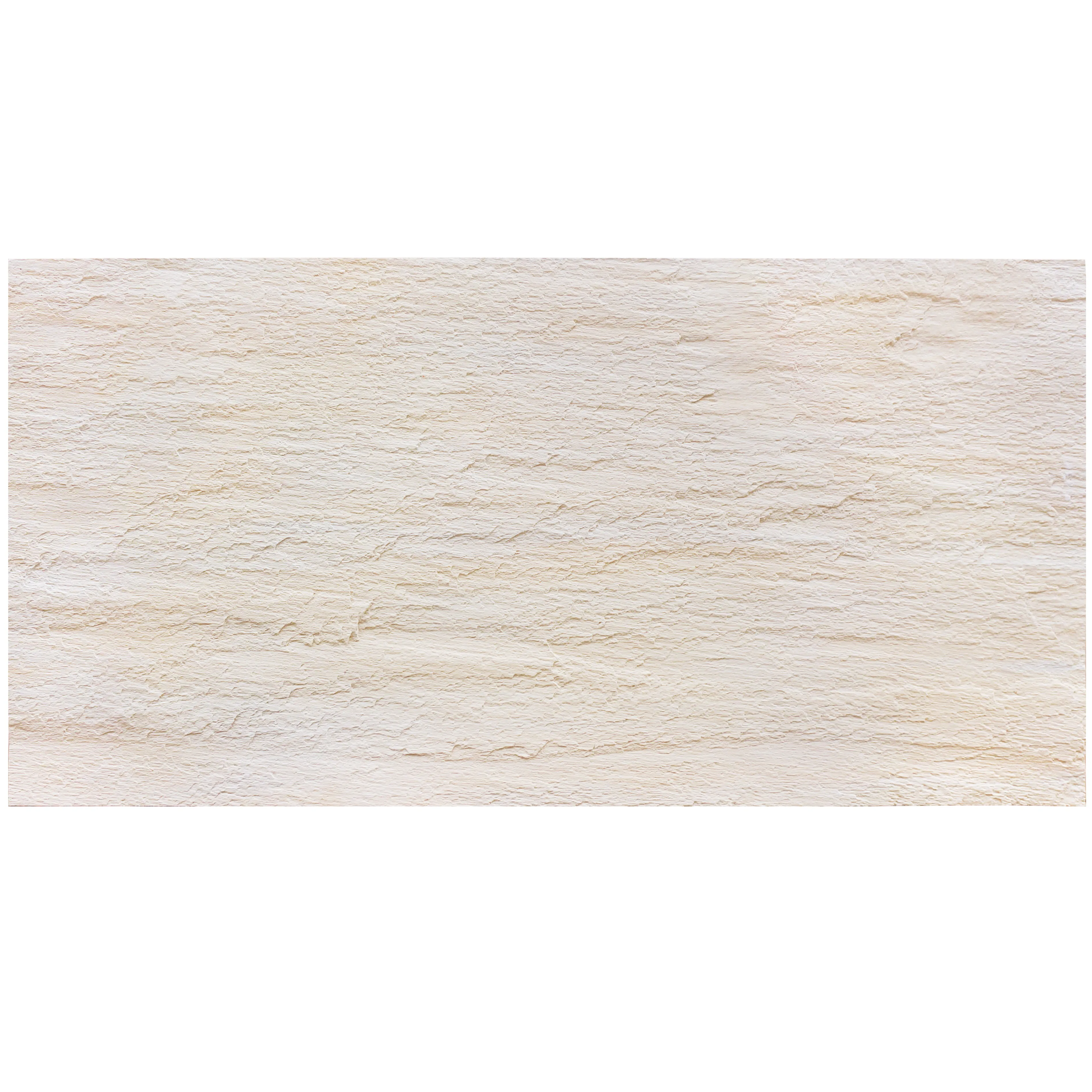
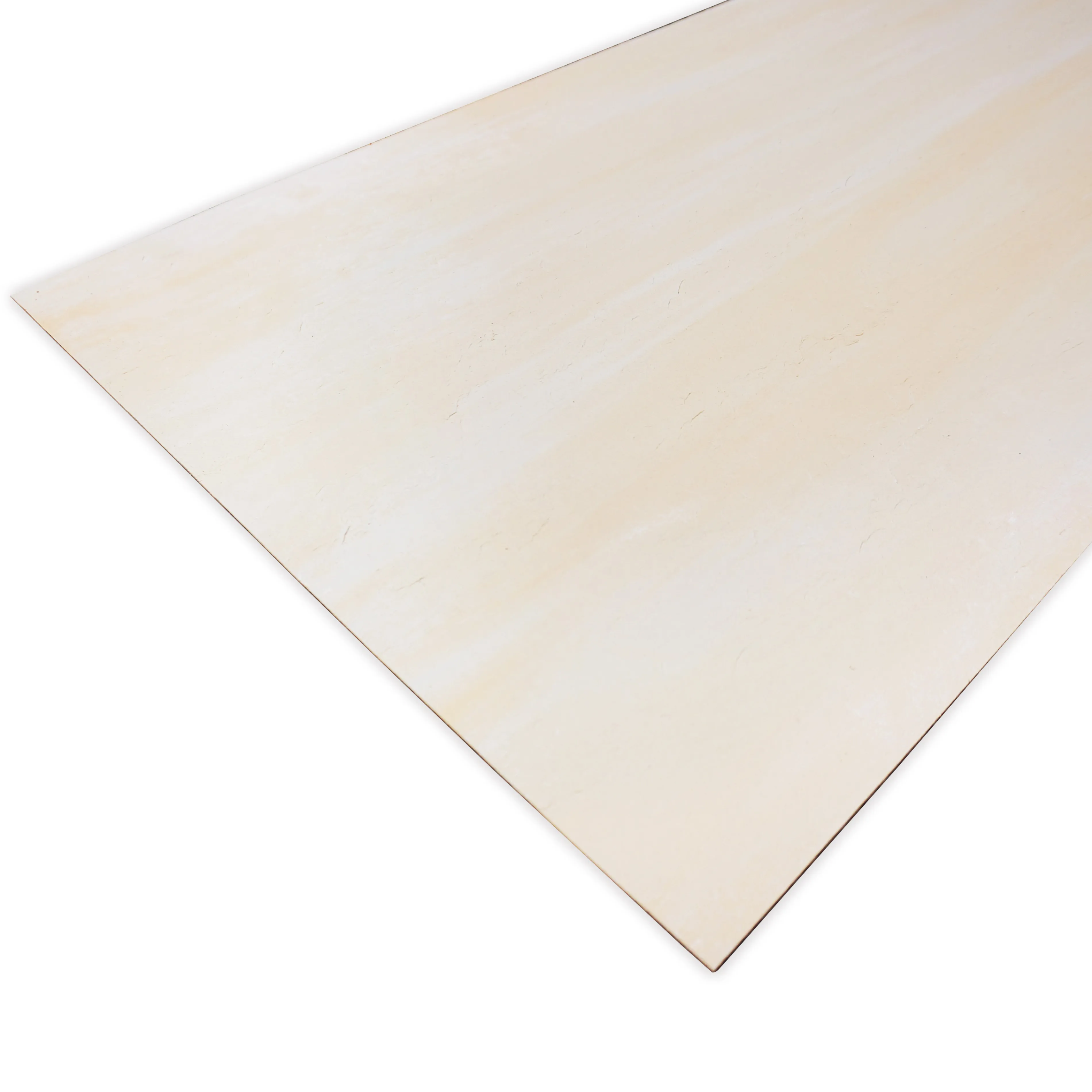
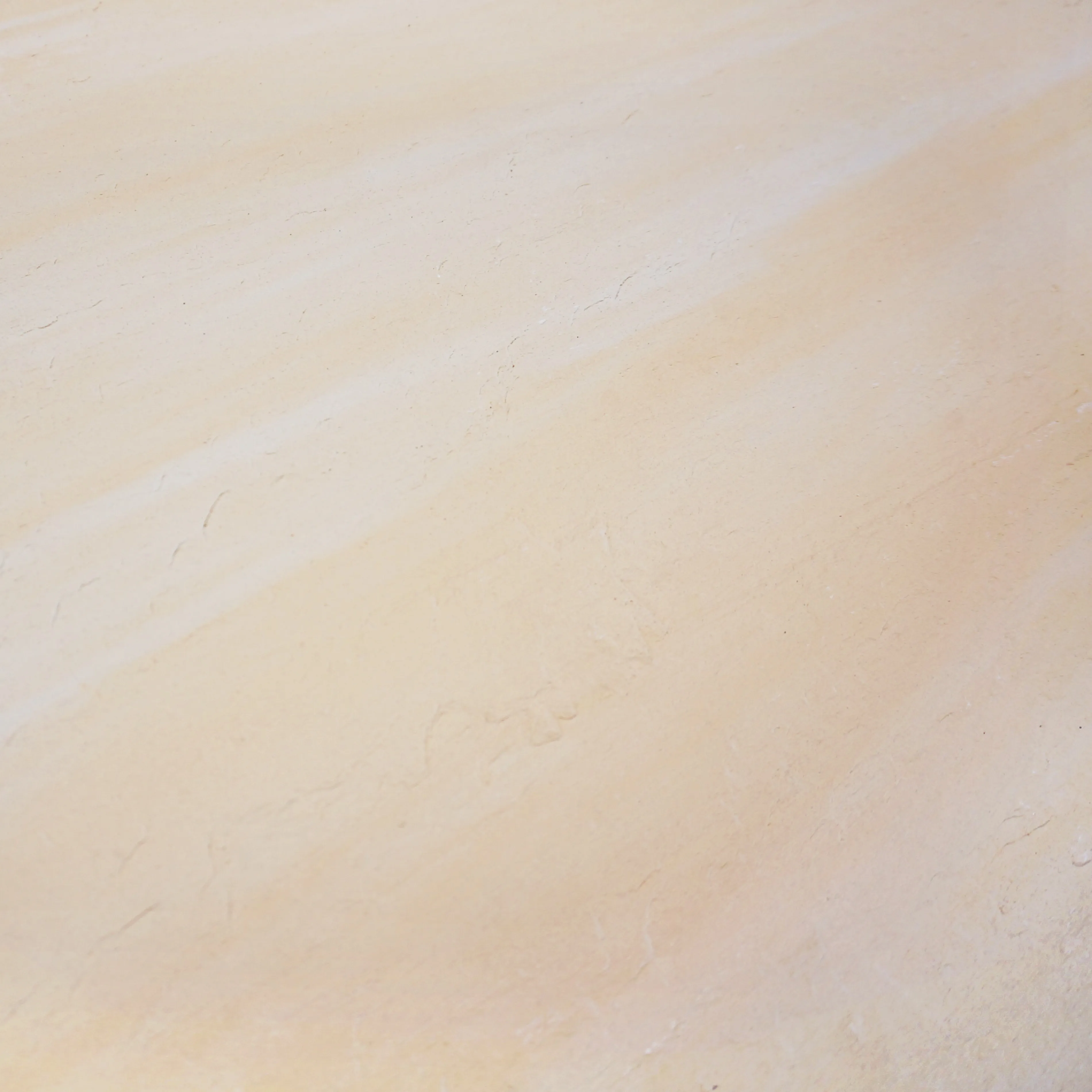
Visually, Oasis Stone Foge is indistinguishable from high-quality natural stone. Its surface boasts the subtle textures, earthy tones, and organic patterns that architects love—think soft beige hues with delicate veining, or warm terracotta with a matte finish that evokes desert landscapes (fitting, given its "Oasis" name). But pick up a panel, and the difference becomes clear: where a natural stone slab might require two people to carry, an Oasis Stone Foge panel of the same size can often be handled by one. This isn't just a matter of convenience; it's a fundamental shift in how buildings can be designed and constructed.
So, how does Oasis Stone Foge achieve such remarkable lightness without sacrificing strength? The answer lies in its composite structure. Traditional materials rely on density for durability—more mass equals more resistance to wear and tear. MCM products, by contrast, use a "honeycomb" of reinforced polymers infused with natural stone particles. This design creates a material that's strong on the surface but hollow at the core (though not literally hollow—think of it as a matrix of strong, lightweight fibers). The result? Oasis Stone Foge weighs in at a mere 4–6 kg per square meter, compared to 50+ kg/m² for natural stone or 40+ kg/m² for traditional concrete cladding.
To put that in perspective: a 1000 m² building facade clad in natural stone would add 50,000–80,000 kg to the structure. With Oasis Stone Foge, that weight drops to just 4,000–6,000 kg—a reduction of over 90%. This isn't just a numbers game; it's a transformation in structural engineering. Suddenly, architects aren't limited by the weight their foundations can support. They can design taller buildings with more expansive facades, add decorative cladding to older structures without reinforcing the entire frame, or create cantilevered designs that would be impossible with heavy materials. For engineers, it means fewer calculations to ensure structural safety, and for builders, it means faster, safer, and more efficient installation.
The lightweight advantage also extends to the manufacturing process. Because Oasis Stone Foge uses fewer raw materials and requires less energy to produce than traditional stone or concrete, it aligns with the goals of green building materials, reducing both carbon footprint and waste. Even better, its flexibility means fewer cuts and adjustments during installation, minimizing material loss on the job site.
To truly appreciate the benefits of Oasis Stone Foge's lightweight design, let's look at real-world applications. Take the example of a mid-rise commercial building in Dubai, where the architects wanted to clad the exterior in a stone-like material to complement the city's luxurious aesthetic. Initially, they planned to use natural travertine, but structural engineers warned that the weight would require reinforcing the building's steel frame, adding $200,000 to the project cost and delaying construction by two months. Switching to Oasis Stone Foge eliminated the need for reinforcement. The panels were lighter, easier to transport to the upper floors, and installed in half the time. The result? A facade that looked identical to natural stone, but with lower costs, faster completion, and a safer, more sustainable building.
Residential projects benefit too. In a renovation of a 1920s apartment building in Paris, the owners wanted to update the exterior without compromising the historic structure. Traditional materials were out of the question—the building's original brick walls couldn't support the weight. Oasis Stone Foge, with its minimal load, allowed the team to add a modern, stone-like cladding that refreshed the building's appearance while preserving its structural integrity. Tenants reported no disruption during installation, and the building's energy efficiency improved thanks to the material's insulating properties (an added bonus of the composite structure).
Even in extreme environments, Oasis Stone Foge shines. In coastal regions prone to hurricanes, lightweight cladding is a safety necessity—heavy panels can become dangerous projectiles in high winds. Oasis Stone Foge's secure installation system and low weight reduce this risk, making it a preferred choice for buildings in hurricane zones. Similarly, in earthquake-prone areas, lighter materials mean less stress on the structure during seismic activity, lowering the chance of collapse and protecting lives.
While reducing structural load is Oasis Stone Foge's headline benefit, its advantages don't stop there. Let's explore a few more reasons builders and architects are making the switch:
Lightweight flexible stone sheets like Oasis Stone Foge are a dream for installers. Unlike heavy stone slabs that require cranes and teams of workers, these panels can be carried by hand, cut on-site with standard tools, and attached using simple adhesive or mechanical fasteners. This speeds up installation time by 30–50% compared to traditional materials, reducing labor costs and project timelines.
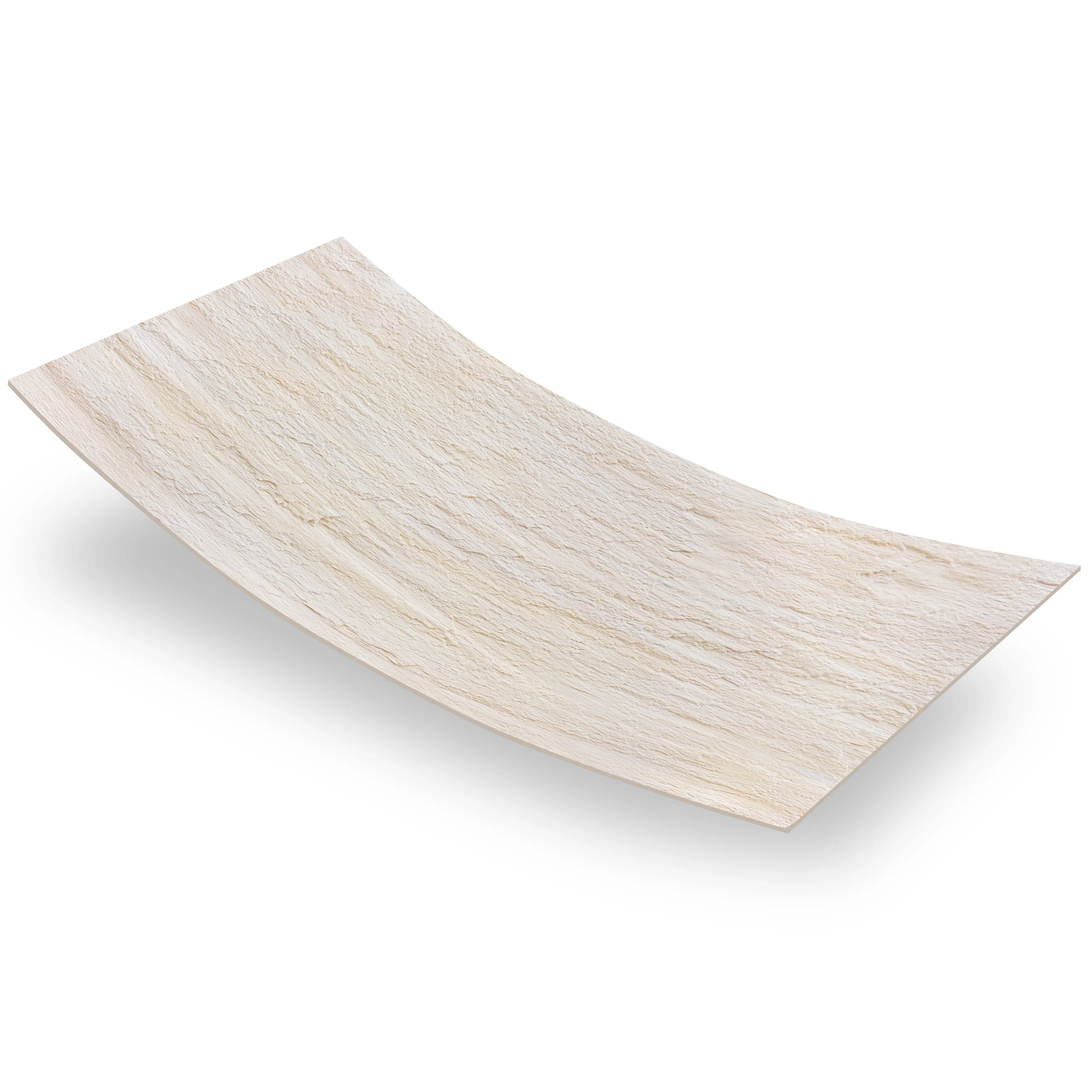
Oasis Stone Foge's flexibility allows it to be applied to curved surfaces, arches, and other non-flat areas that would be impossible with rigid natural stone. Want a facade with undulating waves or a feature wall with rounded edges? Oasis Stone Foge can bend to the design, opening up new creative possibilities for architects.
Unlike natural stone, which can crack, stain, or fade over time, Oasis Stone Foge is resistant to water, UV rays, and harsh chemicals. It doesn't require sealing, polishing, or frequent cleaning, making it ideal for high-traffic areas or buildings in harsh climates.
As a green building material, Oasis Stone Foge ticks multiple boxes. Its lightweight design reduces transportation emissions, its composite structure uses recycled materials in some formulations, and its long lifespan (up to 50 years with minimal maintenance) means less frequent replacement and lower waste.
To fully understand Oasis Stone Foge's value, it helps to compare it to other lightweight building materials. Let's break down the key differences in a table:
| Material | Weight (kg/m²) | Installation Difficulty | Structural Load Impact | Environmental Impact | Aesthetic Versatility |
|---|---|---|---|---|---|
| Natural Stone (Marble/Granite) | 50–80 | High (requires cranes, multiple workers) | Severe (requires reinforced structures) | High (quarrying, heavy transportation) | High (authentic look, limited shapes) |
| Traditional Concrete Cladding | 40–60 | Medium-High (heavy panels, specialized tools) | Significant (adds substantial load) | Medium-High (high carbon footprint in production) | Low (limited textures, uniform appearance) |
| Fiber Cement Boards | 20–30 | Medium (still requires lifting equipment for large panels) | Moderate (reduced but still notable load) | Medium (contains cement, energy-intensive production) | Medium (some texture options, less natural look) |
| Oasis Stone Foge (MCM Flexible Stone) | 4–6 | Low (hand-carried, simple tools) | Minimal (no structural reinforcement needed) | Low (recycled materials, lightweight transportation) | Very High (mimics natural stone, flexible for curves) |
| MCM Big Slab Board Series | 5–7 | Low (similar to Oasis Stone Foge) | Minimal (ideal for large-scale applications) | Low (same eco-friendly MCM production) | High (large slabs, seamless appearance) |
As the table shows, Oasis Stone Foge outperforms alternatives in nearly every category, especially when it comes to weight, structural impact, and sustainability. While fiber cement boards are lighter than natural stone, they still can't match the featherlight properties of MCM-based materials like Oasis Stone Foge. And unlike some lightweight alternatives that sacrifice aesthetics for weight, Oasis Stone Foge delivers the best of both worlds: the look of premium stone with the practicality of a modern composite.
Oasis Stone Foge isn't just a trend—it's a glimpse into the future of construction. As the industry shifts toward green building materials and more efficient practices, lightweight solutions will become increasingly critical. Builders are no longer willing to compromise on durability, aesthetics, or sustainability, and MCM products like Oasis Stone Foge prove that they don't have to. With ongoing advancements in composite technology, we can expect even lighter, stronger, and more versatile materials in the years ahead, but for now, Oasis Stone Foge stands as a leader in the movement to reduce structural load and reimagine what buildings can be.
Imagine (oops, scratch that—picture) a world where every new building is designed with both beauty and practicality in mind, where structural engineers don't have to say "no" to bold designs because of weight constraints, and where construction sites are safer, greener, and more efficient. That world is already here, and it's built on materials like Oasis Stone Foge. Whether you're building a skyscraper in a bustling city or a cozy home in the suburbs, the lightweight advantage is changing the game—one panel at a time.
In construction, the phrase "lightweight" has sometimes been unfairly associated with "flimsy" or "low-quality." Oasis Stone Foge shatters that myth. By leveraging the power of MCM technology, it delivers the durability, aesthetics, and performance of natural stone without the crushing weight. For architects, it's a tool to unlock creativity; for engineers, it's a way to simplify structural design; for builders, it's a path to faster, safer, and more profitable projects; and for the planet, it's a step toward more sustainable construction practices.
The lightweight advantage of Oasis Stone Foge isn't just about reducing structural load—it's about redefining what's possible. It's about building better, smarter, and more thoughtfully. As the construction industry continues to evolve, one thing is clear: the future is light. And with materials like Oasis Stone Foge leading the way, that future is brighter than ever.
Recommend Products












