

Skyscrapers pierce the clouds, symbols of human ambition and architectural prowess. We dream of cladding these giants in beautiful, timeless materials like stone. But reality often bites back. The sheer weight of traditional stone presents a monumental engineering challenge. What if there was a way to get that stunning, rustic stone aesthetic without the crushing weight? Welcome to the future of facade design.
Let's talk about natural stone. For centuries, materials like granite, marble, and slate have been the gold standard for prestigious buildings. They evoke a sense of permanence, luxury, and connection to the earth. When you see a building clad in stone, you instinctively perceive it as strong and valuable. However, when we scale up to high-rise construction, this traditional choice becomes a significant liability.
The core issue is, quite simply, weight. Natural stone is incredibly dense and heavy. A single square meter of 3cm-thick granite can weigh over 80 kilograms (around 175 pounds). Now, multiply that by the thousands upon thousands of square meters that make up the facade of a skyscraper. The total added weight is staggering, measured not in tonnes, but in thousands of tonnes.
This immense "dead load" has a domino effect on the entire project. Structural engineers must design a much stronger, heavier, and more expensive steel or concrete skeleton to support it. The building's foundation needs to be deeper and more robust to transfer this massive load safely to the ground. Every extra kilogram added to the facade translates into more steel, more concrete, and ultimately, a significantly higher budget and a larger carbon footprint for the building's core structure.
Installation is another Herculean task. Heavy stone panels require specialized, large-capacity cranes to lift them into place, sometimes hundreds of meters in the air. This process is slow, requires highly skilled labor, and is fraught with safety risks. The logistics of transporting and maneuvering these heavy panels on a congested urban construction site are complex and costly. All of this extends project timelines and inflates labor costs. In a world where time is money, traditional stone becomes a very expensive choice.
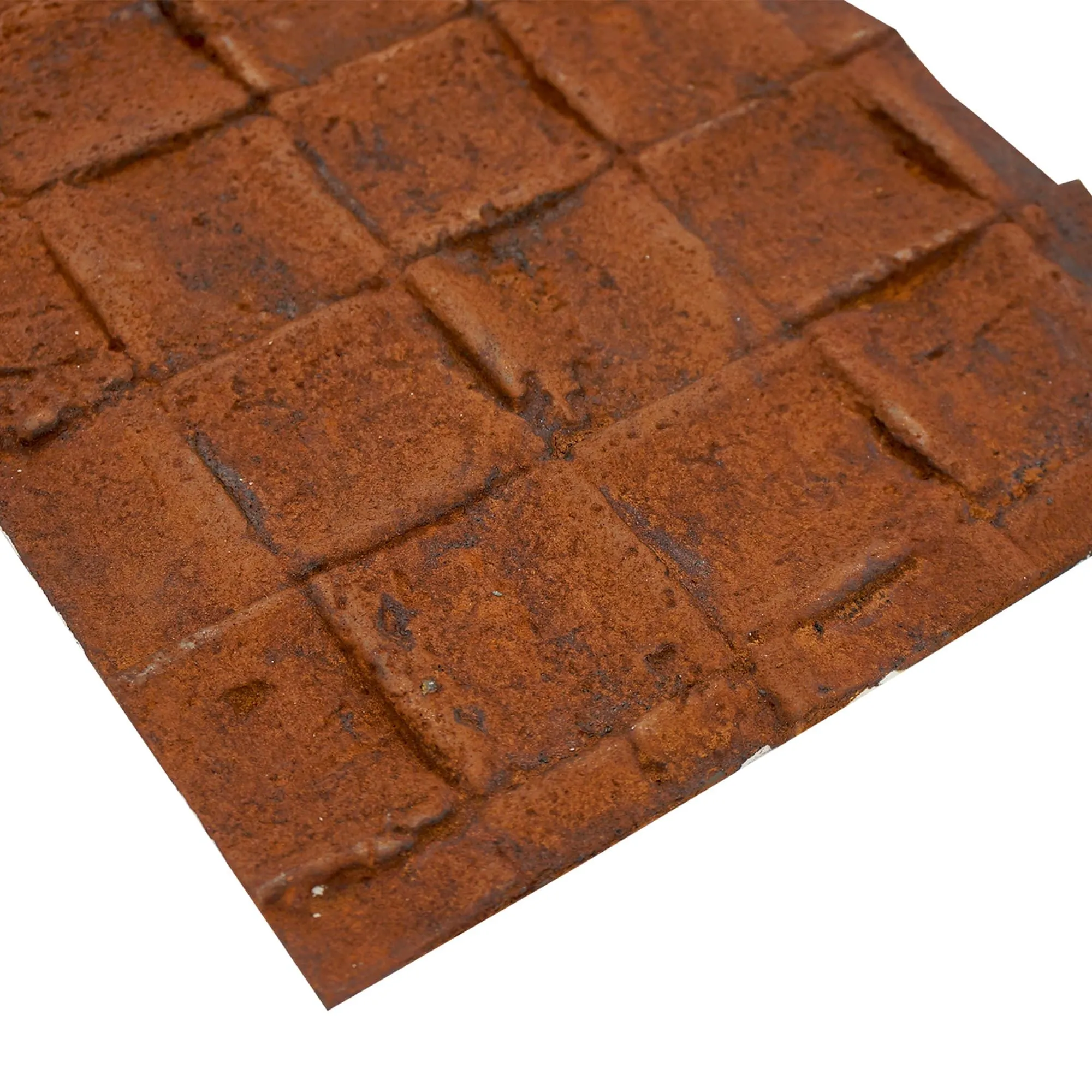
What if I told you that the gorgeous "Rust Mosaic Stone" you see on a modern tower might not be stone at all? What if it was something far more advanced, a material engineered to provide the beauty of nature without its physical limitations?
This is where pioneering companies like COLORIA GROUP are changing the game. With decades of experience as a one-stop solution provider in the architectural materials field, COLORIA GROUP has been at the forefront of developing and championing a groundbreaking material: **Modified Cementitious Material**, or MCM.
So, what is this stuff? Forget everything you think you know about traditional building materials. MCM is not simply concrete or a thin stone veneer. It's a patented technology that uses a base of modified cement and sand, combined with other natural minerals and polymers, and formed through a unique low-temperature curing process. Think of it less like quarrying a mountain and more like a sophisticated culinary process, where raw ingredients are transformed into something entirely new, flexible, and incredibly versatile.
This technology is the driving force behind a new generation of products. For example, the **MCM Flexible Stone** series offers panels that can be bent and wrapped around curved surfaces, a feat impossible with rigid, natural stone. This opens up a whole new world of fluid and organic architectural designs. For large, seamless facades, the **MCM Big Slab Board Series** provides large-format panels that create a monolithic, impressive look with fewer joint lines, delivering modern minimalism at a fraction of the weight.
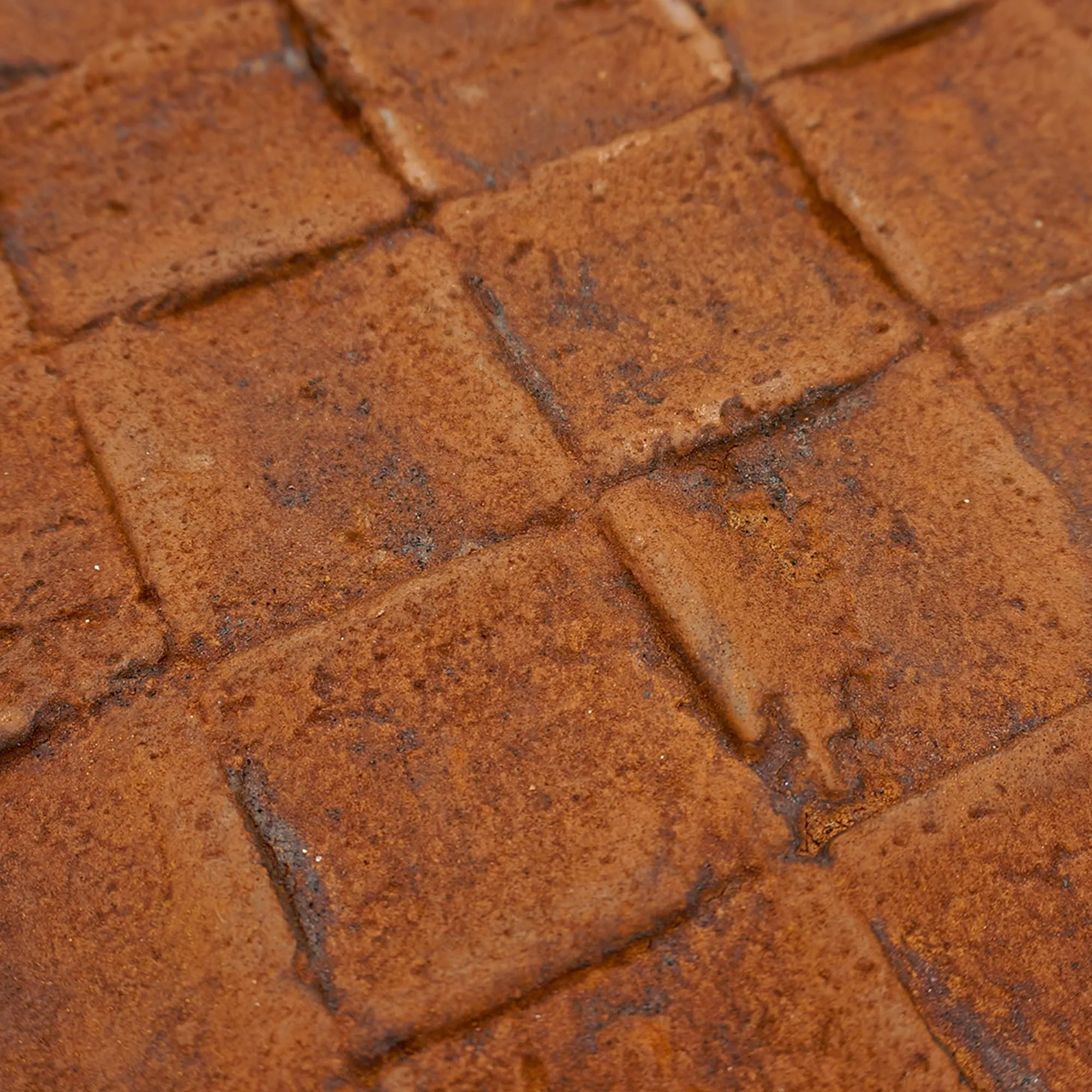
The benefits of using an MCM-based product like Rust Mosaic Stone on high-rise buildings go far beyond just reducing the load on the structure. It's a holistic improvement that impacts cost, safety, design, and sustainability.
This is the headline benefit. MCM products typically weigh between 4 to 8 kilograms per square meter. Compare that to the 80+ kilograms for natural granite. It's a reduction of over 90%. This isn't just a minor improvement; it's a fundamental paradigm shift. The savings on the building's structural frame and foundation are immense. The reduced need for heavy-duty cranes and the ability to use smaller installation crews translate directly into lower labor and equipment costs.
Natural stone is what it is. You are limited by what can be quarried. MCM sets creativity free. Do you want the look of a rare Italian marble that's too soft for exterior use? MCM can replicate it in a durable, weatherproof form. Do you want a metallic sheen, a complex geometric pattern, or even a custom texture? It's all possible. The technology even extends to concepts like the **MCM 3D Printing Series**, where intricate, three-dimensional surfaces and shapes can be created, allowing for truly unique architectural expressions that were previously unimaginable.
On a high-rise building, safety is paramount. Heavy stone panels, if they fail, can become deadly projectiles. MCM panels are not only lightweight but also flexible and have high impact resistance. They don't shatter like brittle stone or ceramic tiles. In seismically active regions, this flexibility is a huge advantage. The material can move with the building during an earthquake, reducing the risk of cracking and facade failure. It's also A-class fire-resistant, adding another critical layer of safety to the building envelope.
In an era of environmental consciousness, the construction industry is under pressure to reduce its impact. Quarrying natural stone is an energy-intensive process that scars landscapes. Transporting that heavy stone around the world burns enormous amounts of fossil fuels. The production of MCM is a low-carbon process. It cures at low temperatures, consuming a fraction of the energy required for traditional ceramics or quarried stone processing. Its lightweight nature means transportation emissions are slashed. It's a choice that aligns with modern green building certifications and a more sustainable future.
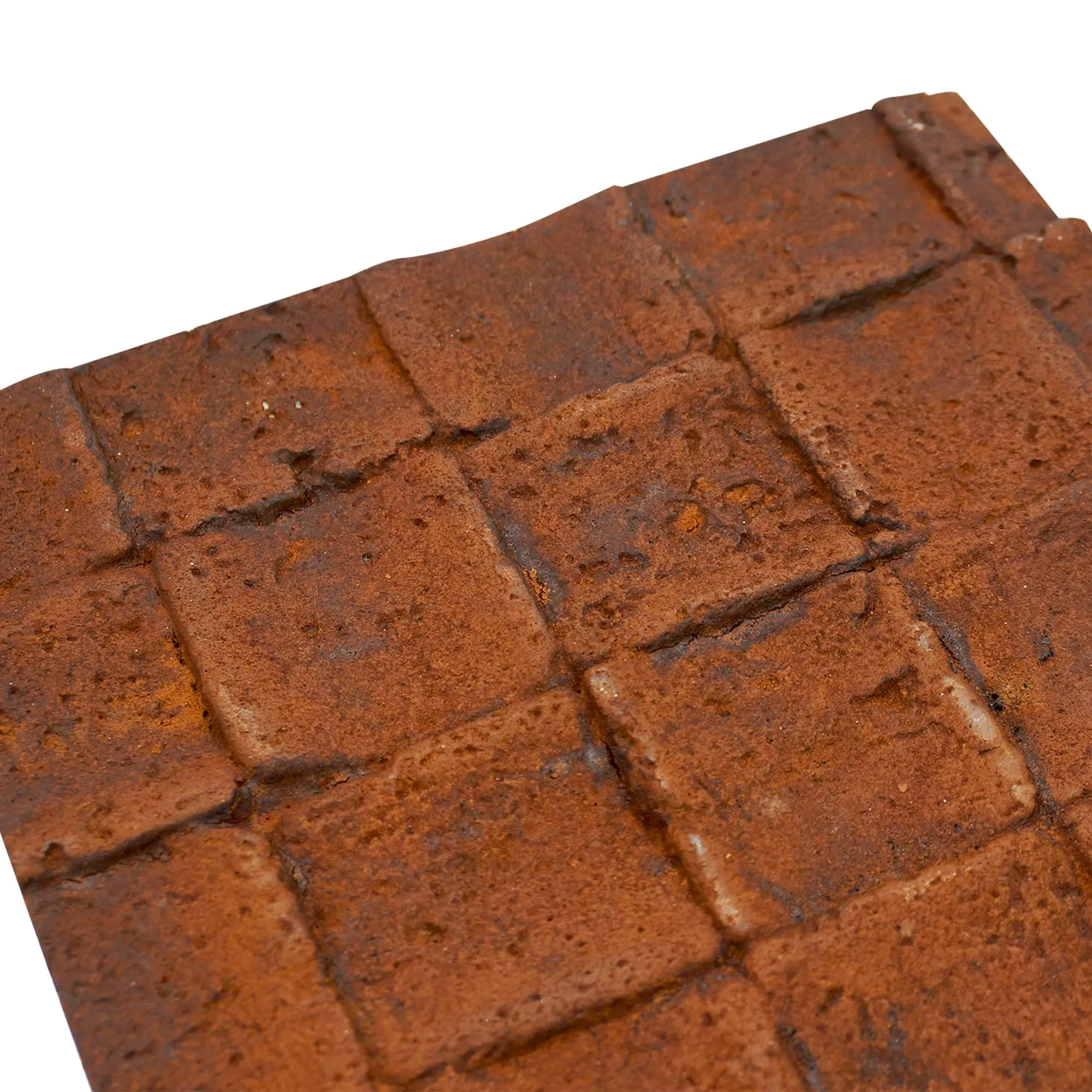
To truly understand the difference, let's put traditional natural stone and COLORIA GROUP's MCM "Rust Mosaic Stone" side-by-side. The differences are stark and speak for themselves.
| Feature | Traditional Natural Stone (e.g., Granite) | COLORIA GROUP's MCM (Rust Mosaic Stone) |
|---|---|---|
| Average Weight | Extremely High (approx. 80-90 kg/m² for 3cm thick) | Extremely Low (approx. 4-8 kg/m²) |
| Structural Load Impact | Requires significantly reinforced structure and foundation, increasing costs. | Minimal impact, allowing for lighter, more cost-effective building design. Suitable for retrofitting old buildings. |
| Installation Complexity | Slow, requires heavy lifting machinery (cranes), specialized labor, and extensive anchoring systems. | Fast and simple. Can be lifted by hand, cut on-site with basic tools, and installed with adhesive. Reduces labor costs and project time. |
| Design Flexibility | Limited to natural colors, textures, and what can be quarried. Difficult to use on curved surfaces. | Virtually limitless. Can replicate any stone, wood, or metal, or create custom designs. Flexible and can be applied to curved or complex shapes. |
| Safety & Resilience | Brittle, can crack or shatter on impact. Heavy panels pose a significant risk if they fall. Poor seismic performance. | Flexible and impact-resistant. Does not shatter. Lightweight nature minimizes risk. Excellent performance in seismic events. A-class fire rated. |
| Maintenance | Porous varieties can stain. Can be susceptible to acid rain and weathering. Difficult and expensive to replace a single damaged panel. | Highly durable, waterproof, and resistant to weathering and fading. Easy to clean and maintain. Simple to repair or replace if needed. |
| Environmental Impact | High impact due to destructive quarrying, high energy consumption in processing, and heavy transportation. | Low impact. Made from natural minerals with a low-carbon production process. Lightweight nature dramatically reduces transport emissions. |
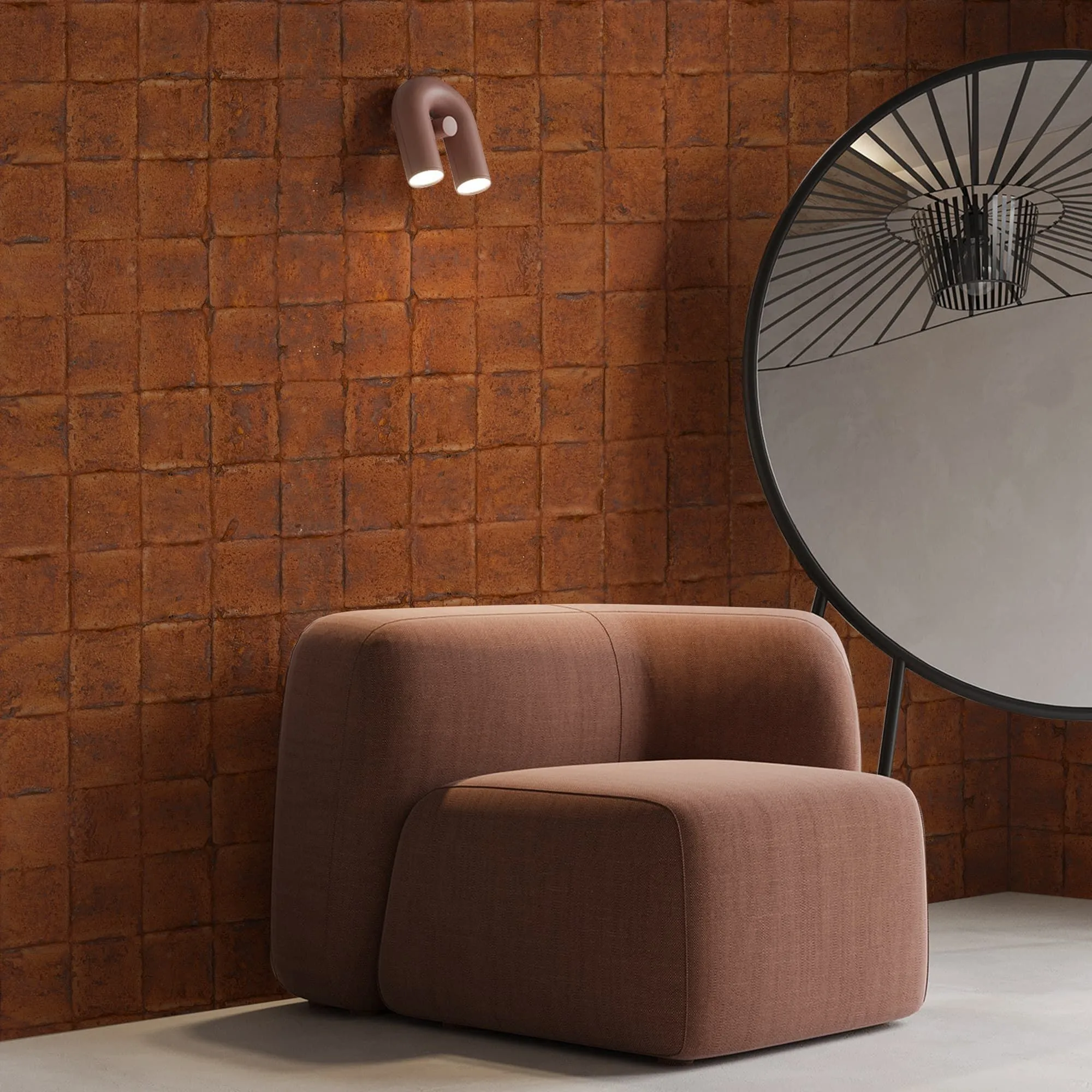
The application of this technology is not just theoretical; it's a practical solution being deployed on projects across the globe. For large-scale developments, the **MCM Project Board Series** is specifically engineered to meet the rigorous demands of commercial construction, ensuring consistency, durability, and performance across vast facade areas. This makes it the ideal choice for developers and architects looking for a reliable, high-performance cladding system.
Consider the challenges of building in diverse climates. In regions with intense sun and heat, like COLORIA GROUP's projects in Saudi Arabia, material stability and colorfastness are critical. The inherent properties of MCM make it resistant to UV degradation and extreme temperature swings, ensuring the building's facade looks pristine for decades. For older buildings in need of a facelift, MCM is often the *only* viable option. Many older structures cannot support the added weight of new stone cladding, but a lightweight MCM system can be applied directly over the existing facade, transforming the building's appearance without requiring costly and invasive structural reinforcement.
The desire for the beauty and gravitas of stone in our architecture will never fade. But the methods we use to achieve that vision must evolve. For high-rise construction, the lightweight advantage is no longer just a "nice-to-have"—it's an essential component of smart, efficient, and safe design.
Materials like the innovative **Modified Cementitious Material** from COLORIA GROUP are not merely substitutes for stone; they are an evolution. They offer a solution that respects our architectural heritage while embracing the possibilities of modern science. By providing the aesthetic freedom architects crave, the performance builders need, and the safety and sustainability our planet demands, this new generation of materials is paving the way for a new era of architecture. The future of our city skylines is not just taller, but lighter, more resilient, and infinitely more creative.
Recommend Products











