
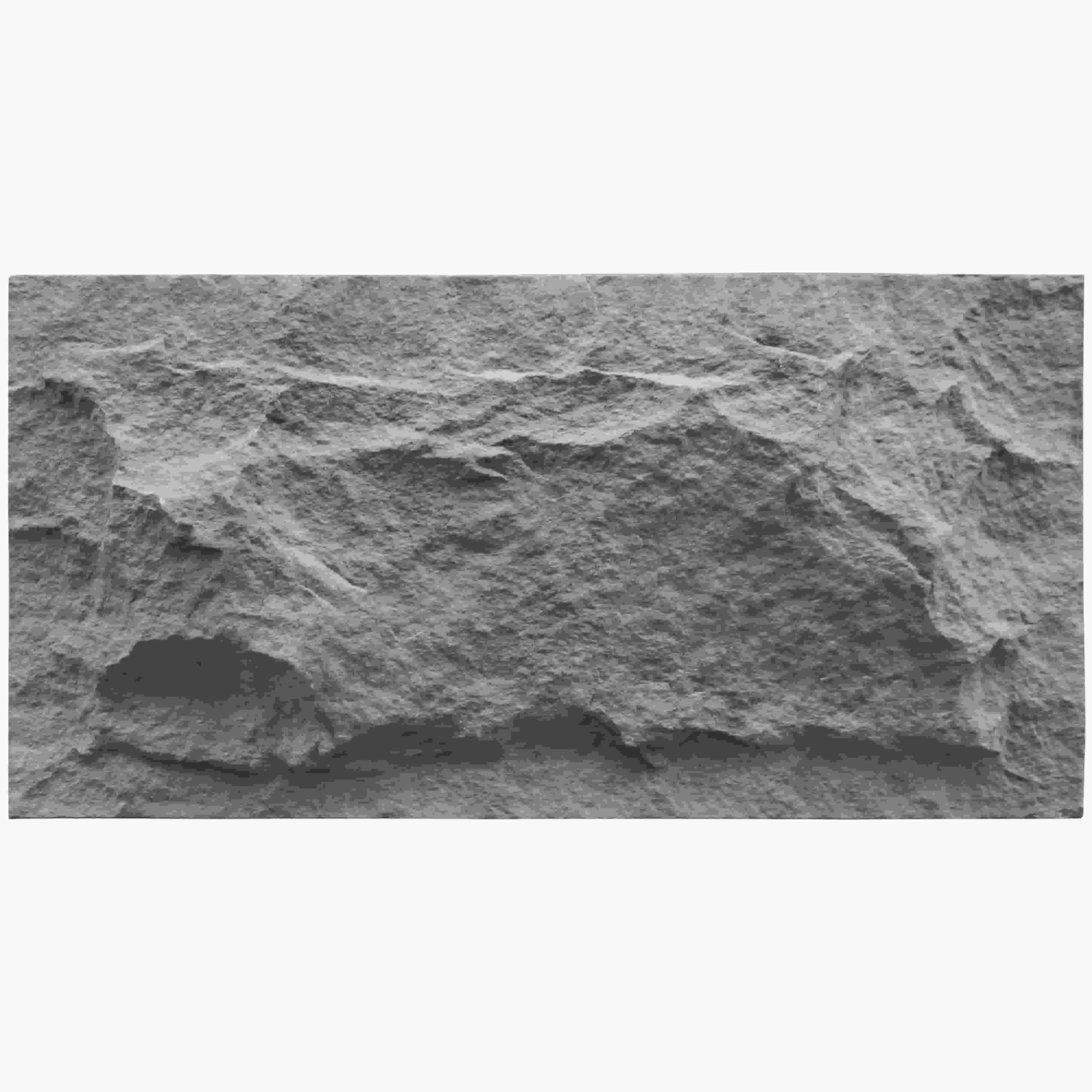
Ever run your hand over a wall and felt a texture so organic, so full of character, that it makes you pause? That's the magic of Crossare Mushroom Stone043. More than just a building material, it's a blend of artistry and engineering—crafted to bring the raw beauty of nature into our spaces without the hassle of traditional stone. But how does a material that looks like it was chiseled from a mountainside get made in a factory? Let's pull back the curtain and explore the journey of Crossare Mushroom Stone043, powered by the innovation of MCM technology.
Before we dive into the specifics of Crossare Mushroom Stone043, let's talk about the star of the show: MCM, or Modified Composite Material. Think of MCM as the "Swiss Army knife" of building materials. Traditional stone is heavy, brittle, and hard to install. Wood warps, metal rusts, and concrete cracks. MCM? It's a hybrid—made by bonding layers of natural minerals (like stone powder or clay) with high-performance polymers. The result? A material that's lightweight (up to 80% lighter than natural stone!), flexible (it can bend without breaking), and durable enough to withstand rain, snow, and even extreme heat.
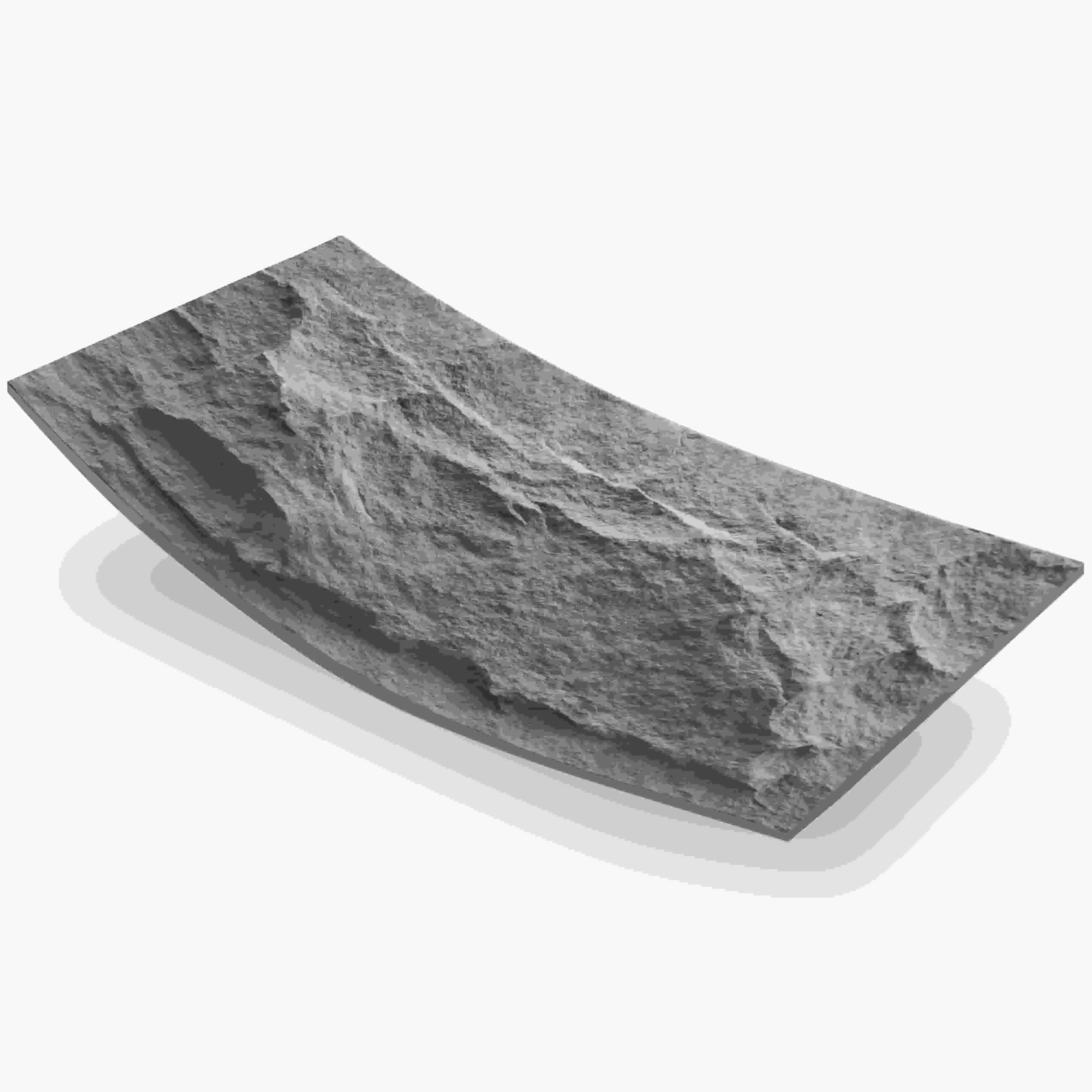
MCM flexible stone, for example, is a popular variant—thin enough to wrap around curved surfaces, like columns or rounded walls, but tough enough to handle the wear and tear of a busy hotel lobby. And Crossare Mushroom Stone043? It's MCM technology taken to the next level, designed to mimic the rugged, uneven texture of mushroom-shaped stone formations found in rocky landscapes—hence the name "Mushroom Stone."
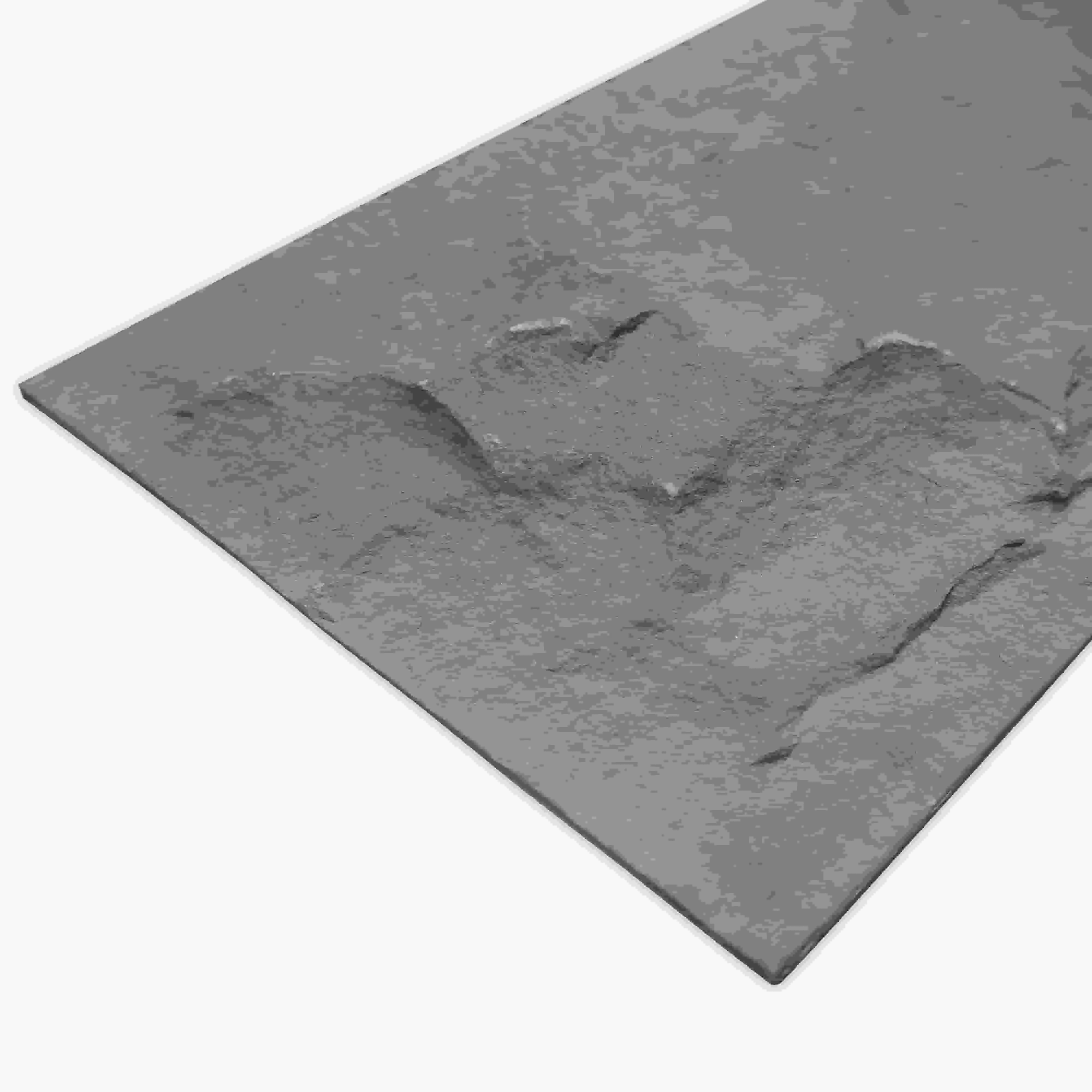
Every great product starts with a problem. Architects and designers were asking for something that looked "wild" and "natural" but didn't come with the headaches of real stone. They wanted the charm of a centuries-old castle wall without the crane required to lift those massive stones. Enter Crossare Mushroom Stone043. Its design team drew inspiration from the gnarled, uneven surfaces of mushroom rocks—those iconic formations where wind and water carve stone into lumpy, organic shapes. The goal? To capture that "lived-in" texture but in a material that could be installed with basic tools, not a construction crew.
But here's the twist: Crossare Mushroom Stone043 isn't just about looks. It's engineered to perform. Unlike real mushroom stone, which can have hidden cracks or inconsistencies, every panel of Crossare Mushroom Stone043 is identical in thickness, weight, and strength. That means no surprises on the job site—and no wasted material.
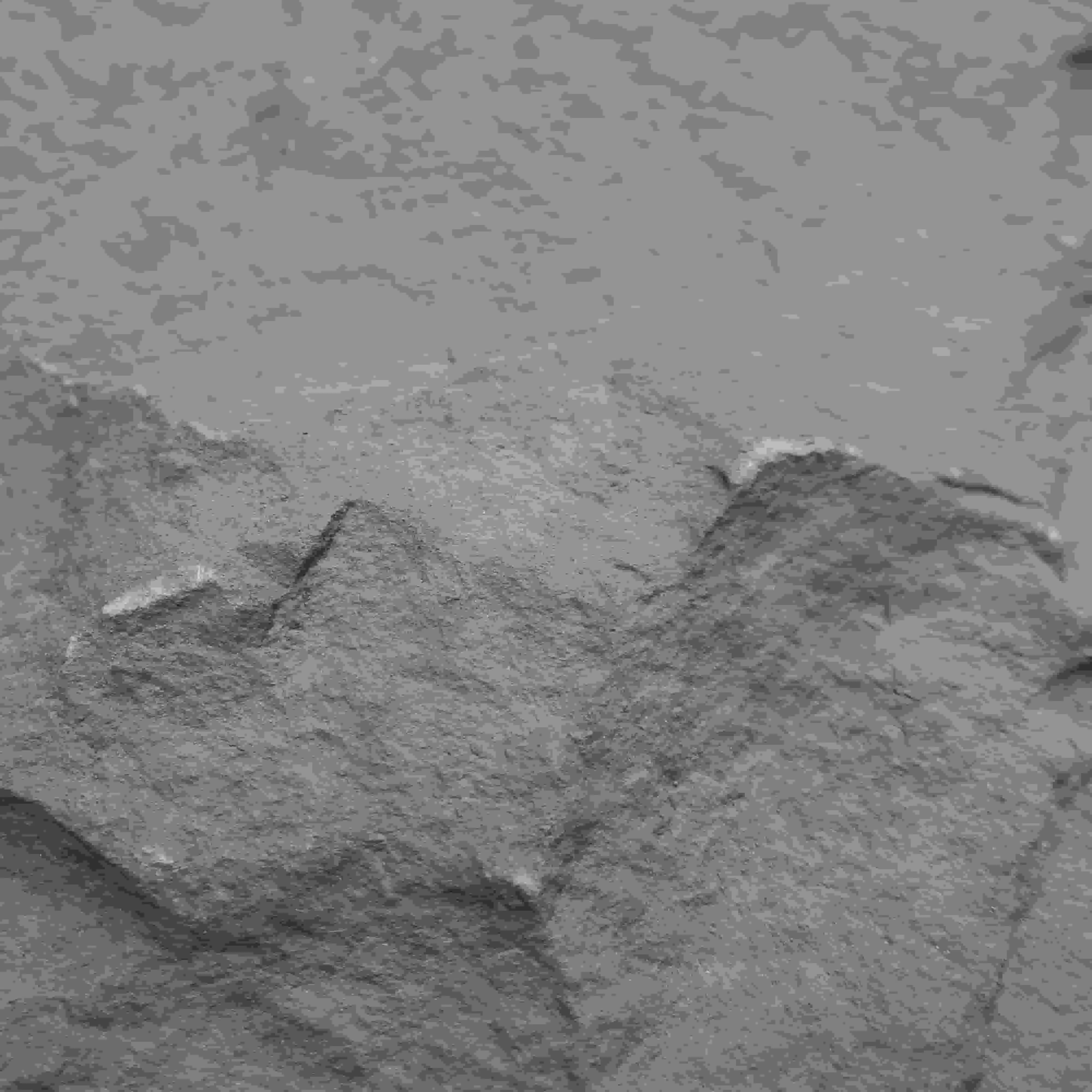
Let's walk through the process, from a pile of raw materials to the finished panel you'd see on a building facade. It's part science lab, part art studio, and 100% fascinating.
First, the ingredients. Crossare Mushroom Stone043 starts with a base of natural stone aggregates—think crushed travertine, marble dust, and quartz. These are sourced from quarries, but instead of cutting big slabs, we're using the "leftovers" from traditional stone processing (hello, sustainability!). To this, we add a polymer binder—kind of like a super-strong glue that holds everything together. The ratio here is crucial: too much polymer, and it feels plastic-y; too little, and it cracks. The team tests batches repeatedly to get that perfect balance of "stone-like" texture and "flexible" strength.
Fun fact: This is where MCM differs from something like foamed aluminium alloy board (vintage silver), which is metal-based. MCM leans into natural minerals for that authentic stone look, while foamed aluminium offers a sleek, industrial vibe. Both have their place, but Crossare Mushroom Stone043 is all about that earthy, organic feel.
Once the mix is ready, it's time to build the panel. MCM is a layered material, like a sandwich. The core is the stone-polymer mix, but it's reinforced with a fiberglass mesh layer for extra tensile strength (that's the "flexible" part). Imagine making a cake: you pour the batter (the stone mix), add a layer of cake reinforcement (the fiberglass), and then top it off with more batter. This layering is why MCM panels can bend—say, if the building shifts slightly in an earthquake—without snapping.
Now, the fun part: making it look like a mushroom stone. Traditional stone gets its texture from nature—wind, water, time. Crossare Mushroom Stone043? It gets its texture from custom-made molds. These molds are 3D-scanned from real mushroom rocks, so every bump, crevice, and indentation is captured in minute detail. The wet stone-polymer mix is poured into these molds, and then a vacuum press squishes out air bubbles and ensures the mix fills every nook and cranny. It's like pressing a giant stamp into clay, but with way more precision.
This is where the "Crossare" in the name comes from—"crossare" is Italian for "to etch," and that's exactly what the mold does: etch the texture into the surface. The result? A panel that looks like it was hand-carved by nature, not machine-pressed in a factory.
After molding, the panels go into a curing chamber. Think of this as a spa for building materials—controlled temperature, humidity, and time to let the polymer binder set. Natural stone takes years to harden; MCM takes hours. The curing process is carefully timed to ensure the panel is strong but not brittle. Too short, and it's weak; too long, and it becomes rigid (bye-bye, flexibility!). After curing, the panel is demolded, and we're left with a rough "blank" that looks almost like the finished product—just missing a little polish.
Now, the panel gets its final makeover. First, any excess material is trimmed off with precision saws—no jagged edges here. Then, it's time for coloring. Crossare Mushroom Stone043 comes in a range of earthy tones, from warm beiges to deep grays, but the color isn't just painted on. Pigments are added during the initial mixing stage, so the color runs all the way through the panel (no chipping to reveal a white core!). For extra depth, some panels get a "wash" of darker or lighter pigment in the crevices, mimicking how natural stone darkens in its cracks when it rains.
Finally, a protective sealer is applied. This sealer is invisible but tough—it repels water, resists stains, and prevents fading from UV rays. So even if Crossare Mushroom Stone043 is installed outside in a rainy climate, it won't turn into a moldy mess or lose its color over time.
Okay, so we've talked about how it's made—but why does any of this matter? Let's break down the benefits that make architects and builders reach for Crossare Mushroom Stone043 over natural stone or other cladding materials.
| Feature | Crossare Mushroom Stone043 (MCM) | Natural Mushroom Stone | Traditional Concrete Panels |
|---|---|---|---|
| Weight | 4-6 kg/m² (light enough for drywall!) | 30-40 kg/m² (needs heavy-duty framing) | 20-25 kg/m² (still heavier than MCM) |
| Flexibility | Can bend up to 5° without cracking | Brittle—will crack with even slight bending | Rigid—minimal flexibility |
| Installation Time | 2-3 workers can install 100m² in a day | Requires cranes and 4+ workers; 100m² takes 2-3 days | Heavy lifting needed; 100m² takes 1-2 days |
| Design Options | Custom textures, colors, and sizes (even curved!) | Limited by what nature provides | Basic textures; mostly flat or simple patterns |
But the real kicker? Sustainability. MCM uses recycled stone aggregates, and because it's lightweight, transporting it emits less CO2 than hauling natural stone. Plus, since it's so durable (lifespan of 50+ years with minimal maintenance), it reduces the need for frequent replacements—good for the planet, and good for your wallet.
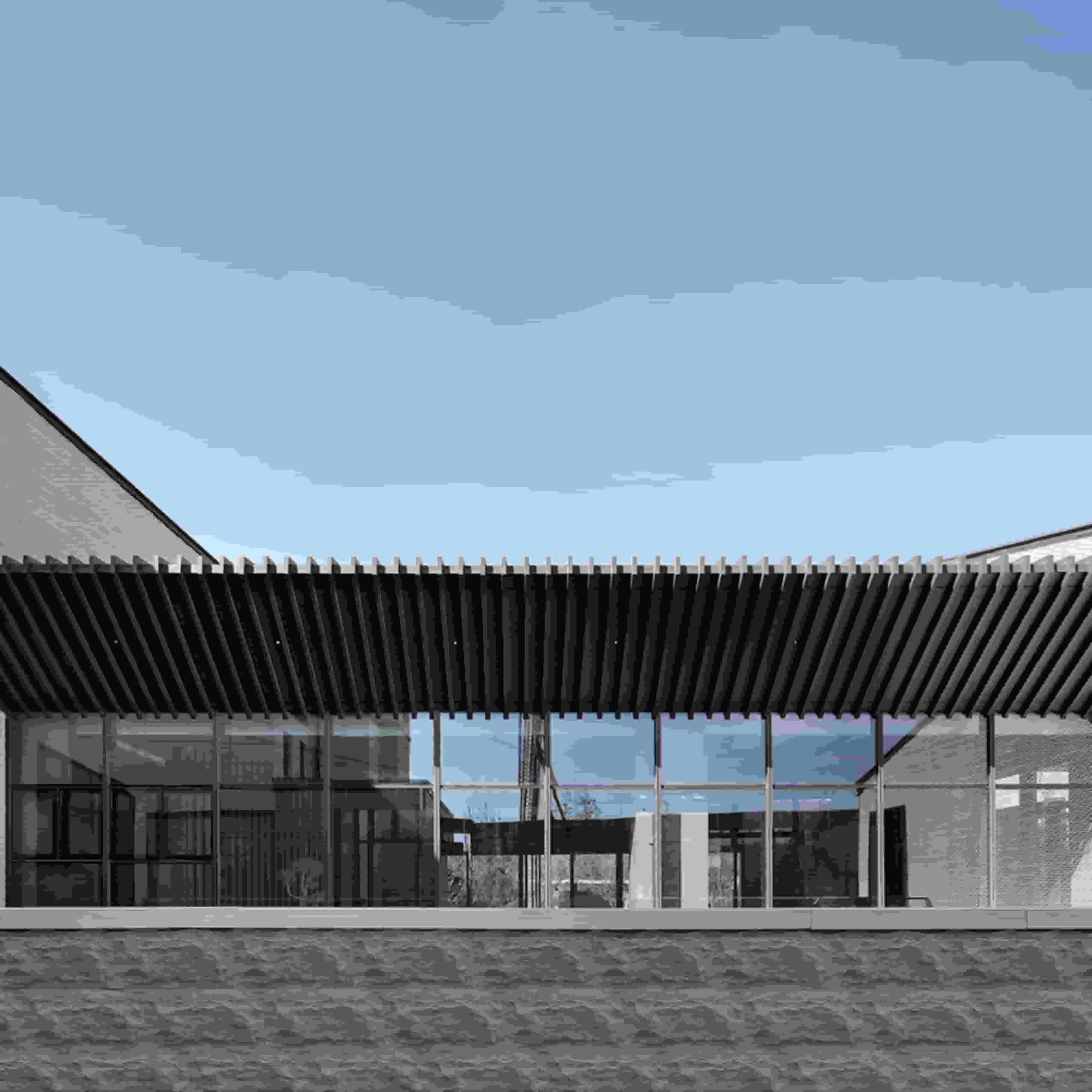
Crossare Mushroom Stone043 isn't just for show—it's built to perform in real-world spaces. Here are a few places where it's making a statement:
Crossare Mushroom Stone043 is just one star in the MCM galaxy. Take travertine (starry green), for example—another MCM product that mimics the look of travertine stone but with a twist: tiny, glittering flecks that catch the light, like stars in a night sky. Or MCM flexible stone, which can be wrapped around columns or curved walls to create seamless, flowing designs that natural stone could never pull off.
As builders and designers push for more sustainable, efficient, and beautiful spaces, MCM technology is poised to lead the way. It's not about replacing natural materials—it's about reimagining them. Crossare Mushroom Stone043 lets us bring the rugged beauty of mushroom rocks into our cities without the environmental cost of quarrying massive stones or the logistical nightmare of installing them. It's nature, redefined for the modern world.
At the end of the day, Crossare Mushroom Stone043 is more than just a building material. It's a story of innovation—of taking what's great about nature and making it better, more accessible, and more sustainable. It's for the architect who wants to design a curved wall without compromising on texture, the builder who wants to finish a project faster, and the homeowner who wants their space to feel both timeless and modern.
So the next time you walk past a building with a rough, earthy facade, take a closer look. It might just be Crossare Mushroom Stone043—and now you'll know the journey it took to get there: from a mix of stone and polymer, to a mold shaped by nature, to a panel that's changing how we build, one texture at a time.
Recommend Products












