
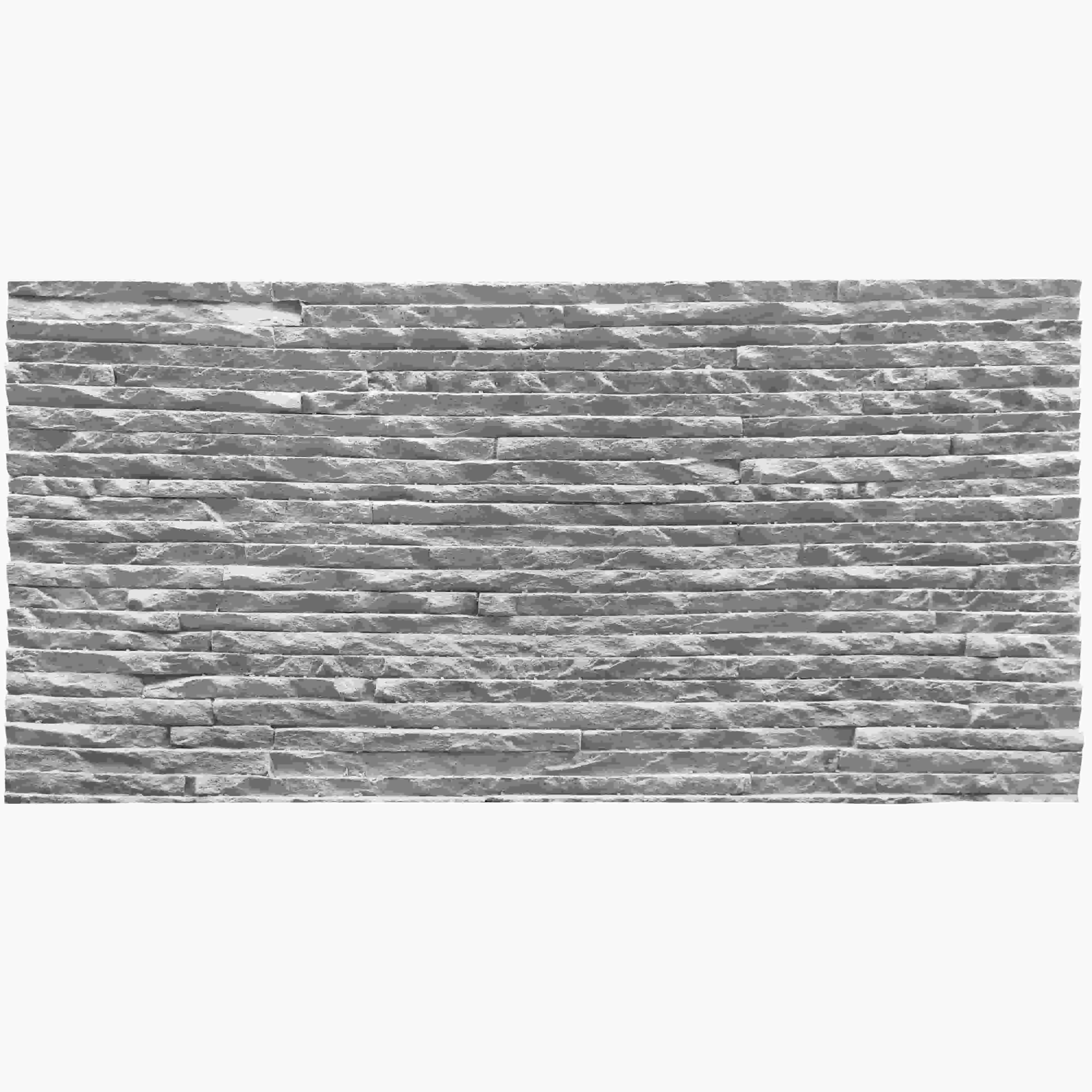
Crafting Timeless Texture, One Slab at a Time
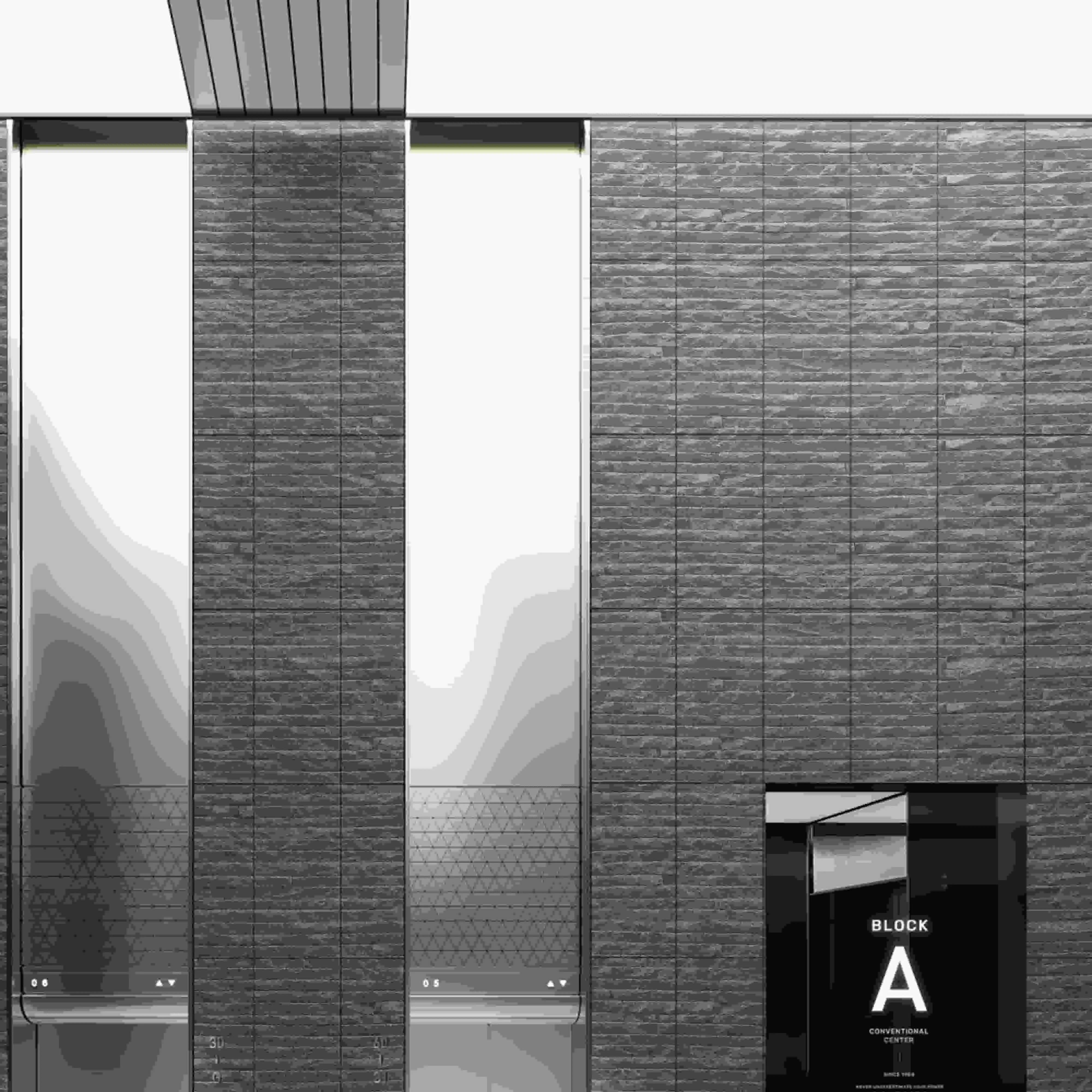
In the world of architecture, materials don't just build structures—they tell stories. They shape how we feel when we step into a space, how light dances across walls, and how a building ages with grace. Enter Muretto Stone (Light Grey) , a material that has quietly become a favorite among designers and homeowners alike. With its soft, weathered texture and muted light grey hue, it's as if the stone itself carries the calm of a misty morning, making it perfect for spaces that crave warmth without overwhelming boldness.
At the heart of this stone's magic is COLORIA's mastery of MCM (Modified Composite Material) technology—a blend of art and science that transforms ordinary aggregates into extraordinary building materials. Unlike natural stone, which can be heavy, porous, or inconsistent, Muretto Stone (Light Grey) marries durability with design flexibility, all while keeping sustainability front and center. Let's pull back the curtain and explore how this architectural gem is brought to life, from raw materials to finished slab.
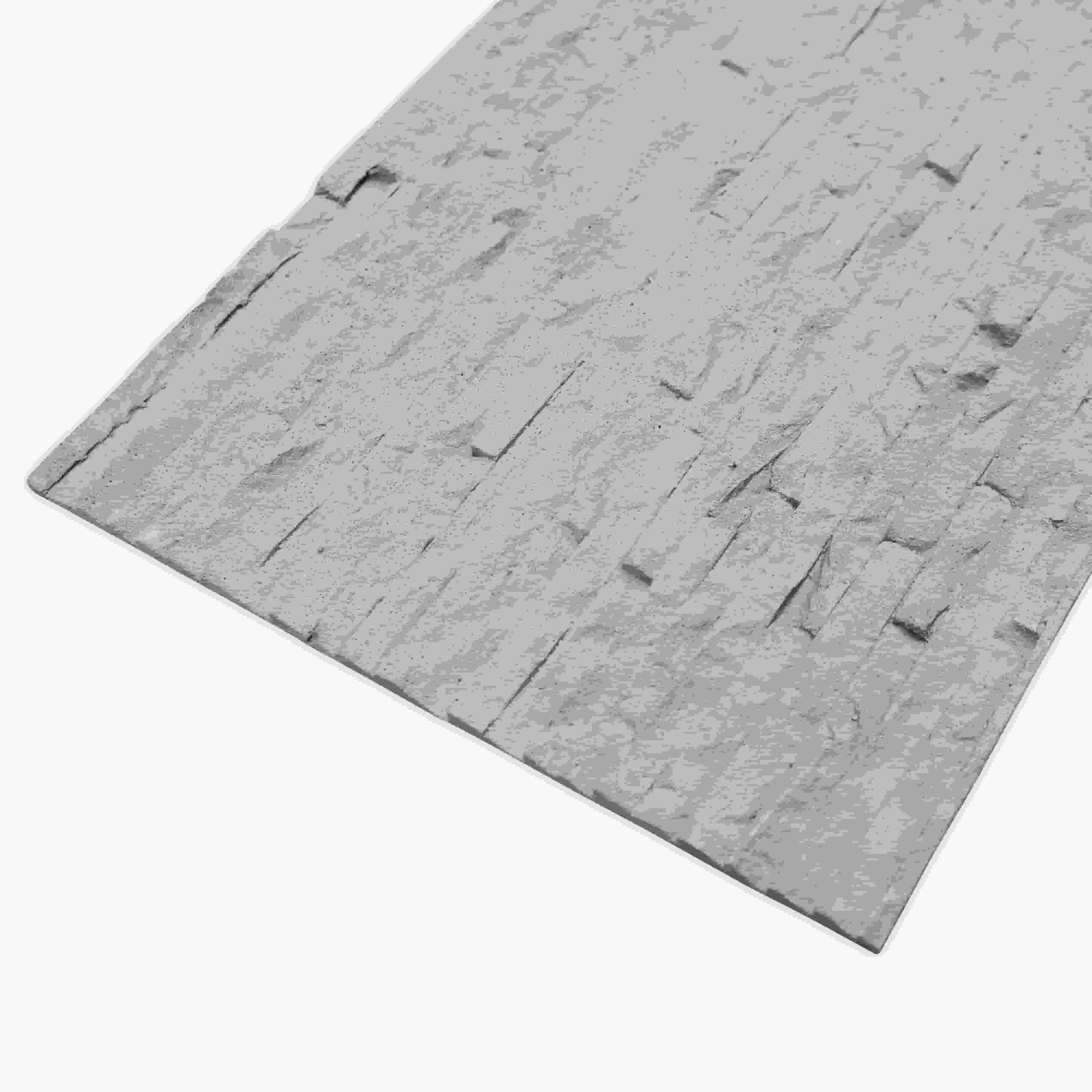
Every great creation starts with great ingredients, and Muretto Stone is no exception. The process begins with a quest for the perfect light grey limestone aggregates—small, mineral-rich fragments that form the "bones" of the stone. COLORIA's sourcing team doesn't just order these aggregates; they curate them. Picture geologists and material specialists visiting quarries across Europe and Asia, kneeling to inspect stone samples, running fingers over rough surfaces to check for texture, and holding fragments up to the light to assess color consistency.
"We're not just looking for 'light grey'—we're looking for that light grey," says Elena, a senior material specialist at COLORIA. "It has to have a hint of warmth, not too cool, not too stark. Sometimes we'll sift through hundreds of samples before finding a batch that feels 'right.'" This dedication to nuance ensures that every Muretto slab carries the same soft, inviting tone, whether it's installed in a cozy café in Paris or a sleek office in Tokyo.
But aggregates alone aren't enough. To bind them into a strong, flexible composite, COLORIA uses eco-friendly, low-VOC resins—think of them as the "glue" that holds everything together. These resins are derived from plant-based sources where possible, aligning with the brand's commitment to reducing environmental impact. Even the pigments added to fine-tune the light grey color are carefully selected to be fade-resistant, ensuring that the stone retains its beauty for decades, even under harsh sunlight.
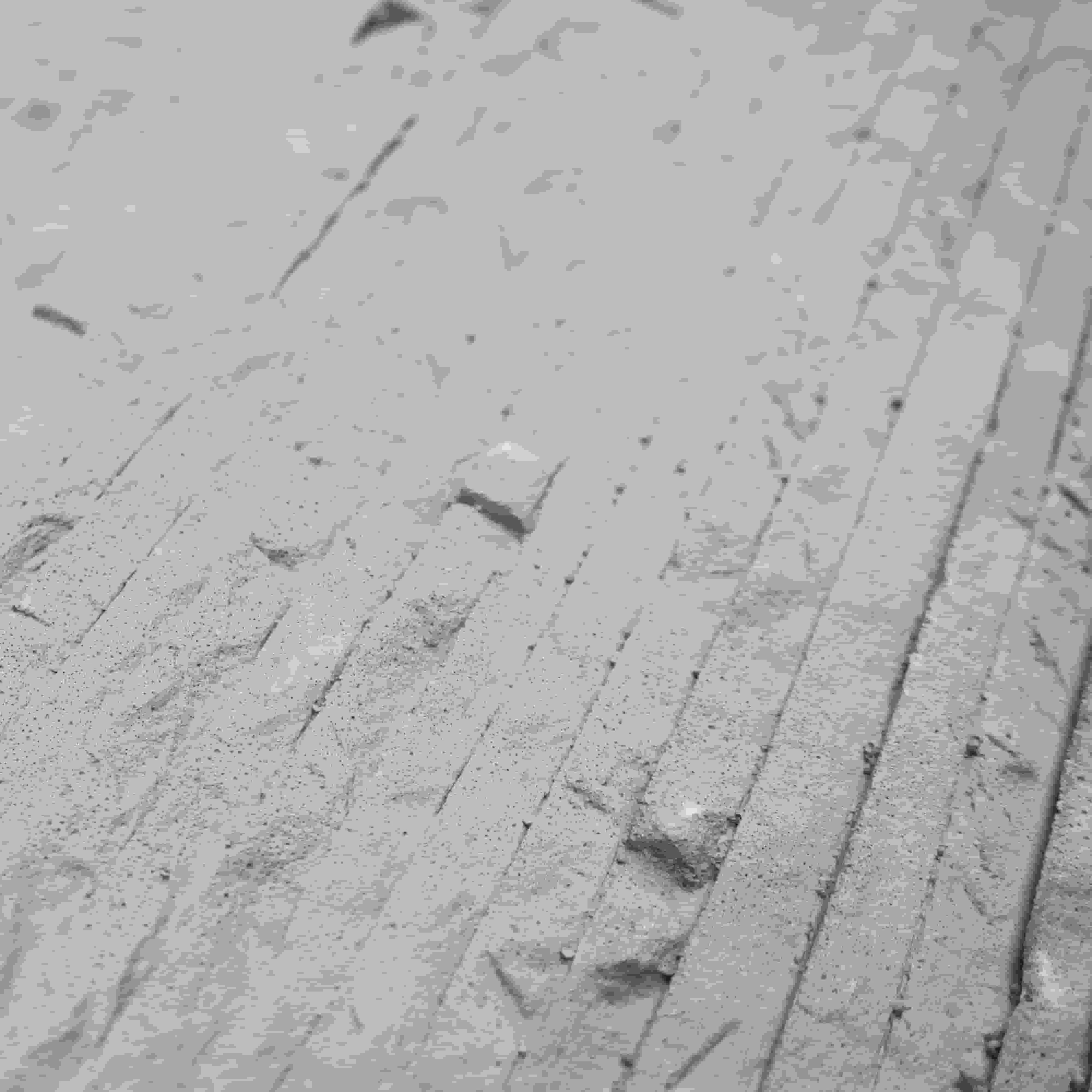
If material selection is the "what," then composite formulation is the "how." MCM technology is where COLORIA truly shines, turning a mix of aggregates and resins into a material that's lighter than natural stone, more durable than concrete, and infinitely customizable. The process happens in COLORIA's state-of-the-art lab, where chemists and engineers work like alchemists, tweaking ratios until they hit the sweet spot.
"It's a balance of strength and workability," explains Marco, a lead chemist at COLORIA. "Too much resin, and the stone becomes brittle; too little, and it won't hold its shape. We're chasing that 'just right' formula that lets the stone bend slightly under stress—say, during an earthquake—without cracking, while still being tough enough to withstand rain, wind, and foot traffic."
The lab uses small-batch testing to refine the mixture. Each batch is poured into miniature molds, cured, and then put through rigorous trials: dropped from heights to test impact resistance, submerged in water to check porosity, and exposed to UV light to simulate years of sun exposure. Only when a batch passes all these tests does it move to full-scale production. It's painstaking work, but it's why architects trust Muretto Stone to perform in even the most demanding environments.
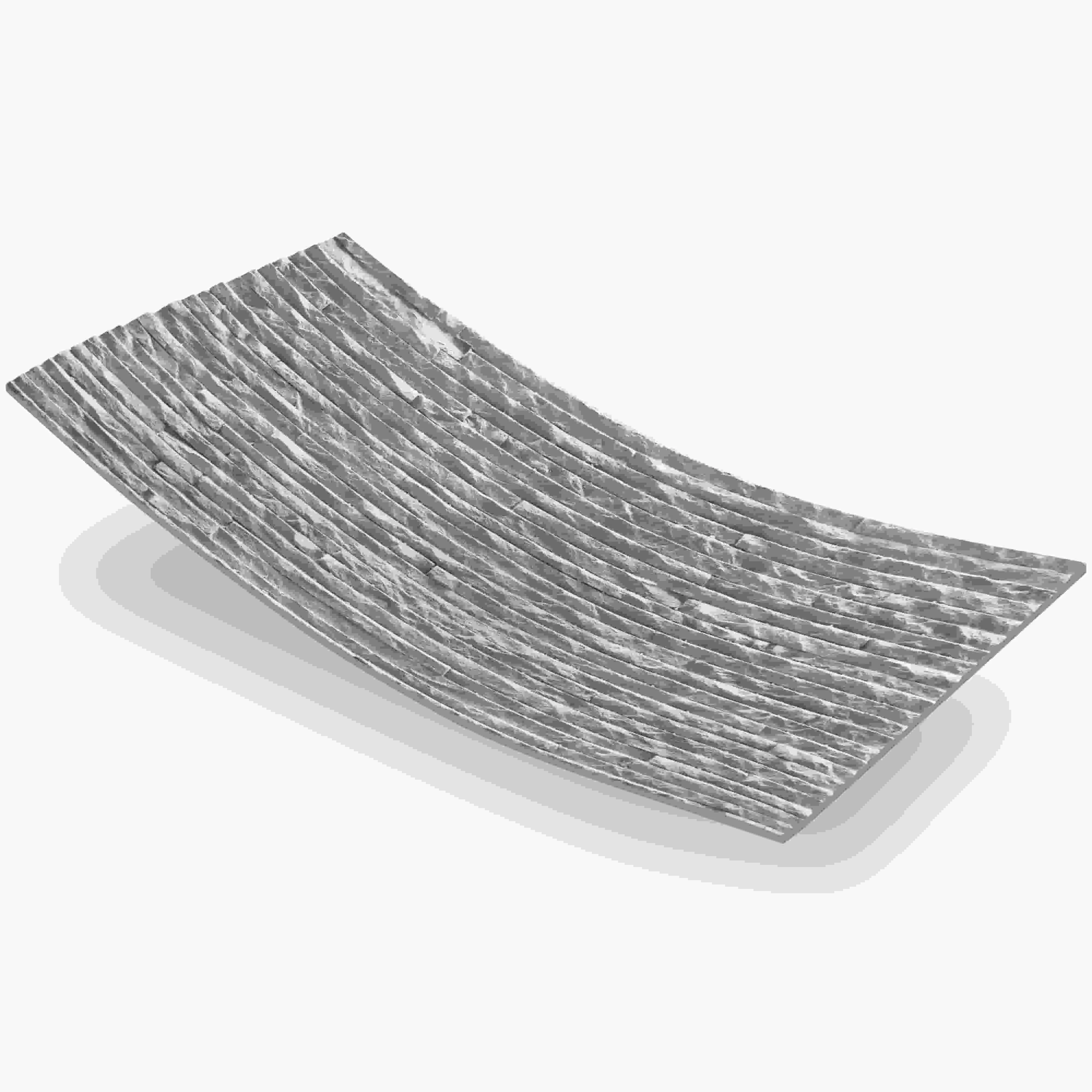
With the perfect composite in hand, it's time to give Muretto Stone its signature texture. This is where the process shifts from science to artistry. COLORIA's molds are not just tools—they're works of precision engineering, often 3D-scanned from natural stone surfaces to replicate the look of weathered rock, or custom-designed to create entirely new textures (think: subtle ripples, linear grooves, or even abstract patterns).
On the production floor, skilled technicians pour the composite into these molds with careful attention. It's a bit like baking a cake—too fast, and air bubbles form; too slow, and the mixture starts to set unevenly. "We train our team to 'read' the flow of the composite," says Luisa, a production supervisor. "You learn to tilt the mold slightly here, tap it gently there, to make sure every nook and cranny is filled. It's muscle memory, but also intuition."
For Muretto Stone (Light Grey), the mold often features a gently pitted surface, mimicking the look of stone that's been smoothed by time and elements. This texture isn't just for show—it also helps hide minor scratches and wear, making the stone ideal for high-traffic areas like lobbies or outdoor patios. Once poured, the molds are left to rest, allowing the composite to settle into its final shape before moving to curing.
In a world that celebrates speed, COLORIA takes the opposite approach when it comes to curing. Muretto Stone isn't rushed through ovens or blast-dried; instead, it's cured slowly, in climate-controlled rooms where temperature and humidity are kept at optimal levels. Think of it like aging a fine cheese or fermenting wine—time is the key ingredient here.
"We cure our slabs for 72 hours minimum," Marco explains. "Some materials can be cured in a day, but that leads to internal stresses. Slow curing lets the resins bond completely with the aggregates, creating a stronger, more stable structure. It's an extra step, but it's why our stone lasts 50+ years instead of 20."
During curing, technicians monitor each batch closely. Sensors track temperature fluctuations, and samples are periodically tested for hardness. If a room's humidity spikes, they adjust the ventilation; if a slab feels too soft, they extend the curing time. It's a labor-intensive process, but it's a testament to COLORIA's belief that quality can't be rushed.
Once cured, the slabs emerge from their molds as rough gems, ready for polishing and refinement. This is where artisans take over, turning functional building materials into objects of beauty. The first step is sanding—using progressively finer grits to smooth the surface, while preserving the mold's texture. For Muretto Stone (Light Grey), the goal is a "soft matte" finish: not shiny, but with enough sheen to reflect light gently.
Next comes sealing. A clear, water-based sealant is applied to protect the stone from stains and moisture without altering its color. "We test sealants for months to find ones that don't yellow over time," Elena notes. "Nothing ruins a light grey stone faster than a sealant that turns it creamy or dull." After sealing, each slab is hand-inspected by a quality control expert, who checks for color uniformity, texture consistency, and any tiny imperfections (a chip here, a bubble there) that might have snuck through.
"I run my hand over every slab," says Giovanni, a 20-year veteran of COLORIA's QC team. "You feel things a machine can't—an uneven edge, a spot that's too rough. If I wouldn't put it in my own home, it doesn't leave the factory." This human touch is what sets Muretto Stone apart; it's not just mass-produced—it's crafted .
Wondering how Muretto Stone (Light Grey) compares to other popular building materials? Here's a quick breakdown:
| Material | Weight (kg/m²) | Durability | Sustainability | Best For |
|---|---|---|---|---|
| Muretto Stone (Light Grey) | 18–22 | High (resistant to cracks, stains, UV) | Eco-friendly resins, recycled aggregates | Facades, feature walls, outdoor patios |
| Fair-Faced Concrete | 24–28 | High (but prone to staining without sealant) | Cement production has high CO2 footprint | Industrial-chic interiors, structural elements |
| Travertine (Beige) | 25–30 | Moderate (porous, requires regular sealing) | Natural, but mining can disrupt ecosystems | Luxury interiors, classic exteriors |
Muretto Stone (Light Grey) isn't just a material—it's a design partner. Its light weight makes it easy to install on both new builds and renovations (no need for reinforced walls!), and its neutral color pairs beautifully with wood, metal, or even bold accents like travertine (beige) or rust-red tiles. Architects have used it to clad everything from boutique hotels in Bali to minimalist homes in Scandinavia, proving its versatility.
Take the "Haven Residences" in Copenhagen, for example. The building's facade features Muretto Stone (Light Grey) panels arranged in a staggered pattern, creating depth and shadow as the sun moves. "We wanted a material that felt rooted in nature but had a modern edge," says the project's lead architect, Sofia Jensen. "Muretto's texture adds warmth, while its light grey color keeps the building from feeling heavy—perfect for our Nordic climate, where light is precious."
Back at COLORIA, the team takes pride in seeing their stone shape these spaces. "At the end of the day, we're not just making slabs," Marco says. "We're helping people build places where memories happen. That's the real reward."
Muretto Stone (Light Grey) is more than a product of MCM technology—it's a product of care. From the geologist handpicking aggregates to the artisan polishing the final slab, every step is infused with the belief that great materials shouldn't just perform—they should resonate . In a world of fast trends and disposable design, COLORIA's commitment to craftsmanship ensures that Muretto Stone will age not just with durability, but with beauty, growing more characterful with each passing year.
So the next time you walk past a building with a soft, light grey facade that makes you pause and think, "That feels right," chances are, it might just be Muretto Stone. And behind it? A team of people who believe that architecture, at its best, is about creating spaces that feel like home—one carefully crafted slab at a time.
Recommend Products












