
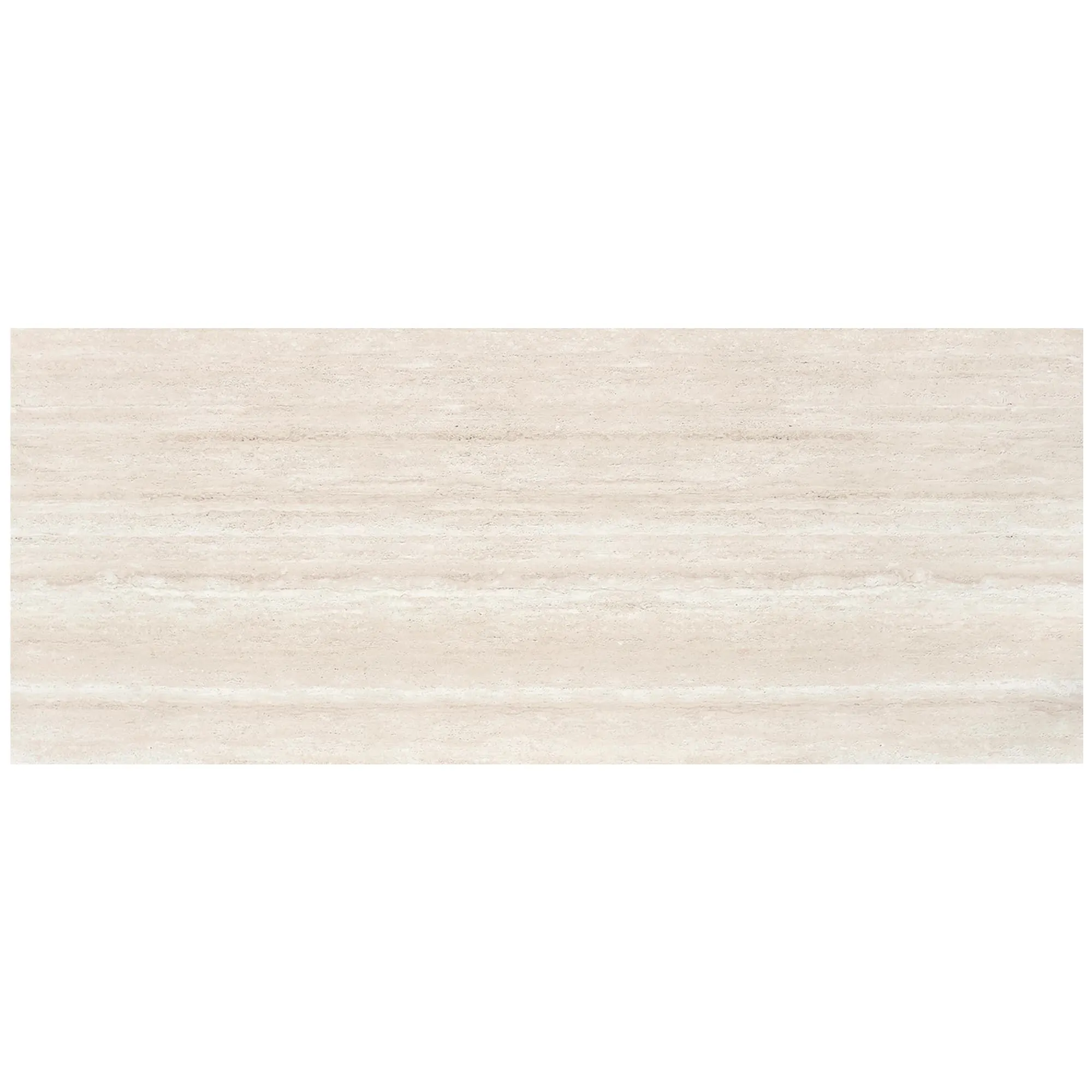
In the world of architectural design, few materials strike the balance between beauty, durability, and innovation quite like MCM flexible stone . Among its many iterations, Rona Yellow MCM stands out—a warm, sunlit hue that evokes both modern vibrancy and timeless elegance. But what goes into creating this versatile cladding material? Behind every slab of Rona Yellow lies a journey of precision, craftsmanship, and scientific rigor, where raw elements are transformed into a product that adorns facades, interiors, and public spaces worldwide. Let's walk through this journey, step by step.
The story of Rona Yellow begins with choosing the right ingredients. Unlike traditional stone, which relies solely on quarried rock, MCM (Modified Composite Material) blends natural minerals with advanced polymers to achieve flexibility without sacrificing strength. For Rona Yellow, this means handpicking materials that will not only deliver its signature color but also ensure long-lasting performance in diverse environments—from humid coastal cities to arid deserts.
At the core of Rona Yellow's composition is lime stone (beige) , sourced from sustainable quarries in northern Italy. This sedimentary rock, formed over millions of years from marine organisms, brings a natural density and texture that mimics traditional travertine. Its neutral base provides the perfect canvas for Rona Yellow's pigment, ensuring the color remains vibrant without appearing artificial.
To enhance flexibility, manufacturers add a polyethylene copolymer—a high-performance polymer that acts as a "binder," holding the limestone particles together while allowing the material to bend slightly under stress (a key advantage over brittle natural stone). Rounding out the mix are iron oxide pigments, carefully selected for their lightfastness, and silica fume, a byproduct of silica production that boosts compressive strength.
| Raw Material | Source | Role in Rona Yellow MCM |
|---|---|---|
| Lime stone (beige) | Sustainable quarries, Italy | Structural base; provides natural texture and density |
| Polyethylene Copolymer | Specialized chemical suppliers, Germany | Flexibility enhancer; binds aggregates to prevent cracking |
| Iron Oxide Pigment (Yellow) | Mineral processing facilities, Spain | Colorant; ensures uniform, fade-resistant Rona Yellow hue |
| Silica Fume | Industrial byproduct, France | Strength booster; reduces porosity and enhances durability |
Every batch of raw materials undergoes rigorous testing before approval. For example, limestone samples are checked for impurities like clay or salts, which could weaken the final product. Pigments are tested under UV light for 1,000 hours to ensure they won't fade—a critical step for a color as vivid as Rona Yellow.
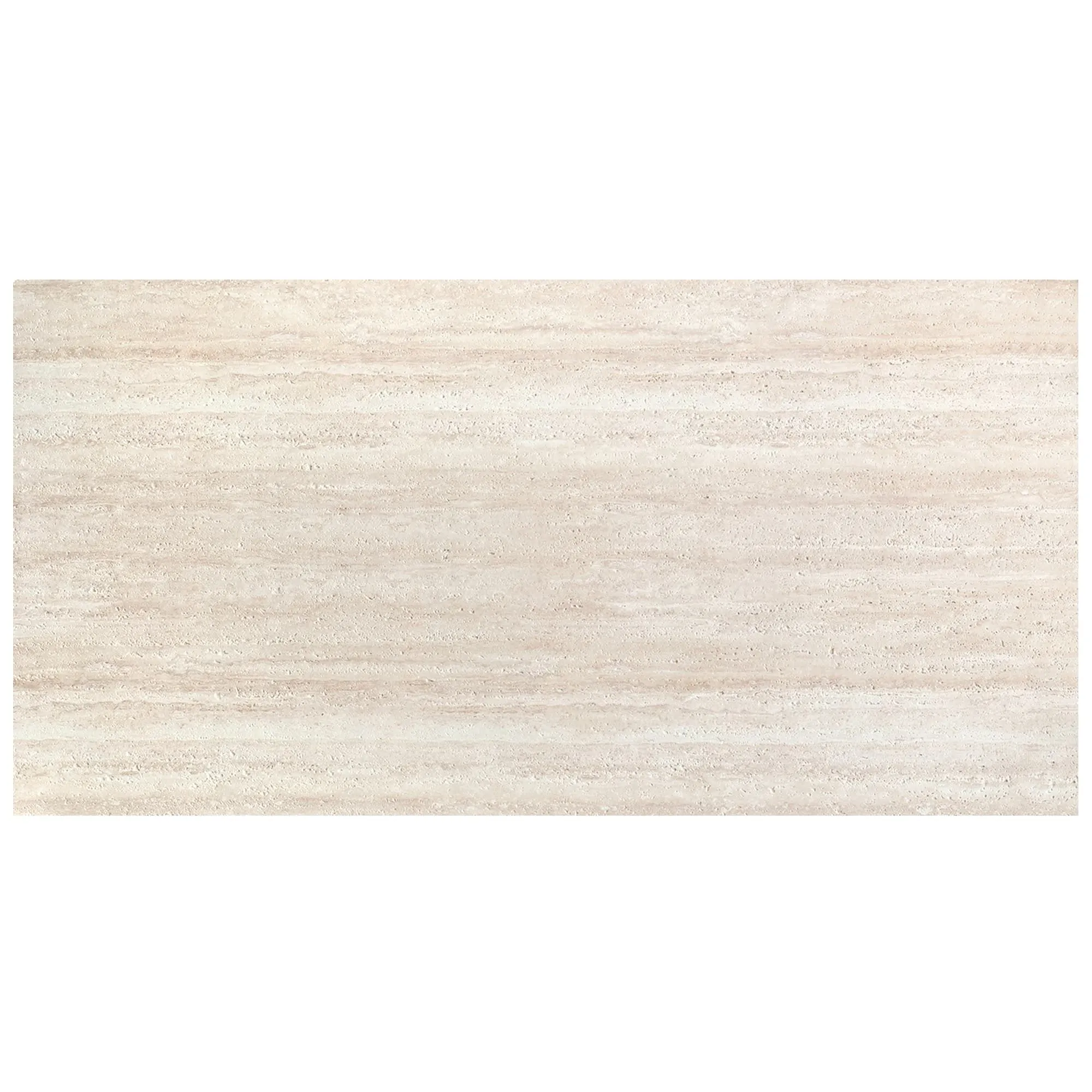
Once approved, the raw materials move to preprocessing—a stage where precision is everything. Imagine a symphony where each instrument must be tuned to the same key; here, each component is prepared to exact specifications to ensure consistency in the final slab.
First, the limestone is crushed into small, uniform particles. Using a series of jaw crushers and vibrating screens, the rock is reduced to grains ranging from 0.1mm to 2mm in diameter. This careful sizing ensures the aggregate packs tightly during molding, eliminating gaps that could weaken the slab. The crushed limestone is then washed in a rotary drum to remove dust and fines, leaving only clean, gritty particles.
Meanwhile, the polyethylene copolymer is melted in a controlled-heat extruder, transforming it from solid pellets into a viscous liquid. This molten polymer is then mixed with silica fume—a fine, powdery material that acts like "micro-reinforcement," filling tiny spaces between limestone particles. The result is a "binder paste" that will later coat the limestone, creating a strong yet flexible matrix.
The iron oxide pigment is pre-dispersed in a small amount of polymer to ensure even distribution. Without this step, pigment clumps could create splotchy coloration—imagine trying to stir paint that's settled at the bottom of a can. By pre-dispersing, manufacturers guarantee that every square inch of Rona Yellow has the same warm, consistent tone.
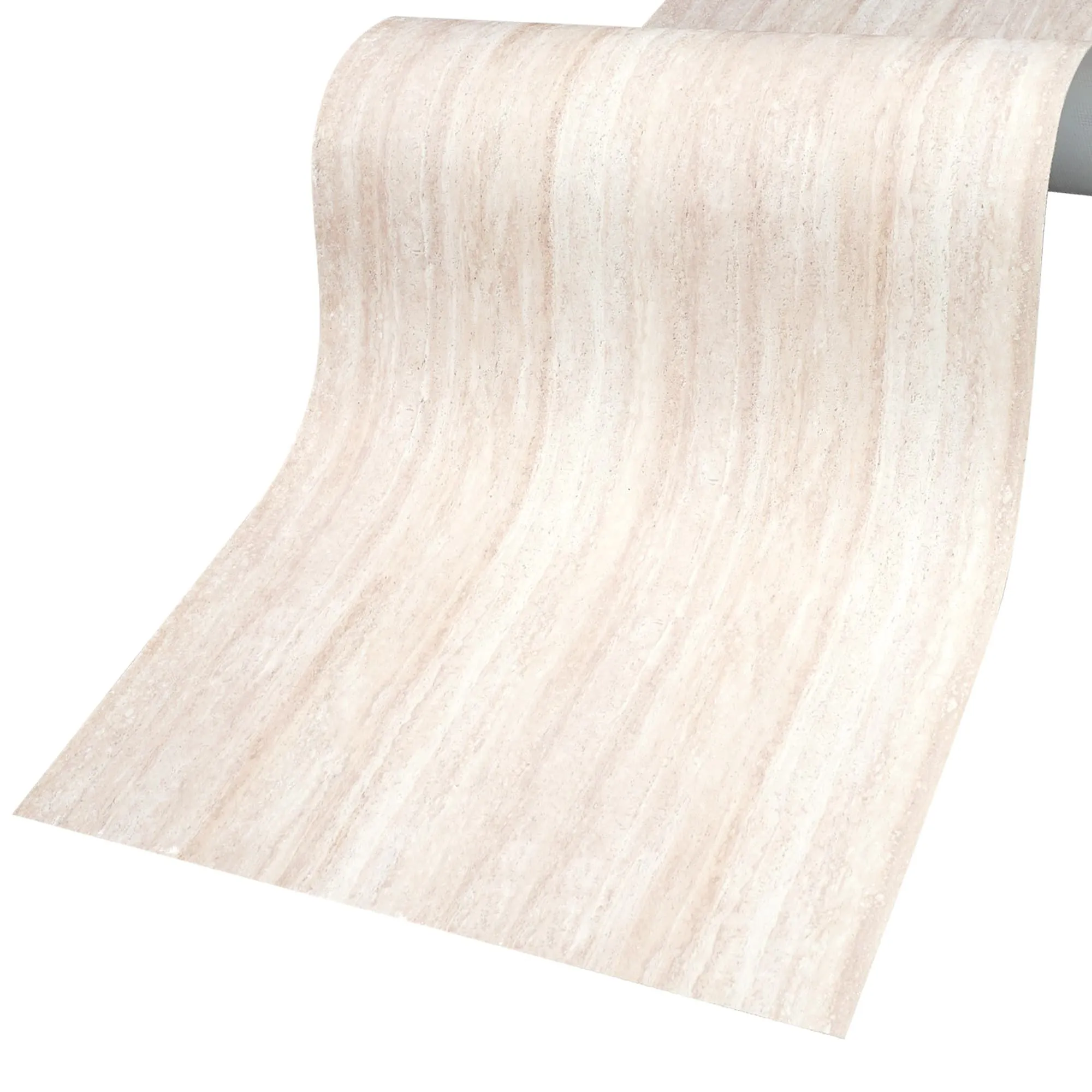
Now comes the "recipe" stage: blending the preprocessed materials into a homogeneous composite. This is where art meets science. The ratio of limestone to polymer to pigment must be precise—too much polymer, and the slab becomes overly flexible; too little, and it risks brittleness. For Rona Yellow, the ideal mix is 70% limestone, 25% polymer binder, 4% pigment, and 1% silica fume—a formula honed over years of experimentation.
The mixing takes place in a twin-screw extruder, a machine that looks like a giant pasta maker. As the limestone, binder paste, and pigment are fed into the extruder, rotating screws shear and blend them at high temperatures (around 180°C). This intense mixing ensures the polymer coats every limestone particle, creating a "composite dough" with the consistency of thick clay. Operators monitor the dough's texture constantly—if it's too dry, they add a touch more polymer; if too sticky, a sprinkle of limestone fines.
This step is where Rona Yellow differs from other MCM variants, like the 3D printing series (which uses a more fluid mix for layer-by-layer deposition). Rona Yellow's dough is designed for flat-slab molding, requiring a stiffer consistency that holds shape under pressure. It's a balance that reflects the material's intended use: as a cladding that needs to be both rigid enough to hang on walls and flexible enough to withstand thermal expansion.
"Formulating Rona Yellow is like baking a cake—change one ingredient by even 1%, and the whole thing shifts," says Maria Rossi, a materials engineer with 15 years in MCM production. "We once adjusted the pigment by 0.5% and ended up with a batch that looked more 'mustard' than 'rona yellow.' It took three weeks of testing to get it right again."
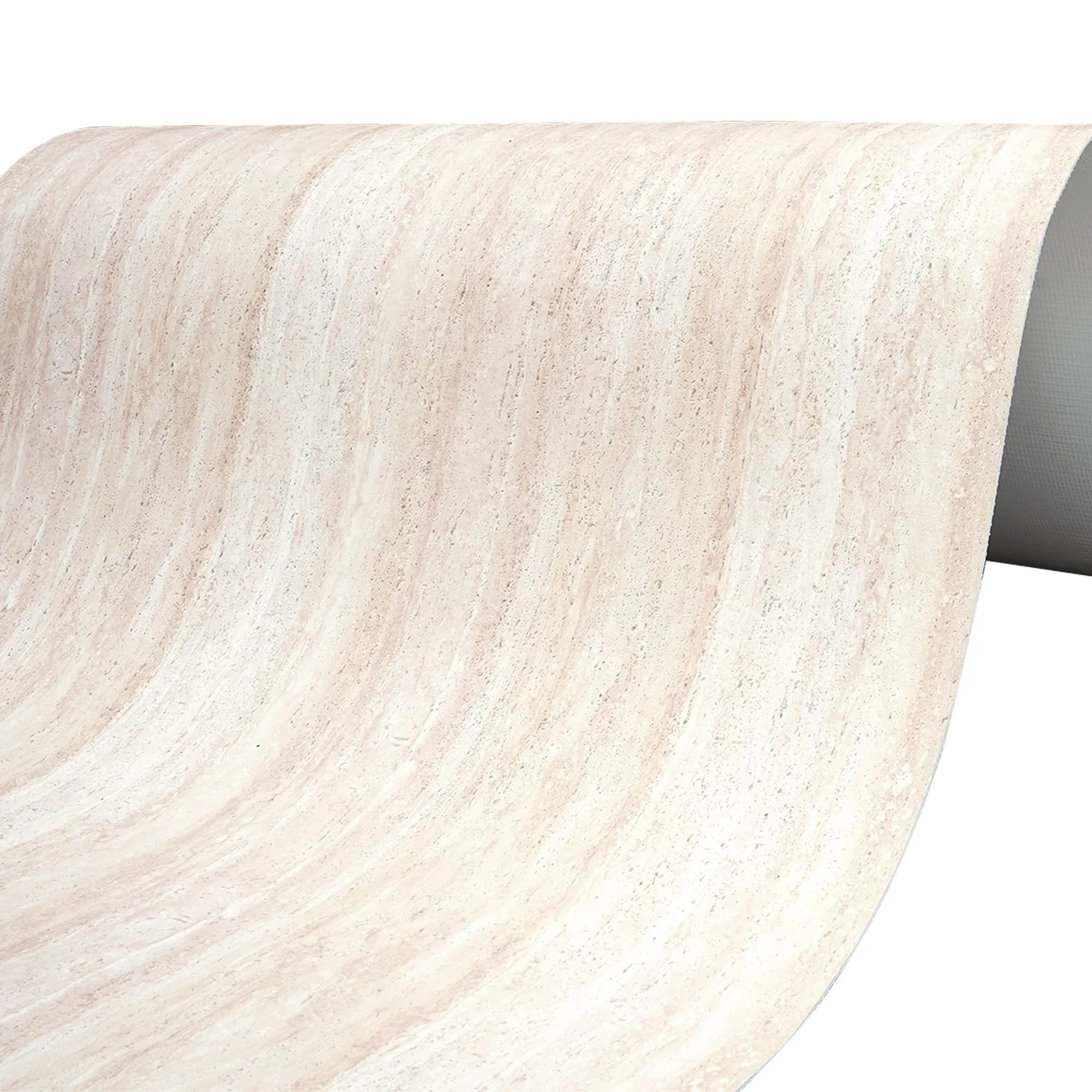
With the composite dough ready, it's time to shape it into slabs. For Rona Yellow, manufacturers use steel molds lined with textured films that imprint patterns onto the surface. While some MCM products, like wave panel or semicircle board , feature bold textures, Rona Yellow typically uses a subtle "sanded" finish—smooth to the touch but with enough grip to avoid appearing flat.
The molding process begins with feeding the composite dough into a hydraulic press. The press forces the dough into the mold cavity under high pressure (around 200 bar), ensuring it fills every nook of the textured film. Excess dough is trimmed off, leaving a slab that's roughly 3 meters long, 1.2 meters wide, and 4-6mm thick—lightweight enough for easy installation but sturdy enough to resist impact.
Molds are heated to 80°C during pressing, accelerating the polymer's cooling and setting. After 5 minutes under pressure, the slab is ejected from the mold, still warm and slightly pliable. At this stage, it resembles a large, golden cookie—solid but not yet fully cured. Operators inspect each slab for defects like air bubbles or uneven edges, setting aside any that don't meet standards for reprocessing.
If molding is the "birth" of the slab, curing is its "growth" phase. Just as a cake needs time to cool and set, Rona Yellow slabs require controlled conditions to reach their full strength. After molding, slabs are stacked vertically in a curing chamber—a large room where temperature (25°C) and humidity (60%) are kept constant.
Over 24 hours, the polymer binder continues to cross-link, forming strong chemical bonds between limestone particles. This slow curing prevents internal stresses that could cause cracking later. Think of it like cooling hot glass slowly to avoid shattering; rapid cooling would trap heat and tension, weakening the material.
After the initial 24-hour cure, slabs are moved to a secondary chamber with slightly lower humidity (50%) for another 48 hours. This "drying" phase removes excess moisture, ensuring the slab remains dimensionally stable once installed. By the end of curing, Rona Yellow has achieved 90% of its final strength—a process that, unlike traditional concrete (which can take 28 days to cure), is optimized for efficiency without compromising quality.
Cured slabs are strong, but they need one final touch to unlock their full beauty: surface treatment. For Rona Yellow, this involves two key steps: polishing and sealing.
Polishing is done using abrasive belts, starting with a coarse grit (120) to smooth out any rough edges from molding, then progressing to finer grits (400, 800) to bring out the limestone's natural luster. The goal isn't a mirror finish—Rona Yellow's charm lies in its understated warmth—but enough sheen to highlight the material's texture. Operators use handheld tools for edges and corners, ensuring evenness across the slab.
Next comes sealing, a critical step for durability. A water-based acrylic sealant is sprayed onto the slab, forming a thin, invisible barrier that repels water, oil, and stains. Unlike natural stone, which is porous, MCM's polymer matrix is already somewhat water-resistant, but sealing adds an extra layer of protection—especially important for exterior applications. The sealant is allowed to dry for 2 hours, after which the slab is buffed lightly to remove any residue.
For clients who prefer a matte finish, the sealing step is skipped, and the slab is given a final sanding with a 1000-grit belt. This creates a soft, velvety texture that absorbs light rather than reflecting it—a popular choice for interior accent walls where a more muted look is desired.
Before a Rona Yellow slab leaves the factory, it undergoes a battery of tests to ensure it meets the highest standards. This isn't just about catching defects—it's about guaranteeing that architects and builders can trust the material to perform for decades.
First, visual inspection: each slab is checked for color consistency, edge straightness, and surface defects like cracks or pinholes. A machine scans the slab with a colorimeter, comparing its hue to a master Rona Yellow sample. Any slab with a color difference of more than 2 ΔE (a unit of color measurement) is rejected.
Mechanical tests follow: a sample from each batch is subjected to bending (to check flexibility), impact (to test shatter resistance), and water absorption (to verify the sealant's effectiveness). For example, Rona Yellow must withstand bending to a radius of 50cm without cracking—far more flexible than fair-faced concrete , which would snap under such stress.
Finally, accelerated weathering tests simulate 20 years of exposure to sunlight, rain, and temperature fluctuations. Slabs are placed in a chamber with UV lamps and spray nozzles, and after 1,000 hours, they're inspected for fading, cracking, or delamination. Only batches that pass all these tests earn the "Rona Yellow" label.
Once approved, Rona Yellow slabs are packed into protective crates, labeled with batch numbers (for traceability), and shipped to job sites worldwide. There, they're cut to size with standard power tools (another advantage of MCM over natural stone, which requires diamond blades), installed using aluminum rails or adhesive, and transformed into everything from hotel facades to restaurant feature walls.
In recent years, Rona Yellow has found a niche in sustainable architecture. Because MCM is lightweight (just 8kg per square meter, compared to 25kg for natural stone), it reduces structural load, cutting down on steel reinforcement and energy use during construction. Its durability also means less maintenance and replacement over time—a small but meaningful contribution to reducing waste.
From quarry to construction site, the making of Rona Yellow MCM is a testament to human ingenuity. It's a process that honors tradition (drawing on natural limestone) while embracing innovation (using polymers for flexibility). Every slab carries with it the care of materials scientists who tested pigments, the precision of operators who mixed the composite, and the pride of inspectors who ensured it met the highest standards.
In a world where design trends come and go, Rona Yellow endures not just for its color, but for the thoughtfulness baked into every step of its creation. It's more than a cladding material—it's a bridge between nature and technology, between the raw and the refined. And as it continues to adorn buildings around the globe, it tells a story: that great design begins with great process.
Recommend Products












