
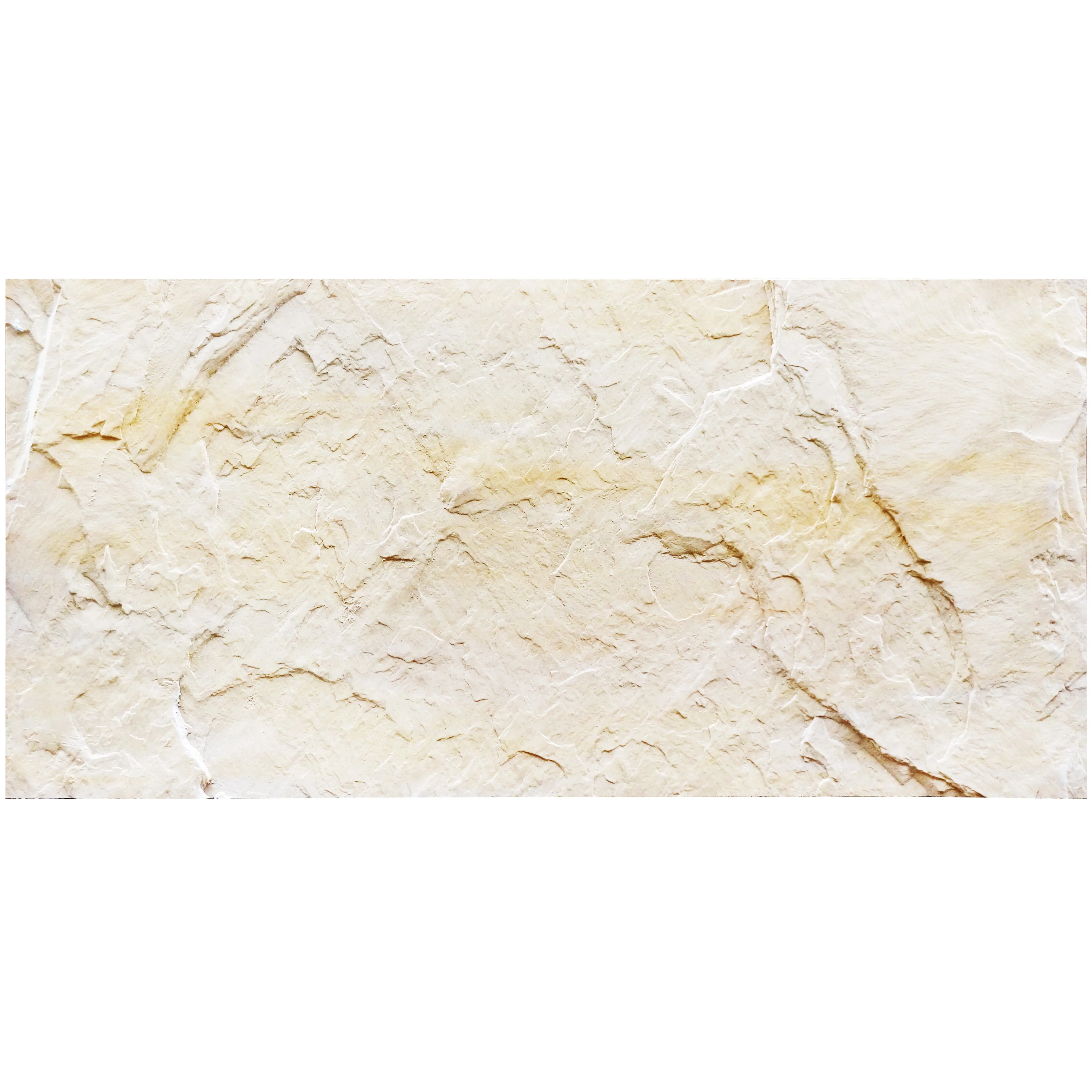
In the world of interior and exterior design, few materials strike the balance between raw natural beauty and modern functionality quite like Slate Sunnye. Part of the innovative MCM (Modified Composite Material) product line, this stone-inspired cladding solution has become a favorite among architects and designers for its warm, sunlit veining, remarkable flexibility, and durability. But what does it take to transform humble raw materials into the stunning panels that adorn walls, facades, and spaces worldwide? Let's pull back the curtain on the craftsmanship, precision, and passion that go into every Slate Sunnye board—from quarry to finished product.
Before diving into the process, let's take a moment to appreciate what makes Slate Sunnye unique. Unlike traditional natural slate, which is heavy, brittle, and limited in application, Slate Sunnye is part of the broader MCM flexible stone category—a blend of natural stone aggregates and advanced polymers that marry the aesthetic depth of stone with the practical benefits of modern composites. Imagine running your hand over its surface: you'll feel the cool, earthy texture of real slate, but with a subtle give that hints at its flexibility. It's this duality—raw authenticity meets engineering ingenuity—that has made it a go-to for designers seeking both character and performance.
But Slate Sunnye isn't just another MCM product. Its signature "sunny" veining—soft golds and warm grays that mimic sunlight filtering through stone—sets it apart. To achieve this, every step of the manufacturing process is executed with meticulous care, from selecting the right raw materials to the final surface treatment. Let's start at the very beginning: the ingredients that make Slate Sunnye possible.
Great products start with great materials, and Slate Sunnye is no exception. The process begins with sourcing high-quality natural slate aggregates, typically from quarries in regions known for their rich, mineral-dense stone. These aggregates are the "soul" of Slate Sunnye, contributing to its authentic color and texture. But not just any slate will do: teams of geologists and material specialists hand-select batches based on their iron oxide content (which gives the golden veining) and mineral composition (to ensure compatibility with binding agents).
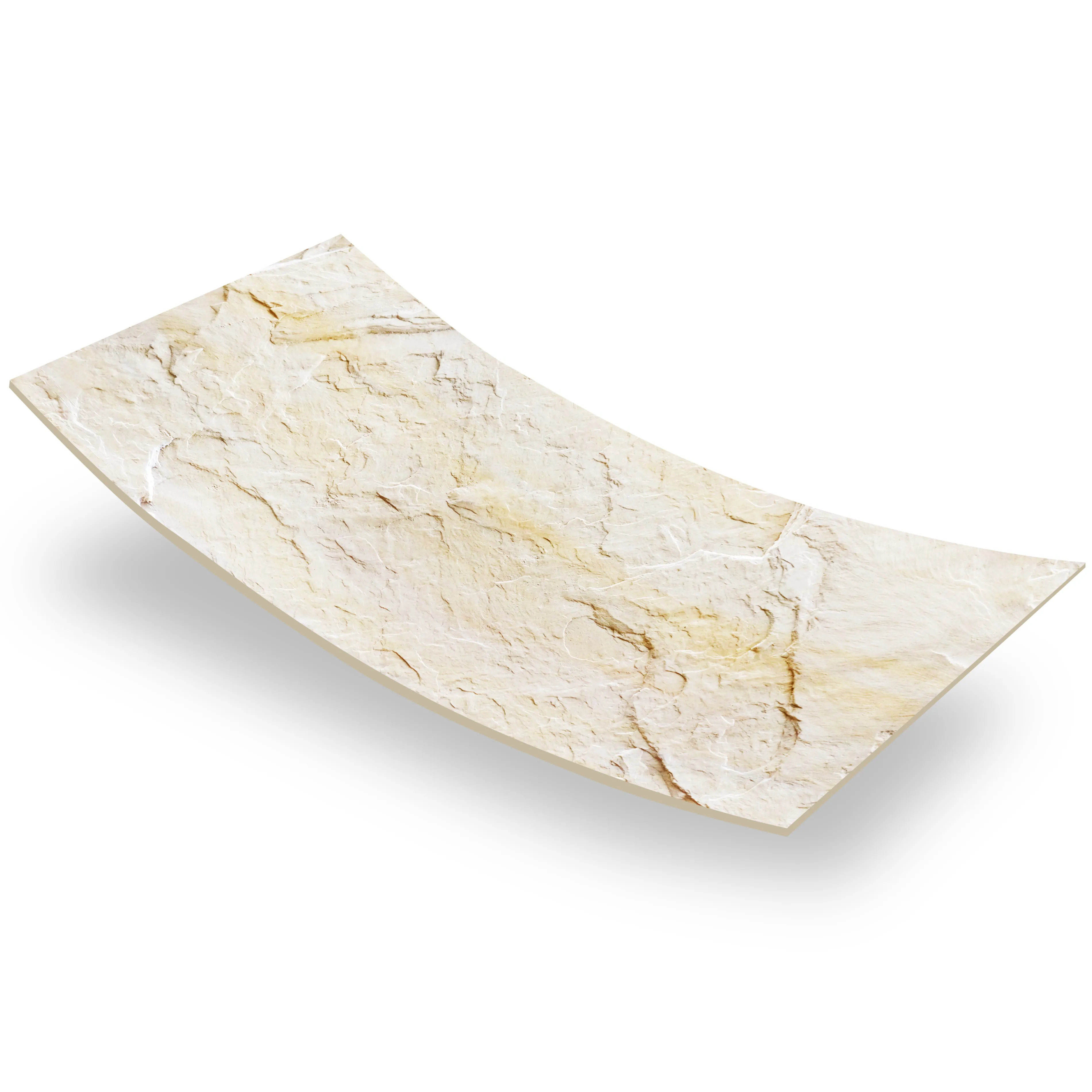
Alongside slate aggregates, the formula includes modified polyester resins—a key component of MCM technology. These resins are what transform rigid stone into a flexible material, allowing Slate Sunnye to bend without cracking, a game-changer for curved surfaces or installations where traditional stone would fail. Additives like UV stabilizers and fire-retardant compounds are also mixed in, ensuring the finished product can withstand harsh weather, sunlight, and even high temperatures.
| Component | Slate Sunnye | Traditional Slate |
|---|---|---|
| Primary Aggregate | Selected slate fines (0.1–2mm particle size) | Whole slate slabs (mined and split) |
| Binding Agent | Modified polyester resins + additives | None (natural stone matrix) |
| Flexibility | Can bend up to 30° without cracking | Rigid; prone to breaking under stress |
| Sustainability | Uses 70% recycled slate waste | High quarrying waste (up to 40%) |
To put this in perspective, consider fair-faced concrete —a material prized for its raw, unpolished look. While fair-faced concrete offers industrial charm, Slate Sunnye takes that authenticity a step further by infusing it with the organic variation of natural stone. It's the difference between a blank canvas and one painted with the earth's own brushstrokes.
Once the raw materials arrive at the facility, they undergo rigorous preprocessing to ensure consistency. First, the slate aggregates are washed to remove dirt, clay, and other impurities. This isn't just a quick rinse: specialized machinery agitates the aggregates in water, separating lighter debris from the denser stone particles. Any remaining contaminants are picked out by hand—yes, by skilled workers who've trained their eyes to spot even the tiniest flaw. "A single speck of iron can discolor an entire batch," one technician explains. "We treat each load like a chef treats their ingredients—with respect."
Next, the cleaned aggregates are crushed into fines of precise particle sizes. This step is critical: too large, and the surface texture becomes uneven; too small, and the stone loses its natural "grain." Using cone crushers and vibrating screens, the aggregates are sorted into grades (coarse, medium, fine), which will later be blended to create Slate Sunnye's signature layered texture. Think of it like baking a cake: the right mix of flours and sugars creates the perfect crumb, just as the right mix of slate fines creates the perfect feel under your fingertips.
The resins and additives also undergo preprocessing. The resins are heated to a specific viscosity to ensure they flow evenly during mixing, while additives are measured by weight to the gram. Even a 0.5% miscalculation in fire-retardant additive, for example, could compromise the product's safety rating. This attention to detail is why MCM products like Slate Sunnye are trusted in high-stakes environments, from luxury hotels to public transit hubs.
With preprocessed materials in hand, the next step is mixing—a process that balances precision engineering with a touch of artistry. The slate fines, resins, and additives are combined in industrial mixers, but not all at once. First, the coarse and medium aggregates are blended dry to distribute them evenly. Then, the resins (heated to 45°C for optimal flow) are slowly poured in, followed by the fine aggregates and additives. The mixer tumbles for exactly 12 minutes—long enough to coat every particle, but not so long that the resin begins to cure prematurely.
During mixing, operators monitor the consistency like a baker checks dough. "It should be thick enough to hold a shape, but not so thick that it doesn't spread in the mold," says Maria, a mixing supervisor with 15 years of experience. "We do a 'hand test' every batch: take a handful, squeeze it, and if it holds together without oozing resin, we're good." This human oversight ensures that even with automation, the mix retains the subtle variations that make each Slate Sunnye panel unique.
It's here that Slate Sunnye's color is (tweaked). While the base color comes from the natural slate, small amounts of mineral pigments are added to enhance the golden veining. For example, a dash of iron oxide powder deepens the warm tones, while titanium dioxide brightens the lighter areas. This is where the "sunny" in Slate Sunnye truly comes alive—each batch has its own interplay of light and shadow, like sunlight dancing over a bed of stone.
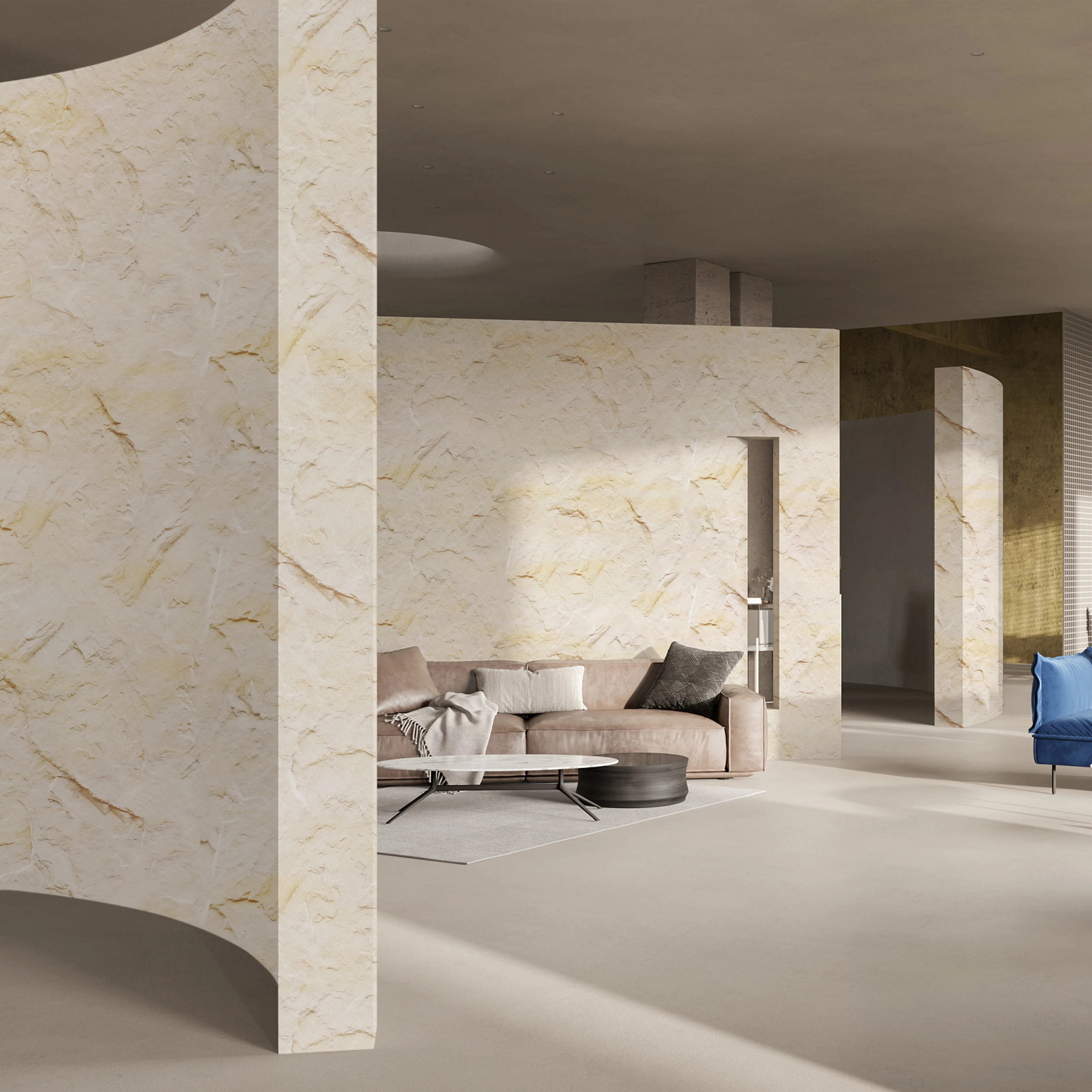
Once mixed, the material is ready for molding. This is where Slate Sunnye's texture is born, and it's a step that leans heavily on MCM 3D printing series technology. Unlike traditional stone, which is carved or split, Slate Sunnye uses 3D-printed molds to replicate the intricate veining and pitting of natural slate. These molds are created by scanning real stone samples—some centuries old—to capture every ridge, groove, and imperfection. "We once scanned a slate from a 19th-century cottage in Wales," recalls a design lead. "The mold picked up a tiny fossil impression, and now that detail appears in every Slate Sunnye panel. It's like preserving a piece of history in every board."
The mixed material is poured into these molds, then pressed under high pressure (around 500 psi) to ensure it fills every crevice. The pressure also expels air bubbles, which could weaken the panel over time. After pressing, the molds are transferred to curing ovens, where they're heated to 80°C for 45 minutes. This controlled curing process allows the resin to cross-link, transforming the soft mixture into a rigid-yet-flexible sheet. It's similar to how a cake firms up in the oven—heat triggers a chemical reaction that sets the structure.
Once cured, the panels are demolded, revealing a rough "blank" of Slate Sunnye. At this stage, they look like raw stone, but with a secret: bend one gently, and it gives—something traditional slate would never do. This flexibility is why Slate Sunnye is a favorite for renovations, where old buildings with uneven walls need materials that can adapt.
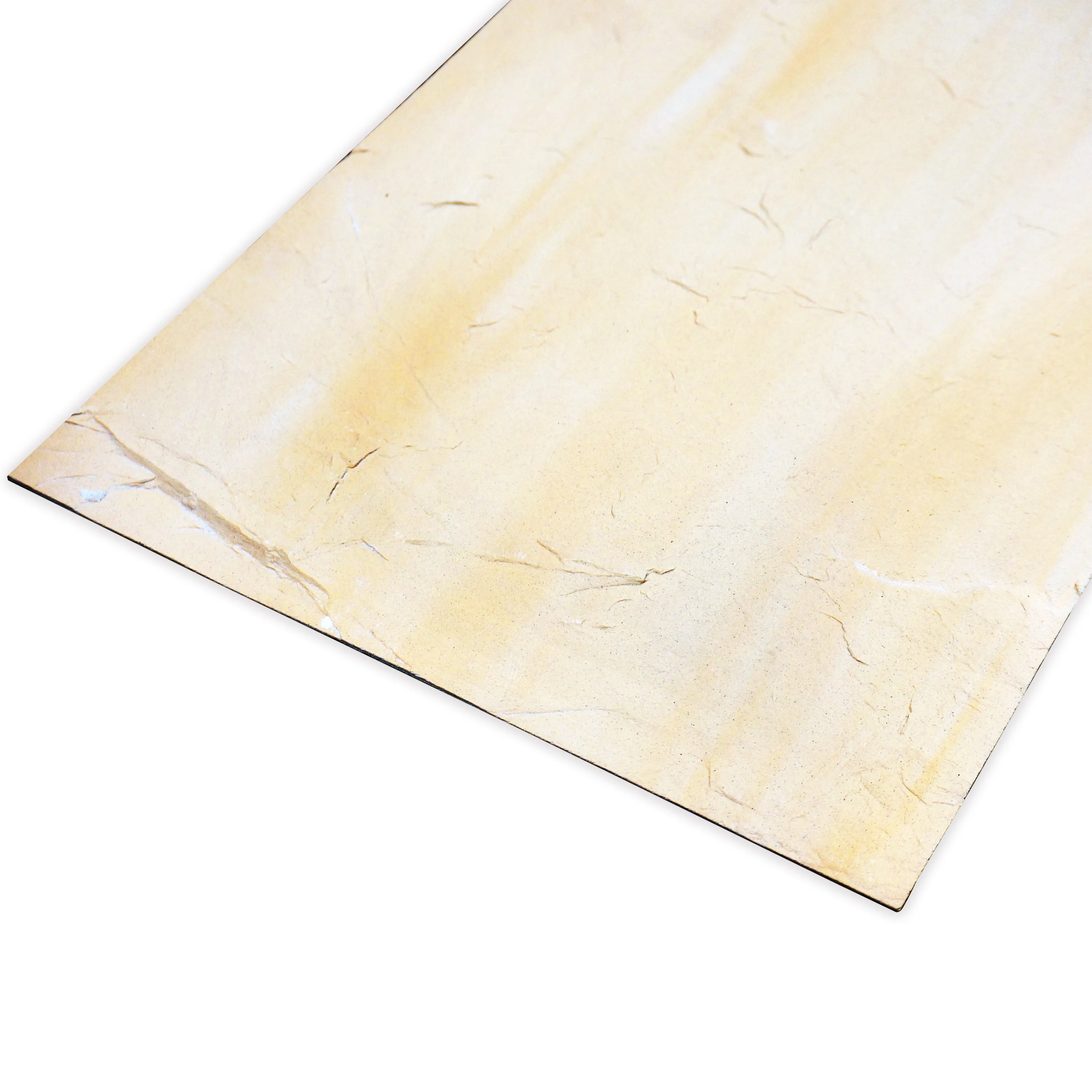
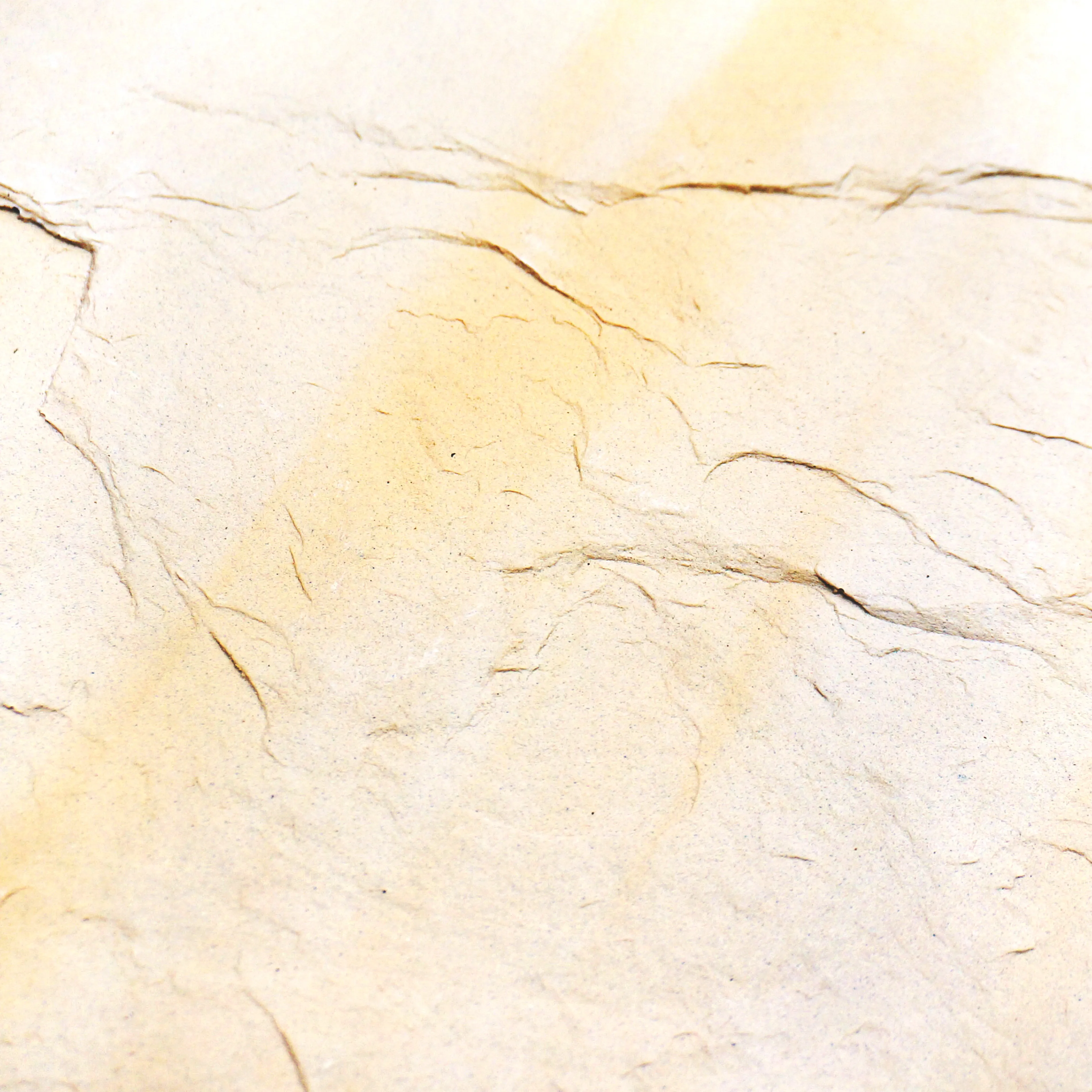
With the basic shape set, the panels move to surface treatment—a step that balances aesthetics with functionality. First, they're sanded using progressively finer grits, starting with 80-grit sandpaper to smooth rough edges, then 240-grit to refine the texture. Skilled workers guide the sanders by hand, following the natural direction of the veining to enhance its flow. "It's like brushing hair," one sander jokes. "Go against the grain, and it looks messy."
Next, the panels are sealed with a clear, water-based sealant that protects against stains and moisture without dulling the color. This sealant is applied in thin layers, with each layer dried and buffed before the next. For high-traffic areas, an extra UV-resistant topcoat is added, ensuring the golden veining won't fade even in direct sunlight—a feature that makes Slate Sunnye ideal for outdoor use, from patio walls to pool surrounds.
At this stage, the panels are nearly finished, but a final quality check ensures they meet the brand's standards. Inspectors run their hands over the surface, checking for smoothness; they bend panels to test flexibility; they even use specialized lights to highlight any invisible cracks. "We reject about 3% of panels," says a quality control manager. "It's tough, but our customers expect perfection. A wall cladding isn't just a material—it's part of someone's home or workspace. We take that personally."
The last step is trimming the panels to standard sizes (typically 1200x600mm or 2400x1200mm) using diamond-tipped saws, which cut through the material cleanly without chipping. Custom sizes are also available, with teams using CNC machines for precision cuts. Once trimmed, the panels are labeled with batch numbers (for traceability) and packaged in eco-friendly, recyclable materials. Each package includes installation guides and care instructions—small touches that reflect the brand's commitment to supporting designers and contractors.
Finally, the finished Slate Sunnye boards are loaded onto trucks, destined for projects around the globe. From a boutique hotel in Tokyo to a restaurant in Barcelona, each panel carries with it the story of its creation: the quarries, the workers, the science, and the craft. It's a far cry from mass-produced materials; it's a product with heart.
Slate Sunnye is just one star in the MCM universe. The product line includes everything from wood grain board (which mimics the warmth of oak or teak without the maintenance) to travertine (starry blue) (a dramatic, cosmos-inspired stone with deep blue veins and "starry" flecks of mica). What unites them all is the commitment to blending natural beauty with modern performance.
For example, wood grain board uses the same MCM technology to replicate wood's texture and color, but with added benefits: it's termite-resistant, waterproof, and won't warp in humidity. Similarly, travertine (starry blue) takes the classic travertine look and amplifies it with a celestial twist, making it a favorite for accent walls in luxury spaces. Together, these products offer designers a palette of possibilities—each with the same dedication to quality that defines Slate Sunnye.
Manufacturing Slate Sunnye isn't just a process—it's a labor of love. From selecting the perfect slate aggregates to 3D-printing molds that capture centuries of stone history, every step is guided by a commitment to authenticity, durability, and beauty. It's a product that honors the past (natural stone) while embracing the future (flexible, sustainable materials).
So the next time you run your hand over a Slate Sunnye wall, take a moment to appreciate what's beneath the surface: not just stone and resin, but the skill of workers who've spent years mastering their craft, the innovation of engineers pushing material science forward, and the quiet pride of a team that believes great design should feel as good as it looks. In a world of quick fixes and disposable products, Slate Sunnye is a reminder that some things are worth building to last.
Recommend Products












