
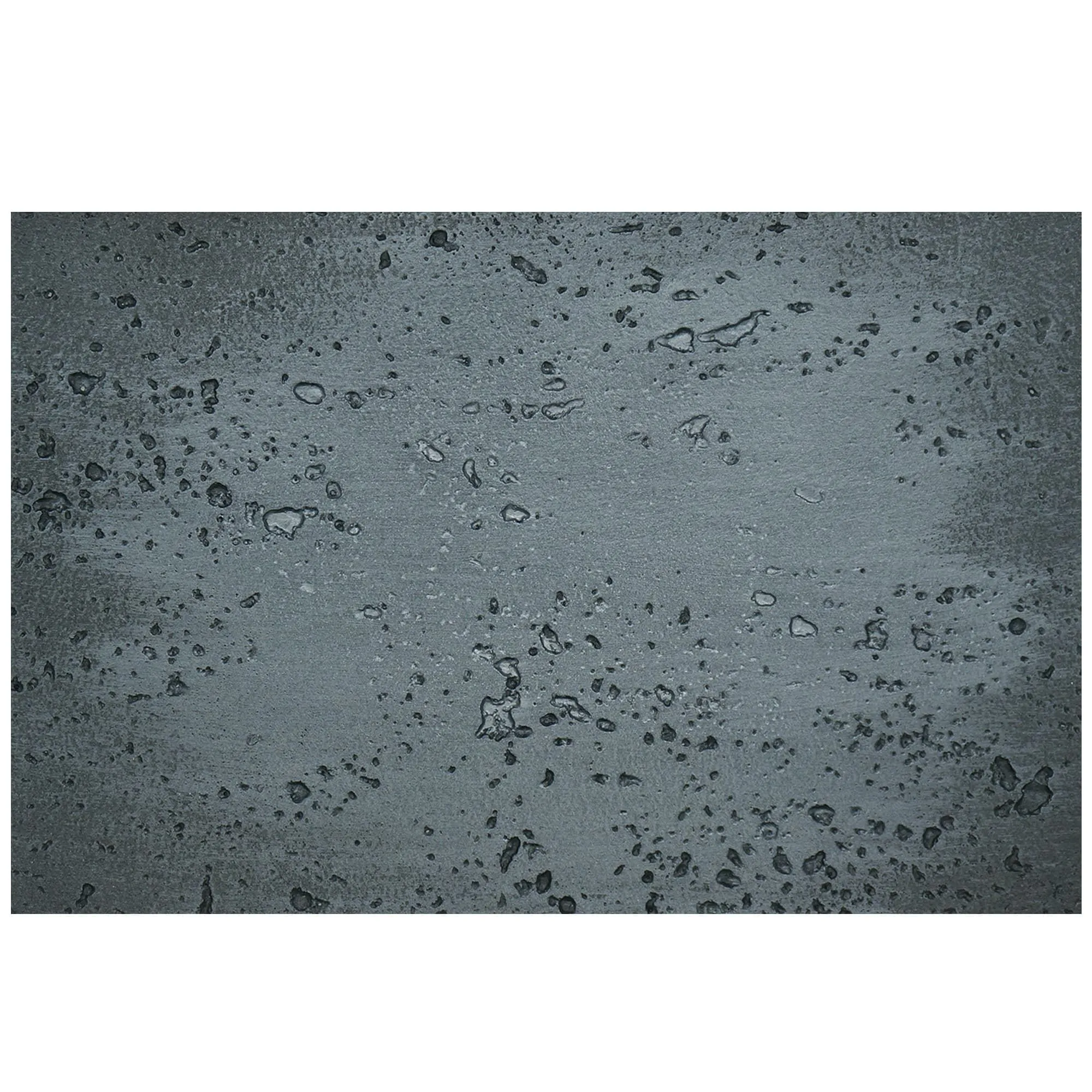
Deep within the earth's crust, time moves at a pace we can barely fathom. Rivers carve canyons, volcanoes spew lava, and minerals crystallize—all silent architects of the natural world. Among their masterpieces is travertine, a stone that carries the whispers of ancient seas and mineral-rich springs. Today, we turn our attention to a particularly captivating variant: travertine (vintage silver) . Its cool, muted luster and intricate veining tell a story millions of years in the making, blending geological wonder with timeless beauty. Let's journey into the heart of how this stone forms, what makes its vintage silver hue so unique, and why it continues to captivate architects and designers around the globe.
Before diving into the specifics of vintage silver travertine, let's ground ourselves in the basics. Travertine is a type of limestone, but not just any limestone. Unlike its denser cousins formed from marine sediments, travertine is a chemical sedimentary rock , born from the slow, deliberate process of mineral-rich water cooling and depositing calcium carbonate. Think of it as nature's own concrete—layer upon layer of dissolved minerals, left behind as water evaporates or loses its ability to hold them in solution.
You've likely encountered travertine in grand spaces: the steps of ancient Roman amphitheaters, the floors of luxury spas, or the facades of modern boutiques. Its porous texture, warm earthy tones, and unique veining make it a favorite for both classical and contemporary design. But within the travertine family, there are stars—and vintage silver travertine is one of them. Its name gives a hint: this isn't the bright, creamy travertine you might picture. Instead, it bears a weathered, silvery-gray patina, as if time itself has gently brushed its surface to reveal something both old and new.
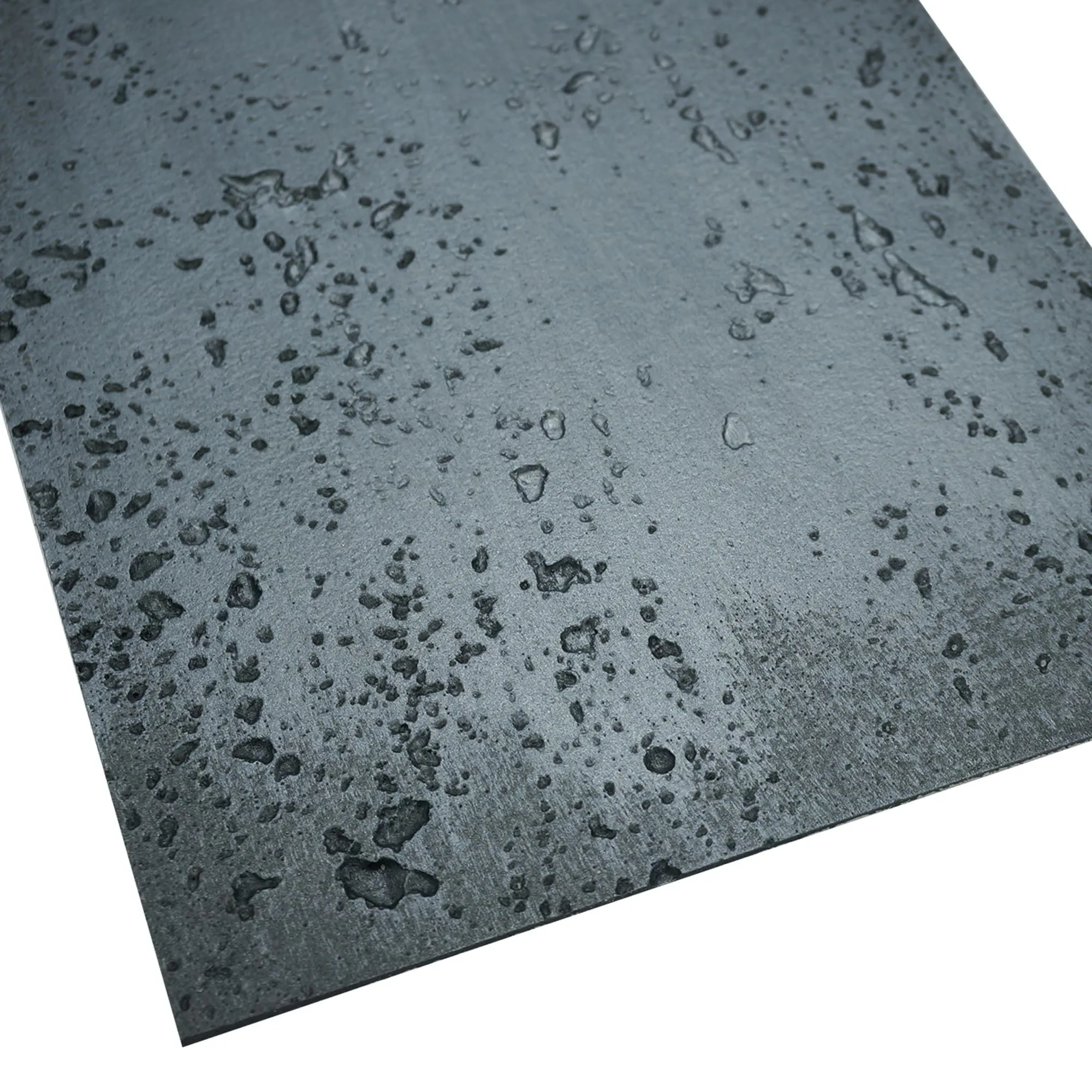
To understand vintage silver travertine, we need to start at the source: the springs, rivers, and geothermal pools where it all begins. Imagine a hot spring bubbling up from the earth, loaded with calcium bicarbonate. As this water rises to the surface, it encounters lower pressure and higher temperatures, causing the bicarbonate to release carbon dioxide. What's left? Calcium carbonate, the same compound that makes up chalk and seashells. This calcium carbonate doesn't just dissolve back into the water—it crystallizes, forming tiny, branching structures called tufa or, when layered over centuries, solid travertine.
The process is slow, often taking thousands or even millions of years. Each drop of water contributes a minuscule amount of mineral, but over time, these drops build mountains of stone. In places like Pamukkale, Turkey, or Yellowstone National Park's Mammoth Hot Springs, you can see this process in action: terraces of travertine, white and cream, cascading like frozen waterfalls. But vintage silver travertine isn't formed in these bright, sunlit terraces. Its story is one of deeper, darker conditions—and a few geological twists.
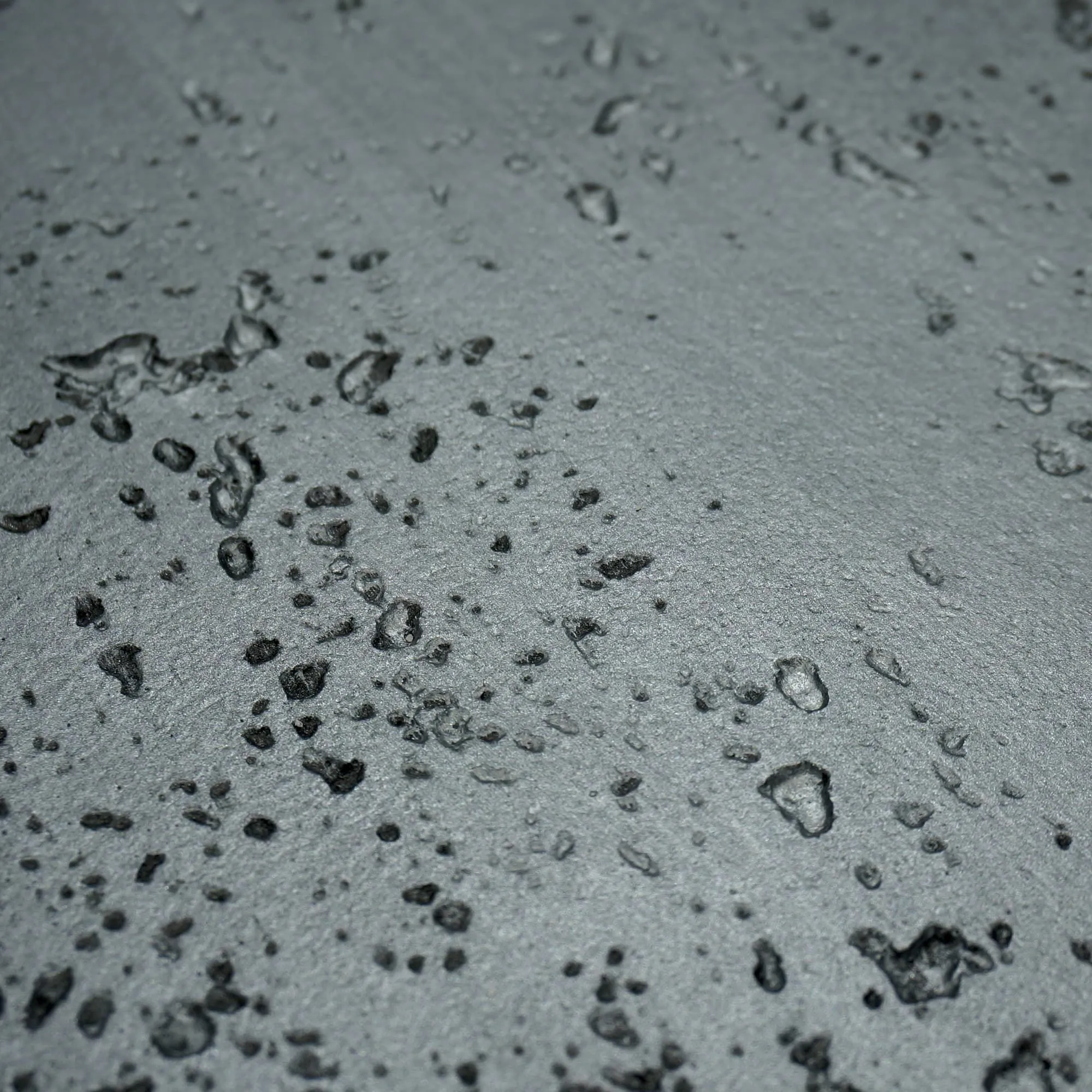
Most travertine leans toward warm beiges, golds, or soft grays, but vintage silver travertine is different. Its silvery hue comes from a combination of two key factors: trace minerals and oxidation over time . Let's break it down.
First, the minerals. While calcium carbonate is the main player, travertine often contains impurities—iron, manganese, even organic matter—that tint its color. In vintage silver travertine, these impurities are subtle: small amounts of iron, which oxidizes to form grayish tones, and silica, which adds a metallic sheen. Unlike the bold reds of travertine (starry red) or the vibrant greens of travertine (starry green) (which get their hues from higher concentrations of copper or algae), vintage silver travertine's color is a study in restraint. It's as if the stone absorbed the quiet light of a moonlit night, rather than the harsh glow of midday sun.
Then there's time. Vintage silver travertine isn't "born" silver—it ages into it. As the stone is exposed to air, water, and even pollution over millennia, its surface weathers. Porous by nature, travertine absorbs moisture, which carries tiny particles that settle into its holes and crevices. These particles, combined with the slow oxidation of iron minerals, darken the stone slightly, turning a pale gray into a deeper, richer silver. It's similar to how a piece of aged wood develops a patina, or how a copper roof turns green over time—nature's way of adding character.
Geologists often find vintage silver travertine in regions with cooler, less turbulent water flow. In fast-moving springs, travertine forms quickly, with large, open pores and bright colors. But in calm, shaded pools or underground caves, the mineral deposits are finer, the layers thinner, and the oxidation more gradual. This slow, steady growth allows the silver tones to develop evenly, without the blotchiness that can occur in more rapidly formed travertine.
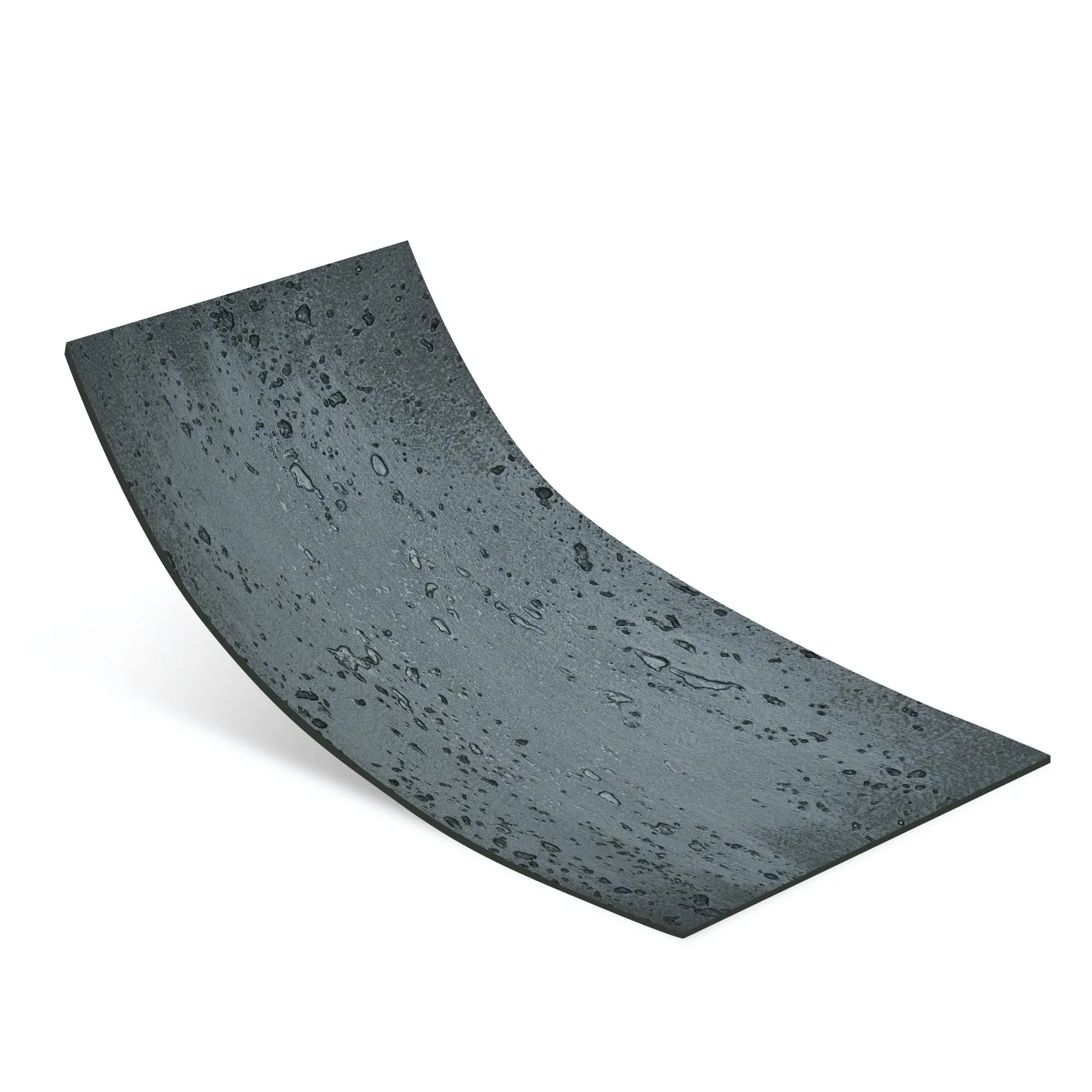
Not every travertine deposit yields vintage silver. It takes a specific set of geological conditions to create this unique variant. Let's map out the "recipe" for vintage silver travertine:
Regions like parts of Italy, Iran, and the American Southwest are known for producing vintage silver travertine. In Tuscany, for example, ancient springs have been depositing travertine for millions of years, and some quarries there specialize in extracting the silvery variants. These stones often bear the marks of their environment: faint fossilized leaves, tiny air bubbles trapped during formation, or delicate veining that looks like brushstrokes on a canvas.
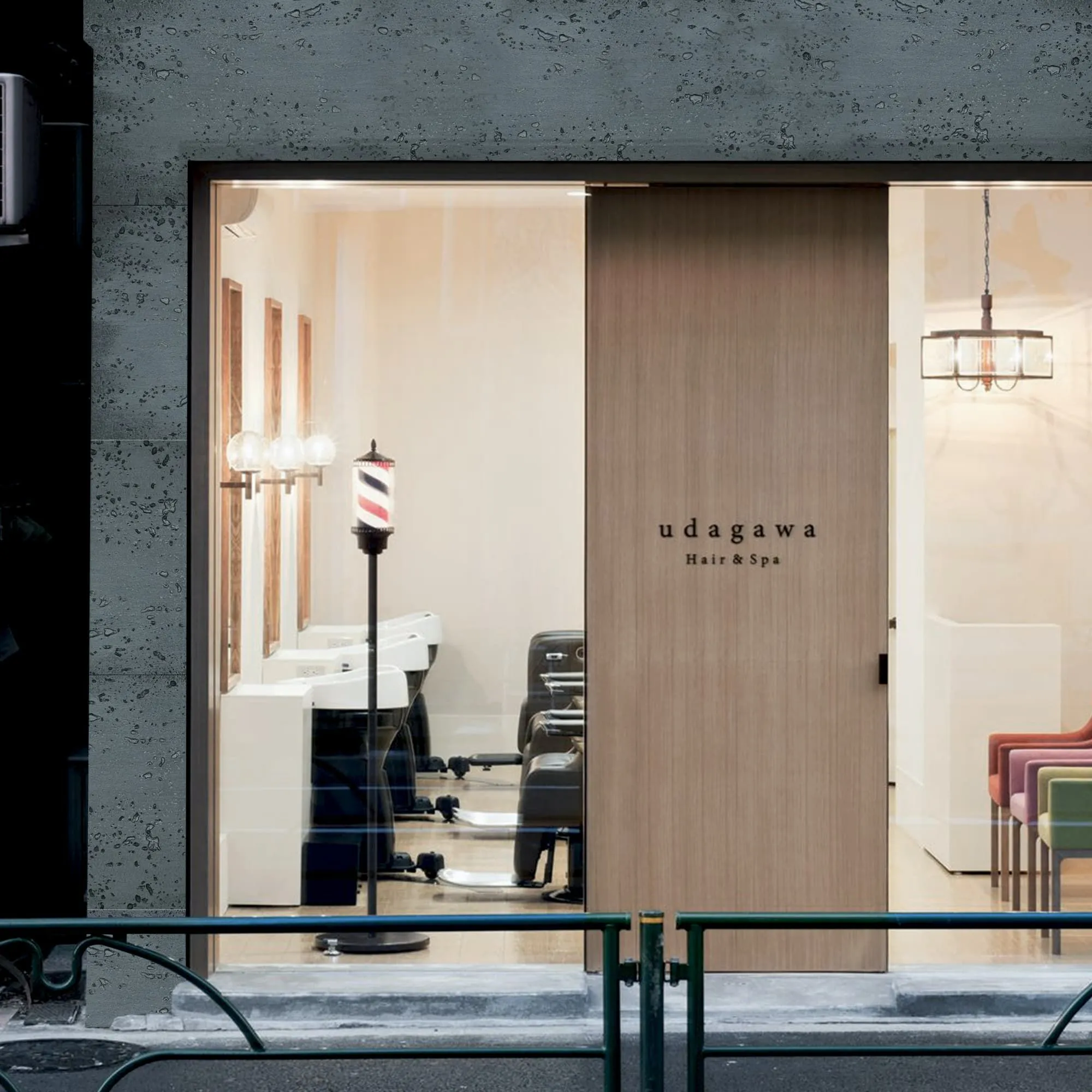
To truly appreciate vintage silver travertine, it helps to see how it differs from other popular stones. Let's compare it to two contemporaries: lunar peak silvery (a synthetic stone with a space-inspired sheen) and fair-faced concrete (a raw, industrial material). The table below breaks down their key features:
| Feature | Travertine (Vintage Silver) | Lunar Peak Silvery | Fair-Faced Concrete |
|---|---|---|---|
| Formation | Natural, chemical sedimentary rock formed over millennia from mineral springs. | Synthetic composite, often made with resin and mineral aggregates, designed to mimic a "lunar" texture. | Man-made, composed of cement, sand, and aggregates, poured and left unfinished for a raw look. |
| Color Origin | Natural oxidation of iron and silica deposits, developed over time. | Added pigments and metallic flakes for a uniform silvery finish. | Gray base with variations from aggregates; may be tinted, but typically industrial gray. |
| Texture | Porous with natural veining, pits, and fossilized inclusions; warm and organic. | Smooth or slightly textured, with a consistent, space-age sheen; uniform and sleek. | Matte, with visible aggregate and sometimes tooling marks; industrial and raw. |
| Common Uses | Interior floors, wall cladding, fireplace surrounds, and outdoor patios (with sealing). | Accent walls, furniture, and high-end commercial spaces aiming for a futuristic vibe. | Exterior facades, industrial-chic interiors, and structural elements. |
| Environmental Impact | Natural, but quarrying can disrupt ecosystems; sustainable when sourced from ethical quarries. | Synthetic, with potential for chemical emissions during production; less eco-friendly. | Energy-intensive to produce; can be recycled, but has a high carbon footprint. |
What stands out? Vintage silver travertine's authenticity . Unlike lunar peak silvery (which is engineered for a specific look) or fair-faced concrete (which leans into industrial minimalism), vintage silver travertine is a product of time and nature. Its imperfections—pits, fossils, uneven veining—are part of its charm. It doesn't just look old; it is old, carrying the history of the earth in every inch.
Travertine has been revered for centuries, and vintage silver travertine is no exception. In ancient Rome, travertine was the stone of choice for grand structures like the Colosseum, valued for its durability and workability. While the Romans favored cream-colored travertine, there's evidence that some quarries in what is now Turkey produced silvery variants, used in smaller, more intimate spaces like bathhouses or private villas. These stones were prized for their ability to reflect candlelight, creating a warm, inviting glow in dimly lit rooms.
Today, vintage silver travertine is making a comeback, especially in designs that blend old and new. Architects like Renzo Piano and Zaha Hadid have used it in modern buildings, pairing its weathered texture with sleek glass and steel. In residential spaces, it's often used for backsplashes, fireplace surrounds, or accent walls, where its silvery hue adds depth without overwhelming a room. When paired with wood grain board —another natural material with warm, organic textures—vintage silver travertine creates a space that feels both grounded and elevated, as if bringing the outdoors in, but with a touch of timeless elegance.
There's also a cultural shift toward "authenticity" in design. In a world of mass-produced, synthetic materials, people crave things with a story. Vintage silver travertine has a story: of springs bubbling in hidden valleys, of minerals crystallizing over epochs, of time itself shaping its form. When you run your hand over a slab of vintage silver travertine, you're touching something that began forming before humans invented writing, before the pyramids were built. That connection to the past is powerful—and it's why this stone continues to captivate.
Vintage silver travertine's versatility is part of its appeal. Let's explore how it's used today:
In homes, vintage silver travertine often takes center stage as flooring. Its neutral color pairs with almost any decor—from minimalist whites to bold jewel tones—and its porous texture adds warmth underfoot. Unlike polished marble, which can be slippery, travertine's natural grip makes it ideal for bathrooms and kitchens (though it does require sealing to prevent staining). For a cohesive look, designers sometimes extend the travertine from the floor up the wall, creating a feature wall that feels like a single, seamless slab of stone.
Fireplace surrounds are another popular use. The silvery-gray stone contrasts beautifully with the orange glow of a fire, creating a focal point that's both modern and rustic. And in living rooms, vintage silver travertine coffee tables or side tables add a touch of luxury without feeling ostentatious—their weathered look keeps things relaxed, like a well-loved antique.
In commercial settings, vintage silver travertine is a favorite for hotels, restaurants, and boutiques aiming for a "heritage with a twist" vibe. Imagine a boutique hotel lobby with walls clad in vintage silver travertine, paired with brass fixtures and wood grain board accents. The stone's silvery hue adds sophistication, while its texture keeps the space from feeling cold or sterile. In restaurants, it's used for bar tops or tabletops, where its durability stands up to daily wear and tear, and its unique veining gives each table a one-of-a-kind look.
Outdoors, vintage silver travertine shines in patios, walkways, and pool surrounds. Its natural resistance to heat (it stays cool underfoot even in direct sunlight) and slip-resistant texture make it practical, while its silvery color complements gardens and landscaping. In modern architecture, it's also used for building facades, where its weathered appearance helps structures blend into natural surroundings. A home clad in vintage silver travertine doesn't shout; it whispers, harmonizing with the sky, the trees, and the earth itself.
In an era of eco-conscious design, vintage silver travertine holds its own. Unlike synthetic stones, which require energy-intensive manufacturing processes, travertine is a natural resource, quarried from the earth. While quarrying does have environmental impacts, responsible quarries minimize damage by reforesting sites after extraction and using water recycling systems. Additionally, travertine is durable—with proper care, it can last for centuries, reducing the need for frequent replacement (and thus lowering its overall carbon footprint).
Another eco-friendly aspect? Travertine is often locally sourced. Many regions with travertine deposits have quarries that supply nearby markets, reducing the emissions associated with long-distance transportation. For example, Italian vintage silver travertine might be used in European buildings, while American-sourced stones find homes in the U.S. This "local first" approach aligns with the growing trend toward sustainable, community-focused design.
Travertine (vintage silver) is more than a building material. It's a testament to the earth's, a bridge between past and present, and a canvas for human creativity. Its silvery hue, born from minerals and time, adds depth to spaces; its porous texture, a reminder of nature's imperfection and beauty. Whether used in a cozy home or a towering skyscraper, it brings a sense of calm, of history, and of connection to something larger than ourselves.
As we look to the future of design—one that values authenticity, sustainability, and storytelling—vintage silver travertine will undoubtedly play a starring role. It's a stone that doesn't just decorate; it speaks . And what it says is simple: some things get better with time. In a world that's always rushing, that's a message worth heeding.
So the next time you encounter a slab of vintage silver travertine, take a moment to pause. Run your fingers over its surface, trace its veins, and imagine the journey it's been on. From a mineral-rich spring in a hidden valley to the walls of a home or a hotel, it's a story written in stone—and it's a story that's still being told.
Recommend Products












